Why Is My Steak Tough and Chewy? Easy Fix Guide
Tough steak ruins many home steak dinners. You buy a good cut, season it with care, and sear it hot. Then the knife meets a rubbery bite, and the juicy steak you wanted is gone.
Most steak turns tough when the cut is wrong, the pan is cool, or the cook skips the rest. Heat squeezes the juices out, and the muscle fibers tighten into a firm knot. Small mistakes add up, and the wrong method leaves the steak dry.
This guide walks through each cause, then gives simple fixes you can use today. Follow the steps, and your steak turns tender and juicy. And if your boiled eggs also peel badly, see why hard to peel eggs happen and how to fix them with simple kitchen tricks.
Pick the Right Cut
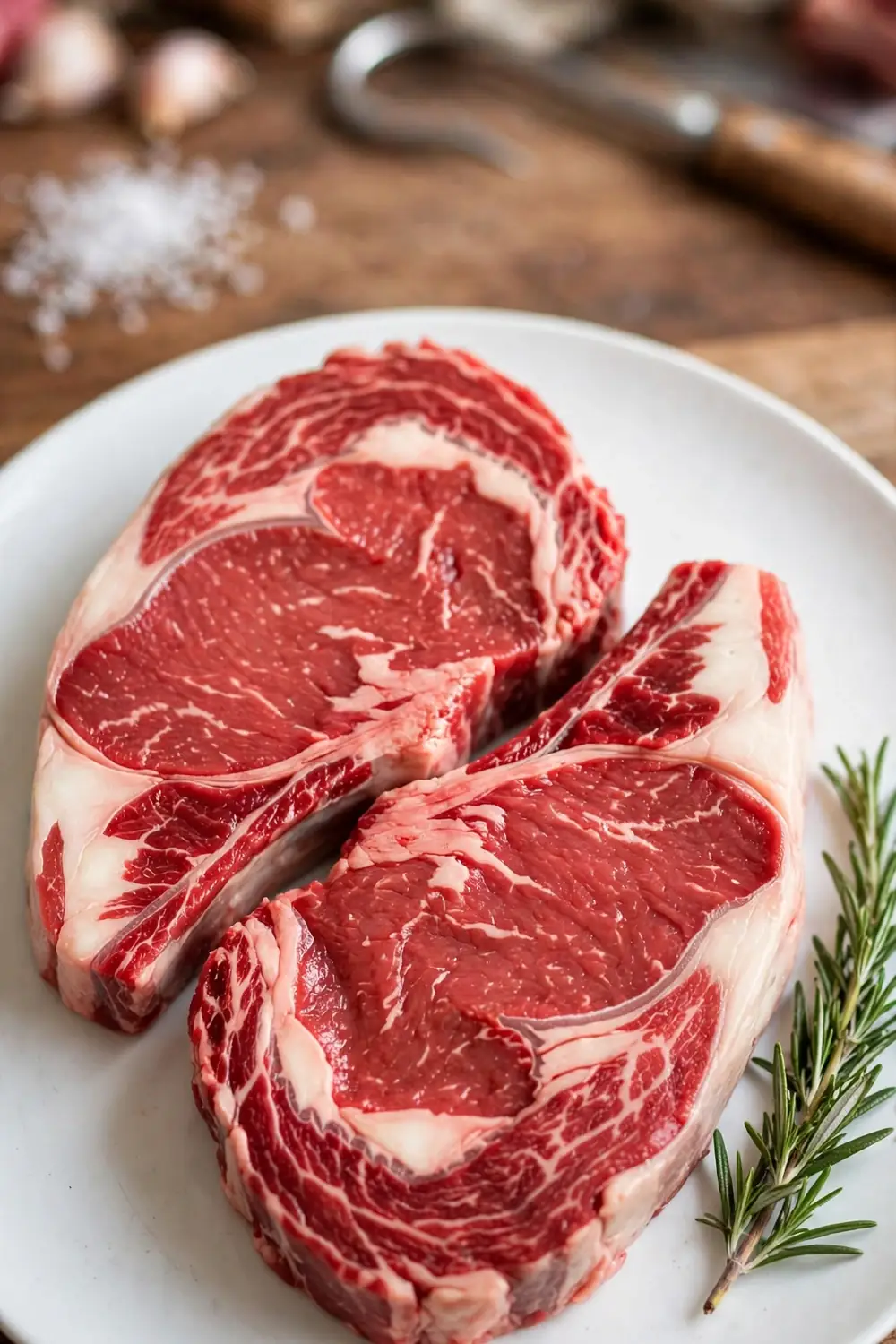
Before: A lean cut turns firm fast, and the center turns dense and chewy. Lean sirloin stays firm, and the bite stays tough. A thin, uneven steak cooks uneven, and the edges dry out. The wrong cut ruins the whole plate every single time at home.
After: Tender cuts cook soft, and the texture stays juicy. Ribeye and strip steak carry fat that melts into the meat, and the bite turns tender. Pick well marbled steaks of even thickness every time. Fresh steak makes the tenderest plate at home every single time.
Check each steak, and skip any with gray spots or a sour smell. Gray meat tastes stale, and a sour smell means the steak is past its best. Buy fresh steaks, and keep them cold until they hit the pan. Choose the cut with care every time.
Season It Well
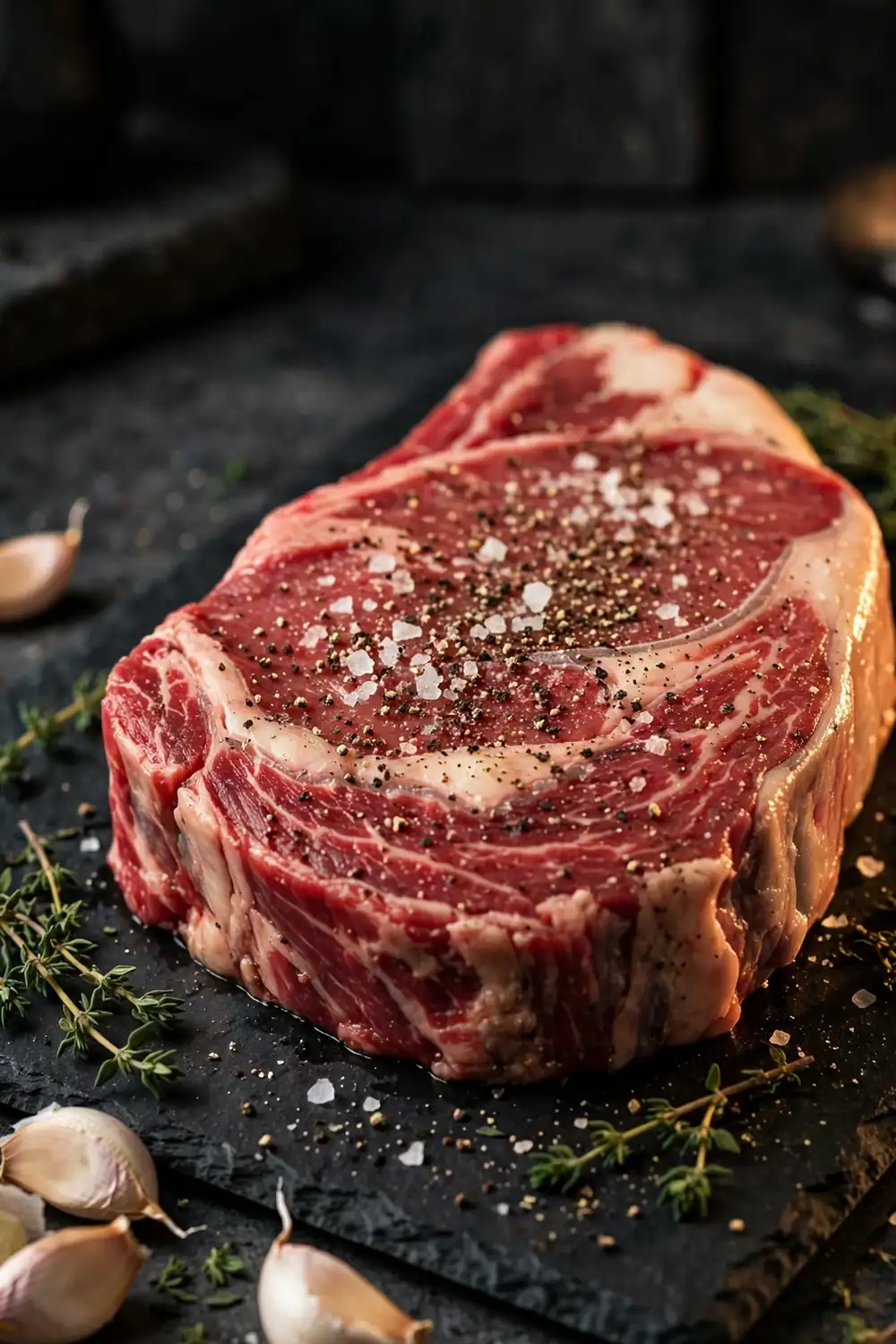
Plain steak makes a bland, tough bite that disappoints at the table. Season the steak generously with salt and pepper, and rub it in well. Seasoned meat builds a crisp crust, and the flavor stays rich. Salt the steak just before it hits the pan.
- Season with salt and pepper.
- Rub the seasoning in well.
- Taste the crust before serving.
- Season every steak the same way.
Sear It Hot
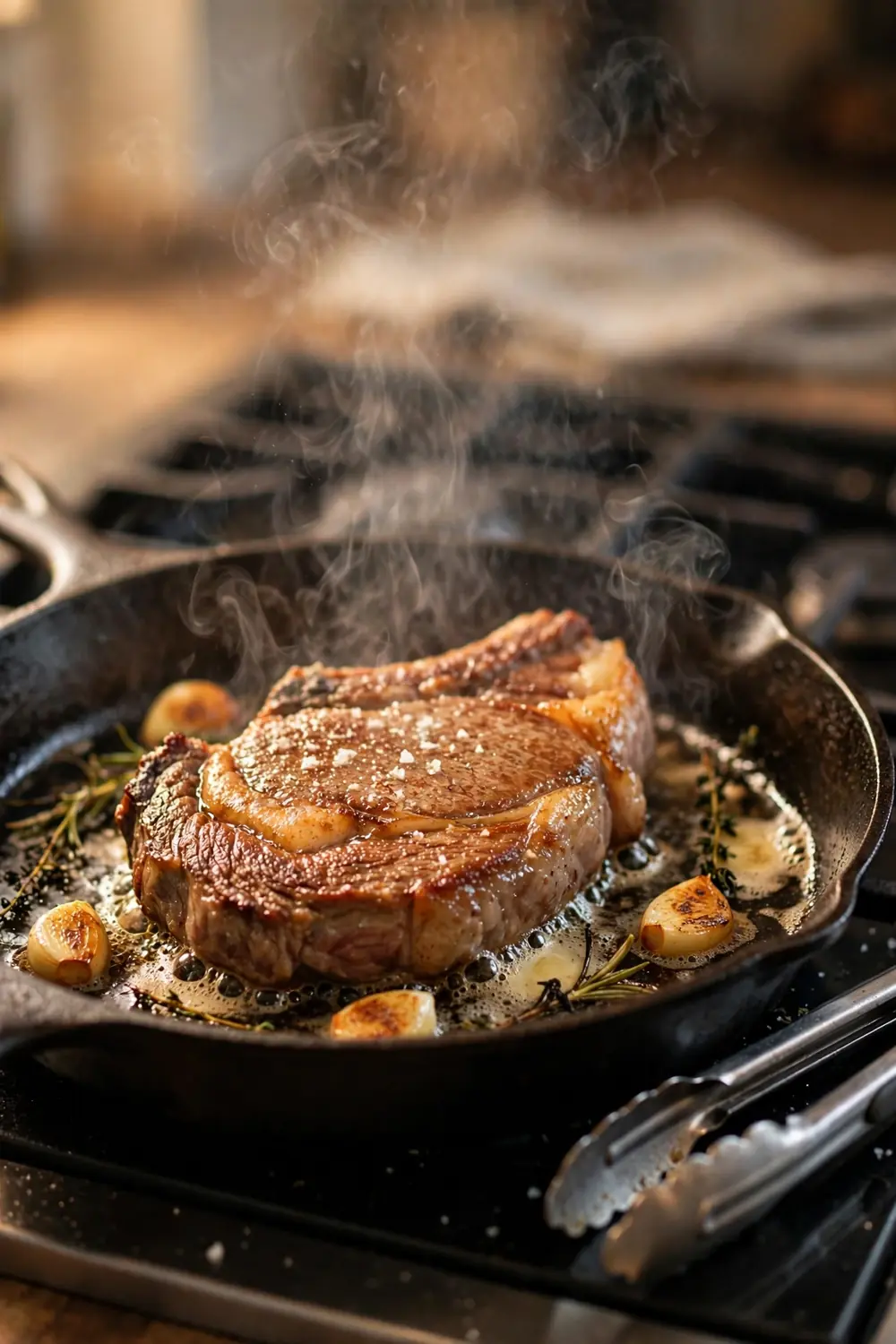
A hot pan seals the crust on contact, and a cool pan lets the steak steam. Heat the skillet over high heat until a drop of water sizzles and vanishes. A cool start dries the meat, and the steak turns tough. Hot metal builds a crisp crust from the first second.
Check the pan by holding your hand above it and feeling steady heat. A lukewarm pan still steams, and the steak suffers for it. A fully hot pan sears even, and the texture turns crisp. Keep the heat high while the steak cooks. Steady heat makes the tenderest steak.
Why Steak Turns Tough
Main Cause: Heat tightens muscle fibers.
Lean Cuts: Less fat means a firmer bite.
Cool Pan: Meat steams instead of searing.
Fix: Gentle sear, full rest, right cut.
Steak turns tough when heat tightens the muscle fibers before the juices settle. A lean cut, a cool pan, and a rushed cook all build that firm bite. The meat sits in the pan instead of searing, and the fibers squeeze dry. The steak looks done, yet the knife meets a hard chew.
Bring It to Room Temp
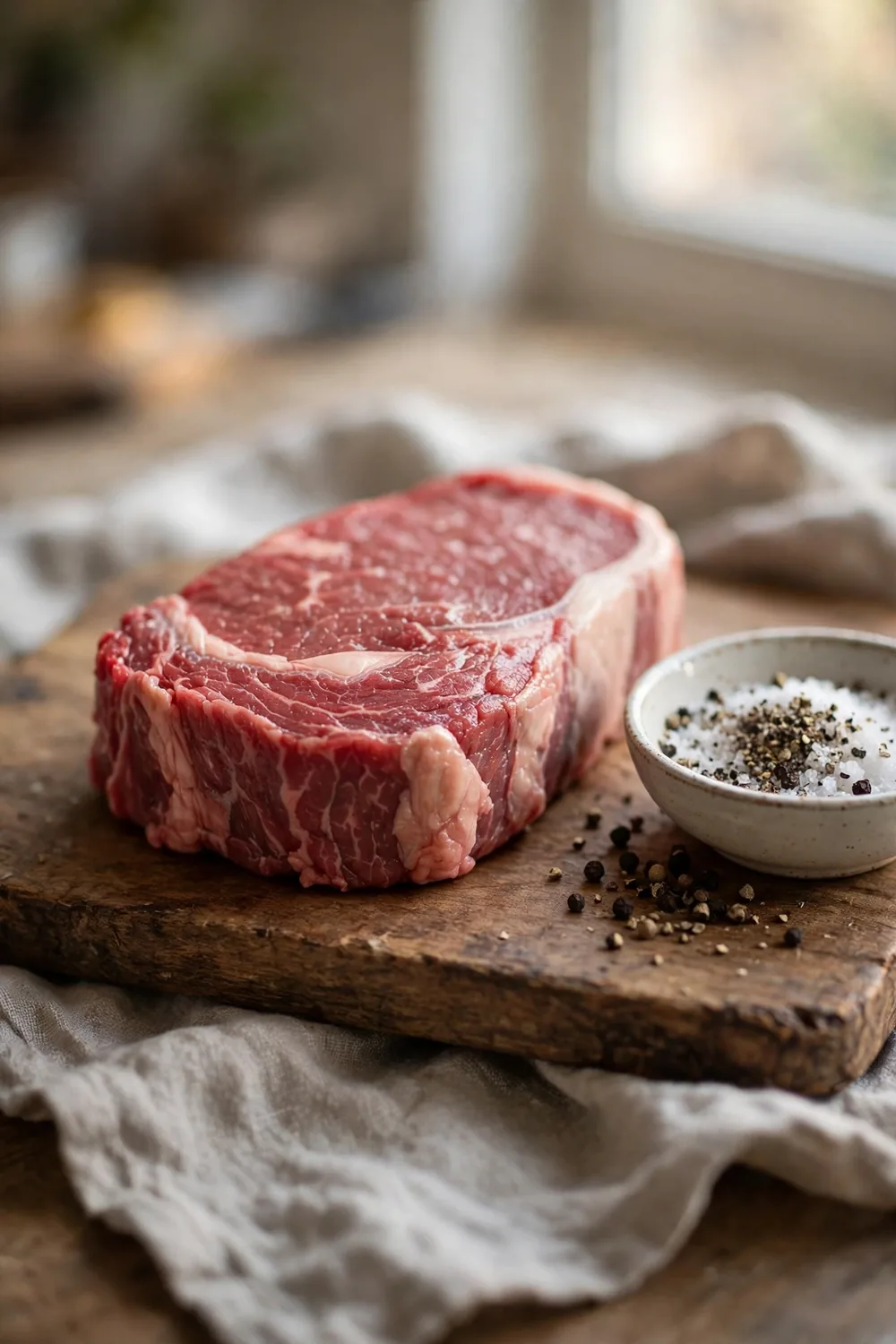
Quick Tip: Cold steak sears uneven, and the center stays raw while the outside burns. Set the steak on the counter for thirty minutes before cooking, and let the chill fade. Even warmth keeps the cook steady, and the flesh turns tender. Room temp steak cooks even every time.
Check the clock, and do not leave the steak out for hours. A short rest warms the meat, and a long rest risks spoilage. Pat the steak dry after the rest, and the crust sets fast. Dry steak makes the tenderest sear at home every time.
Flip It Once
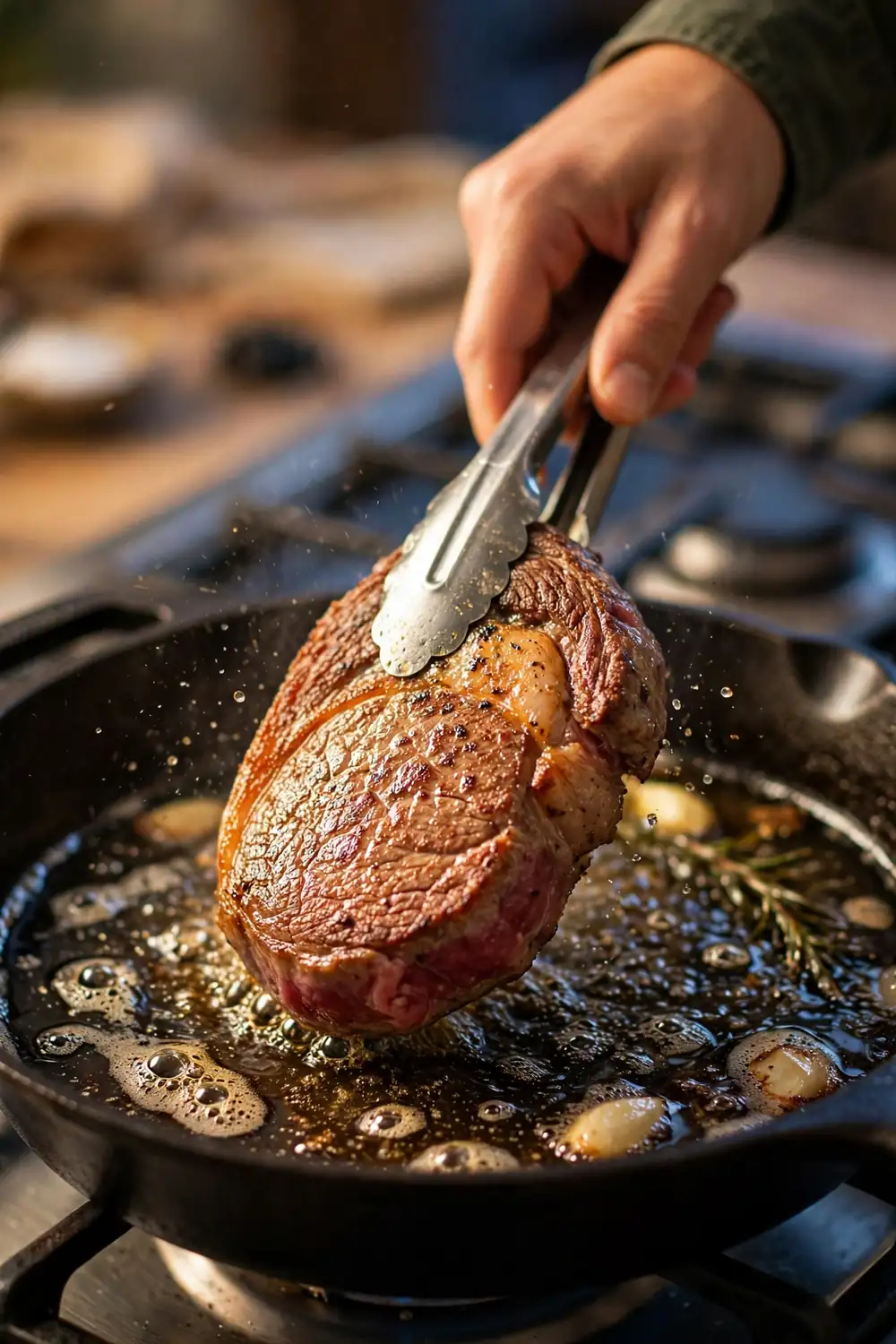
Flipping the steak again and again tears the crust before it sets. Let each steak sear undisturbed, then flip it once halfway through. The crust hardens on one side, and the flip seals the other. One flip keeps the steak whole and juicy every time.
| Flips | Result |
|---|---|
| Flipped many times | Crust tears, juices leak |
| Flipped once | Crust seals, steak stays juicy |
| Never flipped | One side burns, center raw |
Use a Meat Thermometer
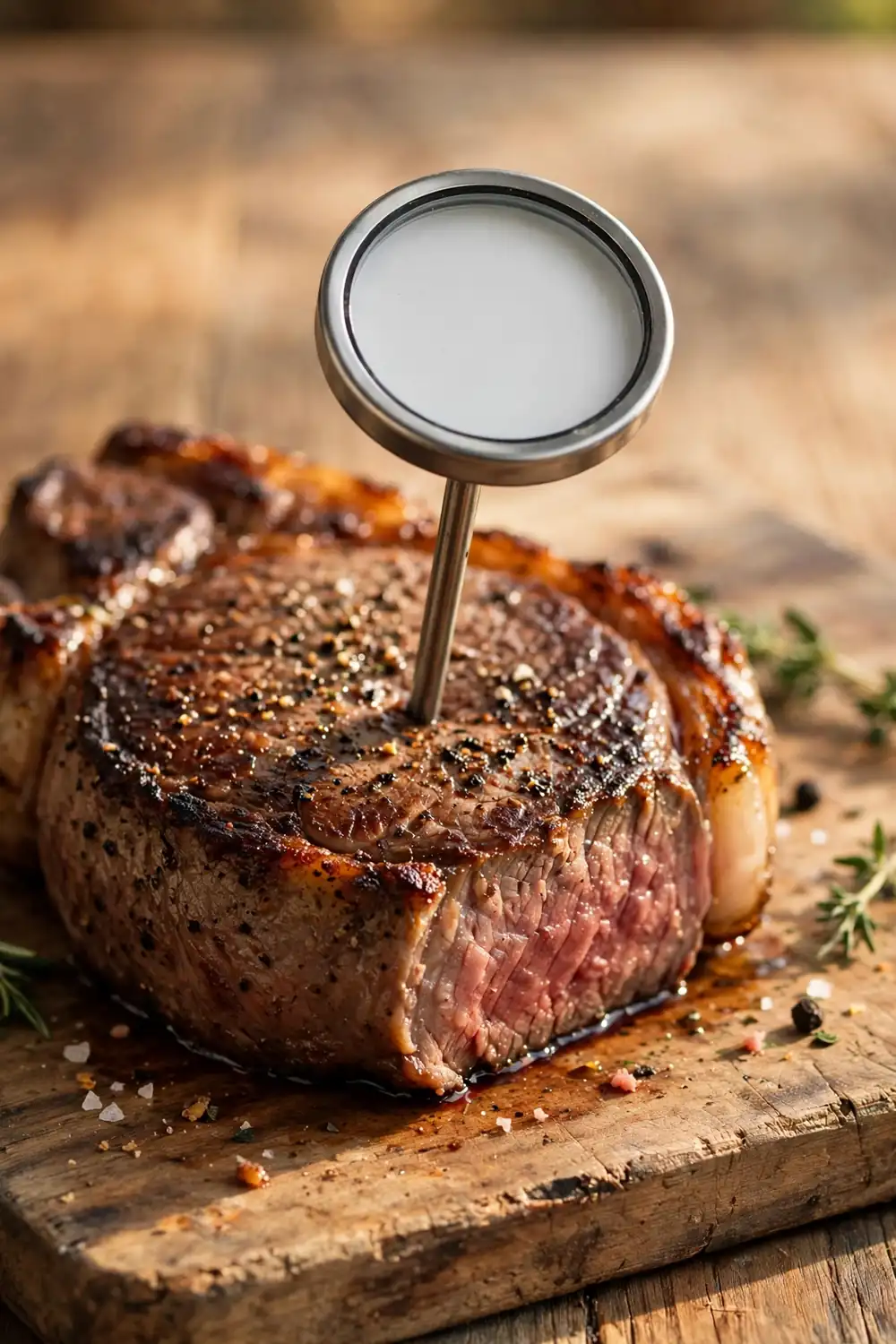
Guessing the doneness dries the steak, and the meat turns tough fast. Slide a thermometer into the thickest part, and read the temp with care. A true read keeps the steak juicy, and the texture stays soft. Trust the thermometer, not the look of the meat.
- Slide the thermometer into the thickest part.
- Read the temp with care.
- Pull the steak a few degrees early.
- Let carryover heat finish the cook.
Rest It Before Cutting
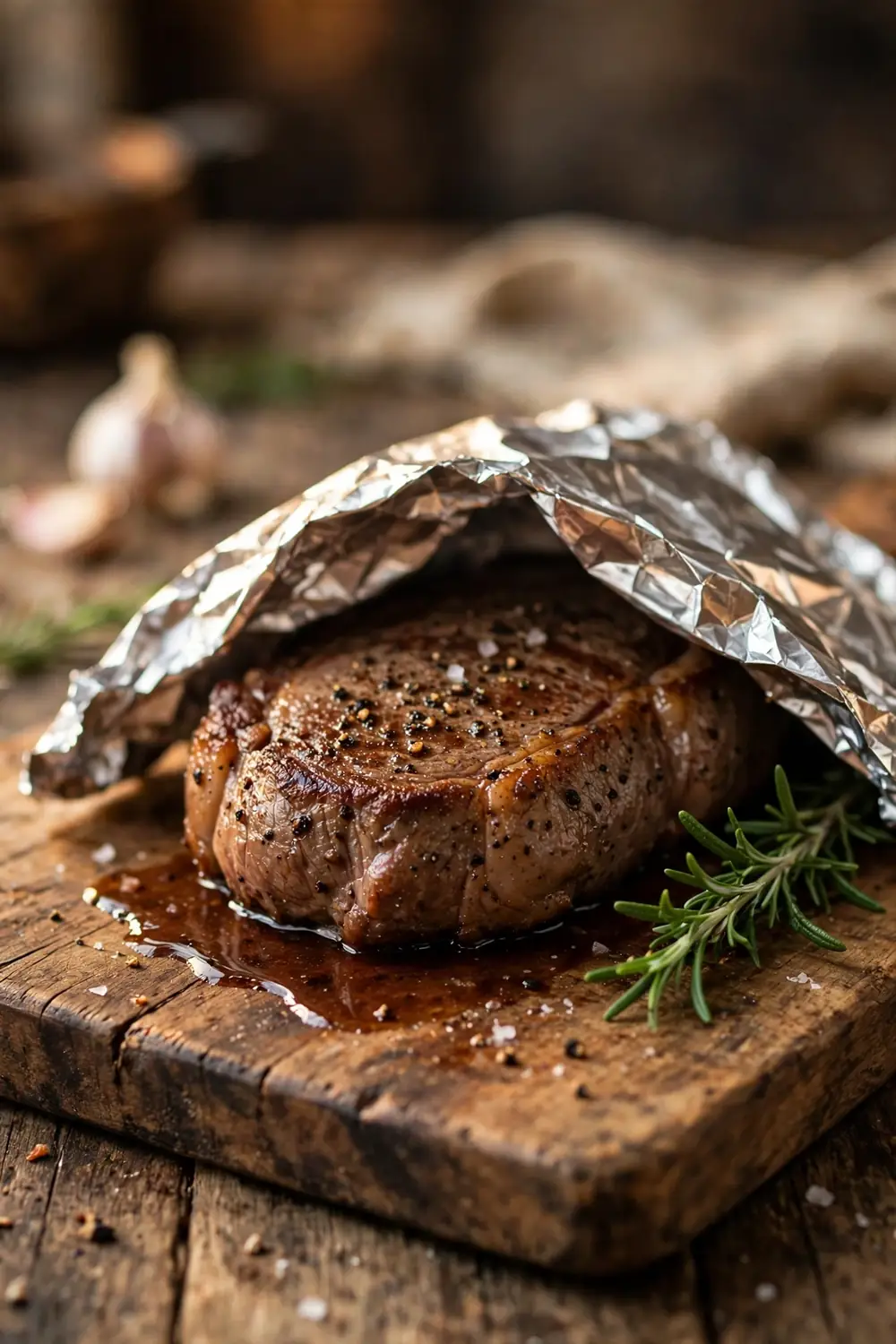
Do This:
- Move the steak to a warm plate.
- Let it sit for five minutes.
- Keep the steaks apart while resting.
- Slice only after the rest ends.
Avoid This:
- Do not cut the steak at once.
- Do not stack steaks while resting.
- Do not tent the steak too tight.
- Do not skip the rest when rushed.
Cutting at once spills the juices, and the steak turns dry. Resting lets the juices settle, and the flesh stays moist. A short rest keeps every bite tender and juicy today. Space keeps the crust crisp, and the texture stays light. Rest every steak at home, even when you feel rushed.
Slice Against the Grain
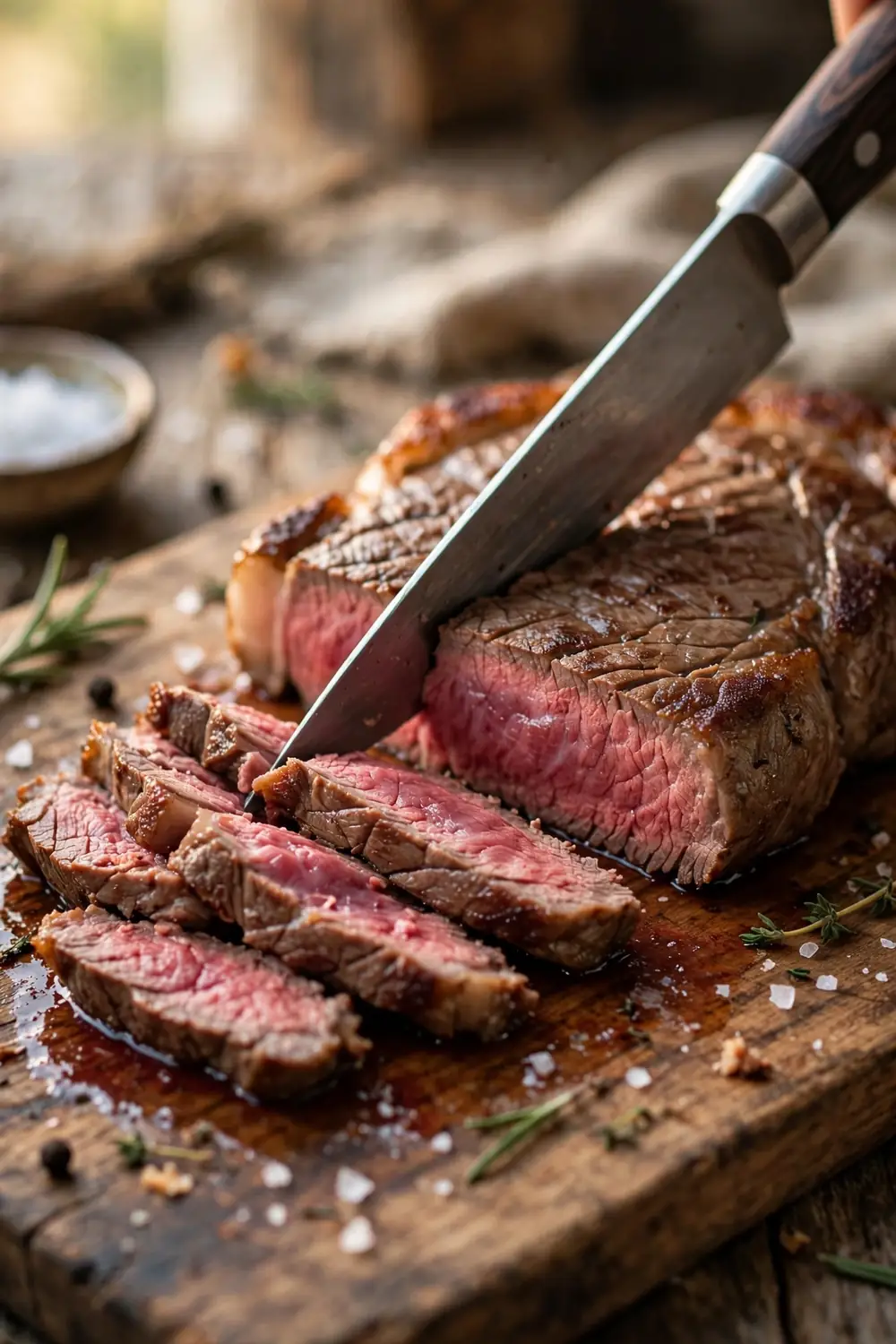
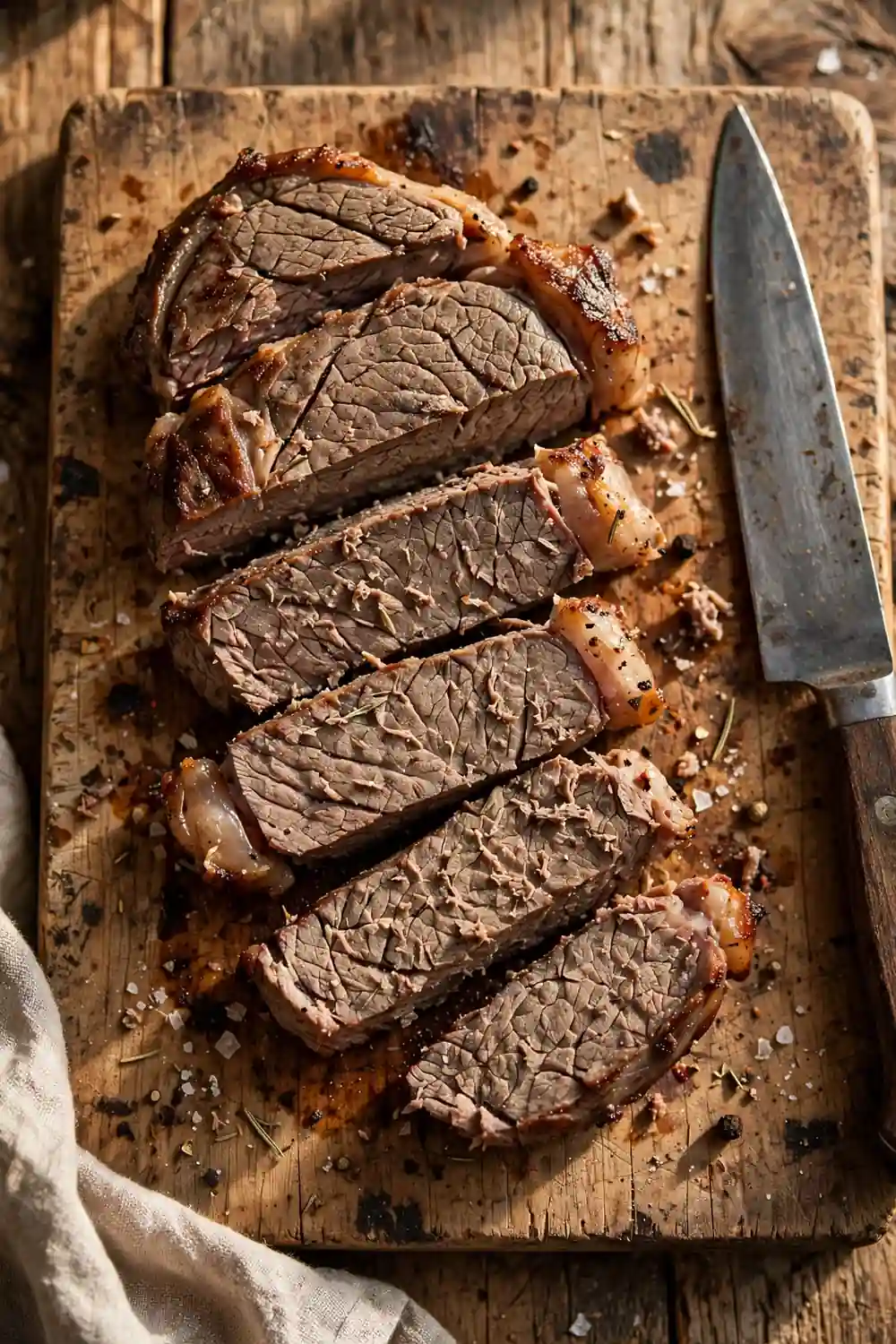
Slicing with the grain leaves long fibers, and the steak turns chewy. Look for the fine lines running through the meat, and cut straight across them. Short fibers break easy, and the bite turns tender. Cross grain cuts always make the softest steak every time.
Check the grain, and turn the steak if the lines run the other way. A wrong cut keeps the fibers long, and the bite stays tough. A right cut shortens the fibers, and the texture turns soft. Grain aware cuts make the tenderest steak every time.
Common Mistakes to Avoid
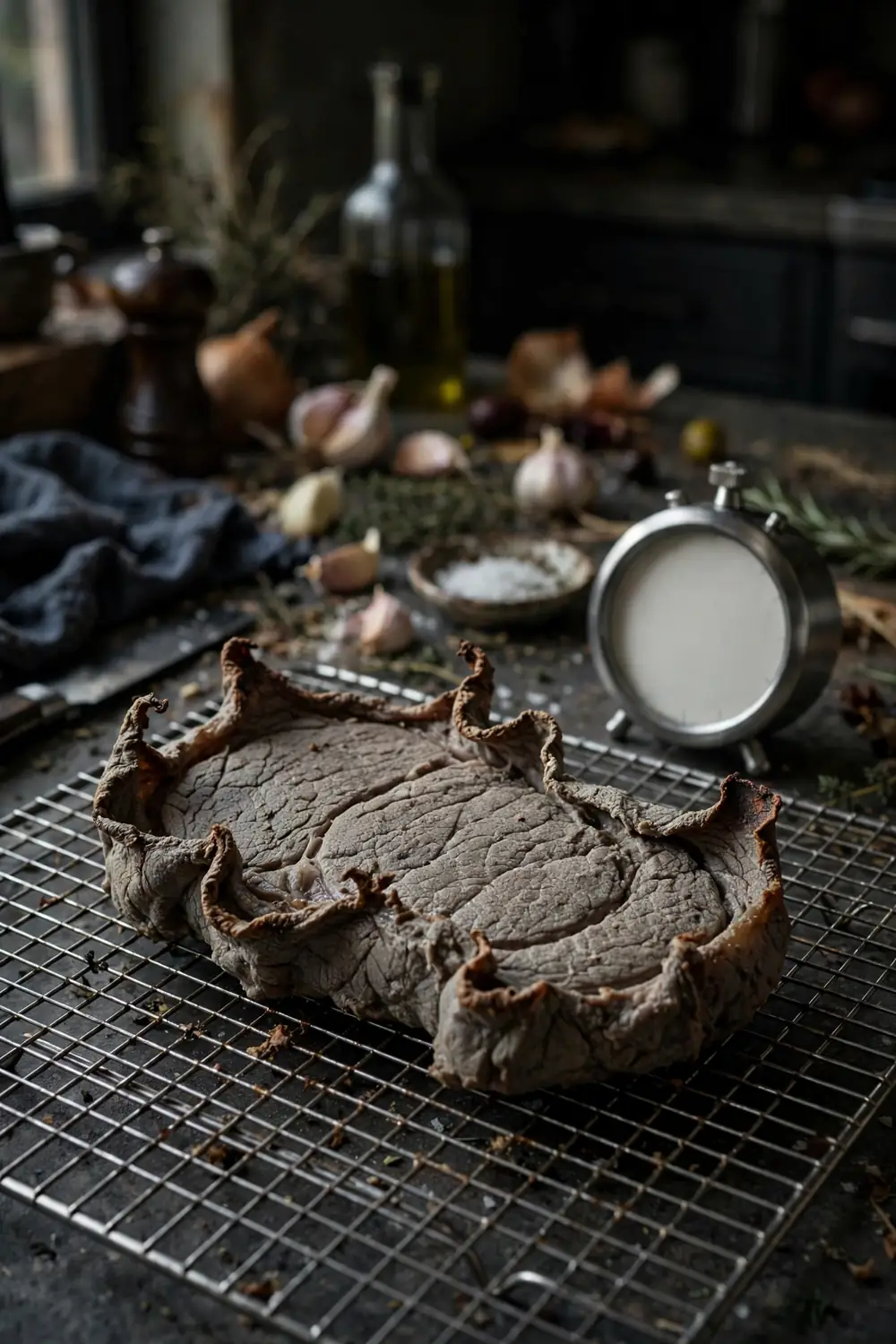
Quick Tip: Skipping the rest is the biggest mistake, and the steak dries in minutes. The juices never settle, and the crust stays loose. Rest the steak, and the meat turns tender. Small changes in timing change the whole steak. Rest with care every time at home.
Cooking cold steak is another mistake, and the center stays raw. Bring the steak to room temp, and let the pan heat fully before cooking. Small steps keep the steak tender every single time. Keep tongs handy whenever you cook steak. Patience beats speed on steak day. Give it time.
What Tender Steak Looks Like
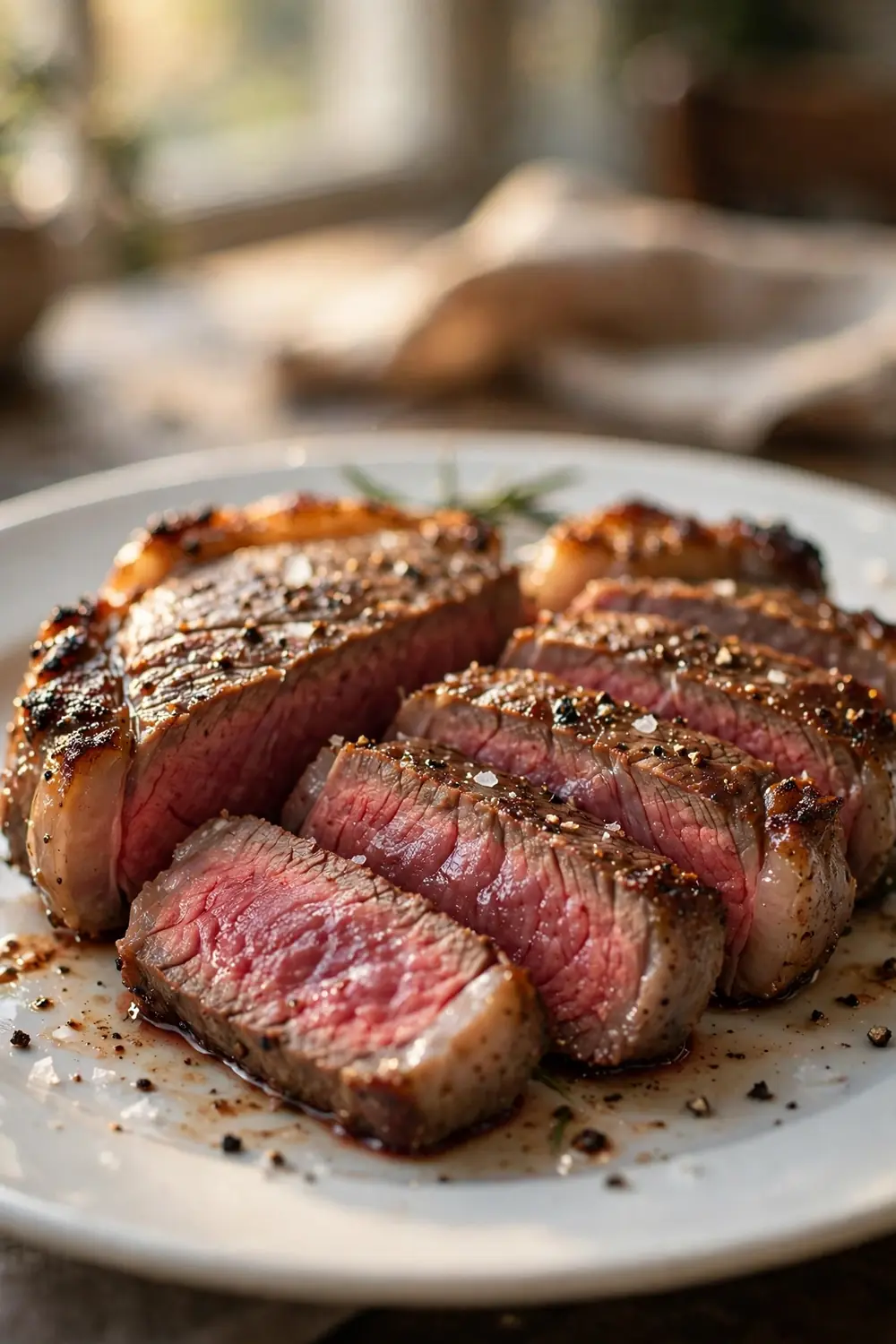
A good steak shows a deep brown crust, and the flesh stays juicy. The steak slices easy, and the fork slides through. Tender steak looks inviting, and the flavor stays rich. A good steak holds its shape and stays soft. Look for even color and a juicy, tender flesh.
- Deep brown crust, never gray.
- No gray band in the center.
- Even color from edge to edge.
- Juicy, tender flesh inside.
Conclusion
Tough steak usually comes from a lean cut and high heat. A tender cut, a hot sear, and a good rest fix it every time.
Pick a marbled cut, sear it hot, and rest it well. Small steps keep the steak tender. Use one method at a time, and the steak stays soft.
Choose the right cut, slice against the grain, and rest the steak. Your next steak can stay tender, juicy, and ready to serve. Save this guide for your next steak day. If your fish also sticks, read our guide on fish sticking to pan for clean release at home every time.


2 Comments