23 Minestrone Soup Ways That Taste Like a Steadfast Hug
A steaming pot of minestrone soup on the stove is the kind of dinner that makes the whole house feel settled, generous, and ready for seconds.
These twenty three bowls cover the full range, from classic Tuscan beans and tiny pasta to kale loaded pots, smoky sausage, and bright spring greens. Every version keeps the shopping simple, the chopping relaxed, and the broth rich enough to carry whatever vegetables are waiting in your crisper drawer this week.
Save the pots that match your season, keep beans and small pasta stocked, and let each bowl be a little different from the last. In my experience, the best versions are the ones built from what you already have, seasoned boldly and finished with good cheese.
Classic Tuscan Bean

Image Credit: @onceuponachef
White beans, tomatoes, and a handful of greens simmered in a rich broth is the version most families learn first, and the one they keep coming back to. Cannellini beans give the bowl its body, while a parmesan rind dropped into the pot quietly deepens every single spoonful.
Start with onion, carrot, and celery softened in olive oil until sweet, then add garlic, tomatoes, beans, and stock. A small handful of chopped kale at the end keeps the color bright. I have noticed the bowls taste even better the next day, once the beans drink in the broth. My tom kha soup brings the same cozy comfort home in a Thai style.
Small Pasta Ditalini
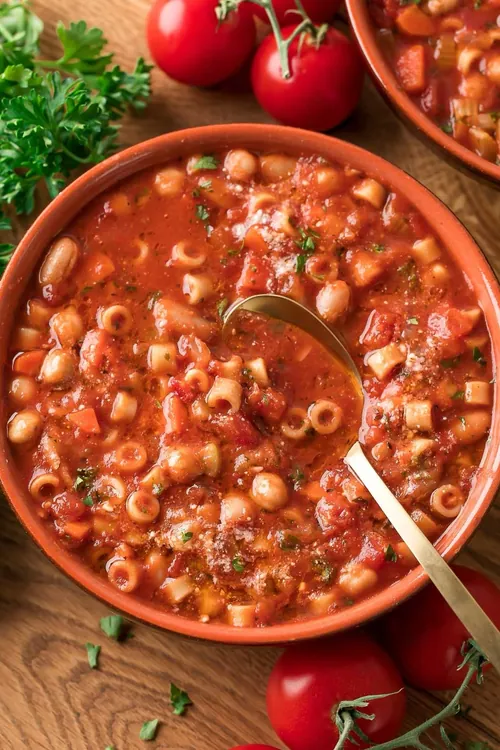
Image Credit: @peasandcrayons
- Use ditalini or small shells, shapes that fit on a spoon with beans and vegetables in every bite.
- Cook the pasta separately and add it to each bowl, so leftovers never turn swollen and soft.
- Stir a spoon of tomato paste into the soffritto for a deeper color and a gentle sweetness.
- Finish each bowl with grated parmesan and a thread of olive oil before it goes to the table.
Tiny pasta turns a vegetable pot into a meal that satisfies kids and grandparents at the same table. The shapes stay distinct, the broth stays clear, and every spoonful carries a little of everything. Keep extra stock nearby, because the pasta keeps drinking broth while the pot sits.
Kale Ribbon Loaded
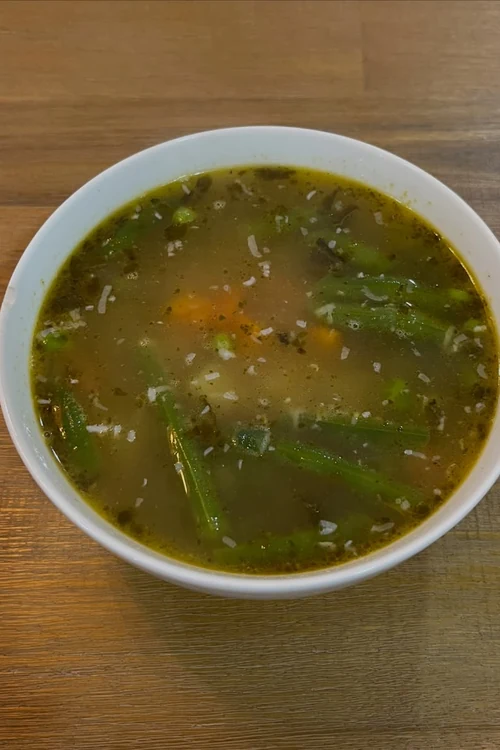
Image Credit: @what_stacie_ate
Quick Tip: Slice the kale leaves off their thick stems and cut them into thin ribbons, so they soften fast without turning army green. Add them in the final five minutes only. A squeeze of lemon at the table wakes the whole bowl up.
Kale brings a sturdy, earthy bite that stands up to beans and tomatoes without fading into the background. The ribbons stay vivid, the broth stays bright, and the bowl feels like the garden made it into the pot. Massage tough leaves first if your bunch feels especially firm this week.
Smoky Sausage Pot

Image Credit: @juliasalbumblog
Before: A plain vegetable pot can taste virtuous but flat, especially in deep winter when everyone at the table wants something with real heft. Without a smoky, savory anchor, the beans and greens feel like a side dish pretending to be dinner, and the bread basket does most of the satisfying.
After: Browning smoked sausage first changes the whole pot, rendering fat that coats the onions and perfumes the broth with paprika warmth. The beans turn silky against the sausage rounds, the greens soak up the smoky stock, and suddenly the bowl eats like a feast instead of a compromise on cold nights.
Slice the sausage thick so each round stays juicy, and brown it in batches rather than crowding the pot. Deglaze with a splash of stock to lift the browned bits. Serve with crusty bread, because the smoky broth at the bottom of the bowl deserves a proper swipe.
Slow Cooker Sunday
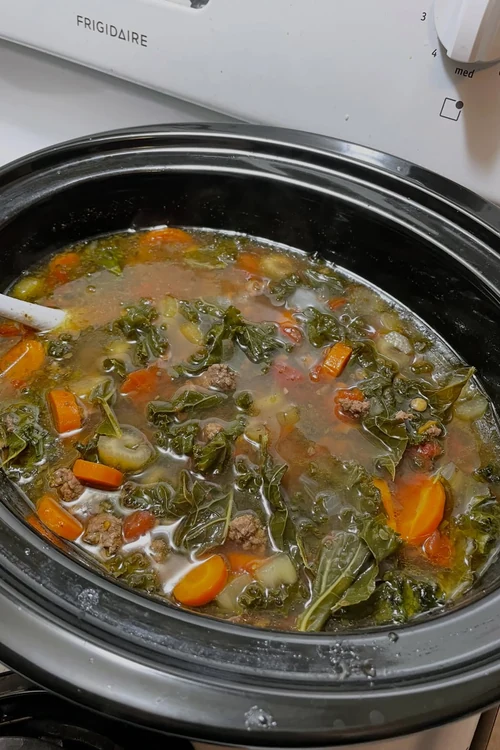
Image Credit: @2galscooking
- Layer onion, carrot, celery, garlic, beans, and tomatoes in the slow cooker, then pour warm stock over everything.
- Cook on low for seven hours, until the beans are creamy and the vegetables collapse into the broth.
- Stir in chopped greens and small pasta for the final thirty minutes so both stay bright and tender.
- Rest the pot ten minutes off the heat, then season boldly and finish with parmesan and olive oil.
Set it up in the morning and the house smells like Sunday by noon, with almost no work in between. The long, gentle heat marries the beans and tomatoes into something that tastes tended all day. It is the version I lean on when guests arrive hungry.
Pesto Swirl Finish

Image Credit: @staceycakesid
| Point | Basil Pesto | Parsley Oil |
|---|---|---|
| Flavor | Deep, garlicky, almost creamy | Bright, clean, herbal lift |
| Effort | Blends in two minutes flat | Chops and steeps in oil |
| Best Moment | Swirled over hot, rich bowls | Drizzled on lighter spring pots |
A green swirl on top does more than decorate the bowl, it perfumes every spoonful and signals freshness before the first taste. Stir half into the pot and save the rest for the table, so each person can add their own. Use good oil here, it carries everything.
Tomato Rich Base
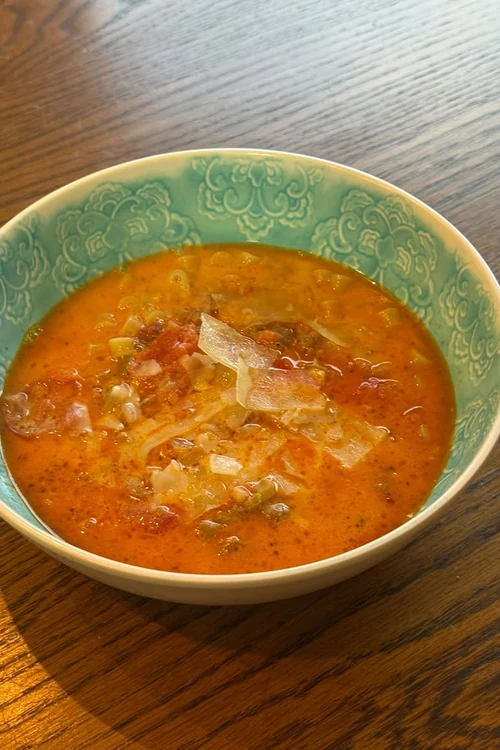
Image Credit: @coachbrendav
| DO | DON’T |
|---|---|
| Crush whole tomatoes by hand for texture | Use thin sauce that turns the broth watery |
| Simmer the tomato base a full twenty minutes | Rush the base and leave it tasting raw |
| Balance acidity with a pinch of sugar | Skip tasting until the bowls are served |
Tomatoes are the backbone here, so treat them like the main ingredient rather than a background note. A base that simmers long enough turns sweet and deep, carrying beans and greens with ease. Taste before salting, because canned tomatoes vary more than most cooks expect from brand to brand.
Spring Garden Greens
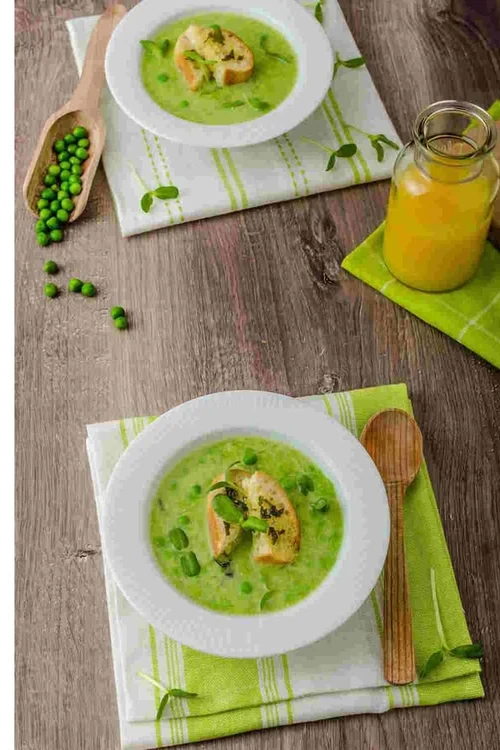
Image Credit: @icjonsson
Cost: Low, built from garden vegetables and pantry staples already on hand | Time Needed: About 30 minutes from cutting board to steaming bowl | Difficulty: Easy, one pot, simple knife work, nothing fussy | Best For: Light spring lunches, garden surplus weeks, and gentle weeknight dinners at home
Spring versions trade the heavy beans for peas, zucchini, asparagus tips, and tender greens, and the broth turns light and green gold. Everything cooks fast, so add the vegetables in stages, firmest first. A handful of herbs at the end keeps the whole bowl tasting like the season.
Creamy Blended Silky

Image Credit: @endomealplan
Blending just a third of the pot turns an everyday vegetable bowl into something silky and spoon coating, without a drop of cream. The beans break down into the broth, the vegetables keep their shape, and the texture lands exactly between rustic and refined, which suits almost every table.
Use an immersion blender right in the pot, pulsing in short bursts so you control how smooth it goes. Stir the pot between bursts and stop while plenty of whole beans remain. A knob of butter swirled in at the end adds a gentle gloss that reads as richness.
Zucchini Summer Light

Image Credit: @marinospizza707
- Add zucchini in the last ten minutes so it stays green and tender instead of collapsing.
- Swap one can of beans for sweet corn when the garden is generous in late summer.
- Use a lighter hand with tomato here, letting the broth stay golden rather than deep red.
- Shower the bowls with torn basil and mint, both picked minutes before serving time.
Summer bowls should taste like the season, bright and quick, with vegetables that still remember the garden. This version cooks in about half an hour and leaves nobody sluggish at the table. Serve it with grilled bread rubbed with garlic, and let the sunshine do the rest.
Parmesan Rind Secret
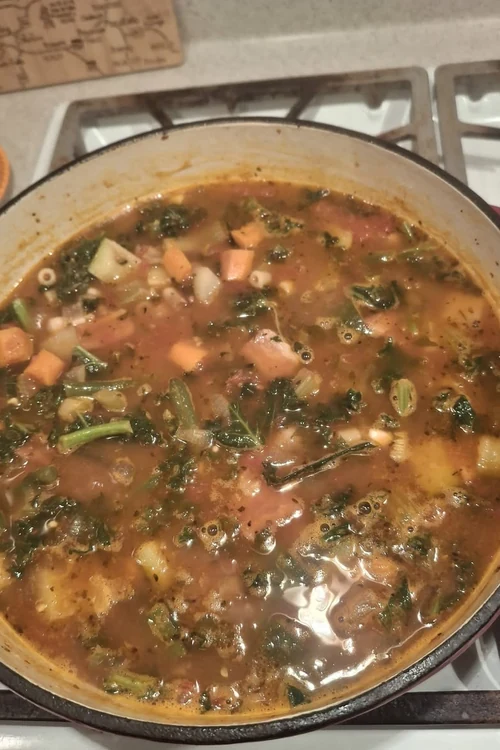
Image Credit: @lisaogas
Quick Tip: Save parmesan rinds in a freezer bag and drop one into the pot while the soup simmers. The rind softens, gives up its salty depth slowly, and perfumes the broth. Fish it out before serving, just like a bay leaf.
That one small habit separates a good pot from the kind people ask about after dinner. The rind costs nothing, since it was headed for the bin anyway, and the broth gains a deep, savory backbone. Keep a bag going in the freezer and you will never lack for depth.
Fire Roasted Tomatoes
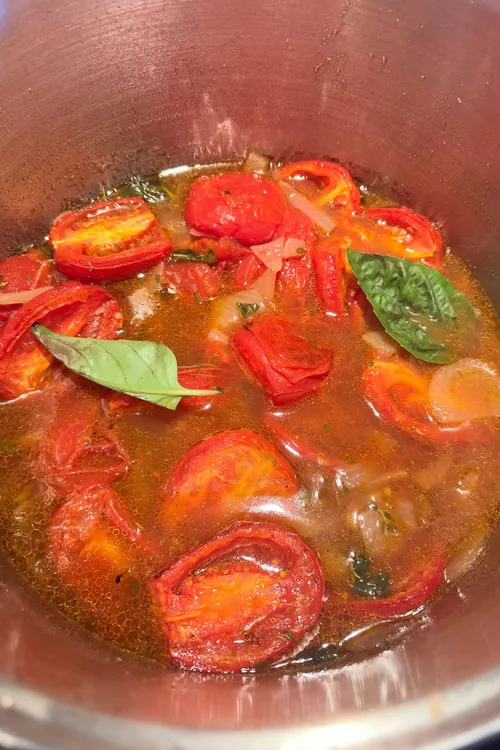
Image Credit: @kristen_buckland_rcc
Before: Standard canned tomatoes can leave a pot tasting pleasant but one note, bright on top and thin underneath. On a gray evening that plain base feels like a missed chance, and the beans end up carrying all the flavor work alone while the broth fades quietly into the background.
After: Fire roasted tomatoes bring char and smoke that a plain can never delivers, deepening the base before a single herb lands. Their edges caramelize in the tin, the juices turn rich, and the whole pot tastes like it spent the afternoon near an open flame instead of a stovetop burner.
Most grocery stores stock them beside the regular cans, at nearly the same price, which makes the swap an easy habit. Pair them with smoked paprika if you want the fire theme doubled. The bowls come out deeper, darker, and noticeably more interesting than the standard weeknight pot.
White Bean Cannellini

Image Credit: @soupfamous
- Soak dried cannellini overnight, or open two cans and rinse them well to keep the broth clean.
- Simmer the beans with a bay leaf and a whole garlic clove until they turn creamy inside.
- Build the tomato base in the same pot so the beans absorb the seasoned broth as they finish.
- Mash a ladleful of beans against the pot wall and stir back in for natural thickness.
Cannellini are the traditional choice for a reason, plump, creamy, and mild enough to let the vegetables speak. Their skins stay tender, their centers turn almost buttery, and they thicken the pot without any flour or cream. If you taste one bean before serving, you will know everything.
Carrot Sweet Balance

Image Credit: @happyapplevegan
Sweet Carrot: Carrots cooked slowly in the soffritto melt into the base and sweeten it naturally, rounding the tomato edges without any added sugar. Dice them small so they nearly disappear, leaving only warmth behind. This is the pot to make when the tomatoes taste sharp and the table prefers gentle flavors.
Sharp Tomato: Tomatoes left bold and bright give the bowl a lively edge that wakes up beans and greens alike. A shorter simmer keeps their color vivid and their flavor front and center. This version suits summer produce best, when the tomatoes arrive sweet and need only a little encouragement at all.
Neither approach is wrong, they simply aim the same pot at different moods and different tables. Blend the two by simmering half the carrots early and stirring the rest in later. You get sweetness underneath and brightness on top, which is often exactly what a family bowl needs most.
Herbed Oil Drizzle

Image Credit: @medimportsokc
DO: Warm olive oil gently with rosemary, thyme, and a strip of lemon peel until it smells like an herb garden, then drizzle it over each bowl at the table. The heat of the soup lifts the aroma again. A little goes far, so start with a teaspoon per bowl.
DON’T: Boil the oil or rush it over high heat, because delicate herbs scorch fast and turn bitter against the beans. Skip bottled herb oils with dull flavor, since fresh sprigs steep better and cost less. And never drizzle before serving time, or the aroma fades into the steam.
An infused oil is the fastest finishing touch I know, turning a plain bowl into something that smells restaurant made. Keep a small jar in the fridge for the week and use it on eggs, beans, and grilled bread too. The bowls will taste finished in a way guests notice.
Lentil Boost Bowl

Image Credit: @relishmama
Cost: Low, lentils are among the cheapest protein in the whole store | Time Needed: About 40 minutes total, with no soaking required beforehand | Difficulty: Easy, lentils cook right in the pot with everything else | Result: A thicker, heartier bowl that eats like a full meal on its own
Red lentils melt away and thicken, while green or brown ones hold their shape and add chew. Either way, the pot gains protein and body without changing its character. It is a kind bowl for vegetarian guests who still want dinner to feel substantial and deeply satisfying at once.
Whole Grain Farro
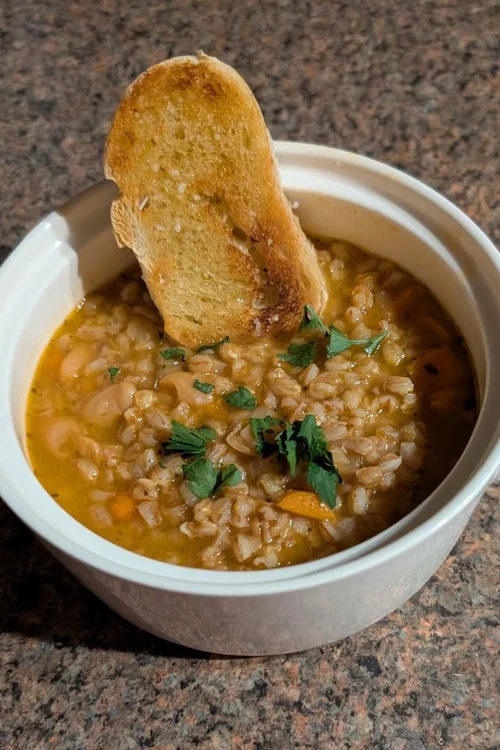
Image Credit: @melcrusinberry
Chewy farro turns a light vegetable pot into something with real backbone, each grain staying distinct and nutty in the broth. It cooks to a pleasant bite that stands up to beans and greens, making the bowl feel like a grain bowl and a soup decided to share one spoon.
Rinse the farro, simmer it in salted water until just tender, and stir it into the finished pot rather than cooking it in the broth. That keeps the broth clear and the grains separate. Leftovers hold their texture beautifully, which makes this version a meal prep favorite in our house.
Chickpea Hearty Scoop

Image Credit: @medimportsokc
- Chickpeas keep their bite where softer beans go creamy, giving the bowl a pleasant contrast.
- Warm them in the tomato base for at least fifteen minutes so the centers take on flavor.
- Add a pinch of smoked paprika and cumin to echo their nutty, earthy character nicely.
- Top each bowl with a spoon of garlicky yogurt if your table likes a cool finish.
Chickpeas make the bowl feel generous, almost like a stew you eat with a spoon and a plan. They travel well to potlucks, reheat without falling apart, and satisfy the hungriest eaters at the table. A squeeze of lemon over each bowl keeps their earthiness bright and balanced overall.
Broth Depth Trick
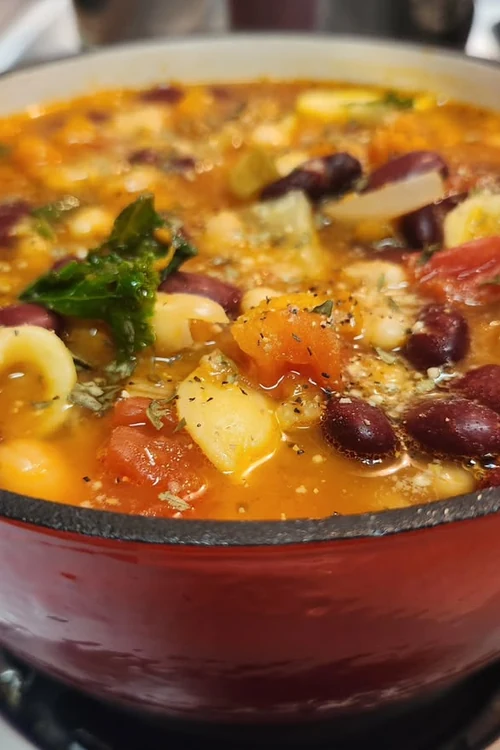
Image Credit: @tyetta73
Quick Tip: Brown a tablespoon of tomato paste in the pot until it turns brick red before adding any liquid. That short, patient step builds a deep, slow cooked flavor in minutes. Deglaze with stock and scrape every last dark bit up into the broth.
Depth is the difference between a pot people finish and a pot people remember, and it rarely comes from more ingredients. Time at the base, a rind in the broth, and bold seasoning at the end do the heavy lifting. Taste twice before serving, once for salt and once for brightness.
Rustic Potato Chunk
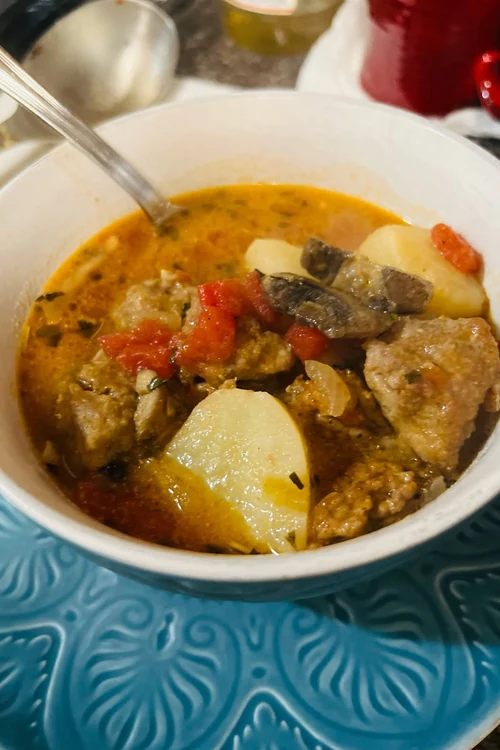
Image Credit: @tonyadixon7
Before: A pot without potatoes can feel like it is missing its middle, all broth and small bits with nothing hearty to land on. Hungry eaters finish a bowl and quietly start looking around the kitchen, because the meal never quite told them it was time to feel full.
After: Waxy potato chunks simmered in the broth drink in the tomato and herbs while holding their shape on the spoon. They make every bite feel grounded and generous, stretching the pot to feed a crowd without extra cost. The broth thickens slightly from their starch, turning silky around the edges.
Cut the potatoes into even, bite sized chunks so they finish at the same moment as the beans. Waxy varieties hold up best through reheating, while floury ones melt and thicken more. Either way, salt the pot in layers so the potatoes taste seasoned all the way through.
Freezer Friendly Batch

Image Credit: @peasandcrayons
- Cook the full pot without pasta or delicate greens, which are the two parts that freeze poorly.
- Cool the soup quickly in shallow containers so it chills evenly and stays safe in the freezer.
- Freeze in family sized portions with a little headspace, since beans and broth expand as they set.
- Thaw overnight, reheat gently, then stir in fresh greens and just cooked pasta at serving time.
A frozen batch is dinner insurance for the weeks when cooking feels impossible and takeout tempts everyone. Label each container with the date and what it still needs, pasta, greens, cheese, so future you can finish it half asleep. The flavor holds for three months without fading at all.
Silky Versus Chunky

Image Credit: @ty.waters9
- Texture: Blended bowls coat the spoon in a smooth, creamy sweep, while chunky bowls give every mouthful beans and vegetables to bite into.
- Speed: Chunky pots skip the blender and go straight to the table, while blended bowls ask for two minutes of pulsing and a quick rinse of the jug.
- Leftovers: Blended bowls reheat into a uniform, silky pour, while chunky bowls keep their pieces separate and rustic even after a night in the fridge.
- Crowd: Blended bowls win over small kids and cautious eaters, while chunky bowls please the crowd that wants dinner to feel hearty and homemade.
Plenty of cooks land in the middle, blending one ladleful and stirring it back through the chunky pot. That small move gives body without losing the pieces everyone loves to find. Try both styles across the season and let your table vote with their empty bowls at dinner.
Weeknight Fifteen Minute
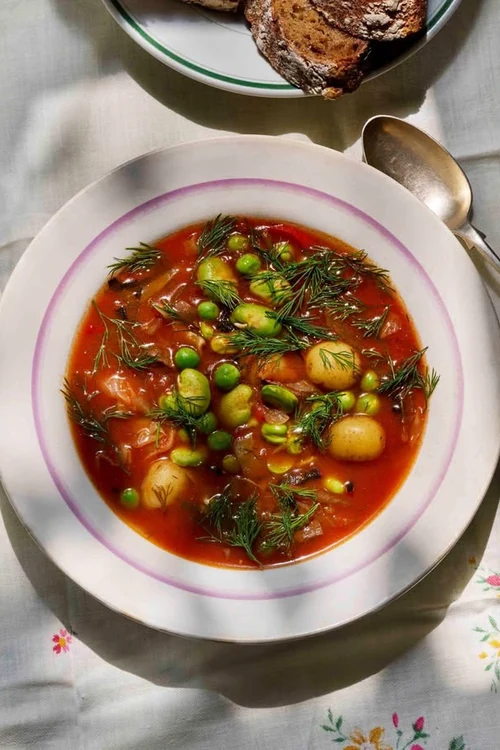
Image Credit: @saveurmag
- DO: Use canned beans and frozen vegetables without apology, they make a weeknight pot genuinely possible.
- DO: Bloom garlic and tomato paste in oil first, so even a fast pot tastes properly built.
- DO: Keep small pasta and stock as standing pantry items, ready whenever the mood strikes.
- DO: Finish with lemon, herbs, and cheese at the table to fake a longer simmer convincingly.
- DON’T: Start dried beans on a weeknight, since they need soaking and time you do not have.
- DON’T: Boil the pot hard to save minutes, because the vegetables break down and cloud the broth.
- DON’T: Skip the soffritto entirely, or the base tastes thin no matter what lands in it.
- DON’T: Add delicate greens at the start, since fifteen minutes of heat turns them dull.
Fast does not have to mean thin or forgettable, not when the base is built with intention. Fifteen honest minutes at the stove can still produce a bowl worth sitting down for. Keep this version in your back pocket for the nights when everyone is hungry at once.
Conclusion
Twenty three bowls later, the lesson is simple: a great minestrone soup is built on patience, good broth, and whatever vegetables the season hands you, so keep a pot simmering whenever cold evenings settle over the house.
Pick one pot for this week, simmer it low, and pass the bread around while the bowls are still steaming. Save this list for the next cold evening, share it with a friend who loves a cozy kitchen, and let the leftovers make tomorrow’s lunch the easiest and happiest decision of the whole day. My potato leek soup brings the same cozy comfort to the table.