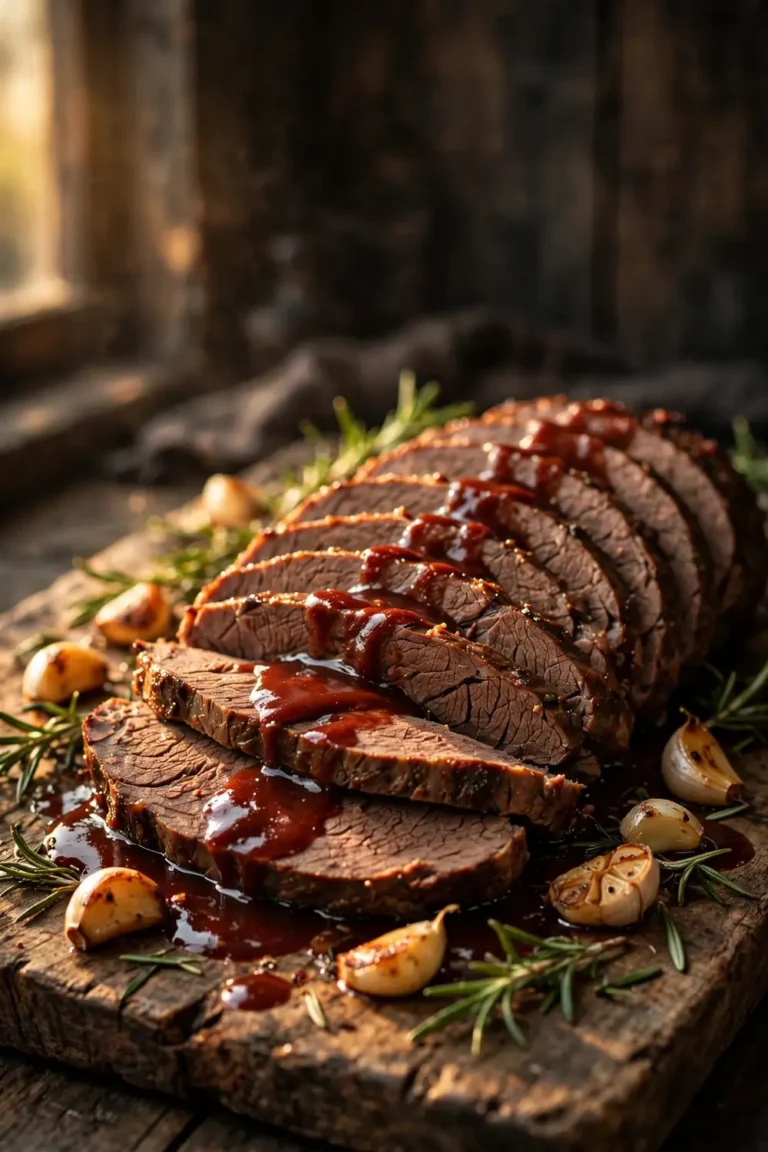
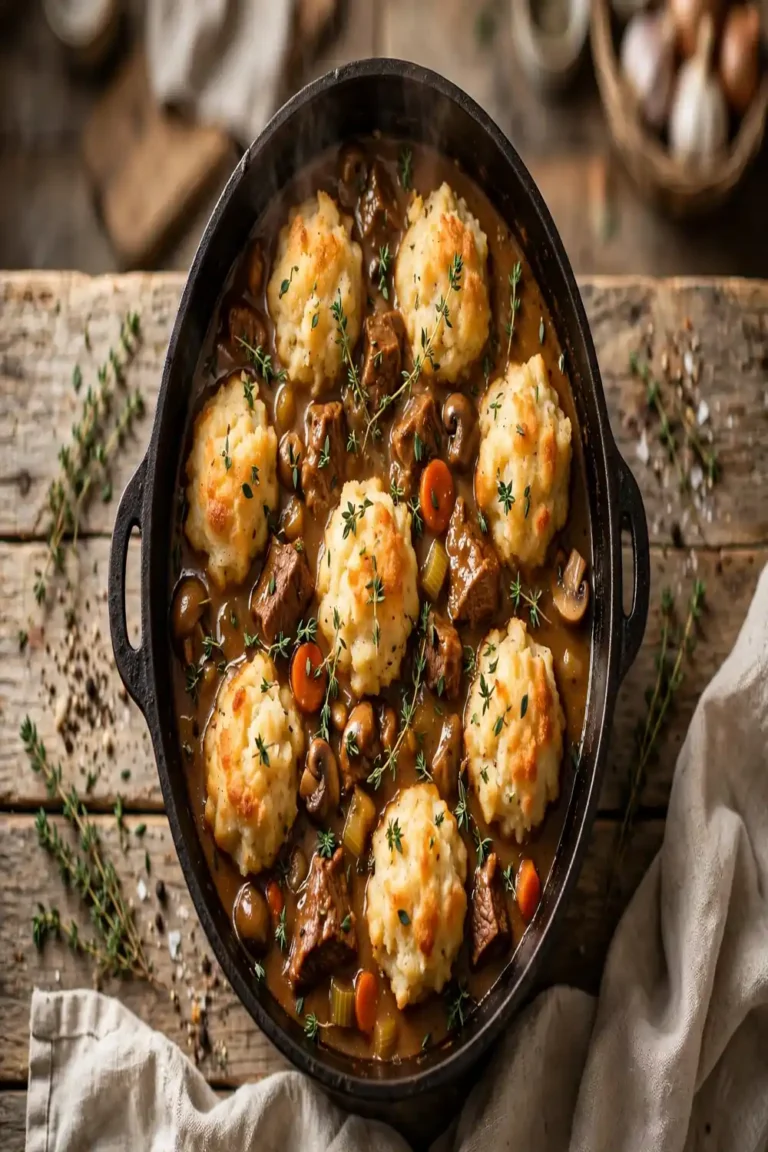
24 Beef Chile Colorado Ideas for Rich Mexican-Style Dinners
Few dishes deliver comfort like beef chile colorado when the beef turns meltingly tender in a deep red chile sauce. Dried chiles, toasted spices, and slow heat build layers of smoky flavor that store-bought sauces never reach. This collection walks you through every style, from classic braises to weeknight shortcuts that still taste authentic.
Most versions start with affordable cuts like chuck roast that become luxurious after a long, gentle simmer. Toasting the chiles yourself takes ten minutes and transforms the entire sauce with a rich, almost chocolatey depth. Once you taste a proper homemade red chile braise, the jarred versions will never tempt you again.
Save this roundup to your dinner board on Pinterest before your next grocery run so the shopping list is ready. From smoky chipotle twists to tender short rib upgrades, every idea here brings bold Mexican-style comfort to the table. And when the sweet tooth calls after dinner, these 21 vampire bite cupcakes bring spooky, playful fun to your Halloween dessert table.
Classic Red Chile Braise
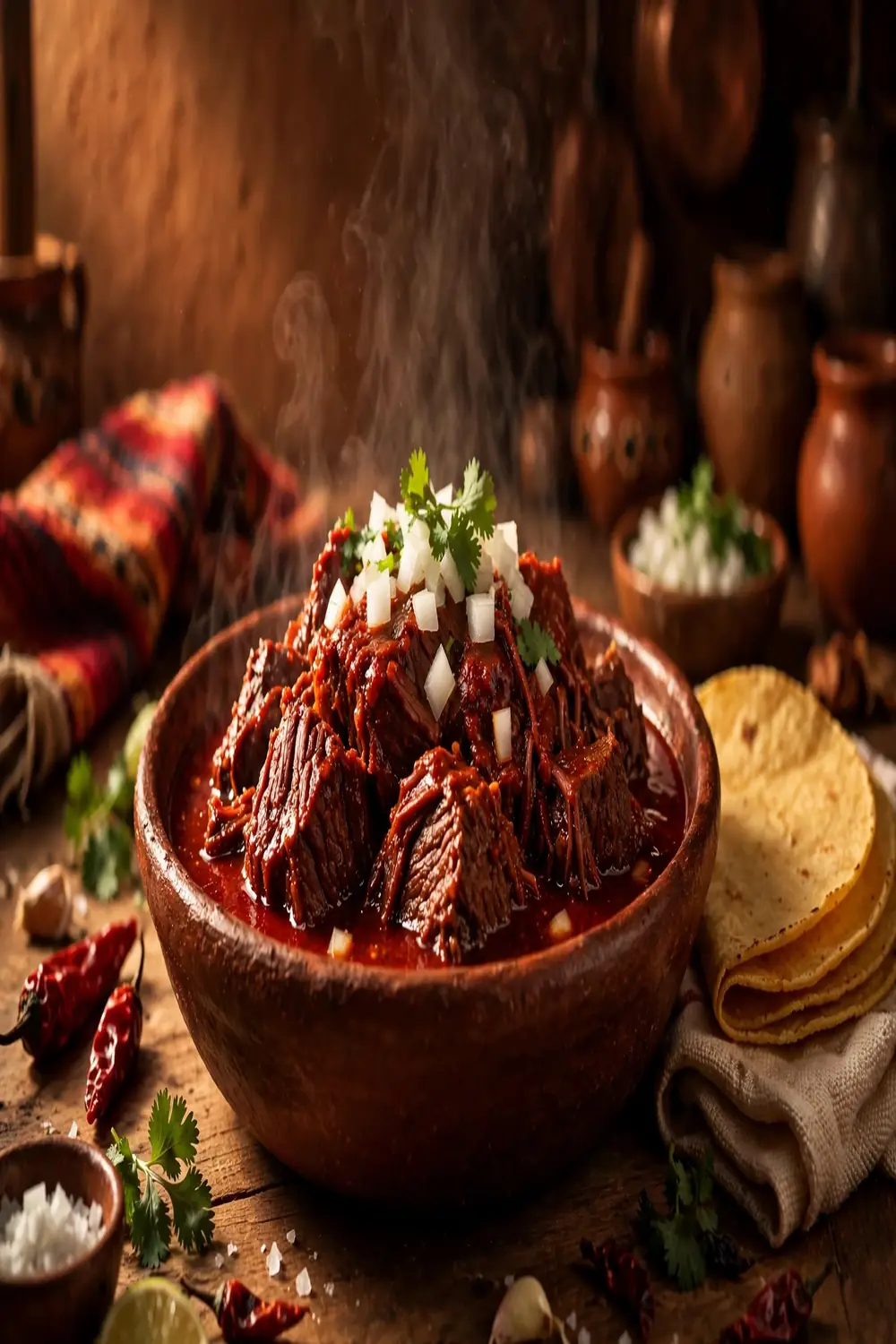
The classic version starts with dried red chiles toasted until fragrant, then blended into a silky sauce. Brown the beef in batches so every piece develops a deep crust before the long simmer. Two hours of gentle bubbling turns tough chuck into spoon-tender bites that soak up the sauce beautifully.
I have made this for Sunday dinners more times than I can count, and it never fails to impress. The sauce thickens naturally as it cooks, so no flour or cornstarch is needed. Serve it in warm bowls with tortillas for scooping up every last drop of that gorgeous red chile gravy.
Ancho Chile Depth
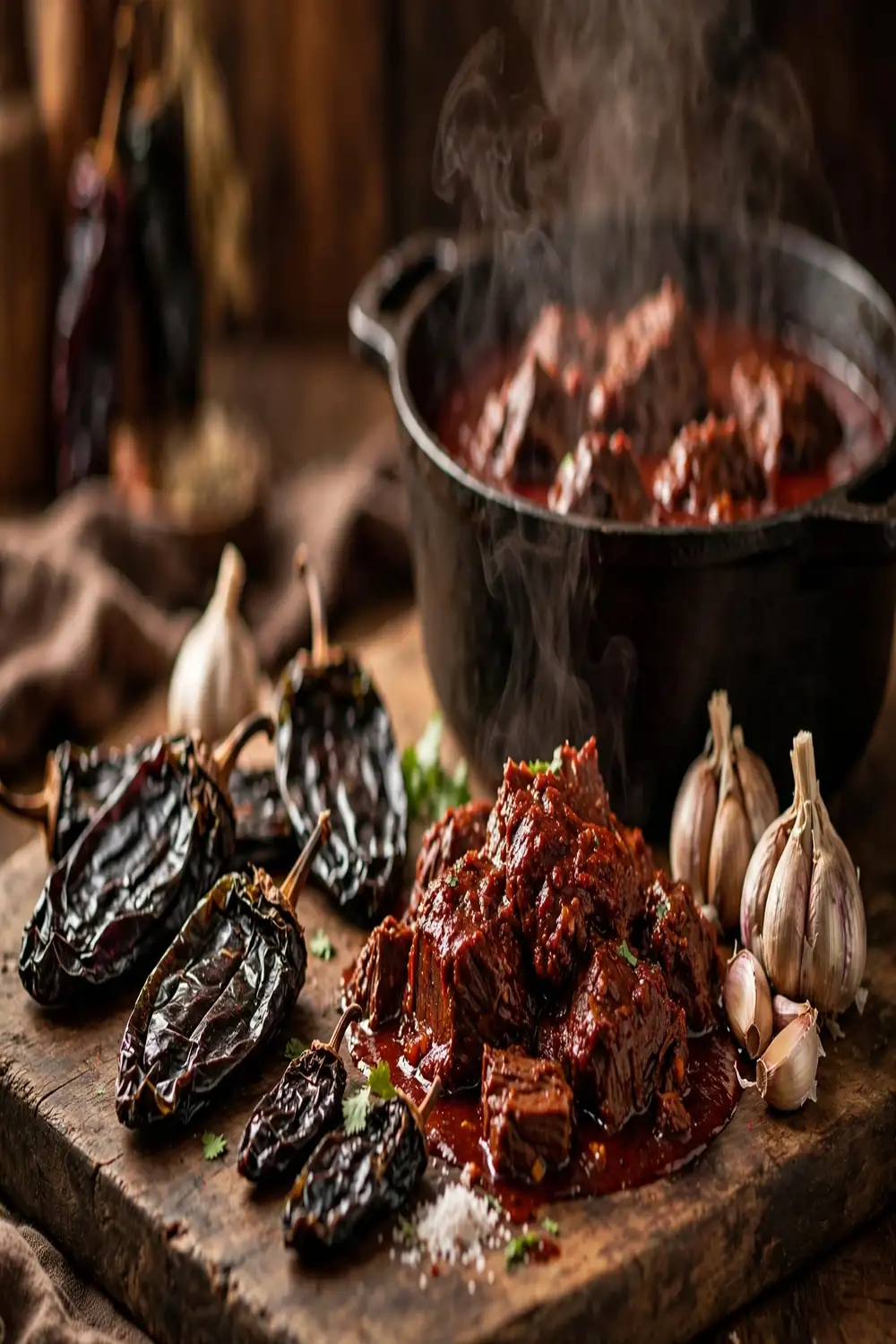
- Soak dried ancho chiles in hot water for twenty minutes until they turn soft and pliable.
- Blend them with garlic, cumin, and a splash of the soaking liquid for a smooth, rich base.
- Strain the sauce through a fine mesh sieve to remove every bit of tough chile skin.
- Simmer the beef in the strained sauce for at least two hours until completely tender.
Ancho chiles bring a sweet, raisin-like depth that forms the backbone of an authentic red sauce. They are mild enough for the whole family but complex enough to keep food lovers interested. Toast them briefly before soaking to wake up their deep, fruity aroma.
Guajillo Chile Brightness
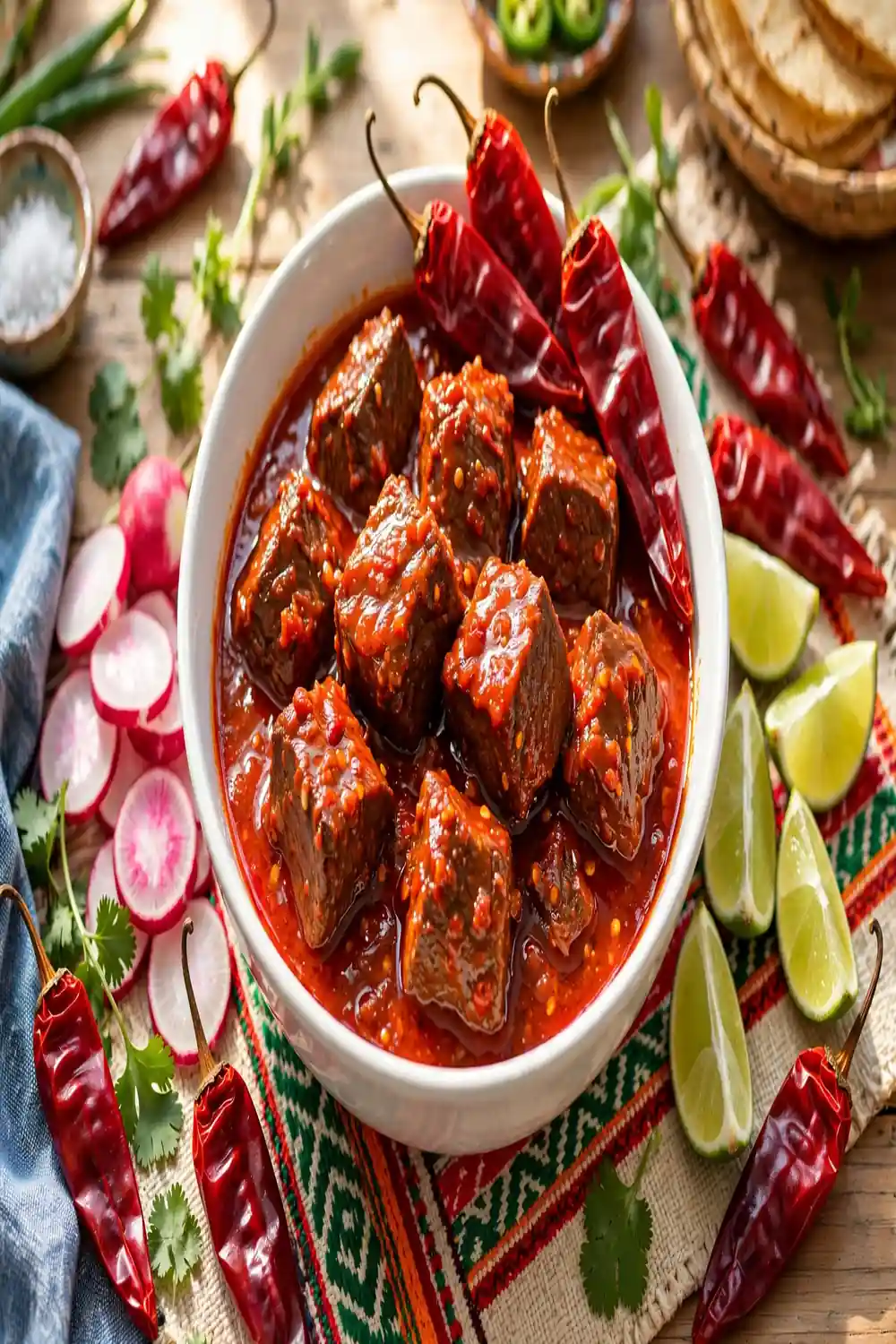
Quick Tip: Guajillo chiles add a bright, tangy berry note that lifts the whole sauce. Combine them with anchos in a two-to-one ratio for perfect balance. Remove the seeds before blending if you want all the flavor with less heat.
Guajillos give the sauce its gorgeous ruby color and a lively tang that keeps rich beef from feeling heavy. The flavor is fruity and bright rather than fiery, which makes it crowd-pleasing. This is the chile to reach for when you want a sauce that looks as vibrant as it tastes.
Pasilla Chile Earthiness
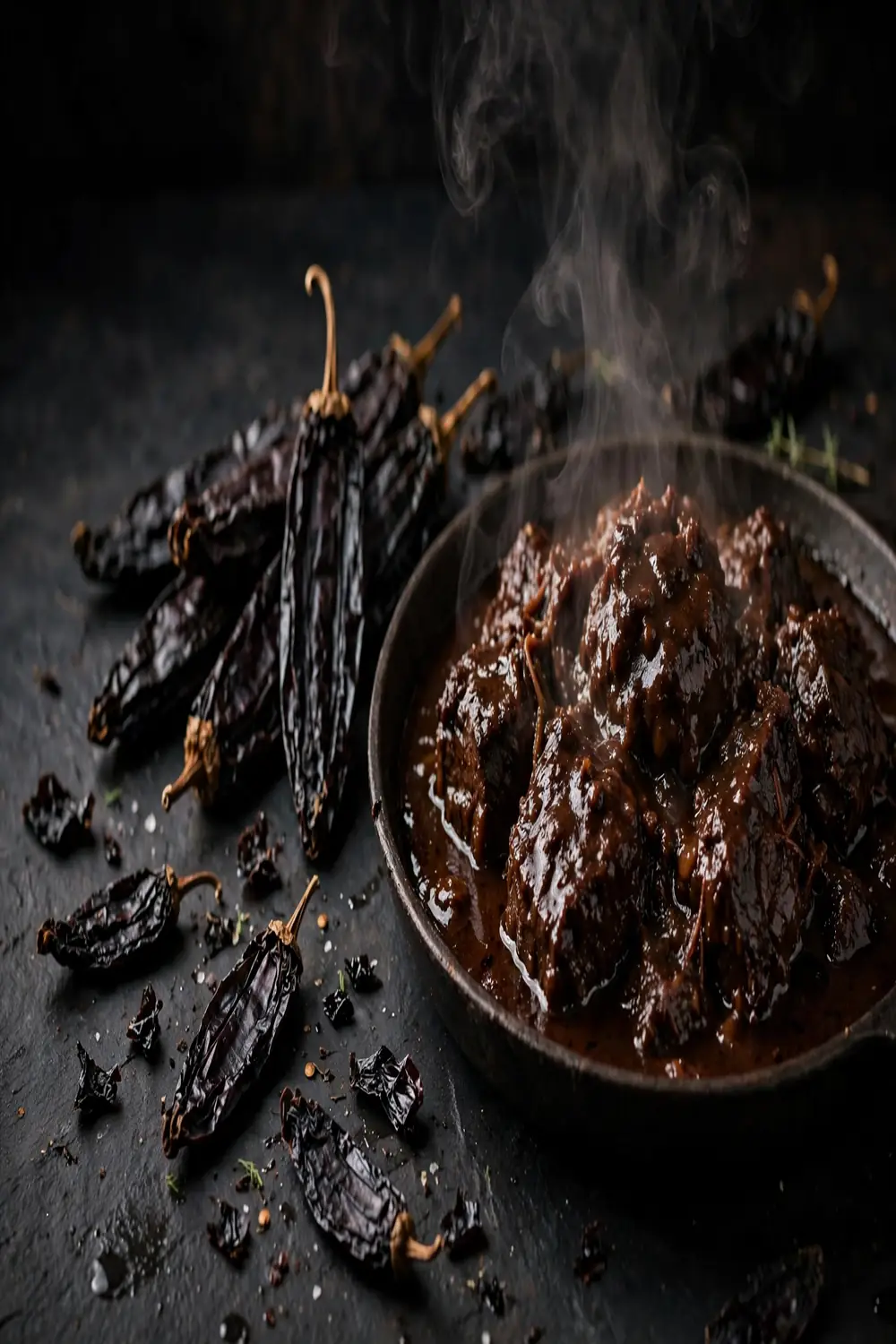
Before: A sauce made with only one chile type can taste flat and one-dimensional. The color looks fine, but the flavor lacks the mysterious depth that makes restaurant versions so memorable.
After: Adding pasilla chiles introduces cocoa-like, earthy notes that round out the brighter chiles. The sauce tastes deeper, darker, and far more complex with just one extra ingredient.
Pasilla is the secret weapon in many great red sauces, adding a prune-like sweetness and dark color. Use it alongside ancho and guajillo for the classic trio that defines this dish. In my experience, guests always ask what makes the sauce taste so rich, and pasilla is usually the answer.
Slow Cooker Simmers
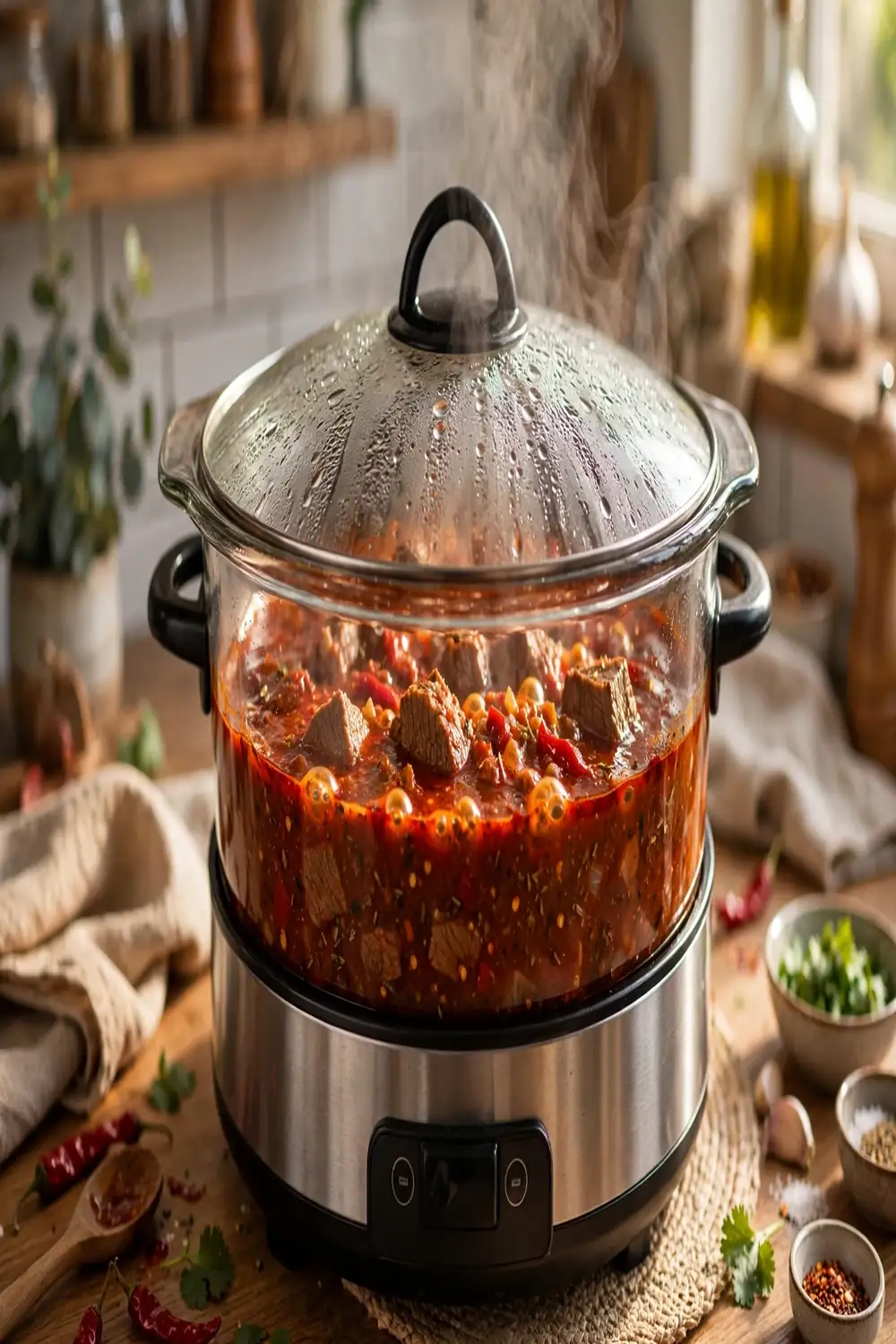
- Brown the beef and blend the chile sauce the night before, then refrigerate both separately.
- Combine everything in the slow cooker in the morning and set it on low.
- Cook for seven to eight hours until the beef shreds easily with a fork.
- Skim any excess fat from the surface and adjust the salt before serving.
The slow cooker turns this traditionally hands-on dish into a set-it-and-forget-it weeknight hero. Coming home to the smell of simmering chiles and tender beef feels like a gift. The long, gentle heat breaks down every tough fiber until the meat practically melts.
Dutch Oven Braises
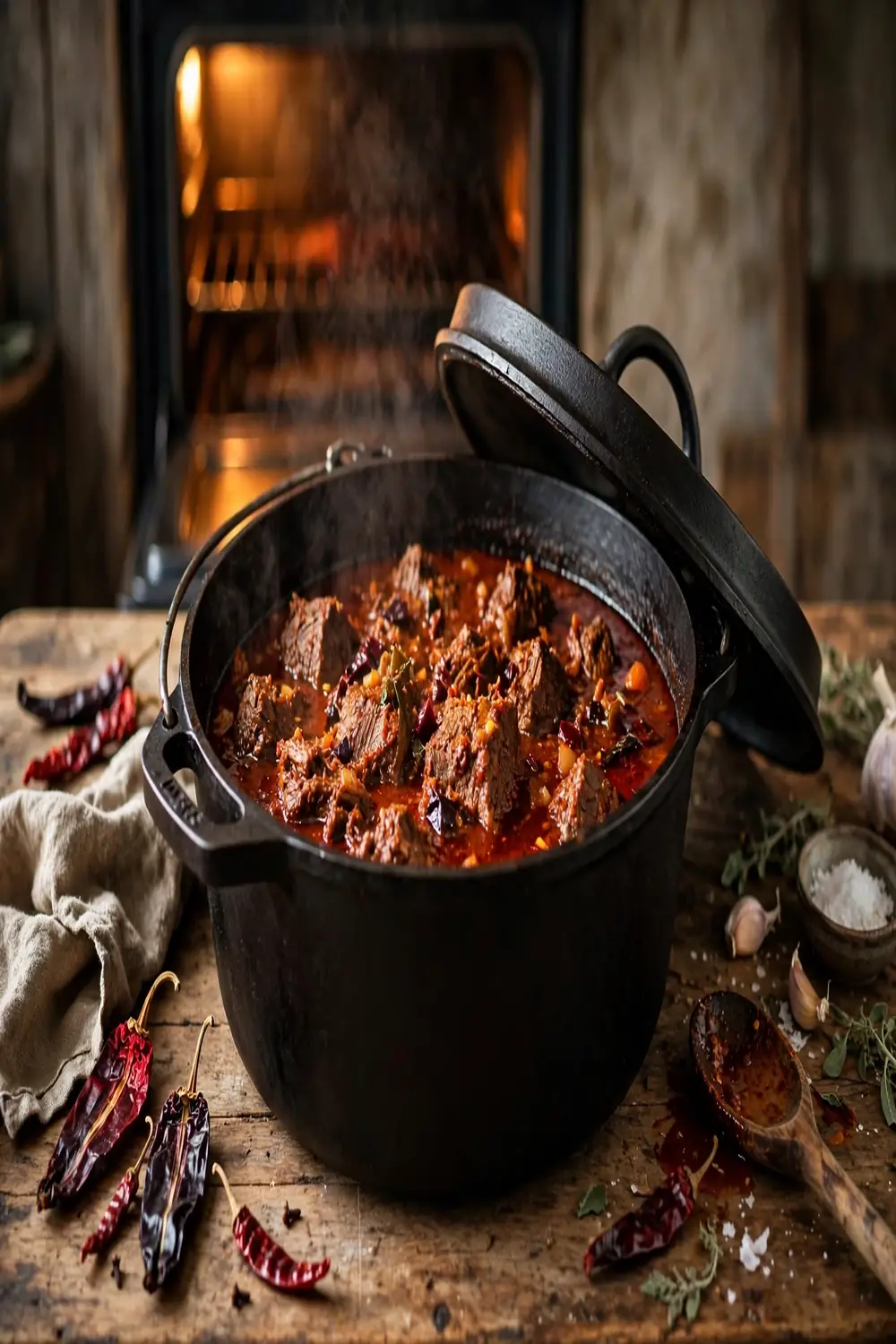
| Dutch Oven | Slow Cooker |
|—|—|
| Deep caramelized flavors | Hands-off convenience |
| Beautiful presentation | Easy cleanup |
| Faster braising time | All-day gentle heat |
A heavy Dutch oven gives you the deep, caramelized fond that makes restaurant braises taste so rich. Sear the beef hard, build the sauce in the same pot, and let the oven do the rest. The even heat produces a sauce with remarkable depth and a gorgeous dark sheen.
Smoky Chipotle Twists

Do: Add one or two chipotles in adobo for smoky heat that builds slowly. Balance the smoke with a spoonful of honey or brown sugar. Finish with fresh lime juice to brighten the deep flavors.
Don’t: Add the whole can of chipotles or the smoke will bulldoze everything else. Skip the sweetener or the sauce can taste harsh and bitter. Forget to warn guests about the heat level before serving.
Chipotle brings campfire smokiness that transforms the dish into something bold and modern. A little goes a long way, so start small and taste as you go. This version pairs beautifully with cold beer and warm tortillas on a casual Friday night.
Tender Chuck Roast Cuts
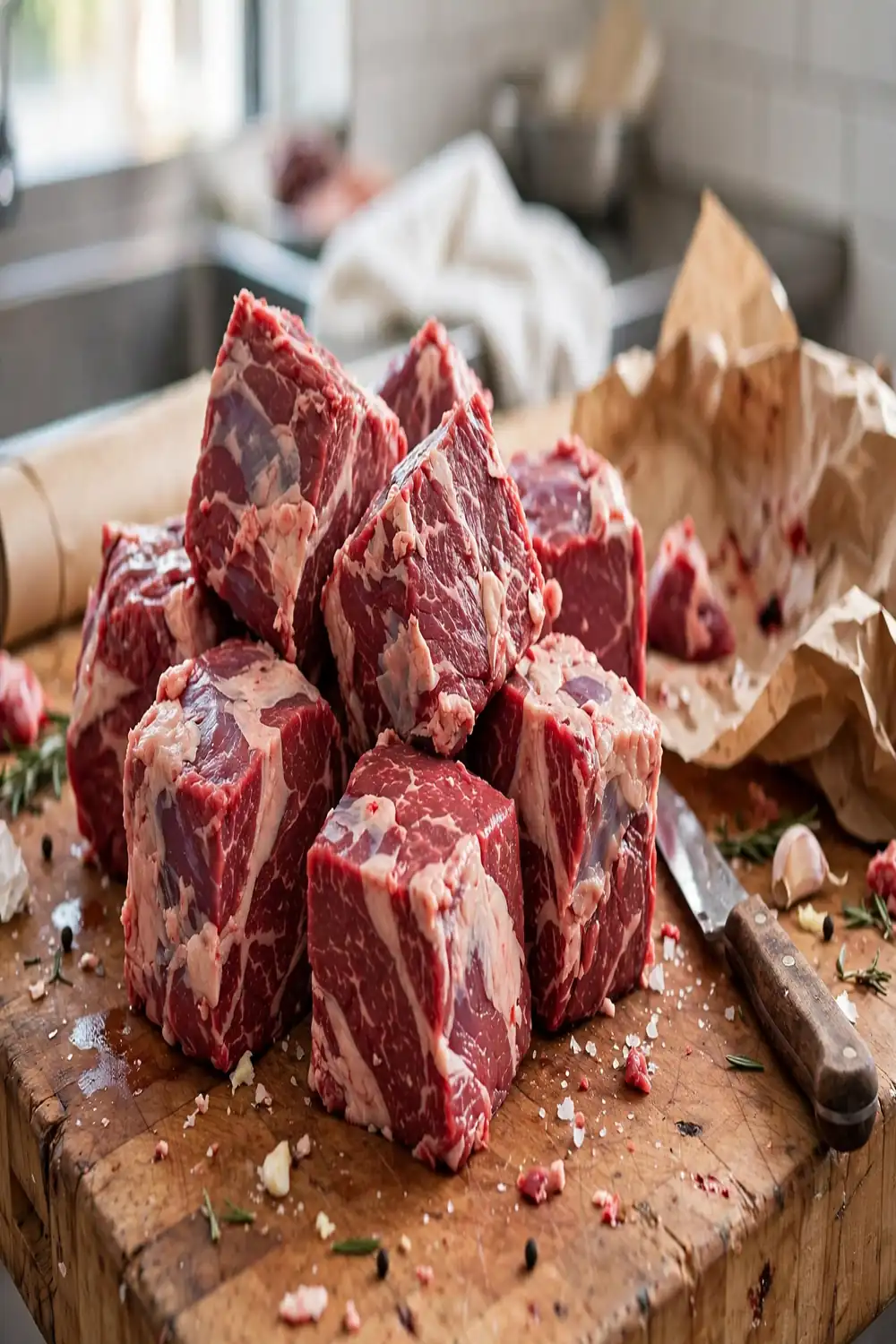
Best Cut: Chuck roast
Why: Marbled fat melts into the sauce
Cut Size: Two-inch cubes
Cook Time: Two to three hours
Chuck roast is the ideal cut because its marbling bastes the meat from within during the long braise. Cut it into generous two-inch cubes so the pieces stay juicy instead of drying out. Cheaper than premium cuts, it outperforms them completely once given enough time and low heat.
Short Rib Upgrades
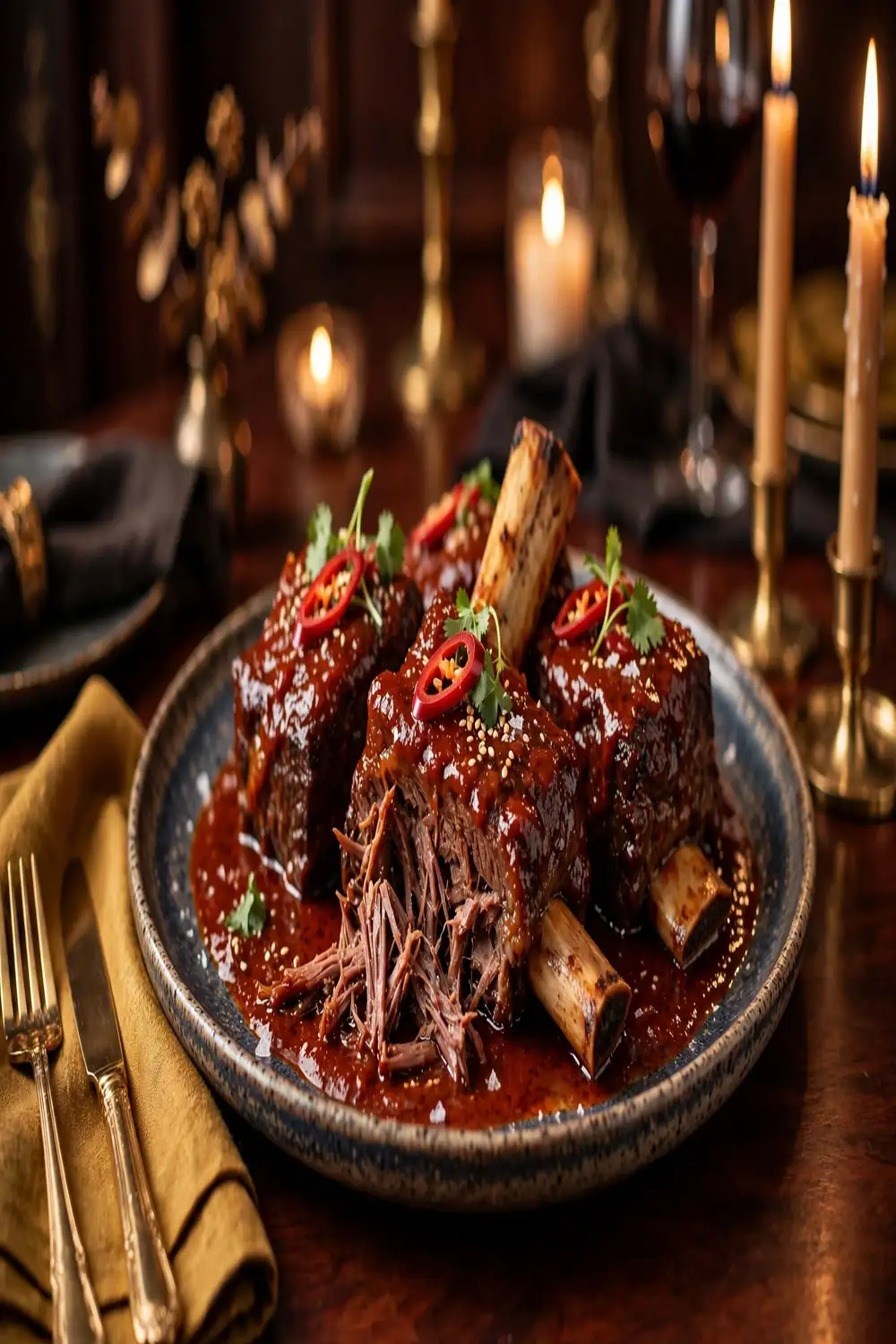
Short ribs take this dish from weeknight dinner to special-occasion showstopper with zero extra effort. The bones add body to the sauce while the marbled meat turns unbelievably silky. Brown them deeply on all sides, then braise low and slow until the meat barely clings to the bone.
I have served this version at dinner parties and watched guests go silent at first bite. The rich, beefy sauce clings to every shred of meat in the most luxurious way. Save this one for birthdays, holidays, or any night that deserves something extraordinary.
Pork Chile Variations
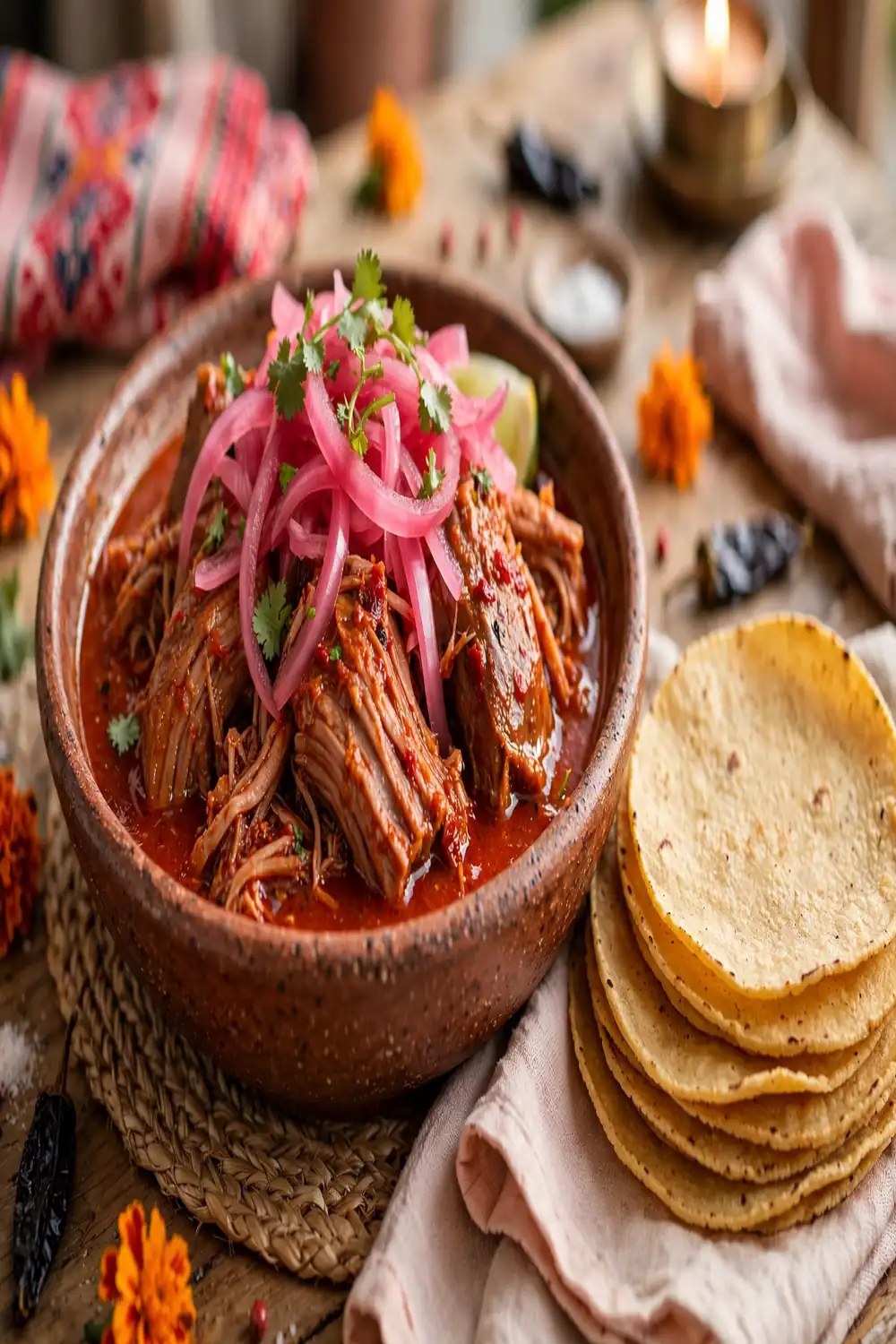
- Swap the beef for pork shoulder cut into chunks for a slightly sweeter, richer result.
- Reduce the braising time by about thirty minutes since pork softens faster than beef.
- Add a splash of orange juice to the sauce to complement the pork beautifully.
- Shred the finished pork and crisp it in a hot skillet for carnitas-style edges.
Pork shoulder makes a wonderful variation when you want something a little different from the classic. The meat turns sweet and succulent in the chile sauce, almost like a red posole filling. Crisping the shredded pork at the end adds caramelized edges that contrast the tender interior.
Black Bean Companions
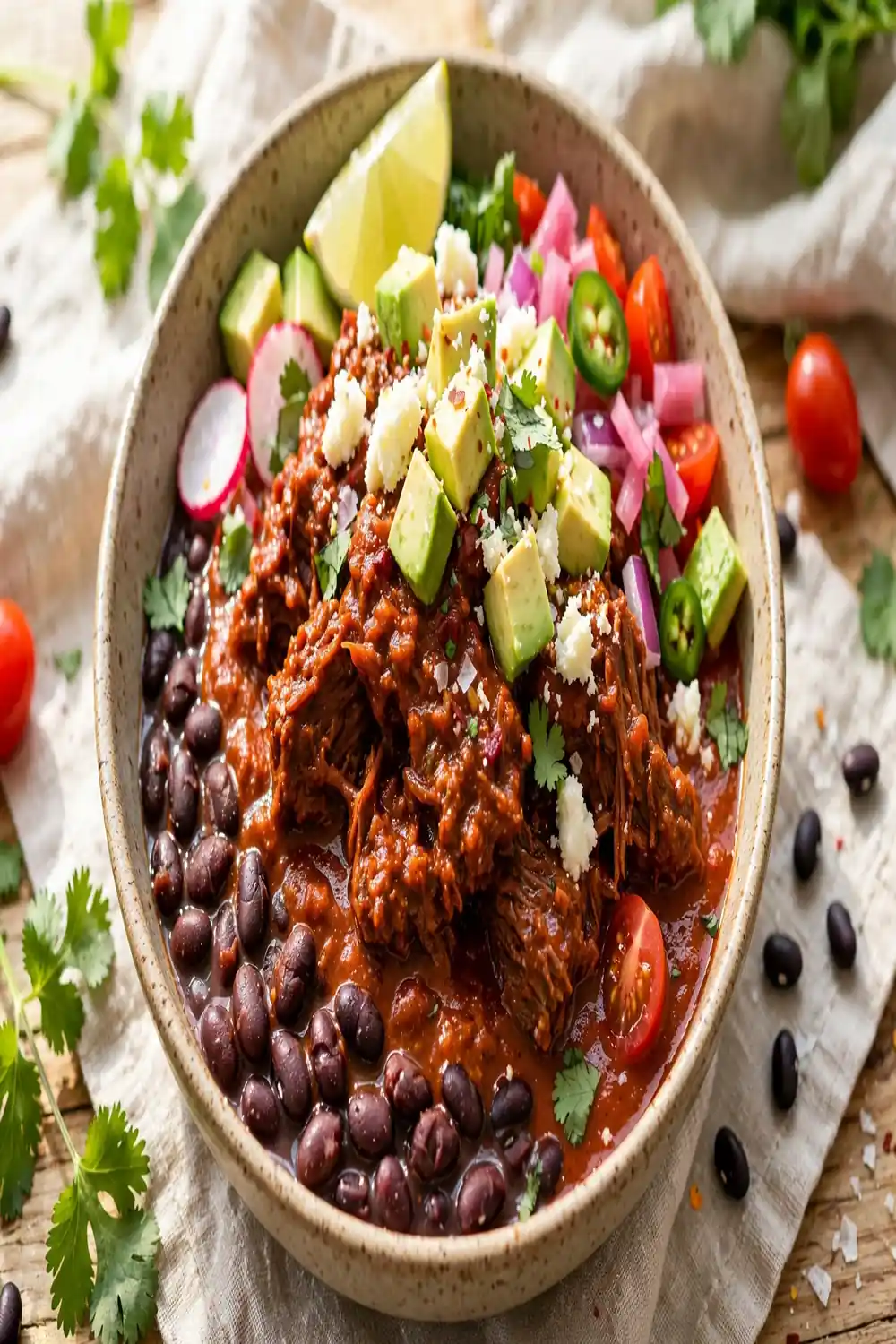
Quick Tip: Serve the braised beef over a bed of seasoned black beans to stretch the meal and add creamy contrast. Mash a few beans into the sauce to thicken it naturally. A squeeze of lime over the beans keeps everything tasting fresh and bright.
Black beans turn this rich dish into a complete, satisfying bowl with extra fiber and protein. The creamy beans soak up the chile sauce like little sponges. This is my favorite way to serve it for a crowd because one pot of beef suddenly feeds twice as many people.
Cilantro Lime Rice Bowls
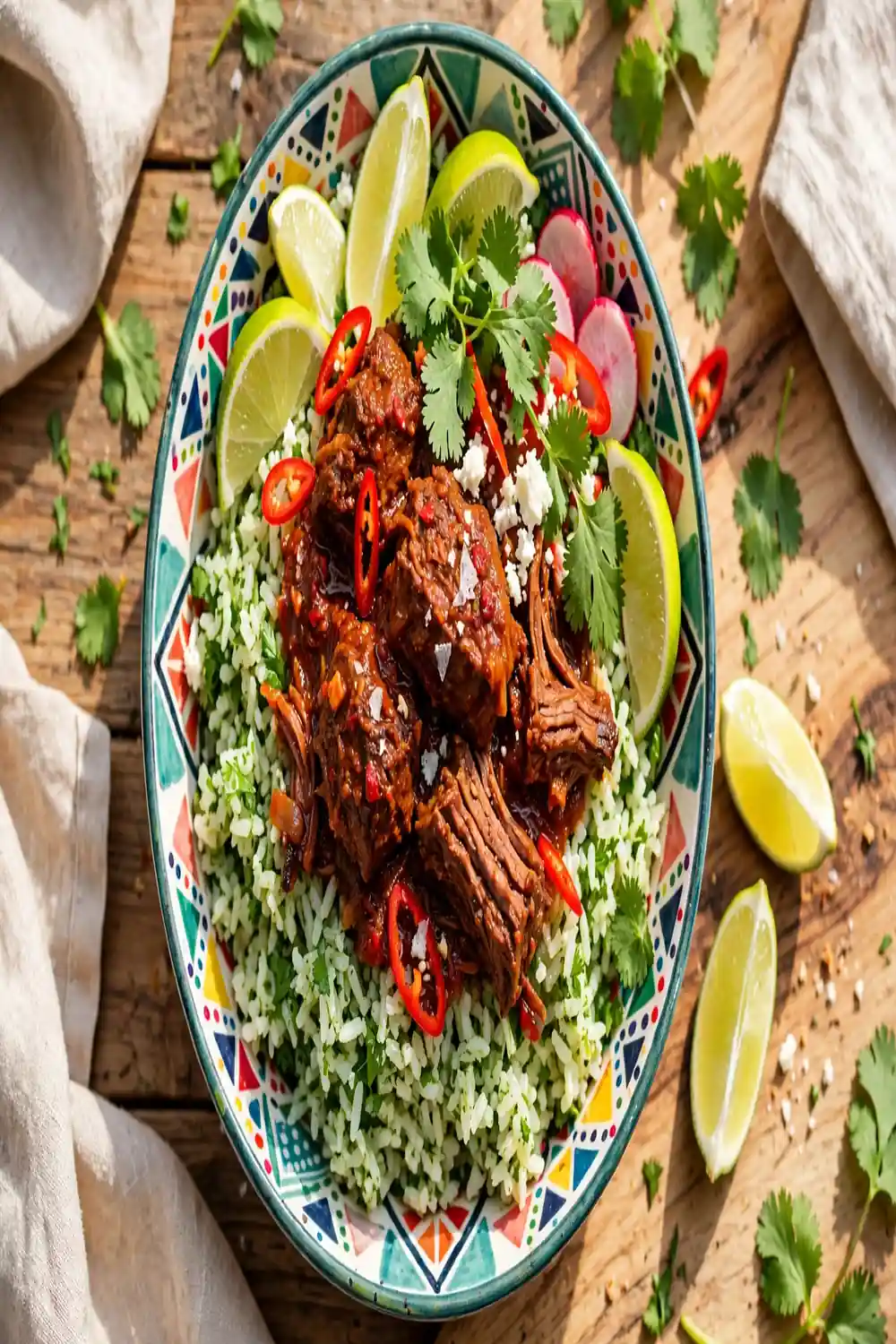
Before: Serving the beef alone can feel heavy, with nothing to cut through the richness of the sauce. The plate looks monotone and the flavors, while deep, start to feel one-note.
After: A bed of fluffy cilantro lime rice lightens every bite with fresh, zesty brightness. The rice soaks up the sauce while the lime keeps the rich beef feeling balanced and lively.
Rice bowls make this dish feel fresh and modern without changing the beloved classic recipe. Toss hot rice with chopped cilantro, lime zest, and a pinch of salt just before serving. Add quick-pickled onions on top for crunch and tang that cuts the richness perfectly.
Warm Flour Tortillas
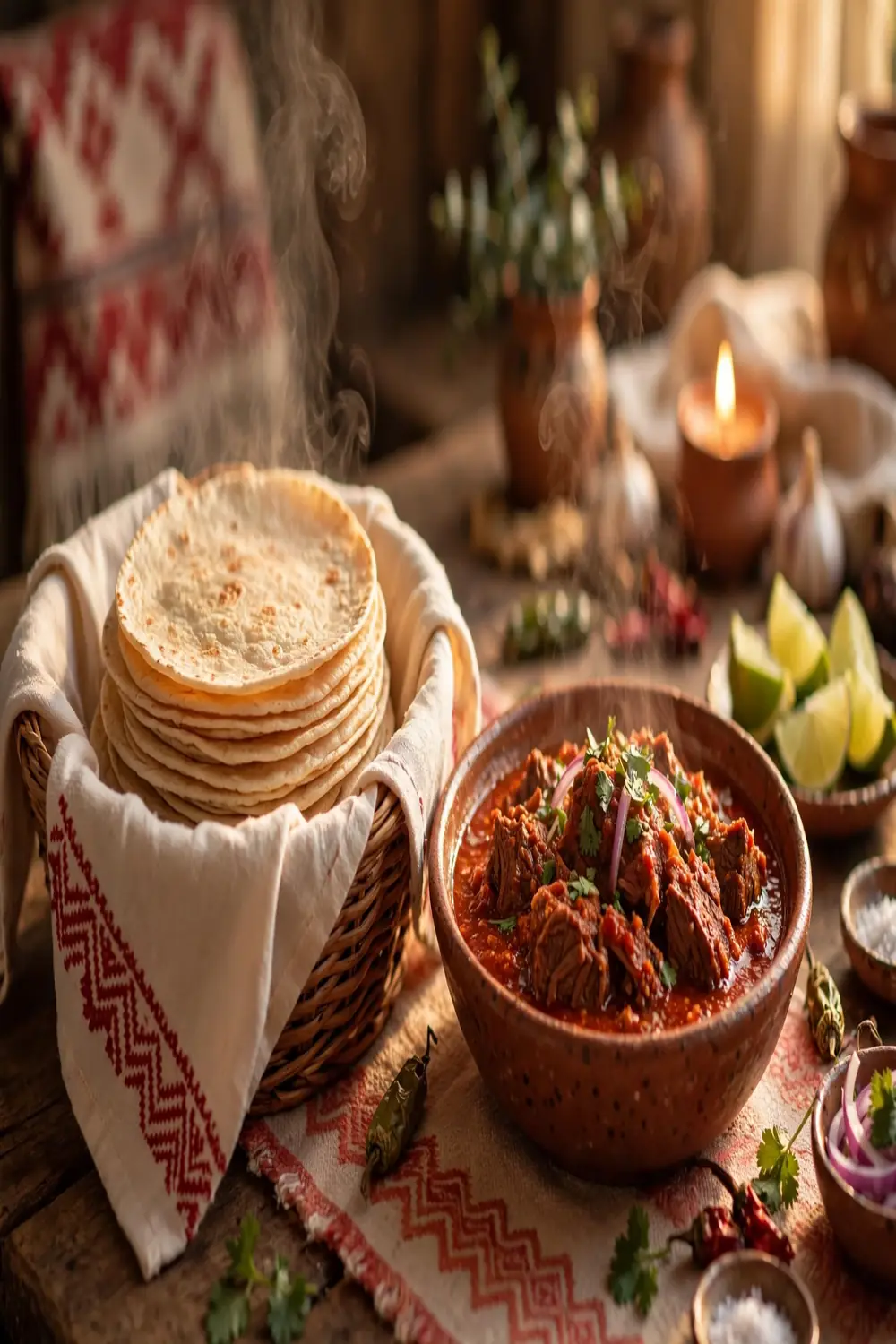
- Warm a dry cast iron skillet over medium-high heat until it just starts to smoke.
- Heat each tortilla for about thirty seconds per side until puffy with browned spots.
- Wrap the stack in a clean kitchen towel to steam and stay soft.
- Serve immediately alongside the beef for scooping and wrapping.
Warm tortillas are non-negotiable with this dish, turning dinner into a hands-on, build-your-own feast. The soft, charred bread is the perfect vehicle for scooping up saucy beef. I have noticed that people eat slower and happier when they assemble each bite themselves.
Toasted Cumin Notes
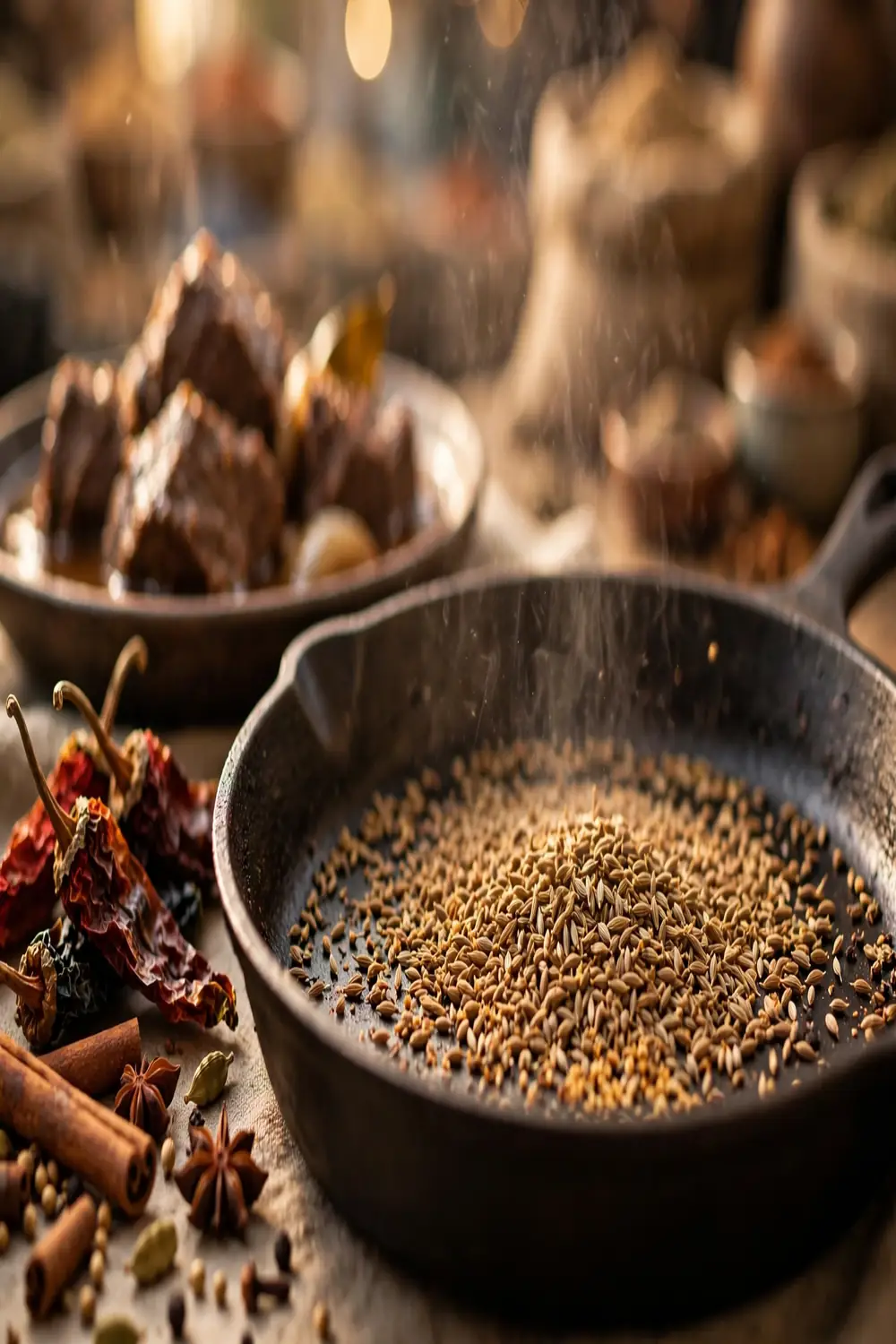
| Pre-ground Cumin | Freshly Toasted Seeds |
|—|—|
| Flat dusty flavor | Warm nutty aroma |
| Fades quickly | Blooms in hot oil |
| Convenient | Worth the two minutes |
Toasting whole cumin seeds until fragrant and grinding them fresh makes an astonishing difference. The warm, nutty aroma blooms the moment the seeds hit the hot pan. This tiny step separates good homemade sauce from the kind people remember for weeks.
Mexican Oregano Layers
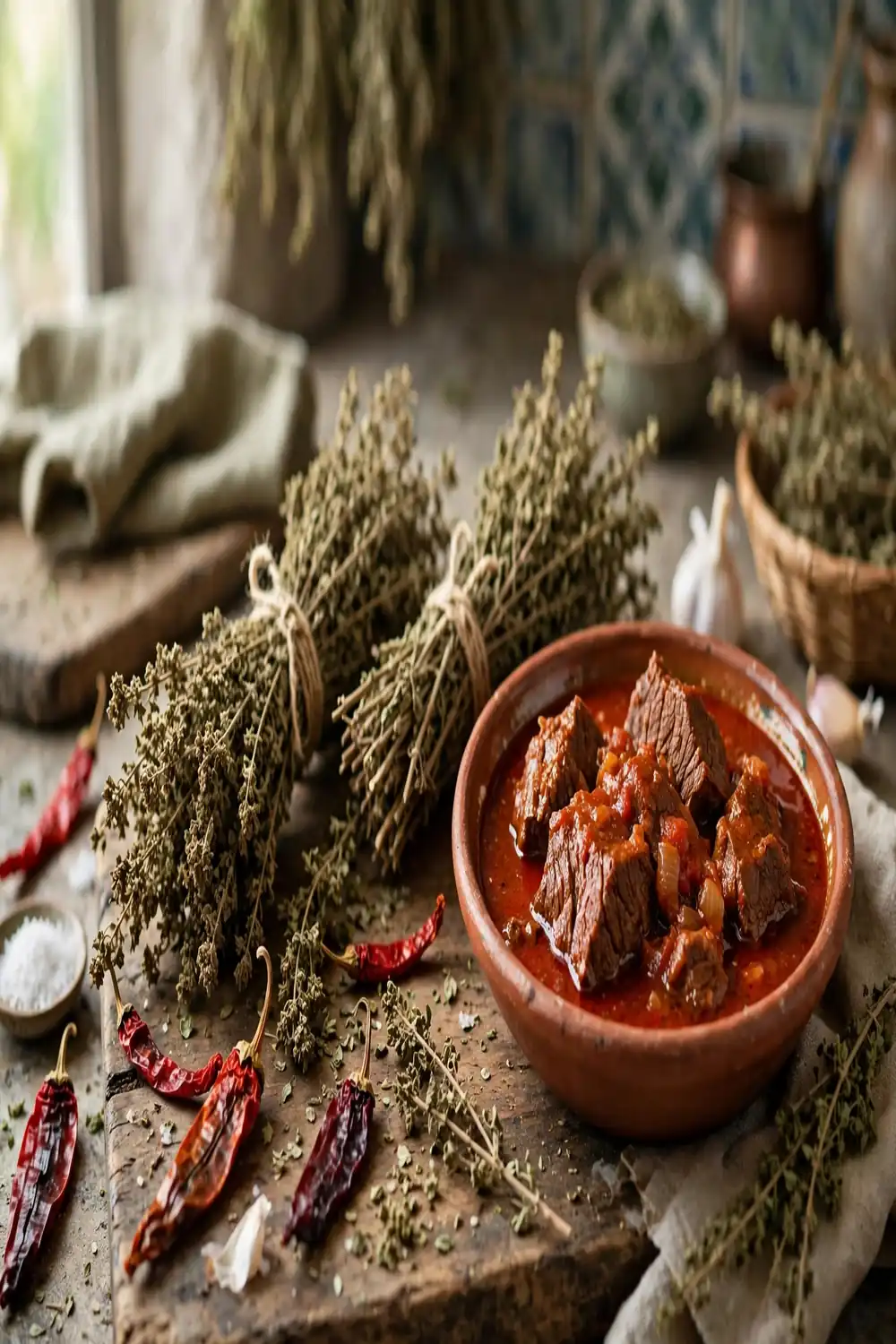
Do: Use Mexican oregano, which is citrusy and earthy, not the Mediterranean kind. Crush it between your palms to release the oils before adding. Stir it in during the last thirty minutes so the flavor stays bright.
Don’t: Substitute Italian oregano or the flavor will taste oddly pizza-like. Add it at the very start or the delicate citrus notes cook away. Use too much or it will overpower the chiles.
Mexican oregano is a different plant entirely from the Italian kind, with citrusy, almost floral notes. It is one of those authentic touches that separates a good sauce from a great one. Once you taste the difference, you will never go back to the wrong oregano.
Garlic Chile Foundations
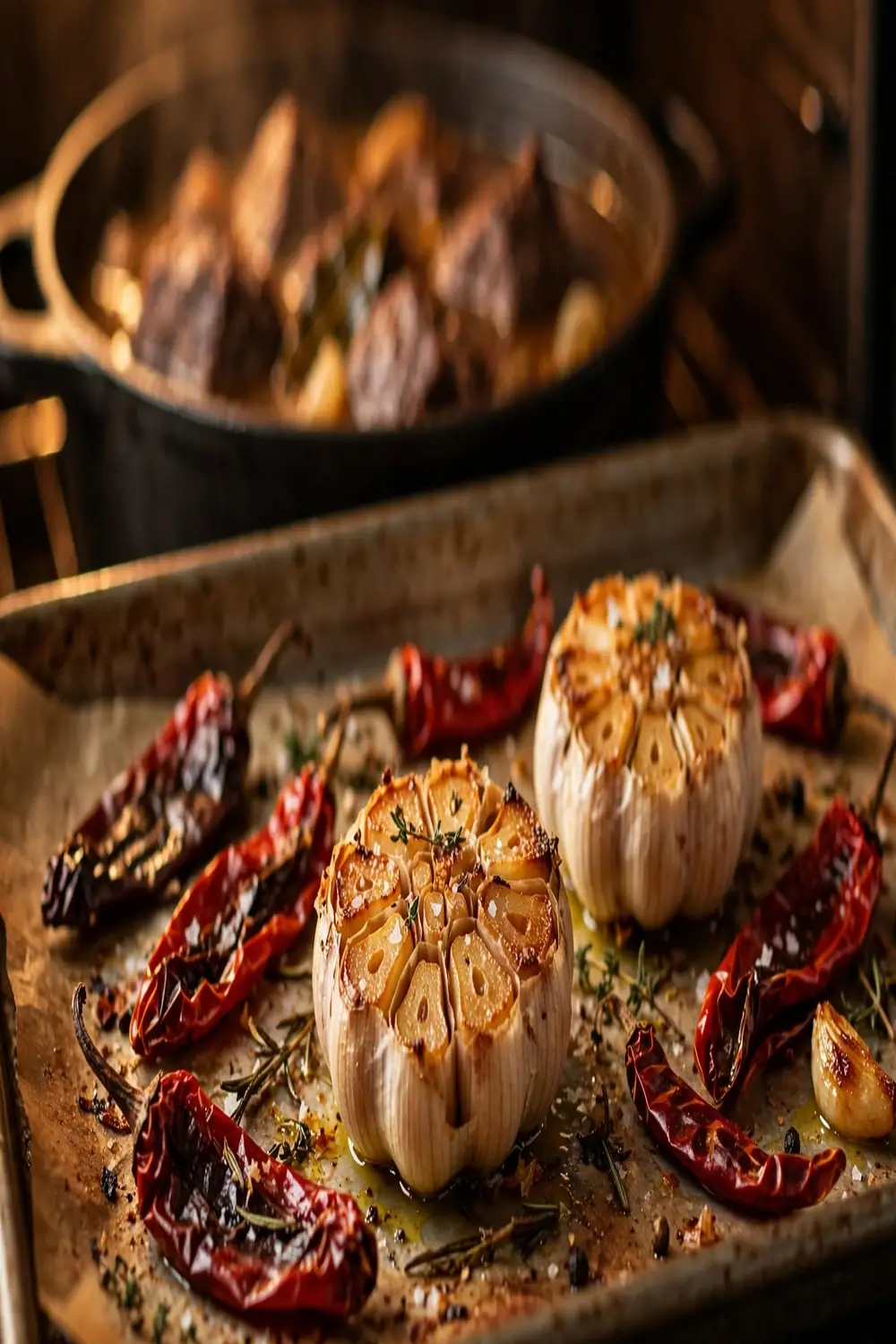
Base: Roasted garlic
Amount: One full head per batch
Method: Roast until caramelized
Payoff: Sweet, mellow depth
Roasting a whole head of garlic until caramelized and sweet builds a foundation no raw garlic can match. Squeeze the soft cloves into the blender with the soaked chiles for a sauce with incredible depth. The roasted garlic melts into the background, adding body without any harsh bite.
Bay Leaf Braising
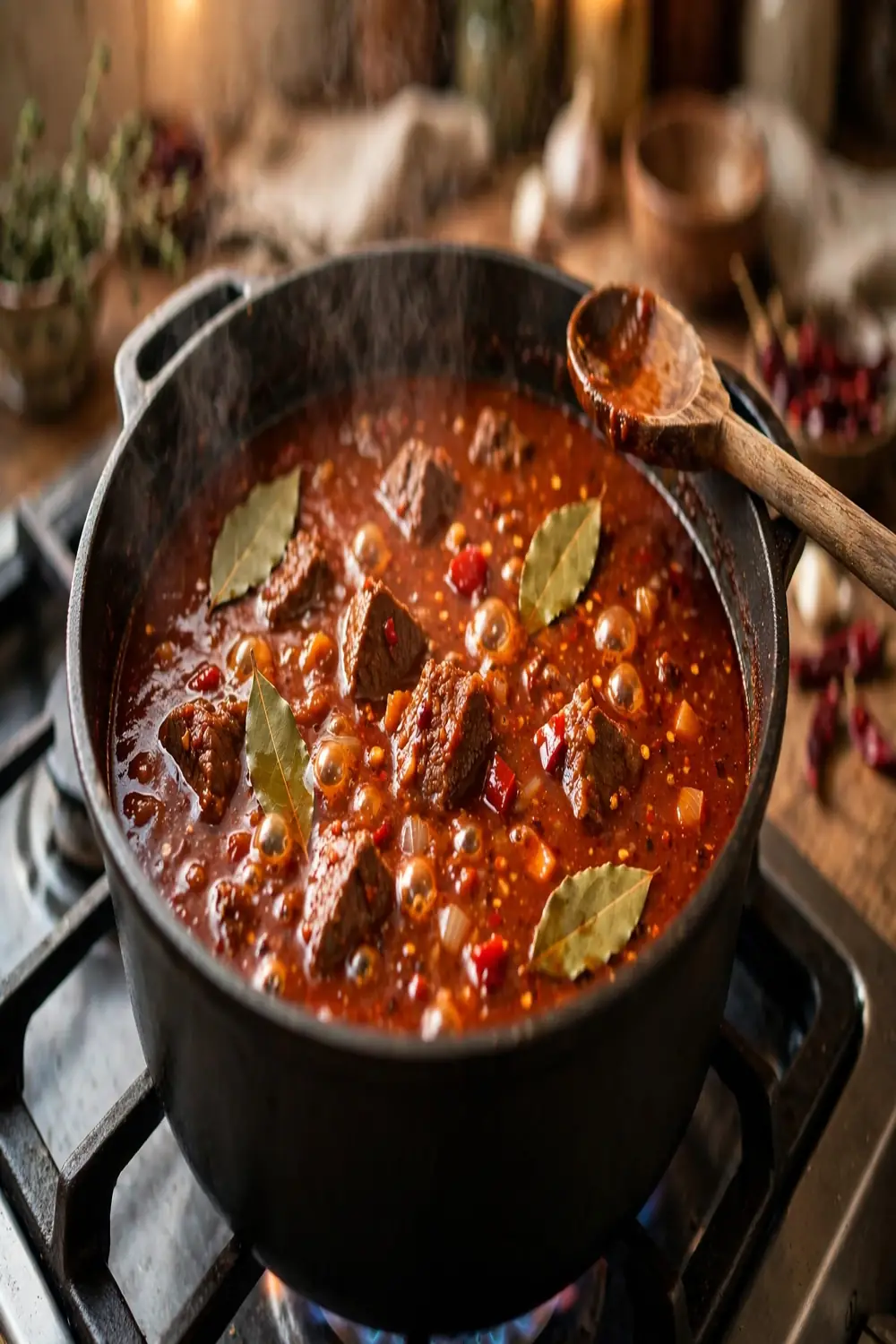
Two bay leaves tucked into the braise add a subtle tea-like depth that you notice most when it is missing. They work quietly in the background, rounding out the sharper chile edges. Fish them out before serving, since nobody wants to bite into a leathery leaf at the table.
I have tested this side by side, and the batch with bay leaves always tastes more complete and restaurant-like. It is the kind of tiny detail that separates careful cooking from great cooking. Keep a jar of whole bay leaves in the pantry just for braises like this one.
Tomato Chile Balances
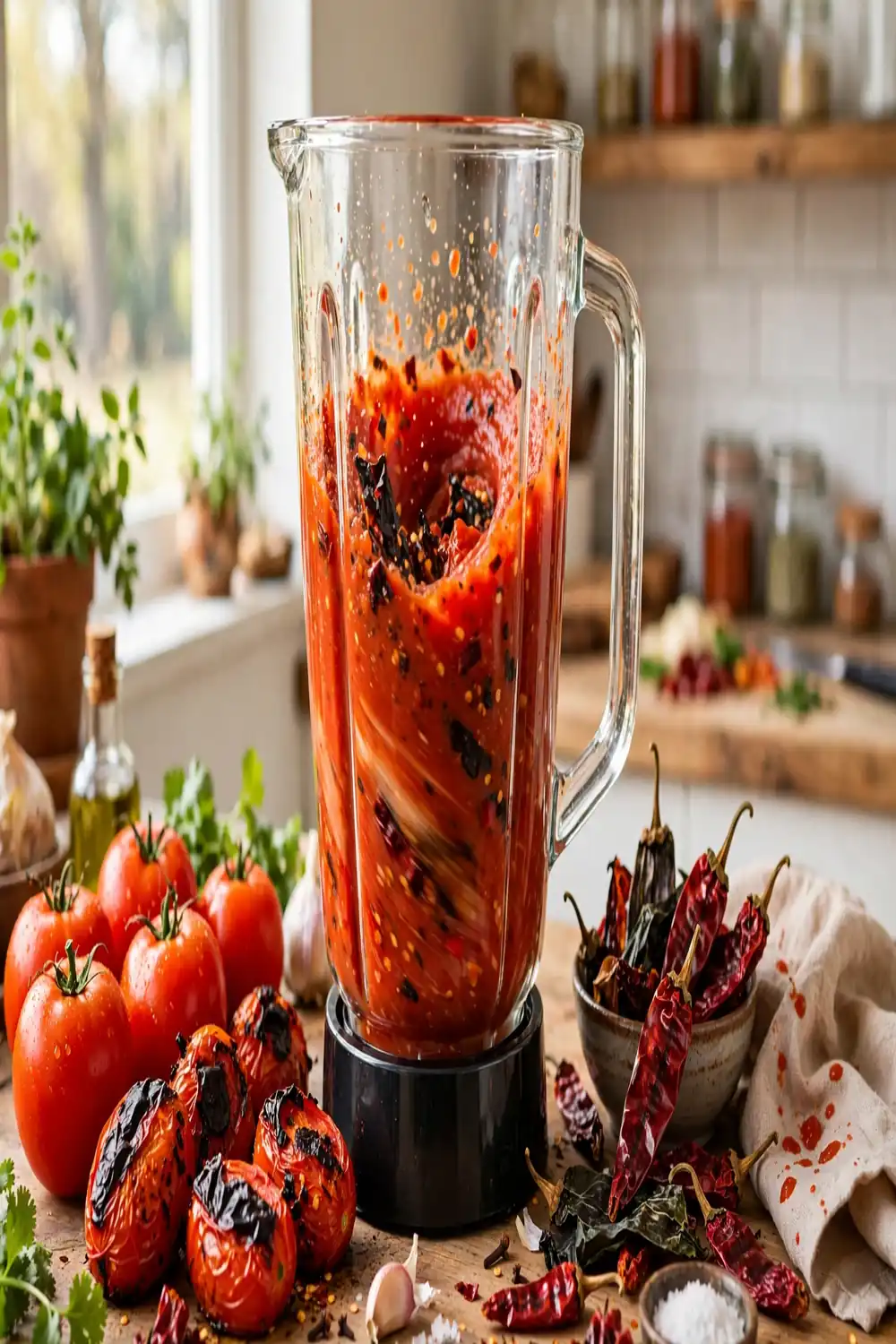
- Blend one can of fire-roasted tomatoes with the soaked chiles for added body and brightness.
- Roast fresh Roma tomatoes until charred for an even deeper, smokier base.
- Keep the tomato ratio modest so the chiles stay the star of the sauce.
- Simmer uncovered at the end to thicken the sauce to a rich, spoon-coating consistency.
A little tomato rounds out the sauce with natural sweetness and body without stealing the show. Fire-roasted tomatoes add a whisper of char that complements the toasted chiles. Purists may skip it, but most families prefer the balanced, slightly sweeter sauce tomatoes create.
Onion Chile Bases
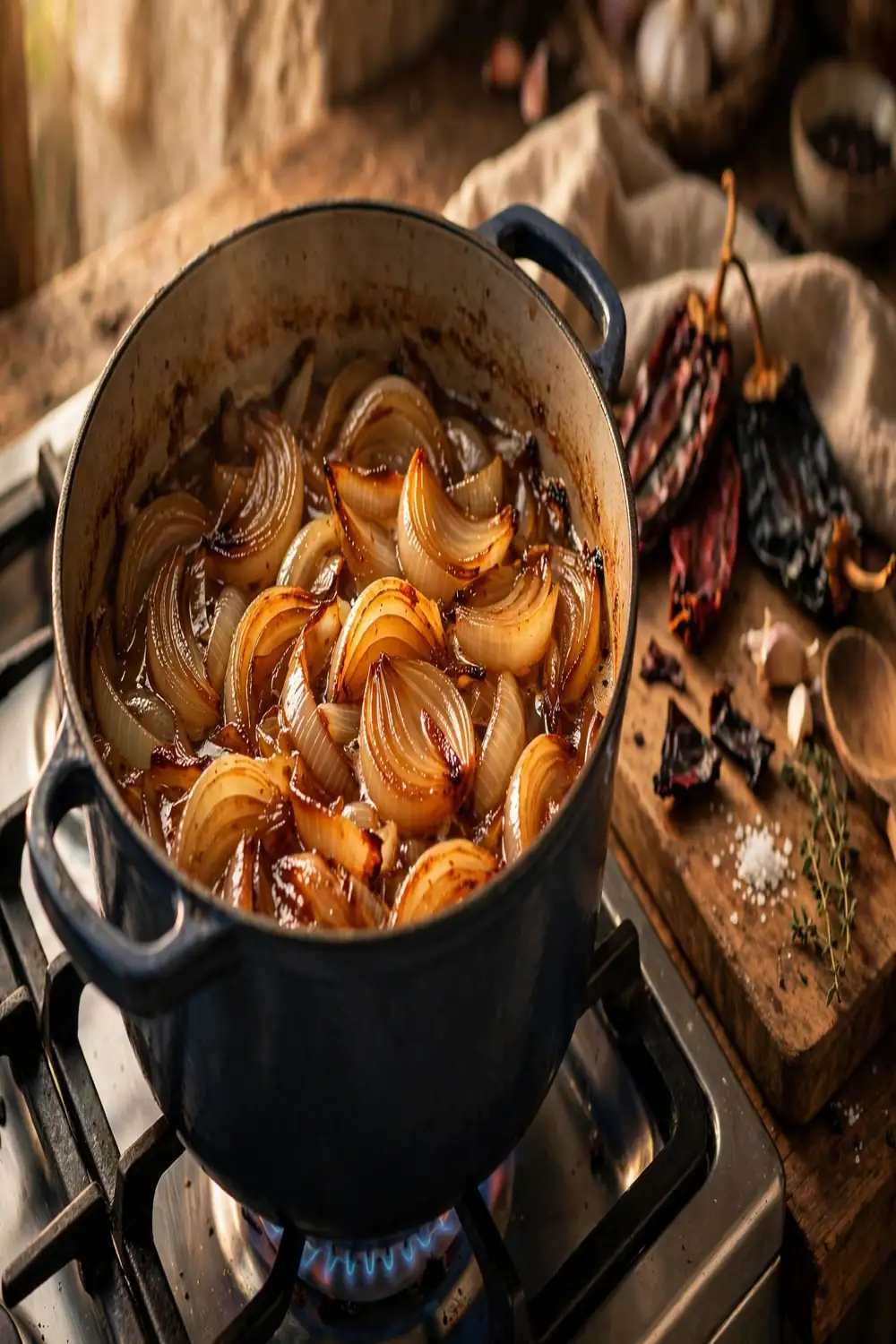
Quick Tip: Caramelize the onions deeply until golden brown before adding the beef for a sweet, savory foundation. This takes about fifteen minutes but builds flavor no shortcut can match. Deglaze the pan with a splash of broth to capture every browned bit.
Deeply browned onions melt into the sauce and add a sweetness that balances the chile heat. Rushing this step leaves the sauce tasting sharp and raw by comparison. Low heat and patience here pay off in every single spoonful of the finished dish.
Cocoa Powder Depth
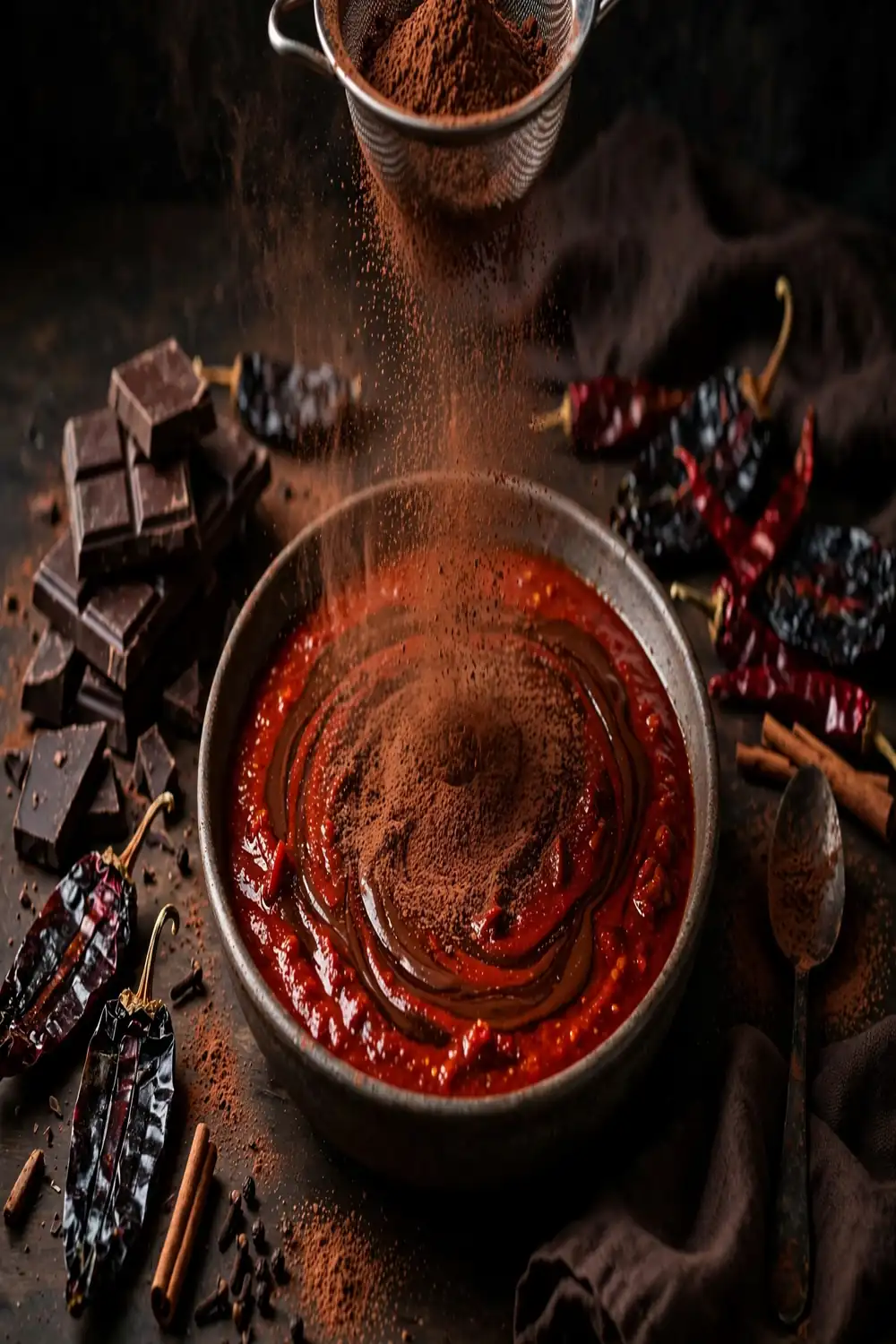
Before: A straightforward chile sauce can taste bright but a little thin, missing the mysterious background note that makes great moles so captivating. Something feels absent even when the seasoning is correct.
After: A tablespoon of unsweetened cocoa adds dark, brooding depth without any chocolate flavor. The sauce tastes rounder, richer, and far more complex, like it simmered for hours longer.
Cocoa is the quiet trick behind many legendary red sauces, adding depth you feel more than taste. Nobody will guess the secret ingredient, but everyone will notice the difference. Start with one tablespoon and add more only if the sauce still tastes like it needs mystery.
Coffee Braising Liquids
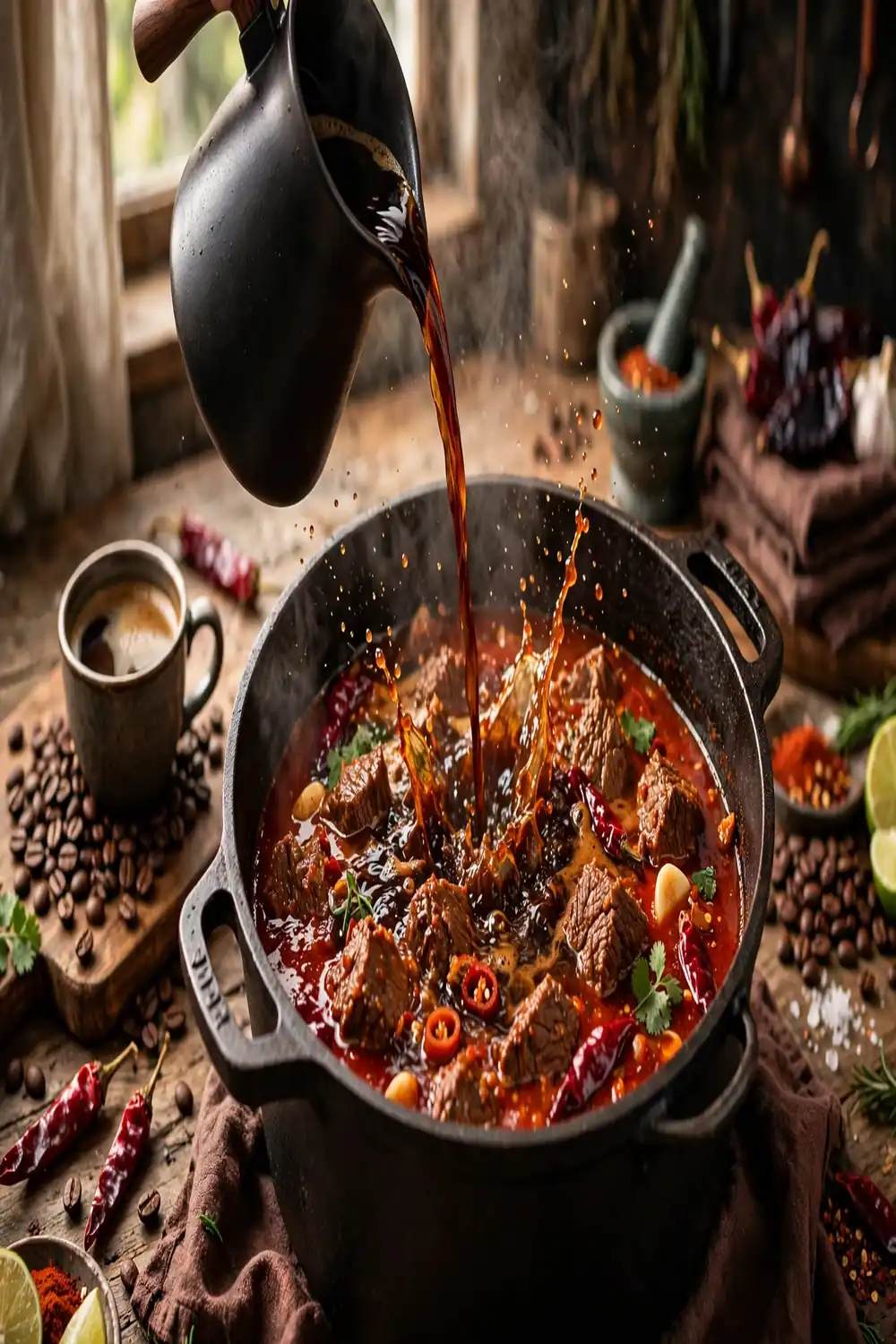
- Brew one cup of strong black coffee and let it cool slightly.
- Replace one cup of the braising broth with the coffee.
- Braise as usual, letting the coffee meld into the chile sauce.
- Taste at the end and balance with a pinch of sugar if needed.
Coffee adds a roasted bitterness that makes the chiles taste more like themselves, similar to its effect on chocolate. The finished dish has remarkable depth with no detectable coffee flavor. This is the trick to try when your sauce tastes good but not quite unforgettable.
Pickled Onion Toppers
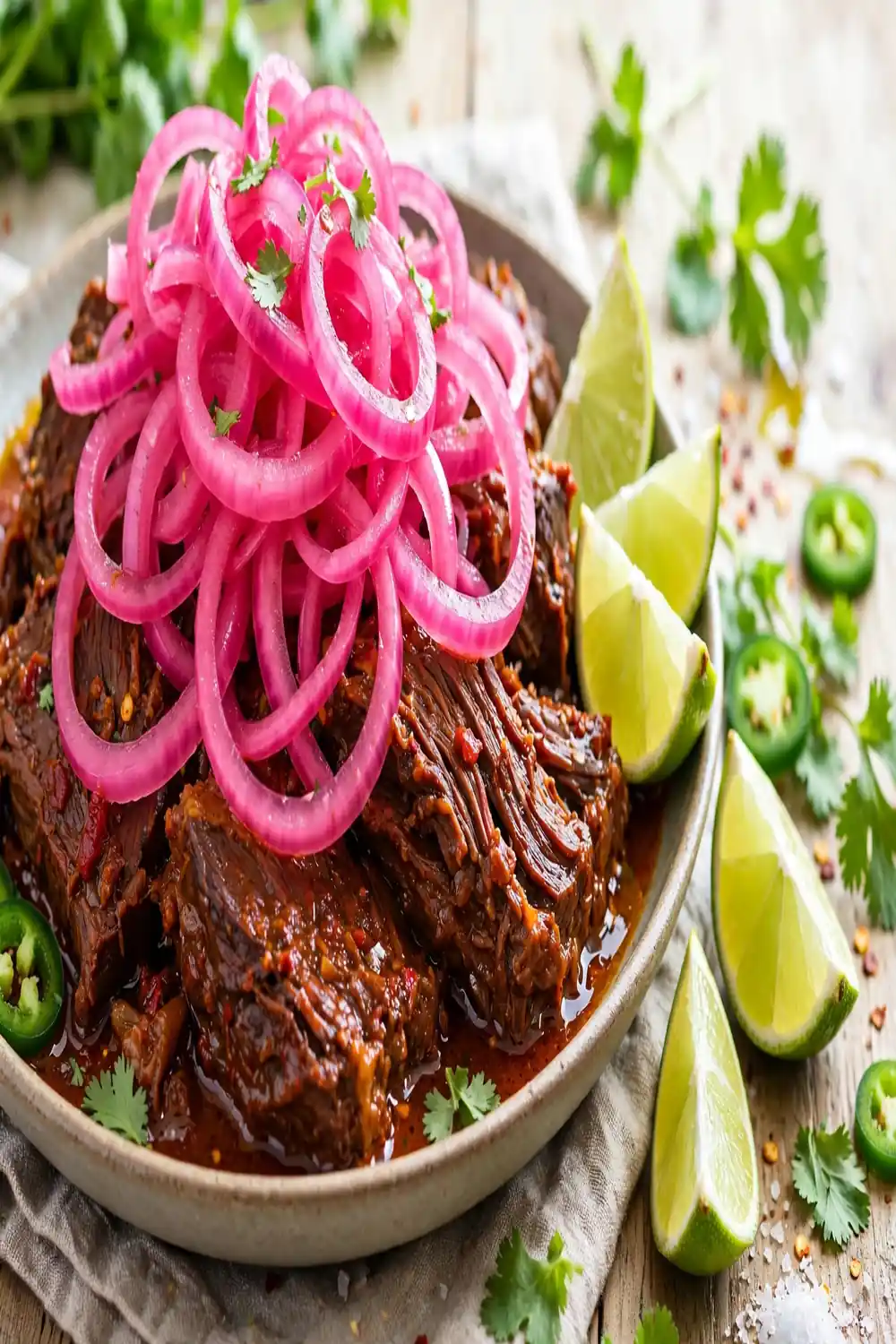
| Plain Sliced Onion | Quick Pickled Onion |
|—|—|
| Sharp raw bite | Bright tangy crunch |
| Overpowers the beef | Cuts the richness |
| Fades into background | Pops with color |
Quick-pickled red onions take ten minutes and transform the finished dish with bright, tangy crunch. The acidity cuts through the rich, fatty beef and resets your palate between bites. Their shocking pink color also makes the whole plate look irresistible and fresh.
Queso Fresco Crumbles
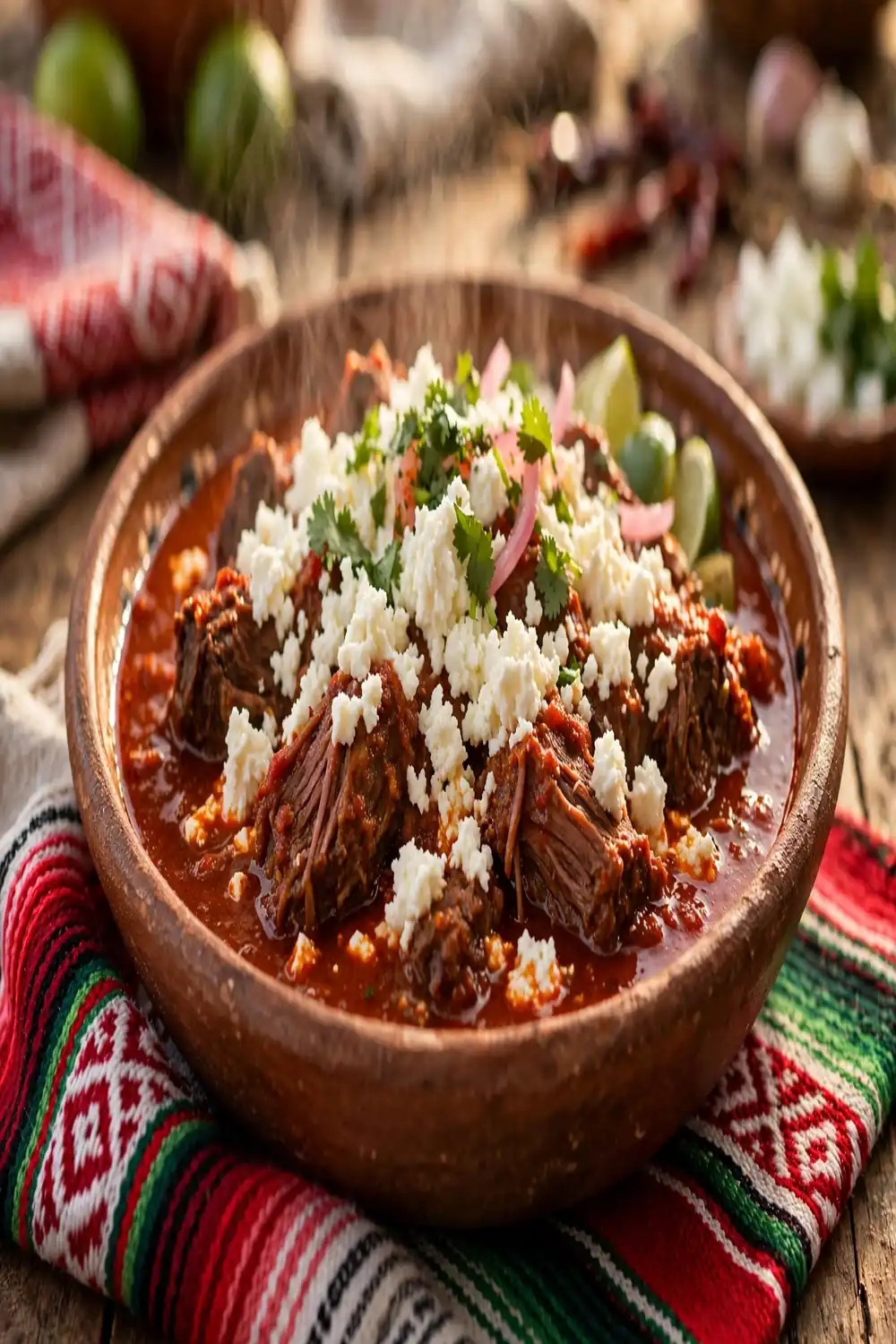
Do: Crumble the queso fresco over the hot beef just before serving so it softens slightly. Look for the fresh, mild kind sold in rounds at Latin markets. Pair it with chopped cilantro for the classic finish.
Don’t: Use aged cotija here or the salt will overwhelm the dish. Melt the cheese completely or you lose the pleasant crumbly texture. Skip the cheese entirely when serving dairy-free guests without offering an alternative.
Queso fresco adds a cool, milky contrast that tames the chile heat beautifully. The soft crumbles melt just slightly into the hot sauce, creating creamy pockets. This is the traditional finish that makes the dish taste authentically complete.
Lime Wedge Finishes
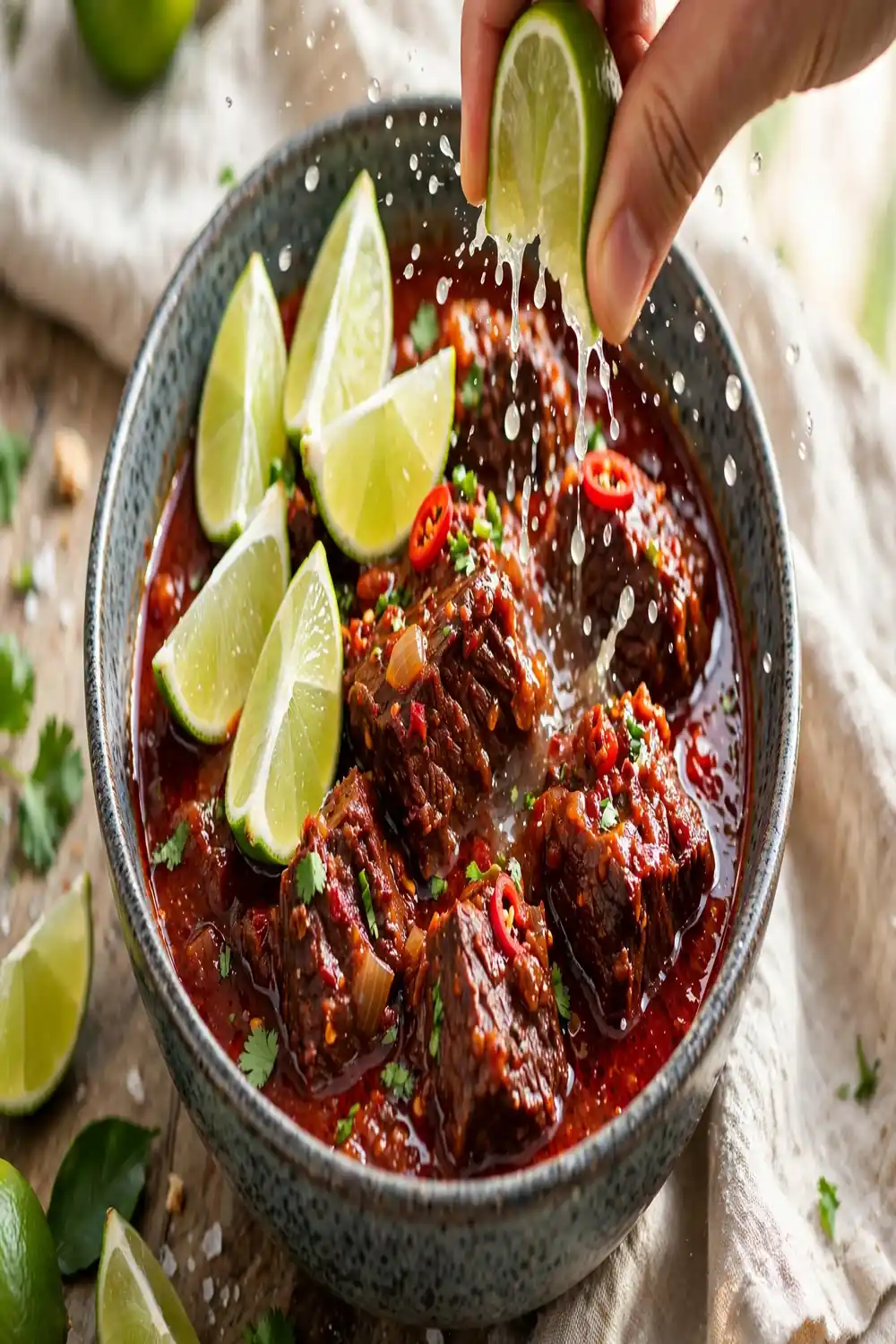
Finish: Fresh lime juice
When: At the table, not in the pot
Why: Brightens rich flavors
Amount: One wedge per serving
A squeeze of fresh lime at the table is the final touch that makes every flavor pop. The bright acidity lifts the deep, earthy chiles and cuts through the beef’s richness. Never cook the lime in the sauce, since heat turns its fresh zing bitter and flat.
Conclusion
This beef chile colorado collection proves that bold, authentic flavor is absolutely worth the slow simmer. Pick one technique this week, toast those chiles, and let your kitchen fill with the smoky aroma of real Mexican-style cooking. Save this post to your dinner board on Pinterest so the recipe is waiting when the craving hits. And for a sweet finish after all that savory comfort, these 22 pumpkin cinnamon roll muffins bring cozy fall baking to your table.
Cooking like this connects you to a long tradition of patient, flavorful home cooking. In my experience, the dishes that take a little time are the ones people remember longest. Try one new chile this month, share the pot with people you love, and keep the bold flavors coming.