Why Is My Frosting Too Sweet and Runny? Easy Fix Guide
If runny frosting keeps sliding off your cake, you are not alone. Many home bakers watch a smooth bowl turn thin and sweet within minutes. The fix is simple once you know what went wrong. This guide shows each cause in plain steps, so your next batch stays thick and easy to spread.
Warm butter, extra milk, and soft cream cheese are the usual culprits behind a thin bowl. Each one adds moisture or heat that stops the frosting from holding its shape. In my experience, one small change at a time fixes most bowls. Chill the butter, measure the milk, and beat with care.
This guide walks through each cause one by one, then gives simple fixes you can use today. Follow the steps, and your frosting can stay thick, smooth, and ready to spread. And if your buttercream also turns gritty, see why grainy buttercream happens and how to fix it with simple kitchen tricks.
Why Frosting Turns Runny
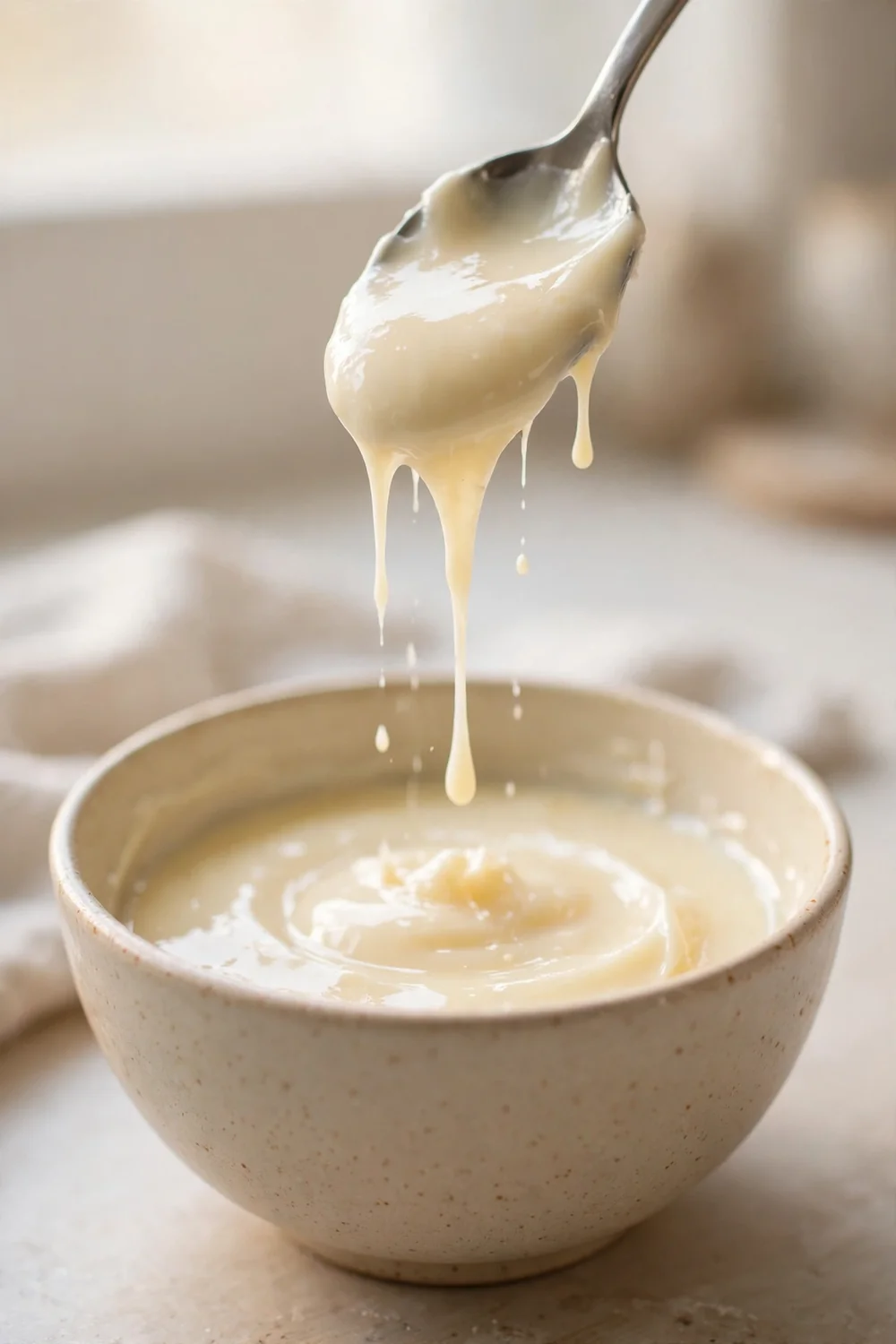
Frosting turns thin when heat, liquid, or soft fat breaks the structure that holds it up. Butter melts fast in a warm kitchen, and each spoon of milk thins the bowl a little more. Powdered sugar alone cannot save a bowl that is too wet or too warm.
Once you spot the cause, the fix gets easy. Cool the bowl, hold back the liquid, and beat the frosting until it firms up. Watch how the texture changes as you work, since small steps add up fast. A thick bowl holds a swirl and stays put on the cake.
Chill the Butter First
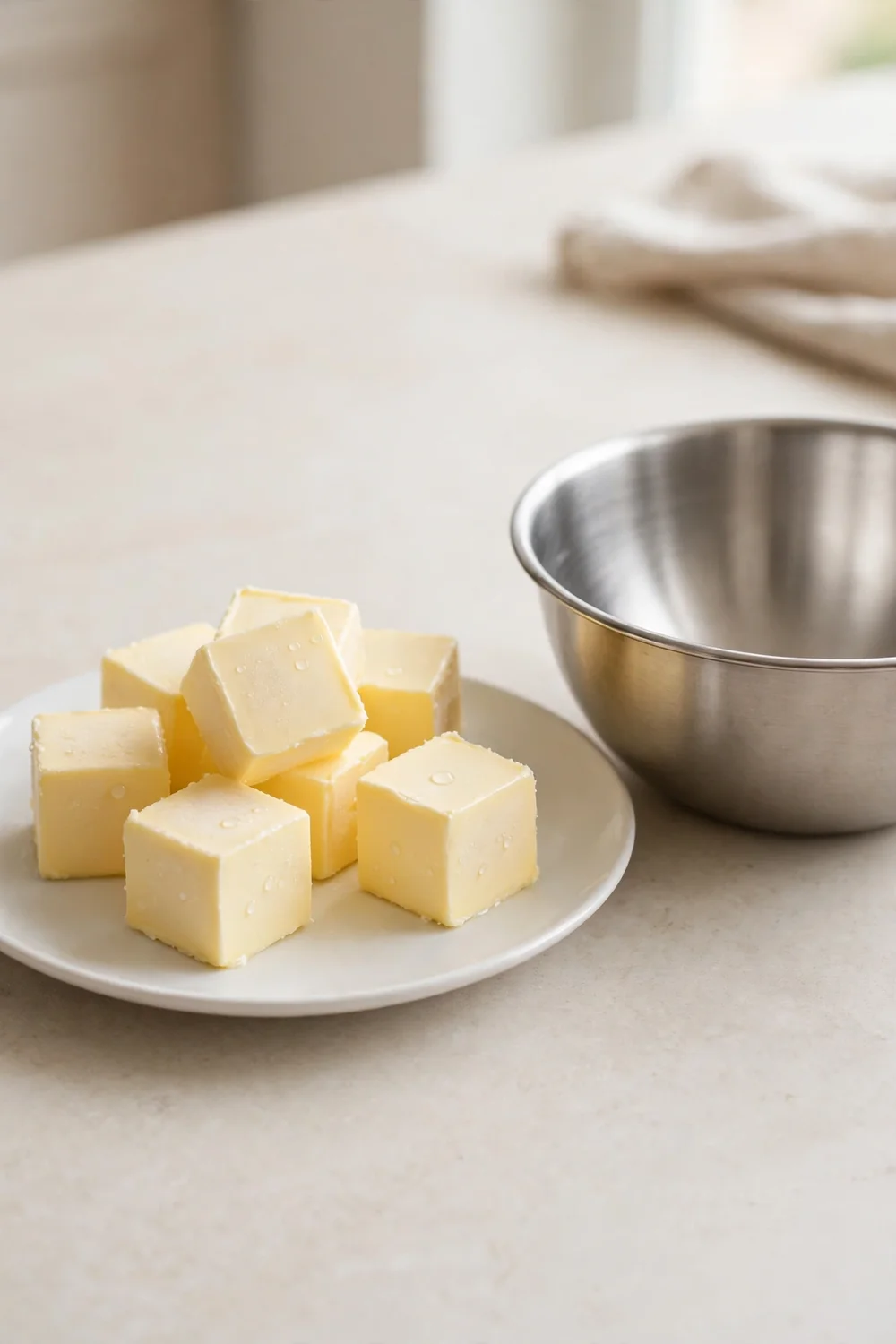
Butter that feels soft and shiny is already too warm to hold a swirl. Cool butter beats into a firm base that traps air and keeps its shape. Cut it cold, let it sit for a few minutes, then beat it before the sugar goes in.
- Cut cold butter into small cubes so it softens evenly without melting.
- Leave the cubes on the counter for ten minutes until they dent when pressed.
- Beat the butter alone for two minutes until it turns pale and fluffy.
- Add the sugar slowly while the beater keeps running.
Add More Sugar
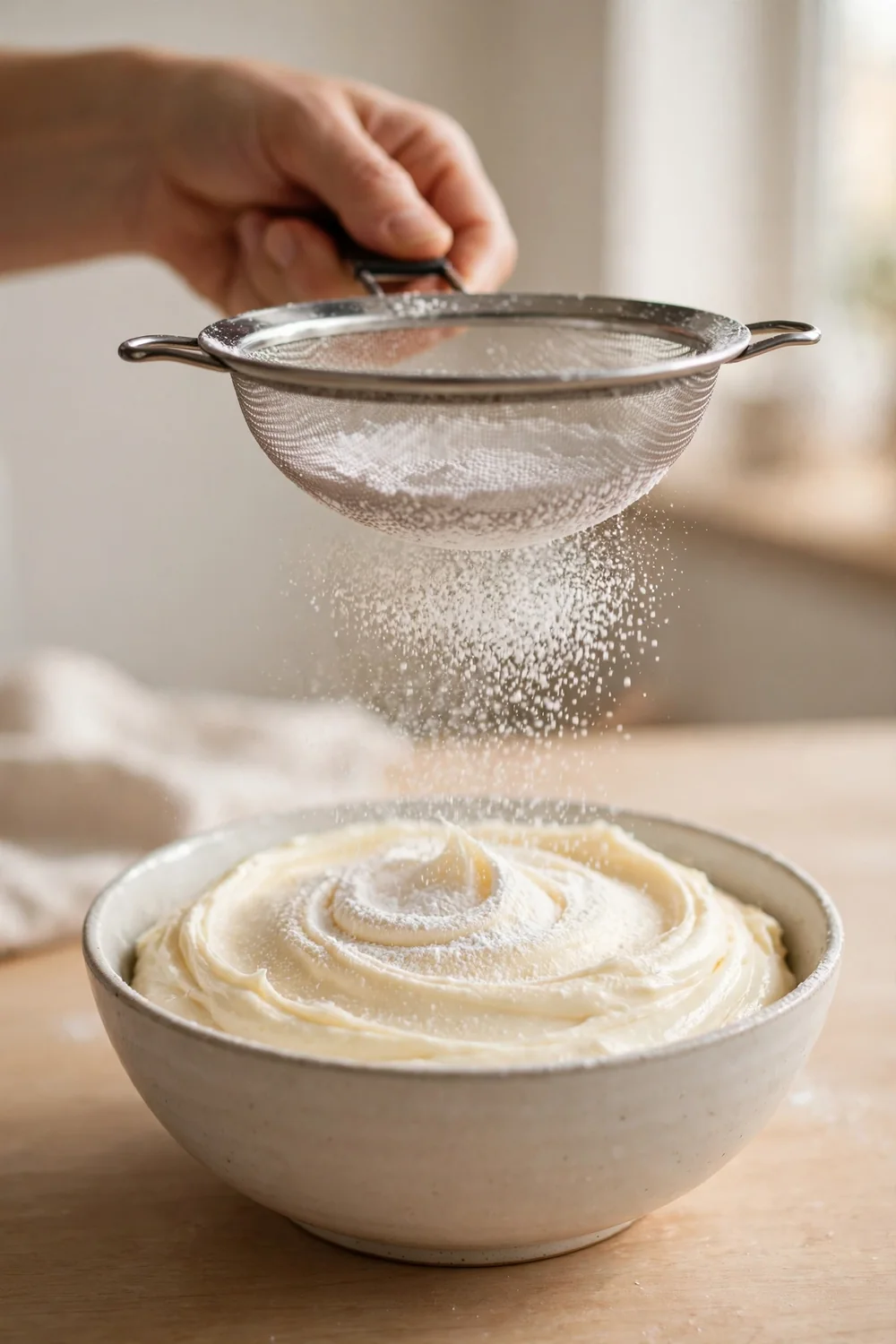
Quick Tip: Add powdered sugar one spoon at a time, not in big scoops. Each spoon thickens the bowl, and you can stop the moment the frosting holds a soft peak. Too much sugar at once makes the bowl sweet and stiff.
Sifting the sugar first stops lumps and keeps the texture smooth. Dump in a full cup at once, and the frosting turns grainy and far too sweet. A slow hand keeps the flavor balanced while the bowl firms up. Taste as you go, and stop when the swirl holds.
Use Less Liquid
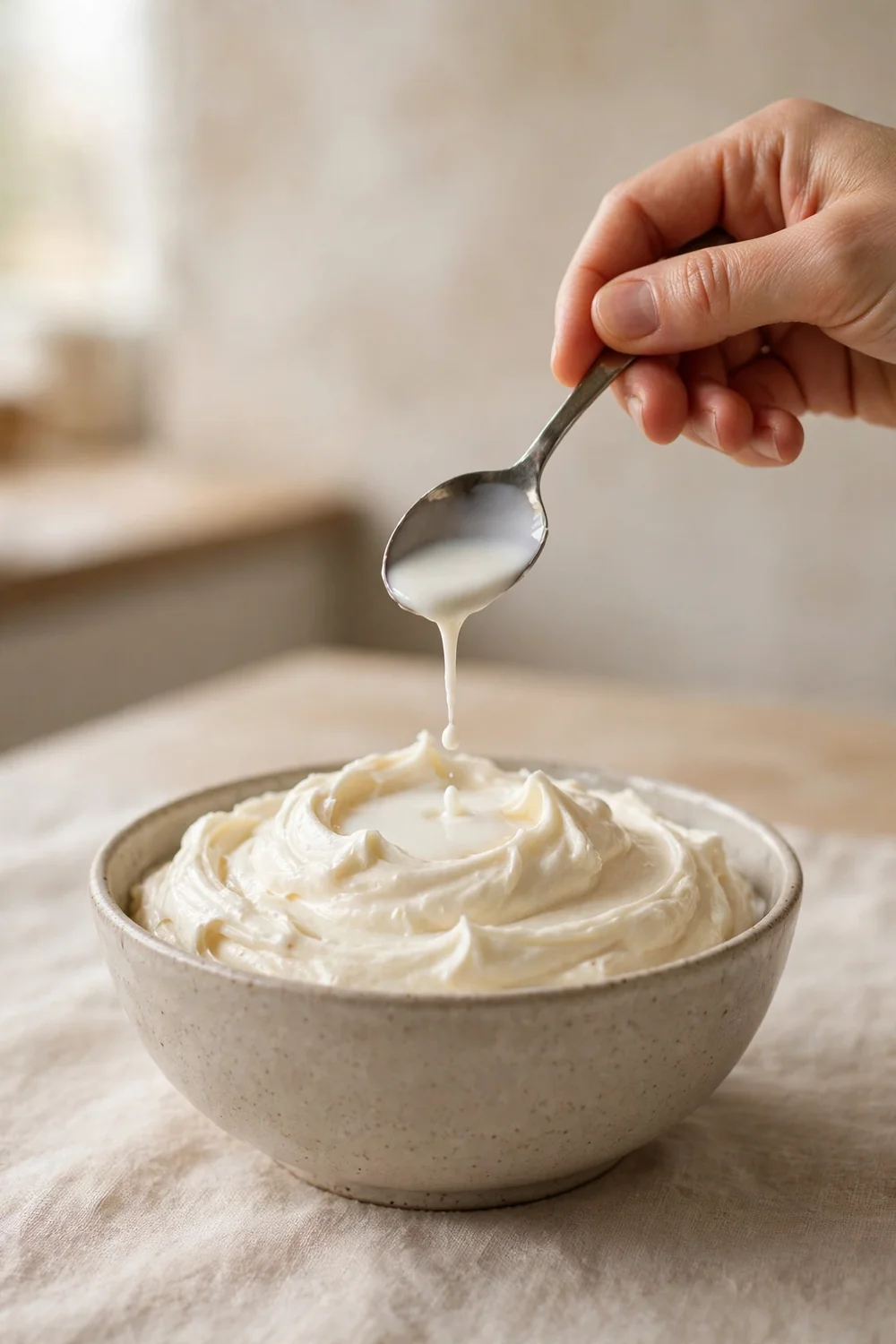
Common Mistake: Most bakers pour in all the milk the recipe lists, even when the butter is already soft. The bowl turns thin before the sugar has a chance to thicken it. More milk then feels like the only fix, and the bowl gets worse.
The Fix: Hold back half the milk at the start. Beat the frosting first, then add milk one teaspoon at a time until the texture turns smooth. Stop the moment the beater leaves a clear trail.
Milk loosens a stiff bowl, but a little goes a long way. Start with a dry bowl and add liquid slowly, watching the texture after each spoon. A thick frosting should fall slowly from the spoon and hold its shape. Keep the milk close, but use it like a tool, not a rule.
Use Full Fat Dairy
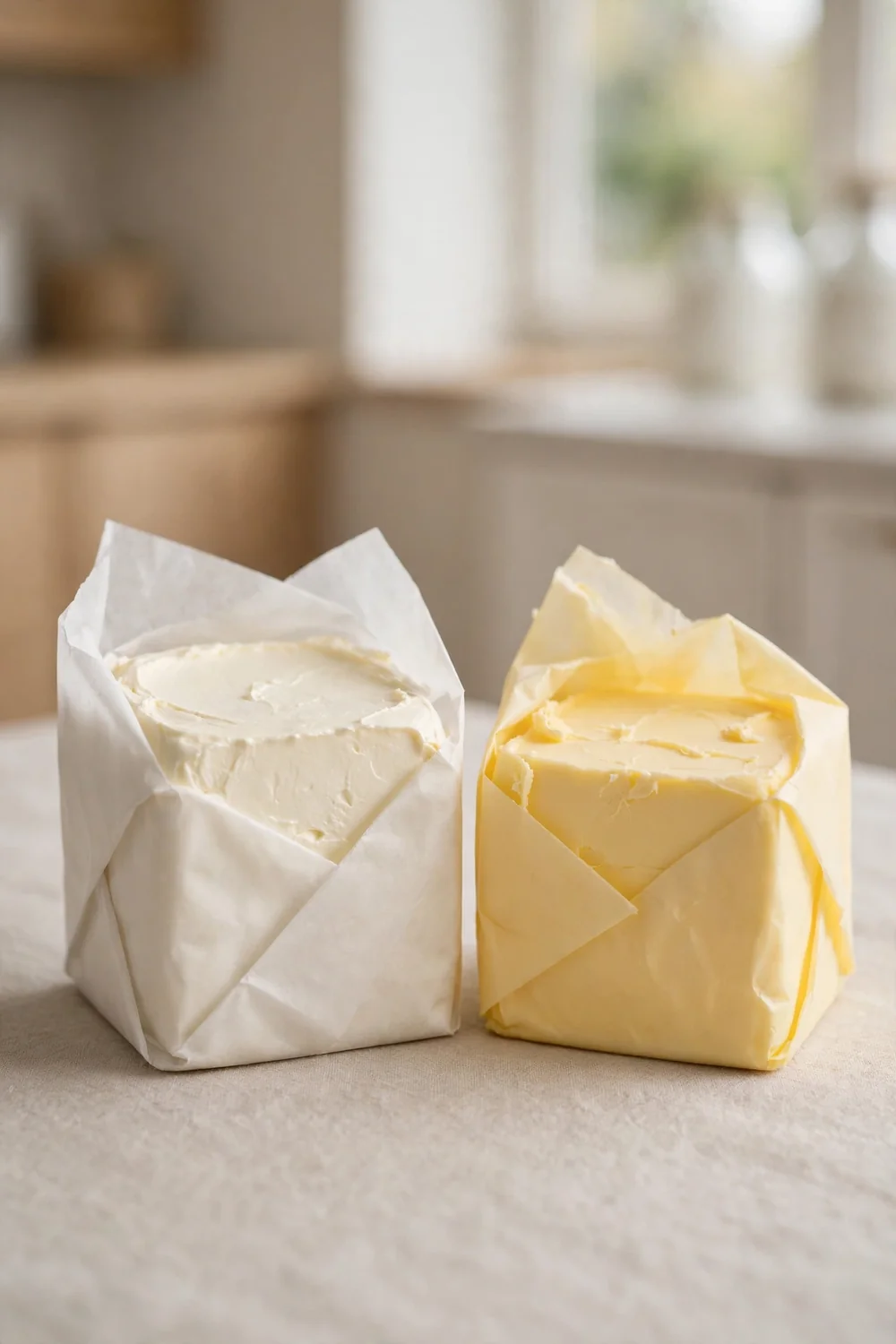
What You Need:
- Full fat butter: Firm fat builds the structure that holds a swirl.
- Full fat cream cheese: Low fat versions hold extra water and thin the bowl.
- Heavy cream: A small splash adds richness without thinning like milk.
- Powdered sugar: Sifted sugar thickens the bowl and keeps it smooth.
Low fat dairy looks like a smart swap, but it hides water that thins the frosting. Full fat butter and cream cheese stay firm at cool room temperature. The bowl beats up thick and holds its shape on the cake. Spend the extra minute reading the label, since fat content decides the texture.
Beat It Longer
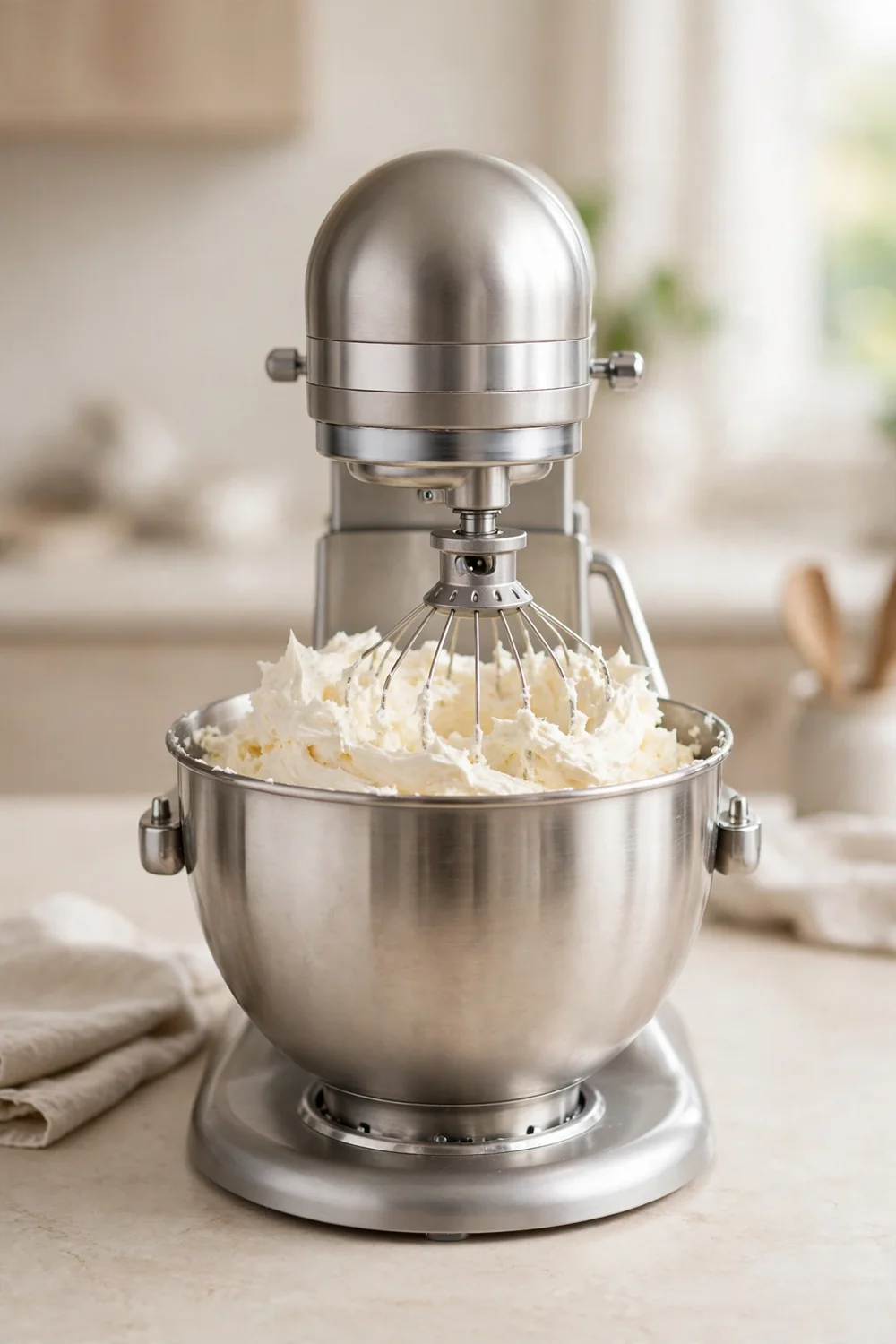
Before: A bowl beaten for one minute looks smooth but stays soft. The sugar has not fully mixed in, and the butter has not trapped enough air. The frosting slides off the cake and pools at the base.
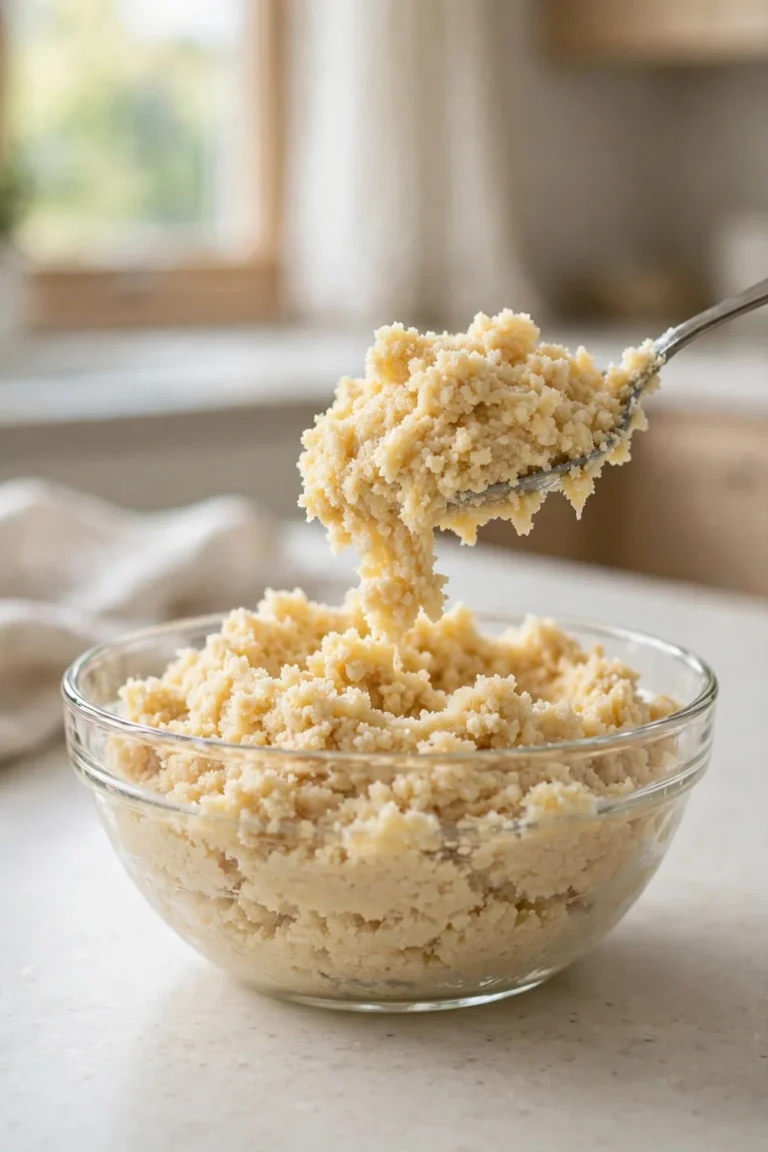
After: After three to four minutes of beating, the bowl turns pale, fluffy, and firm. The beater leaves trails that hold their shape. The frosting spreads clean and stays put on each slice.
Time on the beater builds body that a quick mix cannot match. Beat on medium speed and scrape the bowl halfway through, so no pocket of soft butter stays hidden. Watch the color turn pale and the texture turn light. Stop when the frosting holds a firm peak.
Keep It Cool
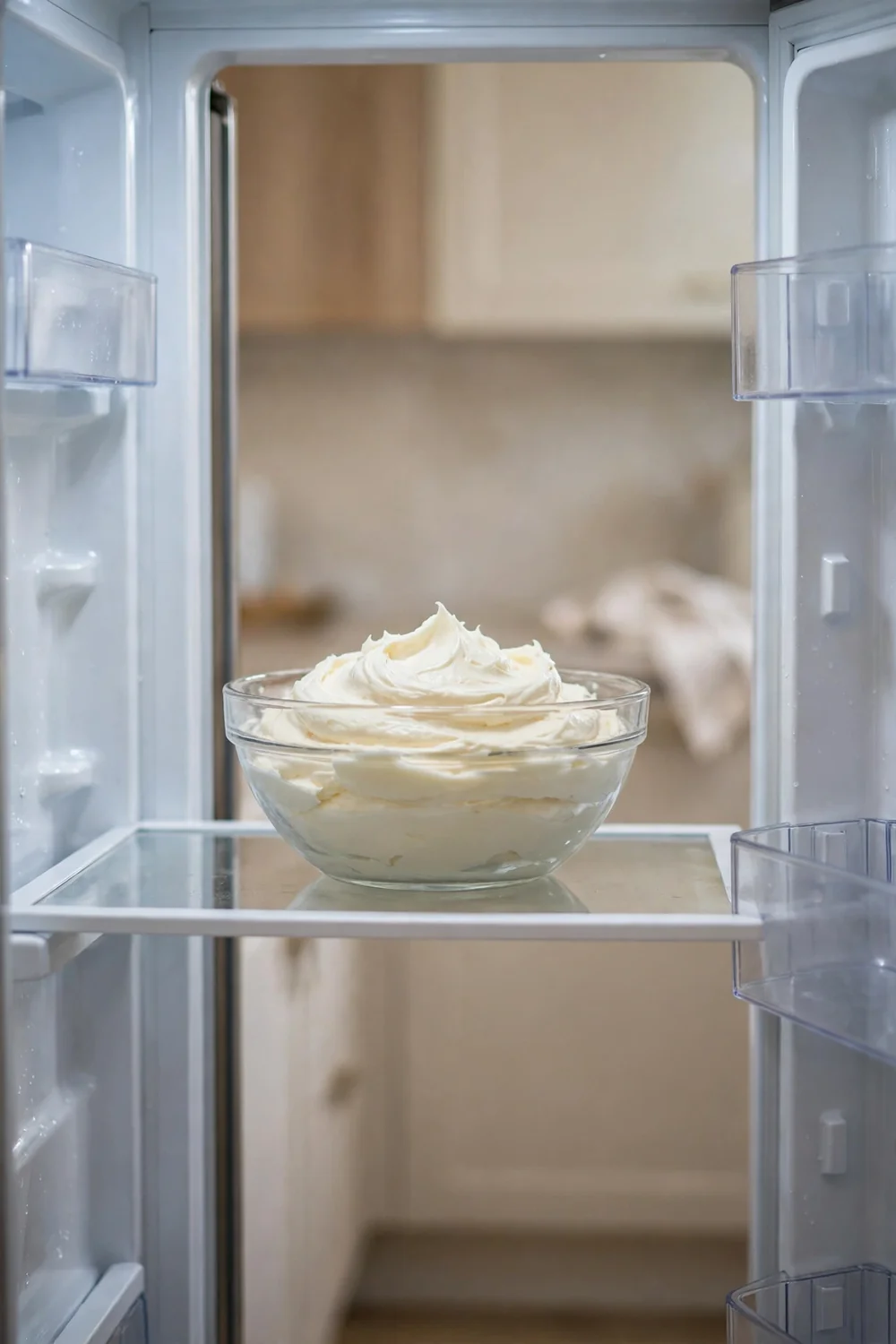
Do This:
- Chill the bowl in the fridge for fifteen minutes when it feels soft.
- Frost a cooled cake, never a warm one.
- Work in a cool kitchen away from the oven.
Avoid This:
- Do not leave the bowl beside a hot stove.
- Do not frost a cake that still feels warm.
- Do not beat the frosting in direct sunlight.
Heat is the quiet enemy of a firm bowl. A warm kitchen softens butter fast, and the frosting loses its shape before it reaches the cake. Cool the bowl, cool the cake, and work fast once both feel firm. The frosting then sets with a clean edge and a smooth finish.
Fix a Split Frosting
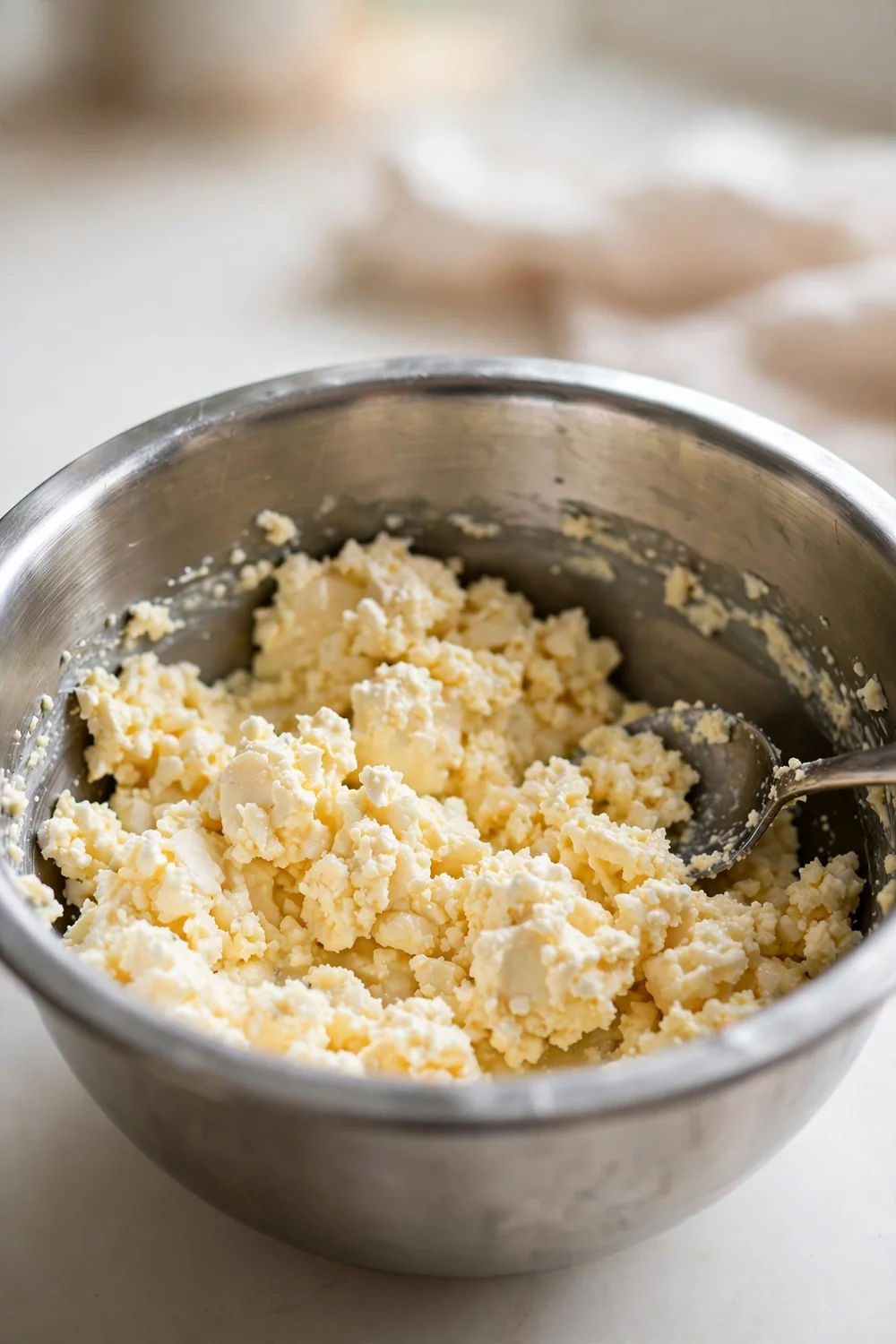
Time Needed: 10 minutes
Difficulty: Easy
Cost: Low
Best For: Curdled or greasy frosting
Result: Smooth firm bowl
A split bowl looks curdled, with oil sitting beside grainy lumps. Chill the bowl for fifteen minutes, then beat it again on medium speed. The fat and sugar come back together, and the texture turns smooth. Do not add more liquid, since water makes a split bowl worse.
Test One Batch
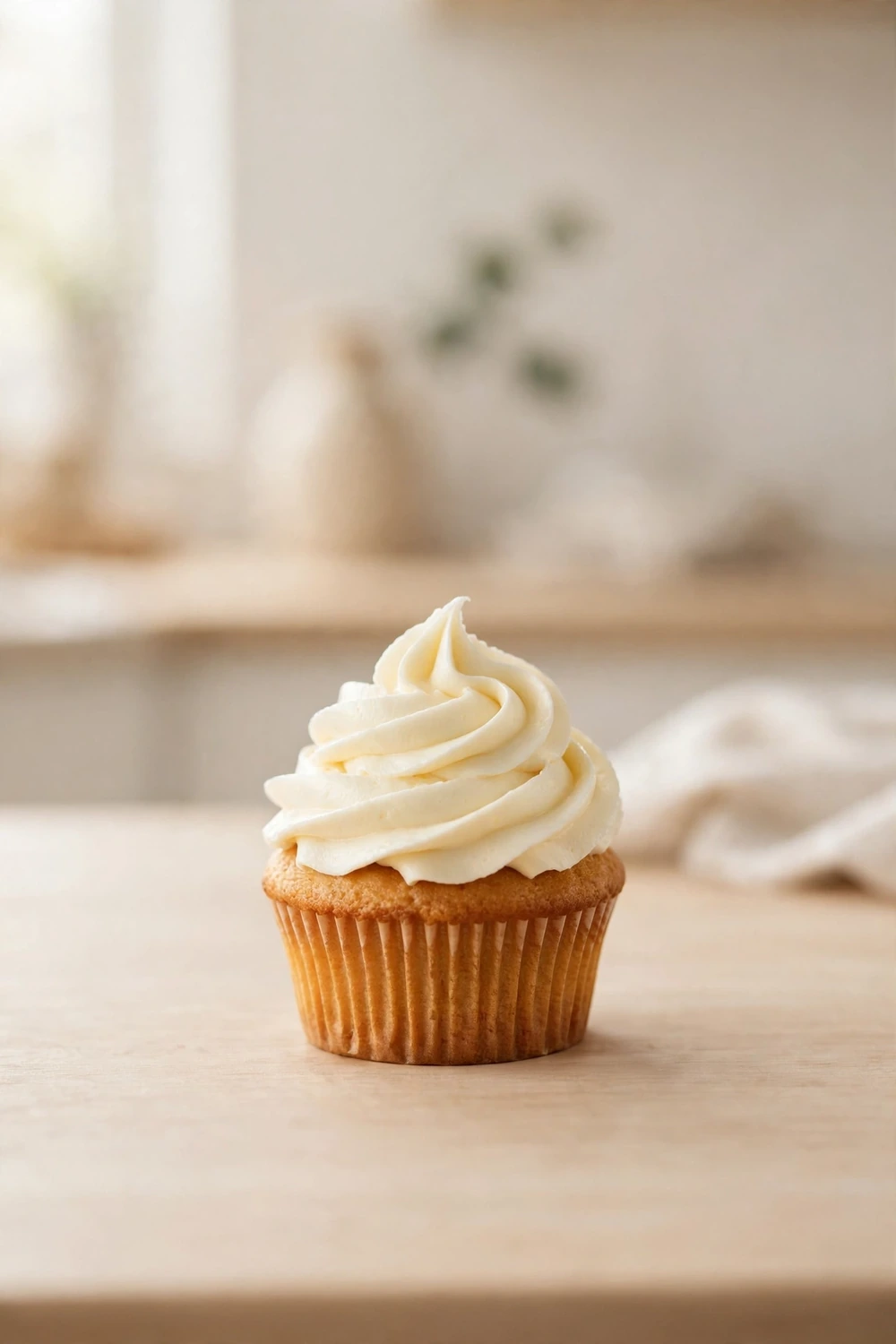
Frost one cupcake first before you frost the whole cake. A single swirl shows whether the bowl holds its shape or slides away. If it slumps, chill the bowl for ten minutes and test again. This small check saves the cake from a messy rescue.
In my experience, the test swirl catches problems that a spoon never shows. The frosting may look thick in the bowl yet slide on a real cupcake. A quick test tells you the truth before the cake is covered. Fix the bowl first, then frost with confidence.
Common Mistakes to Avoid
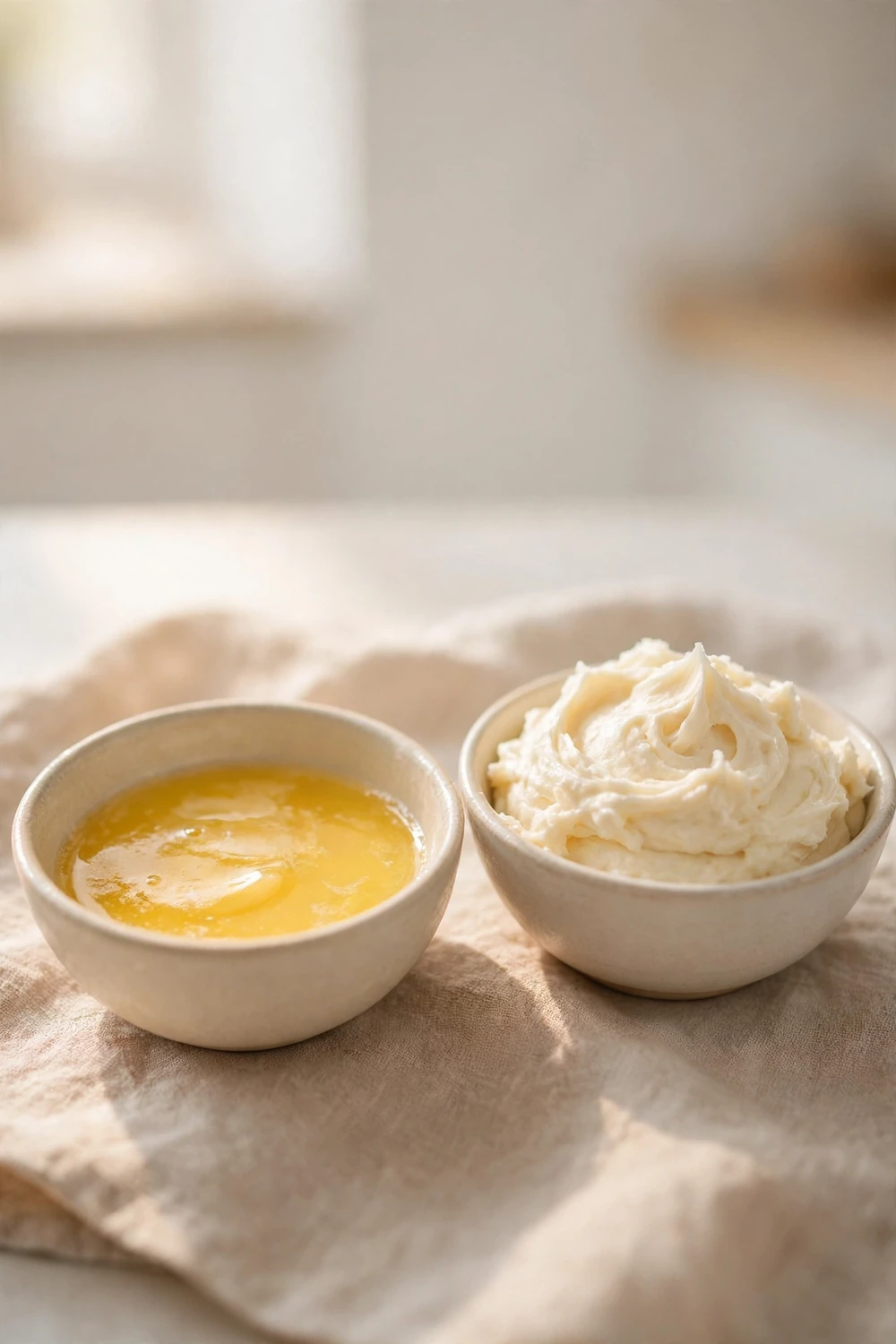
Most thin bowls come from a few repeatable habits, not bad luck. Fix one habit at a time, starting with cold butter and less milk. The list below covers the mistakes I see most often in home kitchens. Each one is easy to spot once you know it.
- Do not use melted butter, since liquid fat cannot hold a swirl.
- Do not pour in all the milk at once, since the bowl turns thin fast.
- Do not frost a warm cake, since heat melts the frosting on contact.
- Do not skip the chill step, since a cool bowl firms up on its own.
What Smooth Frosting Looks Like
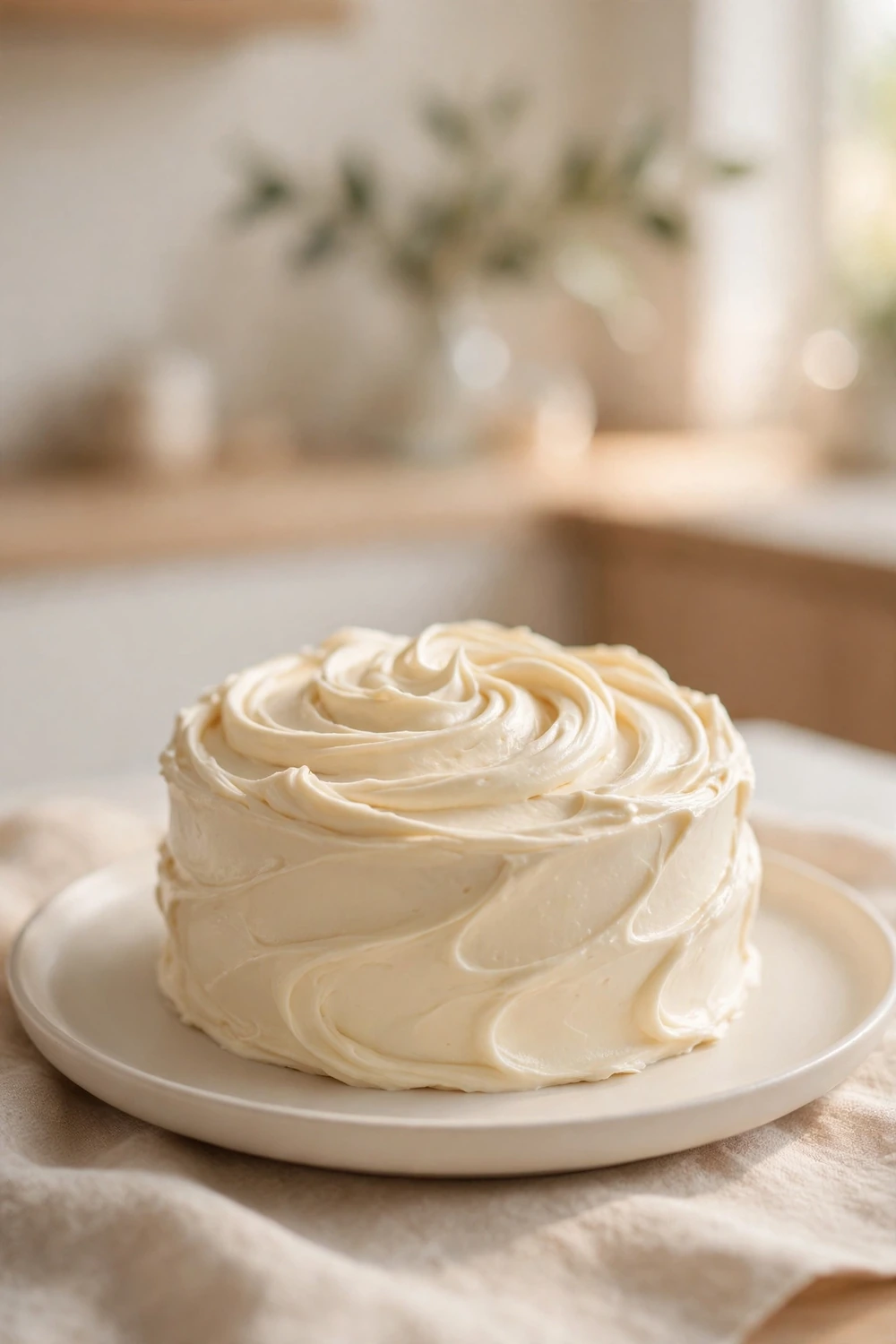
Quick Tip: Good frosting holds a peak when you lift the beater. It spreads in a clean layer and keeps a sharp edge on the cake. If the swirl slumps within a minute, chill the bowl and beat it again.
Smooth frosting looks pale, thick, and even, with no lumps or pools of oil. It spreads without tearing the cake and holds a swirl for hours. Each slice shows a clean layer that stays in place. When the bowl looks like this, you know the fixes worked.
Conclusion
In short, runny frosting comes from warm butter, extra milk, and soft dairy. Fix those three, and each bowl turns thick. Cool butter, less liquid, and a longer beat build a frosting that spreads clean.
Start with the simplest fix first, then add the next one. Small changes protect the flavor while the texture improves. Save this guide on Pinterest for your next baking day.
Try the fixes on your next batch, and your cake will hold a clean swirl from first slice to last. If your cupcakes also stick, read our guide on cupcakes sticking to liners for clean, neat cupcakes at home every time.
2 Comments