Why Is My Homemade Jam Not Setting? Easy Fix Guide
If jam not setting keeps ruining your canning day, you are not alone. Many home cooks stir a sweet pot for an hour, only to find it pours like syrup. The fix is simple once you know the cause. This guide shows each step in plain words, so your next batch sets firm.
Underripe or overripe fruit, too little pectin, and a short boil are the usual culprits behind a runny jar. Each one stops the jam from forming the gel that holds it firm. In my experience, one small change at a time sets most batches. Check the fruit, add pectin, and boil with care.
This guide walks through each cause one by one, then gives simple fixes you can use today. Follow the steps, and your jam can turn thick, glossy, and ready to jar. And if your potato also stays hard, see why hard baked potato happens and how to fix it with simple kitchen tricks.
Why Jam Stays Runny
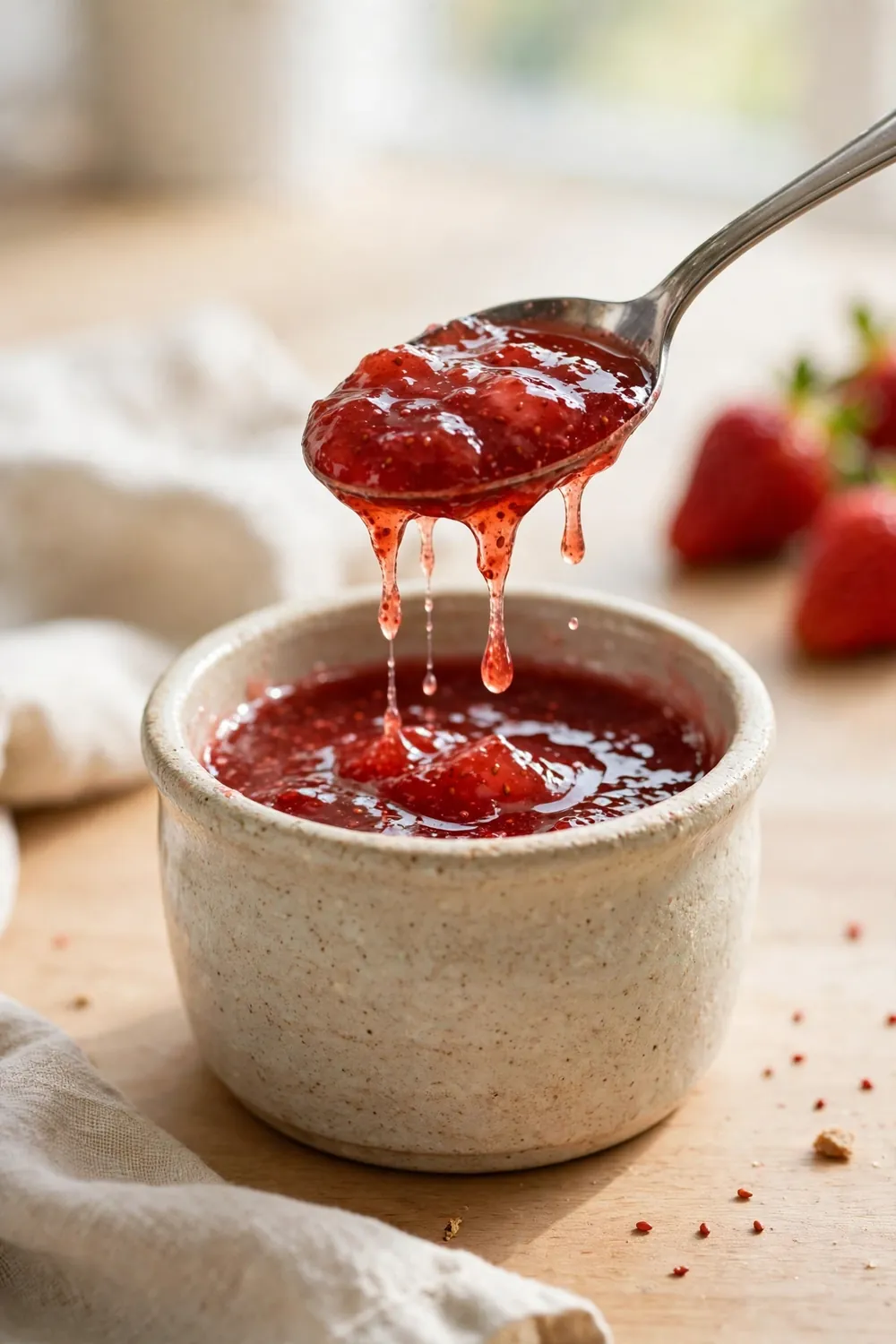
Jam stays runny when pectin, sugar, and acid fail to form a gel. Pectin is the fiber that builds the set, and it needs enough sugar and acid to work. A short boil or low pectin leaves the pot thin, and the jam pours like syrup.
Once you spot the cause, the fix gets easy. Add pectin, balance the sugar, and boil the pot until it passes the set test. Watch how the texture changes as you work, since small steps add up fast. A set jar holds its shape and spreads clean on toast.
Add More Pectin
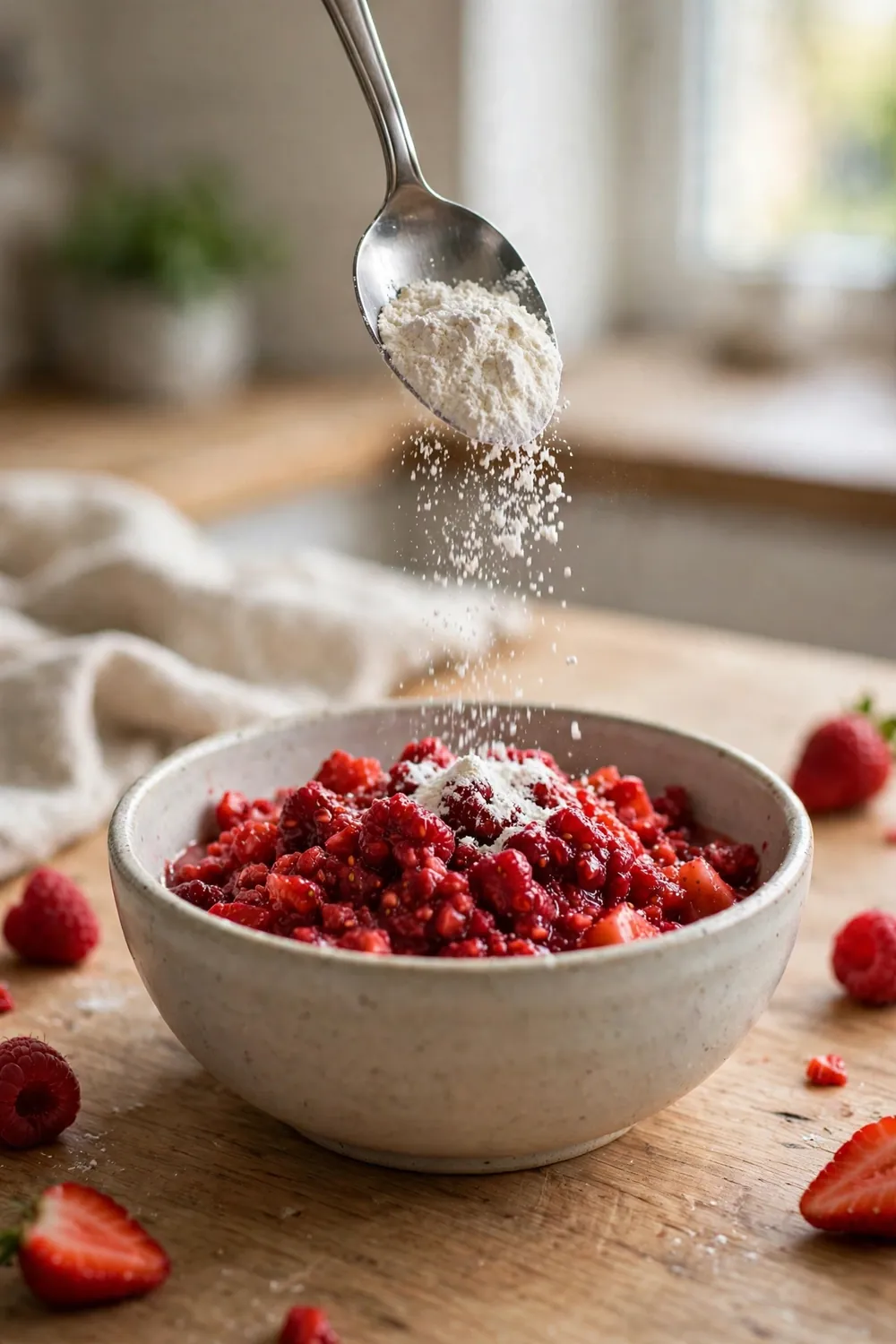
Pectin is the natural fiber that makes jam set, and most fruits carry too little on their own. Powdered pectin adds the missing structure without changing the flavor. Add it early, stir it well, and boil the pot hard so the gel forms.
- Read the pectin packet and measure the amount for your fruit weight.
- Stir the pectin into the crushed fruit before the pot heats.
- Bring the pot to a full rolling boil that you cannot stir down.
- Boil hard for one minute, then test the set on a cold plate.
Use Ripe Fruit
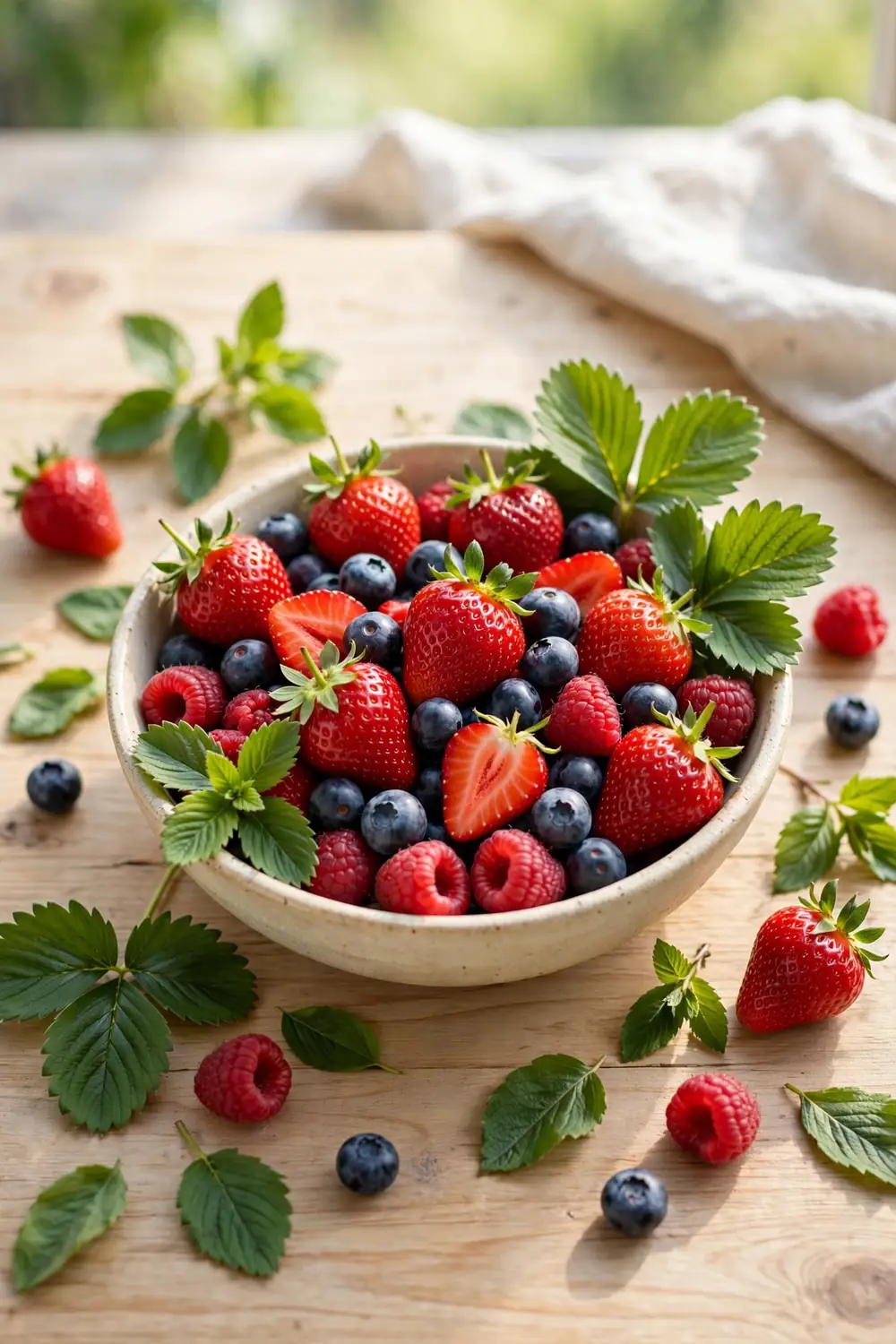
Quick Tip: Pick fruit that is ripe but still firm, with a little tang left. Overripe fruit has lost its pectin and sets poorly. A mix of ripe and just firm fruit gives the best flavor and the firmest set.
Fruit choice decides the set before the pot even heats. Ripe fruit brings flavor, while firmer fruit brings pectin. Taste a berry, and skip fruit that feels mushy or flat. Good fruit means the jam needs less help to set firm in the jar.
Cook It Longer
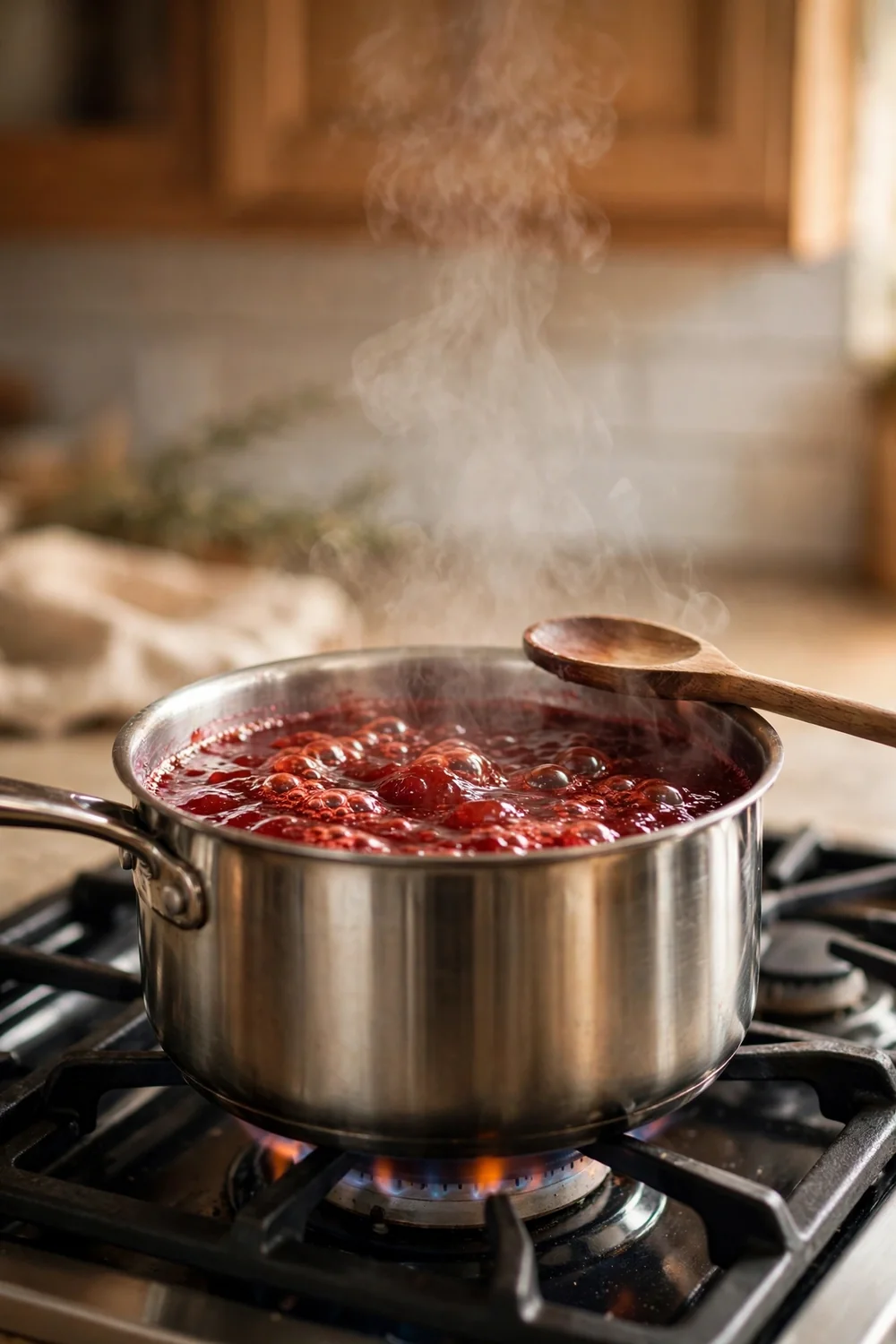
Common Mistake: Most cooks stop the boil the moment the jam looks thick. The pot still holds too much water, and the jam thins as it cools. A short boil also leaves the pectin unworked, so the jar never sets.
The Fix: Boil the jam at a full rolling boil until it passes the plate test. Keep the heat high, stir often, and test every few minutes. Pull the pot only when a spoon of jam wrinkles on a cold plate.
A longer boil drives off water and wakes up the pectin. The jam looks loose in the pot yet sets as it cools, so trust the plate test, not the spoon. Boil hard, test often, and stop the moment the set holds. Time on the boil builds the firm jar.
Use the Right Sugar
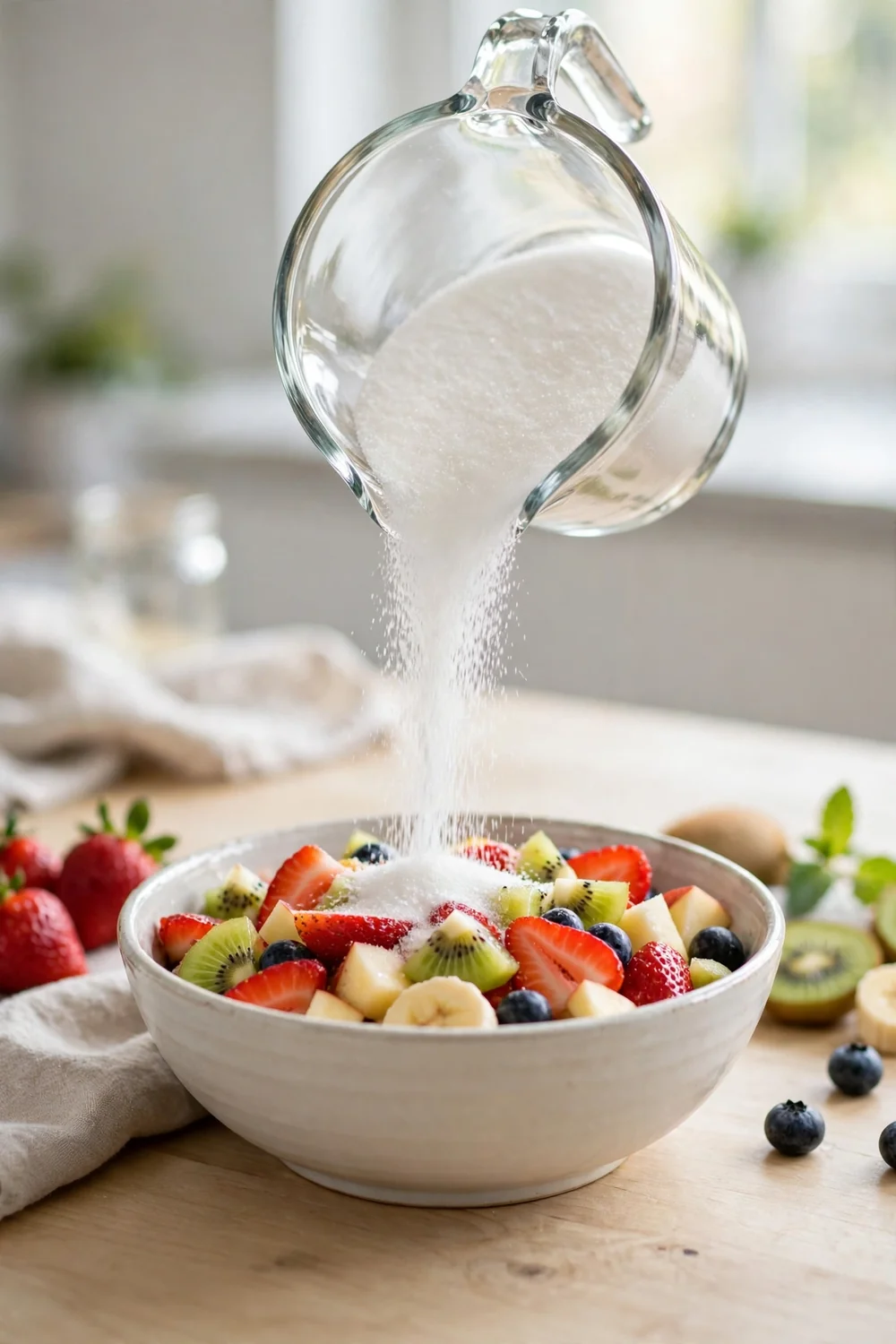
What You Need:
- Granulated sugar: Plain white sugar feeds the pectin and builds the gel.
- Lemon juice: Acid wakes up the pectin and brightens the flavor.
- Powdered pectin: Pectin adds the structure that low pectin fruit lacks.
- Cold plate: A chilled plate shows the true set before you jar the jam.
Sugar does more than sweeten the pot, since it helps pectin form the gel. Cut the sugar too far, and the jam stays thin no matter how long it boils. Follow the recipe amount, and add lemon juice for acid. The right balance sets the jar firm.
Cool It Slow
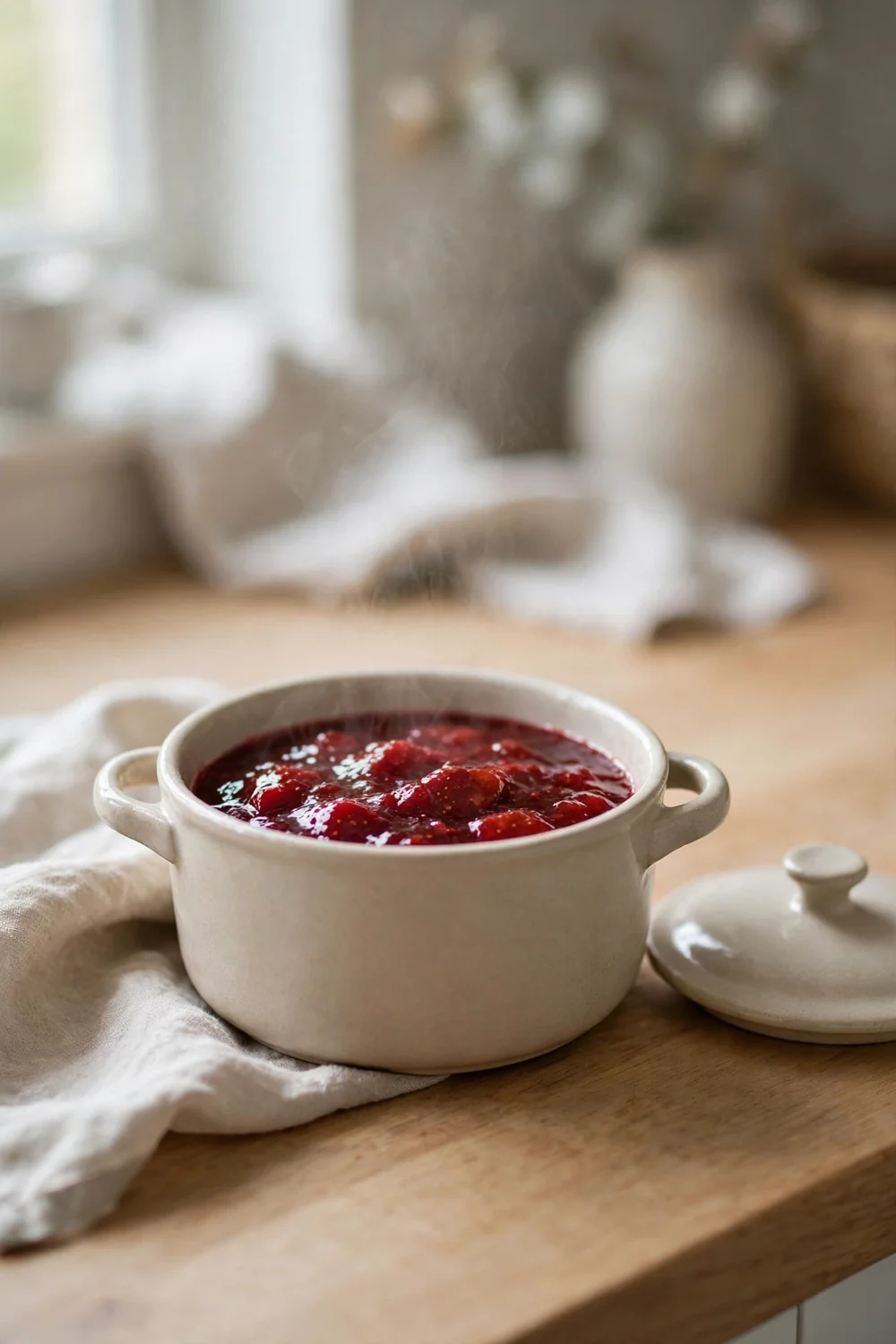
Before: Jars rushed into the fridge stay loose and cloudy. The gel needs time to form as the jam cools slowly on the counter. Fast cooling stops the set before it starts.
After: Jars cooled slow on the counter turn clear and firm. The gel forms gently, and the jam holds its shape on a spoon. The jars seal as they cool, and the flavor stays bright.
Cooling is part of the recipe, not an afterthought. Leave the jars on the counter until they reach room temperature, then move them to the fridge. Do not shake or tip the jars while they cool. Slow cooling gives a firm glossy jar every time.
Skim the Foam
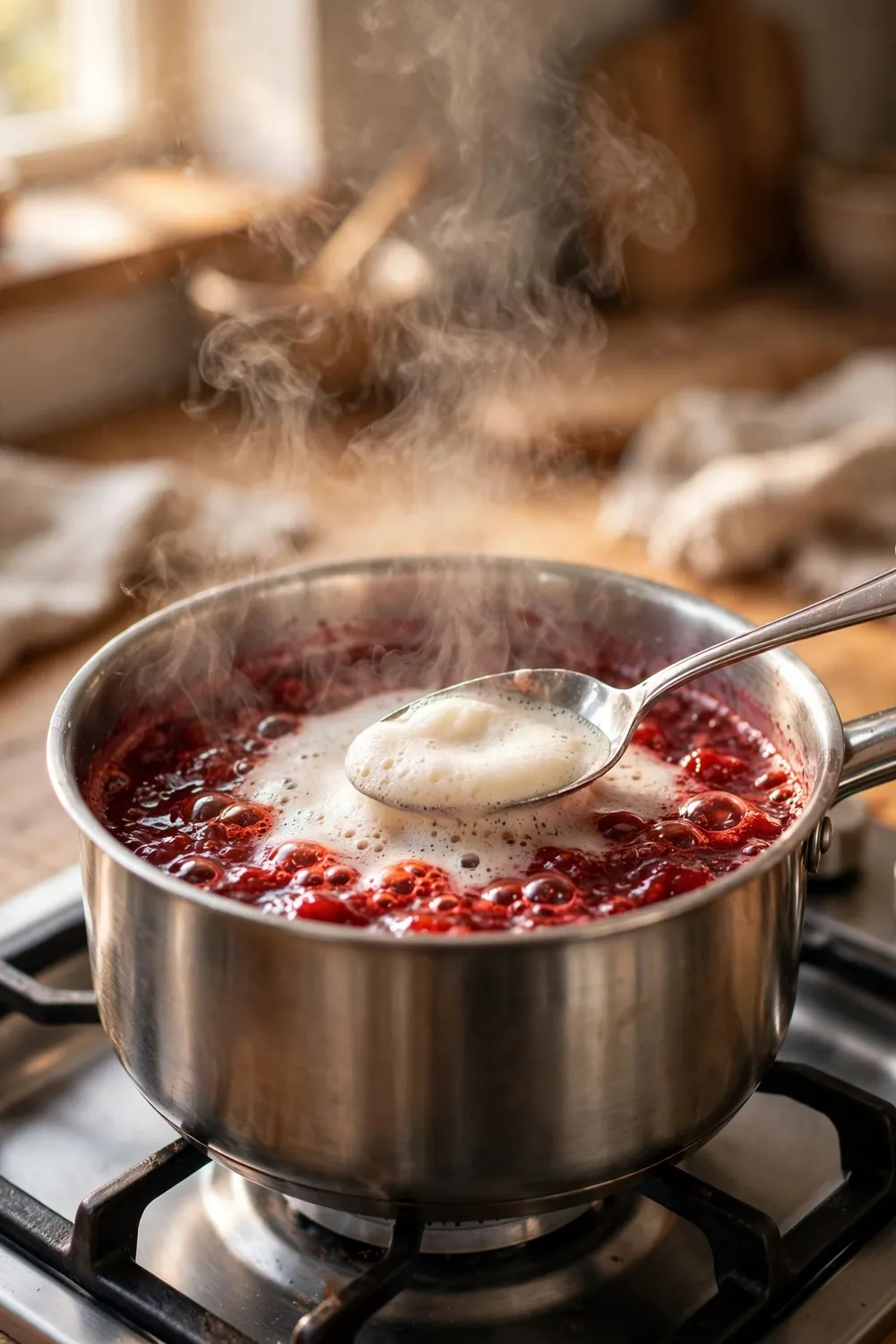
Do This:
- Skim the foam off the top with a clean spoon as the jam boils.
- Stir gently so the foam gathers in one spot.
- Add a small knob of butter to cut the foam if it keeps rising.
Avoid This:
- Do not stir the foam back in, since it clouds the jar.
- Do not skip skimming, since foam leaves a pale scum on top.
- Do not use a wet spoon, since water thins the pot.
Foam is harmless, but it clouds the jar and spoils the glossy look. Skim it off while the jam boils, and the jars turn clear and bright. Work gently, since hard stirring makes more foam. A clean jar shows the fruit color and sets with a smooth top.
Fix a Runny Batch
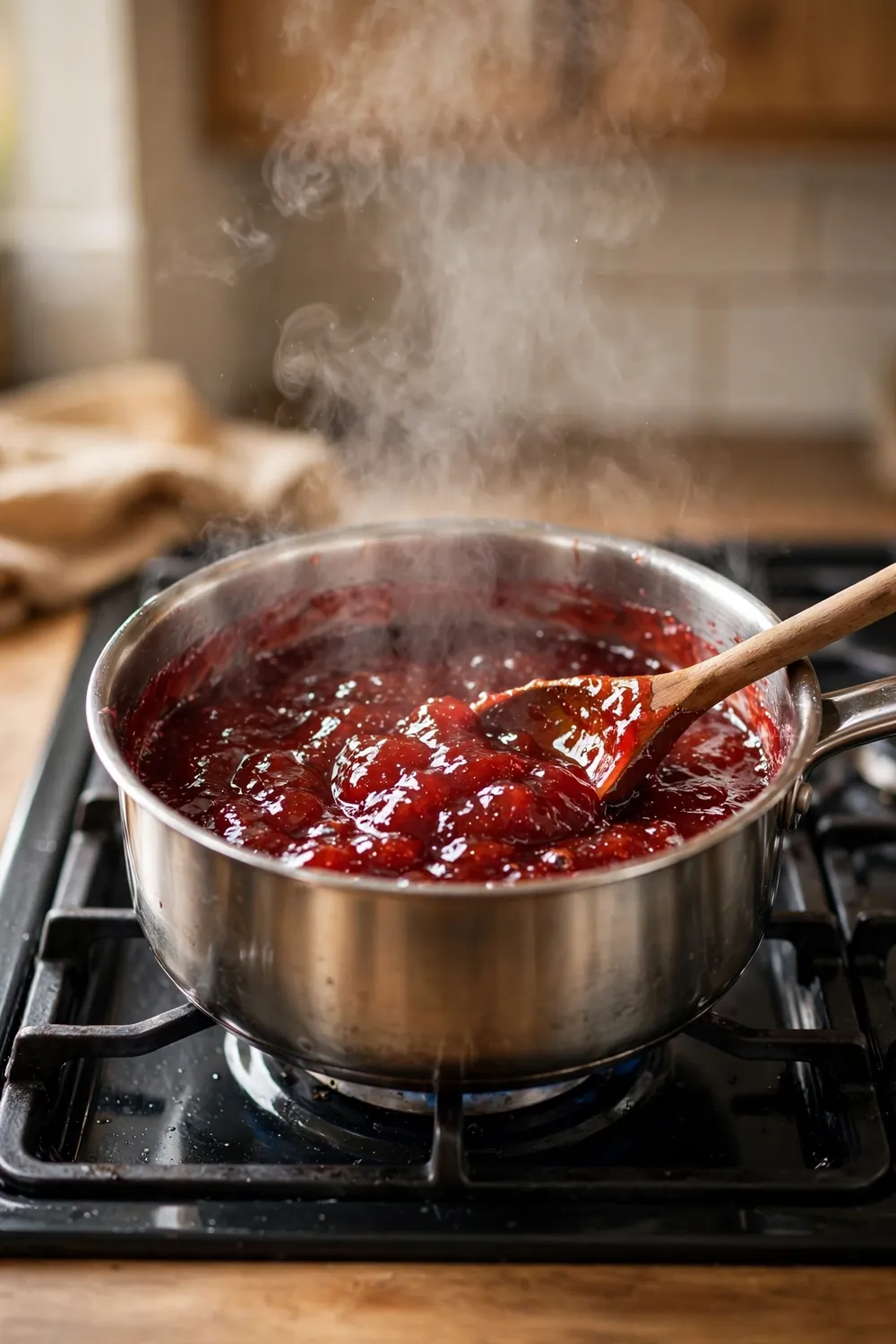
Time Needed: 20 minutes
Difficulty: Easy
Cost: Low
Best For: Jam that stayed thin after cooling
Result: Firm glossy jar
A runny jar is not lost. Pour the jam back into the pot, add more pectin and lemon juice, and boil it hard again. Test the set on a cold plate, and jar it once the spoon wrinkles. Reboiling fixes most thin batches without changing the flavor.
Test One Batch
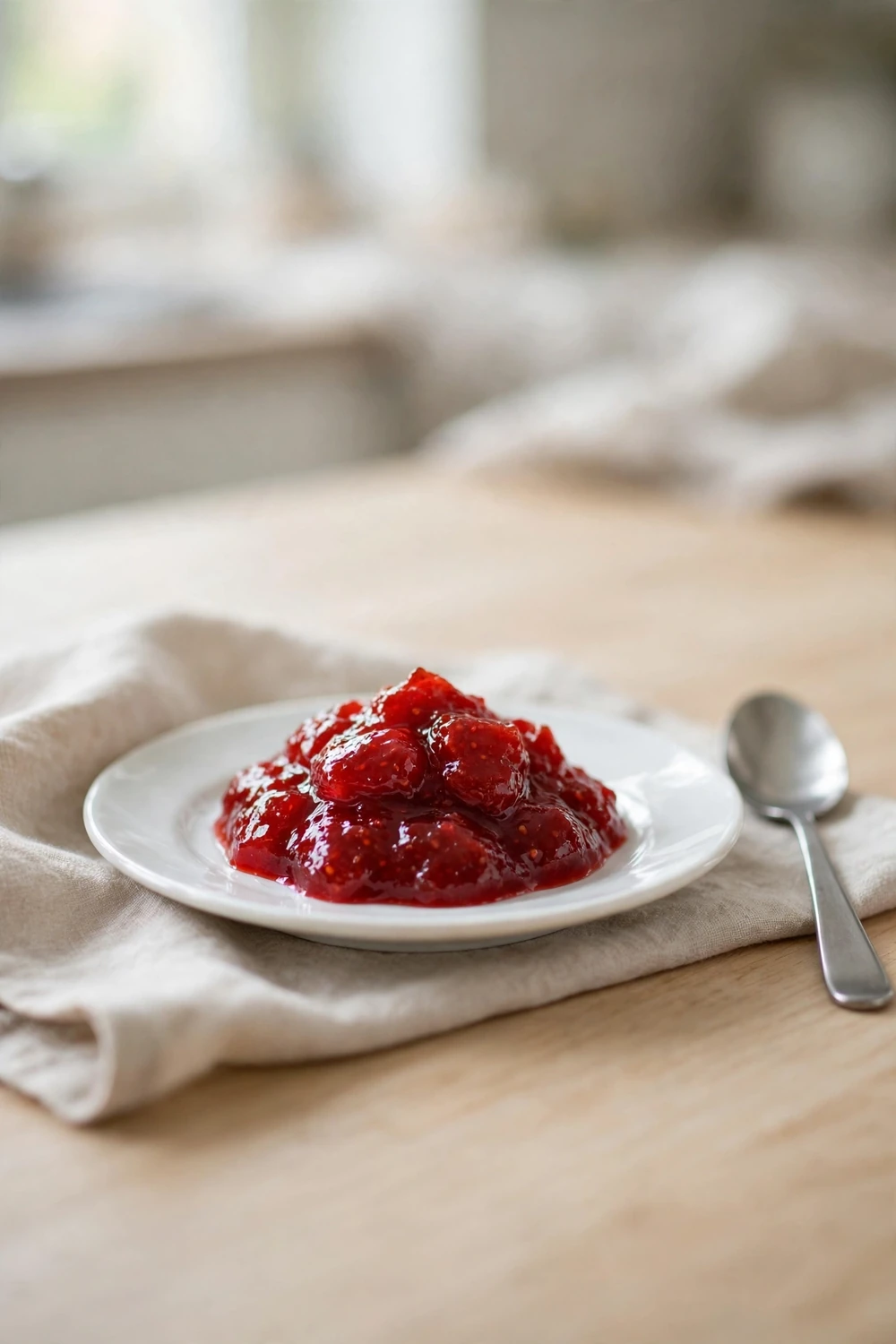
Test one spoon of jam first before you jar the whole pot. A spoon on a cold plate shows whether the jam wrinkles and holds. If it runs, boil the pot longer and test again. This small check saves the whole batch from runny jars.
In my experience, the plate test catches thin jam that a spoon never shows. The jam may look thick in the pot yet run on a cold plate. A quick test tells you the truth before the jars are sealed. Fix the pot first, then jar with confidence.
Common Mistakes to Avoid
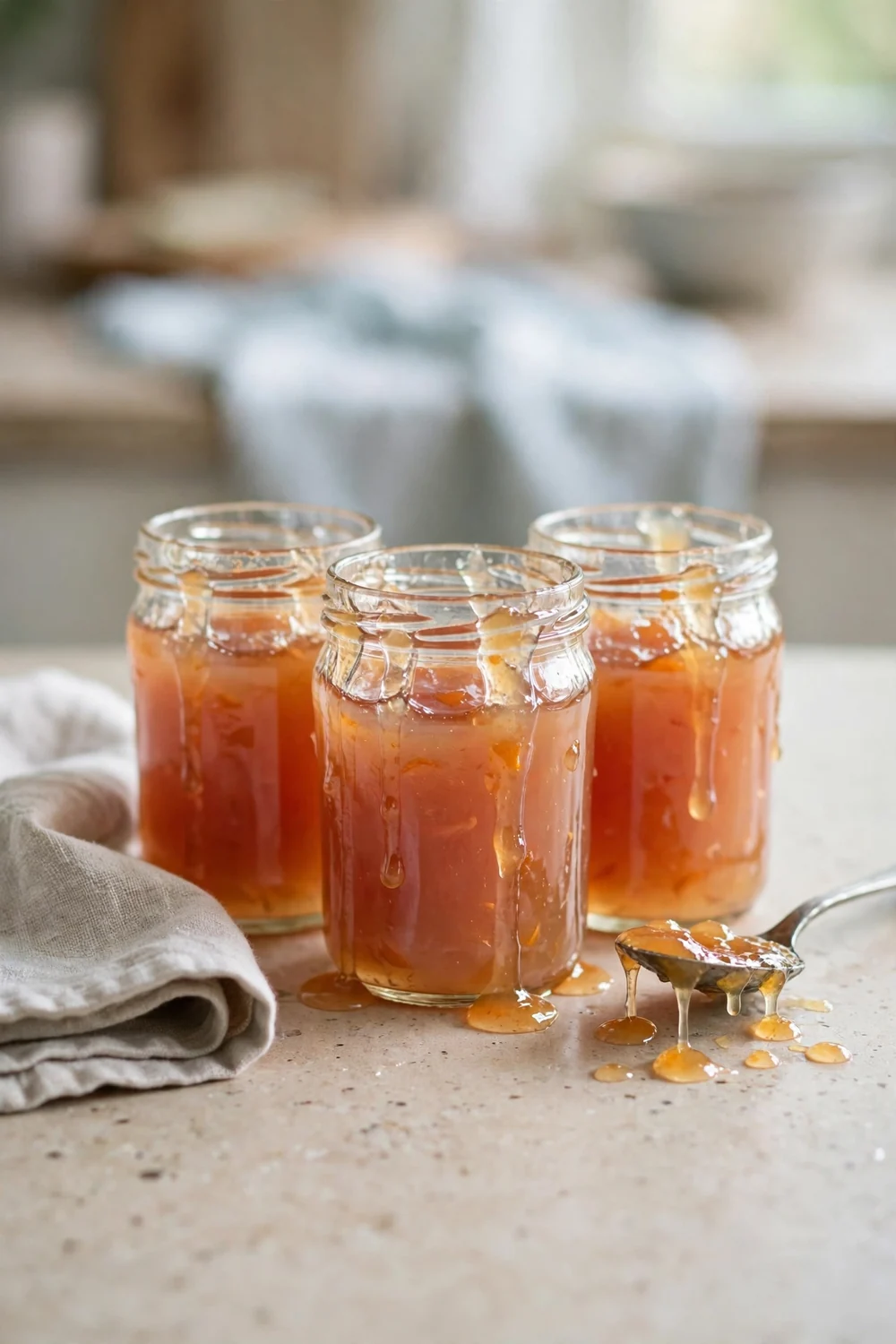
Most runny jars come from a few repeatable habits, not bad luck. Fix one habit at a time, starting with pectin and a full boil. The list below covers the mistakes I see most often in home kitchens. Each one is easy to spot once you know it.
- Do not cut the sugar, since pectin needs sugar to form the gel.
- Do not stop the boil early, since the pot still holds too much water.
- Do not skip the plate test, since the pot lies about the set.
- Do not jar hot jam in cold jars, since the shock can crack the glass.
What Set Jam Looks Like
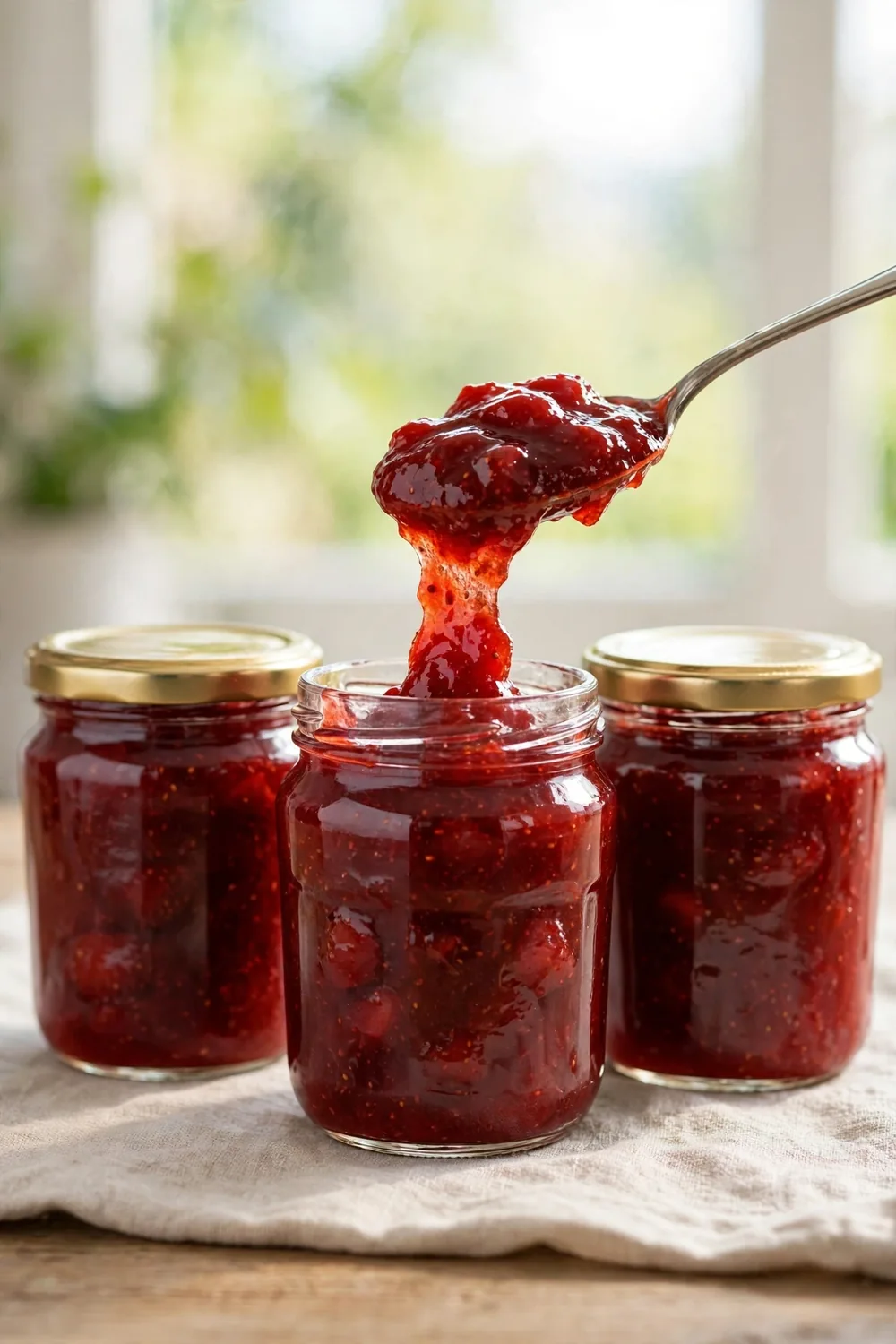
Quick Tip: Good jam holds its shape on a spoon and spreads without running. It looks glossy and clear, with fruit spread evenly through the jar. If the spoon runs, boil the pot longer and test again.
Set jam looks thick, glossy, and even, with no watery layer on top. It spreads without dripping and holds a soft shape on toast. Each spoon shows bright fruit through a clear gel. When your jar looks like this, you know the fixes worked.
Conclusion
In short, jam not setting comes from low pectin, short boils, and cut sugar. Fix those three, and each jar turns firm. More pectin, a full boil, and the right sugar build jam that sets clean.
Start with the simplest fix first, then add the next one. Small changes protect the flavor while the texture improves. Save this guide on Pinterest for your next jam day.
Try the fixes on your next batch, and your jam will set firm from first jar to last. If your chocolate also seizes, read our guide on seized chocolate for smooth, glossy chocolate at home every time.
2 Comments