Why Is My Fish Sticking to the Pan? Easy Fix Guide
Fish sticking to pan ruins many home fish dinners. You heat the pan, add oil, and lay the fillet in with care. Then the skin grabs the metal, and the flesh tears.
Most fish sticks when the pan is cool, the fish is wet, or the cook flips too soon. Water on the skin turns to steam, and the steam glues the flesh to the metal. A cool pan never seals the skin, and a rushed flip tears it apart.
This guide walks through each cause, then gives simple fixes you can use today. Follow the steps, and your fish turns crisp and golden. And if your steak also turns chewy, see why tough steak happens and how to fix it with simple kitchen tricks.
Preheat the Pan
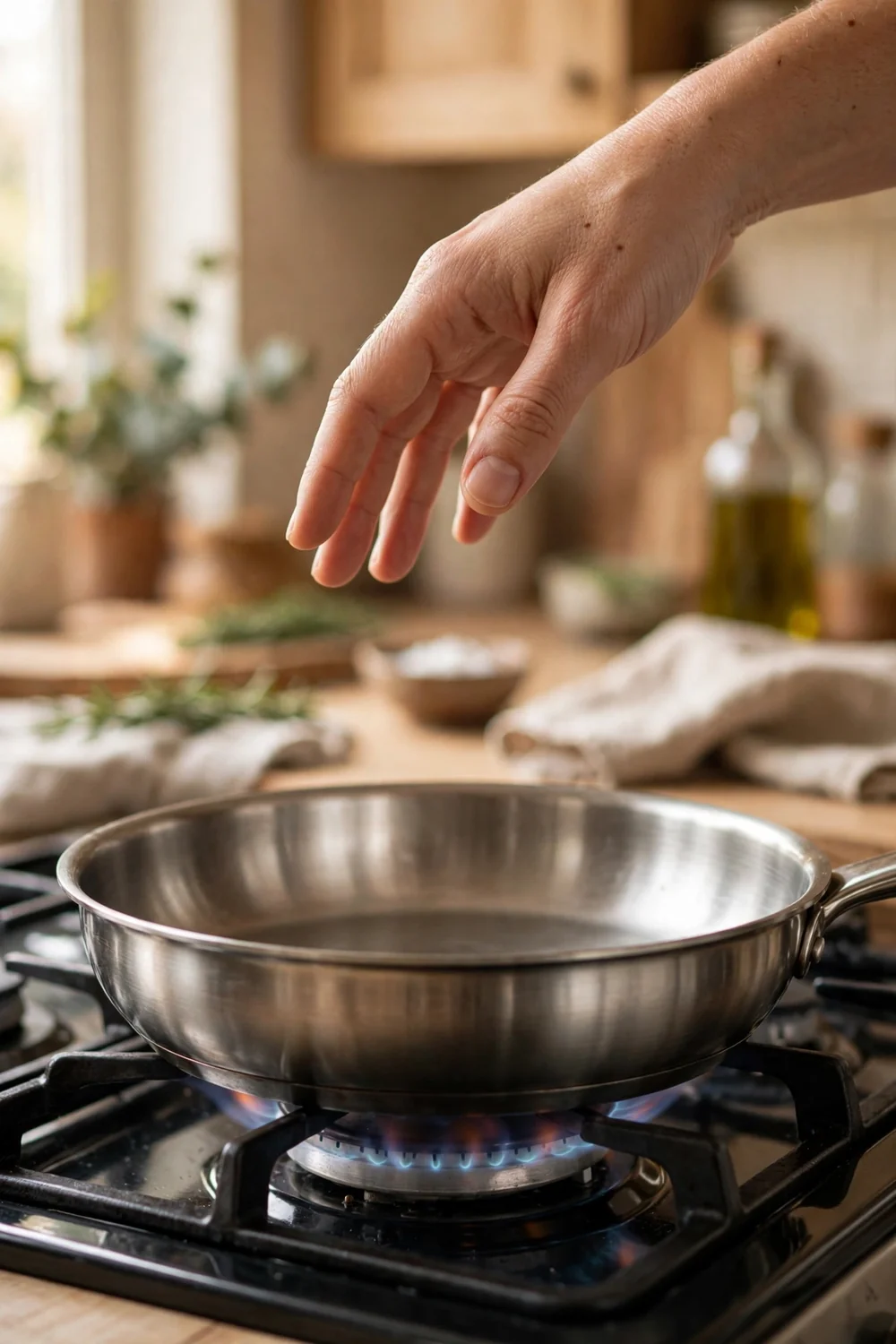
A hot pan seals the skin on contact, and a cool pan lets it grab. Heat the empty pan over medium heat until a drop of water sizzles and vanishes. A cool start bonds the skin to the metal, and the fillet tears. Hot metal builds a crisp crust from the first second.
- Set the empty pan over medium heat.
- Wait until a water drop sizzles away.
- Add oil and swirl it edge to edge.
- Lay the fillet in skin side down.
Pat the Fish Dry
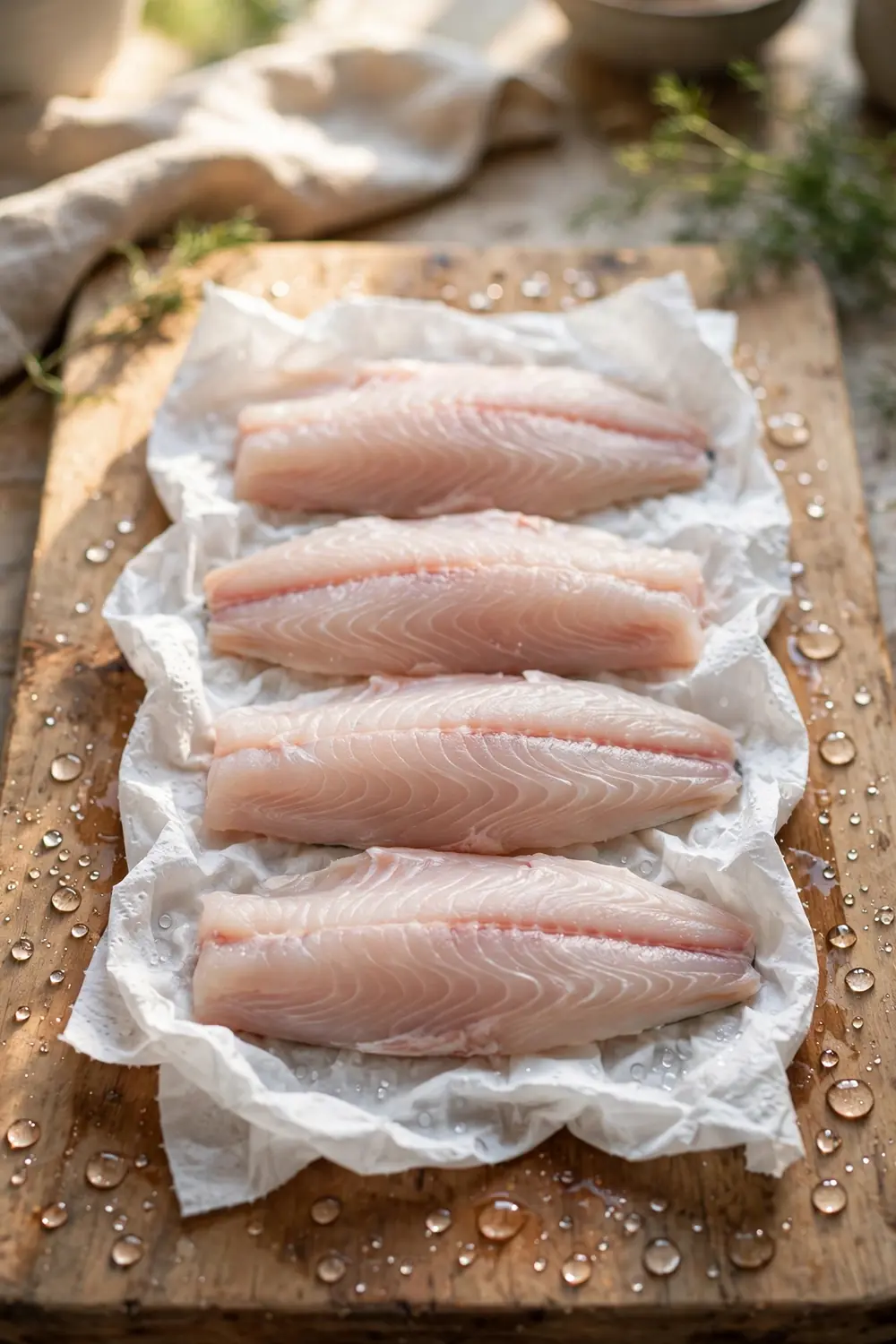
Dry fish sears clean, and wet fish glues itself to the pan. Pat each fillet with paper towels until the skin feels dry to the touch. Water left on the skin turns to steam, and the steam holds the flesh on the metal. Dry skin meets hot oil, and the crust sets fast.
Check both sides of every fillet, and dry the edges and folds too. Moisture hides in the thin tail end, and that spot tears first. A quick pat takes seconds, and it saves the whole fillet. Never skip this step, even when the fish looks dry already.
Use Enough Oil
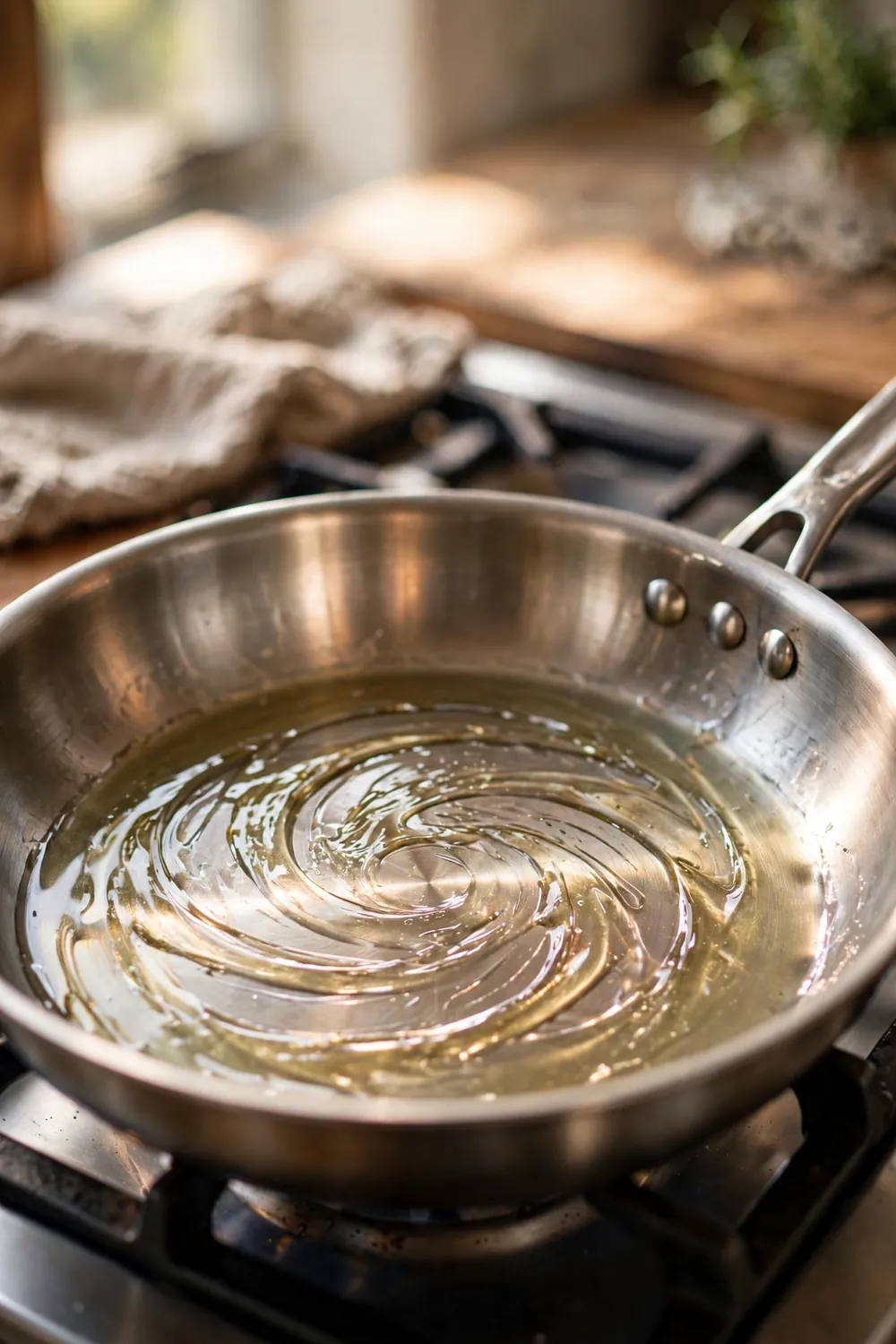
Oil forms a thin shield between skin and metal, and too little oil leaves gaps. Add enough oil to coat the whole pan in a thin, even layer. A dry patch grabs the skin, and the fillet sticks there first. Even oil keeps the whole fillet free.
| Oil Amount | Result |
|---|---|
| Too little oil | Skin grabs bare metal |
| Thin even layer | Fillet slides and crisps |
| Far too much oil | Fish fries greasy and soft |
Why Fish Sticks
Do This:
- Pat the fish dry first.
- Preheat the pan fully.
- Use enough oil every time.
- Wait for the fillet to release.
Avoid This:
- Do not cook wet fish.
- Do not start with a cool pan.
- Do not flip the fillet too soon.
- Do not crowd the pan with fillets.
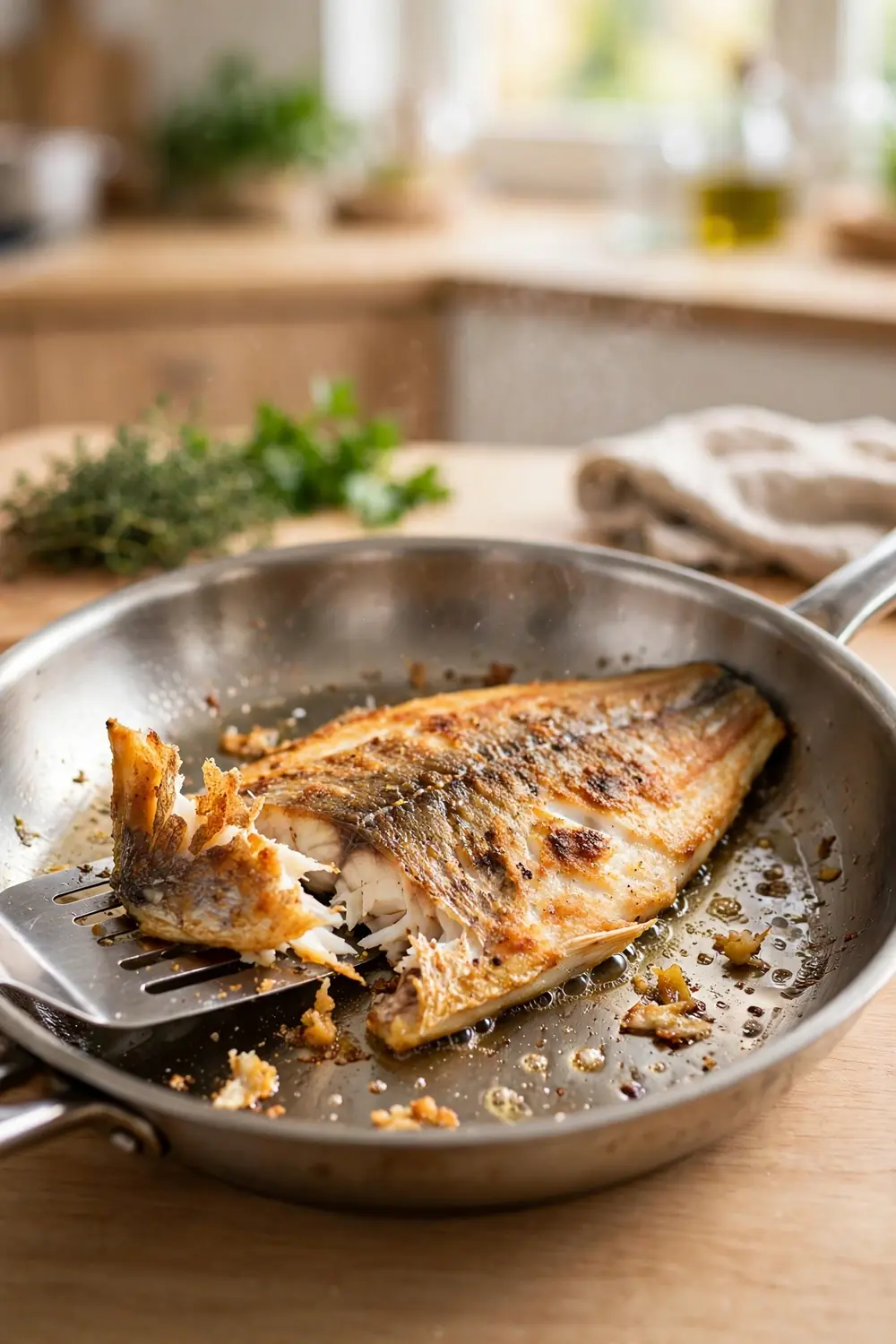
Fish sticks when the bond between skin and pan forms before the crust sets. Wet fillet, cool pan, and too little oil all build that bond. The skin sits on the metal instead of floating on hot oil, and heat welds it. Fix the method before you cook the next fillet.
Lay It Skin Side Down
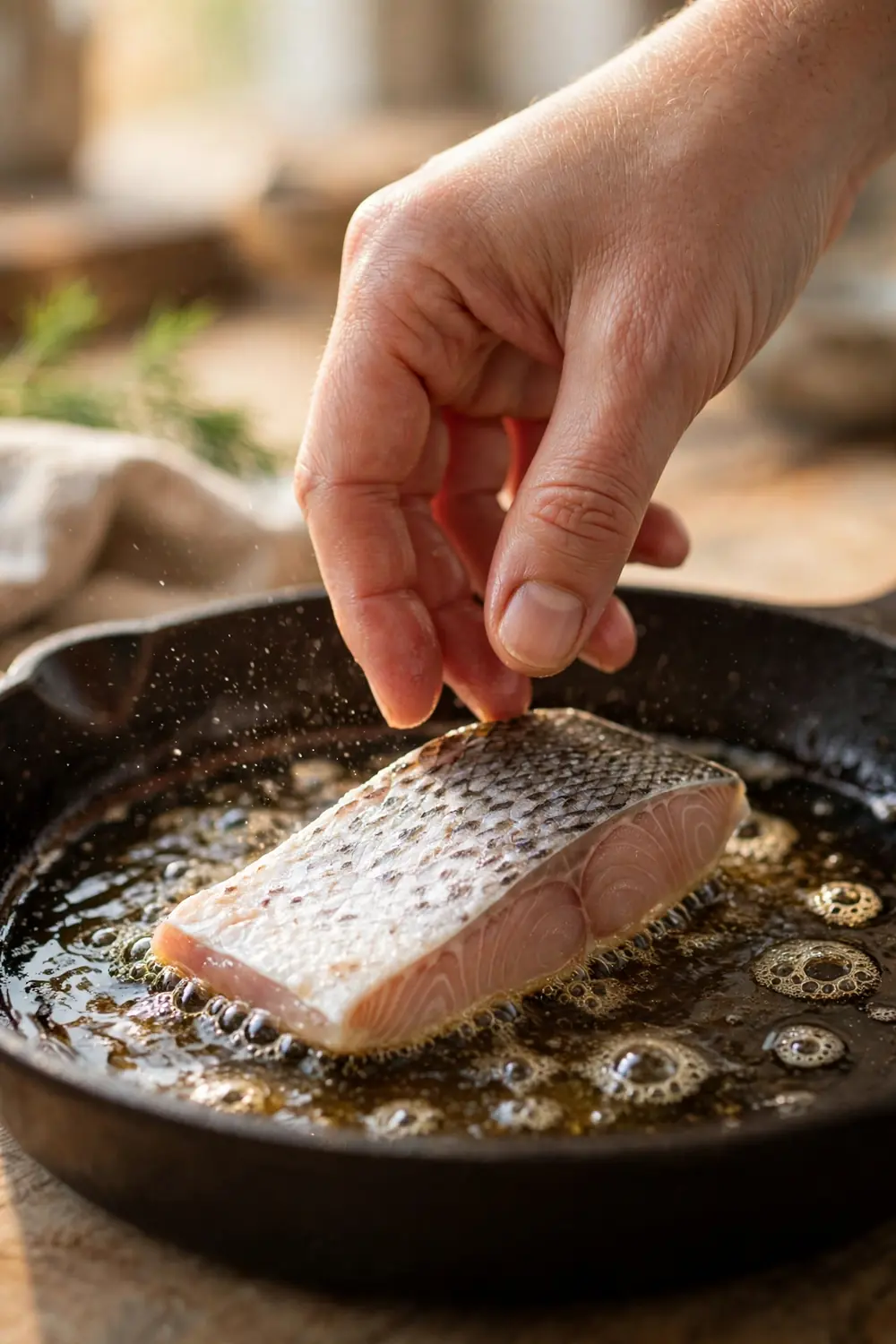
Skin side down lets the skin crisp while the flesh stays moist. Lay the fillet away from you so hot oil cannot splash your hand. Press it flat for a few seconds so the whole skin touches the pan. Full contact builds an even crust, and the fillet holds firm.
- Lay the fillet away from you.
- Press curled edges flat with a spatula.
- Keep the skin flat on the pan.
- Cook most of the time skin down.
Leave It Alone
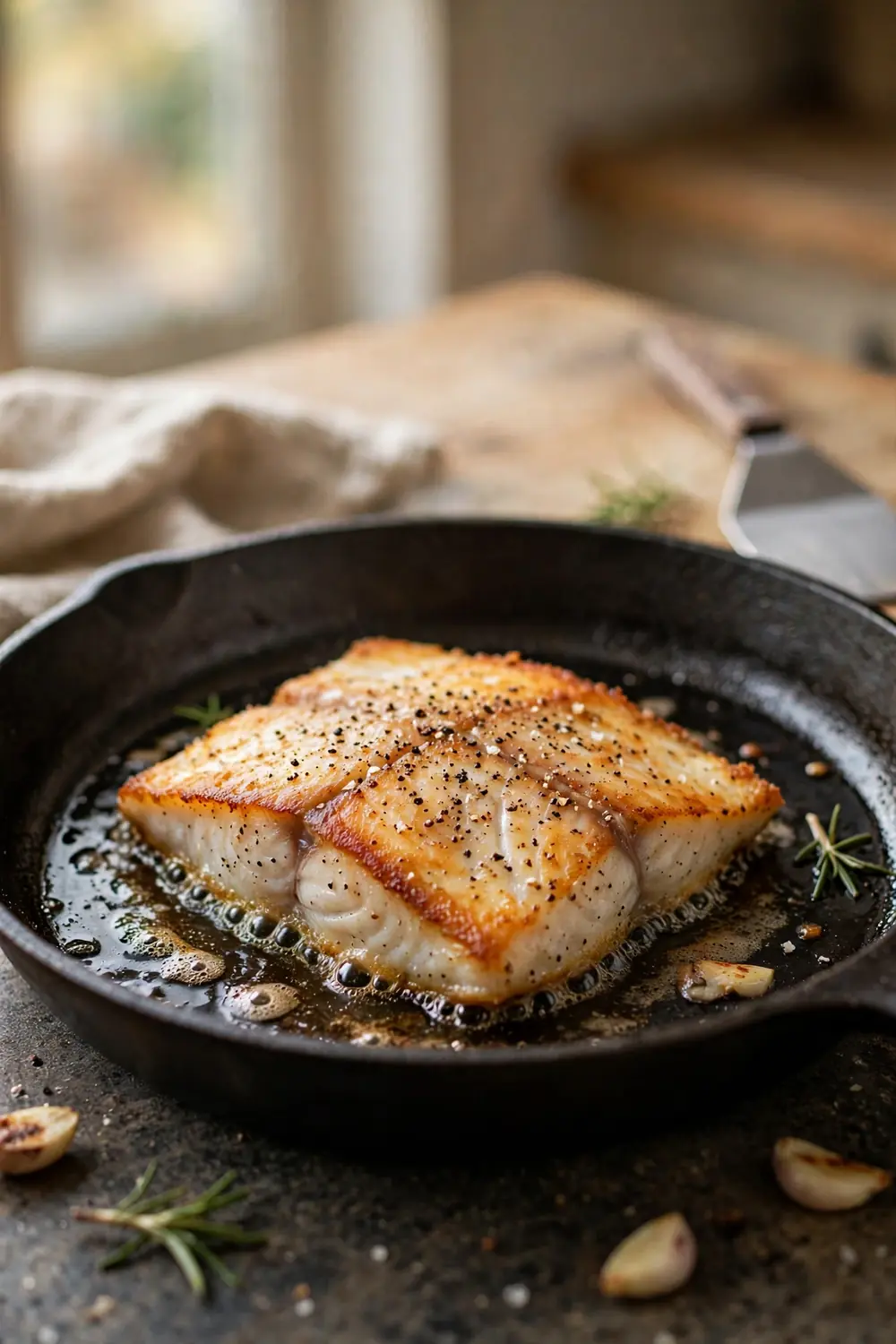
Quick Tip: Moving the fish too soon tears the skin before the crust sets. Let the fillet cook undisturbed until the edges turn golden and the skin firms. The crust hardens on the pan, and the fish releases on its own. Patience keeps the skin whole and crisp every time.
Check the edges, and wait until the fillet slides when you nudge it gently. A firm fillet still grips, and the skin tears if you force it. A loose fillet moves free, and the texture turns crisp. Leave every fillet alone until it releases on its own.
Use a Thin Spatula
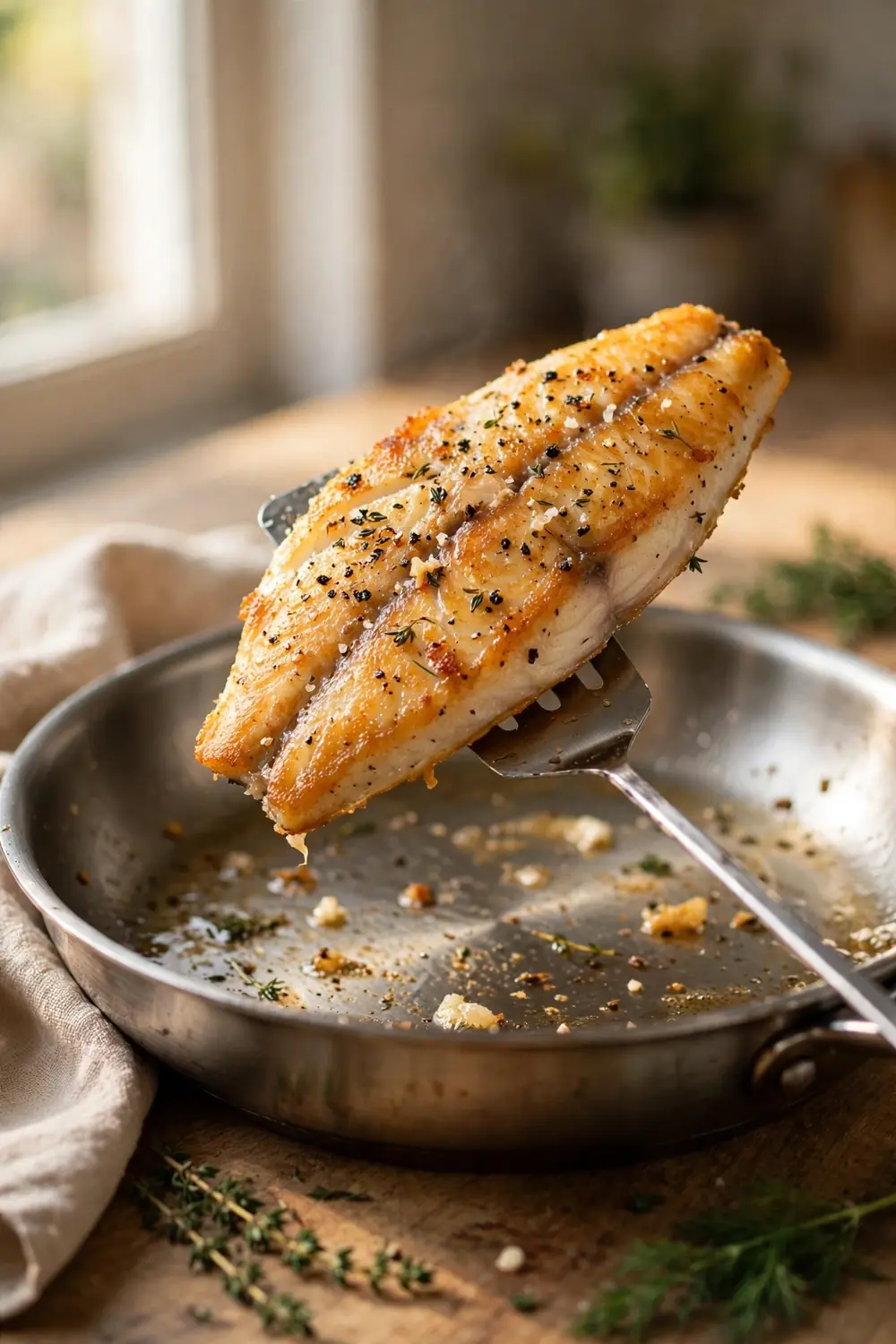
Best Tool: A thin metal spatula.
Motion: Slide it flat along the pan.
Lift: Raise the fillet in one smooth motion.
Result: The skin stays whole.
A thin metal spatula slides under the skin without tearing it. Slide it flat along the pan, and lift the fillet in one smooth motion. A thick spatula wedges under the flesh, and the skin breaks apart. Thin steel keeps the fillet whole from pan to plate.
Cook in Small Batches
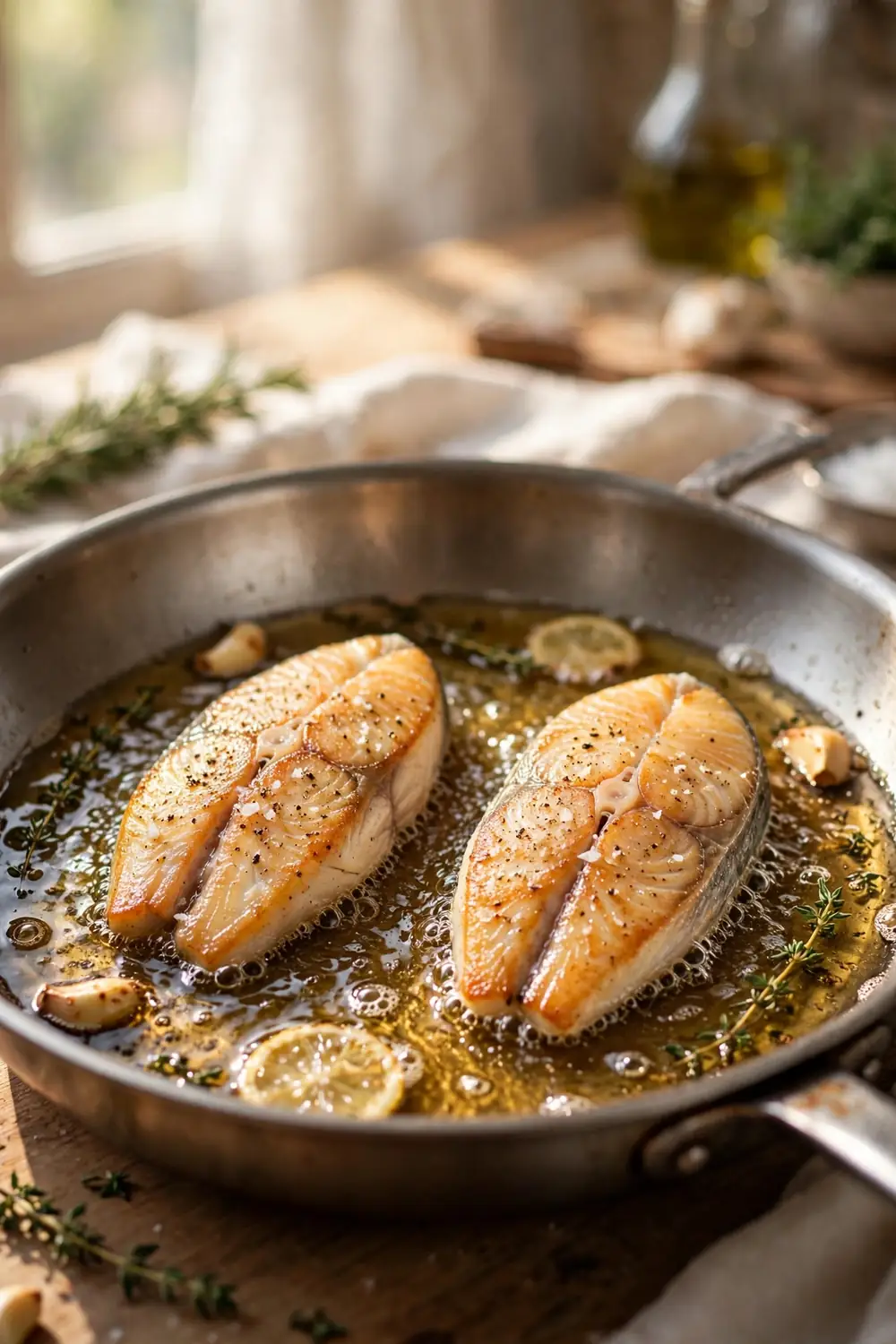
Before: Crowding the pan drops the heat, and the skin turns soft and sticky. The pan stays cool, and the crust never sets. Fillets pressed together steam instead of sear, and the skin tears. A crowded pan ruins the whole batch at home every single time.
After: Cooking one or two fillets at a time keeps the pan hot. Leave space between them, and the crust sets fast. Small batches keep the skin crisp and golden every time. The fillet slides free when the skin turns deep golden at home. Give it time.
Check the pan, and lift out each fillet when the skin turns deep golden. A pale skin means the pan ran cool, and the fish stays soft. Golden skin holds firm, and the texture turns crisp. Patience beats speed on fish day. Give it time.
Rest It Before Serving
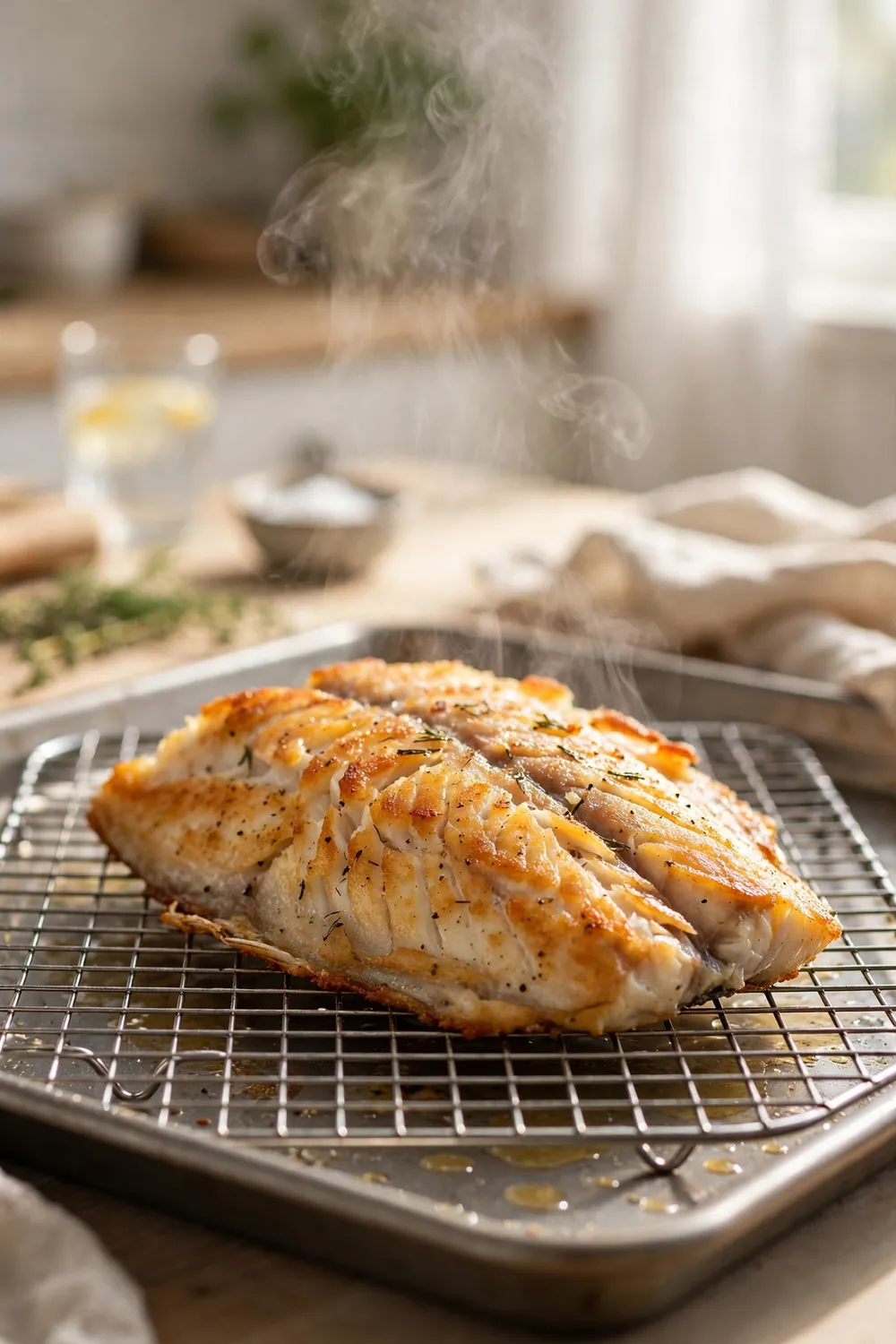
Resting the fish lets the flesh firm up and the juices settle. Move each fillet to a warm plate, and let it sit for three minutes. Cutting at once spills the juices, and the flesh turns dry. A short rest keeps every bite moist and tender.
Check the plate, and keep the fillets apart while they rest. Stacked fillets trap steam, and the crisp skin turns soft. Space keeps the skin crisp, and the texture stays light. Rest every batch at home, even when you feel rushed. A rested fillet makes the best plate.
Common Mistakes to Avoid
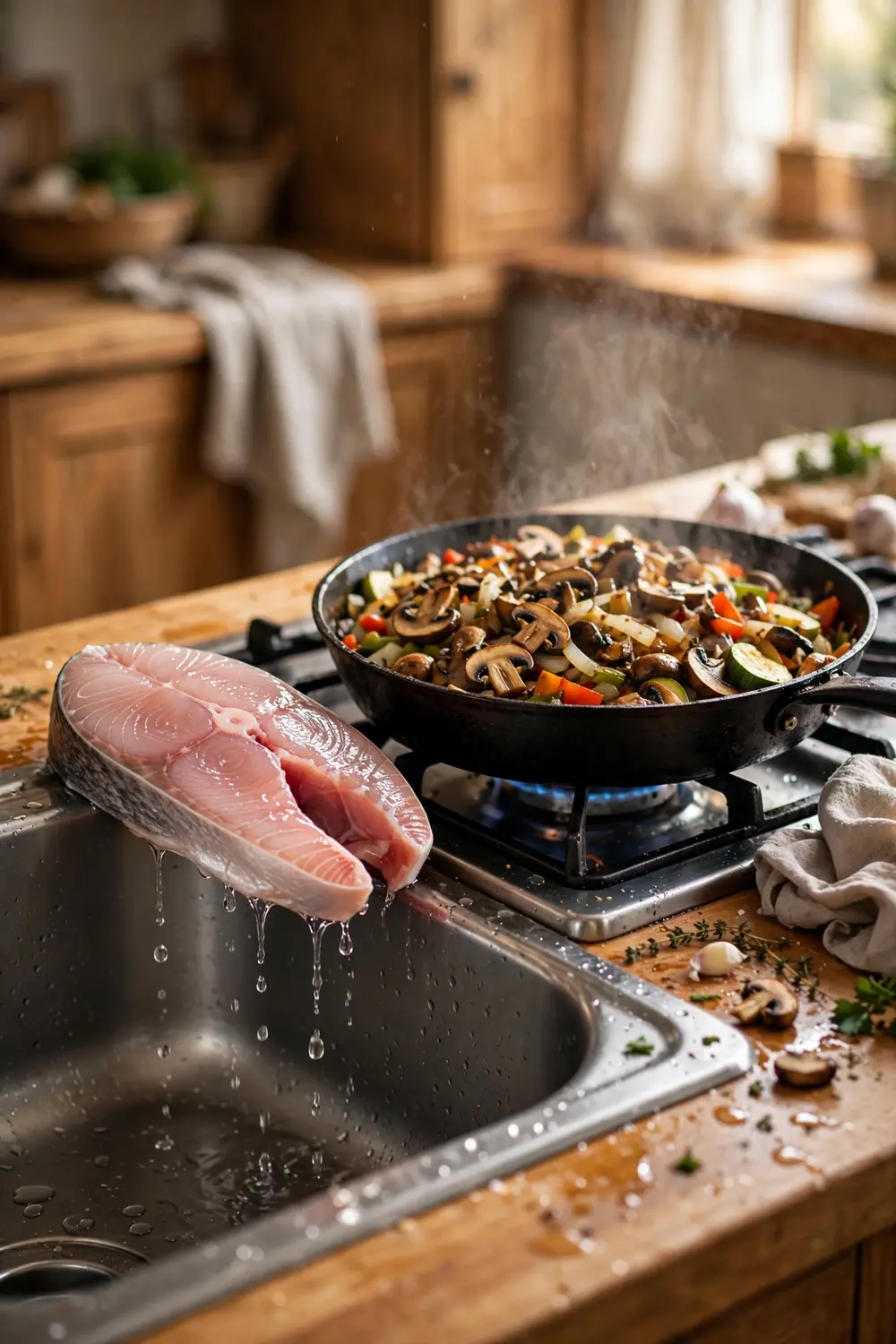
Most stuck fillets come from the same few mistakes, and all of them are easy to fix. Change one habit at a time, and you will see which fix made the difference. Start with drying, then the pan heat, then the timing. Small steps keep the skin firm every single time.
- Do not cook wet fish.
- Do not start with a cool pan.
- Do not flip the fillet too soon.
- Do not crowd the pan with fillets.
What Perfect Fish Looks Like
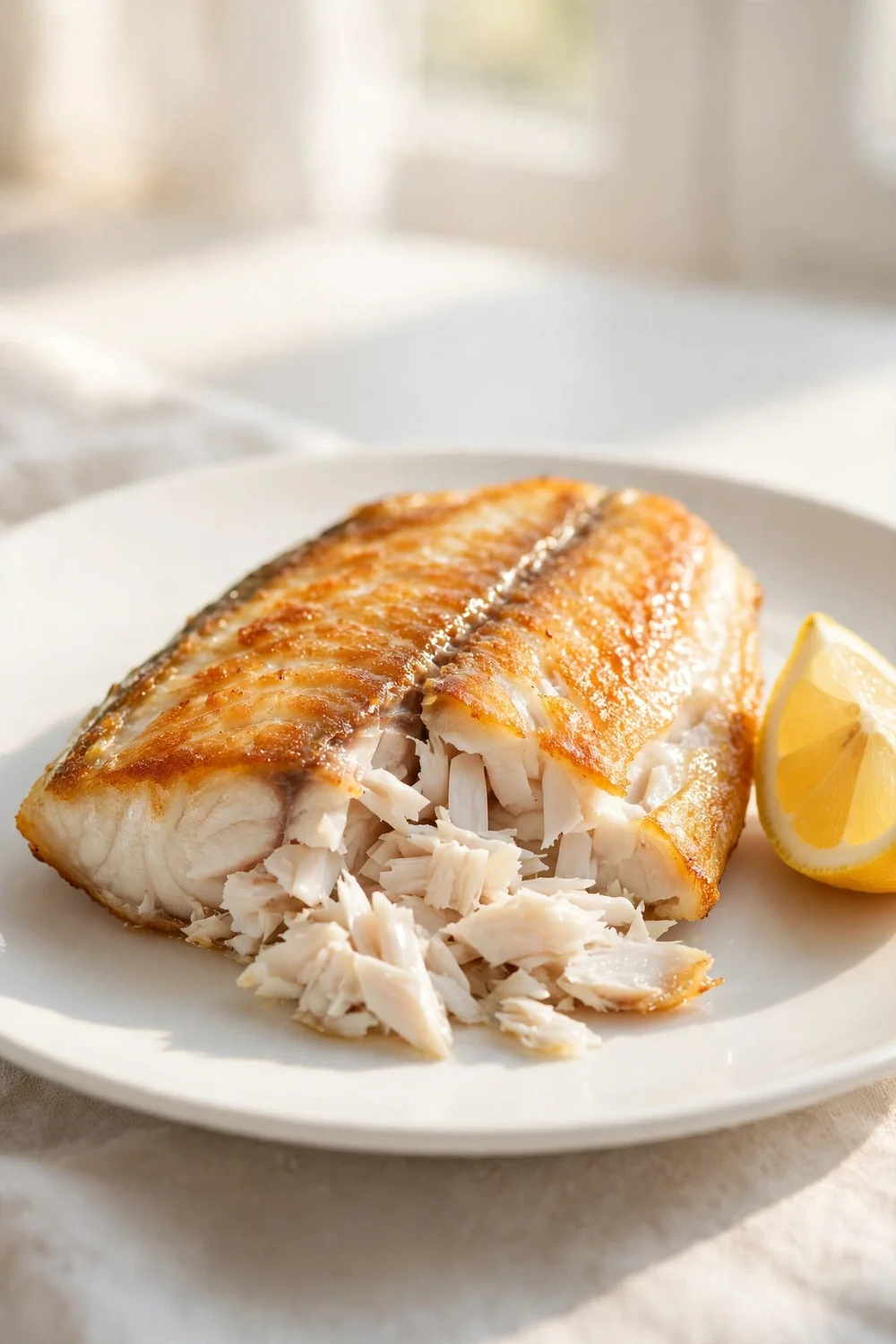
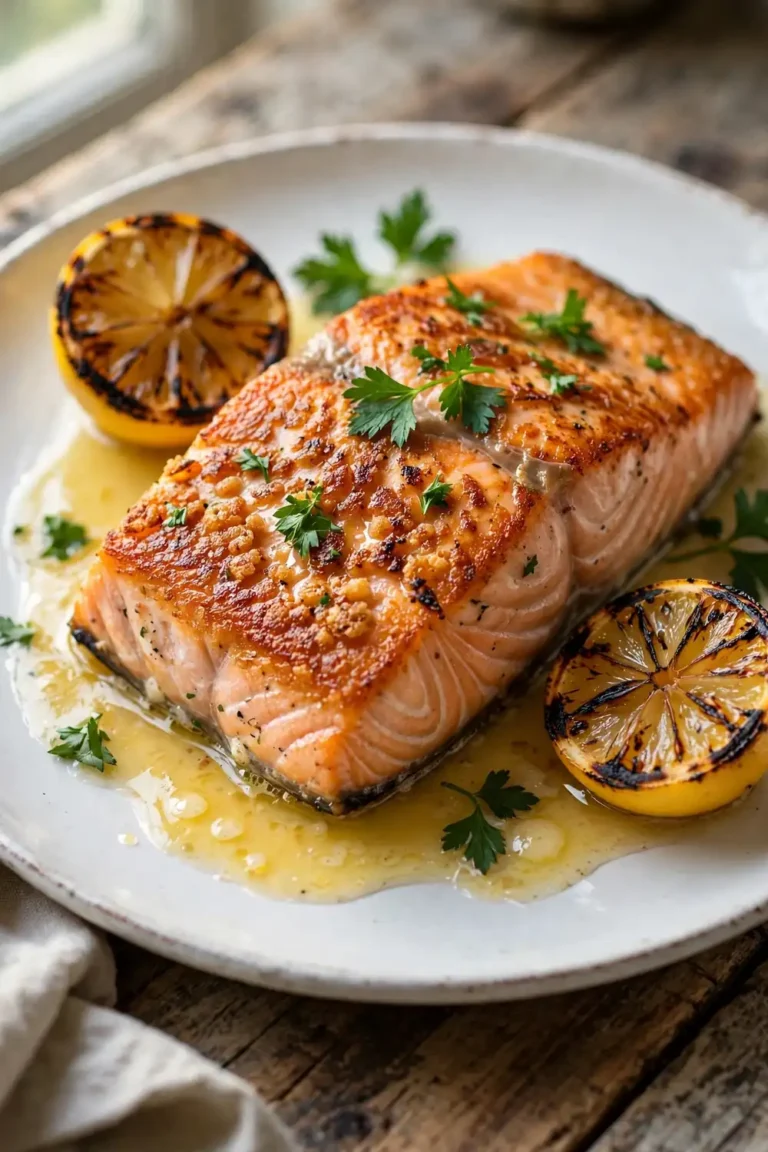
A good fillet shows a deep golden skin, and the flesh stays moist. The fish flakes with a fork, and the skin cracks when you bite. Cooked fish looks inviting, and the flavor stays rich. A good fillet holds its shape and stays crisp every single time.
- Deep golden skin, never pale.
- No torn spots on the fillet.
- Even color from edge to edge.
- Dry, crunchy skin on top.
Conclusion
Fish sticking to pan usually comes from wet fish and a cool pan. Dry fish, a hot pan, and patience fix it every time.
Pick the method that fits your plan, and the fish turns crisp. Small steps keep the skin firm. Use one method at a time, and the skin stays put.
Pat the fish dry, heat the pan fully, and leave the fillet alone. The skin turns crisp, and the texture looks fresh. Save this guide for your next fish day. If your chicken coating also slips, read our guide on chicken coating falling off for coating that sticks at home every time.

2 Comments