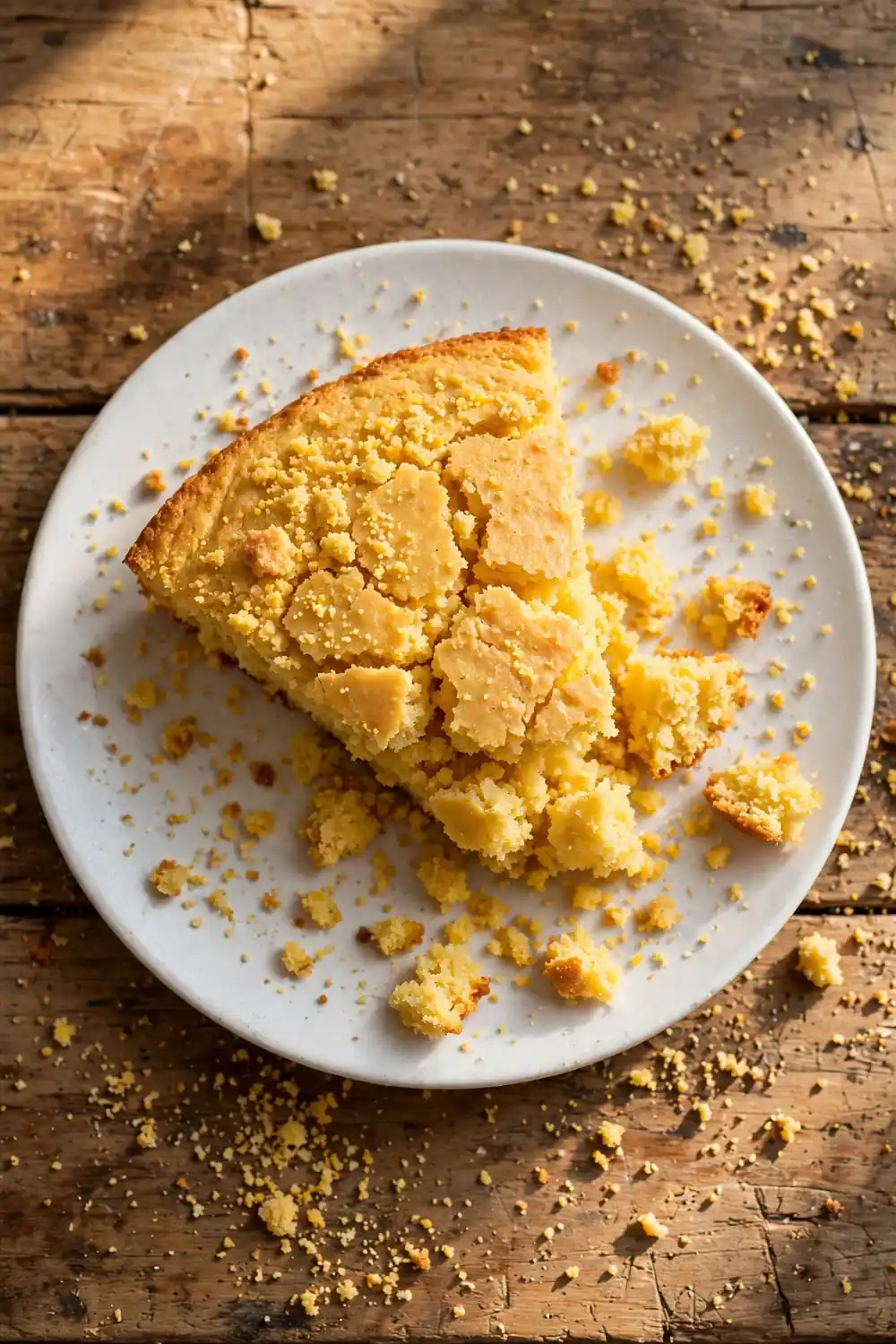
Why Is My Cornbread Dry and Crumbly? Easy Fix Guide
If your last batch of dry cornbread crumbled the moment you sliced it, you are not alone. Many home bakers face the same dry, crumbly result even with a trusted recipe. The good news is that a few small fixes can change everything.
Cornbread dries out for a few clear reasons, and most of them happen before the pan ever reaches the oven. Too much flour, too little fat, and a heavy hand with the spoon can all steal moisture.
This guide walks through each cause in order, then gives a simple fix you can use tonight. Measure carefully, mix gently, and bake just until set. And if your delicate shells split in the oven, see why cracked macarons happen and how to fix them with simple baking tricks.
Why Cornbread Turns Dry
What You Need:
- Correct flour measure: Spoon and level, or weigh, so extra flour cannot dry the crumb.
- Full fat measure: Butter or oil coats the meal and keeps slices tender.
- Enough liquid: Milk, buttermilk, and eggs give the batter the moisture it needs.
- Gentle mixing: A few slow strokes keep gluten low and the crumb soft.
- Right bake time: Pull the pan when a toothpick shows a few moist crumbs.
Cornbread turns dry when the batter loses moisture faster than the crumb can hold it. Extra flour soaks up liquid, a hot oven drives off steam, and a long bake leaves the center parched. Each factor pulls water from the crumb, so the slice feels firm and rough.
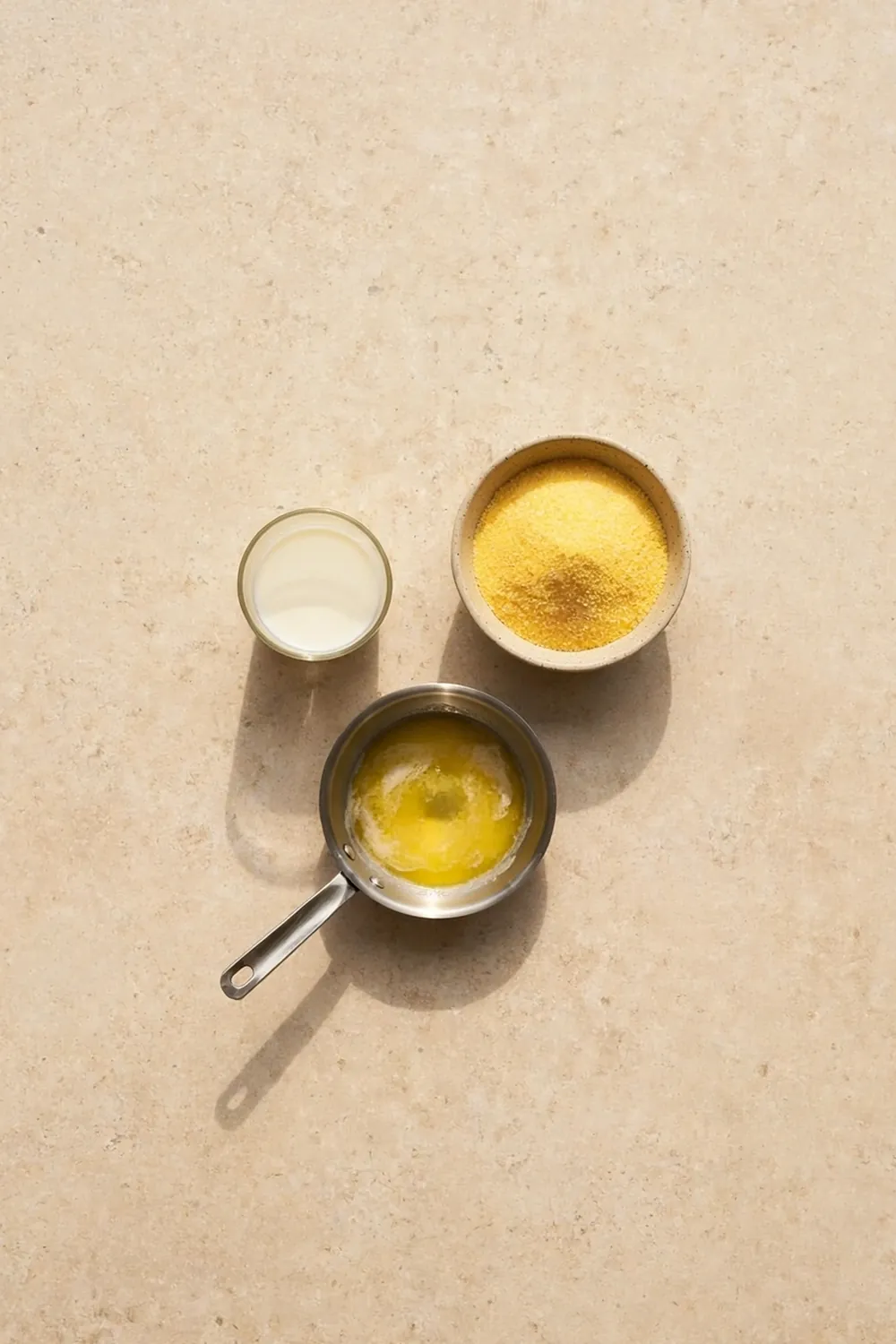
Use Enough Fat
Do This:
- Measure the fat carefully instead of eyeballing it.
- Melt butter for flavor, or use oil for a soft crumb.
- Try a mix of butter and oil for the best result.
Avoid This:
- Do not cut the fat to save calories.
- Do not skimp on fat, since lean batter bakes crumbly.
- Do not guess the amount from the bag or box.
Fat coats the cornmeal and flour, keeping the crumb soft and tender after baking. Butter, oil, or bacon drippings all work, but the amount matters as much as the type. In my experience, a full measure of fat is what keeps each slice tender and rich.
Add More Moisture
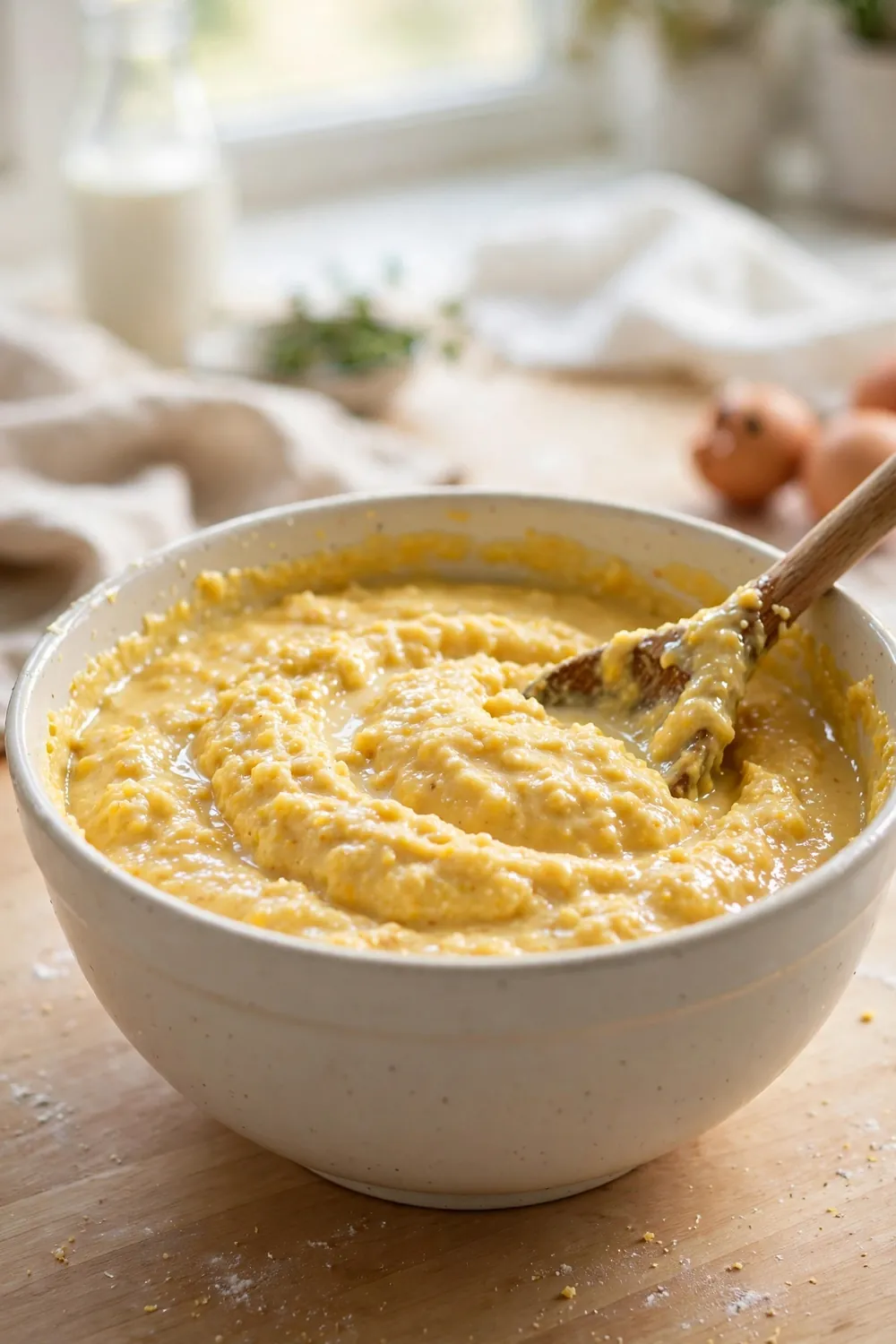
Quick Tip: If your batter feels stiff and heavy, stir in a few tablespoons of milk until it loosens. Add liquid a little at a time, mixing gently after each splash, so the batter stays smooth.
Cornmeal absorbs a lot of liquid, so a batter that looks thin often bakes up just right. Milk, buttermilk, and eggs all add moisture, and sour cream or yogurt can add extra richness. Buttermilk is a favorite, since its acidity helps the crumb stay soft and tender.
Measure the Flour Right
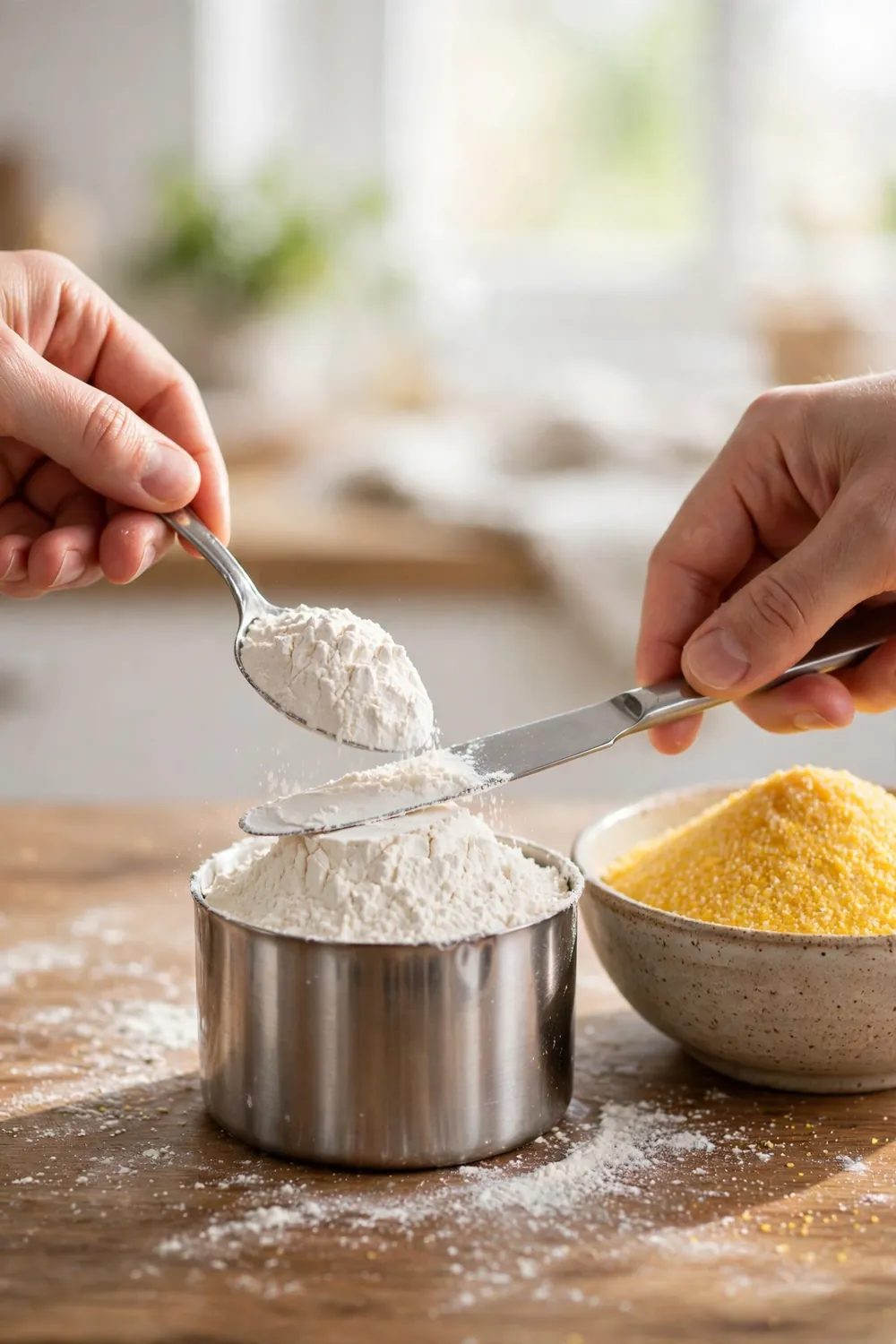
Method: Spoon flour into the cup, then level with a knife
Best Tool: Kitchen scale for exact weights
Common Error: Scooping from the bag packs flour down
Fix: Weigh flour and cornmeal exactly as listed
Scooping flour straight from the bag packs it down and adds far more than the recipe intends. That extra flour soaks up milk and butter, leaving the batter thick and the crumb stiff. Spoon the flour into the cup, level it with a knife, and start with the right balance.
Do Not Overmix
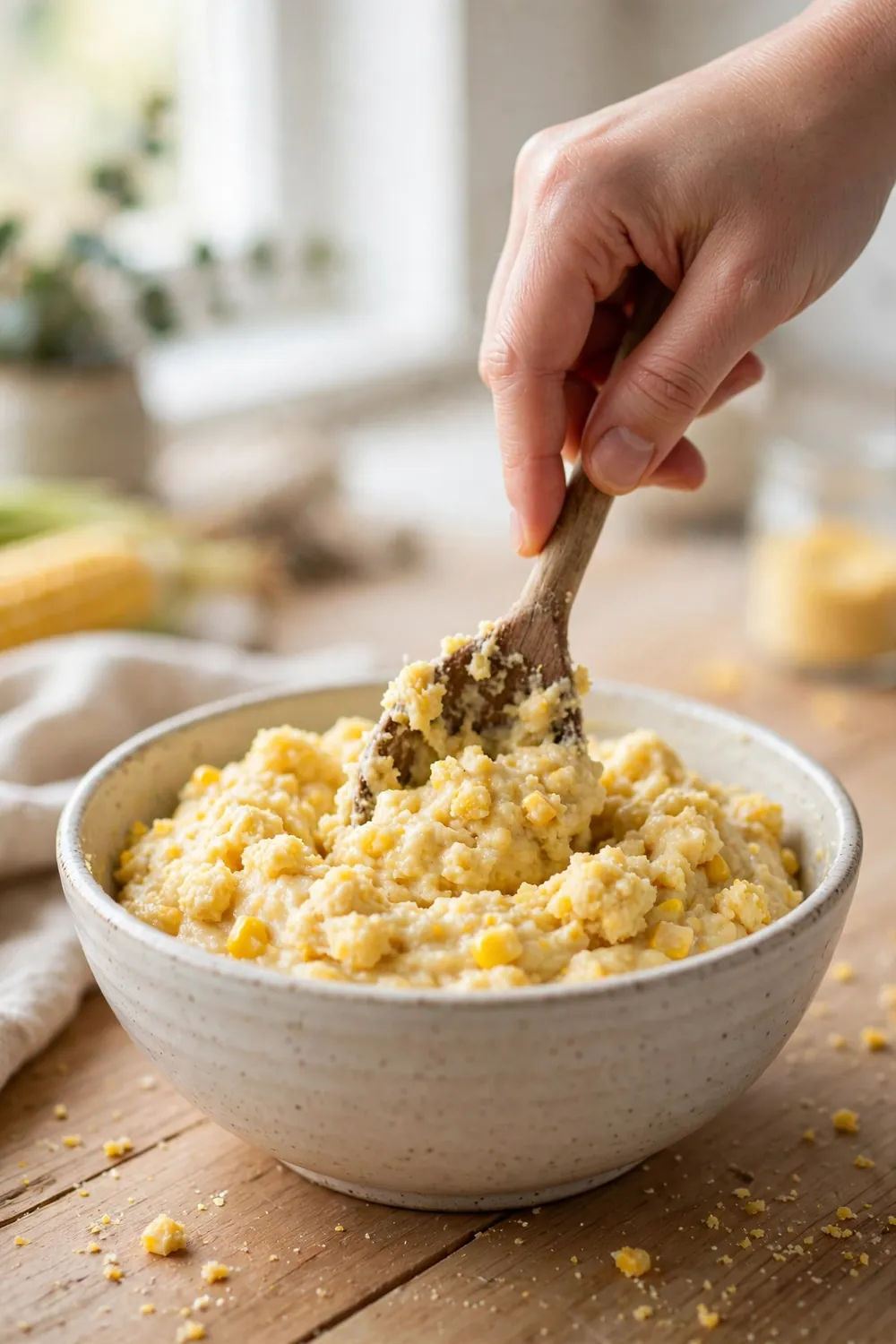
Stirring the batter too long builds gluten, and gluten turns a tender bake tough and dry. Mix only until the flour and cornmeal disappear, even if a few small lumps remain. Those lumps bake out in the oven, and a gentle hand keeps the crumb soft.
- Fold wet and dry ingredients together with a spatula.
- Use ten to twelve slow strokes to bring the batter together.
- Stop as soon as no dry streaks remain.
- Pour the batter into the pan right away.
Bake It Shorter
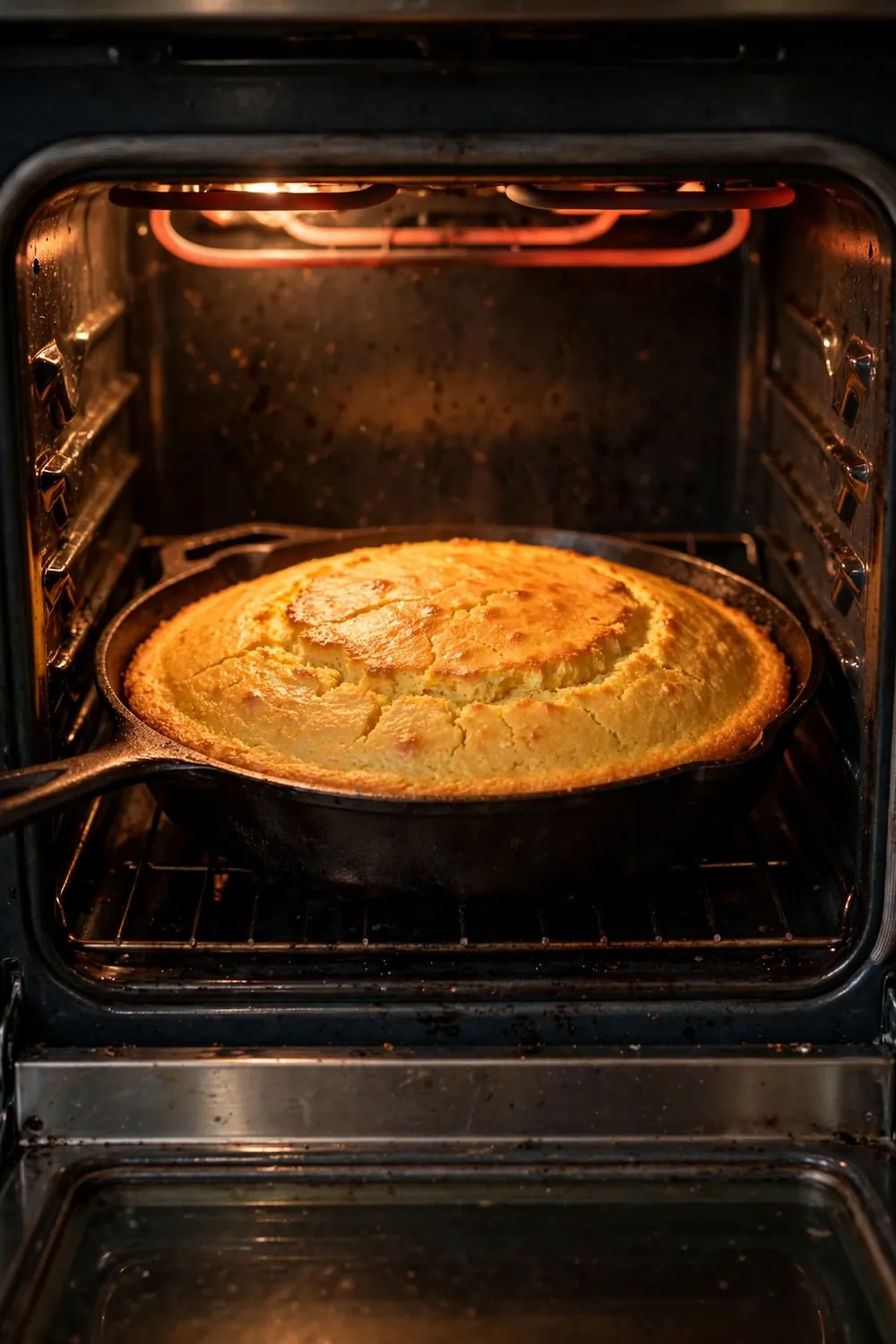
Cornbread goes from moist to dry in just a few minutes, so watch the clock closely. Start checking five minutes before the recipe time ends, and look for edges that pull away. A toothpick should come out with a few moist crumbs, not bone dry.
An oven that runs hot can overbake the pan before the timer ends, so an oven thermometer is worth the small cost. If the top browns too fast, lay a loose sheet of foil over the pan. The bread keeps baking as it cools, so a slightly early exit leaves a softer center.
Use the Right Pan
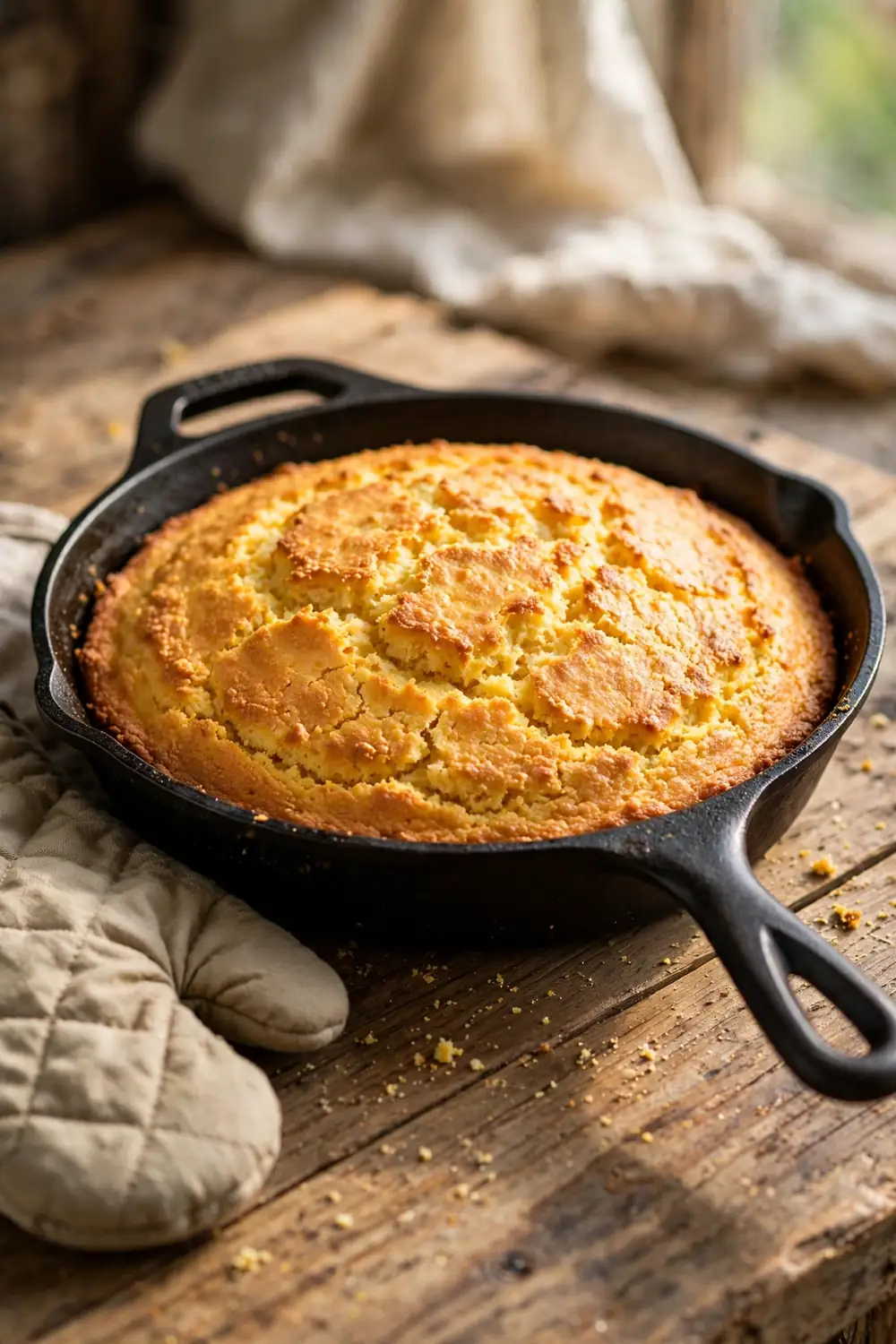
Common Mistake: Many bakers switch pans without changing the bake time, then wonder why the bread dries out. A dark metal pan bakes hotter and faster than a light one, and a glass dish holds heat longer after baking.
The Fix: Match the pan to the recipe, and check for doneness a few minutes early when you switch pans. A cast iron skillet gives a crisp crust and an even bake, which is why bakers swear by it.
Preheat the skillet with a little fat so the batter sizzles as it hits the pan. Keep the layer even, and avoid a pan so deep that the center stays raw while the edges dry. A hot skillet and an even layer give a crisp crust and a moist center.
Let It Cool Briefly
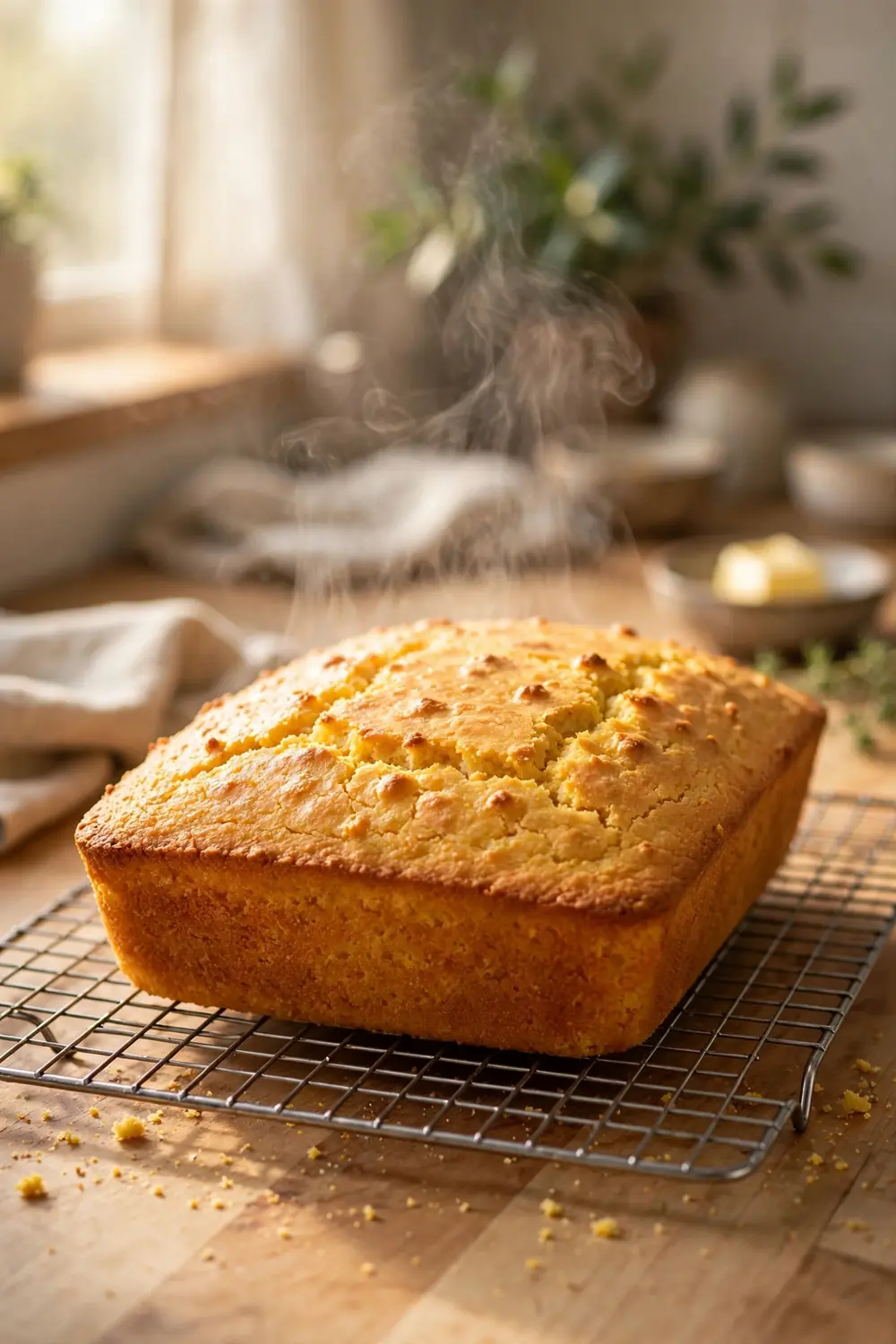
Before: Cutting into a hot pan lets steam escape, and that steam is moisture leaving the bread. The slice falls apart, and the center tastes crumbly and rough instead of soft.
After: A short rest lets the crumb set, so the slice holds together better. The center tastes softer, and the bread cuts into clean, even pieces.
Let the cornbread rest in the pan for ten to fifteen minutes so the crumb can set. Once the pan feels warm rather than hot, turn the bread onto a rack. Serve it warm for the softest texture, and cover leftovers once they cool fully.
Store It Properly
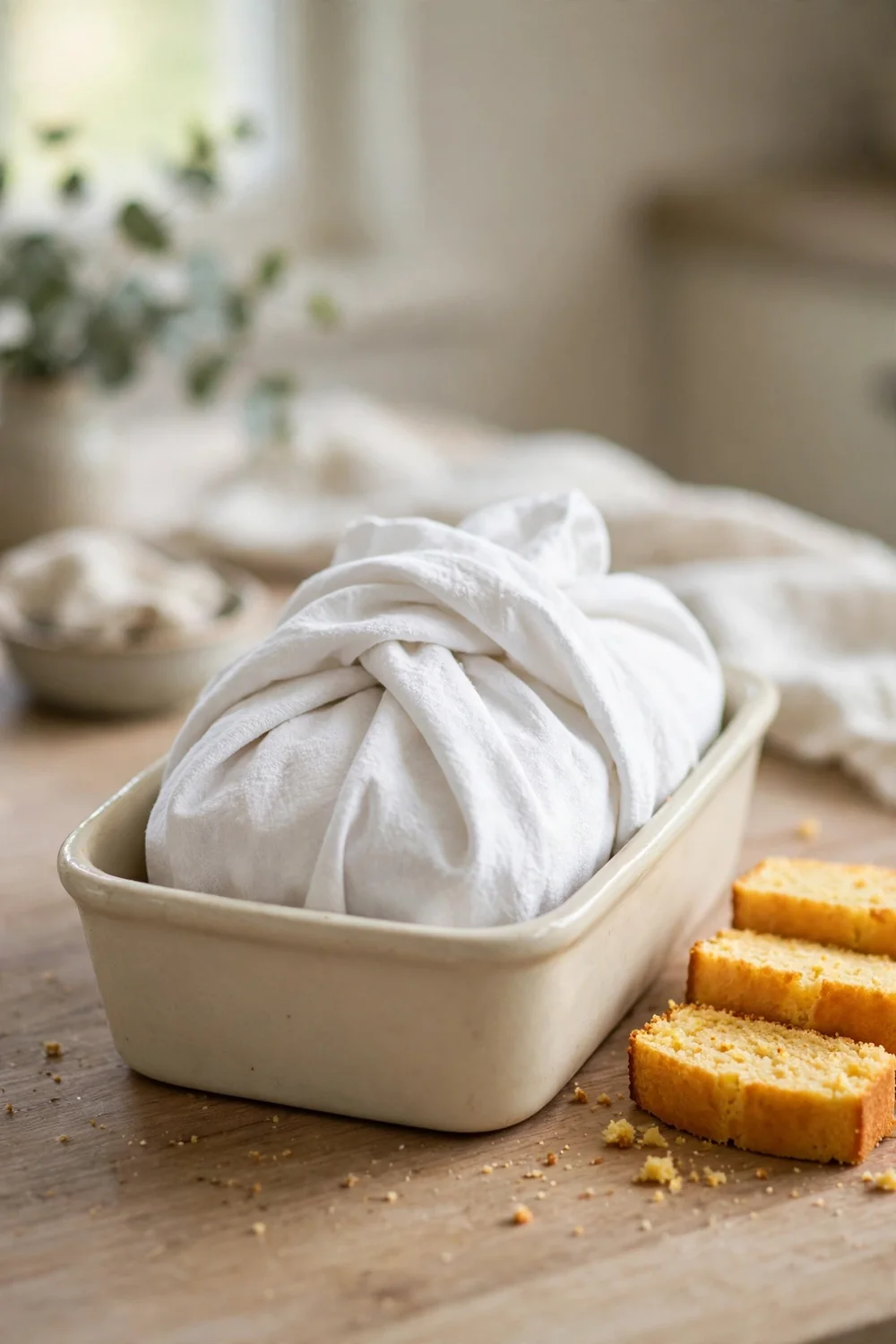
Do This:
- Wrap the cooled loaf tightly in foil or plastic wrap.
- Use a sealed bag or container to keep slices soft for two days.
- Freeze slices in a sealed bag with the air pressed out.
Avoid This:
- Do not leave cornbread uncovered on the counter.
- Do not store it in the fridge, since cold air dries the crumb faster.
- Do not slice the loaf before it cools fully.
Cornbread dries out fast when it sits uncovered on the counter, since air pulls moisture from the crumb. Once the loaf cools fully, wrap it tightly in foil so the slices stay soft. Good storage keeps the second day slice nearly as soft as the first.
Common Mistakes to Avoid
What You Need:
- Careful measuring: Spoon and level flour, and weigh when you can.
- Full fat measure: Do not cut butter or oil to save calories.
- Gentle mixing: Stop as soon as dry streaks disappear.
- Early check: Start testing five minutes before the timer ends.
- Short rest: Let the pan cool ten to fifteen minutes before slicing.
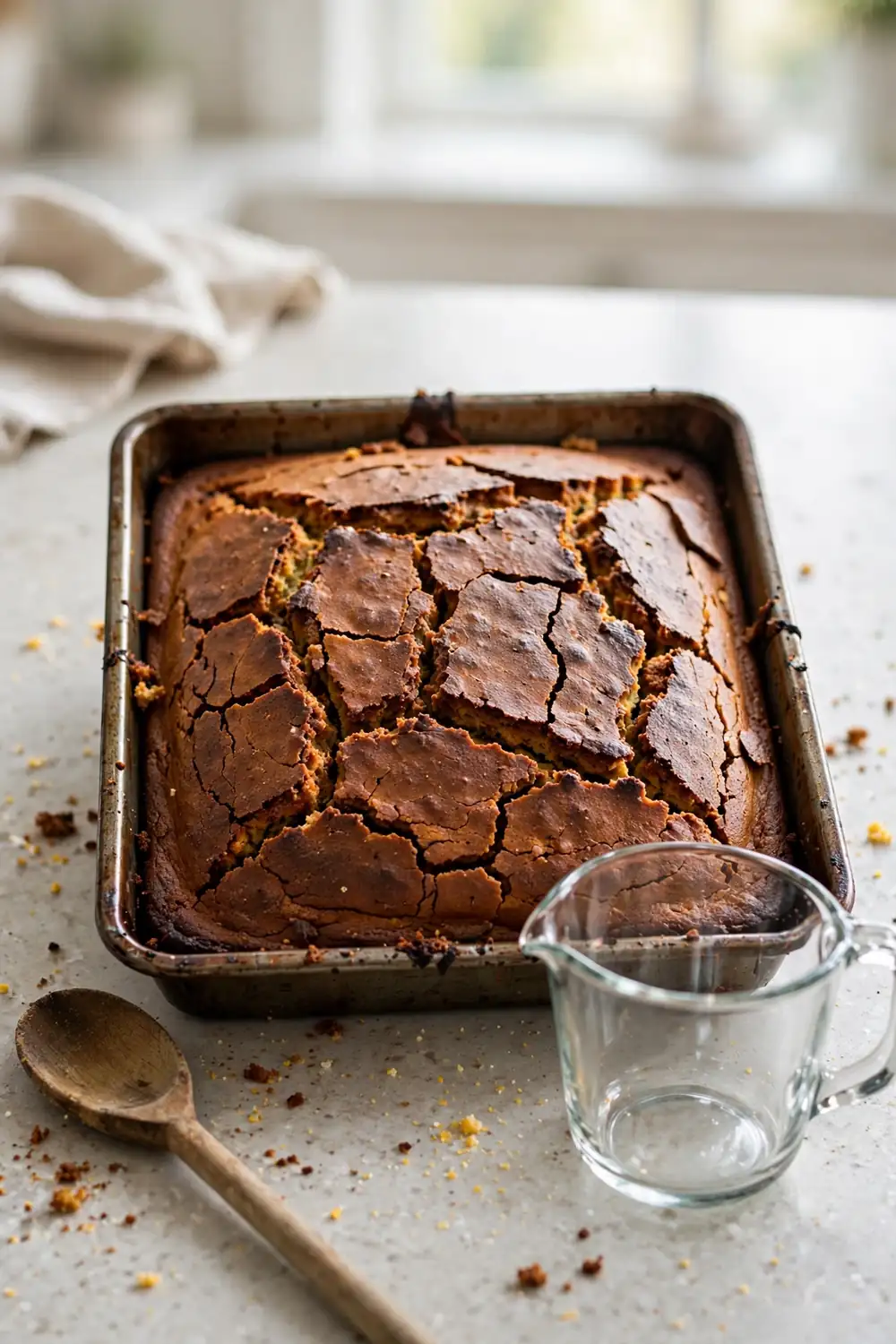
One common mistake is adding extra cornmeal to thicken a thin batter, which only makes the bake drier. Another is baking by color alone, since a golden top can hide a dry center. Guessing at flour and fat also leads to trouble. Fix one habit at a time, starting with careful measuring and gentle mixing.
What Moist Cornbread Looks Like
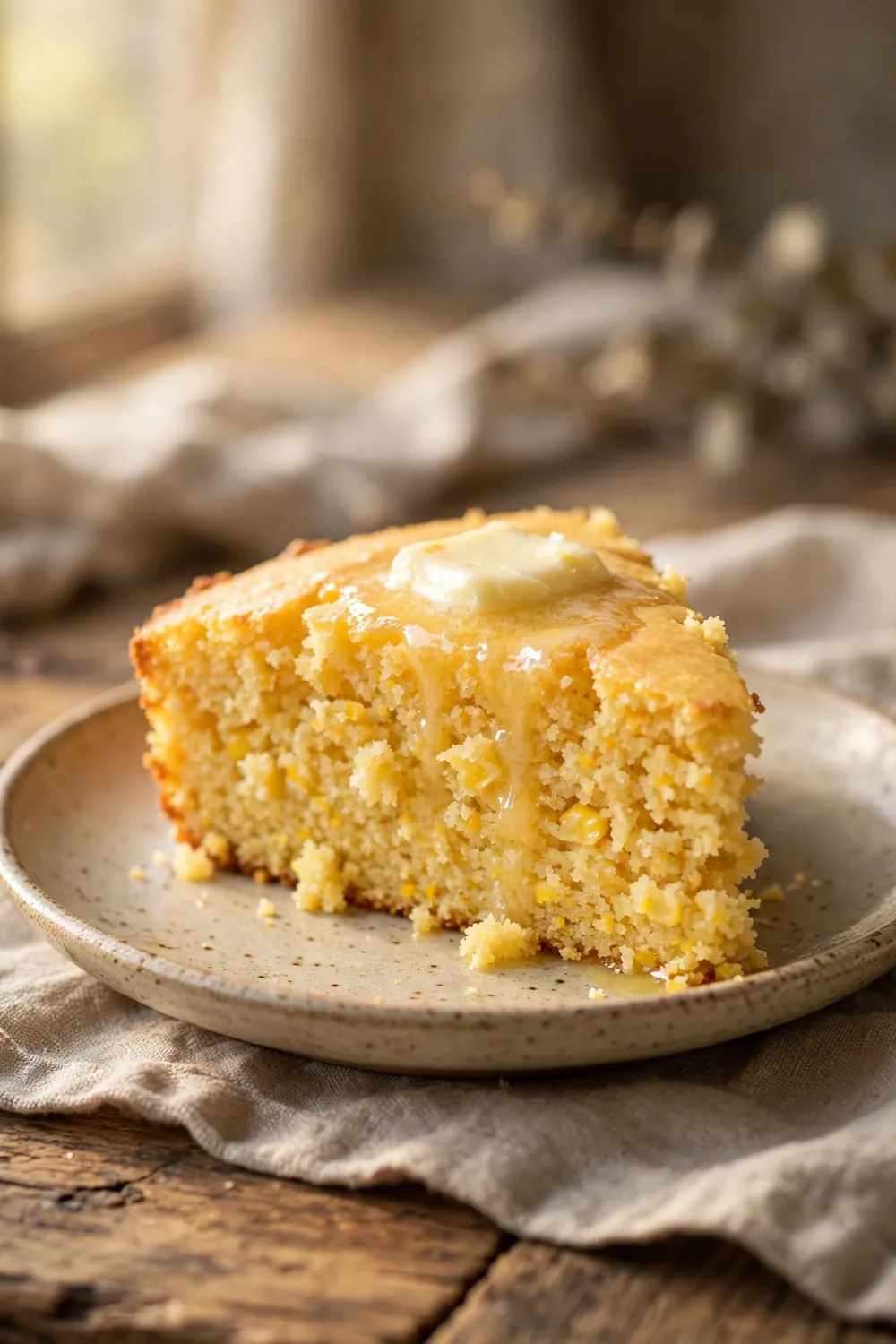
Top: Golden with a tender crumb that bends slightly
Center: Soft and springy when pressed gently
Slice: Holds its shape with only a few crumbs
Serve: Warm with butter for the softest texture
Moist cornbread looks golden on top, with a tender crumb that bends slightly before it breaks. The slice holds its shape on the plate, and the center feels soft and springy when pressed. A few crumbs are normal, but the piece should not shatter or fall into dry dust.
Conclusion
The fix for dry cornbread starts with the cause: too much flour, too little fat or moisture, overmixing, or overbaking. Measure right, use enough fat, add moisture, mix gently, and bake just until set.
Start with the simplest fix first, then add the next one if the crumb still feels rough. Small, steady changes protect the flavor while the bake turns softer. Save this guide on Pinterest for your next batch.
Try the steps tonight, and if a soggy bake is your trouble instead, read our guide on watery casserole for a firm, rich result.
2 Comments