Why Is My Casserole Watery on the Bottom? Easy Fix Guide
A watery casserole can turn a cozy dinner into a soggy disappointment, even when the flavors taste right. Liquid pools at the bottom, the topping turns soft, and each serving falls apart.
The extra liquid usually comes from wet vegetables, frozen ingredients, or a thin sauce. Meat and mushrooms release juices as they cook, and canned tomatoes add more liquid than expected. A cool oven and a tight cover make it worse by trapping steam.
This guide walks through each cause in order, then gives simple fixes you can use tonight. Dry the ingredients, use less liquid, and let the bake rest before serving. And if your cornbread also turns dry, see why dry cornbread happens and how to fix it with simple kitchen tricks.
Why the Base Turns Watery
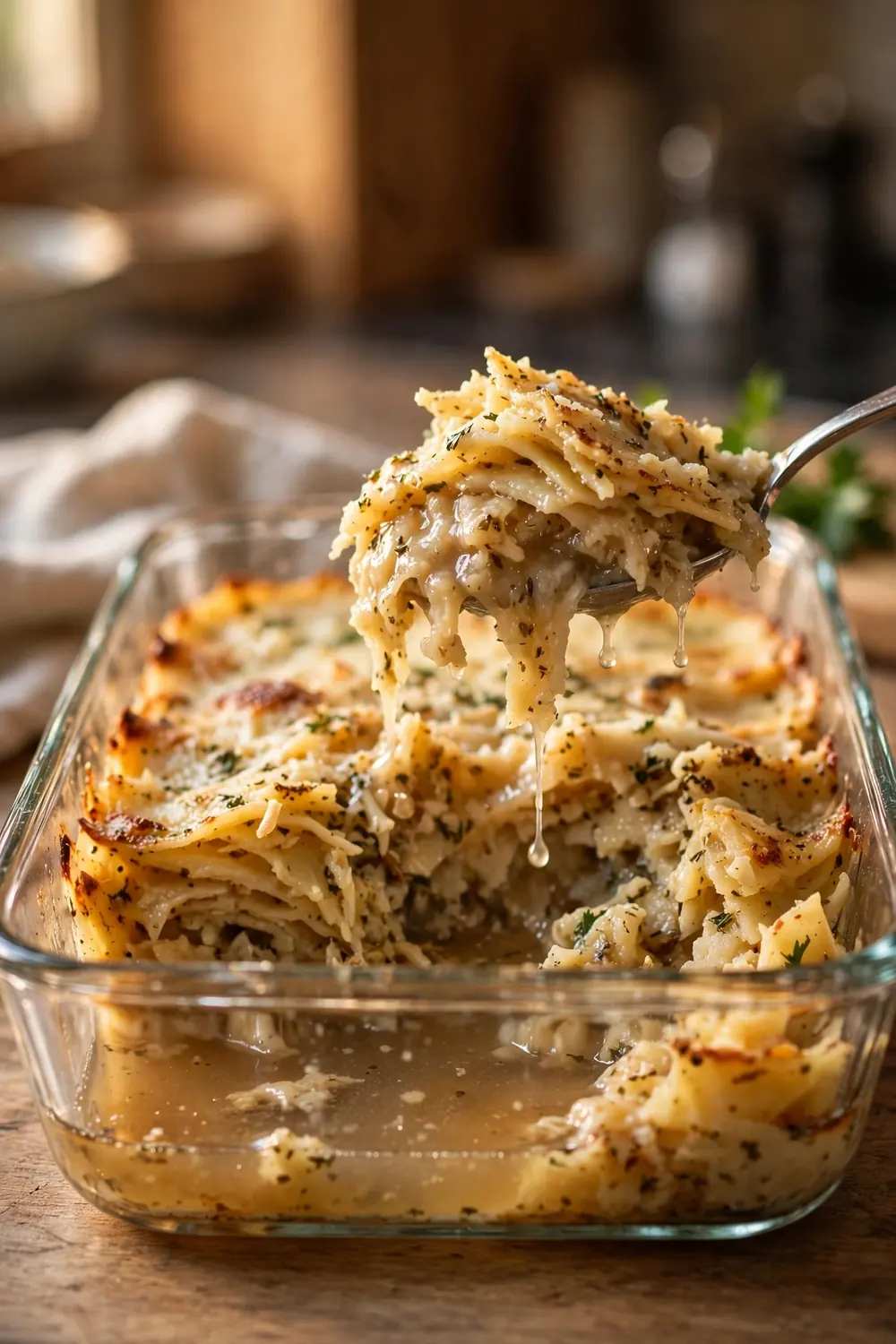
A casserole turns wet when the ingredients release more liquid than the sauce and heat can handle. Fresh vegetables, mushrooms, and meat all give off juices as they cook, and frozen items add meltwater on top. If the sauce starts thin, that extra liquid pools at the base instead of blending in.
A dish that is too deep or too full also slows evaporation, so the base never firms up. The top may look set while the bottom stays soft and loose. Knowing these causes helps you fix the bake.
Use Less Liquid
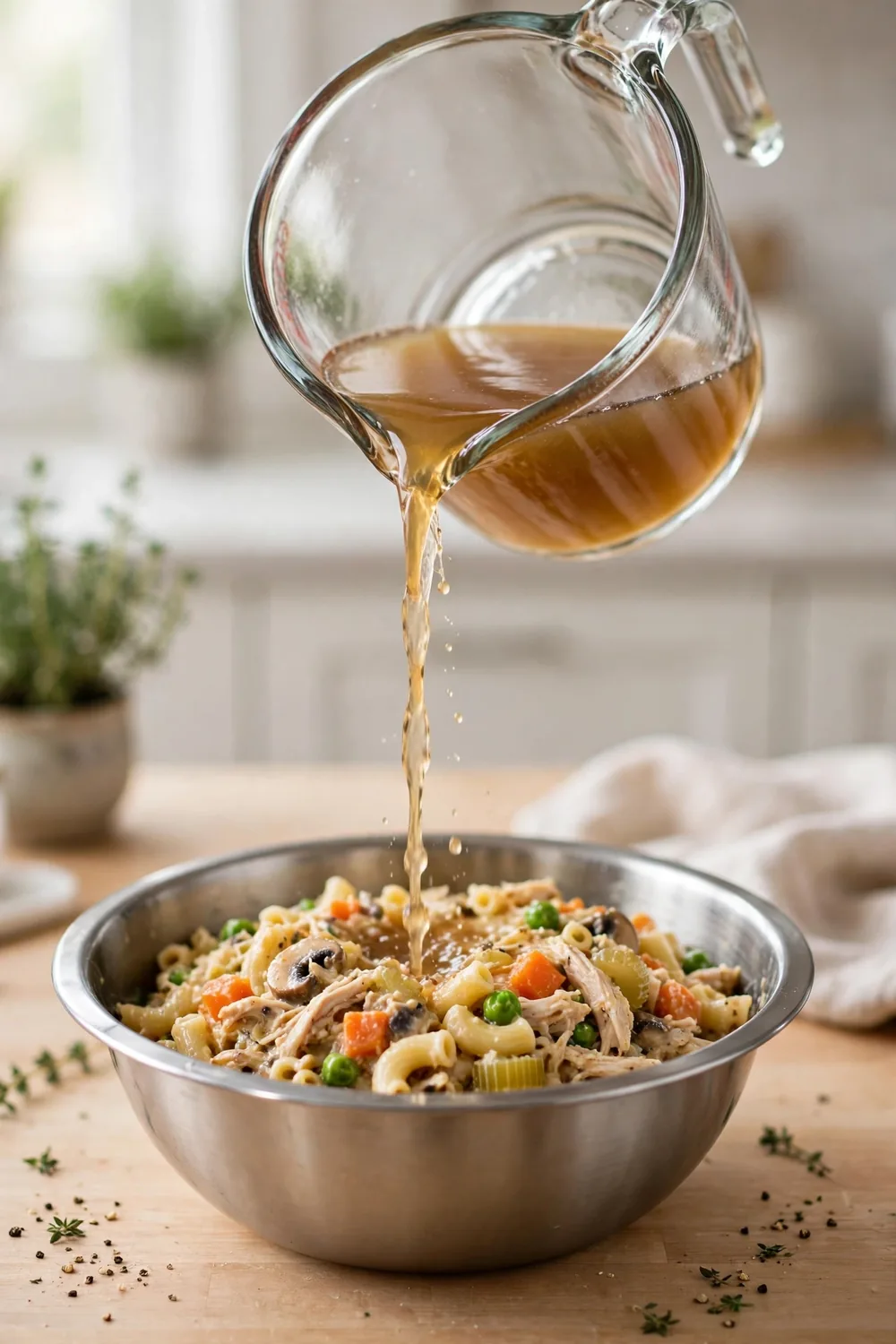
Most casserole recipes need less liquid than you expect, since the ingredients add their own juices. Start with one quarter less broth, milk, or canned sauce than the recipe lists. The sauce should look thick and cling to a spoon before baking.
- Hold back two tablespoons of liquid if the mix looks thin in the bowl.
- Watch canned soups and sauces, since they vary in thickness from brand to brand.
- Add a splash later only if the bake looks dry.
- Remember that you can add liquid, but you cannot remove pooled liquid.
Thicken the Sauce
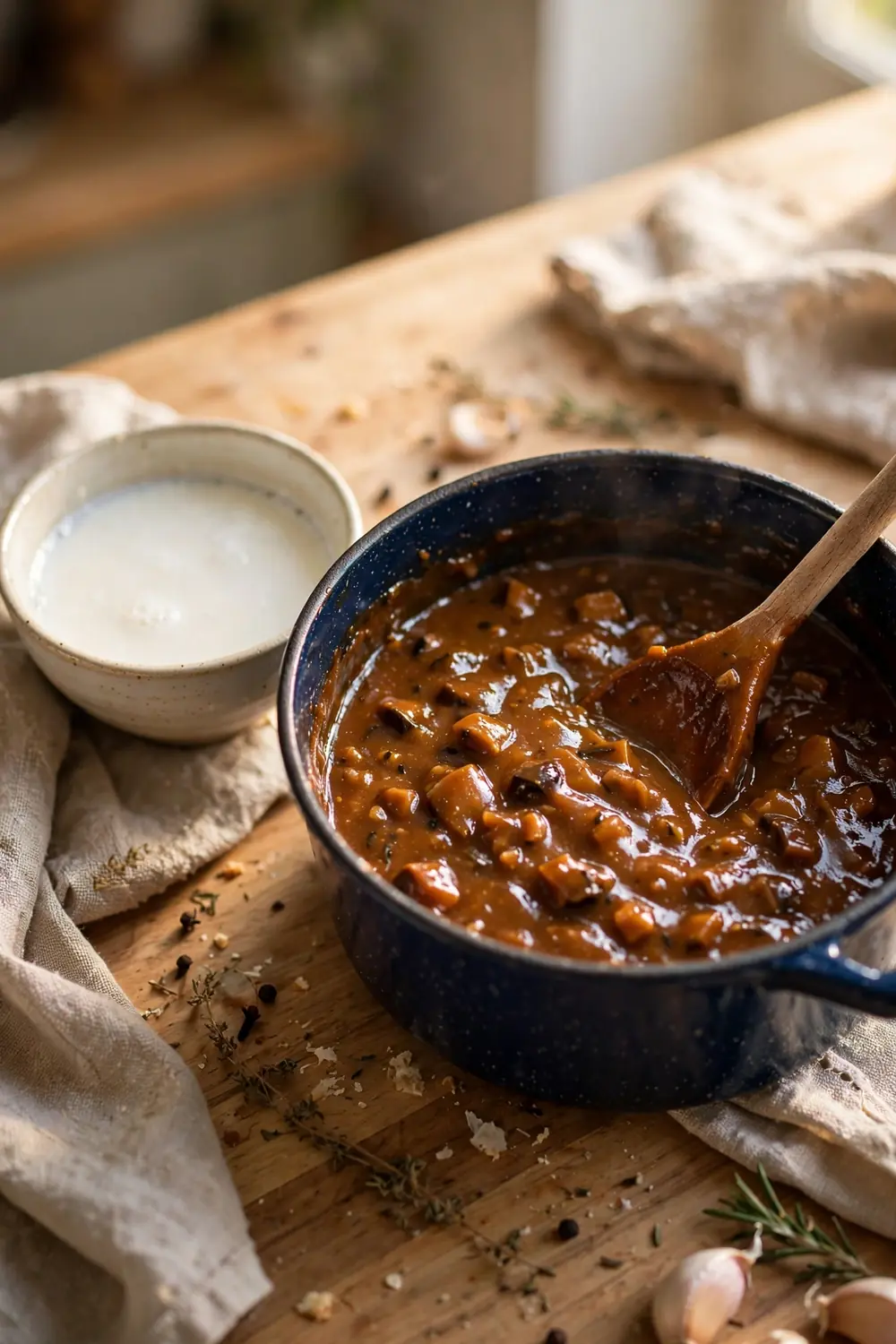
Quick Tip: Simmer the sauce on the stove for five minutes until it coats the back of a spoon. A spoonful of tomato paste, a little flour, or a cornstarch slurry can help.
A thick sauce stays where it belongs instead of sinking to the base. Taste as you go, and keep the flavor balanced. If the sauce still looks thin after simmering, stir in a small amount of thickener and cook it briefly. Cornstarch needs heat to work, so let the pot bubble for one minute.
Dry the Ingredients First
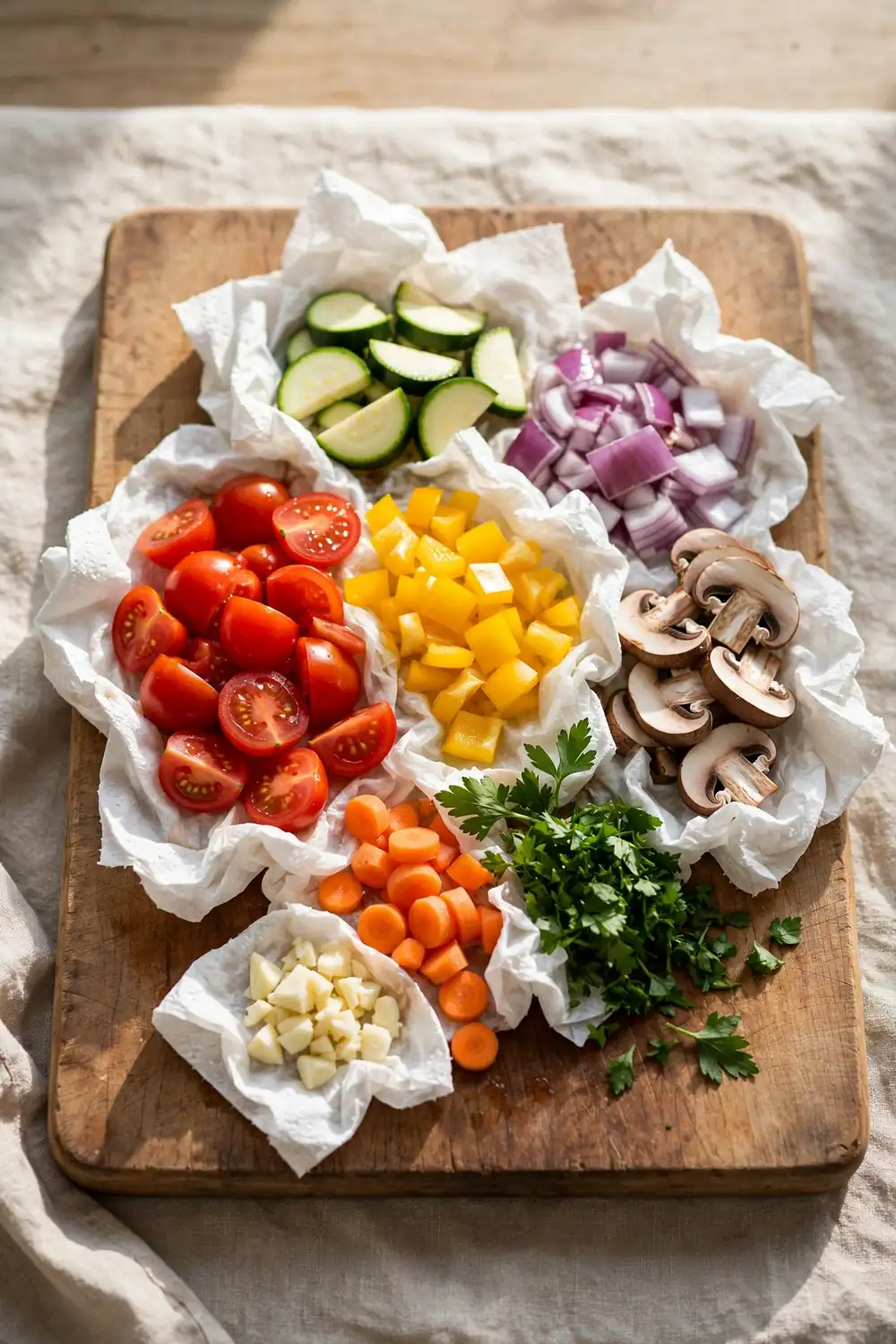
Common Mistake: Many cooks pile wet vegetables, mushrooms, and meat straight into the dish. Surface moisture turns to steam in the oven and adds liquid you did not plan for.
The Fix: Pat vegetables, mushrooms, and meat dry with paper towels, and saute wet items first. Dry ingredients give you control over the sauce.
Squeeze cooked greens in a clean towel, and saute mushrooms until their juices cook off. Brown meat in a hot pan and drain the fat. A quick blot takes a minute, yet it keeps the sauce thicker and the base firmer. These small steps remove hidden liquid before it can pool at the bottom.
Drain Canned and Frozen Ingredients
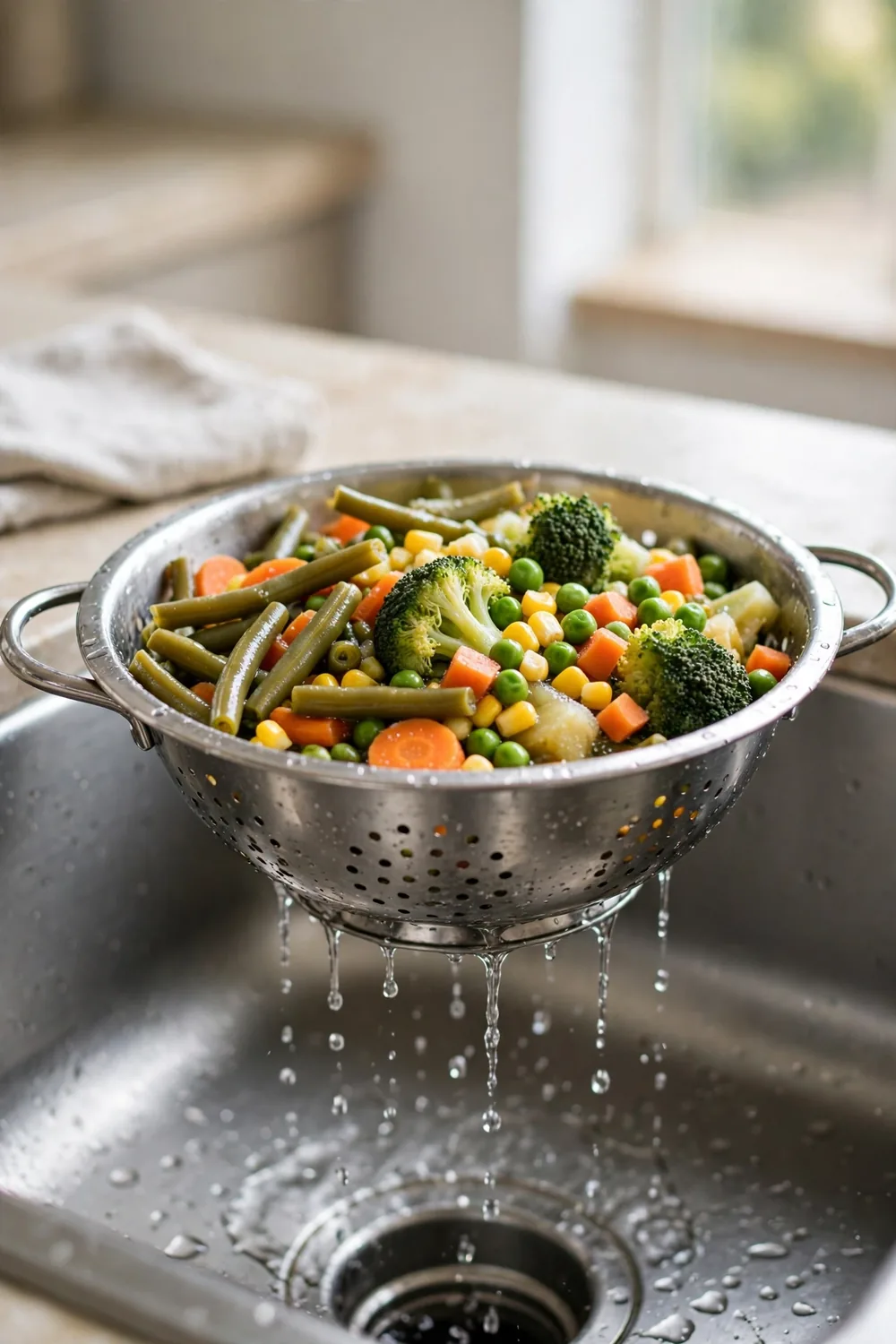
What You Need:
- Colander: Drains canned beans, tomatoes, and corn well.
- Clean towel: Presses extra moisture out of thawed vegetables.
- Fridge space: Thaws frozen items overnight.
- Bowl: Catches the liquid as it drains.
Canned beans, tomatoes, and corn sit in liquid that can flood a casserole. Pour them into a colander, rinse beans if you like, and let them drain well. Frozen vegetables release a surprising amount of meltwater as they thaw. Drain and pat them dry before they go into the dish.
Preheat the Oven Fully
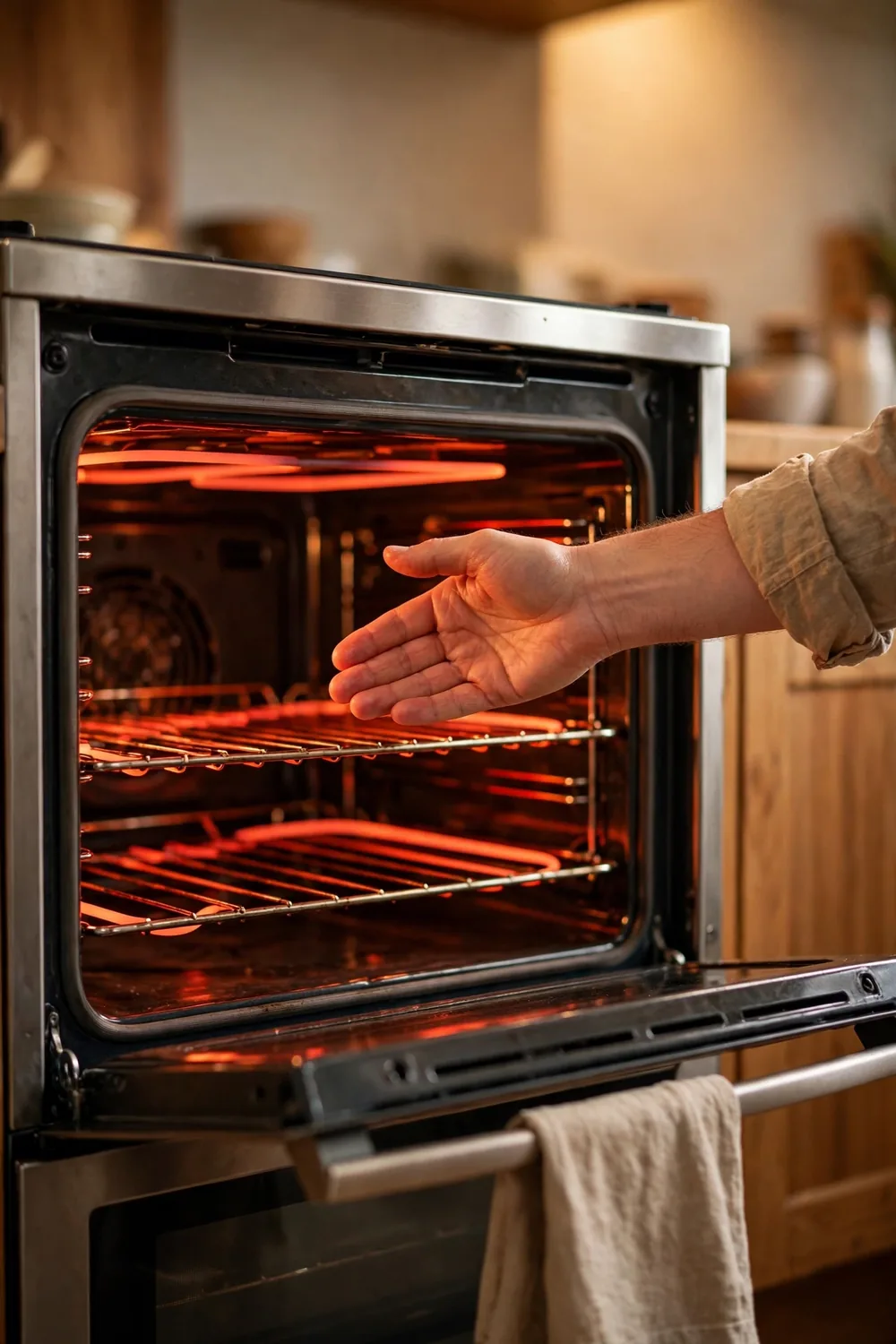
Before: A dish sliding into a cool oven steams slowly and releases more liquid. The sauce never gets the fast start it needs, and the base stays soft. The top may set while the bottom stays loose.
After: A fully hot oven sets the sauce quickly and drives off surface moisture from the start. The base firms up evenly, and the top turns golden. The bake holds its shape when served.
Wait until the oven signals it is ready, then give it five extra minutes. That steady heat helps the base firm up evenly. In my experience, rushing this step is one of the most common reasons a bake stays soft underneath. Use an oven thermometer if your oven runs cool.
Use the Right Dish
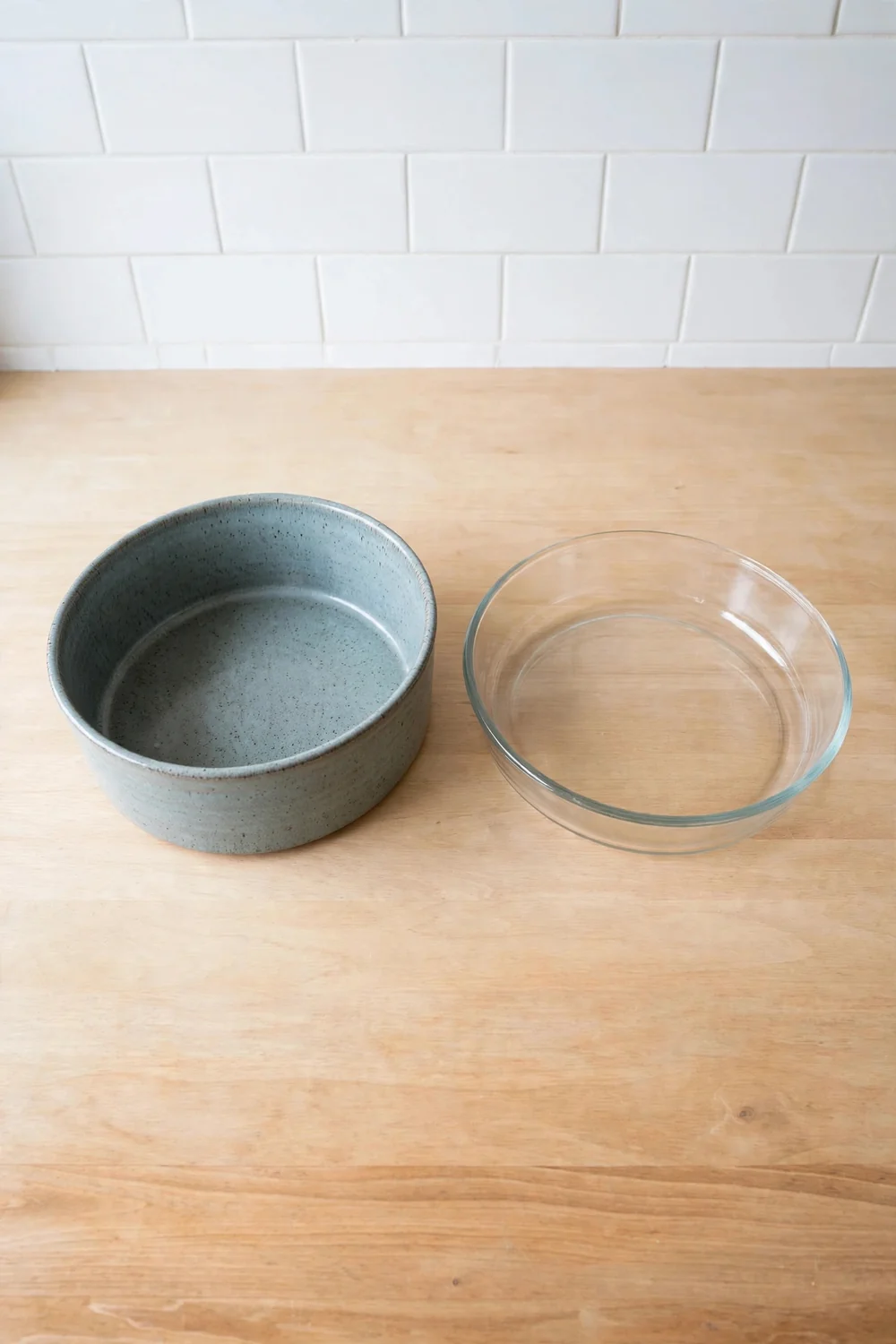
Do This:
- Choose a wide, shallow dish so more liquid can evaporate.
- Leave at least an inch of space at the top.
- Check metal pans a few minutes early, since they heat faster.
- Pick glass or ceramic for steady, even heat.
Avoid This:
- Do not use a deep, narrow dish that traps liquid at the bottom.
- Do not overfill any dish, since a full dish cannot bubble and reduce.
- Do not cover the dish for the full bake.
- Do not skip the rest time after baking.
A wide, shallow dish lets more liquid evaporate than a deep, narrow one. When the layer is thin, heat reaches the center faster and the sauce reduces. A deep dish traps liquid at the bottom. The right size dish gives the sauce room to thicken and the top room to brown.
Bake It Uncovered
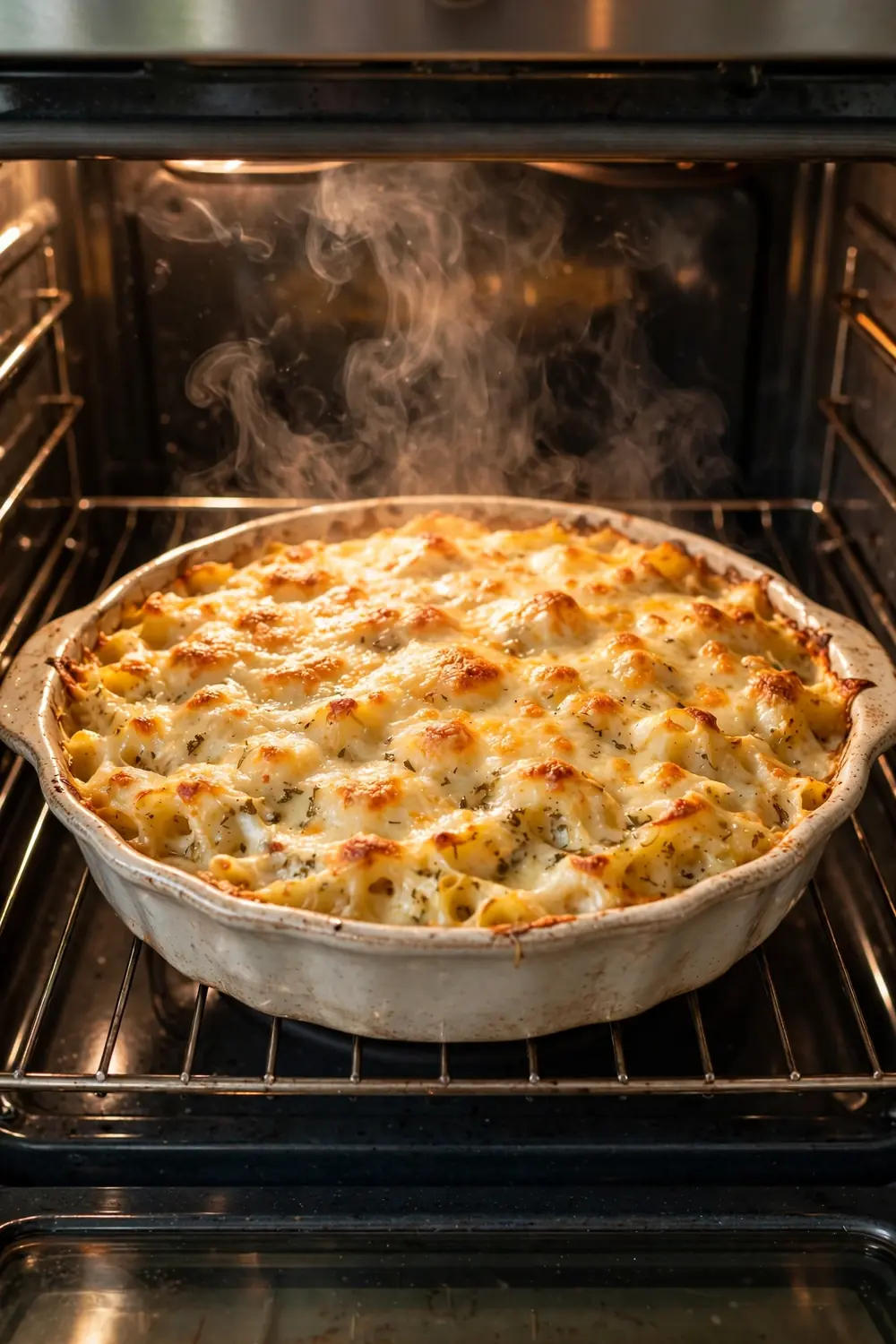
Time Uncovered: Last 15 to 20 minutes
Difficulty: Easy
Best For: Bakes with soft tops
Result: Golden top, firm base
Baking uncovered lets steam escape, so the sauce thickens instead of pooling. A foil cover traps moisture and keeps the top soft while the base stays wet. Remove the cover for the last fifteen to twenty minutes of baking. The top turns golden, and the sauce reduces to a rich, clinging layer.
Rest Before Serving
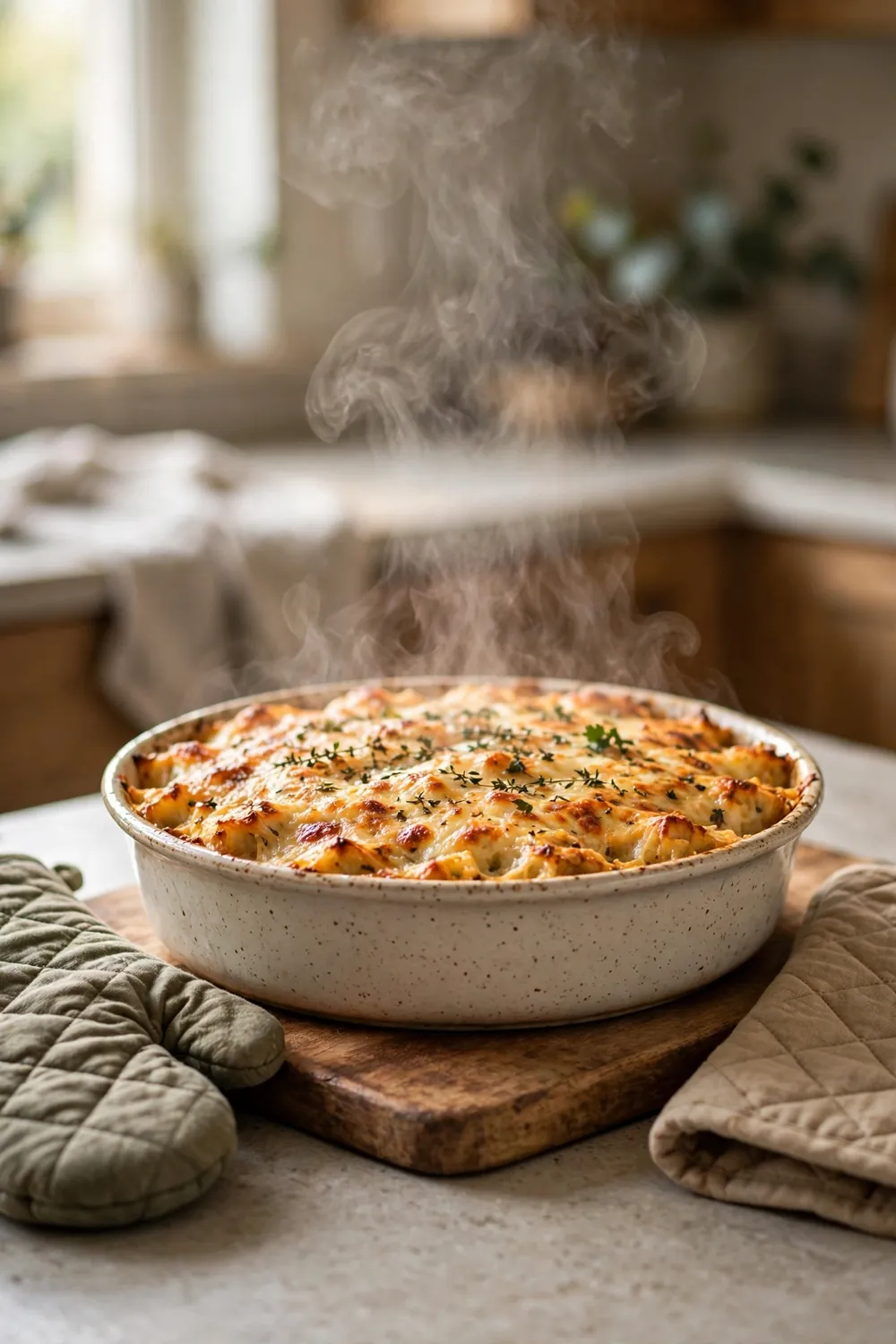
A casserole needs rest time to set after baking. Hot sauce is thin and loose right out of the oven, so cutting too soon lets it run. Let the dish stand on a rack for ten to fifteen minutes. The first slice may look messy, yet later slices hold better.
During this rest, the sauce thickens, the layers settle, and each serving holds its shape. I have noticed that skipping the rest is what ruins an otherwise firm bake. Use the rest time to set the table and toss a salad. When you serve, the portions stay neat.
Common Mistakes to Avoid
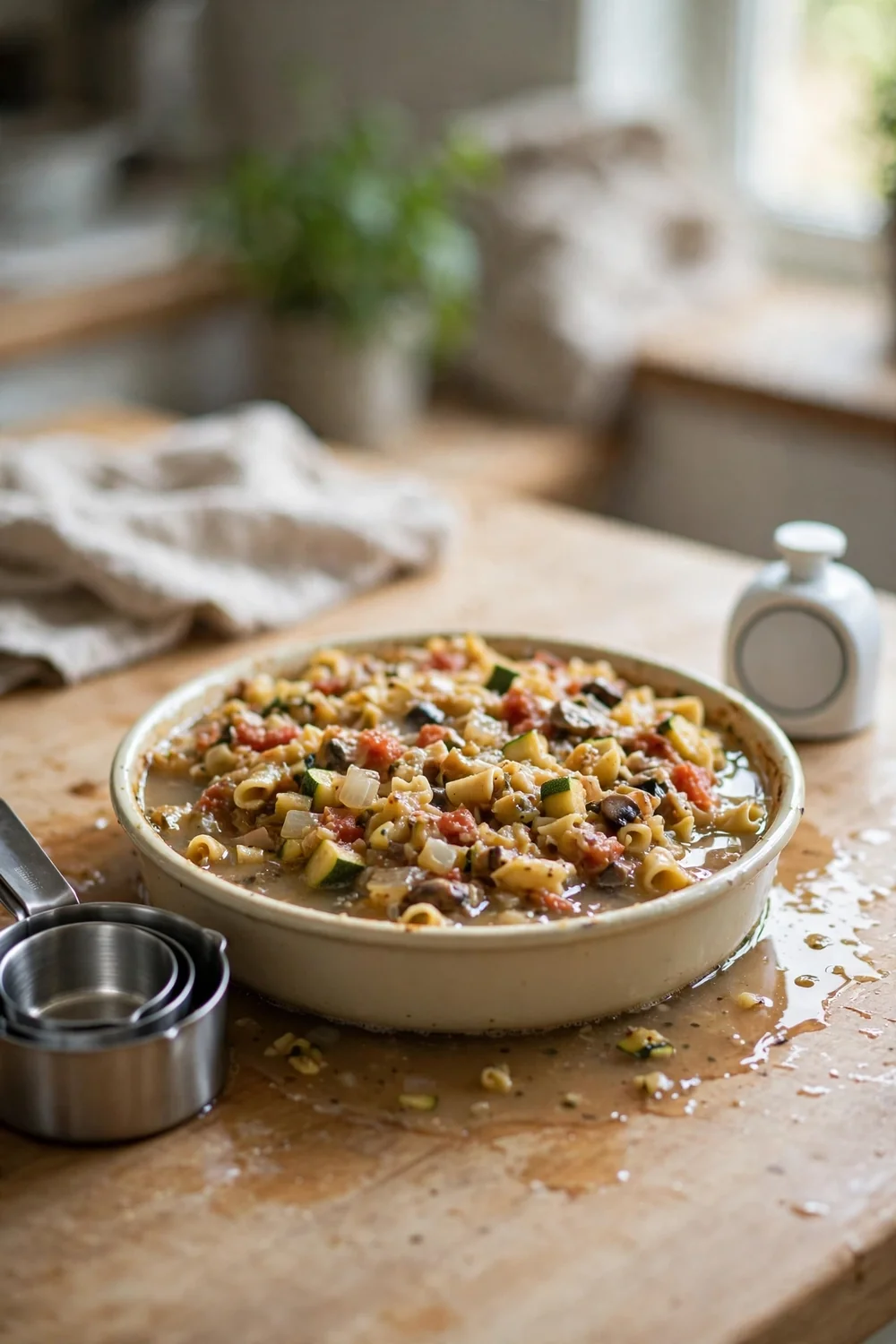
Most soggy bakes come from a few repeatable habits, even when the recipe itself is sound. Fix the habits one at a time, starting with drying and draining. The list below covers the mistakes I see most often in home kitchens.
- Do not add extra broth to keep the dish moist, since it only adds more liquid.
- Do not cover the dish for the full bake, so steam has somewhere to go.
- Do not skip the rest time, since the sauce stays loose.
- Do not crowd wet vegetables into a deep dish without drying them first.
Perfect Casserole Results
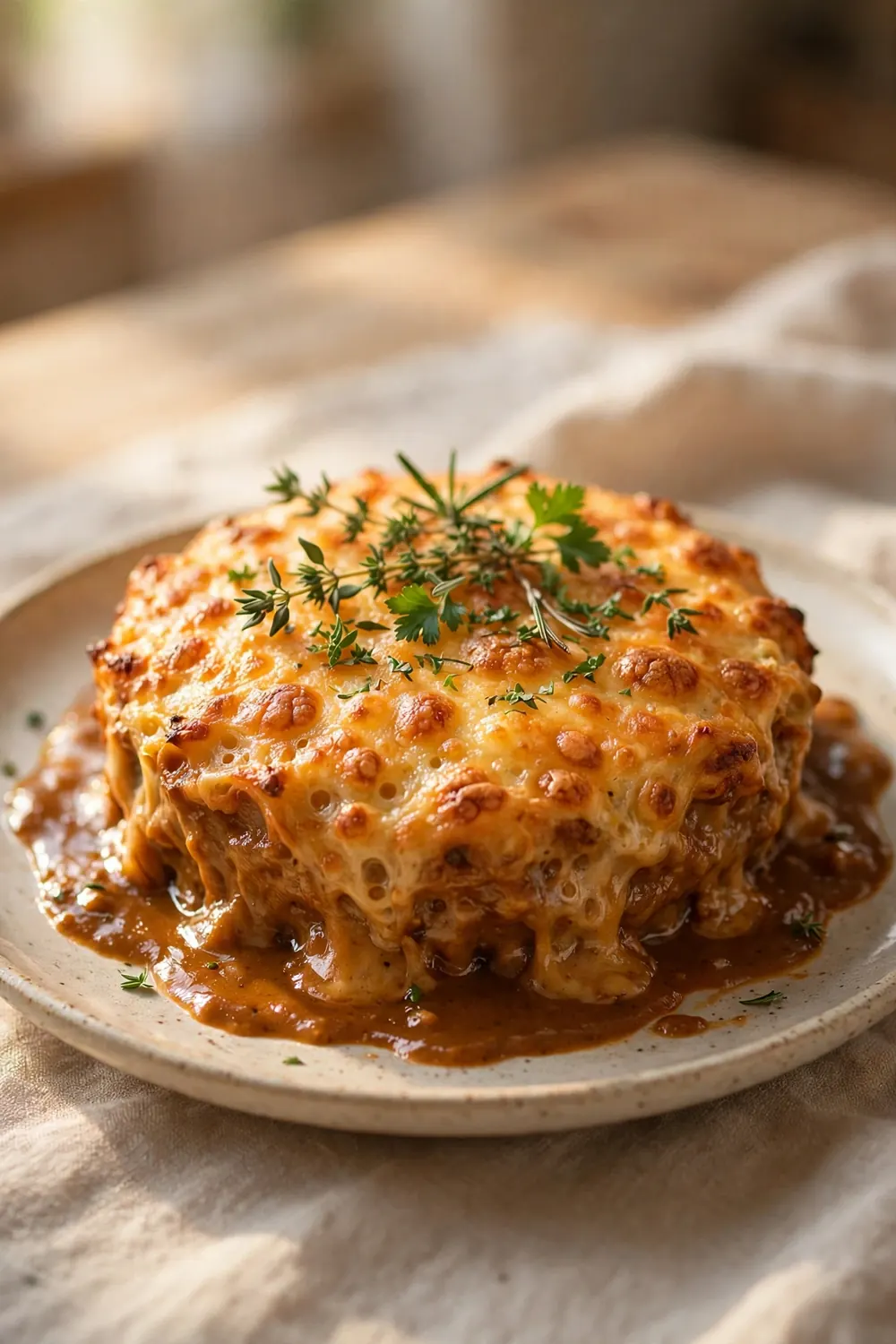
Quick Tip: Press the center with a spoon before serving. It should feel set and spring back slightly, not sink into liquid.
A perfect casserole looks golden on top, with edges that bubble and a sauce that clings. The layers stay in place when you lift a serving, and the base feels set, not soft. The aroma smells savory, with no pool of liquid on the plate.
Conclusion
A watery casserole is easy to fix once you find where the extra liquid comes from. Dry the ingredients, use less liquid, thicken the sauce, and bake uncovered. Let the dish rest, and the base will set into a firm, rich bake.
Start with the simplest fix first, then add the next one if the sauce still looks thin. Small, steady changes protect the flavor while the bake firms up. Try the steps tonight and enjoy a firm serving.
Save this guide on Pinterest for your next bake. And if heat is the problem instead, read our guide on too spicy curry for a calm, balanced fix.






2 Comments