Why Are My Homemade Tortillas Stiff and Hard? Easy Fix Guide
If your hard homemade tortillas crack the moment you fold them, you are not alone. Many home cooks face the same stiff result. The good news is that a few small changes can bring back soft, flexible tortillas.
This guide walks through the most common reasons tortillas turn stiff and shows clear fixes for each one. You will learn how flour, fat, water, kneading, rest time, thickness, and heat all work together.
Follow these steps in order, and your next batch should stay soft in the basket and flexible on the plate. Small habits make the biggest difference when you want tender tortillas. And if flat, dense biscuits are your trouble instead, see why flat hard biscuits happen and how to make them rise tall.
Why Tortillas Turn Stiff
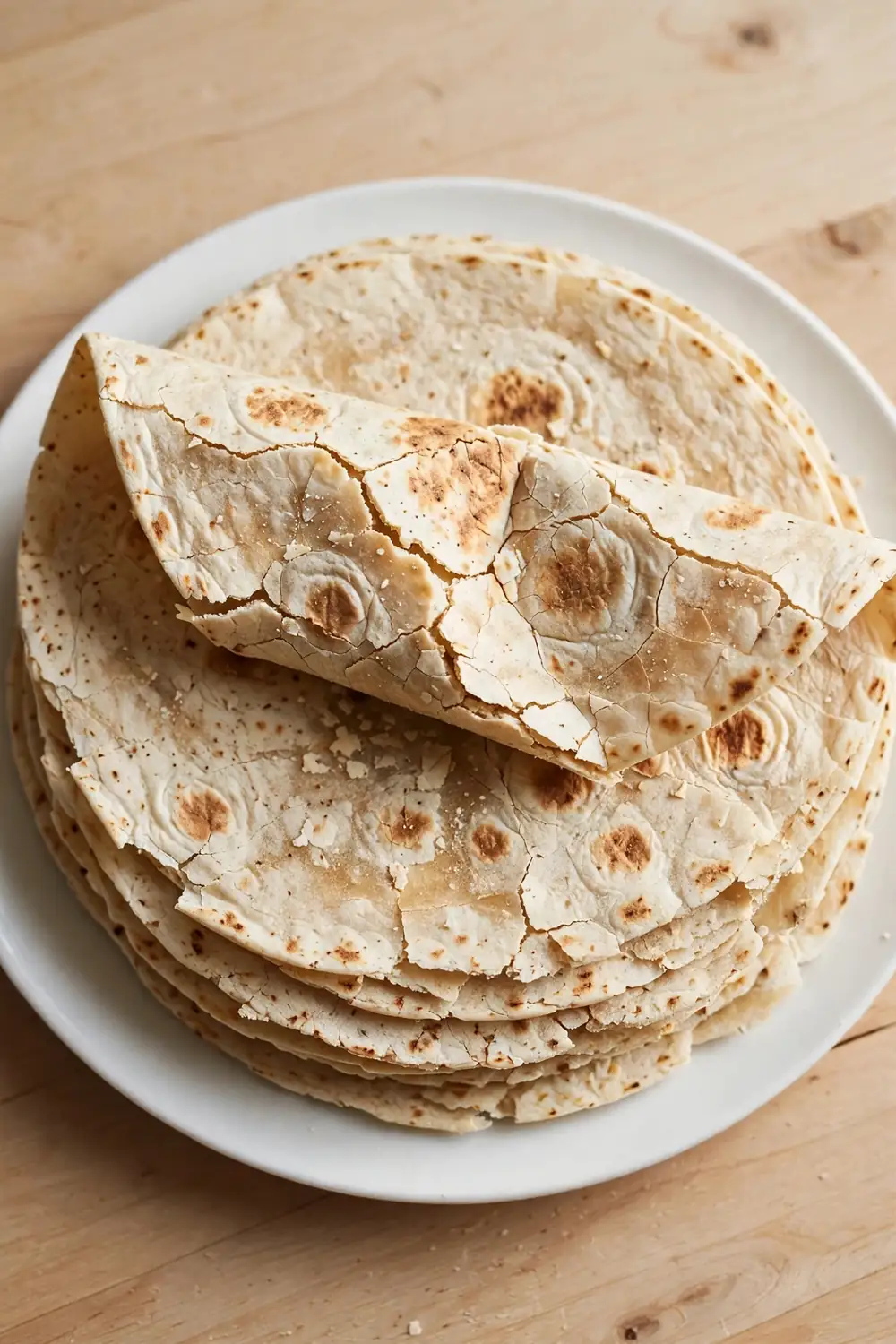
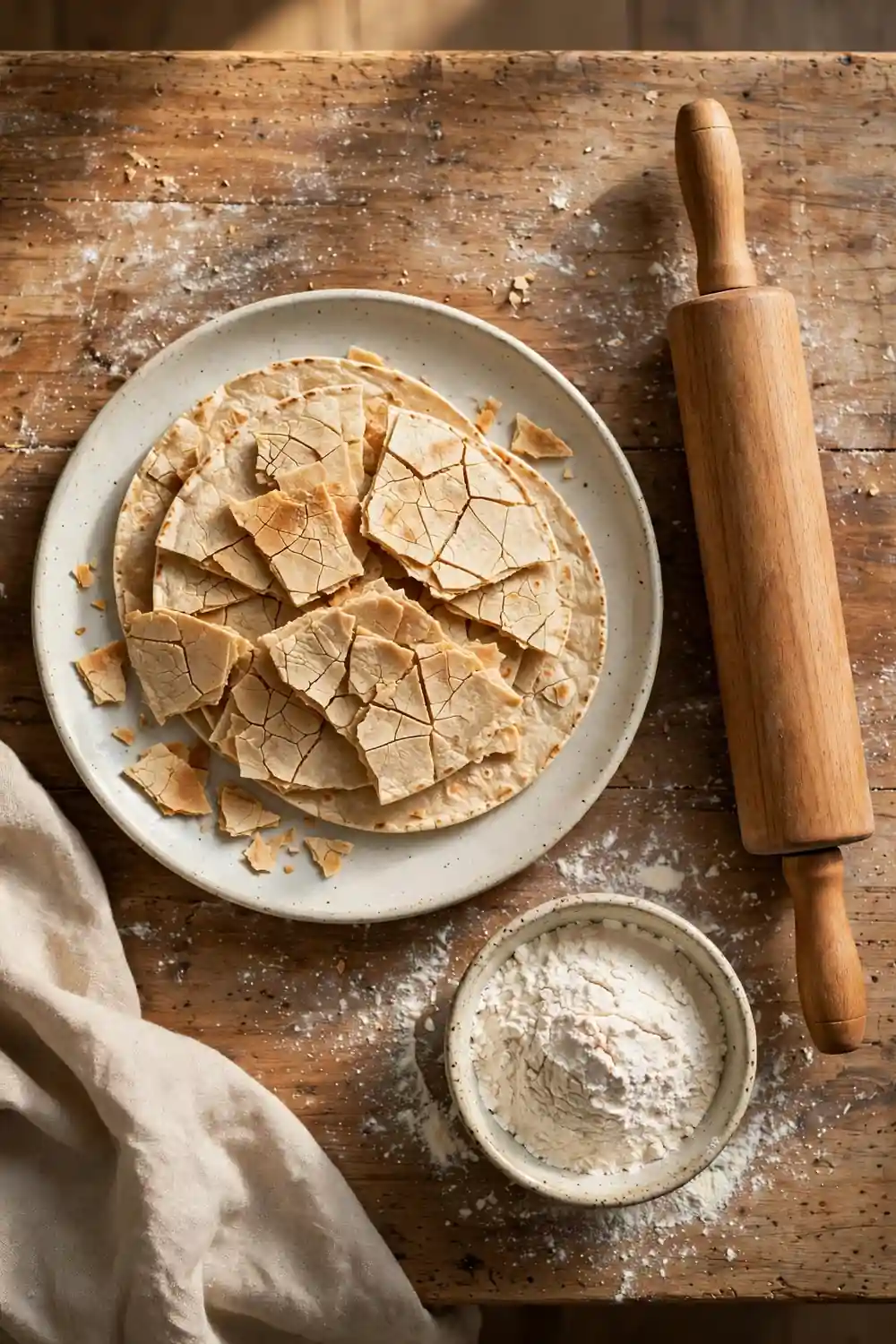
Before: Dry dough cannot relax, so it bakes into a firm sheet instead of a soft round. Low heat dries the surface before the inside sets, and uncovered tortillas lose steam fast.
After: Soft, slightly tacky dough rests well and cooks into a flexible round. Quick cooking on high heat traps steam inside, and a covered stack stays soft.
Tortillas usually turn stiff when the dough lacks enough moisture, fat, or rest. Keep the dough soft and slightly tacky, give it time to rest, and cook each tortilla quickly on high heat. Cover the finished stack to trap steam. These small habits protect tenderness and keep each round flexible for tacos, wraps, and quesadillas.
Use the Right Flour
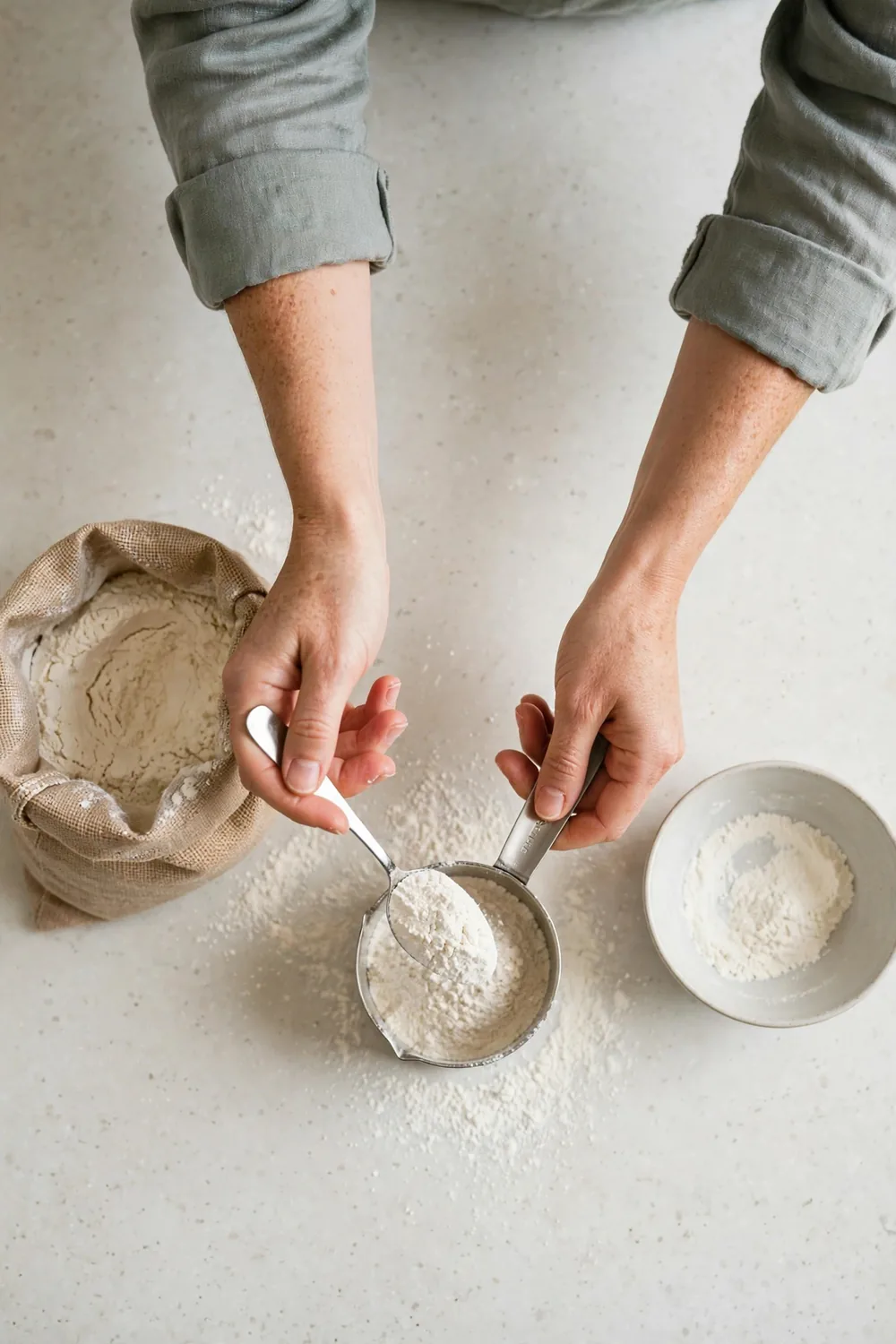
Do This:
- Use all purpose flour for the softest result.
- Store flour in a sealed container in a cool place.
- Spoon flour into the cup and level it off.
Avoid This:
- Do not use bread flour, since extra protein makes tortillas tougher and chewier.
- Do not use whole wheat flour alone, since it absorbs more water and firms up fast.
- Do not scoop straight from the bag, since scooping packs in extra flour.
All purpose flour gives a soft result for most home cooks. Bread flour has more protein, so it can make tortillas tougher and chewier than you want. Whole wheat flour absorbs more water and firms up fast. If your tortillas feel tough, switch to all purpose flour and notice how much softer the dough feels.
Add Enough Fat
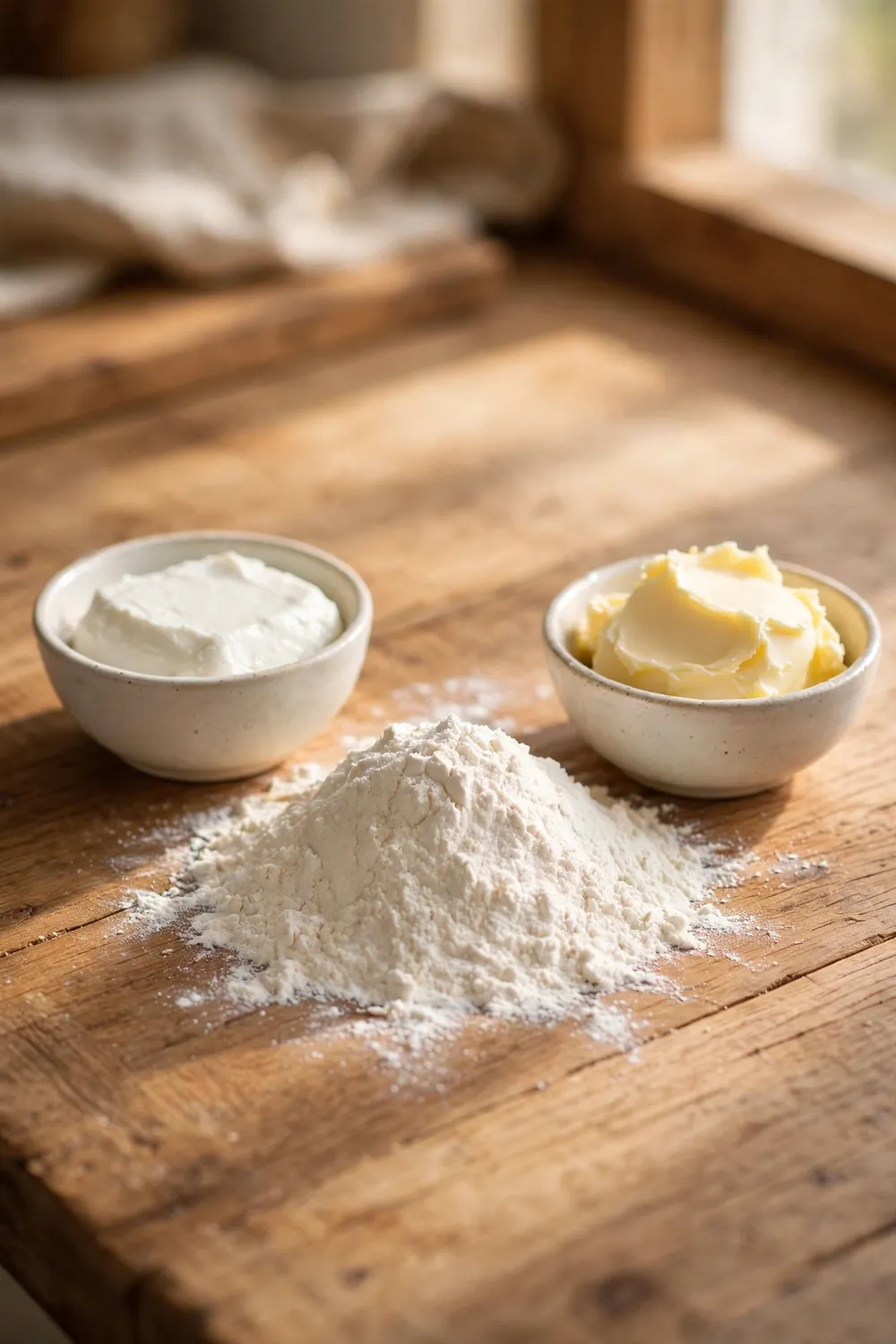
Amount: about three tablespoons of fat per two cups of flour
Softest choice: lard for the most flexible result
Butter note: adds flavor but firms up as tortillas cool
Mix cue: rub fat in until the mix looks like coarse crumbs
Fat coats the flour and keeps tortillas tender after cooking. Without enough fat, the dough bakes dry and cracks when folded. Rub the fat into the flour until every bit is coated before you add water. If the dough feels dry after mixing, add a little more fat next time rather than extra water alone.
Measure Water Carefully
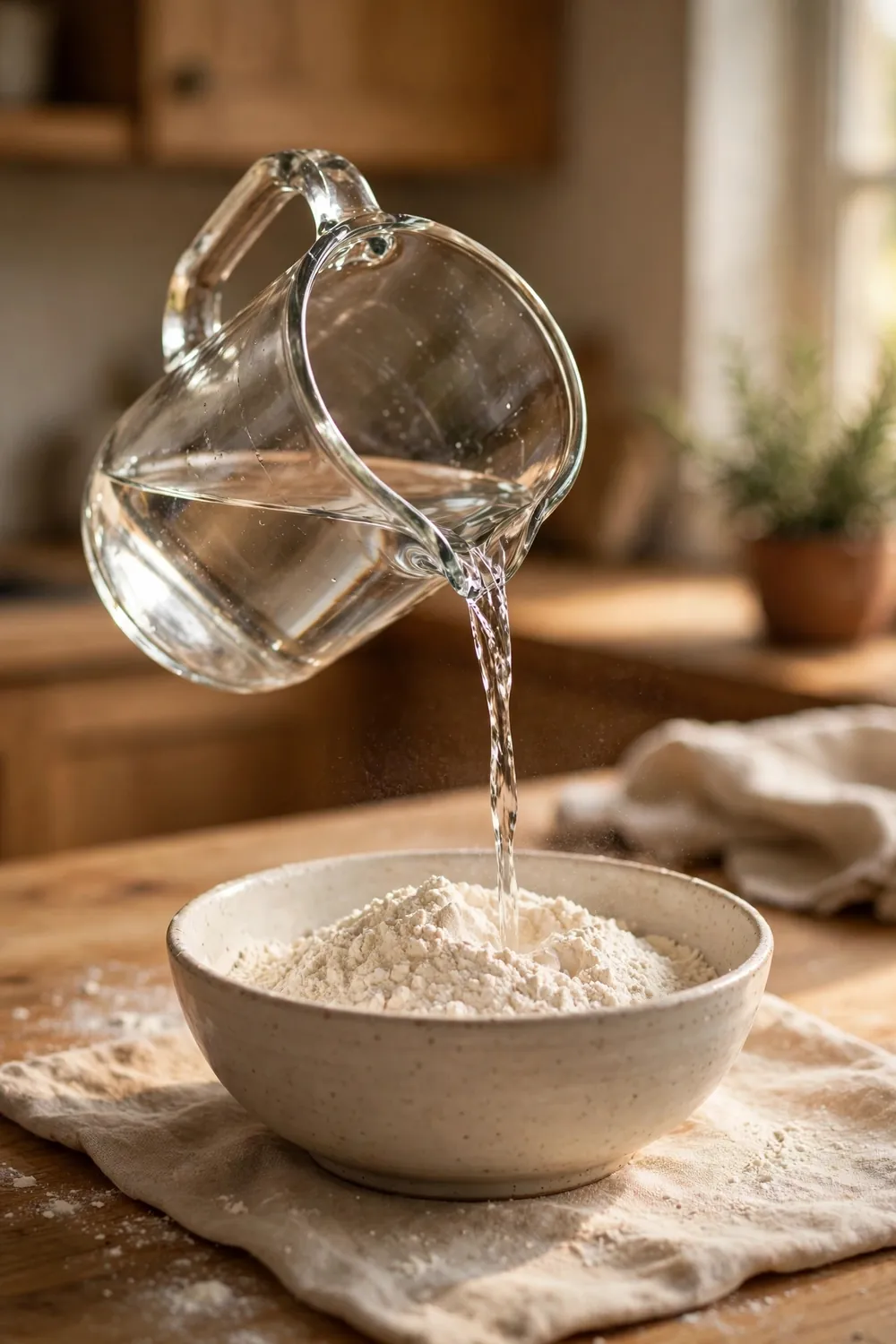
Water decides whether dough stays soft or turns firm. Too little water leaves dry dough that cracks when rolled. Too much water makes sticky dough that is hard to roll thin. Start with warm water, then add a spoon at a time until the dough feels soft and slightly tacky.
Warm water helps dough form faster and stay flexible. Cold water can leave dough stiff and slow to relax. Pour in most of the water first, mix, then judge the feel before adding more. If the dough tears, rest it five minutes before adding another splash.
Knead Until Smooth
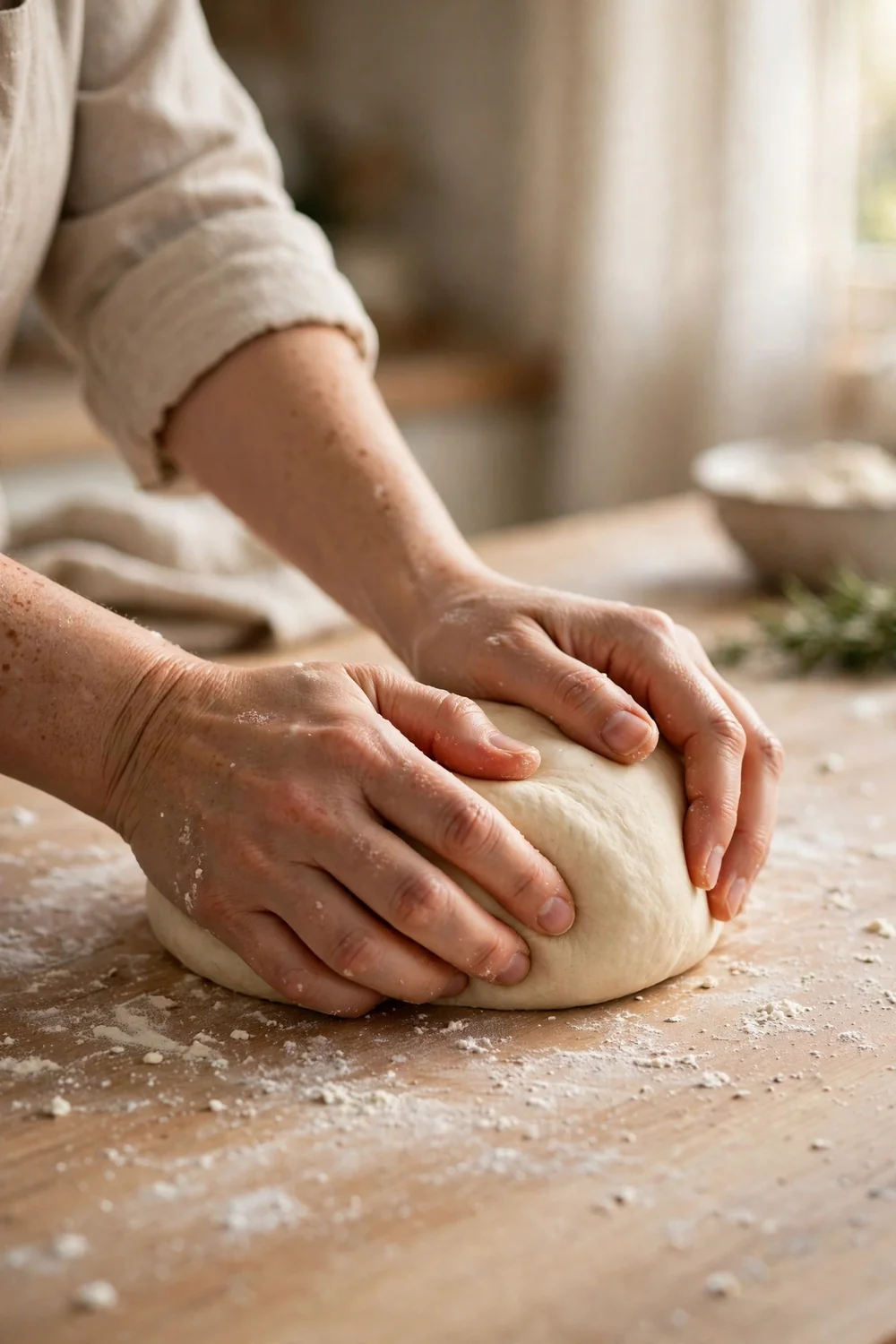
Kneading builds a dough that rolls thin without tearing. Knead on a floured counter for about five minutes, folding and pressing until the dough feels soft and even. It should spring back when pressed, with no rough cracks at the edges.
- Knead for about five minutes, folding and pressing the dough.
- Stop when the dough feels soft, even, and springy.
- If the dough keeps shrinking, cover it and rest it ten minutes.
- Do not over knead, since tight dough shrinks back when you roll it.
Rest the Dough
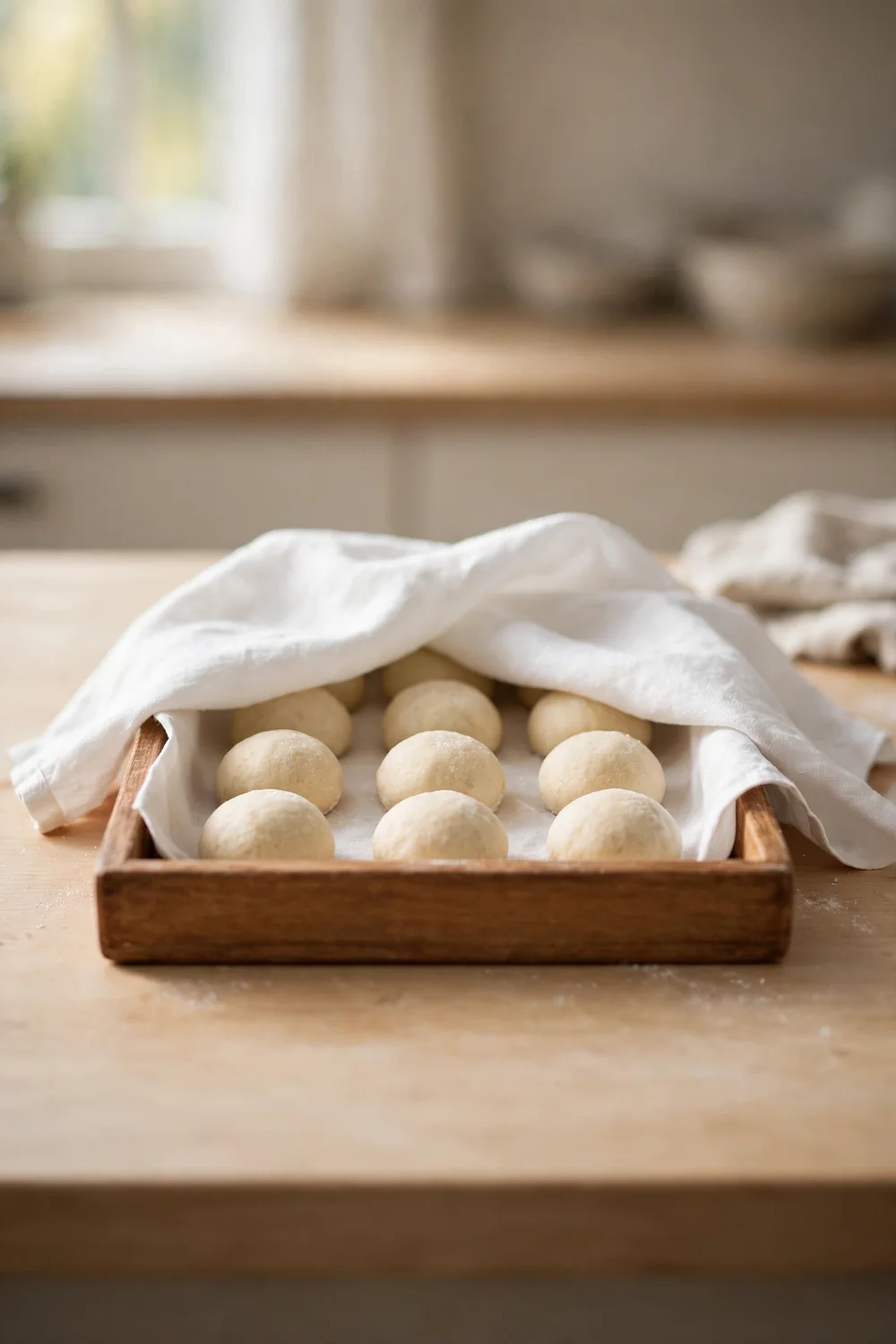
Quick Tip: Never skip the rest. Resting lets the flour absorb water and the dough relax, so rolling turns smooth instead of a fight. Divide the dough into equal balls, and rest them ten more minutes before rolling.
Resting is one of the most important steps for soft tortillas. After kneading, cover the dough and let it rest for at least thirty minutes. Skipping the rest leaves the dough tight and hard to roll, which leads to thick, firm tortillas. A rested dough rolls thin and cooks into a soft, flexible tortilla.
Roll Them Thin and Even
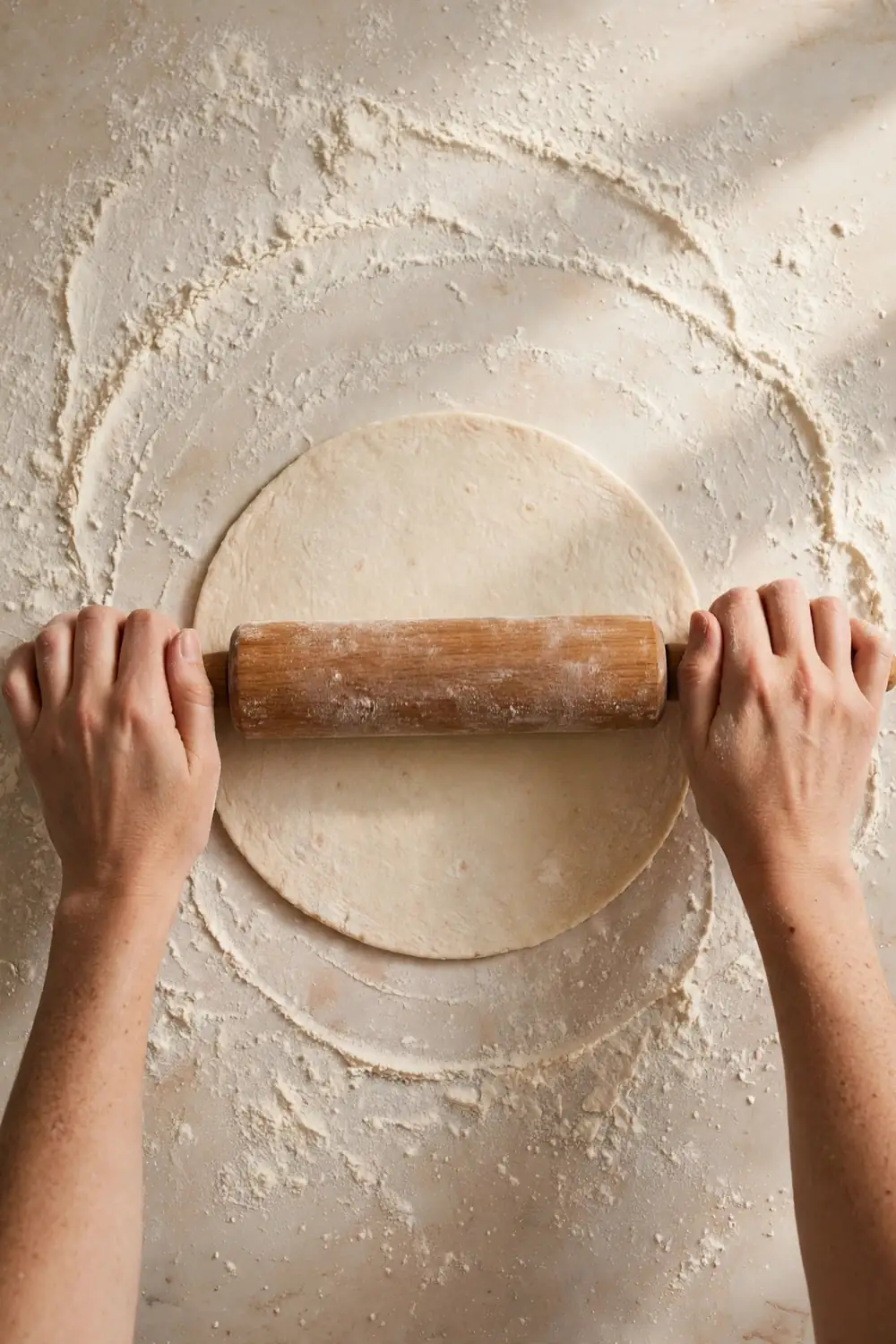
Common Mistake: Most cooks roll tortillas thick and uneven, with thin edges and a fat center. Thick rounds stay doughy inside and turn firm as they cool.
The Fix: Roll each ball from the center outward, turning often, until it looks thin and even. Aim for about eight inches across, with edges as even as the center.
Use a light dusting of flour while rolling. Too much flour dries the surface and makes tortillas stiff. If the dough sticks, add a tiny pinch, not a heavy coat. Roll gently without pressing hard, and rest the dough a minute if it shrinks back.
Cook on High Heat
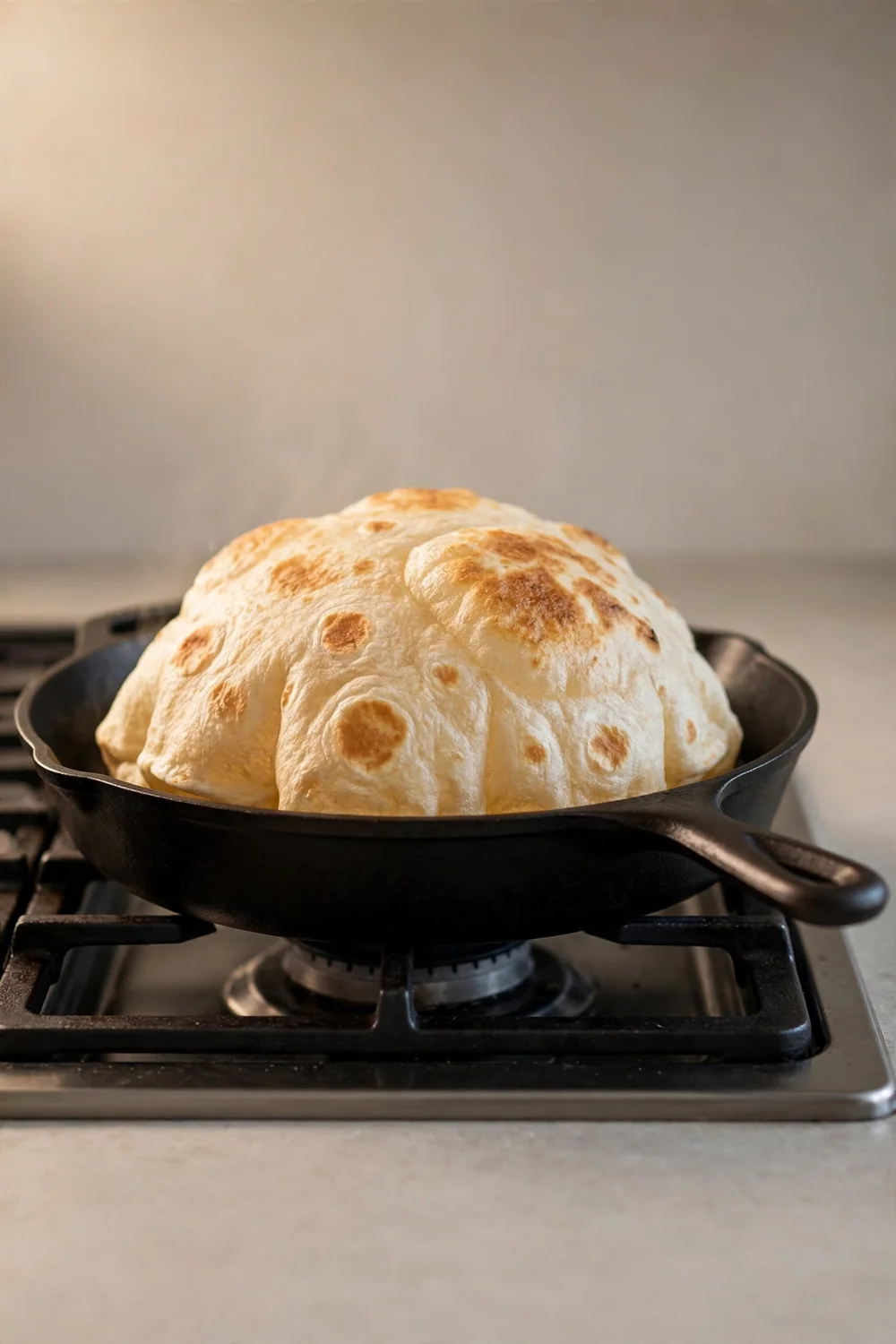
What You Need:
- Cast iron skillet: Holds steady high heat and helps the tortilla puff.
- Tongs: Lift each tortilla fast, since the cook takes under a minute.
- Clean towel: Stack hot tortillas in cloth to trap steam.
- Timer sense: About thirty seconds on the first side, twenty on the second.
- Light brown spots: Pull the tortilla when spots show and it puffs slightly.
A hot skillet is essential for soft tortillas. Preheat a cast iron skillet over medium high heat until a drop of water sizzles and vanishes at once. A cool pan dries the tortilla slowly and makes it firm. A hot pan cooks the surface fast, traps steam inside, and helps the tortilla puff.
Keep Them Warm and Covered
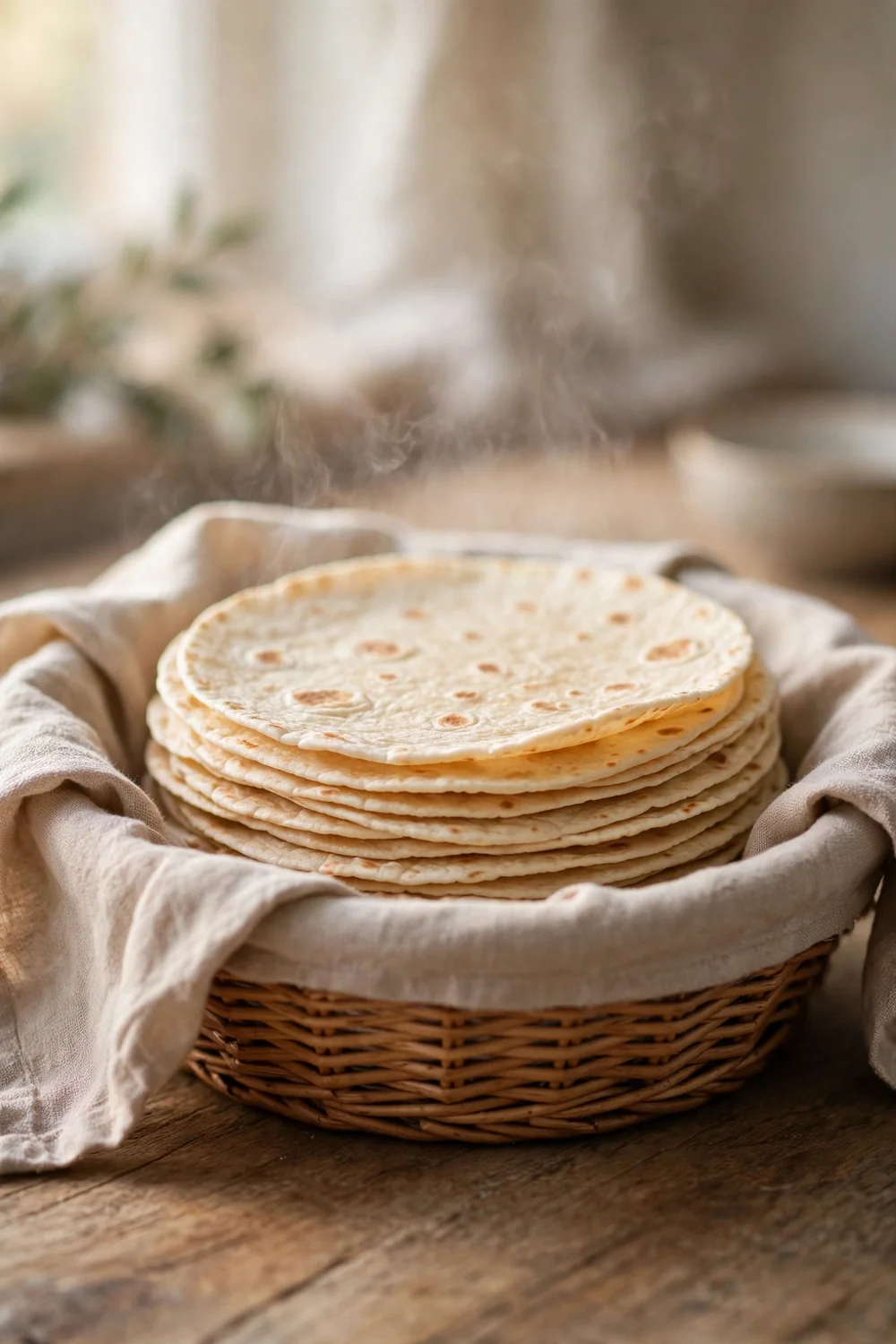
Before: Leaving tortillas uncovered lets moisture escape, so they cool into firm, brittle rounds within minutes. The stack dries out, and each round turns stiff.
After: A cloth lined basket traps steam, so the stack stays soft and flexible. Each tortilla softens the next one, and the bundle holds warmth until serving.
Steam is your best friend after cooking. Move each tortilla from the skillet into a towel or a cloth lined basket. Fold the cloth over the stack after each addition. Serve tortillas while warm for the softest texture, and keep the bundle covered in a warm spot.
Common Mistakes to Avoid
Do This:
- Rest the dough fully before rolling.
- Use enough fat and water for a soft dough.
- Cook on high heat for a quick puff.
Avoid This:
- Do not skip the rest, since tight dough resists rolling and bakes firm.
- Do not overwork cold dough, since forcing it thin makes it tough.
- Do not add too much flour while rolling, since extra flour dries the surface.
Overworking cold dough causes trouble. If dough fights back, stop and let it rest instead of forcing it thin. A third mistake is cooking on low heat, which dries each round before it can puff. Stacking tortillas without a cover is the last error. Always keep the stack wrapped so steam can do its work.
What Soft Tortillas Look Like
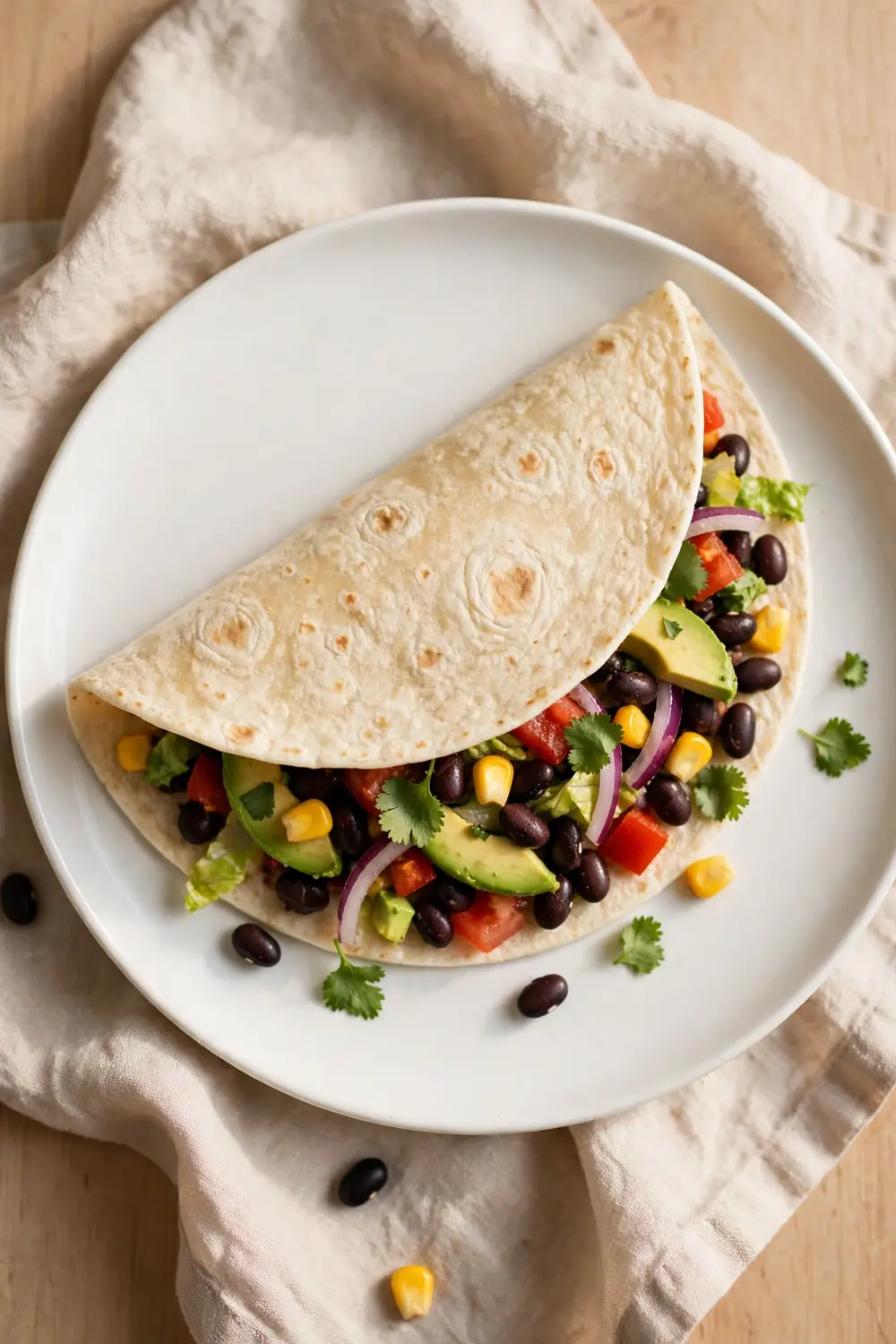
Bend test: bends without cracking and folds around fillings
Surface: brown spots, not dark patches
Feel: edges stay flexible, center feels tender
Taste: fresh and wheaty, with a soft chew that never feels tough
A soft tortilla bends without cracking and folds around fillings. The surface shows brown spots, not dark patches, and the edges stay flexible. The center feels tender when pressed, and the stack settles flat and stays pliable. If a batch feels firm, check rest time and heat first, since those two fixes solve most problems.
Conclusion
In short, hard homemade tortillas usually come from dry dough, too little fat, a skipped rest, thick rolling, low heat, or uncovered storage. Fix those steps and each batch turns softer and more flexible. Soft tortillas need enough water and fat, a full rest, thin rolling, quick high heat, and a covered stack.
Start with your next batch and change one step at a time so you can see what helps most. Keep notes on water, rest time, and heat until soft results feel repeatable.
Try the steps on your next batch. If a different dish turns out wet, learn how to fix watery lasagna before your next family dinner.
2 Comments