Why Is My Lasagna Watery? Easy Fix Guide
Watery lasagna can turn a proud family dinner into a soupy disappointment, even when the top looks golden and bubbling. The layers slide apart because trapped water, thin sauce, and wet cheese work against the bake. Once you learn what causes the puddle, you can fix it with simple steps that fit any home kitchen.
Most watery results come from undrained ricotta, thin sauce, or noodles that carry extra water into the dish. Each layer adds a little moisture, and the total pools at the bottom. A short rest after baking makes things worse, since hot filling has not set yet.
This guide walks through draining, sauce, layers, baking, and resting, so your next lasagna slices clean with firm, neat layers. And if stiff tortillas are your trouble instead, see why hard homemade tortillas happen and how to soften them.
Why Lasagna Turns Watery
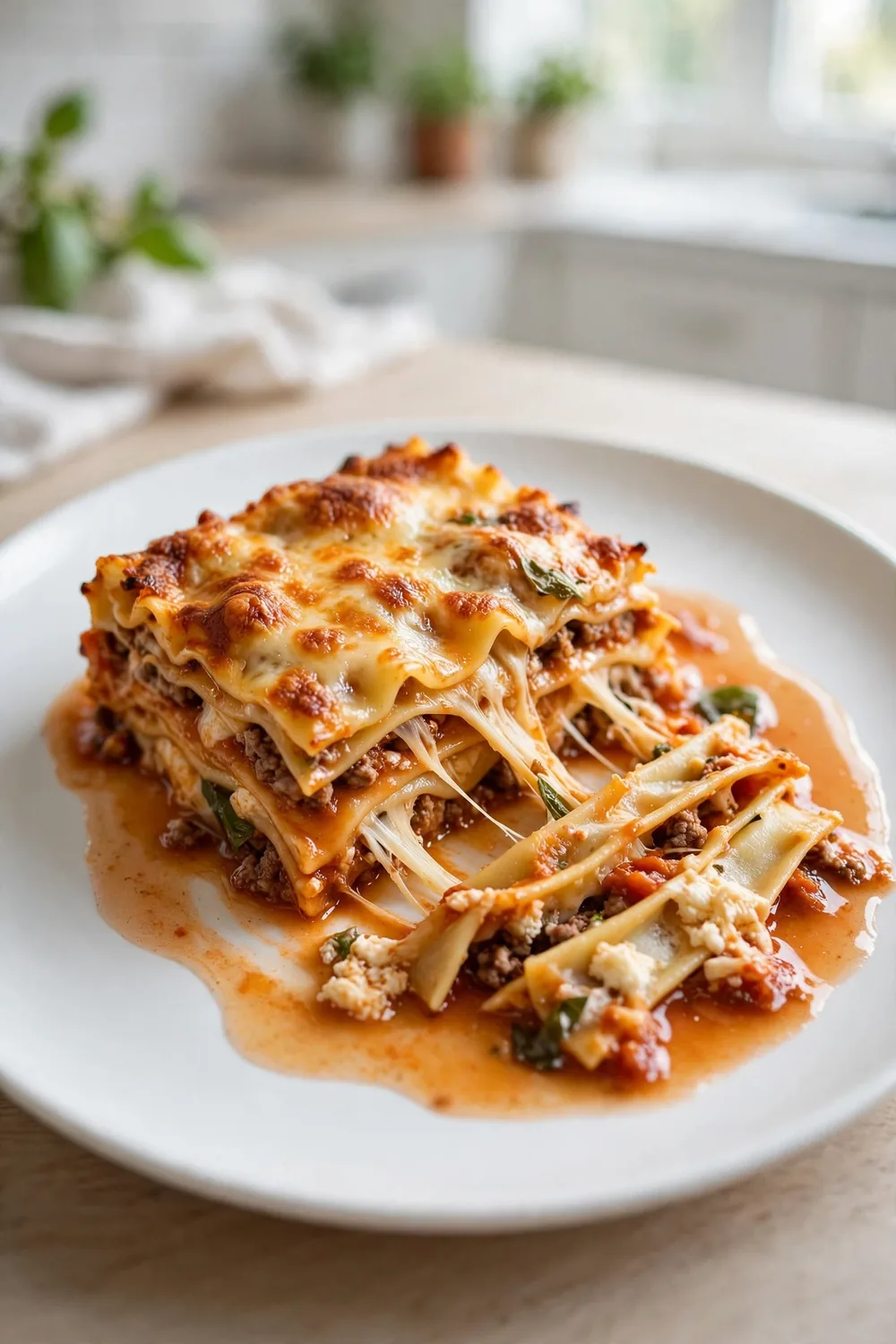
A lasagna turns wet when water from cheese, sauce, noodles, and vegetables pools faster than heat can drive it off. Ricotta holds whey, thin sauce adds free liquid, and boiled noodles carry water into every layer. The dish traps steam under foil, so moisture has nowhere to go and settles at the bottom.
Cutting too soon also keeps the layers soft, since hot cheese and sauce have not firmed up yet. In my experience, a lasagna that looks done on top can still be soupy underneath. Checking drainage, sauce thickness, and resting time shows the real cause. Once you spot it, the fixes below work fast.
Drain the Ricotta Well
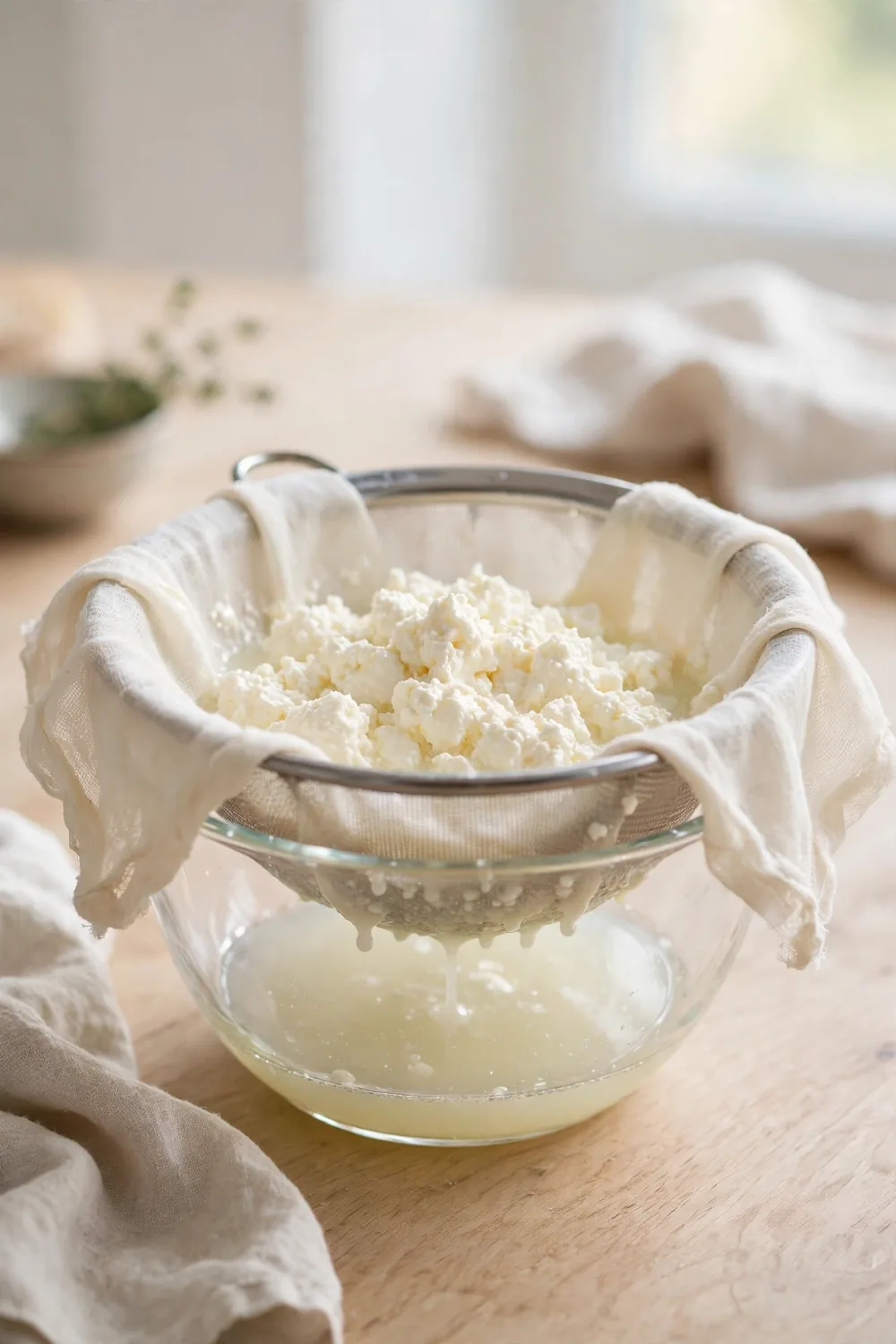
Ricotta is the biggest source of water, so draining it makes a real difference. Spoon the ricotta into a cheesecloth lined strainer set over a bowl, and let it drain for thirty minutes. Press gently at the end to push out the last whey. The cheese should feel thick and spreadable, not loose and drippy.
Skip the quick stir and drain step, and the whey will leak out in the oven instead. If your ricotta still looks wet, drain it for a full hour in the fridge. A dry ricotta layer holds its shape and keeps the layers firm. This one step alone fixes many watery bakes.
Cook the Sauce Thick
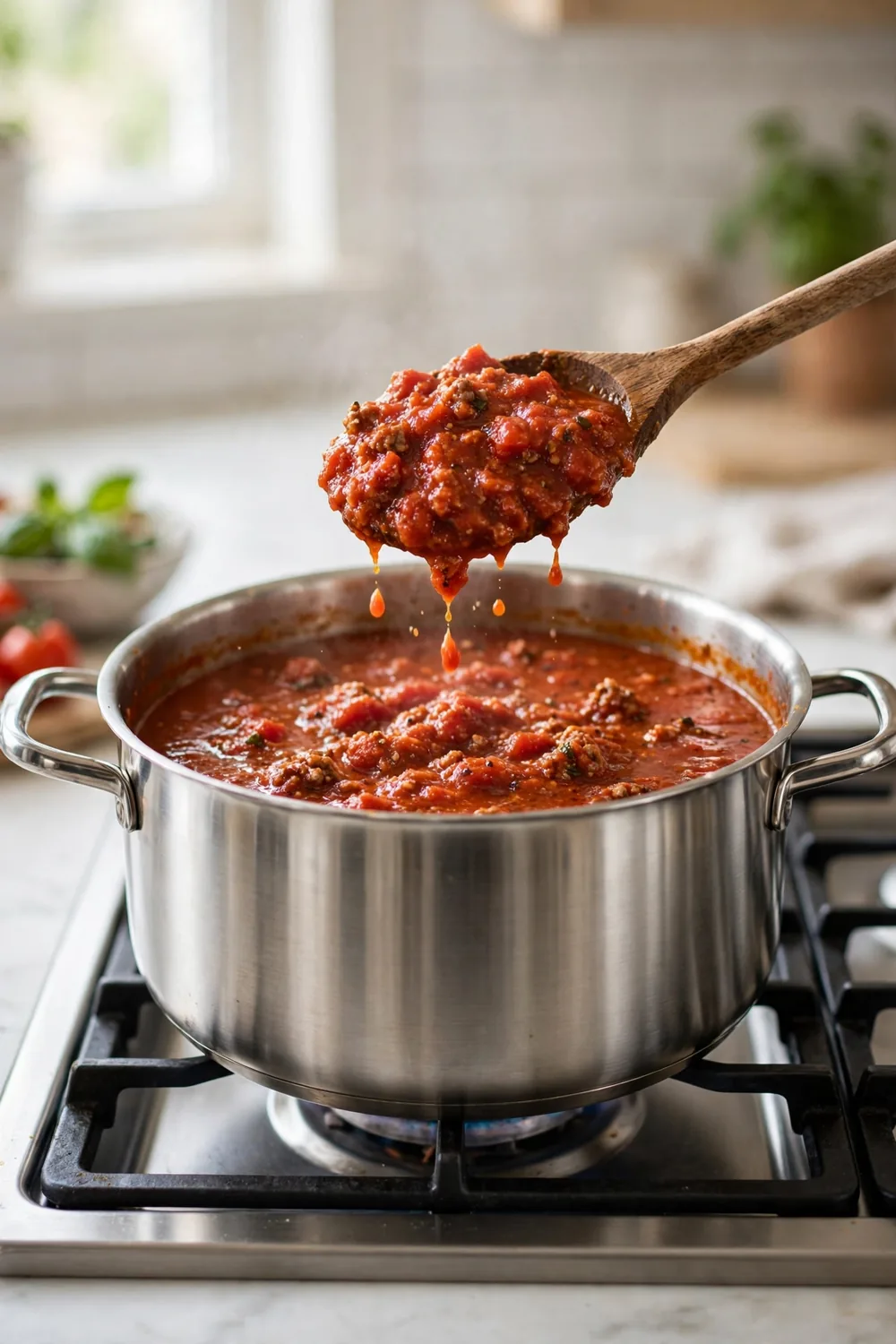
Thin sauce floods every layer, so cook it down until it coats a spoon and holds a slow bubble. Simmer tomato sauce with meat or vegetables for twenty to thirty minutes, stirring often. The sauce should look rich and thick, not watery or soupy. A thick sauce stays where you spread it.
Do not add extra water to stretch a small batch, since it only thins the bake. If canned tomatoes taste watery, drain some juice before cooking. Taste and season after the sauce thickens, since flavors concentrate as water leaves. Thick sauce is the base of firm, neat layers.
Precook the Noodles Right
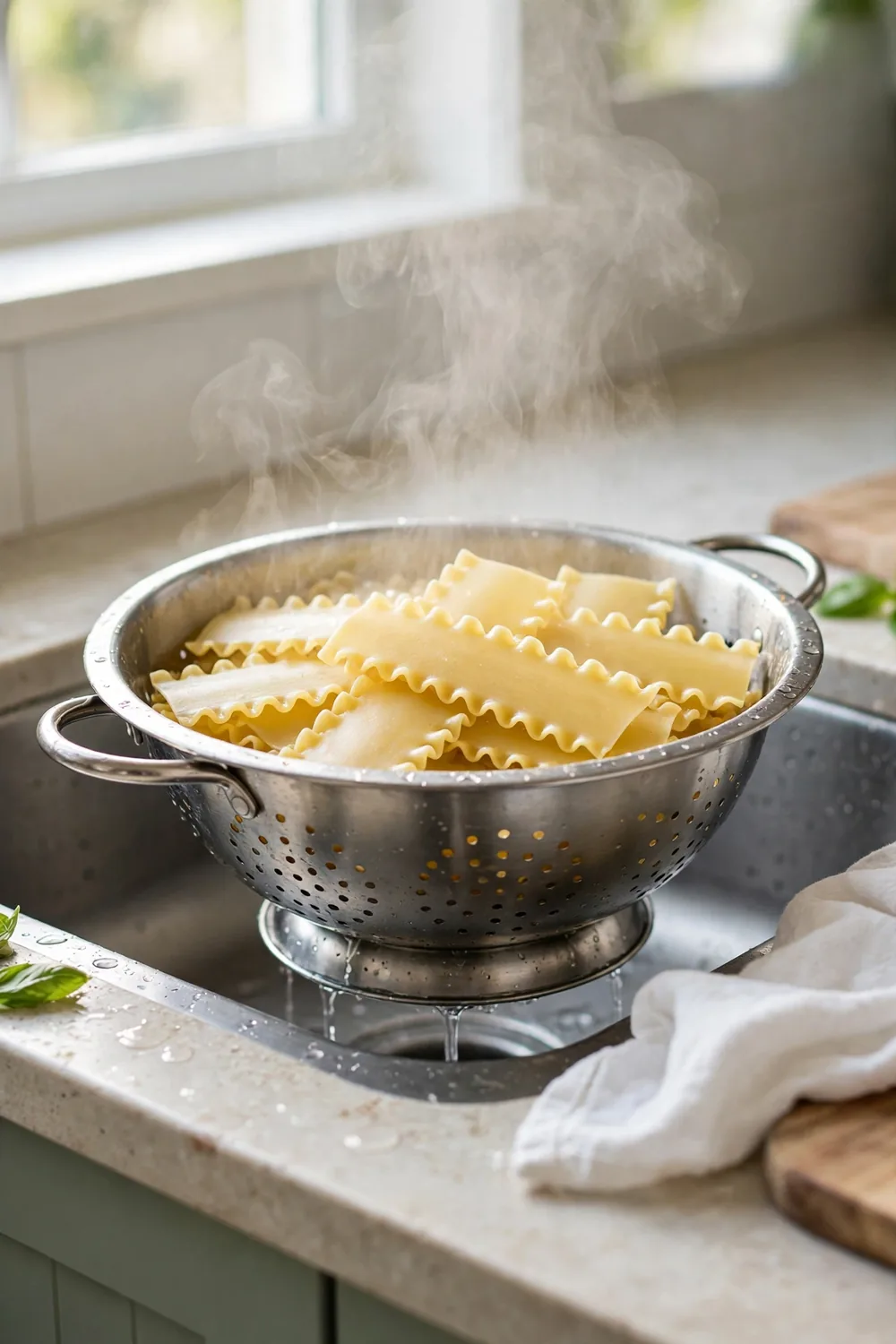
Boiled noodles carry water into the dish, so drain them well and dry them briefly before layering. Cook noodles just until pliable, a minute shy of package time, since they keep cooking in the oven. Lay them on a clean towel so they do not stick. Dry noodles absorb sauce instead of adding water.
If you use no boil noodles, keep the sauce a little looser, since those sheets drink liquid as they bake. Do not soak no boil noodles ahead of time, or they turn soft. Match the noodle type to the sauce thickness, and the layers will set evenly. A little care pays off at slicing time.
Do Not Overload the Layers
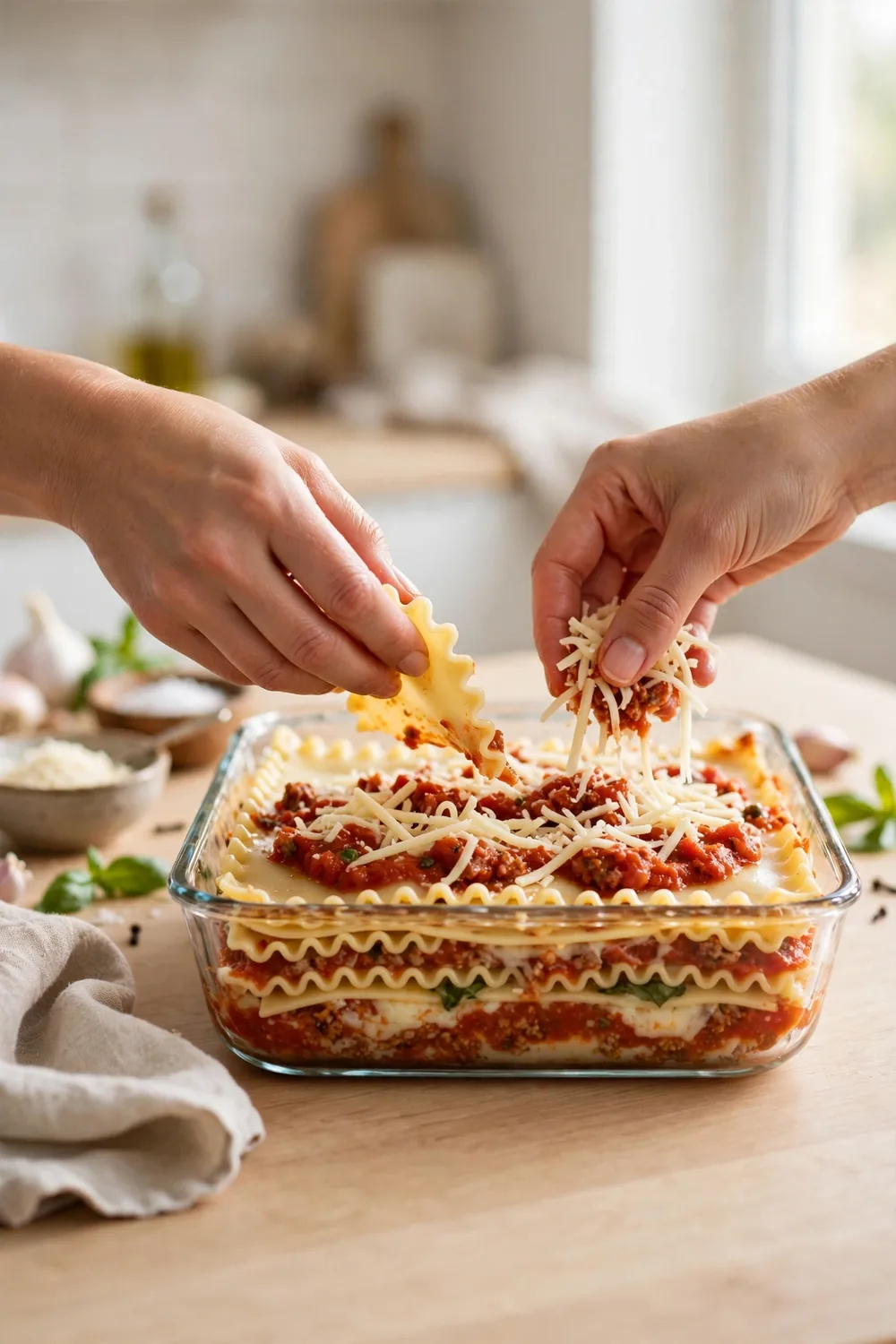
Too many layers trap steam and keep the center wet, even when the top looks done. Three to four layers of noodles are enough for a home lasagna. Keep each layer thin and even, so heat reaches the middle. Thick piles of filling stay cool inside and leak liquid when cut.
Spread cheese, sauce, and vegetables in thin even coats, and press each layer gently before adding the next one. A tall stack looks generous but bakes unevenly. A lower, even lasagna sets faster and slices clean. Restraint here gives a neater result on every plate and a cleaner slice.
Use Less Sauce Per Layer
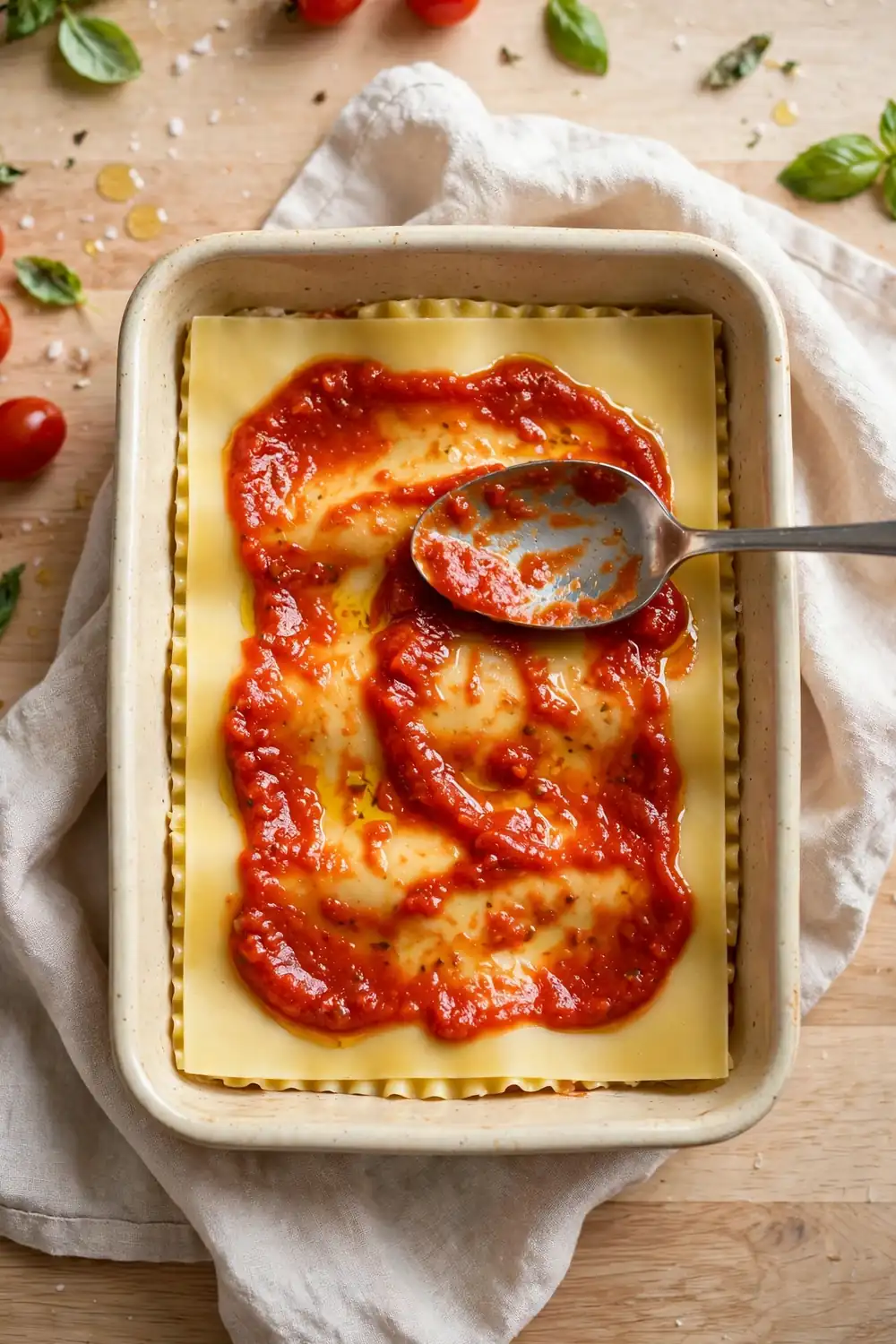
Extra sauce on each layer adds up fast, and the total pools at the bottom of the dish. Use about half a cup of sauce per layer, spread thin with a spoon. Each noodle layer needs only a light coat, not a flood. The cheese and vegetables add moisture too, so keep sauce modest.
Save a little extra sauce for the top, where it keeps the surface moist without soaking the base. If the sauce still looks generous, spoon some back into the pot. A light hand with sauce lets the layers firm up instead of swimming. Measure once, and the habit becomes easy.
Bake It Long Enough
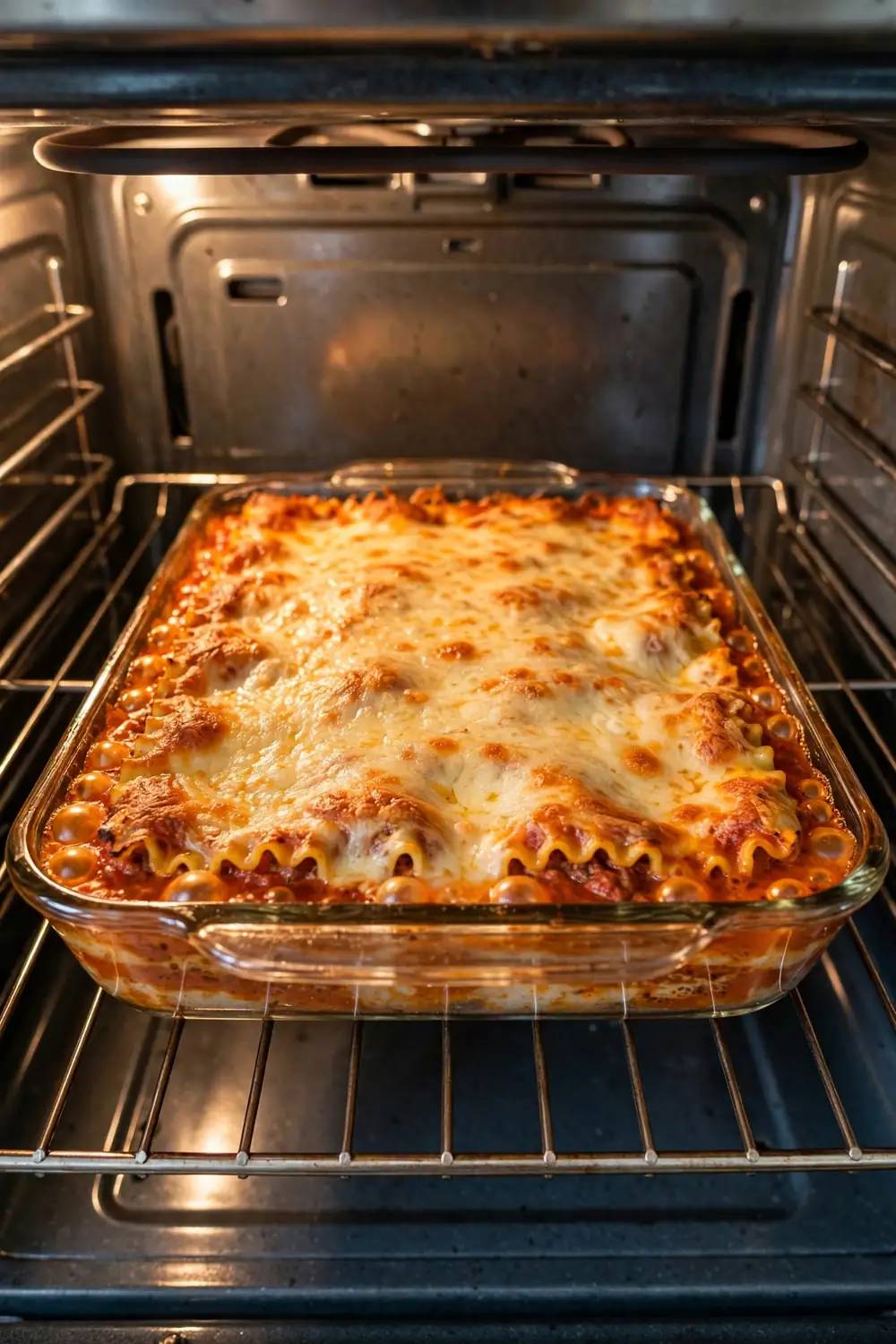
Underbaking leaves starch and cheese unset, so the layers slide apart when cut. Bake covered with foil for about twenty five minutes, then uncovered for twenty more, until the edges bubble and the top turns golden. The center should bubble too, not just the edges. That steady heat drives off extra moisture.
Do not pull the dish out early because the top looks brown, since the middle may still be cool and wet. If the top browns too fast, tent foil loosely over it and keep baking. Trust bubbling and time more than color alone. A full bake gives firm, set layers.
Let It Rest Before Slicing
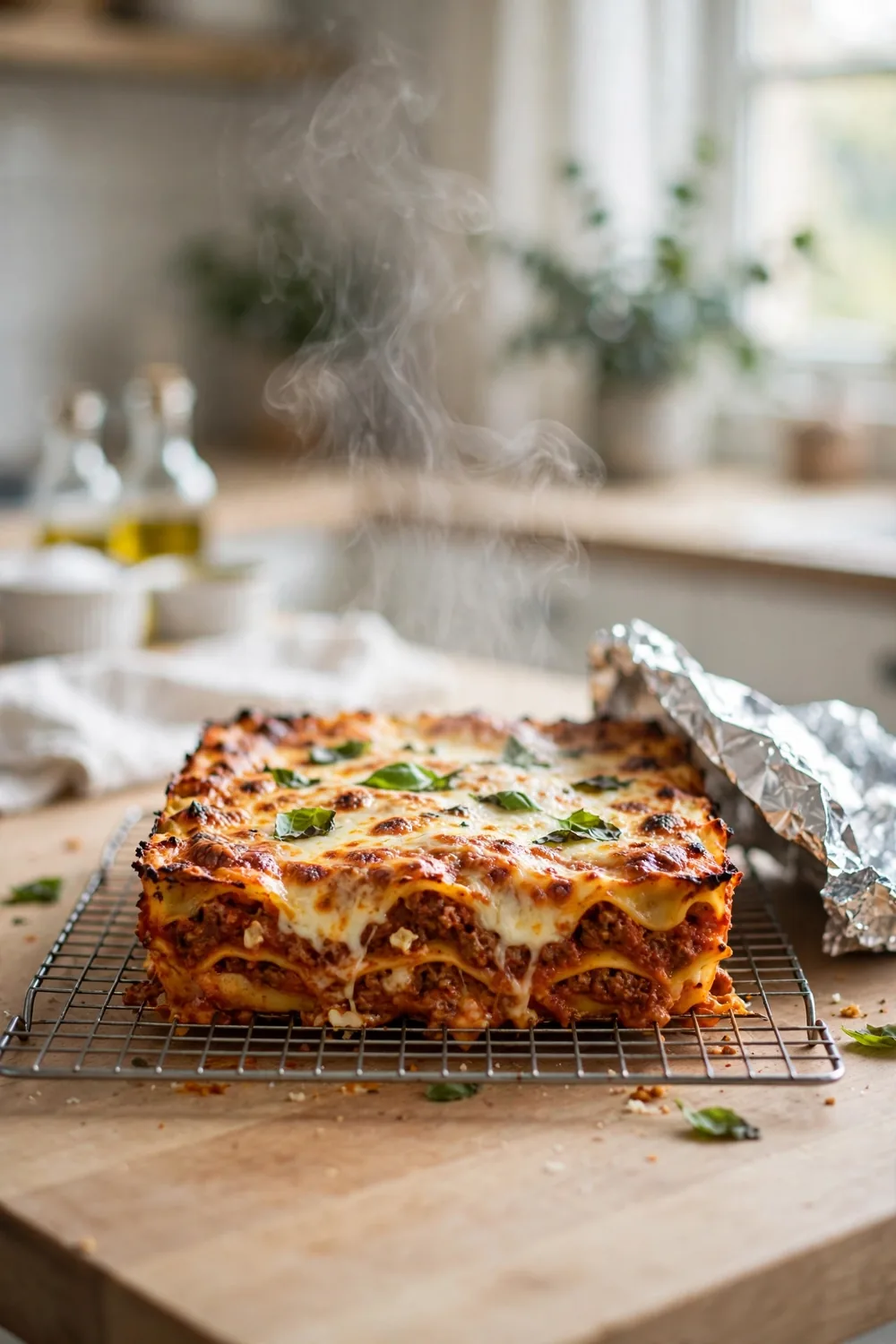
Resting is when cheese and sauce firm up, so cutting early undoes a good bake. Lift the lasagna onto a wire rack and let it rest for twenty to thirty minutes. The layers set as heat leaves, and the slices hold their shape. A hot cut will always look wetter than a rested one.
Do not rush cooling in the fridge, since fast chilling can dull flavor and soften the top. Room temperature resting lets the set spread evenly from edge to center. If you must serve warm, wait the full twenty minutes and use a sharp knife. Clean slices prove the rest was worth it.
Choose the Right Dish
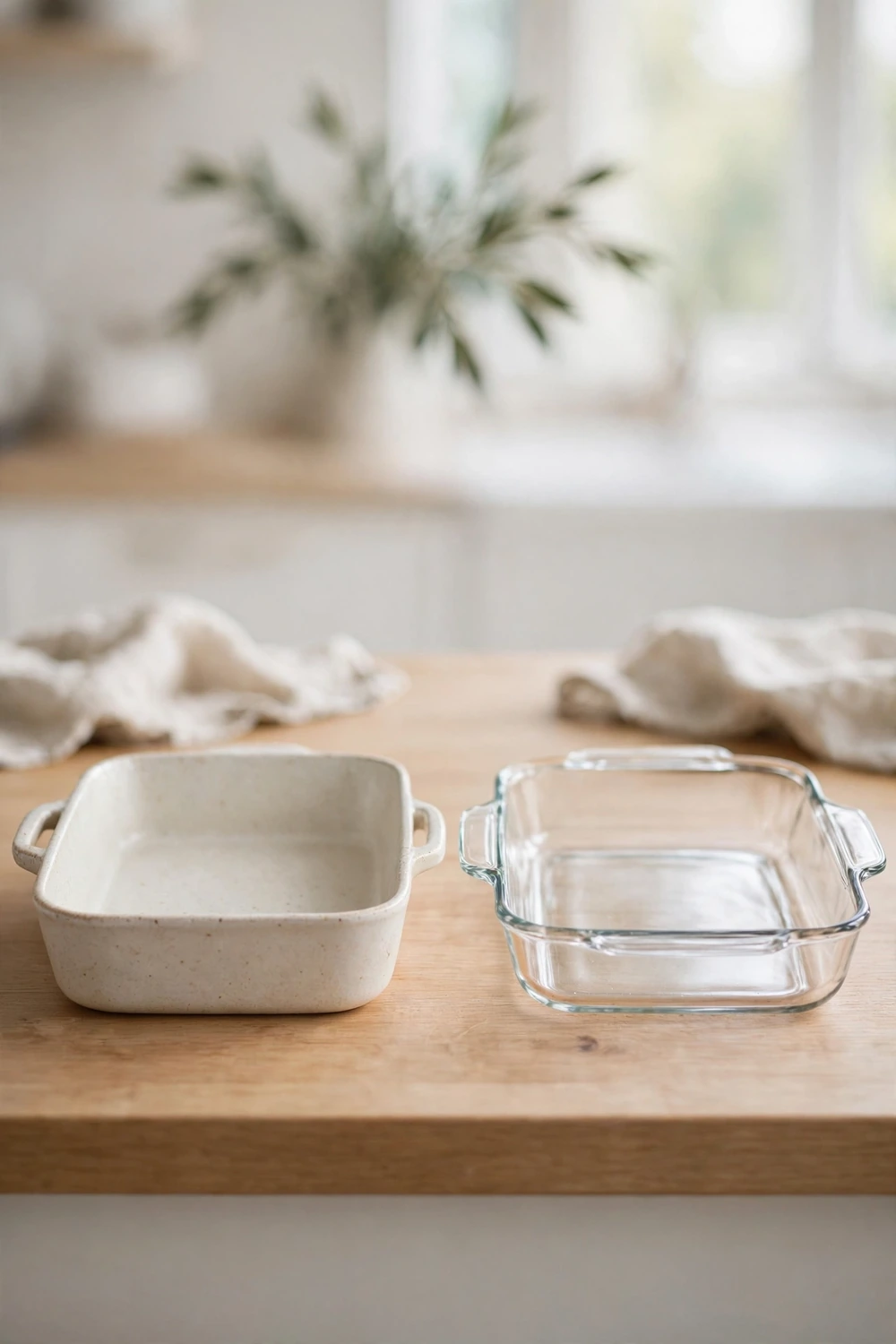
The dish shapes how heat reaches the layers, so size and depth both matter. A nine by thirteen dish gives the right depth for three to four layers. A deep dish keeps the center cool and wet, while a shallow dish bakes evenly. Pick a dish that fits the recipe, not a bigger one.
Glass and ceramic heat slowly, so they need the full bake time and a good rest. Metal pans heat faster and brown the edges well. Grease the dish lightly, then build layers snugly to the corners with no air gaps. The right dish plus even layers gives a firm, golden bake.
Common Mistakes to Avoid
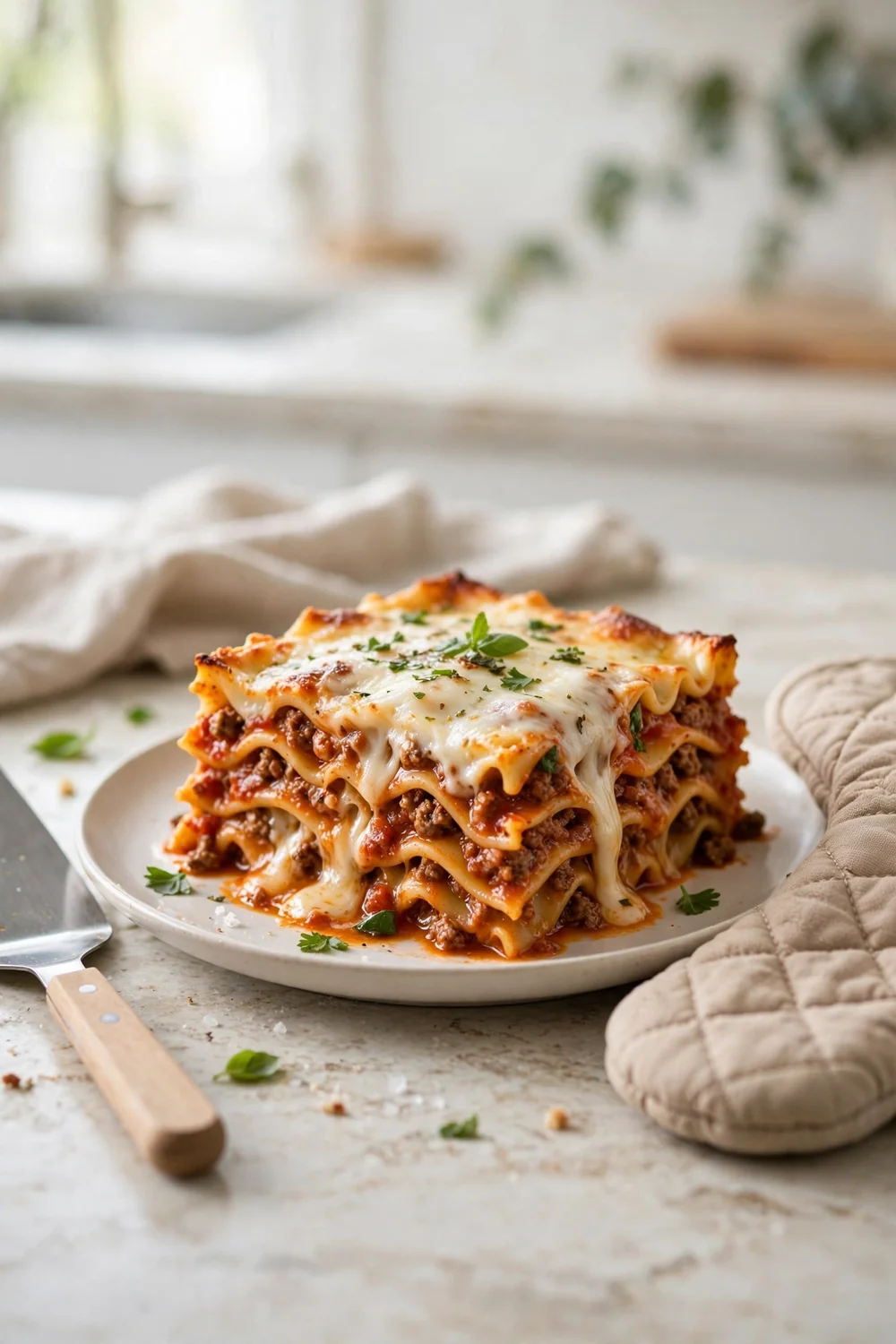
Many soupy lasagnas come from small habits that are easy to fix once you spot them. Skipping the ricotta drain leaves whey in every layer. Using thin sauce floods the dish from the start. Piling on too many layers traps steam in the center. Guessing sauce amounts leads to uneven, wet results.
Cutting a hot lasagna is the most common mistake, since layers need time to set. Opening the oven door drops heat and slows the bake. Adding undrained vegetables floods the layers with liquid. Check each step once today, and your next lasagna will slice clean with firm layers.
What Firm Lasagna Looks Like
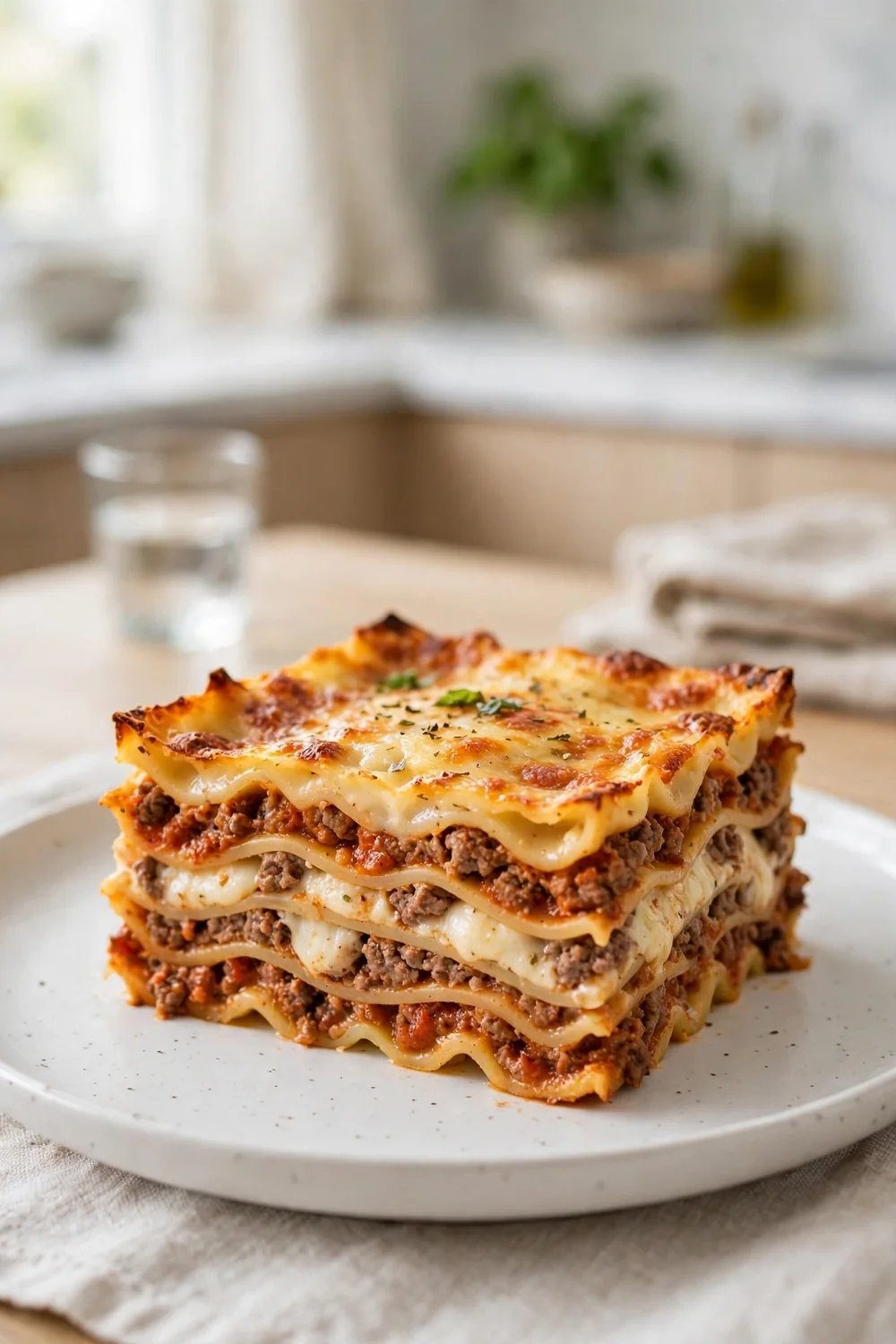
Firm lasagna lifts from the dish and holds its layered shape on the plate. The edges look golden, the cheese stays set, and no liquid pools around the slice. Each layer shows clearly, with sauce, cheese, and noodles in neat bands. A shine on the cut edge is normal and shows the bake set well.
Taste should feel balanced, with rich sauce, creamy cheese, and tender noodles in each bite. Texture should feel hearty but firm, never soupy or rubbery. If the slice still holds shape after five minutes on the plate, the bake worked. Keep notes on dish, bake time, and resting for next time.
Conclusion
In short, watery lasagna usually comes from wet ricotta, thin sauce, damp noodles, too many layers, underbaking, and cutting too soon. Drain the ricotta, cook the sauce thick, dry the noodles, keep layers thin, use less sauce, bake fully, and rest before slicing for firm layers.
Save this guide on Pinterest and try these fixes with your next lasagna. Start with draining and thick sauce, then add the other steps as they become habit.
If you enjoy kitchen fixes like this, read our guide to soggy quiche bottom for another simple bake day rescue.

One Comment