Why Are My Biscuits Flat and Hard? Easy Fix Guide
If your flat hard biscuits come out of the oven dense and tough, you are not alone. Many home bakers face the same low, hard result even with a trusted recipe. The good news is that a few small changes can turn the next batch tall, tender, and flaky.
Biscuits rise when cold fat melts and steam lifts the layers apart. Warm butter, overworked dough, and old leavening all stop that lift. In my experience, cold ingredients and a light hand fix most flat batches.
This guide walks through each cause in order, from butter and flour to cutting and baking. Follow the steps, and your next biscuits should rise high and stay soft. And if cinnamon roll dough stays flat, see why cinnamon rolls not rising happens and how to fix the rise.
Why Biscuits Turn Flat and Hard
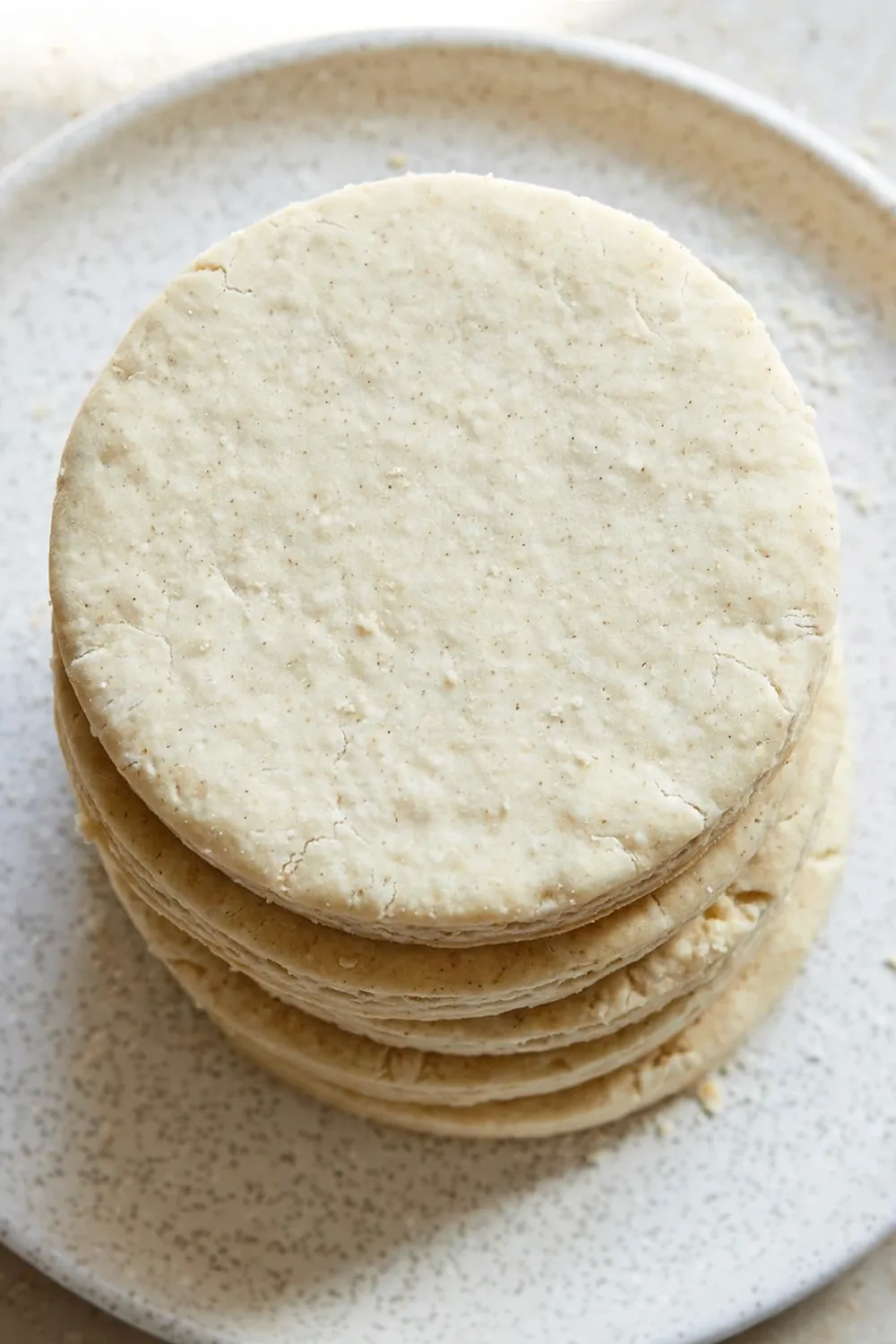
Biscuits stay flat when the dough loses its lift before baking. Warm butter melts into the flour, so no steam pockets form. Overmixing builds gluten that pulls the dough tight. Old baking powder loses strength, and a hot kitchen softens the dough fast. Each problem lowers the rise.
Hard biscuits come from the same habits. Too much flour dries the dough, and long kneading makes it tough. A thin cut bakes fast and dries out. Knowing the cause helps you pick the right fix, so the next batch rises tall and stays tender instead of dense and dry.
Use Cold Butter
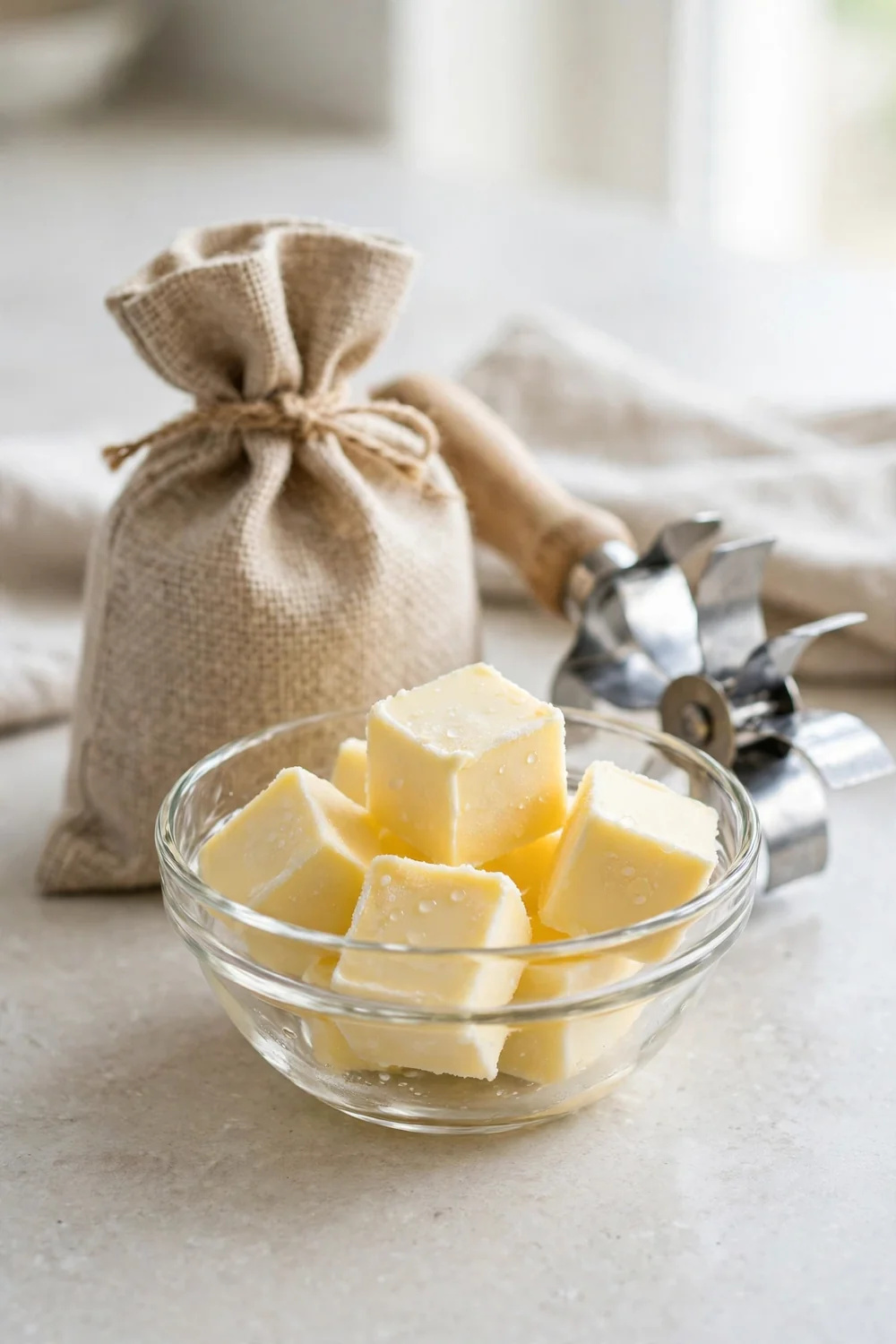
Cold butter is the secret behind tall, flaky biscuits. As the biscuit bakes, cold butter melts and releases steam, which lifts the layers apart. Soft or melted butter blends into the flour and leaves no pockets, so the biscuit stays flat. Keep the butter chilled until the moment you cut it in.
Cut the butter into small cubes and chill them for fifteen minutes before mixing. Work fast, and use a pastry cutter or two knives to keep the butter cold. The dough should show small butter flecks. Those flecks melt in the oven and build the layers you want.
Measure the Flour Right
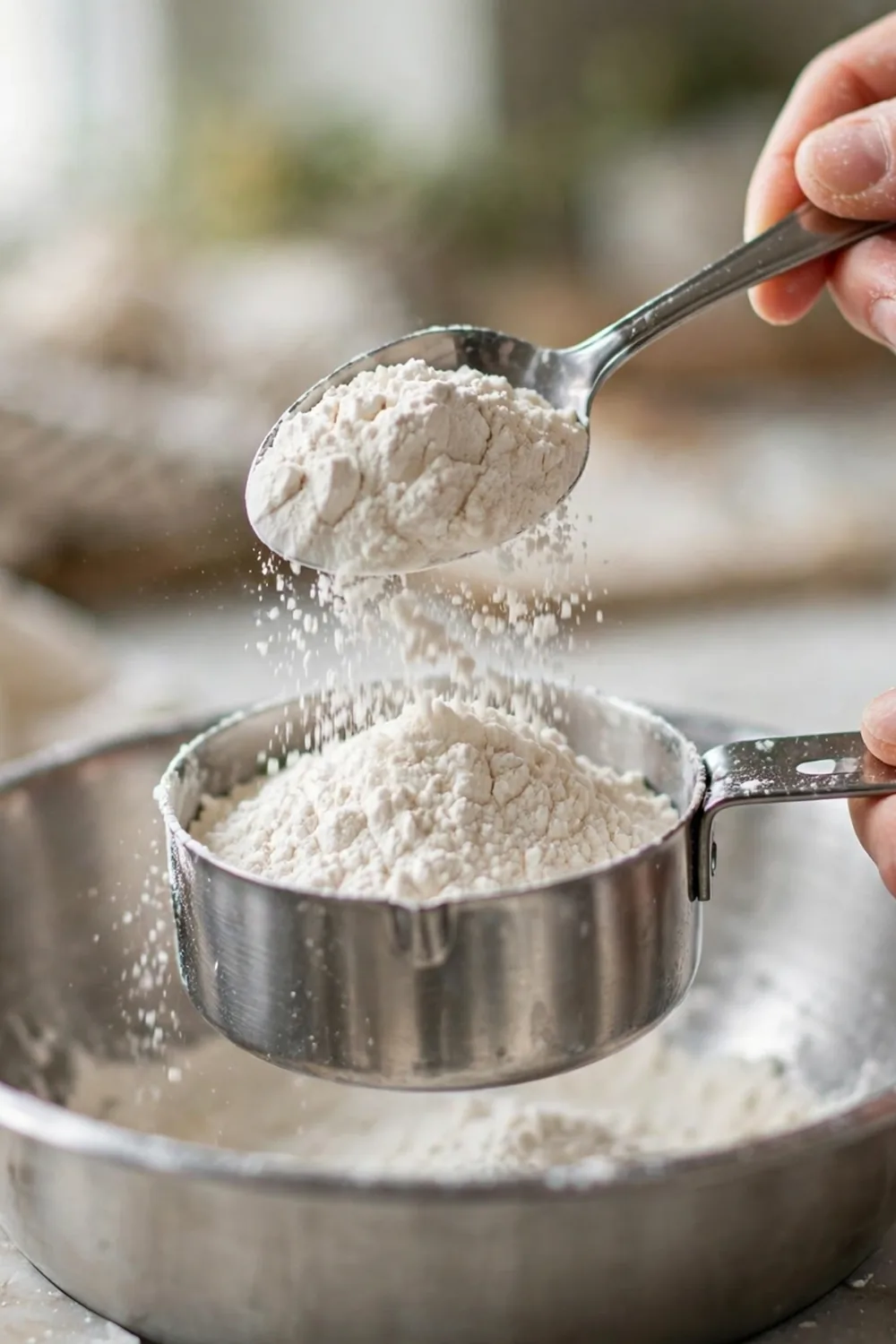
Too much flour is a common reason biscuits turn hard. Scooping straight from the bag packs the flour down and adds far more than the recipe needs. That extra flour soaks up moisture and leaves a stiff dough. Spoon the flour into the cup, then level it with a knife.
A kitchen scale removes the guesswork and gives the same result every time. Weigh the flour exactly as the recipe lists it, and the dough will feel soft and slightly sticky. If the dough feels dry, you likely added too much flour. Measure with care, and the texture improves at once.
Use the Right Leavening
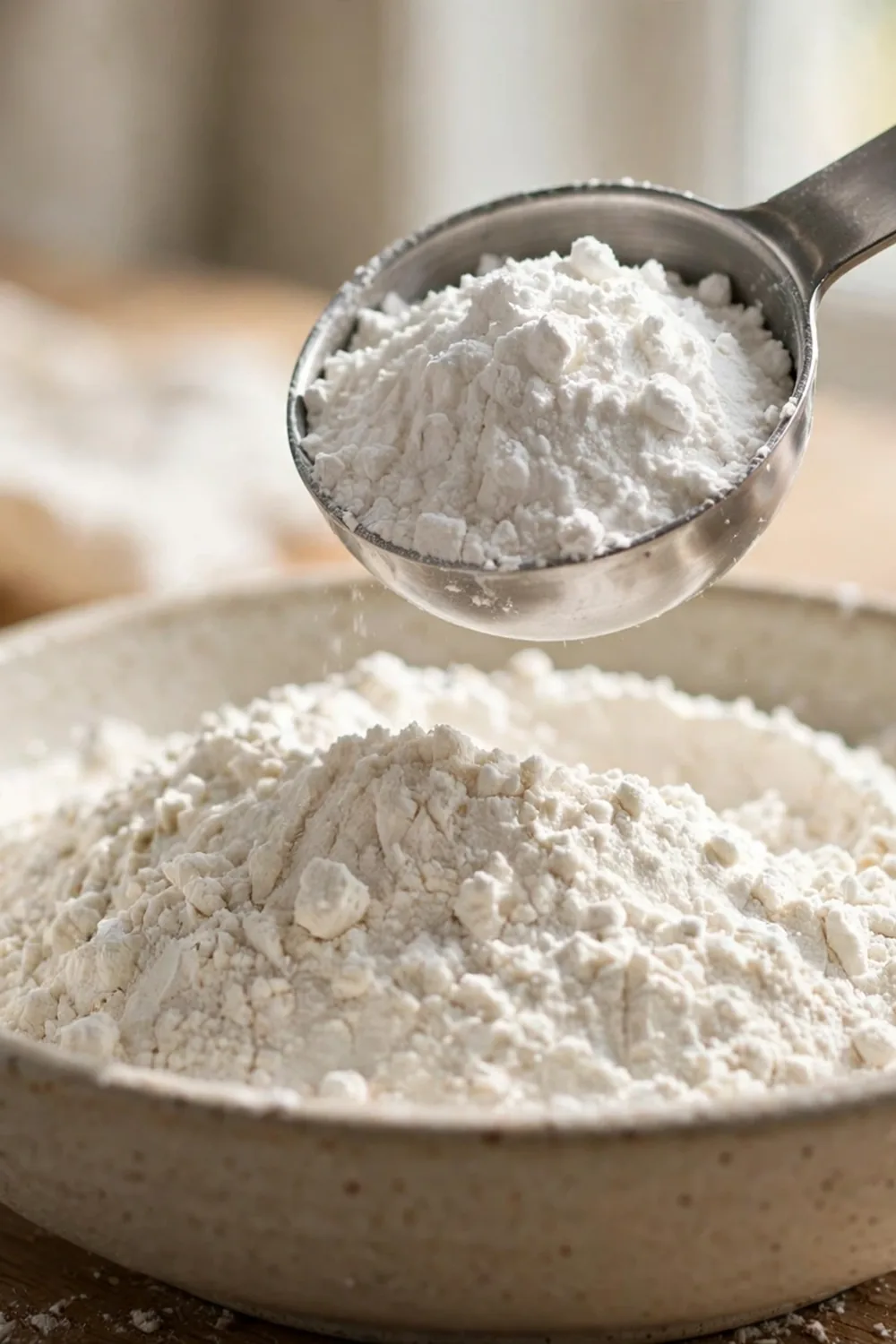
Baking powder lifts the dough, so weak or old powder leaves biscuits flat. Check the date on the can, and test a spoonful in hot water. Fresh powder fizzes right away, while dead powder barely bubbles. Replace the can if the fizz looks weak, since leavening cannot be fixed later.
Measure the baking powder with care, since too little leaves no lift and too much tastes bitter. Level each spoonful, and whisk the powder through the flour before adding butter. Even mixing spreads the lift through the whole batch. Fresh powder and an even mix give a steady, tall rise.
Keep the Dough Cold
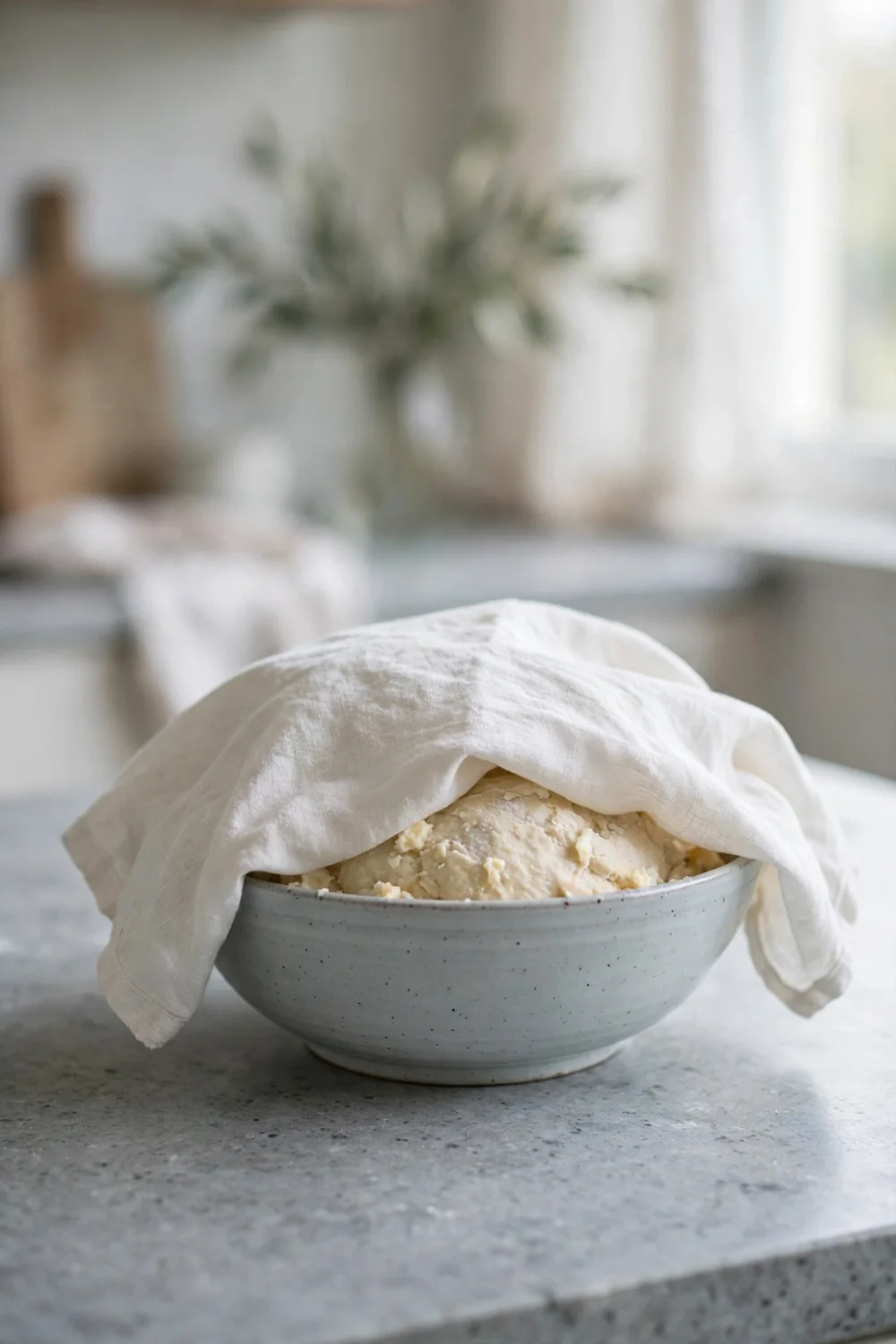
Cold dough holds its shape and rises better than warm dough. Warm dough spreads in the oven, and the butter melts before steam can lift the layers. Chill the dough for fifteen minutes after mixing if the kitchen feels warm. The cold rest firms the butter and keeps the edges sharp.
Work on a cool surface and handle the dough as little as possible. Warm hands soften the butter fast, so pat the dough gently instead of pressing hard. If the dough feels sticky or soft, slide the tray into the fridge for ten minutes. Cold dough bakes into tall biscuits with crisp, flaky edges.
Fold for Layers
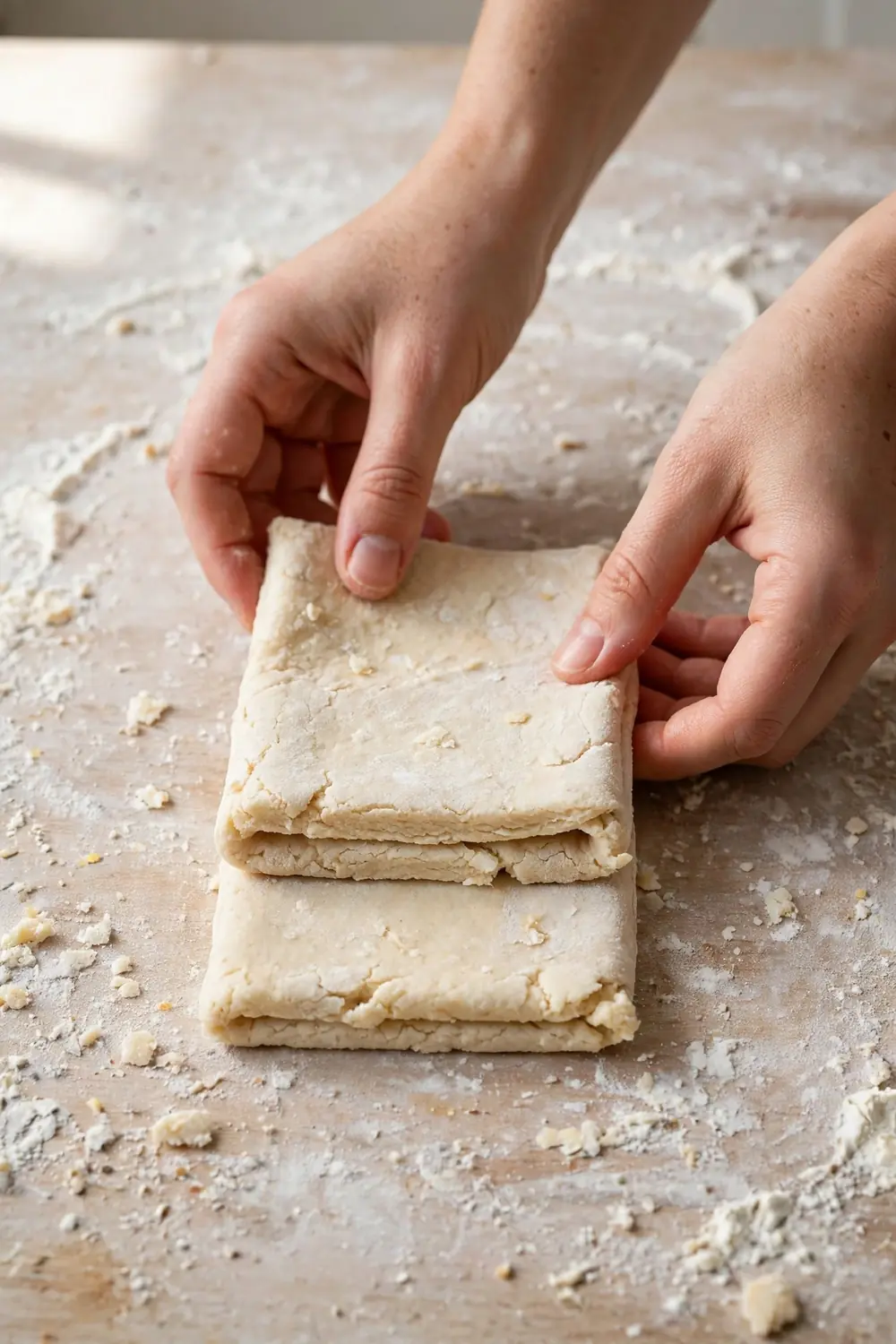
Folding builds the layers that make biscuits flaky. Pat the dough into a rough rectangle, then fold it in thirds like a letter. Turn the dough, pat it out again, and fold once more. Two or three folds create thin butter layers that puff apart in the oven.
Keep the folds gentle, and do not knead the dough between them. Kneading melts the butter and joins the layers back together. After the last fold, pat the dough to the right thickness and stop. The layers should stay visible at the edges, ready to rise in the hot oven.
Cut Without Twisting
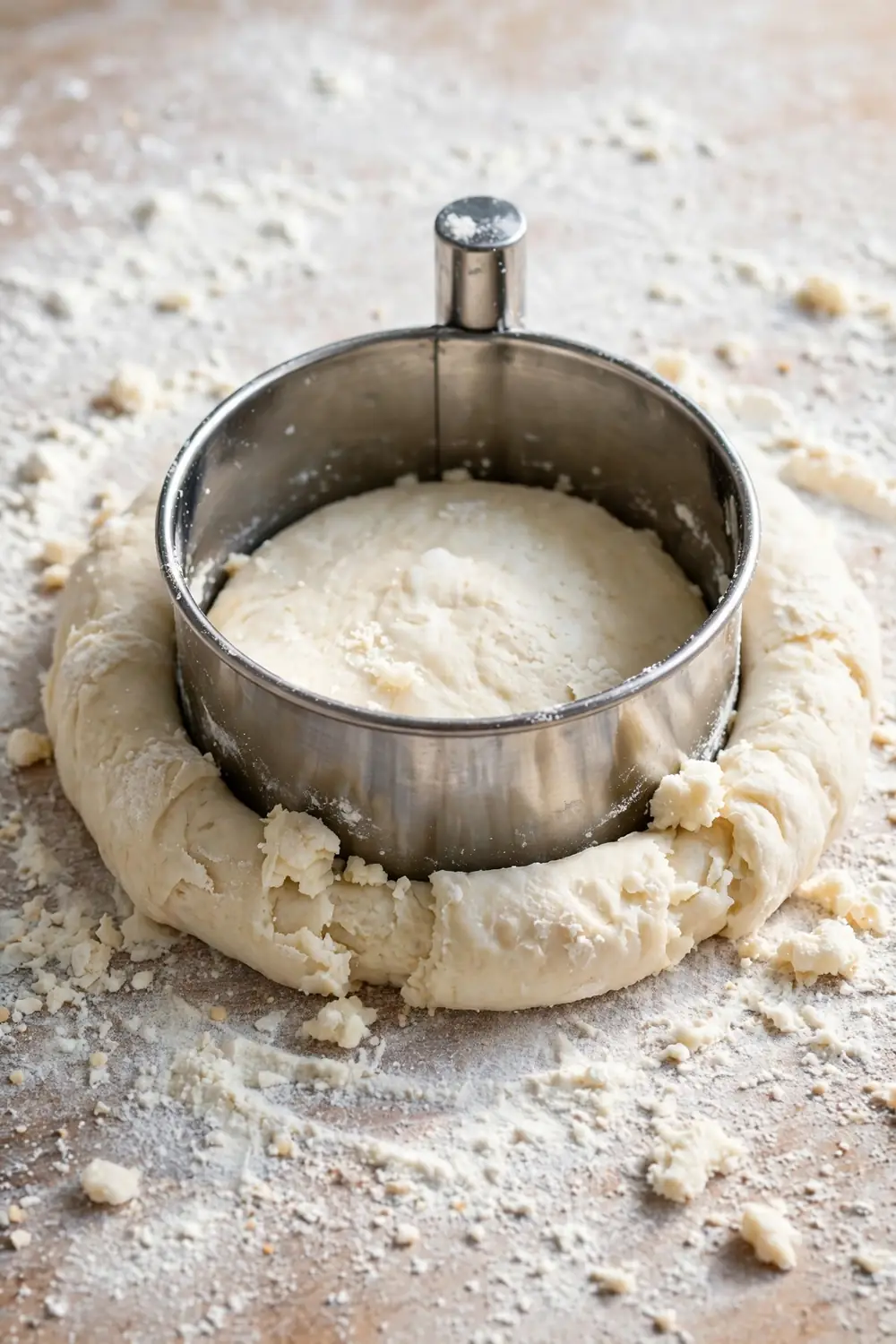
Twisting the cutter seals the edges and stops the biscuit from rising. Press the cutter straight down, then lift it straight up without turning. A clean cut leaves the edges open, so steam can lift each layer. Wipe flour from the cutter between cuts to keep the edges sharp.
Use a sharp metal cutter, and dip it in flour before each cut. Press firmly, and do not rock the cutter from side to side. Place the biscuits close together on the tray so they rise up instead of spreading out. Close neighbors help each biscuit climb taller in the oven.
Bake on High Heat
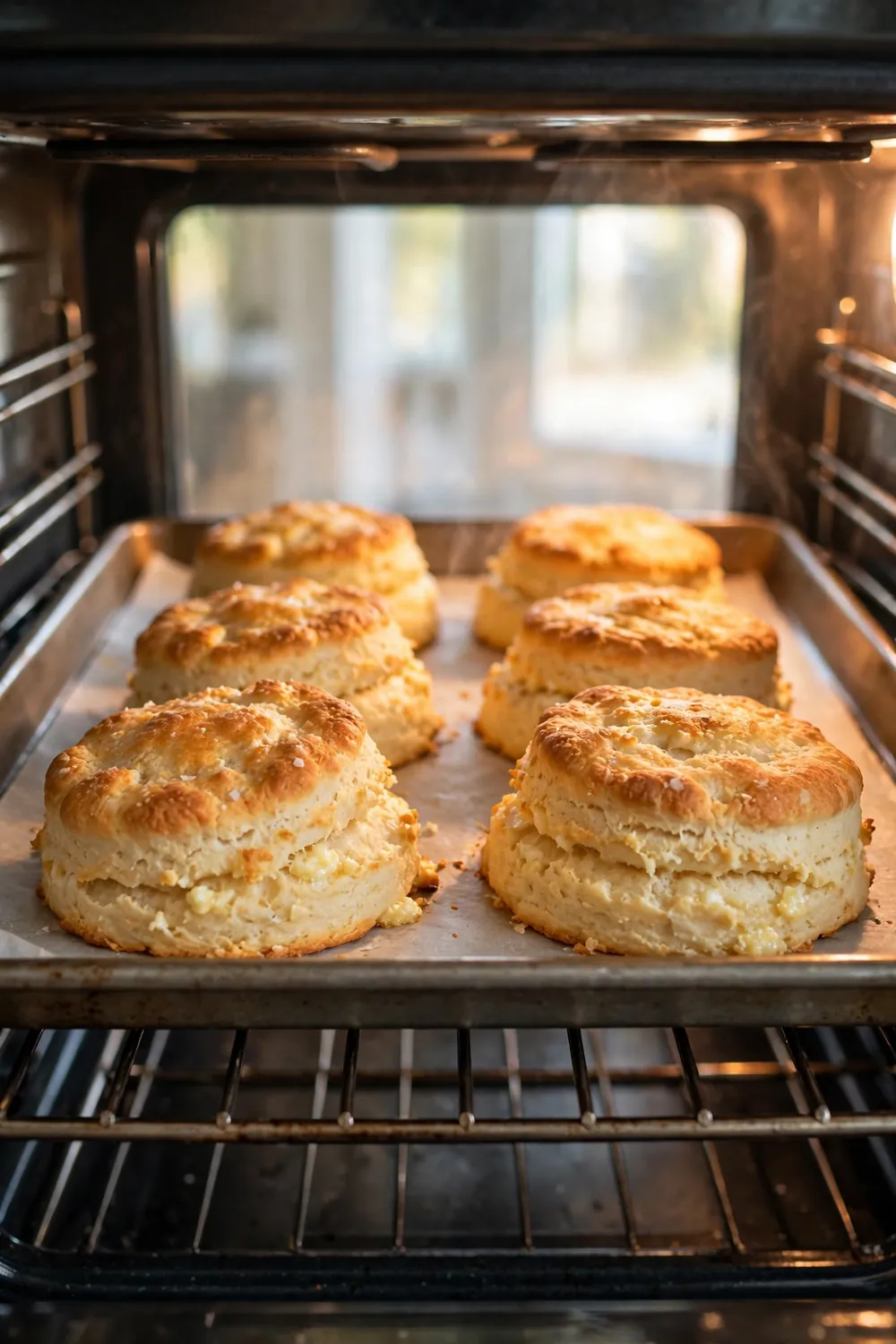
High heat gives biscuits the fast lift they need. A hot oven turns the cold butter to steam in seconds, and the layers puff before the crust sets. A cool oven bakes the biscuit slowly, so the butter melts out and the biscuit stays flat. Preheat the oven fully before the tray goes in.
Bake at 425 degrees Fahrenheit on the center rack for twelve to fifteen minutes. Look for tall sides and golden tops, then pull the tray at once. Do not open the door early, since the heat drop slows the rise. A hot oven and a short bake keep the inside soft and tender.
Keep the Dough Thick
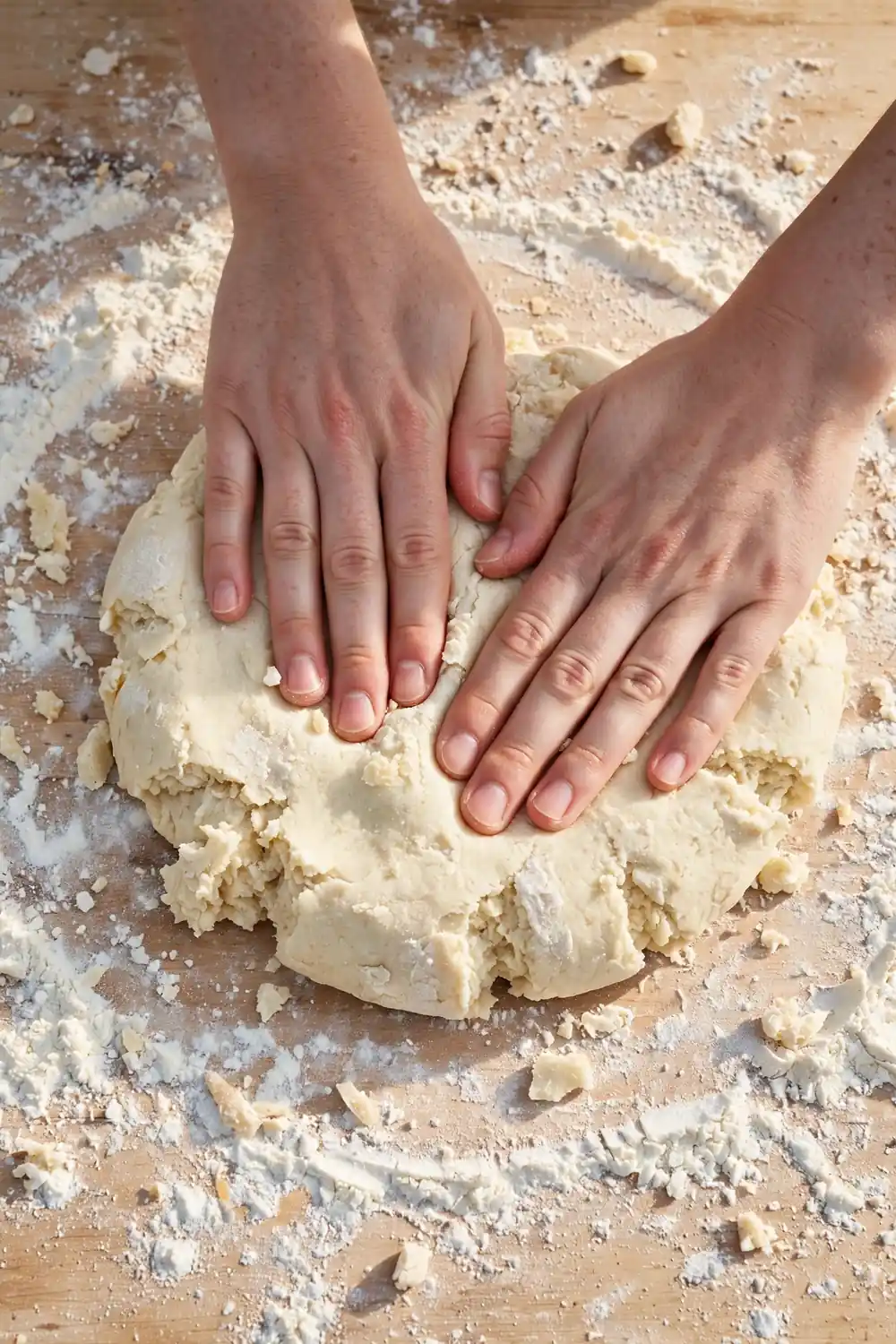
Thin biscuits bake fast and dry out, so they turn hard. Pat the dough to about one inch thick before cutting. Thick biscuits have room to rise, and the center stays soft while the outside turns golden. A thin round has no height to gain, no matter how good the other steps are.
Measure the thickness with your fingers if you have no ruler. The dough should feel tall and springy under your palm. Do not press it thinner to get more biscuits, since extra rounds bake flat and hard. Fewer thick biscuits beat a tray of thin, tough ones every time.
Common Mistakes to Avoid
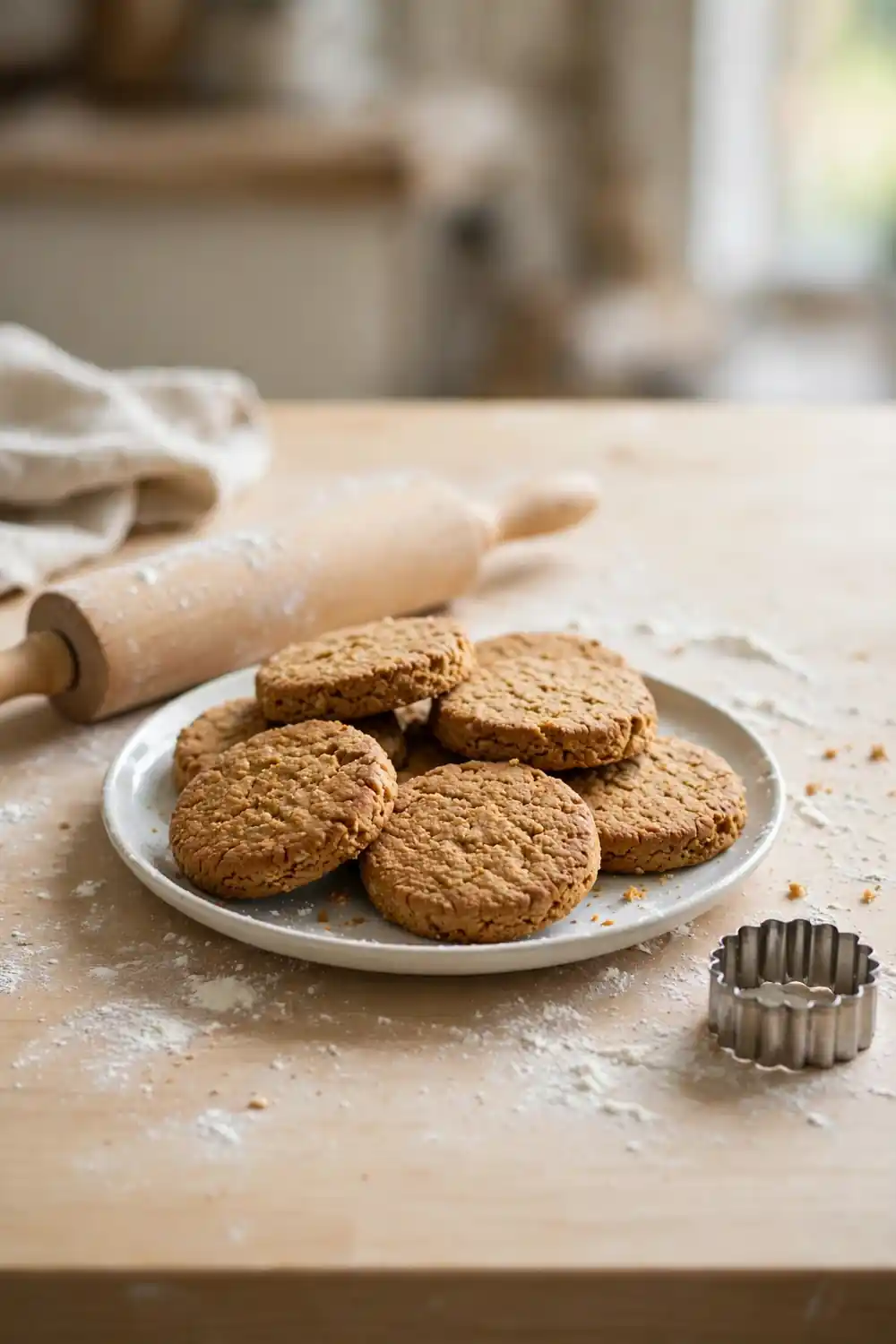
One common mistake is using warm butter or a warm kitchen, which melts the fat before baking. Another is overmixing the dough until it turns smooth and tight. A third is twisting the cutter, which seals the edges shut. Each habit steals lift, even when the recipe itself is sound.
A second group of mistakes comes from old baking powder and thin cutting. Test the powder before you mix, and pat the dough thick before cutting. Fix one habit at a time, starting with cold butter and gentle mixing. Small, steady changes give taller, softer biscuits without changing the recipe.
What Tall Fluffy Biscuits Look Like
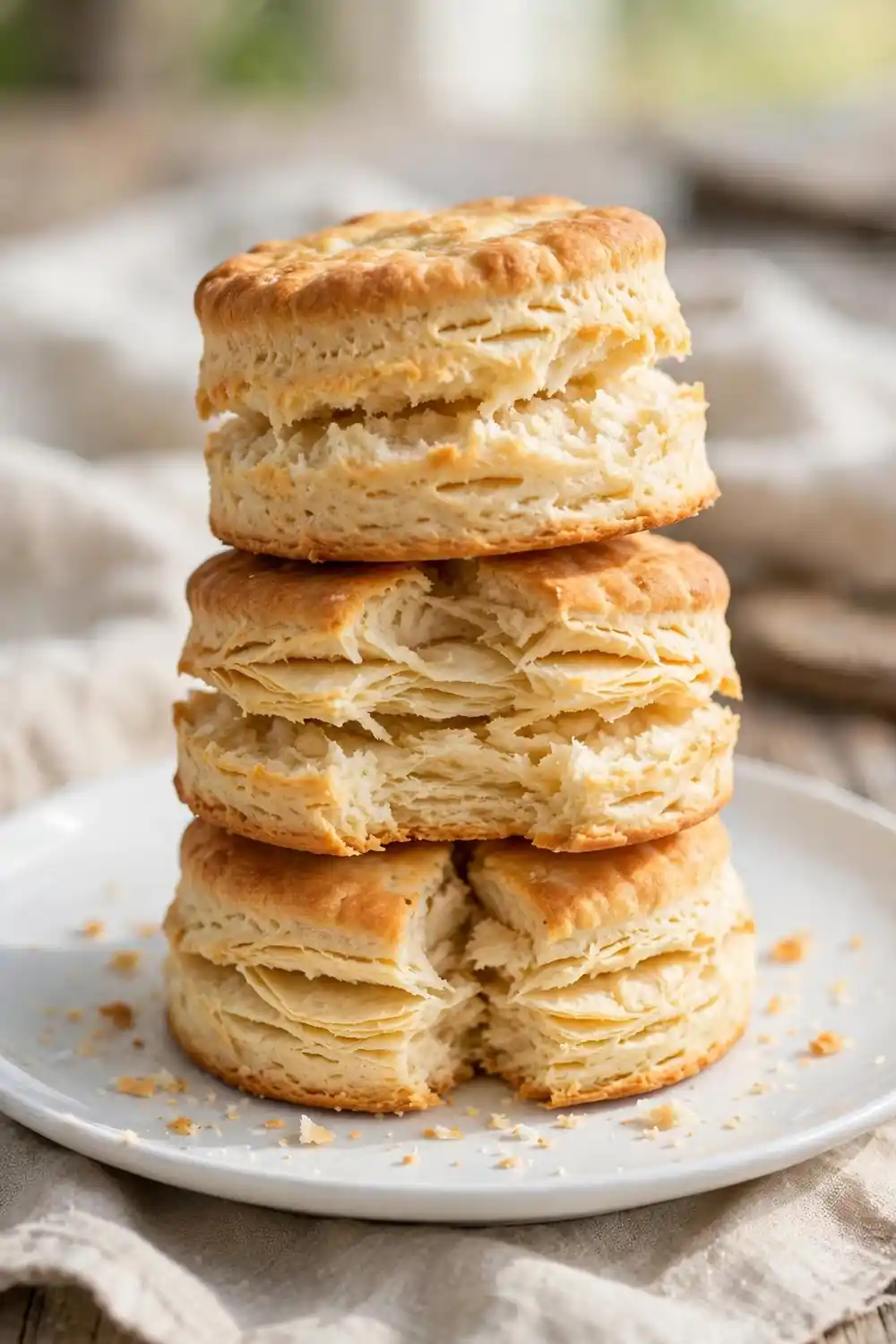
Tall biscuits show straight sides and clear layers around the edges. The top turns golden, and the inside pulls apart in soft, steamy sheets. The biscuit feels light in your hand, and the crumb looks moist and tender. That open, layered crumb is the sign that butter, cold dough, and high heat worked together.
Check the bake by splitting one biscuit open while it is still warm. The layers should separate with a gentle pull, and the center should feel soft, not gummy. Serve the biscuits warm with butter, and enjoy the tall, flaky texture you worked for. When the layers stay open, you know the fixes worked.
Conclusion
In short, flat hard biscuits come from warm butter, too much flour, weak leavening, overmixing, thin cutting, or a cool oven. Fix those steps and each batch turns taller and softer. Tall biscuits need cold butter, measured flour, fresh leavening, gentle folding, a thick cut, and a hot oven.
Start with the simplest fix first, then add the next one if the biscuits still stay flat. Small changes protect the flavor while the rise improves. Save this guide on Pinterest for your next batch.
Try the steps on your next batch, and if stiff tortillas are your trouble instead, read our guide on hard homemade tortillas for soft, foldable results.


One Comment