21 Warming Lentil Curry Ideas for Cozy Meatless Dinners
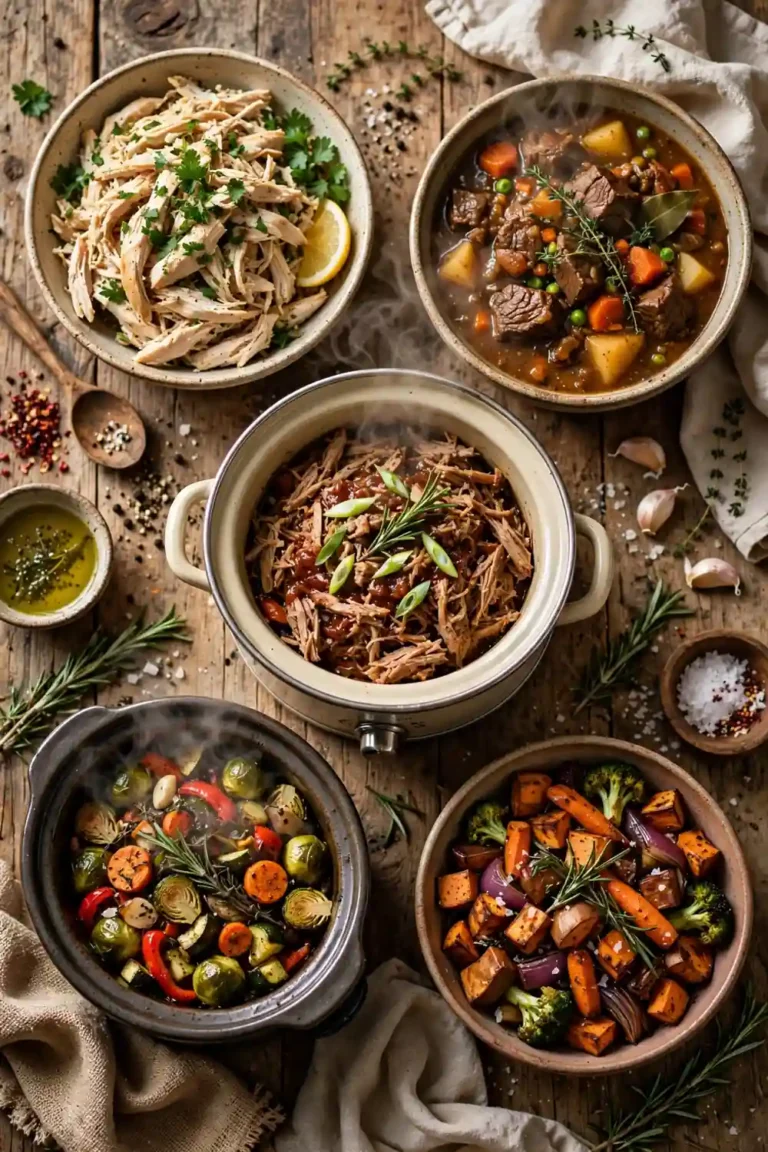
Cold evenings call for a steaming pot of lentil curry on the stove, filling the kitchen with warm spices while dinner quietly takes care of itself tonight. These meatless pots simmer gently, ask little from the cook, and reward patience with deep, layered flavor in every single spoonful you serve at home.
Red, green, and brown lentils each bring their own texture, from silky and smooth to firm and hearty, so the same base method never feels repetitive. A handful of pantry spices, a chopped onion, and a can of tomatoes can start almost every version in this collection within minutes of deciding.
In my experience, a slow simmer is the real secret, because the lentils drink in the spiced cooking liquid and turn tender without any fuss. For a golden fall comfort bowl after that, the butternut squash risotto turns out velvety and warm, with sweet squash in every creamy spoonful.
Classic Red Lentil Dal

Red lentils cook down into a soft, golden puree that needs no soaking and very little attention, which makes this the pot I reach for most often. A sizzling tadka of cumin, garlic, and dried chilies poured over the top wakes up the gentle base instantly.
Keep the simmer low and steady, and stir now and then so the thickening lentils do not catch on the bottom of the pot during cooking. Finish with lemon juice and fresh cilantro, then serve over basmati rice with warm flatbread for scooping up every last spoonful tonight.
Coconut Golden Pot

- Rinse the lentils well, then simmer them in water with turmeric until they soften and start to break apart.
- Stir in full fat coconut milk near the end so the richness stays fresh and the color stays bright.
- Warm whole spices in oil first, because blooming them builds a deeper base than adding powders later on.
- Add a pinch of sugar and salt at the end to balance the gentle heat and earthy turmeric notes.
Coconut milk softens the spices and gives the pot a mellow, rounded flavor that suits cooks who prefer warmth over strong heat at dinner. I’ve noticed the color stays brightest when the coconut goes in late, so hold it back until the lentils are nearly tender and ready.
Spinach Garlic Greens
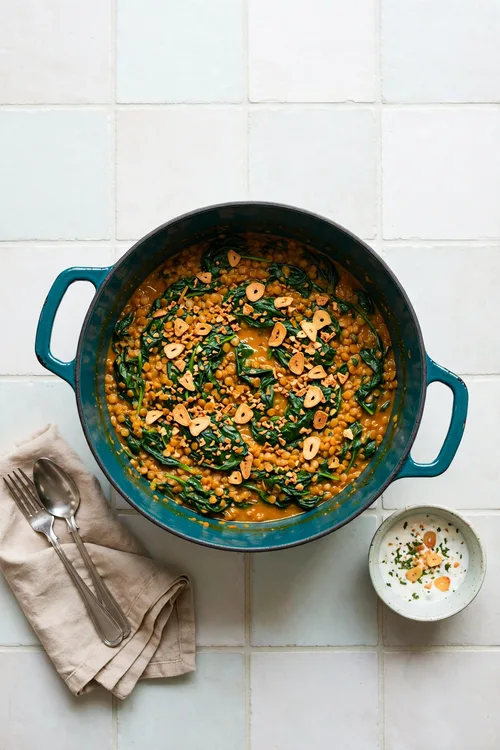
Quick Tip: Add the spinach in two handfuls during the final minutes so it wilts without turning dull or watery in the pot. Slice the garlic thin and fry it until pale gold, since burnt garlic turns bitter fast. A squeeze of lemon over each bowl keeps the greens tasting fresh and bright.
Garlic and spinach bring freshness to a pot that might otherwise taste heavy, and the greens cook down into silky ribbons through the lentils within minutes. Serve this one with rice or thick toast, and add a spoonful of plain yogurt on top if you like a cool contrast.
Tomato Ginger Masala

BEFORE: A plain pot can taste flat and one note, with soft lentils and little brightness to lift the earthy base. The color also stays dull, so the bowl looks tired before anyone even picks up a spoon at dinner.
AFTER: Crushed tomatoes cook down into a tangy, rich sauce, while fresh ginger adds a clean heat that builds slowly with each bite. The finished pot looks deep red and glossy, and the flavor feels layered rather than plain or heavy.
Ginger works best here when part is grated into the base early and the rest is scattered raw on top at serving for a sharper bite. In my experience, this double ginger approach gives the masala both deep warmth underneath and a lively finish that keeps everyone eating happily.
Sweet Potato Comfort

- Peel and cube the sweet potato into even pieces so everything finishes cooking at the same steady pace.
- Simmer the lentils in stock for ten minutes before adding the cubes, since they soften faster than expected.
- Stir in cinnamon, cumin, and a little smoked paprika once the vegetables start to turn tender.
- Rest the pot off the heat for five minutes, then taste and adjust salt before serving bowls.
Sweet potato melts slightly at the edges and sweetens the whole pot, giving this version a cozy, almost stew like body that needs no cream at all. A small spoonful of lime pickle or mango chutney on the side adds a bright, tangy contrast that kids and adults both enjoy.
Creamy Cashew Blend

| Feature | Cashew Cream Blend | Coconut Milk Version |
|---|---|---|
| Flavor | Buttery, mild, and nutty | Sweet, light, tropical note |
| Texture | Thick and silky smooth | Looser, more broth like |
| Prep | Soak and blend the nuts | Open a can and stir |
| Best pairing | Garlic flatbread and peas | Rice with lime wedges |
Blending soaked cashews into the base makes the sauce taste rich and gentle, a good choice for anyone who finds coconut too sweet for savory dinners. Toast a few extra cashews for the top, because their crunch against the smooth sauce is the small detail everyone remembers afterward here.
Smoky Eggplant Mix
| DO | DON’T |
|---|---|
| Char the eggplant until the skin blackens and the flesh turns soft | Skip the charring, or the smoky flavor never really develops |
| Salt the cubes and rest them so excess moisture drains away first | Add wet eggplant straight in, or the sauce turns thin and watery |
| Stir the soft flesh through gently near the end of cooking time | Boil the eggplant hard, or it falls apart into a dull mush |
| Finish with paprika oil for color and a gentle smoky aroma | Use raw paprika, since it tastes dusty instead of warm |
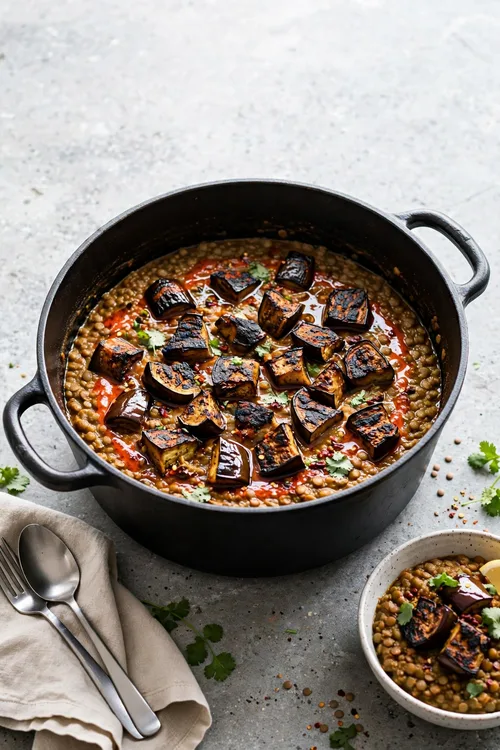
Eggplant gives this pot a deep, smoky character that feels slow cooked even on a weeknight, especially when the flesh is well charred before stirring through. Serve it with crusty bread or rice, and let the paprika oil pool on top so each serving carries that warm aroma to the table.
Cauliflower Potato Pot

Cost: Low, built on pantry lentils and two humble vegetables
Time Needed: About 40 minutes including chopping and simmering
Difficulty: Easy, one pot with simple, forgiving steps throughout
Best For: Feeding a crowd on a small weekly budget
Cauliflower soaks up the turmeric spiced sauce while the potatoes make the pot properly filling, so nobody misses meat at this particular dinner table at all. Cut the florets large so they hold their shape, and add them after the potatoes have had a short head start in the pot.
Chickpea Lentil Duo

Pairing two legumes in one pot gives you contrast in every spoonful, with creamy red lentils collapsing into the sauce while firm chickpeas stay whole and hearty. The result feels generous and filling, the kind of dinner that satisfies everyone without needing bread or rice on the side at all.
Canned chickpeas work perfectly here, so keep a tin in the cupboard and this dinner is never far away on a busy evening after work. I’ve noticed the pot tastes even better the next day, once the chickpeas have soaked up more of the spiced sauce overnight in the fridge.
Thai Basil Twist

- Use red lentils for speed, since they soften quickly and carry the aromatic paste without a long simmer.
- Stir in soy sauce and a little brown sugar to balance salt, sweetness, and gentle chili heat.
- Keep the basil leaves whole and add them off the heat so their peppery perfume stays alive.
- Serve with jasmine rice, which catches the sauce and softens the chili warmth in each mouthful.
Fresh basil changes the mood of the whole pot, pushing it toward a brighter, more aromatic dinner than the usual earthy versions in this collection here. Add the lime at serving time instead of during cooking, so each person can decide how sharp they want their bowl tonight.
Green Lentil Herb

Quick Tip: Hold back a spoonful of the herb oil for serving, because the raw, grassy flavor fades quickly in a hot pot. Chop the parsley stems finely too, since they carry plenty of flavor and reduce waste at home. Taste before salting, as stock can already bring enough seasoning to the lentils.
Green lentils keep their shape through a longer simmer, which makes this the right choice when you want a pot with real bite and texture left. A final drizzle of herb oil and a squeeze of lemon keep the earthy base tasting fresh rather than heavy or dull tonight.
Butternut Squash Warmth

BEFORE: A plain autumn pot can taste thin and sweet in a dull way, with soft vegetables and no contrast in texture. The bowls also look pale, which makes the dinner feel less inviting on a cold, dark evening at home.
AFTER: Roasting the squash first deepens its sweetness and gives the cubes golden edges that hold up in the sauce beautifully. Crisp sage leaves on top add an earthy crunch, and the whole pot tastes warm, layered, and properly seasonal now.
Roast the squash while the lentils simmer, and the whole dinner comes together in about the same time as a plain pot would take anyway tonight. In my experience, a pinch of nutmeg in the base quietly lifts the squash flavor without making the pot taste like dessert at all.
Mushroom Umami Depth

- Brown the mushrooms in a hot pan with space between them, so they color instead of steaming in their juice.
- Cook the lentils with garlic, thyme, and a bay leaf while the mushrooms rest on a warm plate nearby.
- Add a splash of soy sauce to the pot for depth, tasting before you add any extra salt.
- Lay the mushrooms over the top at serving so their browned edges stay visible and appealing.
Mushrooms give this meatless pot a savory depth that surprises people, especially when they are browned hard before meeting the lentils in the pot at all. A knob of butter or a drizzle of olive oil at the end rounds the edges and makes the whole bowl taste richer tonight.
Lemon Turmeric Glow

| Feature | Lemon Turmeric Pot | Plain Tomato Base |
|---|---|---|
| Flavor | Bright, zesty, gently warm | Tangy, rich, and deep |
| Color | Vivid golden yellow | Deep brick red |
| Cooking time | Fast, red lentils only | Slightly longer simmer |
| Best pairing | Herbed rice and greens | Flatbread and yogurt |
Turmeric stains the pot a cheerful gold, while lemon added at the end keeps the flavor sharp and clean instead of flat or muddy at all. Use red lentils for the smoothest result, and stir often near the end, since this lighter base thickens quickly on the bottom of the pot.
Peanut Butter Swirl

| DO | DON’T |
|---|---|
| Thin the peanut butter with hot cooking liquid before stirring it in | Add it cold in one lump, or it clumps and sinks |
| Add the peanut butter near the end so the flavor stays rich | Boil it for a long time, or the sauce can split |
| Balance the richness with lime juice and a little chili heat | Skip the acid, or the bowl tastes flat and heavy |
| Save some crushed peanuts for the top of each serving bowl | Stir all the nuts in early, or they lose their crunch |
A spoonful of peanut butter turns the sauce satiny and rich, giving the pot a gentle sweetness that pairs well with chili and lime at serving. Whisk it smooth first, add it late, and this version quickly becomes the bowl younger eaters request most often on repeat dinner nights here.
Carrot Cumin Sweet

Cost: Very low, carrots and lentils are among the cheapest staples
Time Needed: About 35 minutes from chopping board to table
Difficulty: Easy, gentle simmer with basic knife work only
Result: Sweet, warm bowls with a soft, mellow spice finish
Carrots cook down sweet and tender here, softening the earthiness of the lentils and giving the pot a gentle flavor that suits cautious eaters at home. Toast the cumin seeds until fragrant before anything else goes in, because that first step perfumes the oil and flavors every spoonful that follows tonight.
Kale Coconut Greens

Kale holds up better than spinach in a hot pot, keeping a pleasant chew even after several minutes of simmering in the spiced coconut base here. Strip the leaves from the tough stems, slice them into ribbons, and they soften into the sauce while keeping their deep green color nicely.
Coconut flakes toasted in a dry pan make a simple garnish that adds crunch and a hint of sweetness over the earthy greens in each bowl. I’ve tried both raw and toasted flakes, and the toasted ones win every time for flavor, texture, and the warm aroma they bring.
Roasted Pepper Fire

- Char whole peppers under a hot grill or over a flame until the skins blister and blacken in patches.
- Rest them in a covered bowl so the steam loosens the skins, making them easy to peel cleanly.
- Slice the flesh into strips and stir half through the pot, saving the rest for the top.
- Finish with chili oil, added a teaspoon at a time so the heat stays pleasant, not harsh.
Roasted peppers bring sweetness first and heat second, which makes this the most layered of the spicier pots in the whole collection for adventurous eaters. Keep a bowl of plain yogurt nearby for anyone who wants to cool their serving, and let the chili oil shine on top.
Apple Raisin Sweet

Quick Tip: Choose a firm, tart apple that holds its shape, because soft varieties collapse into the sauce and disappear during simmering. Add the raisins in the last ten minutes so they plump up without bursting apart in the heat. A pinch of cinnamon at the end ties the fruit and spices together.
Fruit in a savory pot sounds unusual, yet the apples soften into the sauce and the raisins add small bursts of sweetness against the warm spices here. This version suits anyone who enjoys a gentler, slightly sweet dinner, and it reheats well for an easy lunch the following day too.
Brown Lentil Hearty

BEFORE: A thin, rushed pot of brown lentils can taste watery and plain, with vegetables still firm and flavors sitting apart. Served too early, the lentils stay chalky in the middle, and the whole bowl feels unfinished and disappointing at dinner.
AFTER: A patient simmer lets the lentils turn tender while the carrot and celery melt sweetness into a thicker, richer base. The finished pot tastes hearty and settled, with every spoonful carrying vegetables, lentils, and warm spice together in balance now.
Brown lentils take the longest to soften, so give this pot its full simmer and resist the urge to rush it off the heat too soon. Leftovers thicken overnight, so loosen them with a splash of stock when reheating, and the texture returns to a proper, hearty spoonful again.
Mint Yogurt Finish

- Simmer red lentils with cumin, coriander, and garlic until they collapse into a smooth, thick base.
- Rest the pot for five minutes so the yogurt will not split when it touches the surface later.
- Stir chopped mint into thick yogurt with a pinch of salt and a little lemon zest.
- Spoon the yogurt over each serving in soft dollops rather than stirring it through the pot.
Cool yogurt and mint over a warm, spiced base is the finish that makes this final pot feel fresh, even after a rich week of dinners. Keep the yogurt cold until serving, and the contrast between the hot lentils and the cool topping stays sharp in every single spoonful tonight.
Conclusion
Pick one pot for this week and let it simmer while you set the table, because a good lentil curry asks little and gives back a warm, filling dinner for everyone gathered. Save the ideas that suit your pantry, and rotate the flavors so meatless nights never start to feel repetitive or dull.
Pass the version your family loved most to a friend who cooks meatless meals often, perhaps alongside the falafel wraps you serve on busy weekends at home together. Small, steady habits like these turn simple lentils into dinners worth repeating, and your weeknight table will feel cozier for it all season.