25 Charitable Chicken Tamales Ways That Never Last Long
There is a reason chicken tamales never last long at any gathering I host. The tray comes out of the steamer, husks still fragrant, and somehow half are gone before the salsa even hits the table in front of everyone.
This collection gathers twenty five versions worth saving, from the classic red chile batch to salsa verde trays, sweet corn masa, chipotle heat, and freezer friendly bundles. Each one changes a sauce, a filling, or a method.
Work through them at your own pace, start with the basics, and keep the ones your people request twice. Every batch below carries the little details that turn a good steaming session into a table full of happy, quiet chewing. And for a deep dark sauce, my chicken mole always wins.
Classic Red Chile
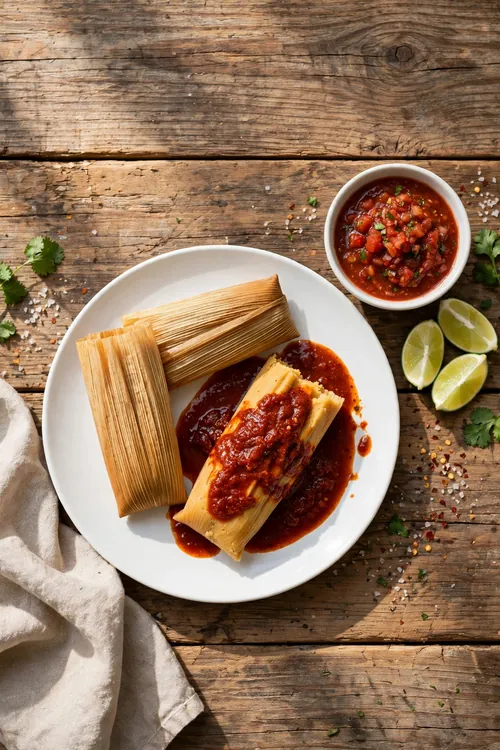
The red chile batch is the one every other version gets compared to, built on dried chiles soaked, blended smooth, and simmered until the sauce turns glossy and deep. It tastes earthy, warm, and just sharp enough to keep every bite interesting from start to finish.
Poach the chicken right in that sauce and the filling picks up the same flavor as the drizzle on top, so nothing tastes separate. Shred it coarse, fold it back through the warm sauce, and let it rest while the masa gets whipped and seasoned.
Salsa Verde Style
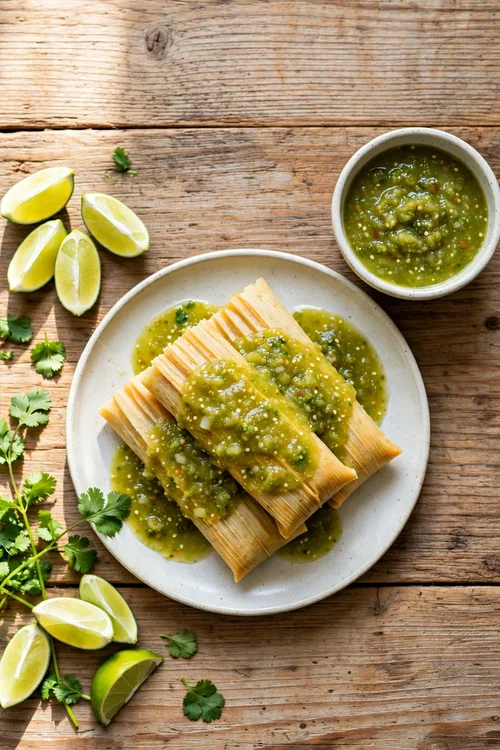
- Roast the tomatillos, onion, and jalapeño under the broiler until blistered, because that char is where the green sauce gets its backbone.
- Blend with cilantro, garlic, and a splash of the chicken poaching broth so the sauce stays bright instead of turning flat.
- Poach the chicken gently and shred it while warm, then fold it through the sauce so every strand gets coated.
- Hold back a cup of sauce for serving, since a fresh green spoonful on top wakes up the whole plate.
The verde batch eats brighter and lighter than the red, with a tang that cuts through the rich masa in the best way. It is the version I reach for all summer long, when heavy sauces feel like too much and everyone still wants seconds anyway.
Masa Mixing Basics
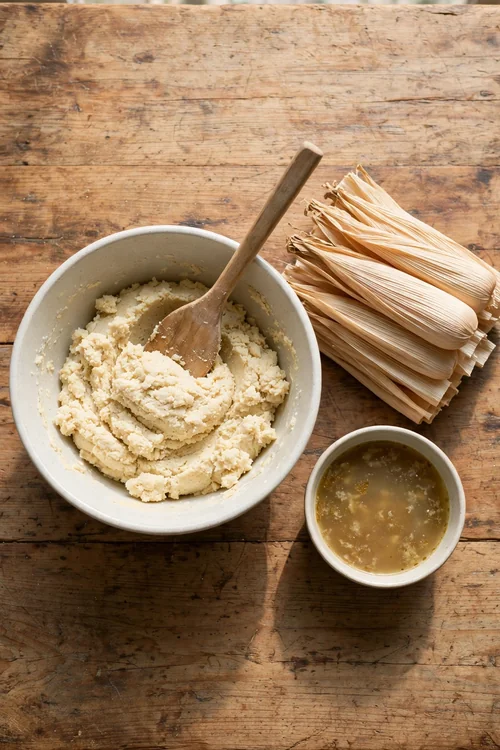
Quick Tip: Whip the lard or shortening until it looks like frosting before the masa goes in. Add warm broth a little at a time until the dough feels like soft hummus. Drop a pea sized ball in water; if it floats, the batch is ready.
Good masa should spread like thick cake batter and hold its shape on the husk without cracking at the edges. Beat it longer than feels necessary, because undermixed masa steams up dense and heavy while well whipped masa turns out light, tender, and almost fluffy inside.
Dry To Juicy
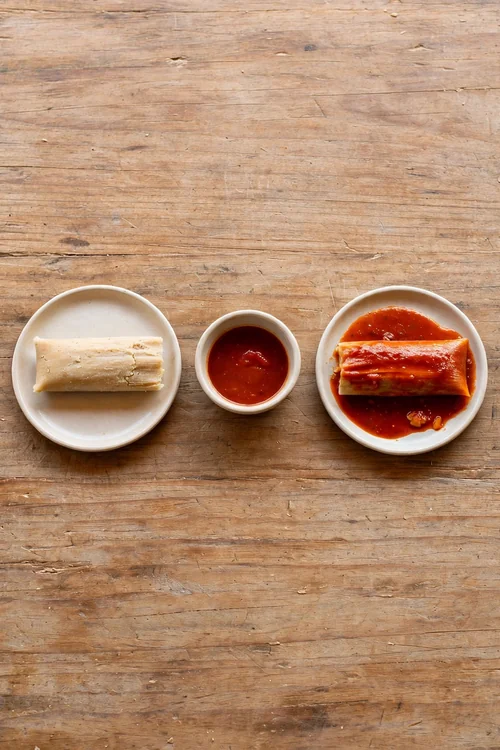
BEFORE: The tray came out of the steamer looking fine, but the first bite told the truth: crumbly masa, a dry shred of filling, and a husk that clung instead of peeling away clean. People reached for their drinks after every single bite at the table.
AFTER: The same tray steams over broth instead of plain water, the filling carries a spoonful of its own sauce, and every husk opens onto masa that shines. The bites are soft, rich, and juicy enough that the salsa bowl becomes a bonus instead of a rescue.
Dryness almost never comes from the steaming itself; it starts earlier, with lean filling, stingy sauce, or masa mixed too stiff. Fix those three things and the same pot, same husks, and same afternoon produce a batch people describe as the best they have had.
Steamer Pot Method
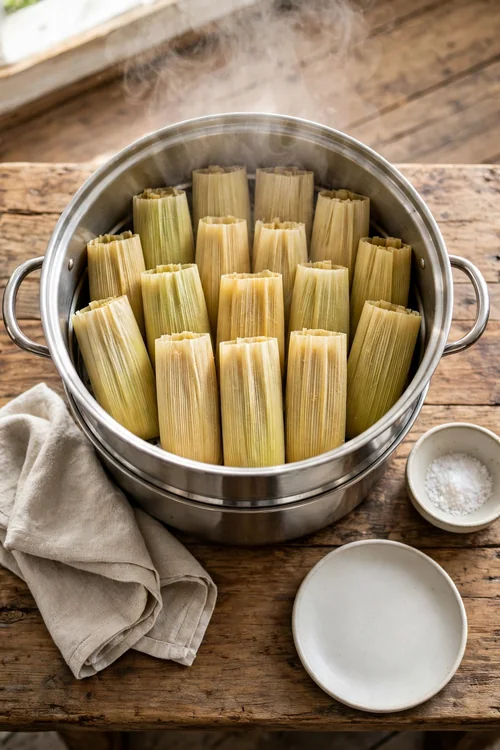
- Line the steamer basket with leftover husks or a damp cloth so the bundles never sit directly in the water below.
- Stand each bundle upright with the folded end down and the open end up, packed snug enough to hold each other up.
- Pour hot broth or water to just below the basket, then cover the top layer with more husks and the lid.
- Steam over a steady simmer for about an hour, topping up the water once so the pot never runs dry.
The standing arrangement matters more than any gadget, because bundles lying flat drink up water and turn soggy at the seams. I have tried both ways plenty of times, and upright bundles come out firm, evenly cooked, and clean peeling almost every single time for me.
Husk Or Banana Leaf
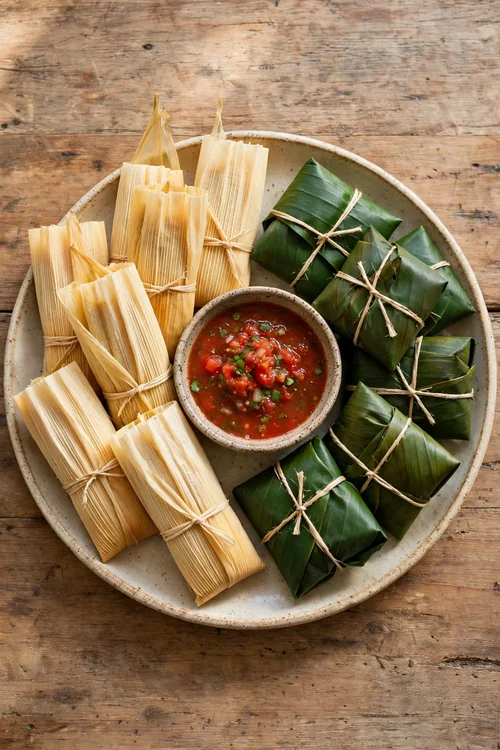
| Point | Corn Husk | Banana Leaf |
|---|---|---|
| Flavor | Clean and classic, lets the filling lead | Grassy and faintly sweet, perfumes the masa |
| Cost | Very low, sold dried in big stacks | Higher, and harder to find fresh |
| Handling | Soak until pliable, spread and fold | Wilt over heat first so leaves bend without tearing |
| Best For | Traditional batches and big tamaladas | Special occasion batches with a twist |
Neither wrapper is wrong, and the choice mostly changes the aroma that greets you when the bundle opens. Husks keep things traditional and cheap for big batches, while banana leaves turn the same filling into something that smells like a celebration before anyone even takes a bite.
Filling Balance Rules
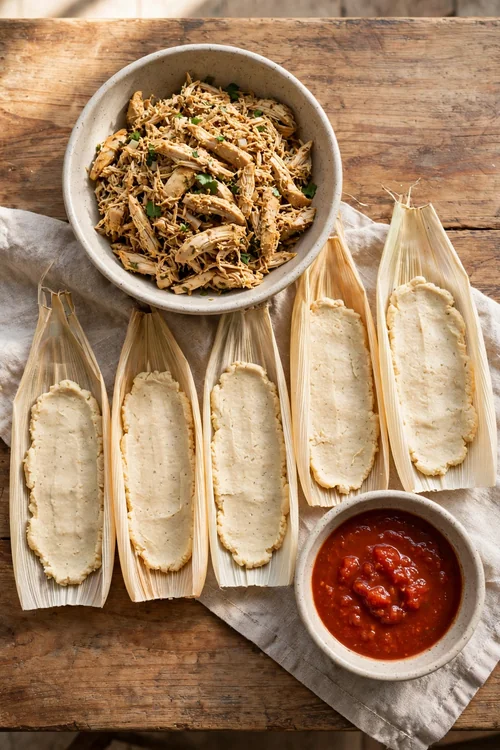
DO: Season the filling a notch bolder than tastes right, because mild masa softens every flavor during steaming. Sauce the shred generously so each bundle steams up juicy. Fill while the meat is warm, since warm filling spreads evenly and bonds with the masa instead of sitting apart.
DON’T: Pack the filling into a tight dry mound, because it steams into a dense plug in the center of the bundle. Overload every husk until folding turns into wrestling. Skimp on salt early and hope the table salsa will fix a bland interior later for you.
Balance is the whole craft here: enough filling to taste generous, enough masa to stay tender, and sauce in both places doing quiet work. Get that ratio right once, write it down, and every future batch suddenly becomes much easier to repeat with confidence every single time.
Party Platter Numbers
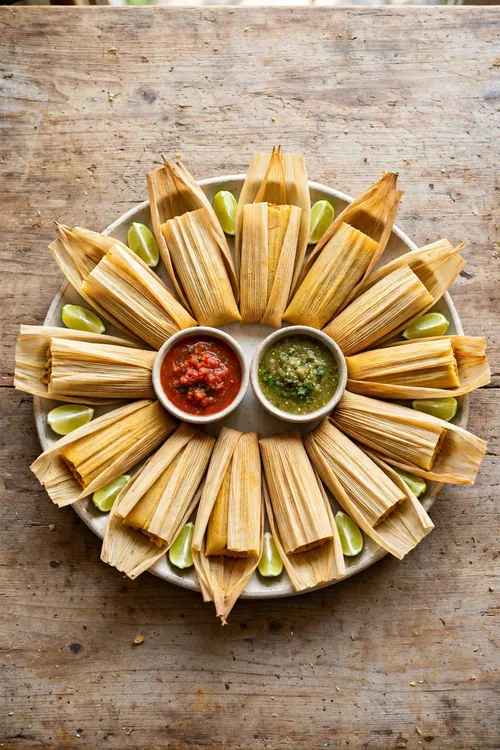
Cost: Moderate, mostly chicken, masa, and dried husks
Time Needed: About 3 hours for a double batch
Difficulty: Medium
Best For: Potlucks, holidays, and big family tables
Plan on three per person when they are the main event, and make a double batch if your crowd skews hungry. I have learned to hide a small reserve tray in the oven, because the platter always empties faster than the cook expects it to.
Chipotle Heat Kick
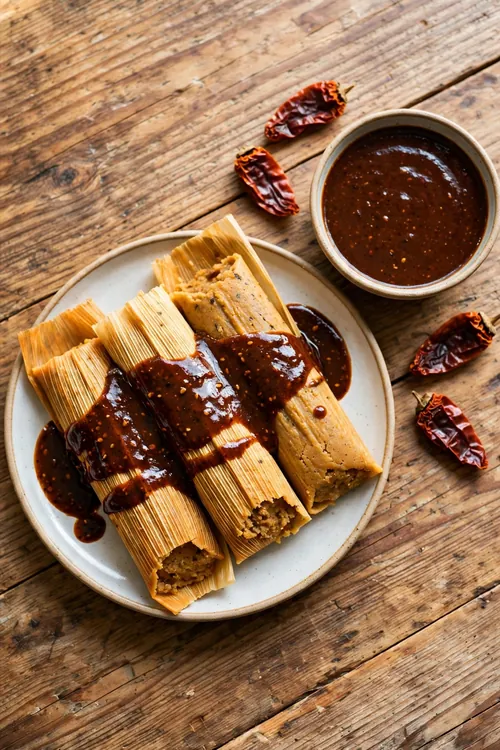
Chipotles in adobo bring two things at once: real heat and a deep smoke that lingers after the bite ends. Blended into the red sauce, they turn the familiar classic into the batch that spice lovers at the table ask about before dessert is even mentioned.
Start with two peppers for a warm batch and three for a brave one, because adobo sauce varies from can to can. Taste the sauce on a spoon, then again on a piece of masa, since the dough will mute the heat noticeably during steaming.
Sweet Corn Masa
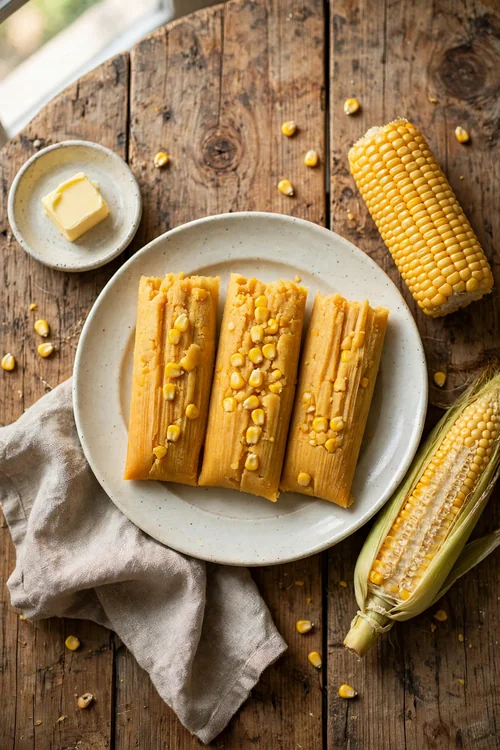
- Blend fresh or thawed corn kernels into the masa base for sweetness that runs through every bite, not just the center.
- Keep a handful of whole kernels folded in at the end, so some bites pop with little bursts of corn.
- Cut the salsa heat way back for this batch, because the sweet masa tastes best next to something mild and buttery.
- Steam these a few minutes less than the savory batches, since the sugary masa sets up a little faster in the pot.
Sweet corn versions walk the line between side dish and dessert, and kids tend to claim them before the adults even sit down. Serve them warm with a drizzle of honey or a spoon of crema, and watch the tray empty in a suspiciously orderly fashion.
Cheesy Poblano Melt
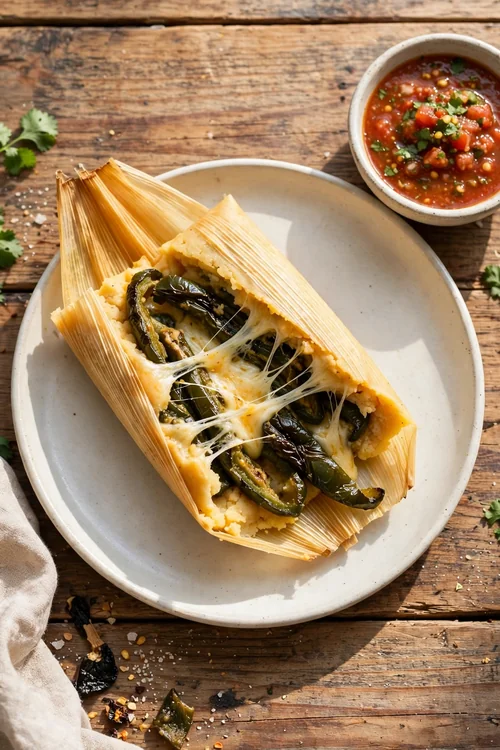
Quick Tip: Use low moisture mozzarella or Oaxaca cheese cut in batons, never shreds that vanish into the masa. Roast the poblanos until the skins blister, then rest them covered so peeling takes seconds. Cold cheese straight from the fridge melts slower and stays in place.
The cheese version needs a filling partner with backbone, and roasted poblano brings a gentle green heat that keeps the richness honest. Pull one open at the table and the stretch alone sells the next batch before anyone has finished chewing the first bite completely.
Tough To Tender

BEFORE: The filling came from chicken breast poached hard in plain water, and it showed: pale strands, a squeaky chew, and flavor that belonged to nothing in particular. People ate the masa, left shreds behind, and quietly reached for extra salsa to get through each bite.
AFTER: The same chicken poaches low and slow in salted broth with onion, garlic, and bay, then rests in its own liquid before shredding. The strands come out silky and seasoned all the way through, and the filling finally tastes like the point of the whole bundle.
Thighs forgive almost everything and cost less, so they are my default whenever the batch is big. Whichever cut you choose, the gentle poach and the rest in hot liquid do the heavy lifting, turning bargain chicken into filling people ask about by name at the table.
Instant Pot Shortcut
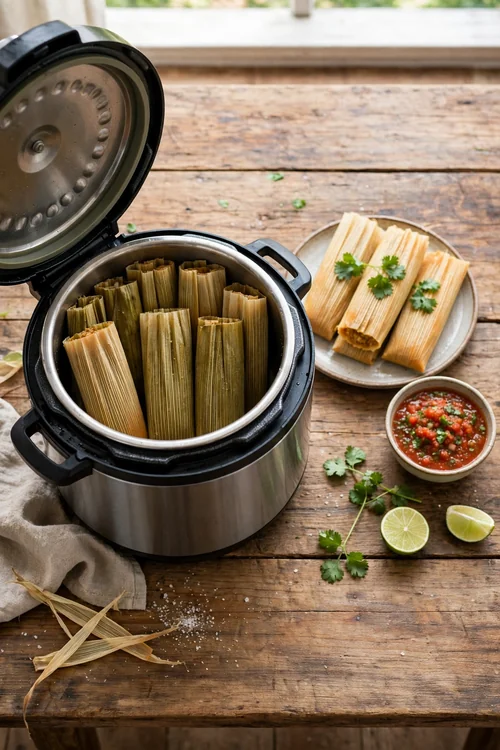
- Add a cup of water and the trivet, then stand the bundles upright in a single snug ring inside the pot.
- Lock the lid and cook on high pressure for about twenty five minutes, depending on how plump your bundles are.
- Let the pressure release naturally for ten minutes so the masa finishes setting instead of slumping when the lid opens.
- Rest one bundle for five minutes, then open it as your test before serving the rest of the batch.
The pressure cooker will not replace a big steamer for a full tamalada, but for a Tuesday batch of twelve it is close to magic. Weeknight versions keep the tradition alive in my house far more often than waiting for a free Saturday ever did.
Fresh Or Frozen Masa
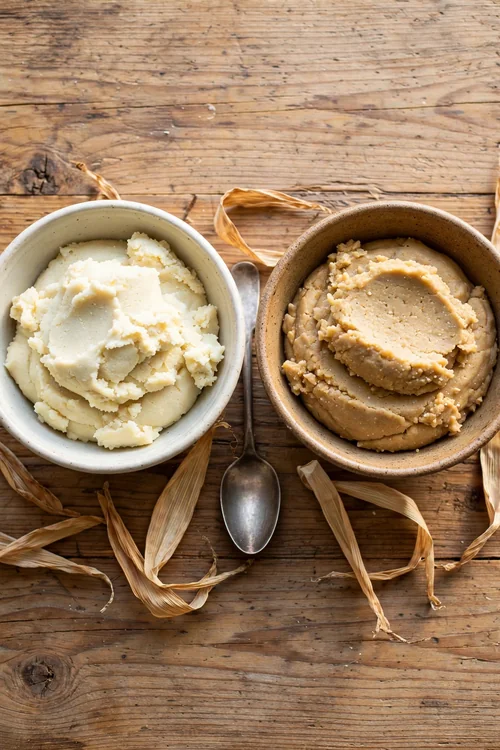
Fresh Masa: Masa mixed the same morning spreads like a dream, whips full of air, and steams into the lightest texture of any batch you will make. It asks for one extra hour of work, and it repays that hour in every single tender, fragrant bite at the table.
Frozen Masa: A bag thawed overnight in the fridge saves the mixing entirely and still steams up respectable, especially for weeknight or last minute batches. Work a spoonful of warm broth back into it before spreading, because frozen masa dries slightly and needs that little bit of help.
Honestly, the gap between the two is smaller than masa purists admit, and most eaters will never spot which batch was which. Keep a frozen bag as insurance, make fresh when the day allows, and let the occasion decide instead of guilt or habit deciding for you.
Freezer Batch Rules
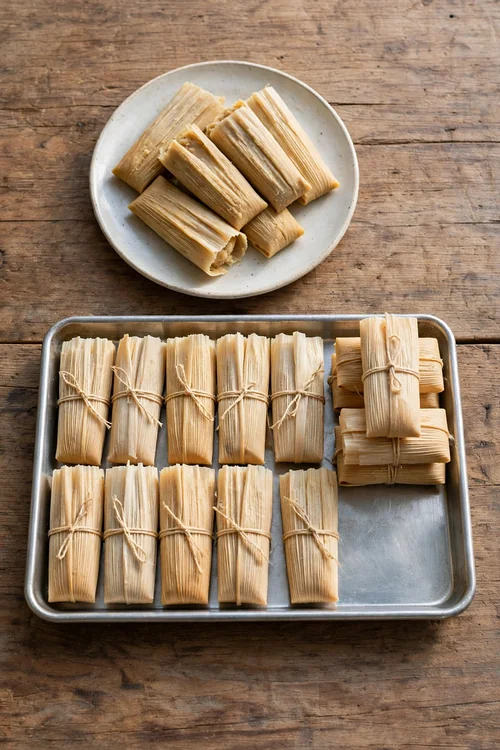
- DO: Freeze the bundles uncooked and raw, because they steam from frozen later exactly like fresh ones with a few extra minutes.
- DO: Lay them flat in a single layer until solid, then bag them so they keep their shape for months.
- DO: Label each bag with the filling and the date, since husks all look identical once frozen.
- DO: Steam straight from frozen, adding about fifteen minutes and checking one bundle before serving.
- DON’T: Freeze them already steamed and expect the same texture, because reheated masa turns dense and tired.
- DON’T: Pack warm bundles into bags, since trapped steam frosts them and dulls the flavor.
- DON’T: Stack soft raw bundles in a deep pile, because the bottom layer squashes flat.
- DON’T: Thaw them on the counter first, because the masa slumps and the husks weep.
A freezer stash turns tamale night from a project into a plan, which is exactly how traditions survive busy seasons. I keep one red batch and one green batch frozen at all times, and future me is grateful every single time the craving lands hard.
Breakfast Plate Twist
Cost: Low, one bundle and an egg per plate
Time Needed: About 10 minutes
Difficulty: Easy
Pro Tip: Crisp the bundle in a skillet before the egg goes on
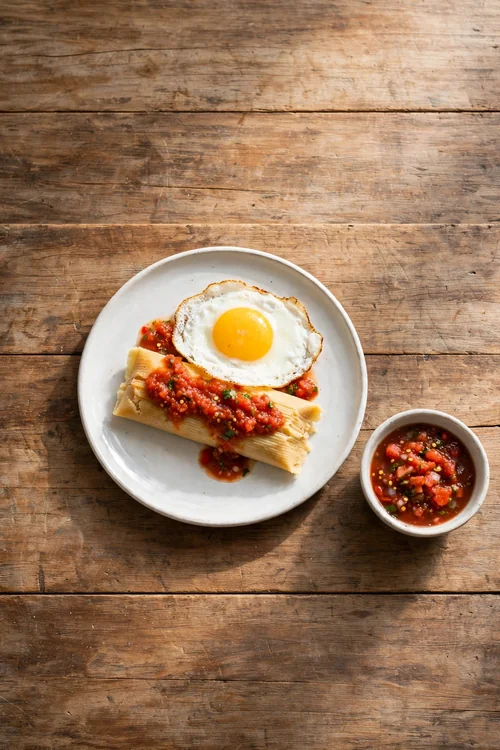
A leftover bundle under a fried egg is the fastest fancy breakfast I know, especially with salsa spooned over the yolk. The masa crisps at the edges in the skillet, the yolk runs into the filling, and nobody believes it started as leftovers from the fridge.
Smoky Shredded Filling
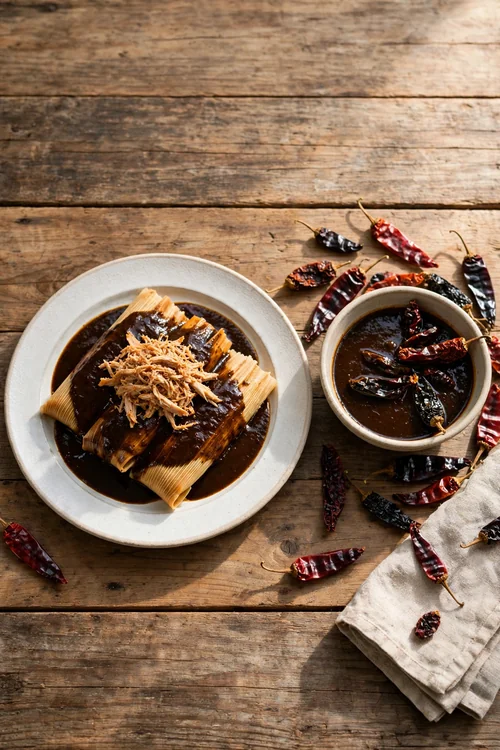
This filling starts on the grill or under the broiler, where the chicken picks up charred edges before it ever meets the sauce. That little bit of char changes everything, giving the shred a campfire depth that plain poached meat simply cannot copy on its own.
Shred it coarse, toss it in a dark sauce built from charred tomatoes, garlic, and a spoon of adobo, then let it sit warm. The sauce should cling to every strand rather than pool underneath, so drain any extra liquid before the filling meets the masa.
Street Corn Topping
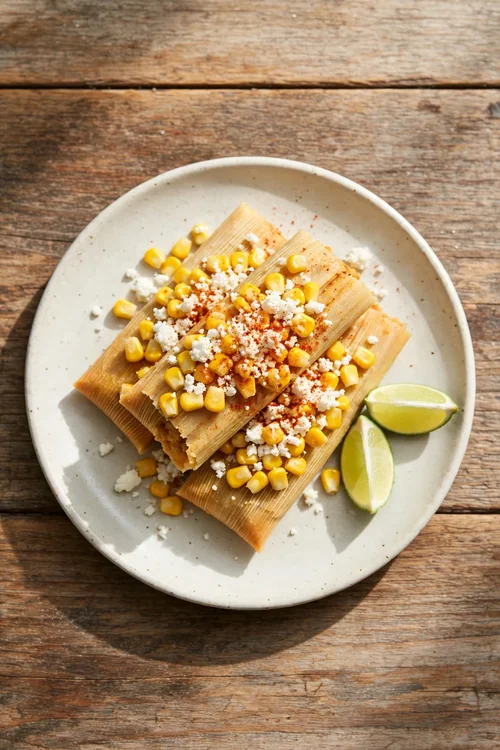
- Char the corn kernels in a dry skillet until they spot and sweeten, because raw corn tastes flat against rich masa.
- Fold the hot corn with a spoon of crema, lime juice, and a pinch of salt before it goes anywhere near the plate.
- Unwrap each bundle at the table and spoon the warm corn mixture over the top so it stays textured, not steamed soft.
- Finish with crumbled cotija and a dusting of chili powder, applied generously and at the very last second.
This topping turns a plain savory batch into the plate everyone photographs before eating, yet it takes maybe ten extra minutes total. The creamy, tangy corn against the soft masa underneath is a contrast people remember long after the tray has been completely cleared away.
Sauce Soak Secret

Quick Tip: Rest steamed bundles for ten minutes, then unwrap and spoon warm sauce directly over the exposed masa. Give them five quiet minutes before serving so the sauce sinks in instead of sliding off. A warm plate helps the soak go deeper.
Most dryness complaints vanish with this one change, because the masa keeps drinking flavor long after the steamer lid comes off. I noticed it by accident once with a broken bundle, and now the soak is a non negotiable step in my kitchen routine every time.
Bland To Bold
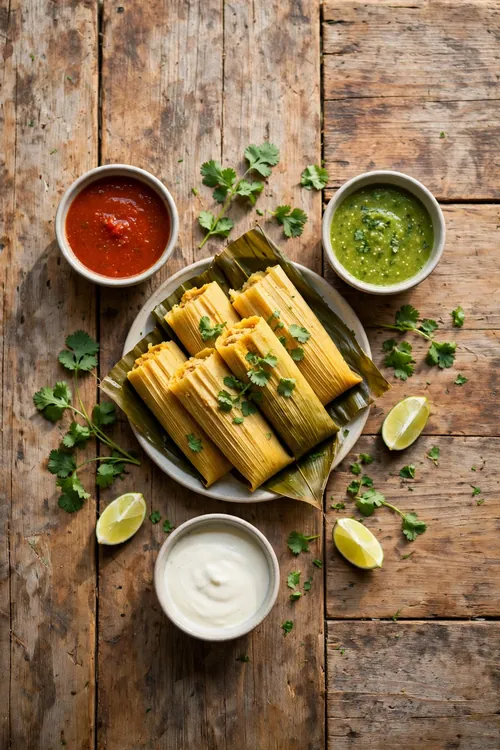
BEFORE: The batch relied on a single mild sauce and underseasoned filling, and the whole tray tasted like one long, soft note. Nothing was wrong exactly, but nothing stood out either, and the leftovers sat untouched in the fridge for days afterward, getting older and sadder.
AFTER: The same base batch wears three sauces at the table, the filling carries its own seasoning, and a squeeze of lime lands on every plate. Suddenly each bite has a high note and a low note, and the leftovers need hiding instead of advertising.
Boldness rarely needs more work; it needs contrast, acid, and salt placed where the eater actually meets them. Build the quiet base well, then finish loudly at the table, and even a simple batch eats like the special occasion version of itself, every single time.
Assembly Line Setup
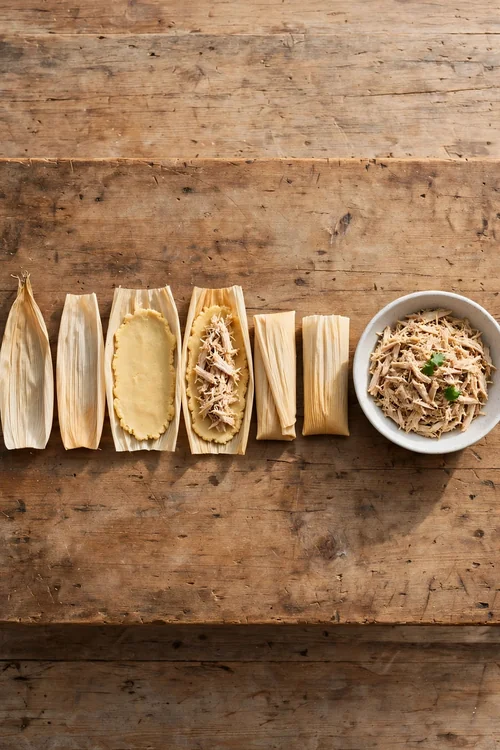
- Soak the husks in warm water for at least thirty minutes, then shake them dry and stack them under a damp towel.
- Set up stations in order: husks, masa with a spreading spoon, filling, and a tray waiting for finished bundles.
- Spread masa in a thin patch on the wide half of each husk, leaving clean borders for folding and tying.
- Spoon filling down the center, fold both sides over, then fold the narrow end up to seal each bundle.
An assembly line feels slower for the first ten minutes and wildly faster by the fortieth bundle, especially with music on and helpers rotating in. Solo cooks benefit too, because reaching for things in order keeps the masa from drying while you work through the stack.
Steamer Or Oven
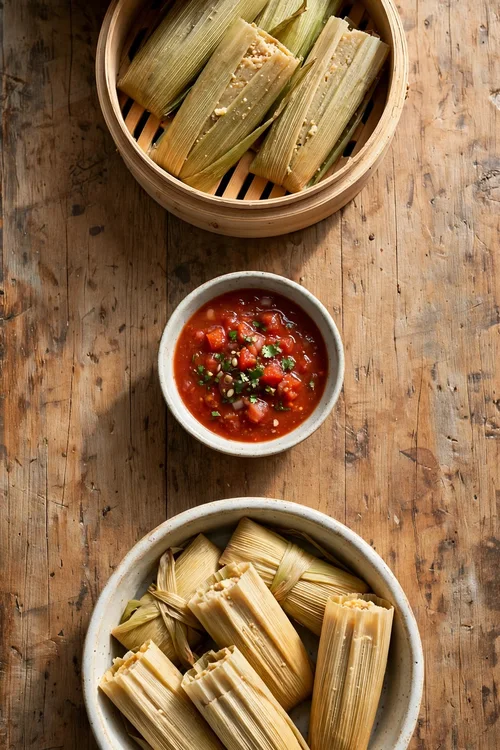
- Texture: Steaming keeps masa moist and tender all the way through, while oven batches firm up with slightly crisped edges.
- Batch Size: A tall steamer pot handles forty or more bundles at once, while the oven fits one or two pans comfortably.
- Attention: The steamer needs its water checked once midway, while the oven asks only for a covered pan and patience.
- Best Moment: Choose the steamer for tamaladas and big weekends, and the oven for small test batches on a quiet weeknight.
Both methods land on the table warm and welcome, and the honest difference is smaller than the arguments suggest. Pick by batch size and by which pot is already clean, then spend the saved debate time making an extra sauce nobody expected you to make.
Serving Day Rules
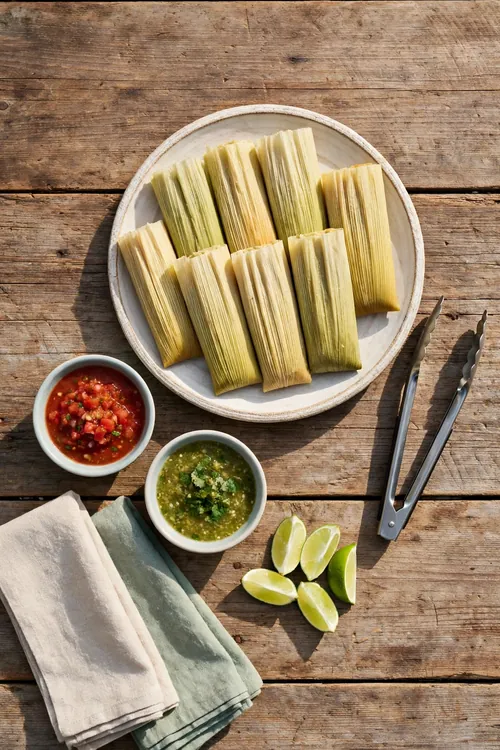
| DO | DON’T |
|---|---|
| Rest the bundles ten minutes before opening | Unwrap everything at once and let them cool |
| Keep extras warm in the covered steamer | Reheat in a dry oven until the husks crack |
| Serve sauces warm in small bowls | Pour cold salsa over hot masa |
| Set out lime, crema, and extra salt | Decide everyone’s toppings for them |
Serving well is mostly about heat and timing, and both are decided in the last fifteen minutes before people sit down. Treat that window gently, keep the extras hidden and warm, and the batch you worked all afternoon on gets the reception it honestly deserves.
Holiday Gift Boxes
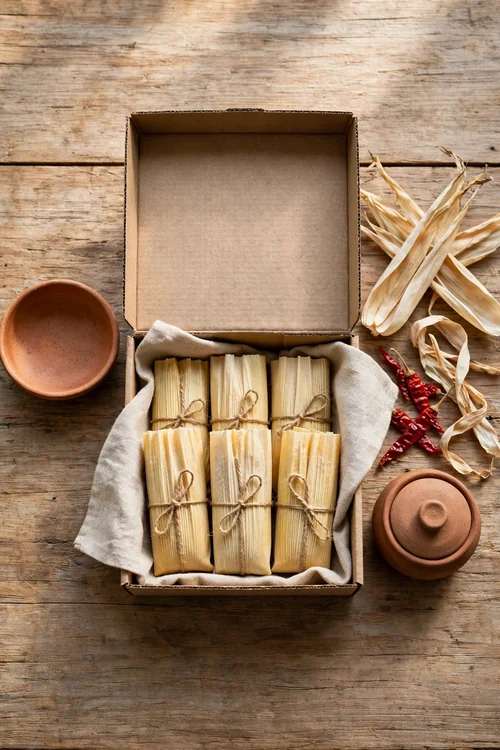
Cost: Low, bundles plus a simple box and ribbon
Time Needed: About 30 minutes of packing
Difficulty: Easy
Best For: Neighbors, teachers, and holiday hosts
Few gifts get opened as fast as a warm box of homemade bundles, and fewer still get remembered as fondly by January. Tie on a little card with reheating notes, deliver them the same day, and expect the empty box back with a hopeful look attached.
Leftover Skillet Remix

Leftover bundles deserve better than a microwave, and a hot skillet is the kindest place they can land. Chop them into thick coins, husk removed, and let the cut sides sit undisturbed until the masa turns golden and crackly at the edges like good hash.
The filling crisps along with the masa, the sauce caramelizes in little spots, and the whole pan smells like a brand new dish. Nobody at the table will file this under leftovers, especially once a fried egg or a spoon of salsa lands on top.
Conclusion
Whichever batch you start with, the pattern stays the same: good masa, a generous filling, and patience at the steamer. These chicken tamales reward every minute, and I have watched even shy eaters reach for a second one before finishing their first at family dinners.
Save this list for your next tamalada, holiday weekend, or freezer restock day. Pick two styles, invite people you like, and let the assembly line turn into the best part of the afternoon. Warm husks, full plates, happy people, and zero leftovers are the goal here. On pita night, my chicken gyros vanish fast.