23 Lamb Kebabs with Simply Fabulous Homemade Charm
Great lamb kebabs need very little: good meat, honest spices, real heat, and the patience to leave the skewers alone while they char. Everything else is small choices that add up fast.
This collection gathers twenty three versions worth saving, from classic spiced skewers and handmade kofta to fiery harissa, yogurt marinated cubes, and long seekh style mince, plus wraps, trays, and a party platter built for a crowd.
Each version keeps the same promise: juicy centers, crisp charred edges, and flavors that stand up to flatbread, rice, and every sauce on the table. Pick one for tonight, save the rest for the next cookout, and let the grill do the talking. My chicken tetrazzini makes another cozy weeknight hero worth saving.
Classic Spiced Skewers

Image Credit: @ashfireworks.kitchen
The classic starts with leg or shoulder cut into even cubes, salted early so the seasoning goes deeper than the surface. Cumin, sweet paprika, black pepper, and a pinch of cinnamon build the warm, familiar flavor most people picture when skewers hit the hot grill.
Rest the meat at room temperature for twenty minutes before cooking, because cold cubes steam instead of searing over high heat. Turn the skewers only when the first side releases easily, and the crust will stay dark, crisp, and exactly where it belongs on the meat.
Handmade Kofta Style

Image Credit: @estersfooddiary
- Grind or buy ground lamb with about twenty percent fat, because lean mince dries out and crumbles on the grill.
- Grate a small onion and squeeze it dry, then mix the pulp through the meat for sweetness without extra moisture.
- Add finely chopped parsley, cumin, coriander, and a little cinnamon, mixing just until the meat turns tacky and holds together.
- Chill the shaped kofta for thirty minutes before grilling, so the fat firms up and the ovals keep their shape over the heat.
- Wet your hands with cold water while shaping, and the sticky mince will smooth into clean ovals instead of clinging to your palms.
Kofta rewards gentle handling more than any other style in this collection, and the texture proves it at the first bite. In my experience, the skewers that get mixed the least stay the tenderest, so stop as soon as everything looks evenly combined and seasoned.
Charcoal Shish Grill

Image Credit: @noamanito
Quick Tip: Bank the coals to one side before the skewers go on, giving yourself a hot zone for searing and a cooler zone for finishing. Lamb fat drips and flares, so that safe side saves dinner. A light brush of oil on the grates keeps the crust from sticking.
Charcoal gives shish style skewers the smoke no gas flame can copy, and the edges catch in the best possible way. Keep the cubes spaced with a little breathing room, because crowded meat steams in its own juices instead of charring against the hot coals.
Yogurt Marinated Cubes

Image Credit: @eyeseatbefore
Before: Plain salted cubes go over the fire tasting fine but firm, with edges that dry right out before the centers finish cooking. The outside picks up color, yet the inside stays chewy, and the seasoning never travels deeper than the surface of the meat itself.
After: Six hours in yogurt with lemon, garlic, and olive oil changes everything, because the gentle acid relaxes the meat while the fat carries the spices inward. The cubes grill up tender with pale golden edges, a tangy crust, and centers that stay properly juicy throughout.
Yogurt also protects the meat from the harshest heat, which makes this the most forgiving marinade for beginners. Drain off the excess before grilling so the cubes sear instead of simmering, and save a spoonful of fresh marinade for serving at the family table tonight.
Harissa Fiery Skewers
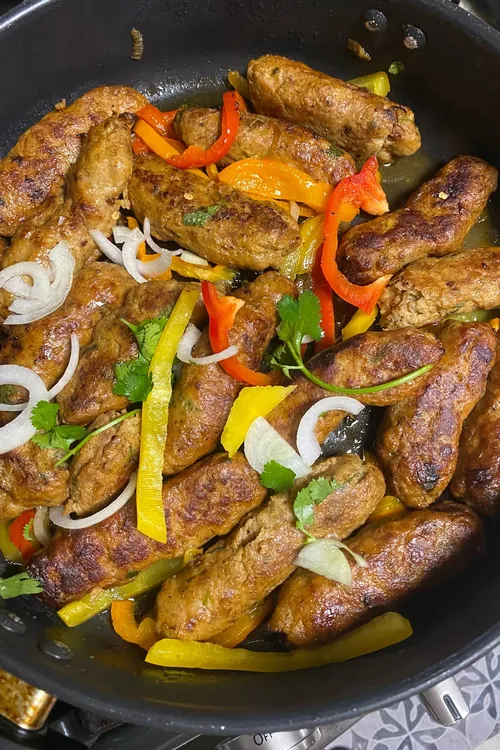
Image Credit: @fusioncateringg
- Stir two spoonfuls of harissa paste with olive oil, lemon juice, and a little honey until the mixture pours like a thick dressing.
- Coat the lamb cubes completely and rest them for at least one hour, or overnight when you want the heat to settle deeper.
- Thread the cubes with small gaps between them, leaving the ends of each piece exposed so the glaze can caramelize.
- Grill over high heat, turning every couple of minutes, and brush on one final coat of harissa during the last minute.
- Rest the skewers for five minutes, then serve with plain yogurt so the fire stays pleasant instead of overwhelming.
Harissa brings more than heat; it brings smoke, garlic, and a deep red color that stains the edges beautifully. I’ve noticed the honey matters more than expected, because its sweetness rounds the chilies while helping the glaze catch and blister over the hot open fire.
Flat Metal Skewers

Image Credit: @theepicurex
| Point | Flat Metal | Round Bamboo |
|---|---|---|
| Turning | Cubes grip the flat blade and turn as one piece | Cubes spin freely and cook unevenly |
| Heat | Blade carries heat into the center of each cube | Wood insulates, so centers cook slower |
| Grip | Wide surface holds soft kofta mince firmly | Mince slides and twists on a round stick |
| Reuse | Washes clean and lasts for years of grilling | Single use, and it can scorch or snap |
Flat blades feel like a small upgrade until the first turn, when every cube moves together instead of spinning in place. For minced styles they are close to nonnegotiable, and even cubed meat cooks more evenly when nothing rotates against your tongs over the coals.
Stovetop Grill Pan

Image Credit: @barbaryandoak
| DO | DON’T |
|---|---|
| Preheat the pan until a drop of water dances. | Put cold skewers on a cold pan. |
| Leave space between skewers so steam can escape. | Crowd the pan and boil the meat. |
| Press gently once for strong stripes, then leave them. | Slide the skewers around and tear the crust. |
| Rest the skewers on a warm plate before serving. | Serve straight from the pan onto cold plates. |
Rainy days stop nobody when a heavy grill pan lives in the kitchen, and the stripes come out darker than most people expect indoors. Open a window before you start, because lamb fat smokes generously, and finish with lemon squeezed over the hot resting skewers.
Herb Crusted Skewers

Image Credit: @simplynourishedmc
Cost: Moderate, mostly fresh herbs and pantry spices.
Time Needed: About forty minutes, including a short rest.
Difficulty: Easy, the crust mixes in one bowl.
Best For: Bright spring dinners and garden parties.
A thick herb crust does double duty here, seasoning the meat while shielding it from drying over the fiercest heat. Chop parsley, mint, and a little rosemary very fine, press the mixture onto oiled cubes, and the skewers come off the grill vivid green and fragrant.
Warm Pita Wraps

Image Credit: @calorie_countwithme
Everything changes once the skewers come off the grill and go straight into warm pita with chopped salad and garlic sauce. The bread catches the juices that would otherwise pool on the plate, and each bite gets meat, crunch, and cream in one satisfying mouthful.
Warm the pitas directly over the flame for a few seconds per side until they puff and freckle, then wrap them in a towel. Cold bread tears and fights back, but warm bread folds around the filling like it was made for the job all along.
Oven Roasted Trays
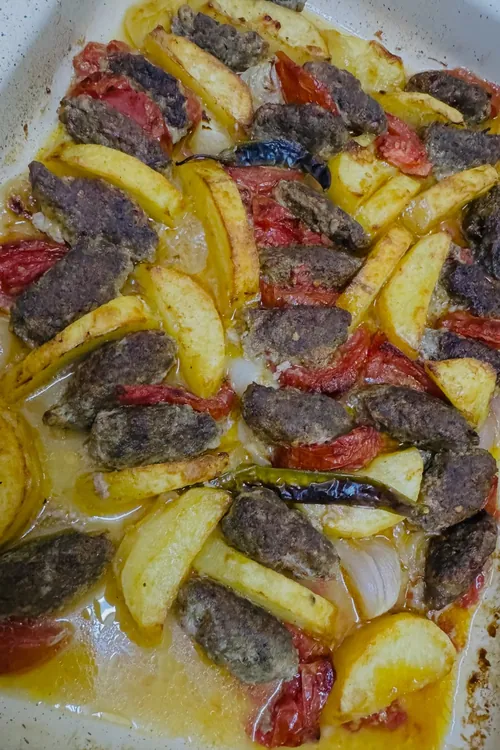
Image Credit: @zekra.jabali
- Heat the tray inside the oven before the skewers go on, so the meat starts sizzling on contact instead of steaming.
- Roast at a high temperature with the skewers spaced apart, turning once halfway for even color on every side.
- Add onion wedges and whole garlic cloves to the tray, because they roast in the drippings and sweeten the whole pan.
- Finish under the broiler for two minutes when you want darker edges without drying the centers out at all.
The oven version feeds a table without anyone standing over coals, which makes it the weeknight hero of this list. Line the tray with foil for easy cleanup, rest the skewers on the warm tray, and carry the whole thing straight to the family table.
Garlic Lemon Skewers
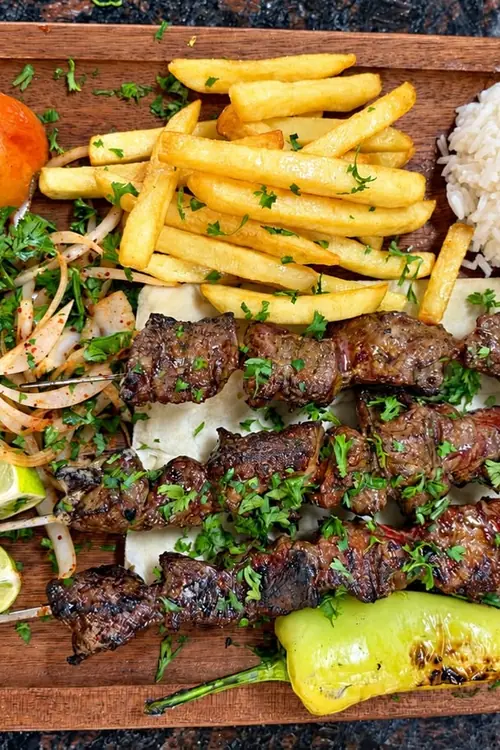
Image Credit: @turkishkebabsamui
Quick Tip: Grill lemon halves cut side down beside the skewers until their faces char and darken at the edges. Hot lemon juice turns sweeter and smokier than raw, and it loosens with one squeeze. Brush the skewers with garlic butter in the final minute only.
Lemon does the heavy lifting in this version, cutting through the richness so the meat tastes bright instead of heavy. Zest goes into the marinade, juice goes over the finished skewers, and nothing citrusy gets wasted between the cutting board and the warm serving plate.
Onion Juice Marinade

Image Credit: @bar_crispin
Before: Cubes seasoned only at the surface grill up tasty yet one note, and the inside never quite catches up with the crust. Each bite starts strong, then fades, because salt and spice sat on the outside while the center stayed plain and completely unseasoned throughout.
After: A bath in grated onion juice, oil, and black pepper seasons the cubes all the way through while quietly tenderizing them. The sugars in the juice caramelize over high heat, giving the skewers a deep, savory sweetness no dry rub can match on its own.
Grate the onion on the coarse side of a box grater and squeeze it through a cloth when you want juice without pulp. Four hours is plenty here, because onion juice works fast, and an overnight soak can turn the texture strangely soft and mushy.
Seekh Style Mince
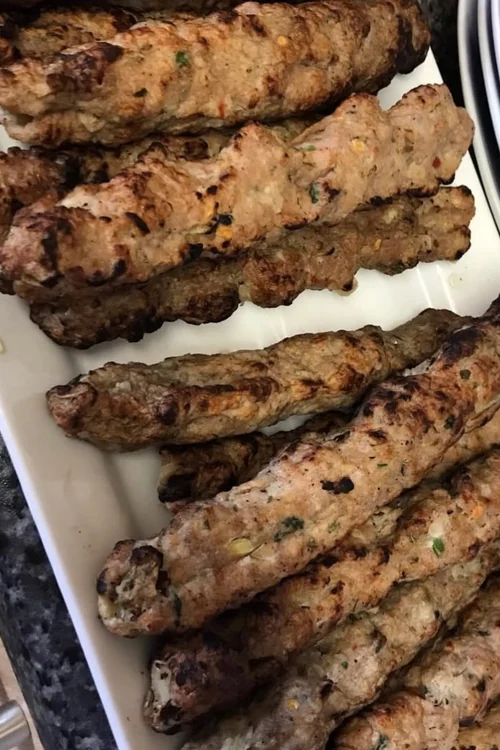
Image Credit: @sylheti_kitchen
- Mix ground lamb with grated onion, green chili, ginger, garlic, cumin, and coriander until the mixture turns sticky and pale.
- Chill the mixture for one hour, because cold fat is what keeps long mince skewers firm over the fire.
- Shape the mince around flat skewers in long, even sausages, pressing firmly so no air pockets hide inside.
- Grill over high heat without moving them for the first two minutes, letting a crust form before the first turn.
- Turn a quarter at a time until all sides char lightly, then rest and shower with chopped onion and lemon.
Seekh style is the one readers write back about most, because the texture lands somewhere between sausage and kebab in the best way. Serve the skewers straight onto warm naan so the bread catches the spiced juices running off the hot mince as it rests.
Shoulder Or Leg

Image Credit: @azcoco777
Shoulder Cut: Shoulder brings more fat and connective tissue, which melts slowly and keeps the cubes forgiving over high heat. It costs less per pound, shrugs off an extra minute on the grill, and delivers the richest flavor of any cut in this comparison by far.
Leg Cut: Leg is leaner and cleaner tasting, with big muscles that cut into neat, even cubes for tidy skewers. It cooks a little faster, slices beautifully for wraps, and suits anyone who prefers their grilled meat mild, firm, and free of chewy seams or gristle.
Neither cut loses, because they answer different dinners: shoulder for slow, smoky weekends and leg for quick, clean weeknight skewers. In my experience, a mixed grill with both on the same platter pleases everyone and starts the friendliest arguments at the table every single time.
Freezer Friendly Batches

Image Credit: @_kabobchi_001
DO: Freeze the skewers in a single layer on a parchment lined tray until solid, then bag them with the air pressed out. Label each bag with the marinade and the date, thaw overnight in the fridge, and dinner moves fast on busy nights at home.
DON’T: Never freeze skewers in a marinade heavy with raw onion juice, because the flavor turns harsh after a month in the cold. Avoid refreezing thawed meat, skip the microwave thaw that cooks the edges, and never crowd frozen skewers onto a screaming hot grill.
A freezer stash of seasoned skewers turns an empty evening into a small feast with almost no shopping involved. Keep two marinades in rotation, one gentle and one fiery, and future you will be grateful every time the grill gets lit on impulse this summer.
Mint Chimichurri Drizzle

Image Credit: @swenkiestable
Pro Tip: Spoon the sauce on after grilling, never before the fire.
Cost: Low, built from herbs, oil, vinegar, and garlic.
Time Needed: Ten minutes of chopping and stirring by hand.
Works In: Wraps, rice bowls, and plain grilled plates alike.
Mint and lamb have been partners forever, and this loose, oily sauce proves why with every spoonful over hot meat. Chop everything by hand instead of blending, because the sauce should stay spoonable and rough, with the herbs still visible in the oil on top.
Pomegranate Glazed Skewers
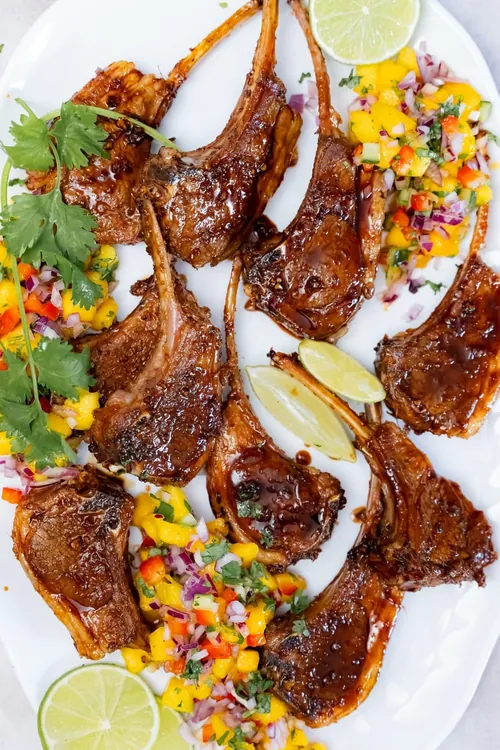
Image Credit: @thelazymakoti
Pomegranate molasses turns a plain grill session into something that looks straight off a restaurant menu, all shine and deep red gloss. The glaze goes on near the end, brushed in thin coats so the sugars lacquer the meat instead of burning over the coals.
Balance is the whole game here, because the molasses brings tartness that needs salt, warmth, and a little fat underneath it. A final scatter of fresh seeds adds crunch and color, and their juicy pop against the sticky glaze keeps every bite lively and bright.
Veggie Packed Skewers

Image Credit: @robinvmiller
- Cut the peppers, onions, and zucchini the same size as the meat cubes, so everything finishes cooking at the same moment.
- Put a vegetable piece between every two cubes of meat, giving the fat somewhere flavorful to drip as it renders.
- Soak bamboo skewers for thirty minutes before threading, because the vegetables need longer over the heat than bare sticks can take.
- Brush the vegetables with oil and salt separately, since they season differently than the marinated meat beside them.
Vegetables on the skewer are not filler; they char at the edges, sweeten in the lamb fat, and stretch a modest amount of meat across more plates. Bell pepper and red onion hold up best, while zucchini belongs on the shorter, hotter cooks every time.
Smoky Paprika Skewers
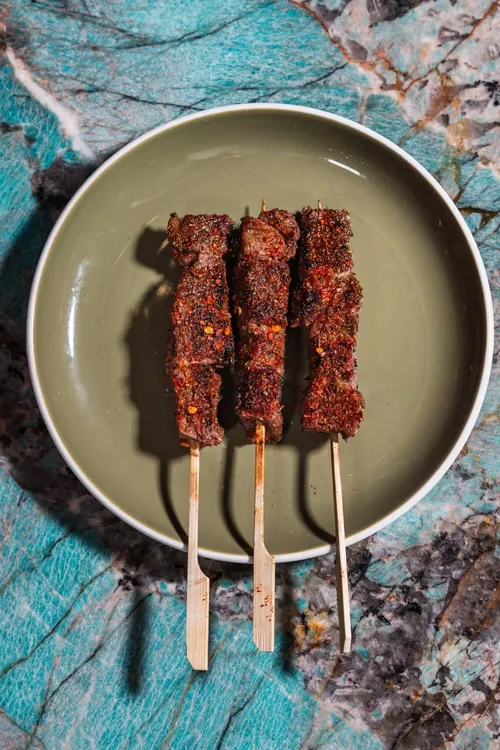
Image Credit: @starchefs
Quick Tip: Bloom the smoked paprika in warm olive oil for one minute before it touches the meat, and the spice wakes up completely. The oil carries the smoke into every corner of the rub. Add flaky salt only after grilling, so it stays crunchy.
Smoked paprika fakes the flavor of a wood fire on the nights when the grill stays in the garage, and nobody at the table guesses the shortcut. Pair the rub with a squeeze of lemon and a cooling yogurt sauce for balance at serving time.
Turkish Adana Style

Image Credit: @kankachargrill
Before: Loose mince seasoned like burger meat slides off the skewers and lands in the coals, taking dinner with it. What survives tastes plain and crumbly, because nothing binds the meat and the spices never get the fat they need to bloom properly over the heat.
After: Minced lamb worked with tail fat, red pepper flakes, and salt until sticky holds the flat skewer like it was cast around it. The edges char in ridges, the inside stays juicy, and every bite carries gentle, even heat from edge to edge the whole way.
Adana is traditionally fiery, but home cooks control the pepper, so start gentle and build toward the real thing over a few attempts. Serve the skewers over warm flatbread with grilled tomato, sumac onions, and the juices soaking straight into the bread underneath it all.
Air Fryer Skewers
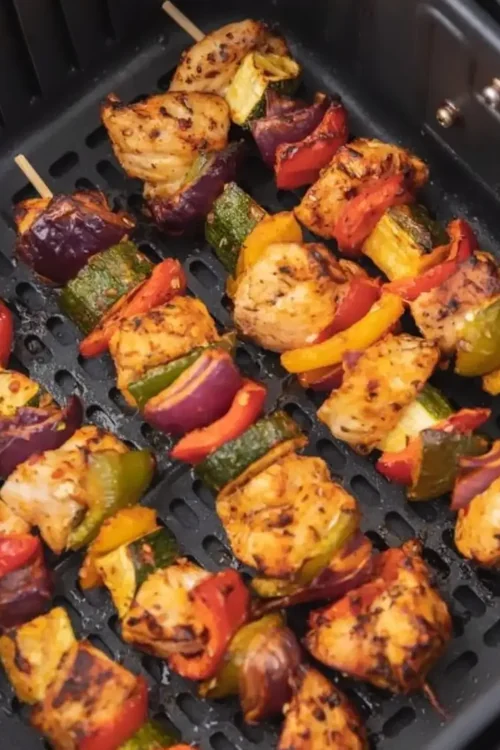
Image Credit: @rashmi.4560
- Preheat the air fryer for five minutes, because the skewers need instant heat to brown instead of slowly steaming.
- Arrange the skewers in a single layer with gaps between them, cooking in batches rather than stacking them up.
- Cook at a high temperature for eight to ten minutes, turning once halfway, until the edges crisp and darken.
- Brush with garlic butter or leftover marinade during the final two minutes for a glossy, seasoned finish.
The air fryer earns its place here on small batch nights, when two or three skewers simply do not justify lighting the whole grill outside. The edges crisp honestly, the centers stay juicy, and cleanup shrinks to one basket in the sink, every single time.
Grill Or Broiler

Image Credit: @raousmanraza
- Char and smoke: The grill wins easily, laying real smoke and deep char lines that no indoor method fully copies.
- Weather proofing: The broiler ignores rain, wind, and dark winter evenings, cooking the same way in every season.
- Cleanup: Broiler trays go straight into the sink, while grill grates need brushing, oiling, and a hot burn off.
- Best batches: Big crowds belong on the grill, but small weeknight batches cook faster under a ripping hot broiler.
Knowing both methods means the skewers happen in every season, not just the sunny stretch of the year. I reach for the broiler more than expected in winter, especially with a smoky rub standing in for the smoke the grill would have given them generously.
Backyard Party Platter

Image Credit: @ig.uk.circle
- DO: Grill in batches and hold finished skewers on a warm platter covered loosely with foil.
- DO: Set out two sauces, one cooling yogurt and one green herb, for different heat levels.
- DO: Slice extra onions and lemons ahead, because the platter empties faster than anyone predicts.
- DO: Keep raw and cooked skewers on separate trays with their own tongs all evening.
- DON’T: Pile raw skewers beside cooked ones on the same crowded serving platter.
- DON’T: Sauce everything in advance, because guests like choosing their own heat and flavor.
- DON’T: Let the platter sit in the sun while the rest of dinner finishes cooking.
- DON’T: Skewer at the last minute, because threading takes longer than the grilling itself.
A party platter of mixed skewers makes the cook look calm, because all the real work finished before the first guest arrived. Mix two or three styles from this collection, keep the sauces cold and the bread warm, and the table stays happy for hours.
Conclusion
Twenty three versions in, the pattern is clear: lamb kebabs ask only for good seasoning, honest heat, and a short rest before serving.
Start with the classic spiced skewers, save the harissa and Adana for a brave weekend, and keep a freezer batch ready for busy nights. Pin this collection for your next cookout, share it with your favorite grill partner, and tell me which platter disappeared first at your table.
In my experience, the skewers people remember are never the fanciest ones, just the ones cooked with patience and served hot. My chicken adobo brings the same bold, saucy comfort to the table.