Why Does My Pancake Batter Turn Out Rubbery? Easy Fix Guide
Rubbery pancakes are a common breakfast problem. You mix the batter, and the pancakes look golden on the griddle. The first bite feels tough and chewy, and the soft, fluffy texture you wanted is gone. The pancakes still taste fine, but the texture makes them hard to enjoy.
Most pancake batter turns rubbery when the batter gets mixed too much. Extra stirring builds gluten, and the gluten makes the pancakes tough. Small mistakes add up fast, and the wrong method makes the texture worse when you cook pancakes at home.
This guide walks through each cause one by one, then gives simple fixes you can use today. Follow the steps, and your pancakes can stay soft, fluffy, and ready to serve. Use the fixes in this guide, and the pancakes stay soft. And if your pancakes also come out flat, see why pancakes not fluffy happens and how to fix it with simple kitchen tricks.
Why Batter Turns Tough
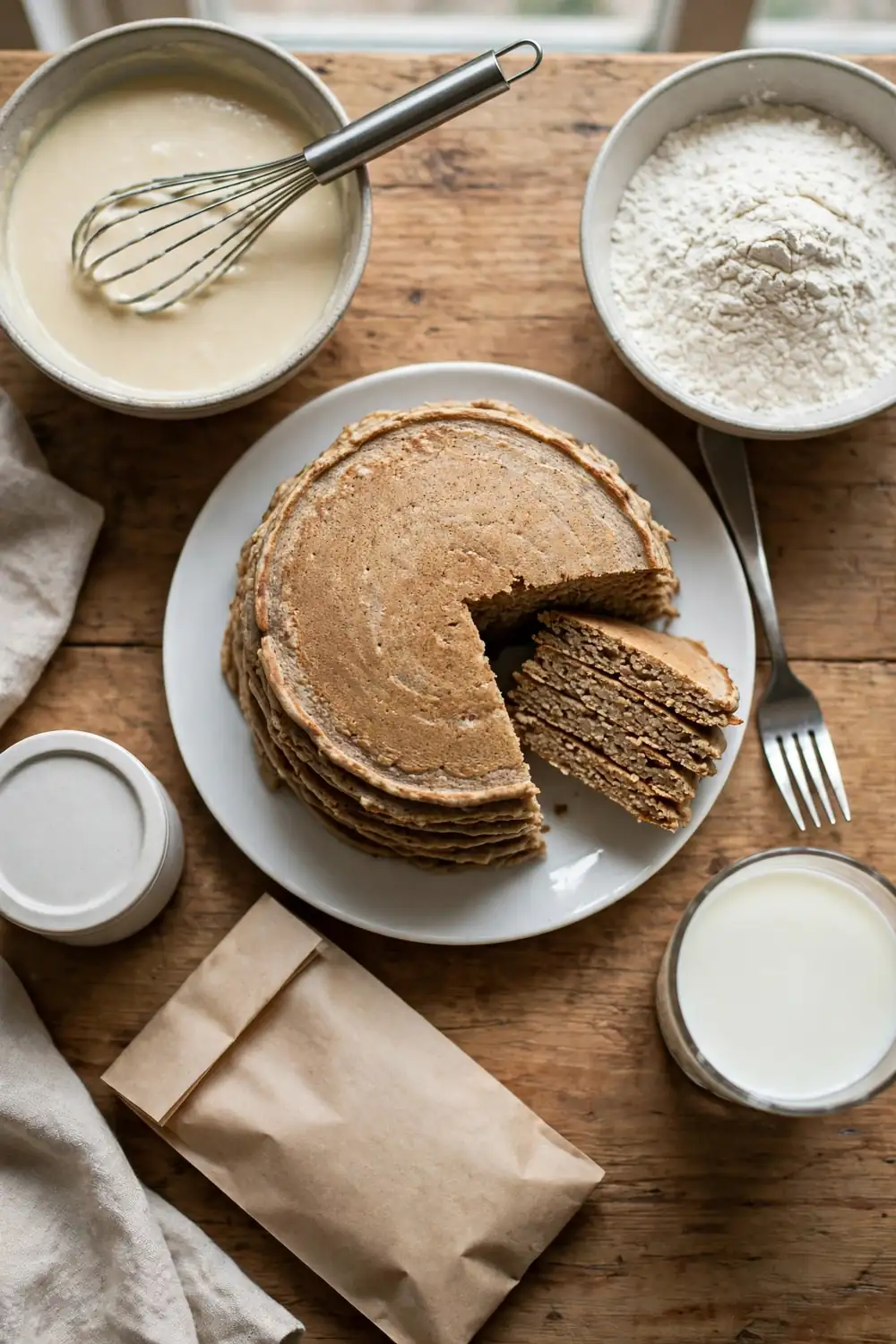
Tough batter does not mean the batter went bad, and the mix stays usable. The gluten tightens first, then the pancakes turn chewy with heat. A gentle mix keeps the texture light, and a rough mix makes it worse. Check the batter before you toss it.
Mix It Less
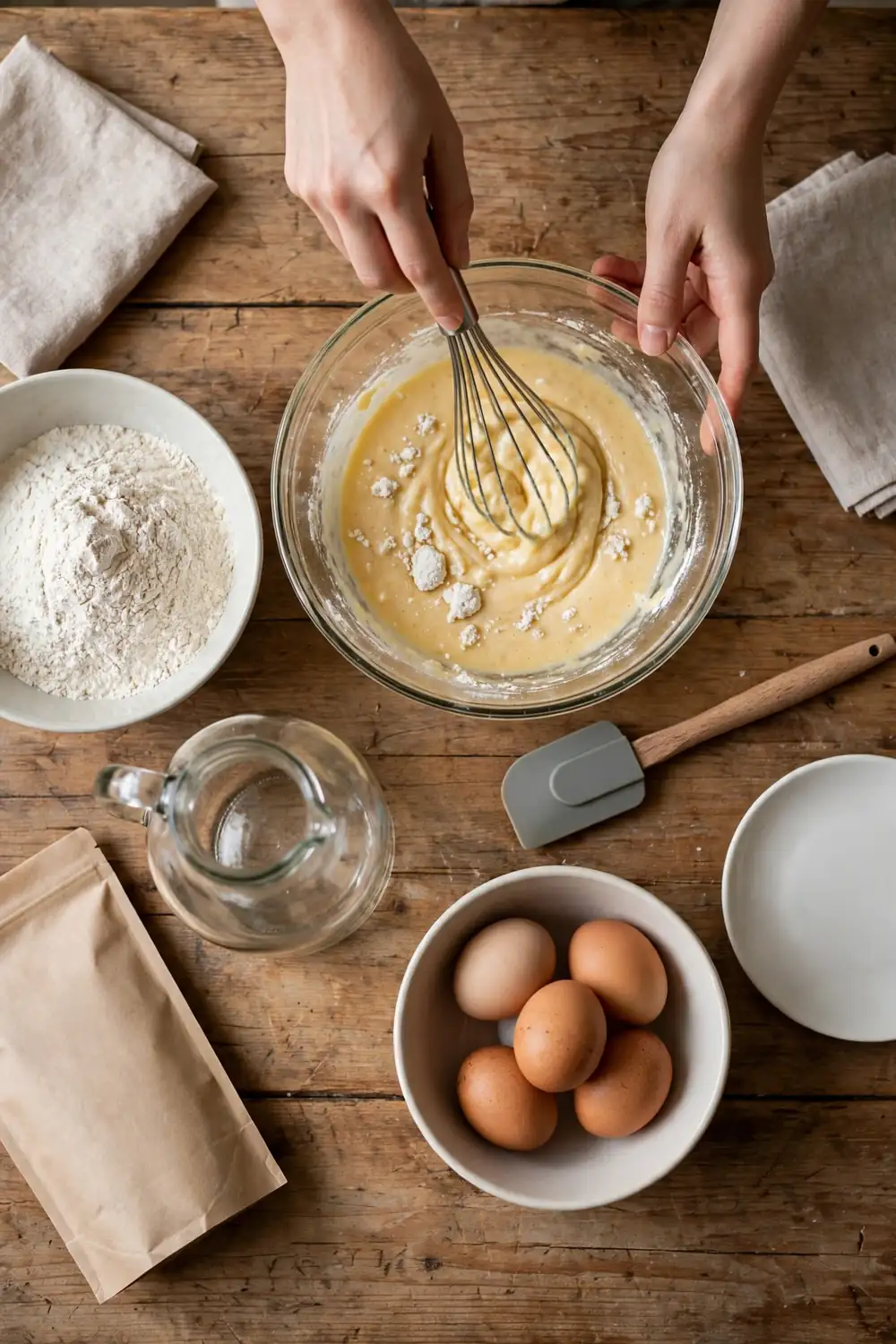
Stop stirring as soon as the batter looks mixed, and leave the lumps alone. A smooth batter looks neat, but the extra strokes build gluten. Light mixing keeps the pancakes soft, and the stack stays fluffy. Use a fork or a whisk with a light hand.
Rest the Batter
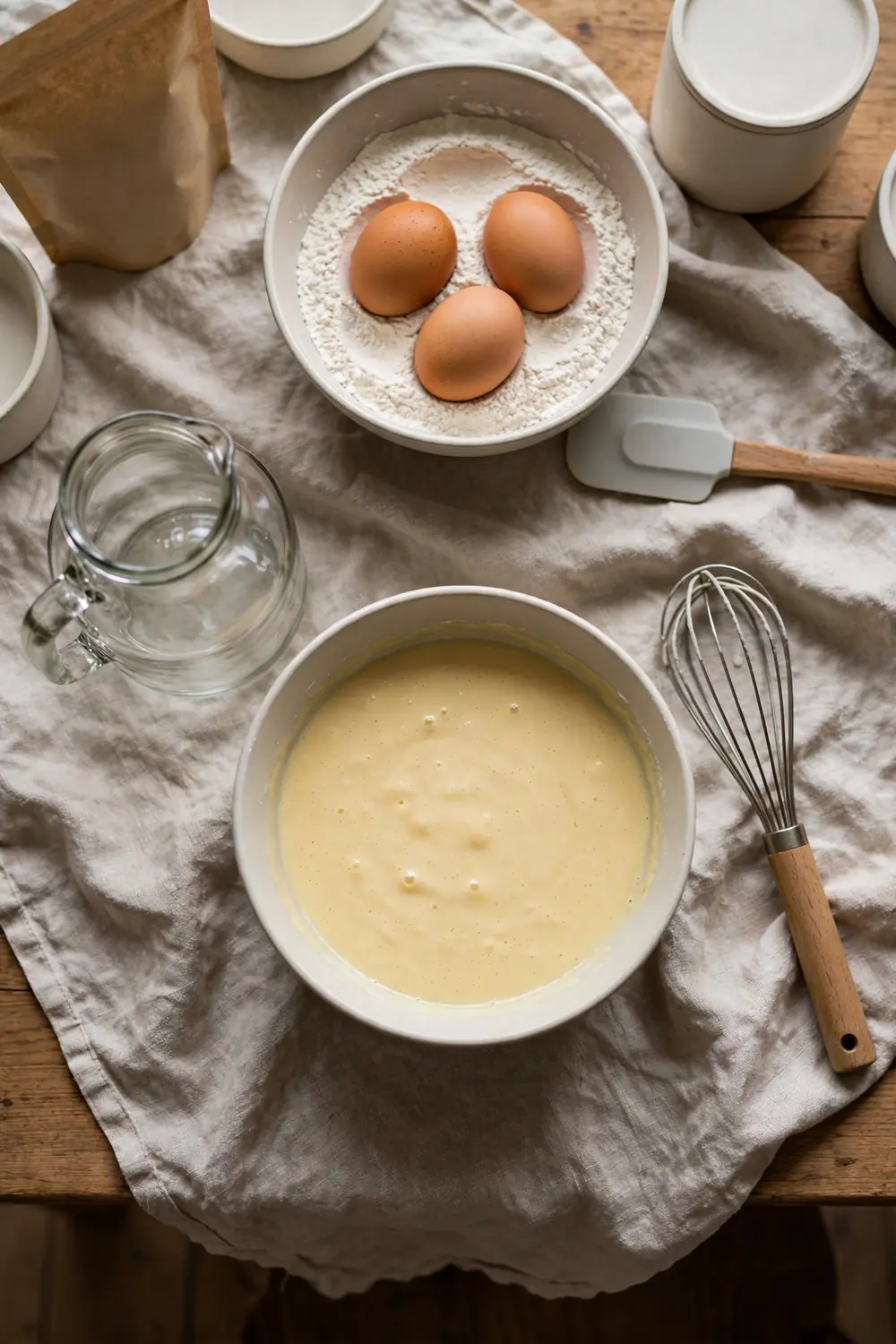
Rest the batter on the counter, and keep it covered with a towel. A cold rest works too, but the batter needs time to warm up. A rested batter keeps the pancakes soft, and the stack stays fluffy. Set a timer so the rest stays short.
Check Your Flour
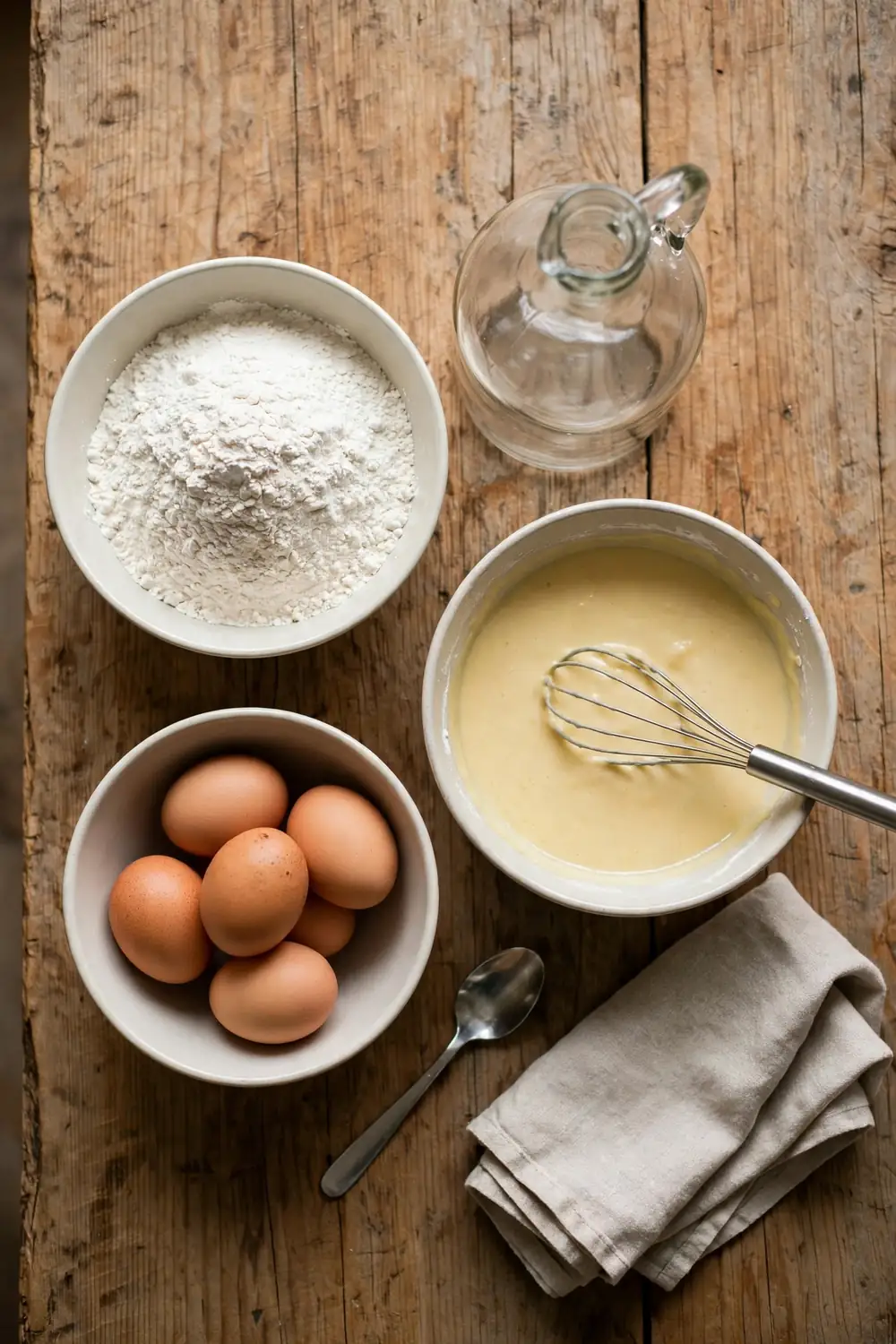
Use all purpose flour, and measure it with a light hand. A heavy scoop packs in extra flour, and the batter turns thick. Light measuring keeps the pancakes soft, and the stack stays fluffy. Spoon the flour into the cup, then level it off.
Measure With Care
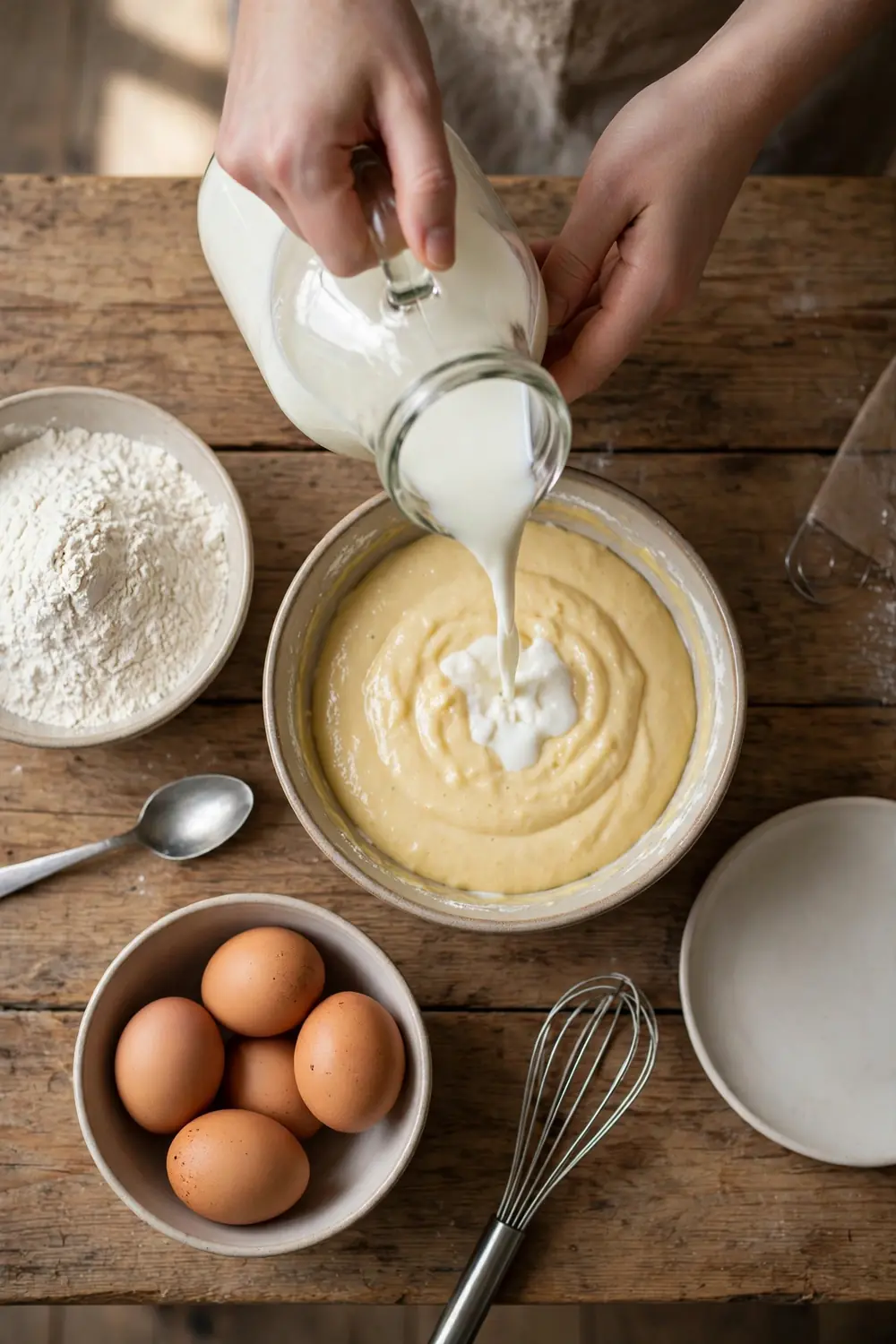
Check the batter before you cook, and thin it if it looks stiff. A splash of milk loosens a thick batter, and the pancakes cook softer. Thin batter spreads well, and the stack stays fluffy. Add milk one spoon at a time until the batter pours easily.
Fix the Heat
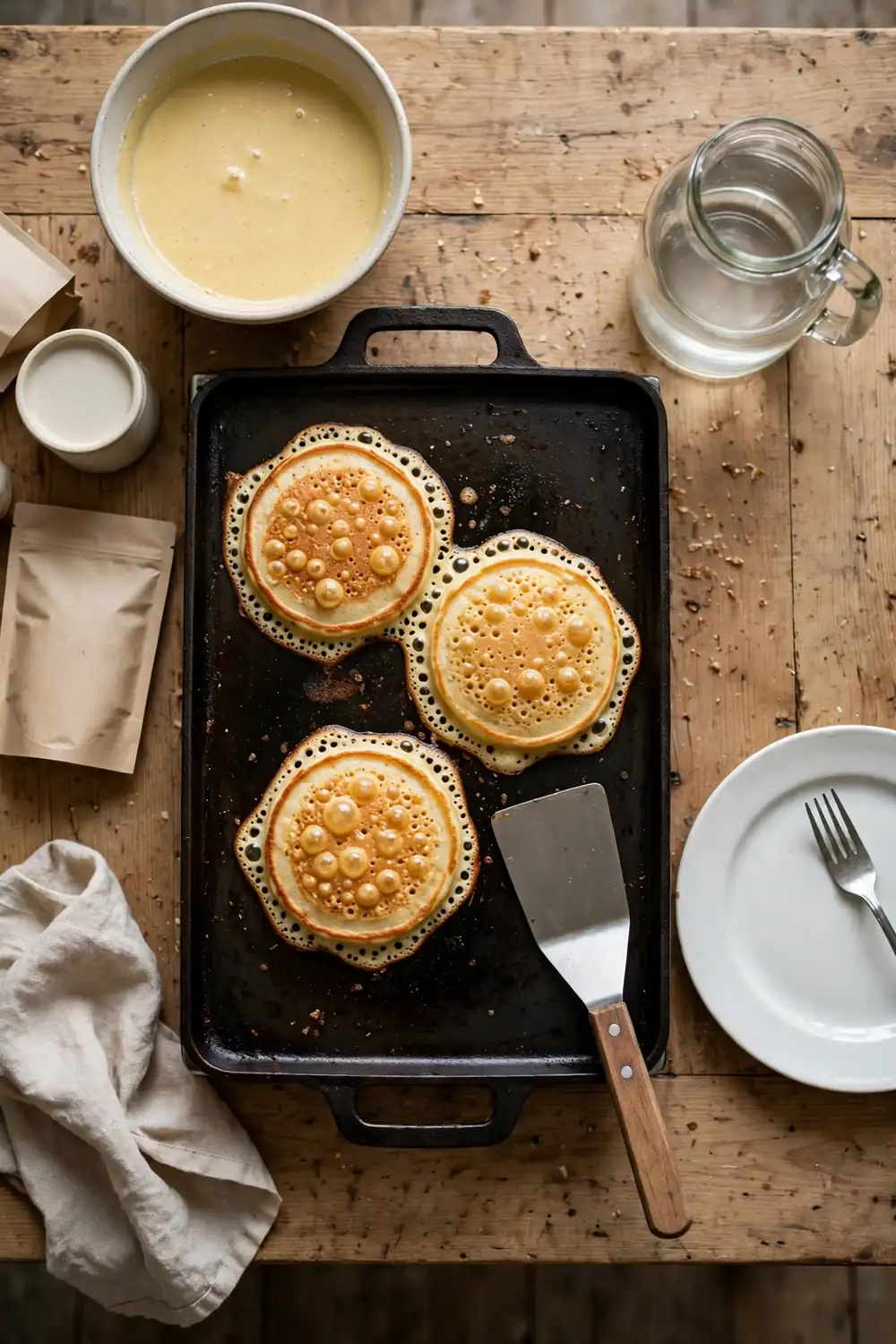
Cook on medium heat, and give each side time to set. Rushing the cook dries the pancakes, and the stack turns tough. A steady griddle keeps the pancakes soft, and the stack stays fluffy. Lower the heat if the pancakes brown too fast. Check the color often.
Use Fresh Leavening
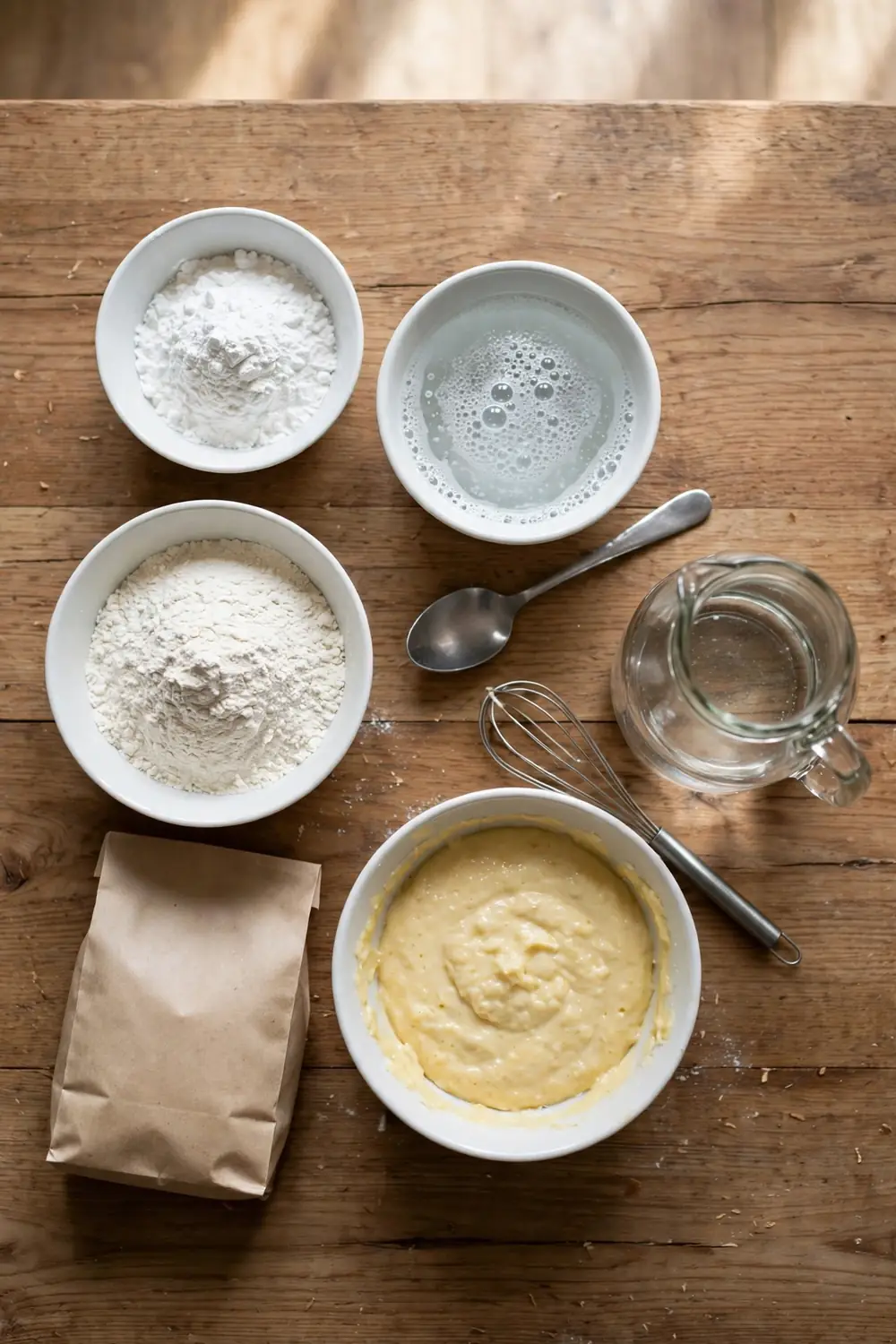
Test the baking powder in hot water, and watch for fizz. No fizz means the tin is dead, and the pancakes will stay flat. Fresh baking powder keeps the pancakes soft, and the stack stays fluffy. Keep the tin sealed tight between uses. Replace the tin once a year.
Skip the Overflip
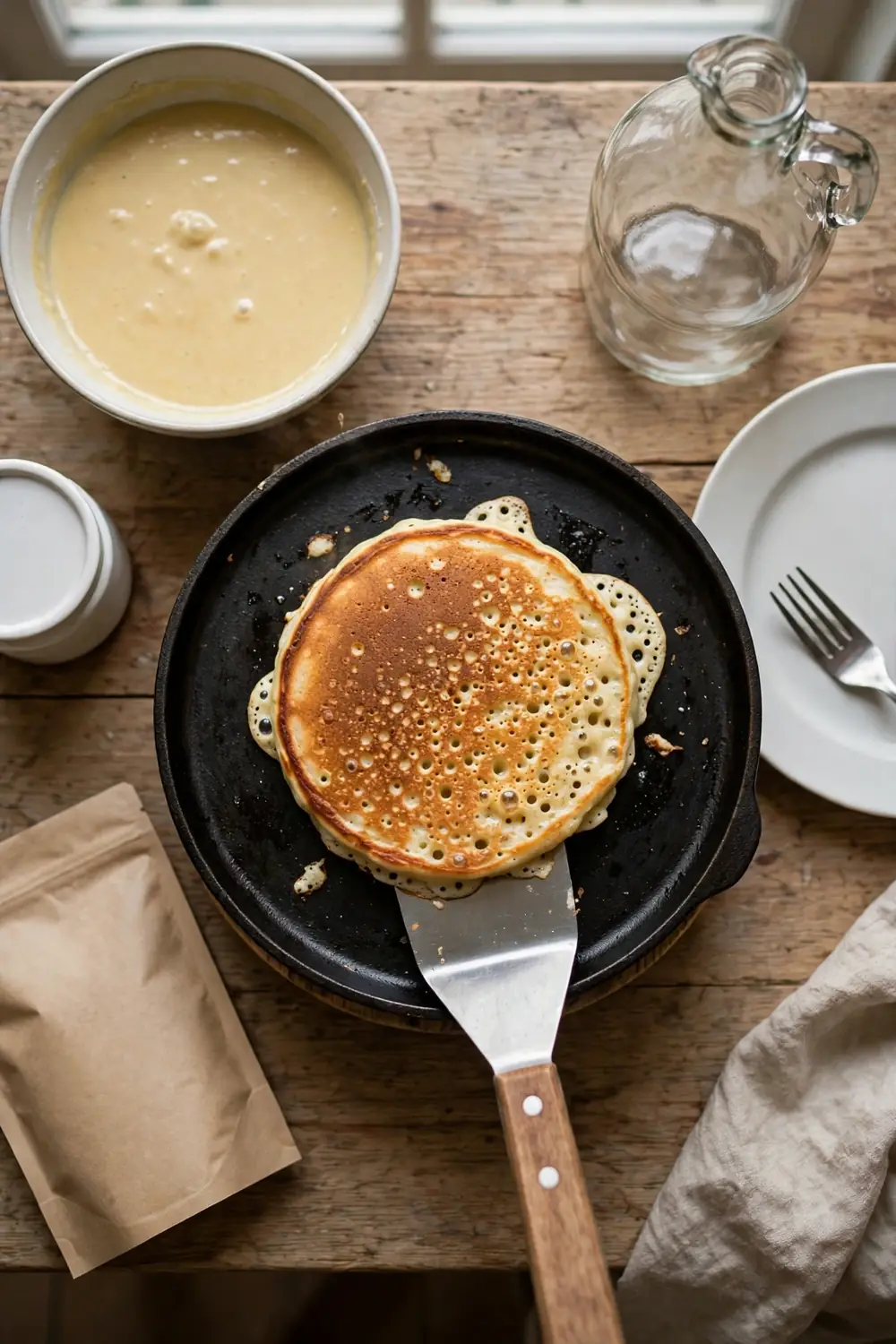
Watch for bubbles, and flip with one smooth motion. Pressing the pancake with the spatula flattens it, and the stack turns tough. A light touch keeps the pancakes soft, and the stack stays fluffy. Let the second side cook without pressing. Lift the pancake gently and check the color.
Test One First
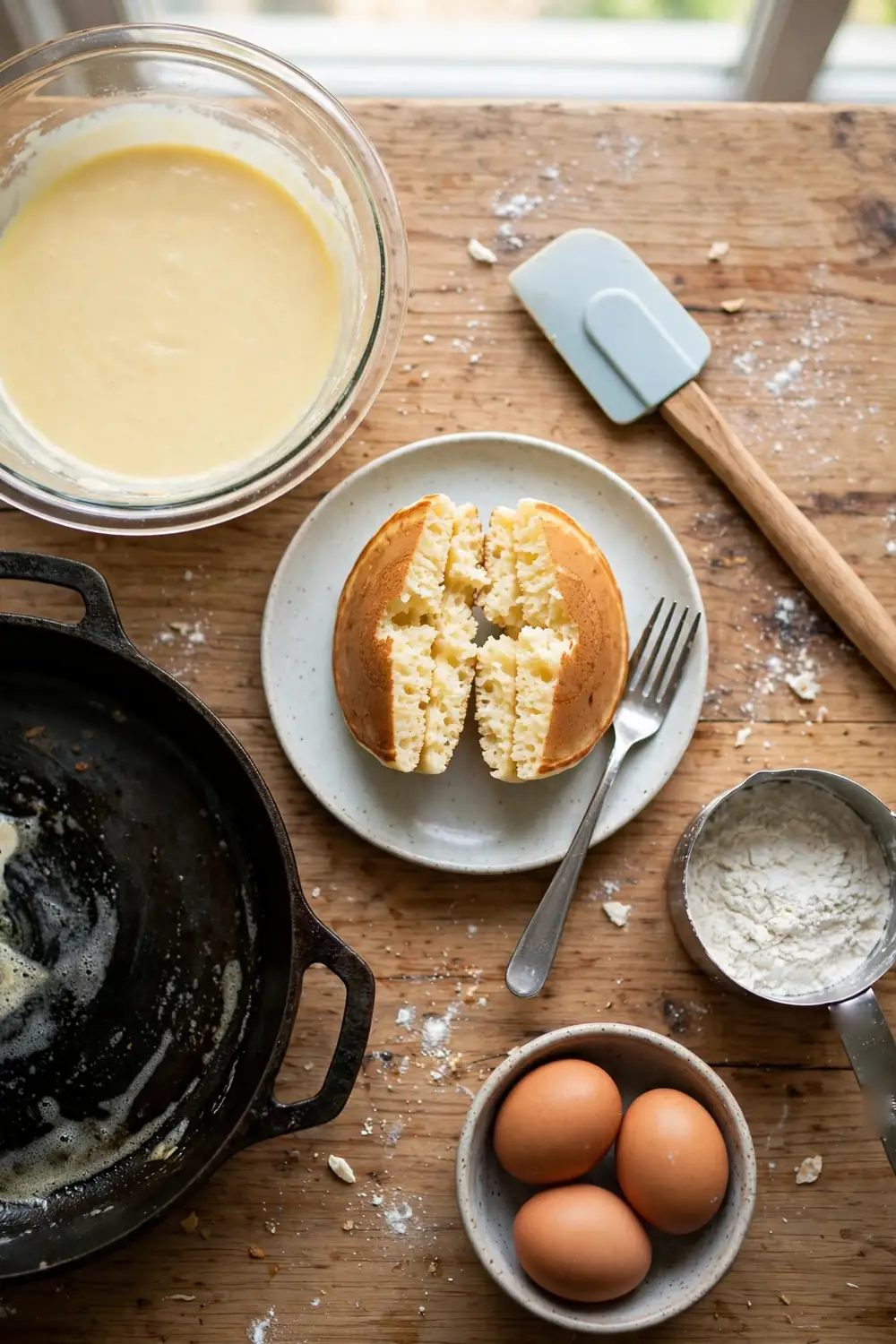
Taste the test pancake, and adjust the batter right away. Thin it with milk if it feels heavy, and rest it if it feels tight. A quick fix keeps the pancakes soft, and the stack stays fluffy. Cook the rest only when the test turns out soft.
Common Mistakes to Avoid
Cooking on high heat is another mistake, and the pancakes turn chewy. Keep the heat at medium, and let each side set. Small steps keep the pancakes soft every single time. Keep a test pancake in mind whenever you cook pancakes. Patience beats speed on pancake morning.
What Fluffy Pancakes Look Like
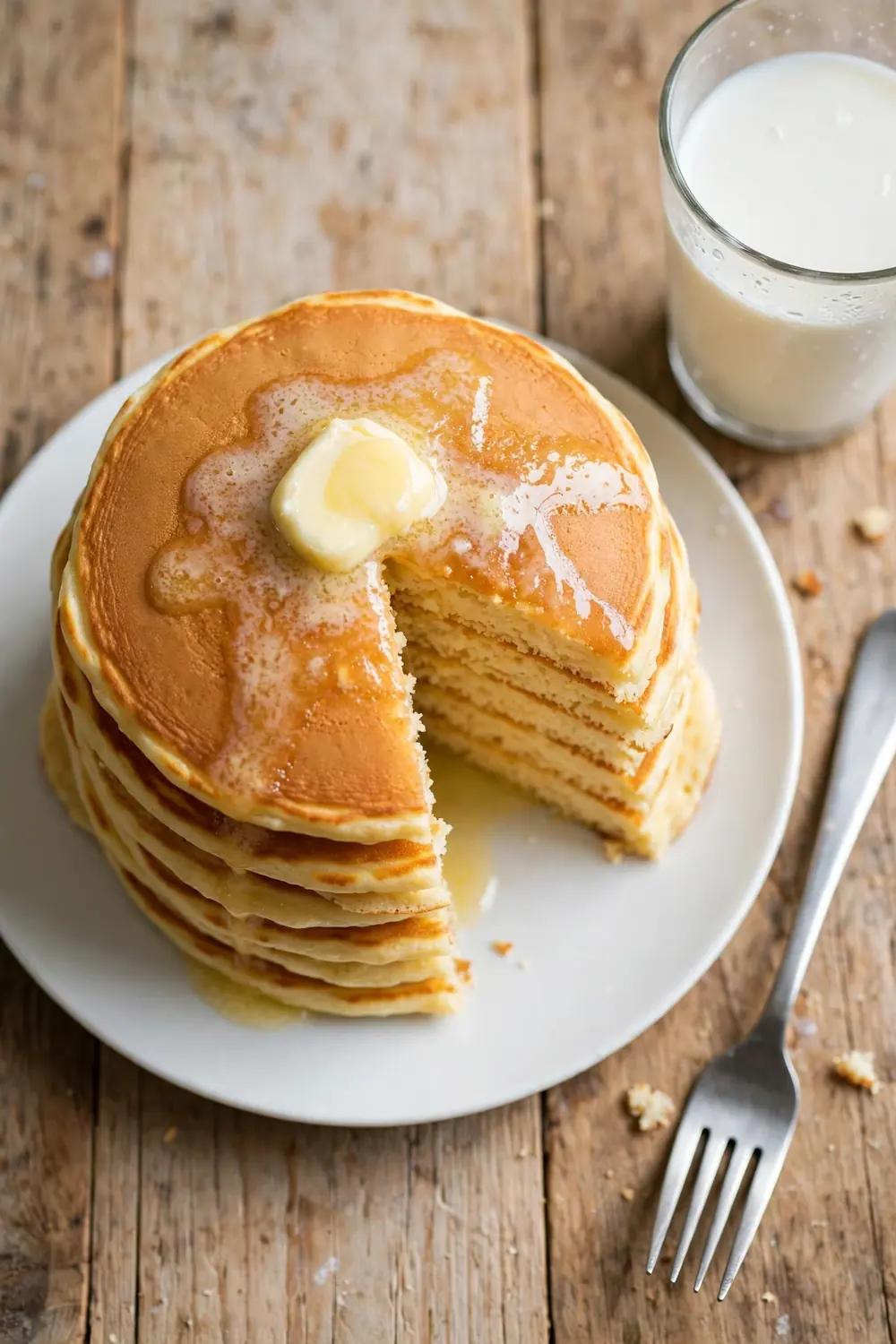
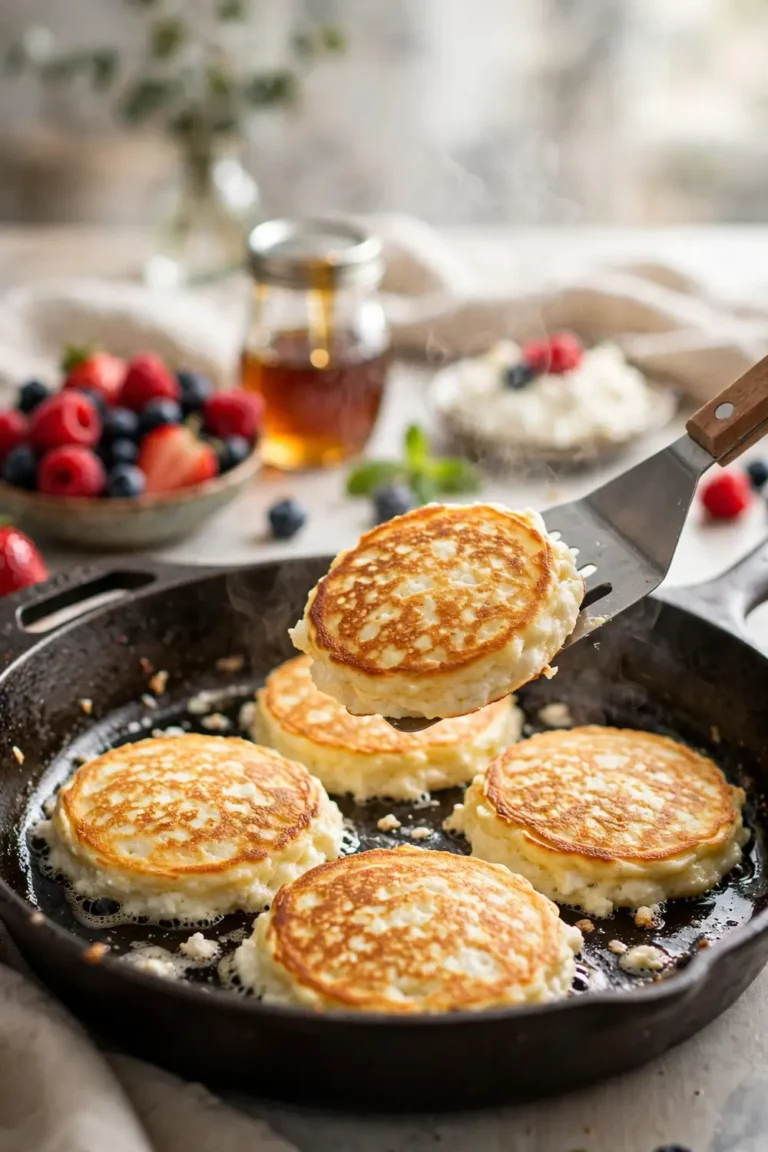
A good stack shows no dense edges, and the crumb stays even. The surface looks smooth, and the pancakes stay soft. Fluffy pancakes look perfect, and the taste stays mild every single time. Look for even color and a smooth, golden top. Serve them warm for the best texture.
Conclusion
Rubbery pancakes are not a sign of bad batter. They come from overmixing, and now you know each fix. Match the method to the moment, and the next batch can surprise you. The tough texture looks bad, but the pancakes under it stay good.
Gentle mixing, a short rest, and steady heat each keep the pancakes soft. Pick the method that fits your plan, and the pancakes stay fluffy. Small steps keep the pancakes soft, and the texture stays light. Use one method at a time, and the pancakes stay soft.
Mix less, rest the batter, and cook on steady heat. The pancakes stay soft, and the stack looks fresh. Your next batch can stay soft, fluffy, and ready to serve. Follow these steps, and the pancakes stay soft every time. Save this guide for your next pancake morning. If your bread also turns hard overnight, read our guide on hard homemade bread for soft, fresh bread every time.


One Comment