23 Hearty Senate Bean Soup Ideas for Chilly Days
Cold evenings call for a bowl that warms you from the first spoonful, and senate bean soup answers that call with creamy beans, smoky ham, and garden vegetables simmered slowly together. This collection gathers twenty three hearty ideas that turn simple pantry staples into filling dinners, cozy lunches, and make ahead meals for cold nights.
Beans give this classic pot its staying power, because they cook into a thick broth that holds heat and flavor long after serving. Carrots, celery, and onion build a sweet base, while ham, bacon, or herbs add depth without extra work. A gentle simmer and a good soak make the texture creamy every time.
Each idea below offers a clear path, from quick weeknight pots to slow weekend stews, so you can pick what fits your schedule. You will find freezer tips, pressure cooker shortcuts, and meatless twists that keep the bowl hearty. For cozy comfort next, try our chicken and dumplings, a warm dinner worth trying soon.
Classic Navy Bean Pot

Navy beans set the standard for this pot, because they turn soft and creamy while the broth thickens around them. Soak them overnight, then simmer with onion, carrot, and a ham bone for steady flavor. The result tastes rich without cream, and the leftovers reheat even better the next day.
Salt belongs near the end here, since early salt can keep the skins firm and slow the softening. Taste at the last fifteen minutes, then adjust pepper and herbs to suit your table. A splash of vinegar at serving wakes the whole bowl without changing its classic character.
Ham Hock Broth

- Pick a meaty ham hock with plenty of skin and fat, since it gives the broth body and a gentle smoke.
- Brown the hock lightly first, then add water, beans, and vegetables for a deeper base.
- Lift the hock out once tender, shred the meat, and return it to the pot.
- Skim the fat from the surface, then season slowly so the smoke stays balanced.
A ham hock does more work than any single spice, because it seasons the broth while the beans cook. Give the pot time, keep the heat low, and let the meat fall from the bone. The bowl should taste smoky yet clean, with beans that hold shape and broth that coats the spoon.
Slow Simmered Comfort

Quick Tip: Mash one cup of cooked beans against the pot wall, then stir them back in for a thicker broth without flour or cream. This trick works in every version below, from smoky pots to meatless bowls, and it keeps the soup hearty while the beans stay tender and whole.
Long simmering rewards patience with deep flavor, because the beans absorb the broth while the vegetables melt into the base. Keep the lid ajar, stir every half hour, and add water only when the level drops. The pot is ready when a spoon leaves a slow trail and the beans crush easily.
Smoky Bacon Beans

Before: The pot looks thin, the beans feel firm, and the broth tastes flat after a quick boil. After: A slow simmer turns the broth silky, the beans grow tender, and the ham and herbs settle into every spoonful. The change comes from time, not extra ingredients.
Rushing this pot leaves the beans chalky and the broth pale, so plan for an unhurried afternoon whenever you can. Start early, taste late, and let the flavors build while you handle other chores. The reward is a bowl that tastes like it cooked all day.
Herb Infused Bean Bowl

- Soak one pound of navy beans overnight, then drain and rinse them well.
- Cook onion, carrot, and celery in oil until soft, then add garlic for one minute.
- Add beans, ham, bay leaf, and water, then simmer gently until tender.
- Remove the bay leaf, mash a few beans, season, and serve hot.
Clear steps keep this pot simple, because each stage builds flavor before the next begins. Soaking shortens the cook, the vegetable base adds sweetness, and a gentle simmer protects the bean skins. Follow the order once, then adjust the fresh herbs carefully to fit your table.
Rustic Farmhouse Bean Pot

| Choice | Quick Pot | Slow Pot |
| Broth | Lighter, brothy | Thicker, richer |
| Beans | Firm, distinct | Creamy, soft |
| Best For | Weeknights | Weekends |
Both paths reach a good bowl, so the choice comes down to the time you have today. A quick pot suits busy evenings, while a slow pot rewards a quiet afternoon with deeper flavor. Pick one method, keep the seasoning simple, and let the beans carry the meal.
Creamy Mashed Bean Soup

- Soak the beans overnight for even cooking.
- Season with salt near the end of cooking.
- Keep the simmer gentle to protect the skins.
- Taste the broth before serving and adjust.
- Do not boil hard, or the beans will split.
- Do not add tomatoes early, since acid slows softening.
- Do not skip the rest, because the flavors settle.
- Do not crowd the pot, or the beans cook unevenly.
Small habits decide whether the pot turns creamy or stays tough, so treat the beans gently from soak to serving. Low heat, late salt, and a little patience protect the texture while the broth thickens. These habits take no extra time, yet they change every bowl you make.
Vegetable Loaded Bean Pot
- Cost: Low | Pantry beans and basic vegetables keep this pot cheap.
- Time: About two hours | Most of it is hands off simmering.
- Skill Level: Beginner | Simple steps suit first time cooks.
- Best For: Cold nights and easy leftovers.
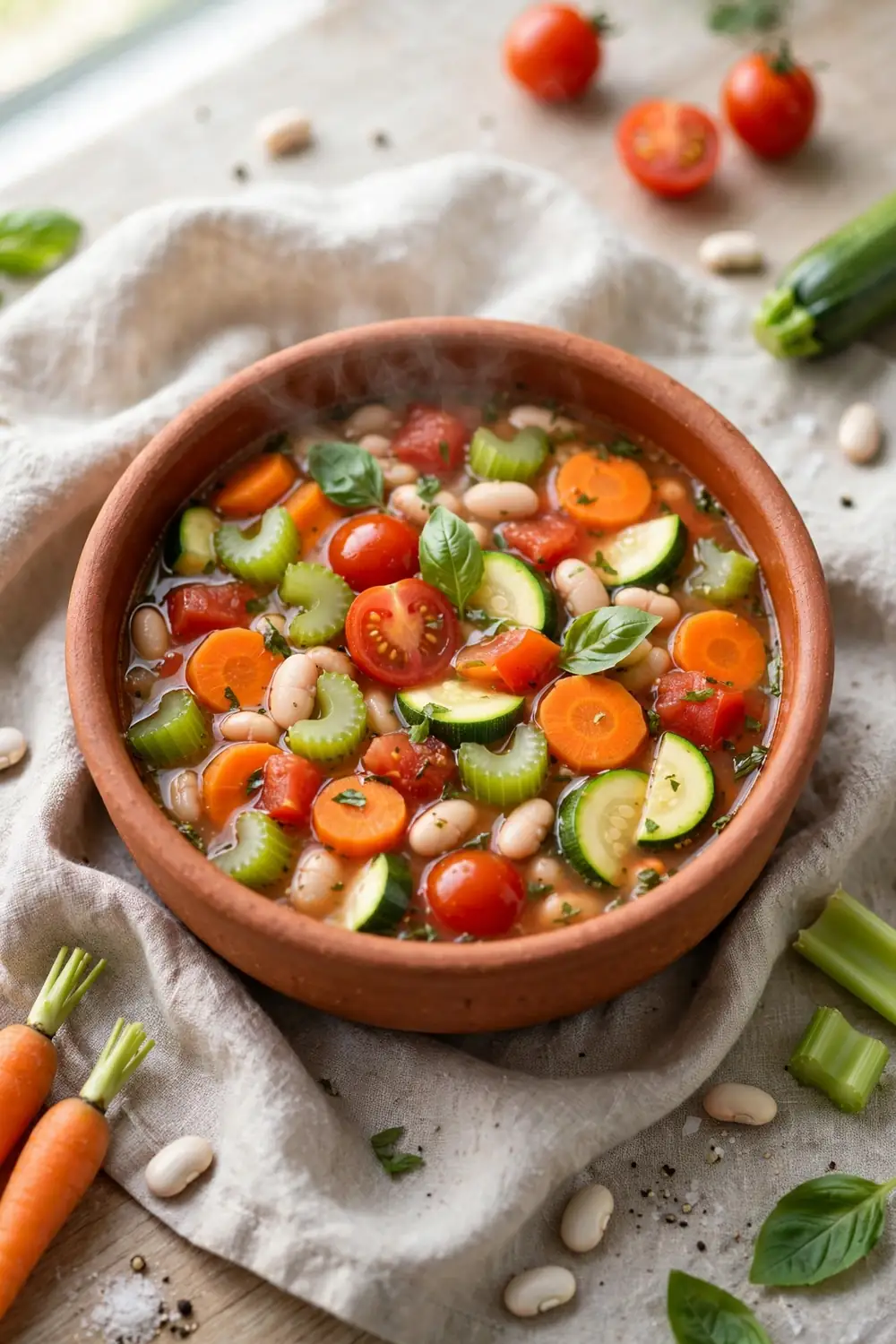
A vegetable loaded pot stretches a small budget across several meals, because beans, carrots, and broth cost little yet fill the bowl. The pot feeds a family, packs well for lunch, and reheats without losing texture. Keep a batch in the fridge for busy days.
Garlic Thyme Bean Bowl

Garlic and thyme give this bowl a warm, savory edge that works with ham or without it. Bloom the garlic in oil until fragrant, then add thyme and the beans so the flavor coats every bite. The aroma alone tells you the pot is on the right track.
Fresh thyme beats dried here, since its leaves soften into the broth and leave a clean herbal note. Strip the leaves from the stems, add them late in cooking, and taste before serving. A little fresh lemon zest at the end gently keeps the bowl bright.
Hearty Winter Bean Stew

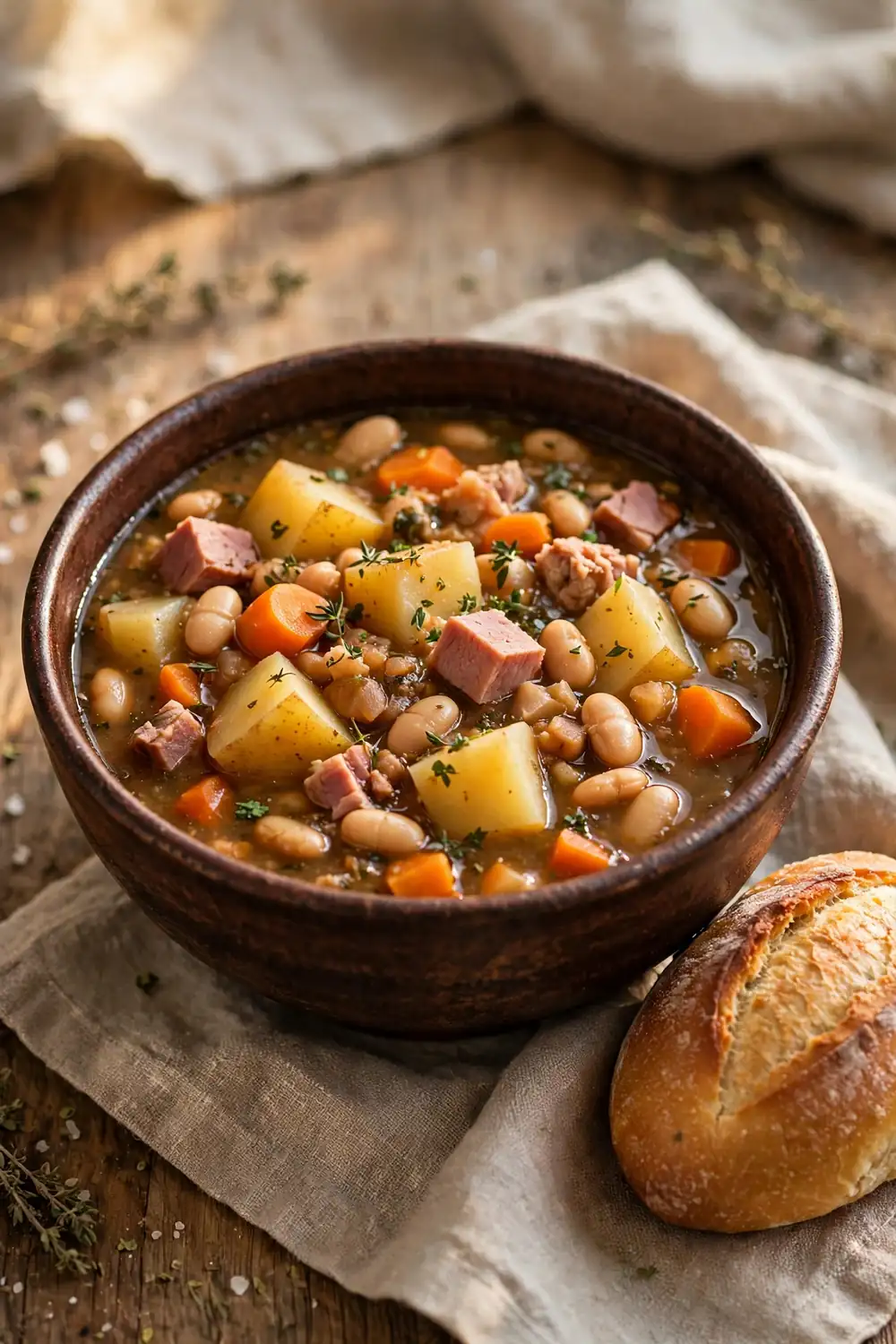
- Use waxy potatoes that hold shape, so the stew stays chunky.
- Cut the vegetables large, since small pieces turn mushy over hours.
- Add the potatoes halfway through, so they cook tender without falling apart.
- Stir gently and rarely, to keep the chunks whole and the broth clear.
- Serve with crusty bread for scooping up the thick broth.
A winter stew should feel like a full meal in one bowl, with potatoes, beans, and ham sharing the spoon. Large cuts, gentle heat, and a thick broth give the stew its hearty character. Ladle it generously, add fresh herbs, and let the table slow down.
One Pot Bean Dinner

Quick Tip: Cook the beans in plain water first, then add them to the seasoned pot for the last hour. This method keeps the skins intact, controls the salt, and gives you a clean broth that takes on flavor fast. It works well when you cook beans in bulk.
One pot cooking suits busy nights, because everything simmers together while you handle the rest of dinner. Add the vegetables first, then the beans and ham, and let the pot quietly do the work. The cleanup stays small, and the flavor always stays truly deep.
Freezer Friendly Bean Soup

Before: Freezer soup tastes dull, the beans feel grainy, and the broth separates after thawing. After: A careful cool down, a tight seal, and a gentle reheat bring back the creamy texture and fresh flavor. The secret is cooling fast, sealing tightly, and freezing flat.
Freezing turns one cooking session into several easy meals, so label each container with the date and portion size. Thaw overnight in the fridge, reheat slowly, and add a splash of water if the broth thickens. The second serving can taste as good as the first.
Spicy Bean Warmth

- Toast chili flakes and smoked paprika in oil until fragrant.
- Add onion, garlic, and beans, then cover with broth.
- Simmer gently for thirty minutes, then taste for heat.
- Finish with lime juice and cilantro for a bright top note.
Heat should warm the bowl without hiding the beans, so build it slowly and taste often. Chili flakes give a steady glow, paprika adds smoke, and lime keeps the finish fresh. Serve with warm bread or plain rice to soften the spice for mild eaters.
Carrot Celery Bean Pot

| Choice | Carrot Heavy | Celery Heavy |
| Flavor | Sweeter, rounder | Fresher, greener |
| Texture | Softer, thicker | Lighter, crisper |
| Best For | Cold nights | Lighter lunches |
Carrots and celery pull the pot in different directions, so the ratio sets the mood of the bowl. More carrot brings sweetness and body, while more celery keeps the broth light and fresh. Start with equal parts, then shift the mix toward the flavor you like best.
Tomato Bean Comfort
- Stir tomato paste into the oil until it darkens.
- Add the tomatoes after the beans turn tender.
- Balance the acid with a pinch of sugar.
- Finish with basil for a fresh aroma.
- Do not add tomatoes at the start, or the beans stay firm.
- Do not use raw tomato paste, since it tastes sharp.
- Do not overcook the basil, or it turns dark.
- Do not skip tasting, because tomato brands vary.
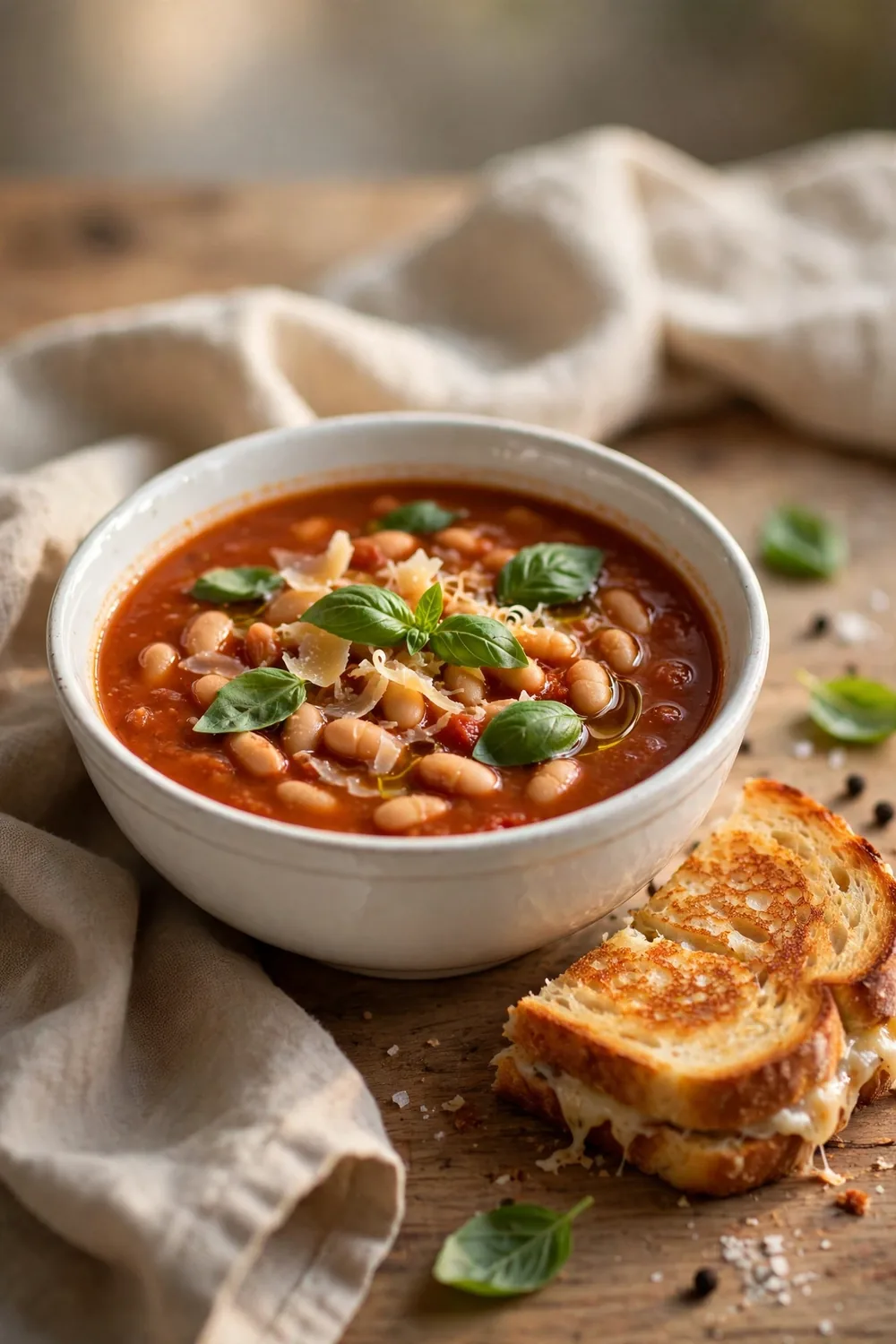
Tomatoes add color and tang, yet their acid can slow the beans if they join the pot too early. Cook the beans tender first, then add the tomato base and let it marry. The result tastes bright and rich, with beans that stay creamy throughout.
Cheesy Bean Bowl

- Cost: Moderate | Cheese and beans keep this version affordable.
- Time: About ninety minutes | Most of it is gentle simmering.
- Skill Level: Beginner | Grating and stirring are the main tasks.
- Best For: Family dinners and cozy weekends.
Cheese melts into the broth and turns a simple pot into a richer bowl, so add it off the heat to keep the texture smooth. Cheddar brings sharpness, while a soft cheese adds creaminess. Serve at once, because the cheese thickens as the bowl cools.
Simple Weeknight Beans
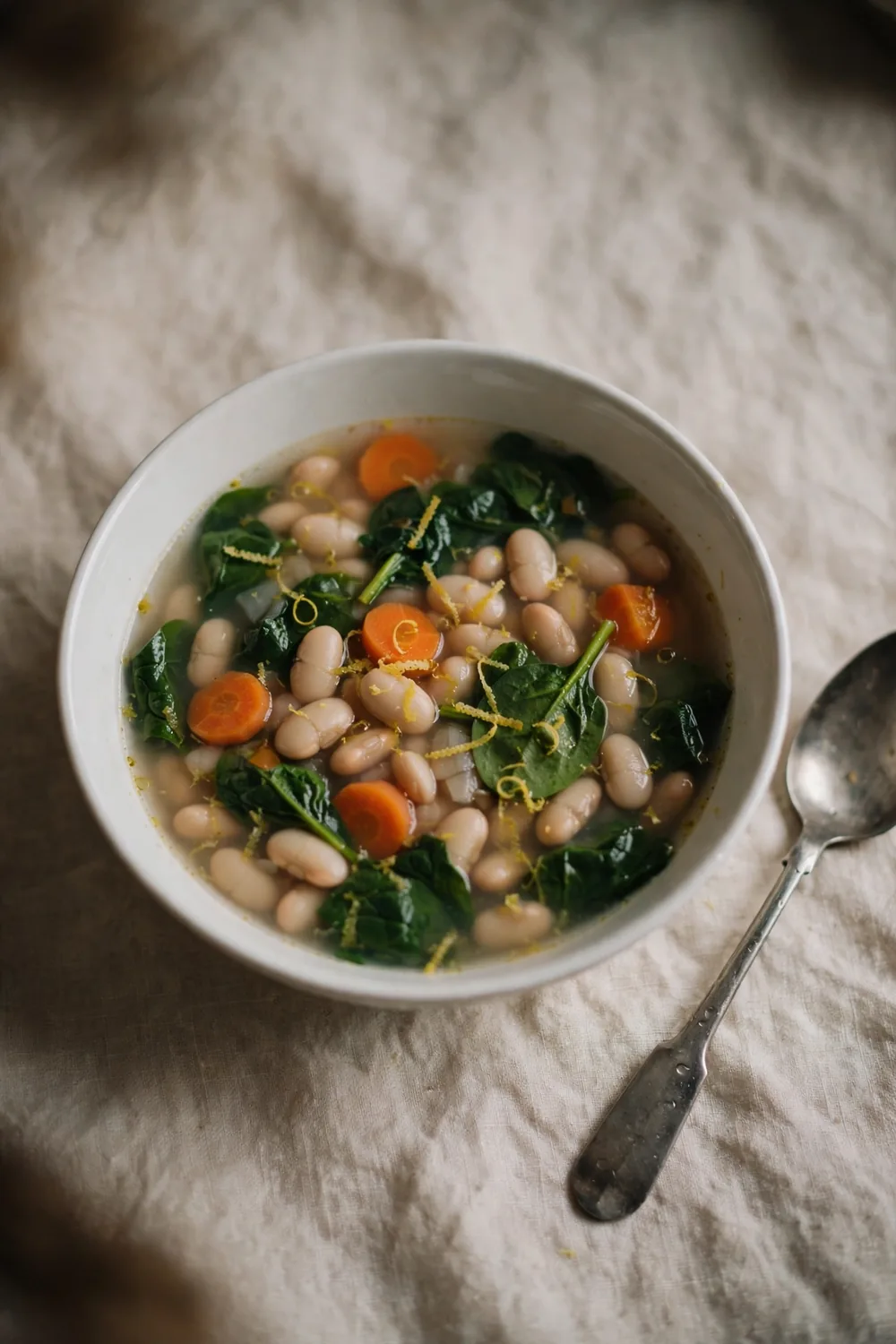
Weeknight cooking needs speed without losing heart, so canned beans and a good broth carry this version. Simmer the vegetables, add the beans and ham, and finish in under an hour. The bowl still tastes slow cooked, thanks to a careful base and fresh herbs.
Keep a few handy shortcuts ready, like prechopped vegetables and good broth cubes, so the pot starts fast on busy evenings. A short simmer still builds deep flavor when the base cooks well and slowly. Serve with crisp toast, then save the leftovers for lunch tomorrow.
Old Fashioned Bean Pot

- Brown the ham lightly for a deeper, old style flavor.
- Use a heavy pot that holds steady heat for hours.
- Add a bay leaf early, then remove it before serving.
- Stir only once an hour, so the beans keep their shape.
- Rest the pot for twenty minutes before ladling.
An old fashioned pot relies on time, a heavy pot, and a few honest ingredients rather than tricks. The ham seasons the broth, the beans thicken it, and the long simmer ties the flavors together. This is the bowl many cooks remember from childhood tables.
Pressure Cooker Beans
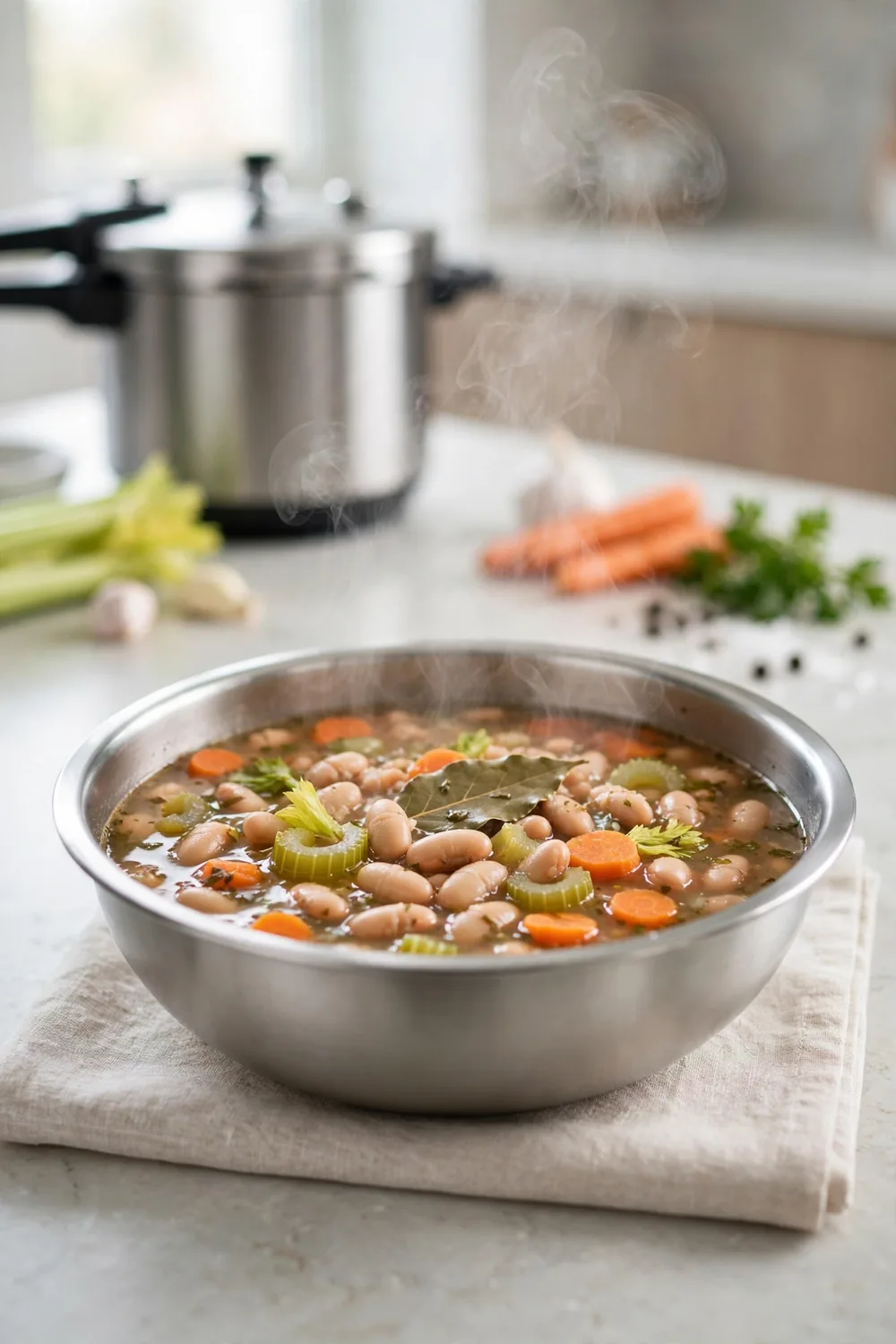
Quick Tip: Release pressure naturally for ten minutes, then vent the remaining steam, so the beans finish cooking gently without splitting. Quick release alone can burst the skins and cloud the broth badly. Natural release always keeps the texture fully creamy and the pot calm.
A pressure cooker turns dried beans tender in under an hour, which suits cooks who forgot to soak. Add the vegetables and ham, seal the lid, and let the cooker work while you set the table. The broth comes out rich, and the beans stay whole.
Slow Cooker Bean Pot

Before: The slow cooker pot looks pale, the broth tastes thin, and the beans feel uneven. After: Eight hours on low gives a deep golden broth, tender beans, and ham that shreds with a fork. Low heat and time do the work while you are away.
A slow cooker suits long days, because you load it in the morning and return to a finished dinner. Keep the lid closed, resist stirring, and let the steady low heat build deep flavor. Serve straight from the crock with bread and a simple salad.
Lemon Herb Bean Soup

- Simmer the beans until tender, then stir in lemon zest.
- Add chopped dill and parsley, then taste for salt.
- Squeeze in lemon juice a little at a time.
- Serve with a lemon wedge and extra herbs on top.
Lemon and herbs lift a rich pot without thinning the broth, so add them near the end for the brightest effect. Zest brings aroma, juice brings tang, and fresh herbs keep the bowl lively and bright. This version suits home cooks who like light, fresh finishes.
Chunky Hearty Bean Bowl
| Choice | Chunky Cut | Smooth Mash |
| Texture | Hearty, rustic | Silky, thick |
| Best For | Family dinners | Cozy nights |
| Topping | Herbs and pepper | Cream swirl |
Texture decides how the bowl eats, so choose between chunky pieces and a smooth mash. A chunky bowl feels rustic and filling, while a mashed bowl turns silky and rich. You can even serve both by mashing half the pot and leaving the rest whole.
Cozy Chilly Day Pot
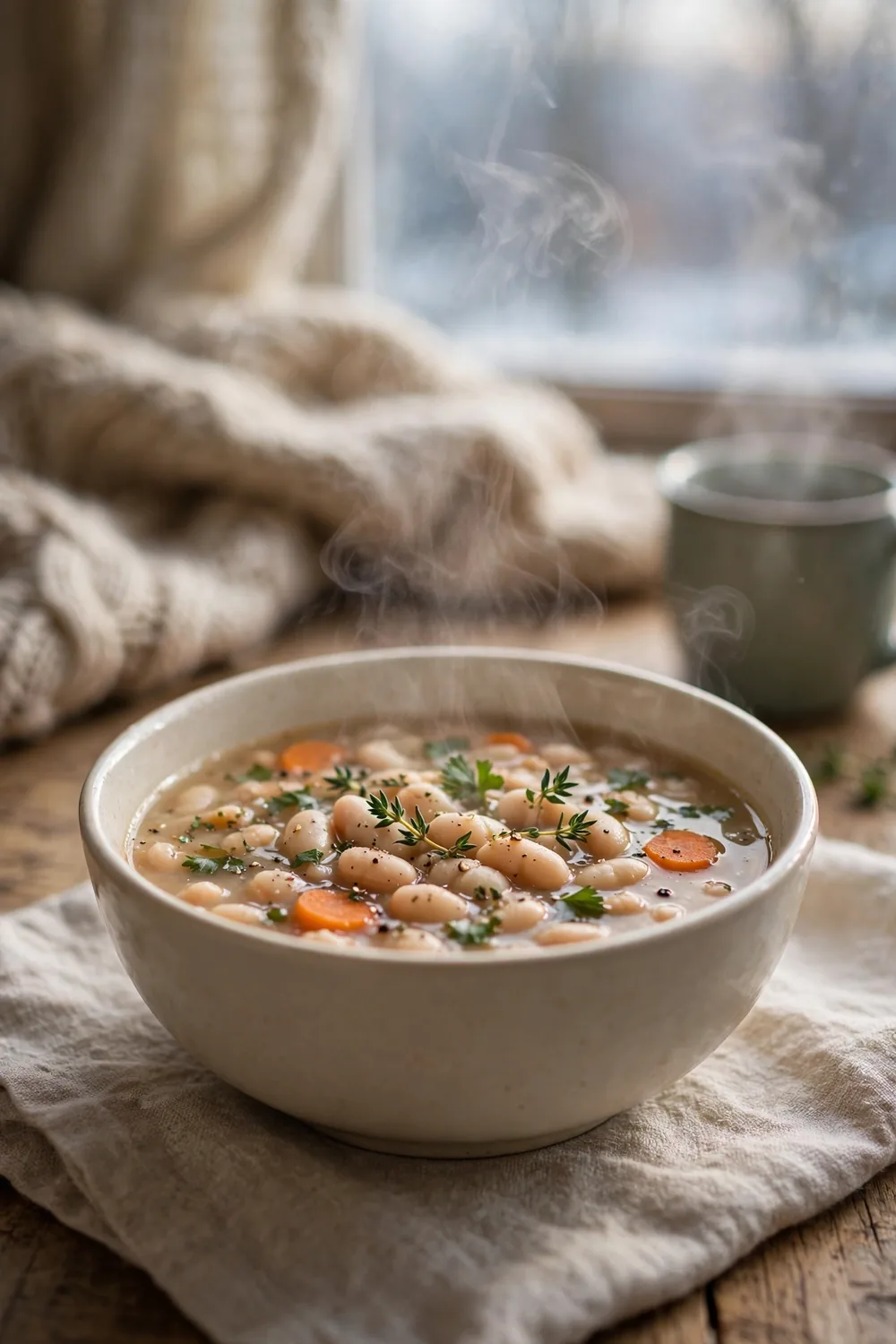
- Warm the bowls before ladling, so the soup stays hot.
- Add fresh herbs at serving for color and aroma.
- Serve with bread for a complete cold day meal.
- Save extra portions for easy lunches.
- Do not leave the pot on high heat, or the beans break down.
- Do not freeze the bread with the soup, since it turns soggy.
- Do not skip seasoning, because beans need salt to shine.
- Do not rush the rest, or the flavors stay flat.
A chilly day pot should arrive at the table steaming, fragrant, and thick enough to satisfy. Warm bowls, fresh herbs, and good bread turn a simple soup into a small event. These finishing touches cost only minutes, yet they make the meal feel truly special.
Conclusion
These twenty three ideas prove that a humble pot of beans can carry a whole season of dinners, from quick weeknight bowls to slow weekend stews. Pick one version, gather your ingredients, and let the pot simmer while the house fills with warmth. If you love citrus desserts, try our atlantic beach pie next.
Save this collection on Pinterest today, try the version that fits tonight, and eagerly share it with someone who loves hearty homemade meals. In my experience, senate bean soup brings people back to the table again and again, one warm comforting spoonful at a time.






One Comment