25 Udon Noodles Ideas So Zesty You’ll Make Them Weekly
Thick, chewy, and endlessly adaptable, udon noodles are the weeknight hero that turns a handful of pantry staples into a steaming bowl worth slowing down for at home.
This collection gathers twenty five bowls and plates, from classic kitsune and beef niku to golden curry, chilled dipping styles, and sizzling stir fries for every mood of the week.
Each idea keeps the shopping list short and the method friendly, so a busy cook can build deep flavor fast on a weeknight. Save the bowls that match your plans, stock the staples once, and let the toppings do the talking at your table. My chow mein brings the same cozy slurp home with glossy, saucy strands.
Classic Kitsune Tofu

Image Credit: @koyako_london
Sweet simmered tofu pouches over chewy strands in clear amber dashi is the bowl that started it all in Osaka noodle shops. The tofu soaks up the broth like a sponge, so every bite tastes seasoned through, gentle, savory, and quietly sweet at once tonight.
I have noticed that the tofu tastes best when it simmers separately in a sweetened soy bath before it meets the bowl. Ten minutes in that bath turns plain fried pouches into glossy little pillows that carry their own sauce into every mouthful you eat.
Start the whole list here, because this classic bowl teaches the balance every other version borrows, clear broth, gentle sweetness, and a topping that drinks the soup. Serve it steaming, with scallions scattered fresh on top and extra dashi ready for anyone who wants seconds.
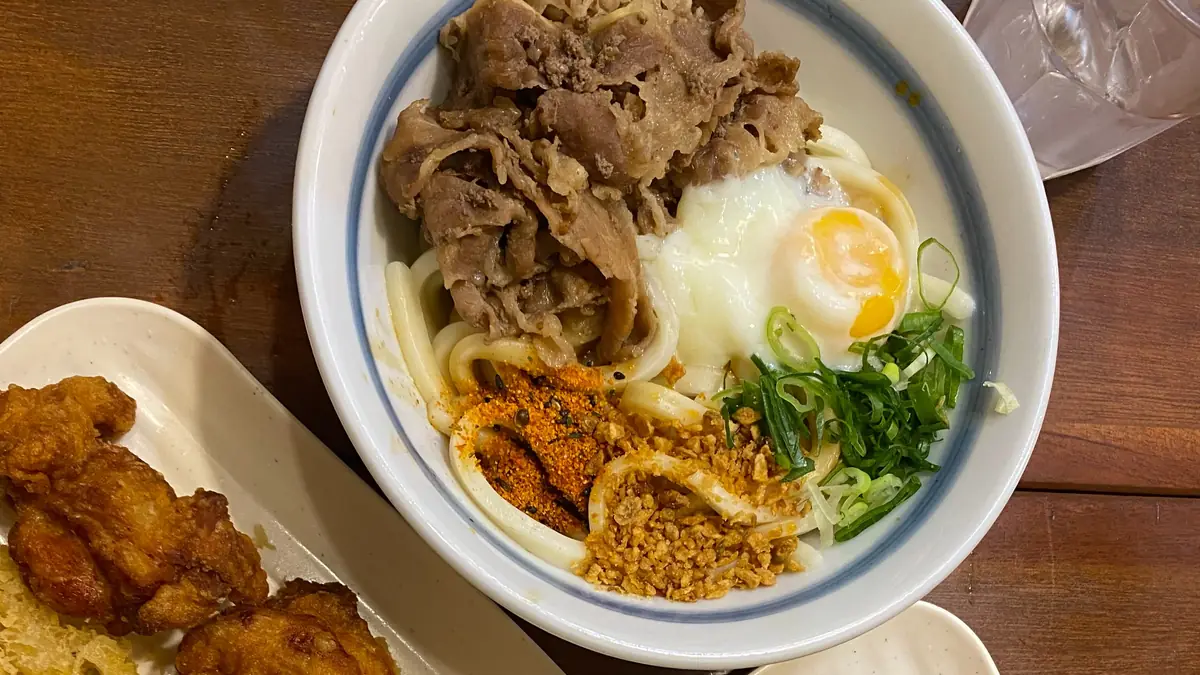
Beef Niku Simmer

Image Credit: @_abigailsol0322
- Simmer thin beef slices in sweetened soy dashi for five minutes, until the edges just turn tender and glossy.
- Slice the beef against the grain and keep it thin, so it cooks fast and stays soft in the hot broth.
- Add onion wedges to the simmer, because they sweeten the liquid and soak up the beefy flavor beautifully.
- Spoon the beef and its cooking liquid over the bowl together, never drained, since that liquid is pure flavor.
Beef niku tastes like the bowl a Tokyo counter serves to regulars, rich, a little sweet, and deeply beefy without any heaviness at all. The onions melt into the broth, the meat stays tender, and the thick strands carry both in every single bite you lift carefully.
Golden Curry Broth

Image Credit: @lidia.kitchen_
Quick Tip: Bloom the curry powder in hot oil for thirty seconds before any liquid joins the pot, which wakes its spices fully. Add the broth slowly, whisking as you pour, so the curry stays smooth. Finish with a knob of butter for gloss and shine.
Golden curry broth is the bowl my family asks for when the weather turns cold and everyone wants dinner to feel like a hug. Carrot coins and potato cubes make it hearty, and the curry warmth builds slowly, never harsh, through the very last spoonful.
Yaki Stir Fried

Image Credit: @osenbey_tabetai
Before: Before this stir fry entered my weeknights, leftover strands sat plain in a bowl with soy sauce and little else going for them. The plate tasted flat, the strands clumped together, and dinner felt like an afterthought nobody at the table got excited about eating.
After: After ten minutes in a ripping hot pan, the same strands turn glossy, smoky, and edged with crisp cabbage and sweet carrot. A savory sauce clings to every strand, and the plate now lands on the table like a festival stall favorite everyone reaches for.
High heat and a wide pan are the whole secret here, because crowding steams the strands instead of frying them properly at home. Cook in two batches on busy nights, toss everything back together with the sauce, and serve straight from the pan while it sizzles.
Tempura Shrimp Crown

Image Credit: @ootoyanyc
- Chill the batter and the shrimp well before frying, because cold batter hitting hot oil gives the lightest, crispest shell.
- Fry the shrimp at a steady heat for two minutes, turning once, until the coating turns pale gold and crisp.
- Drain the shrimp on a rack for one minute so the crust stays crunchy instead of steaming soft underneath.
- Crown the hot bowl with two shrimp at serving time, and keep the dipping sauce on the side for dunking.
Tempura shrimp over a clear hot broth is a study in contrast, crisp shell above, tender strands below, and sweet shrimp in between everything. I have noticed guests always eat the shrimp last, saving the crunch like a prize at the bottom of the meal.
Dashi Versus Miso

Image Credit: @ameliaateee
| Point | Clear Dashi | Rich Miso |
|---|---|---|
| Flavor | Light, clean, gently smoky | Deep, salty, warmly fermented |
| Texture | Clear broth, strands stay distinct | Cloudy broth that coats every strand |
| Effort | Fifteen minutes with flakes and kelp | Ten minutes, paste whisked into stock |
| Best Moment | Delicate toppings and warm day lunches | Cold nights and hearty appetites |
Neither broth wins outright, because each one flatters a different topping and a different kind of evening at home. Keep dashi for tofu and seafood days, miso for pork and corn nights, and your bowls will never taste repetitive across a whole month of cooking.
Chilled Dipping Style

Image Credit: @kyo.xn
DO: Chill the cooked strands under cold running water until they feel firm and springy between your fingers. Season the dipping sauce boldly, since the cold strands mute flavor. Serve the sauce icy cold in a small cup beside the bowl for proper dunking every time.
DON’T: Leave the strands sitting in their cooking water, because they keep swelling and turn soft and bloated fast. Skip weak sauce, since a timid dip makes the whole bowl taste plain. Never pour the sauce over the strands, which ruins the dipping ritual entirely at home.
Chilled dipping turns a heavy noodle dinner into something refreshing enough for the hottest evening of the summer at home. The rhythm of dunk, slurp, and pause makes the meal feel calm and deliberate, and the firm cold strands taste almost new again to everyone.
Spicy Kimchi Fire

Image Credit: @cmzchef
Cost: Low, one jar of kimchi plus pantry staples | Time Needed: 20 minutes from pot to bowl | Difficulty: Easy, one pot and no special tools | Best For: Heat lovers who like a sour fiery kick with dinner on busy cold nights any night of the week
Kimchi brings the acid that a rich noodle bowl quietly begs for, cutting through the starch and waking up every slurp at the table. Its crunch survives the hot broth, and the red color alone makes the bowl look like it means serious business tonight.
Cold Zaru Platter

Image Credit: @taylor310982
Chilled strands piled on a woven bamboo tray look like something a mountain inn serves on a warm afternoon in summer. The presentation is half the pleasure, neat mounds of noodles, a dark dipping cup, and fresh scallions waiting beside the tray for the first dunk.
Rinsing is the step that makes or breaks this plate, because surface starch turns the strands gummy as they sit together cold. Rub them gently under running water until they feel squeaky and springy, then drain them well and pile them high on the tray.
Serve the dipping sauce stronger than feels polite, since each cold mouthful dilutes it a little more at the table tonight. A dab of wasabi stirred in at the last moment keeps the flavor bright, and a bowl of the noodle cooking water rounds everything out.
Chicken Chikara Hearty

Image Credit: @azay_littletokyo
- Simmer chicken pieces in the broth until just cooked, then rest them before slicing so the juices stay inside.
- Add rice cake pieces for the hearty chew that gives this bowl its name and its staying power.
- Crack a soft egg over the top at serving time and let the hot broth finish it gently.
- Scatter scallions and a pinch of seven spice at the table for freshness and quiet heat.
Chikara means strength, and this bowl earns the name with chicken, rice cakes, and egg all sharing one steaming pot at home. It is the bowl I make when someone feels run down, because it restores people quietly, one hot and hearty spoonful at a time.
Mushroom Forest Mix

Image Credit: @teeleeats
Quick Tip: Sear the mushrooms in a dry pan first, because their water must leave before any oil or broth joins them. Golden edges mean deeper flavor in the finished bowl. Add a spoon of the mushroom soaking liquid to the broth for quiet woodland depth throughout.
A bowl built on mushrooms tastes like a walk through damp woods after rain, earthy, dark, and deeply savory without any meat at all. Shiitake caps stay meaty while enoki stays delicate, and together they give the broth a depth that surprises skeptics at the table.
Pork Belly Chashu

Image Credit: @baobutton
Before: Before chashu joined my bowls, the pork I served was plain boiled slices that tasted worthy but dull beside rich broth. The meat dried at the edges, slid off the strands, and left everyone politely finishing it instead of fighting over the last piece at dinner.
After: After a slow braise in soy, mirin, and ginger, that same pork turns supple, glossy, and edged with caramel at the table. Rolled and sliced thick, each round sits proudly on the strands, its fat melting into the broth and seasoning every single bite beautifully.
Roll and tie the belly before braising so the slices hold a neat spiral when you cut them for serving at home. Rest the roll ten minutes, slice it thick, and lay the rounds over the hottest strands so the fat glistens like a noodle shop bowl.
Creamy Sesame Miso

Image Credit: @goustocooking
- Whisk sesame paste and miso with a ladle of hot broth until smooth, because lumps never melt out later.
- Brown the ground pork until crisp at the edges, then spoon it over the bowl with its savory fat.
- Swirl chili oil across the surface in ribbons and shower the bowl with toasted sesame seeds.
- Serve extra chili oil at the table, since the creamy base welcomes more heat than expected.
Sesame and miso together build a broth that tastes slow cooked on a weeknight schedule, nutty, round, and quietly rich in the bowl. The pork crumbles hide between the strands, so every forkful carries a little crunch, a little cream, and a little gentle heat home.
Fresh Versus Dried

Image Credit: @youw111sh
Fresh First: Fresh strands cook in barely two minutes and arrive silky, springy, and almost delicate against the broth at home. Their surface drinks sauce quickly, so a lighter hand with seasoning suits them best. Buy them for weekends, when the meal deserves the softest bite possible tonight.
Dried Instead: Dried strands take longer in the pot and keep a firmer, chewier bite that stands up to rich broths proudly. They store for months in the pantry, forgive busy timing, and cost less per bowl by far. Keep a pack ready for weeknights without any planning.
Honestly, the pantry pack wins most weeks at my house, while fresh strands stay a small weekend luxury worth planning around. Match the noodle to the broth weight and the evening you have, and neither version will ever disappoint the people waiting at your table.
Seafood Treasure Bowl

Image Credit: @joycebertillo
- DO: Add shrimp, squid, and fish cake in the last minutes, so every piece stays tender and sweet.
- DO: Keep the broth a shade lighter here, letting the seafood lead the flavor of the whole bowl.
- DO: Finish with lemon wedges at the table, squeezed over at the last second for brightness.
- DO: Warm the empty bowls first, because seafood broth cools faster than richer broths do.
- DON’T: Boil the seafood hard, or the shrimp turn rubbery and the squid toughens quickly.
- DON’T: Bury the bowl under heavy sauces, which hide the clean ocean flavor completely.
- DON’T: Hold the finished bowl waiting, since seafood keeps cooking in the hot broth.
- DON’T: Skip the scallions, because their freshness balances the briny sweetness of the bowl.
A seafood bowl tastes like a harbor lunch in the best way, clean, briny, and bright from the first spoonful to the last. Keep the cooking gentle and the seasoning honest, and the treasure on top will taste as generous as it looks in the bowl.
Egg Yolk Rich

Image Credit: @boston.8am
Pro Tip: Warm the egg to room temperature so the yolk stays glossy | Cost: Low, eggs and pantry staples carry the bowl | Time Needed: 15 minutes, the fastest rich bowl here | Result: Silky strands glossed in gold, richer than cream in every single bite tonight
One glossy yolk broken over hot strands works like an instant sauce, coating everything in gold without a drop of cream anywhere. Stir it through at the table and watch the broth turn silky, richer and gentler at once, like a carbonara that wandered happily east.
Vegetable Garden Fresh

Image Credit: @channahkonabe
A garden bowl proves the broth does not need meat to taste complete, only layers of vegetables cooked with a little respect. Bok choy, sweet carrot coins, corn, and mushrooms each bring something the others lack, crunch, sweetness, chew, and deep savory shade all together.
Cook each vegetable just until tender and add them in groups, roots first and leafy greens last of all to the pot. That order keeps the greens bright, the carrots sweet, and the mushrooms meaty, so the bowl eats like a full dinner rather than a side.
A drizzle of sesame oil and a shower of scallions at the table pull the whole garden together without hiding its freshness tonight. Serve this bowl to skeptics first, because it quietly converts more people than any other version on this entire list of mine.
Spicy Tantan Style

Image Credit: @bento.daily
- Season the ground pork with chili bean paste and garlic, fried until the edges crisp and the fat turns red.
- Whisk sesame paste into the broth for the creamy body that defines this style of bowl at home.
- Blanch bok choy separately and lay it on top, so its green stays vivid against the red broth.
- Finish with chili threads and a spoon of chili oil, because this bowl should glow a little.
Tantan style brings Sichuan warmth to thick strands, nutty, numbing, and rich in a way that builds slowly with every bite. Keep the broth creamy and the pork spicy, and the bowl will warm the whole table long after the last strand disappears completely tonight.
Butter Corn Sweet
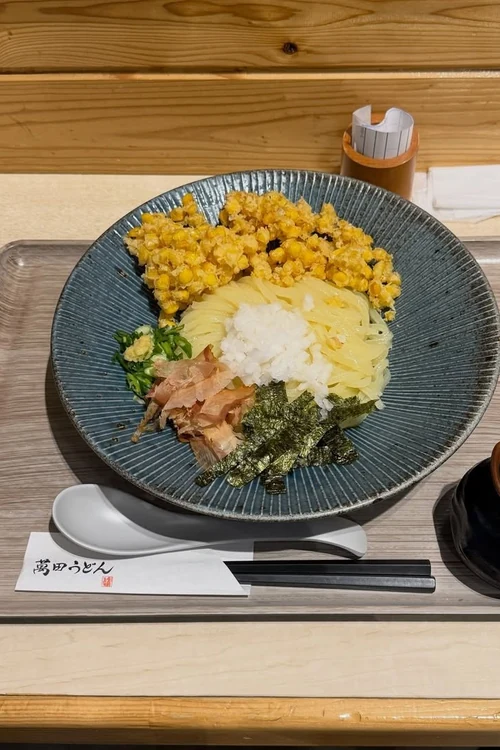
Image Credit: @leo.ae8632
Quick Tip: Char the corn in a dry skillet until the kernels catch dark spots, which deepens their sweetness before the broth ever touches them. Add the butter pat at the table, right over the hottest strands. It melts slowly, so the last bites stay the richest of all.
Sweet corn and melting butter against a salty broth is the combination that wins over children and grandparents in the same sitting here. The kernels stay snappy, the butter pools golden on top, and the bowl tastes like late summer held a little longer tonight.
Tomato Basil Fusion

Image Credit: @simona_amy_chicbitesandbeauty
Before: Before tomato entered my noodle bowls, fusion plates at home usually meant one cuisine politely ignoring the other on the plate. The flavors sat side by side without meeting, and dinner felt like two half ideas instead of one generous bowl everyone wanted seconds of tonight.
After: After a rosy tomato broth met torn basil and shaved parmesan, the two kitchens finally started talking in the same bowl together. The tomato brings brightness, the basil brings perfume, and the thick strands carry both like they were always meant to share one pot.
Keep the basil fresh and add it at the table, because cooked basil loses the perfume that makes this bowl sing. A lemon wedge squeezed over at the end sharpens everything, and warm bread beside the bowl catches the rosy broth nobody wants to waste.
Mentaiko Cream Sauce

Image Credit: @bignickpantry
- Whisk the cod roe with warm cream and a knob of butter until the sauce turns pale pink and smooth.
- Toss the hot drained strands through the sauce off the heat, because boiling splits the roe and dulls its color.
- Plate in warm shallow bowls so the sauce pools glossily under the strands instead of hiding at the bottom.
- Crown each plate with shredded nori, chives, and a small extra spoon of roe for the salty pop.
Mentaiko cream is the plate I serve when friends think thick strands only belong in soup at home tonight. The sauce tastes briny, buttery, and quietly luxurious, and the pink color alone makes people reach for their phones before their forks at the table together.
Soup Versus Sauce

Image Credit: @michelle_makes_food
- Soup Style: Strands swim in clear broth, so every bite stays light, brothy, and easy to slurp slowly.
- Sauce Style: A thick glossy sauce clings to each strand, so the flavor lands concentrated and rich.
- Soup Style: Best with delicate toppings like tofu, seafood, and greens that the broth can season gently.
- Sauce Style: Best with bold partners like garlic oil, roe cream, and crispy toppings that need coating.
The honest answer is that both styles deserve a place in your week, soup for calm nights and sauce for bold ones. Try the same toppings across both versions once, and you will learn more about your own taste than any recipe can teach you.
Weeknight Shortcut Pot

Image Credit: @mammajapan
| DO | DON’T |
|---|---|
| Use frozen strands straight from the pack | Thaw them on the counter for hours first |
| Add frozen vegetables directly to the broth | Cook delicate greens from the very start |
| Season boldly, since shortcuts mute flavor fast | Skimp on salt and call it healthy |
| Serve straight from the pot at the table | Hold the pot warm until the strands swell |
A shortcut pot is not an apology, it is how real weeknights get fed well at home without any drama at all. Frozen strands, frozen vegetables, and honest seasoning land on the table in twenty minutes, and nobody guesses anything was ever a shortcut tonight.
Green Curry Twist

Image Credit: @thebaostl
Cost: Moderate, curry paste and coconut milk lead | Time Needed: 25 minutes with vegetables prepped first | Difficulty: Easy, one pot and a gentle simmer throughout | Result: Fragrant green broth with soft heat, sweet basil, and a coconut finish in every bowl served tonight at home
Green curry paste and coconut milk turn thick strands into something fragrant and gently fiery, a bowl that smells like a Bangkok side street. Thai basil stirred in at the end keeps it bright, and a squeeze of lime makes the whole bowl wake up.
Midnight Garlic Chili

Image Credit: @tsurutontan_nyc
Some bowls are built for midnight, when the house is quiet and dinner is only for you and your thoughts alone. Garlic warmed slowly in oil until golden, chili flakes blooming beside it, and glossy strands under both make this simple plate feel like a small reward.
The garlic must never rush, because thirty seconds too long turns the chips bitter and the oil harsh against the strands. Pull the pan off the heat while the slices still look pale gold, and the carryover heat finishes them gently to crisp perfection every time.
Finish with scallion greens and a pinch of flaky salt, then eat it standing at the counter if the mood says so tonight. In my experience, the simplest bowls are the ones that get repeated most, and this one has never once missed at my house.
Conclusion
Twenty five bowls later, the lesson is simple: thick strands reward bold seasoning, gentle cooking, and toppings with real personality at the table.
Keep frozen strands in the freezer, paste and flakes in the pantry, and fresh scallions in the crisper, and a great bowl is never more than twenty minutes away tonight.
A bowl of udon noodles at home, steam rising and sauce glossy, turns an ordinary weeknight into a small celebration. Save this list, cook one bowl this week, and pass the idea along to someone who loves a cozy dinner. My chicken ramen brings the same cozy bowl home with fragrant, golden broth and jammy eggs for slow, slurpy nights at the table.