Why Are My Hard Boiled Eggs Hard to Peel? Easy Fix Guide
Hard to peel eggs are the most frustrating part of making boiled eggs at home. You boil them just right, cool them down, and start to peel. Then the shell takes chunks of white with it, and the smooth egg you wanted is gone. The peeling turns into a messy job.
Most eggs stick when they are too fresh, the water starts cold, or the cook skips the ice bath. Fresh eggs hold tight to the shell, and the membrane clings to the white. Small mistakes add up fast, and the wrong method leaves the shell glued on.
This guide walks through each cause one by one, then gives simple fixes you can use today. Follow the steps, and your eggs can peel clean, smooth, and ready to serve. Use the fixes in this guide, and the shells come off easy. And if your stir fry also turns soggy, see why watery stir fry happens and how to fix it with simple kitchen tricks.
Why Eggs Stick to the Shell
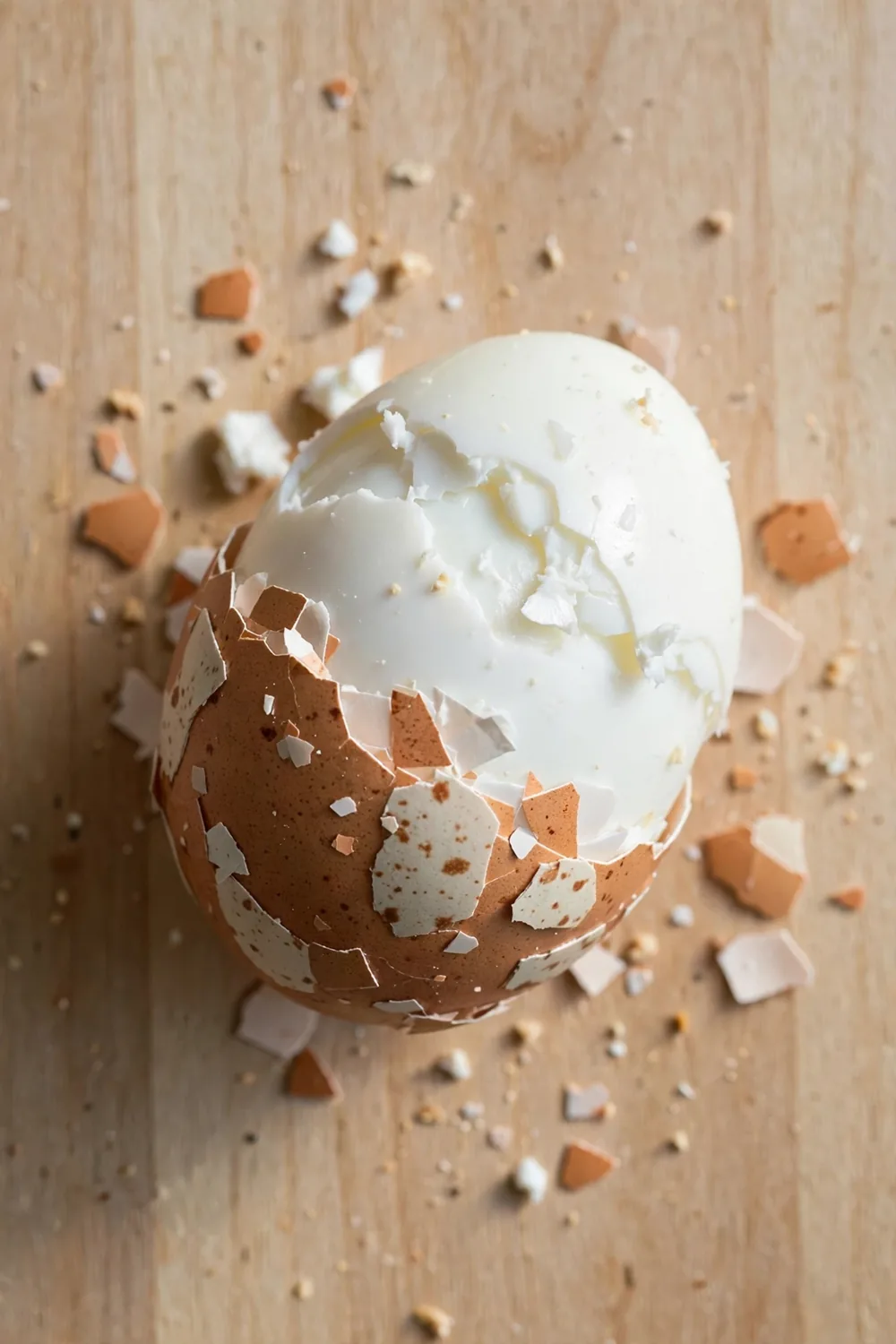
Eggs stick when the membrane between shell and white stays bonded tight. Fresh eggs, cold starts, and slow cooling all keep that bond strong. The white clings to the shell, and peeling tears chunks away. The egg looks cooked, yet the shell refuses to let go.
A stuck shell does not mean the egg went bad, and the egg stays usable. The torn spots look rough, but the egg still tastes fine. A clean peel keeps the white smooth, and a rough peel wastes it. Fix the method before you boil the next batch.
Use Older Eggs
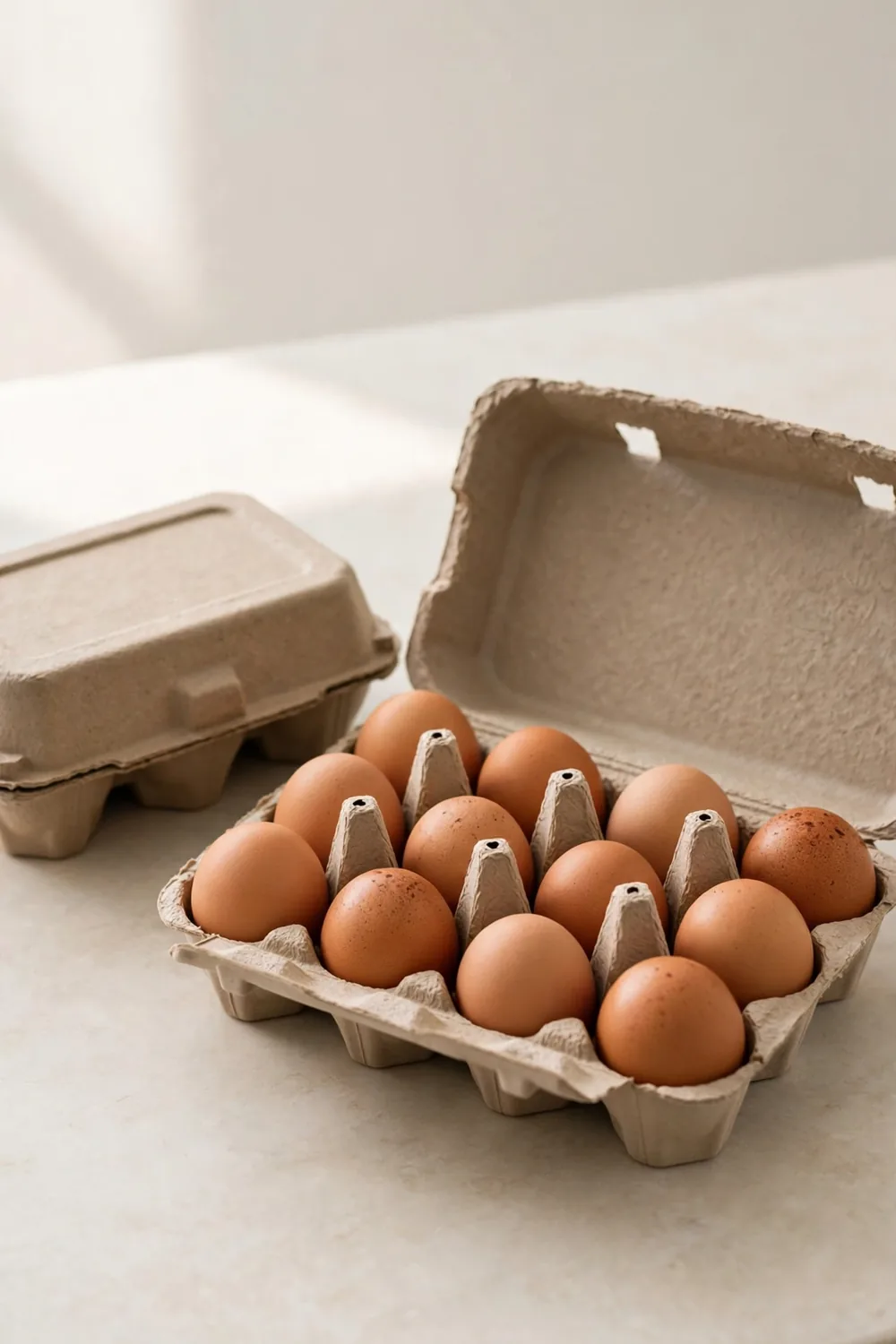
Older eggs peel easier, and fresh eggs cling tight to the shell. As an egg ages, air seeps in, and the membrane pulls away from the white. A week old egg peels clean, and a same day egg fights you. Buy eggs ahead and let them age.
Check the date on the carton, and pick the oldest box in the fridge. Eggs stay good for weeks, and a little age helps the peel. Store them pointy end down so the yolk stays centered. Aged eggs make the smoothest peel at home every time.
Start With Boiling Water
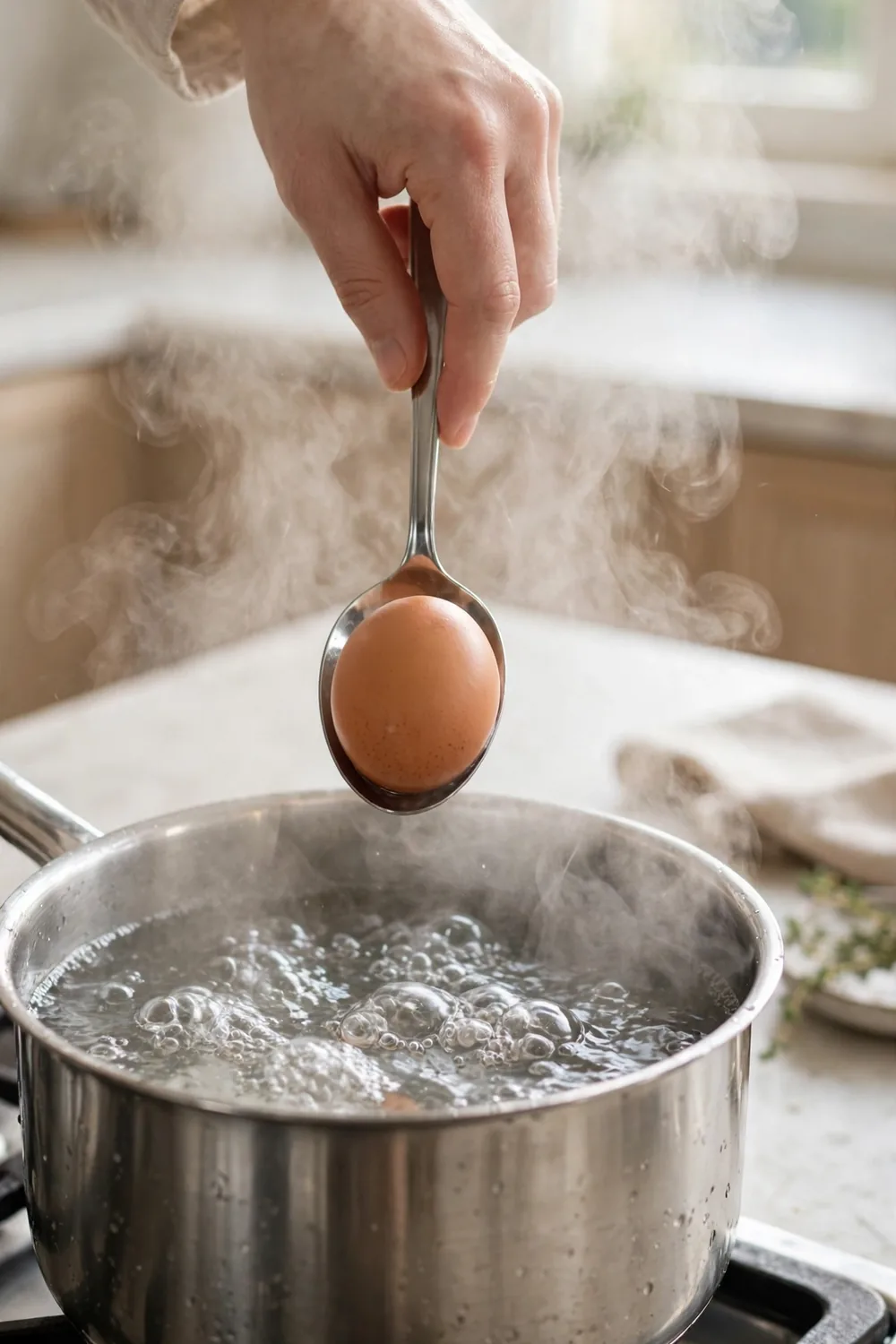
Starting eggs in boiling water shocks the shell, and the white sets fast. A cold start lets the white bond to the shell as the water warms. Hot water seals the outer white at once, and the shell loosens. Boiling starts make peeling much easier.
Bring a pot of water to a full rolling boil before the eggs go in. Lower each egg with a spoon so the shells do not crack. Keep the water at a gentle boil for the full cook time. Hot starts make the cleanest peel at home.
Add a Little Salt
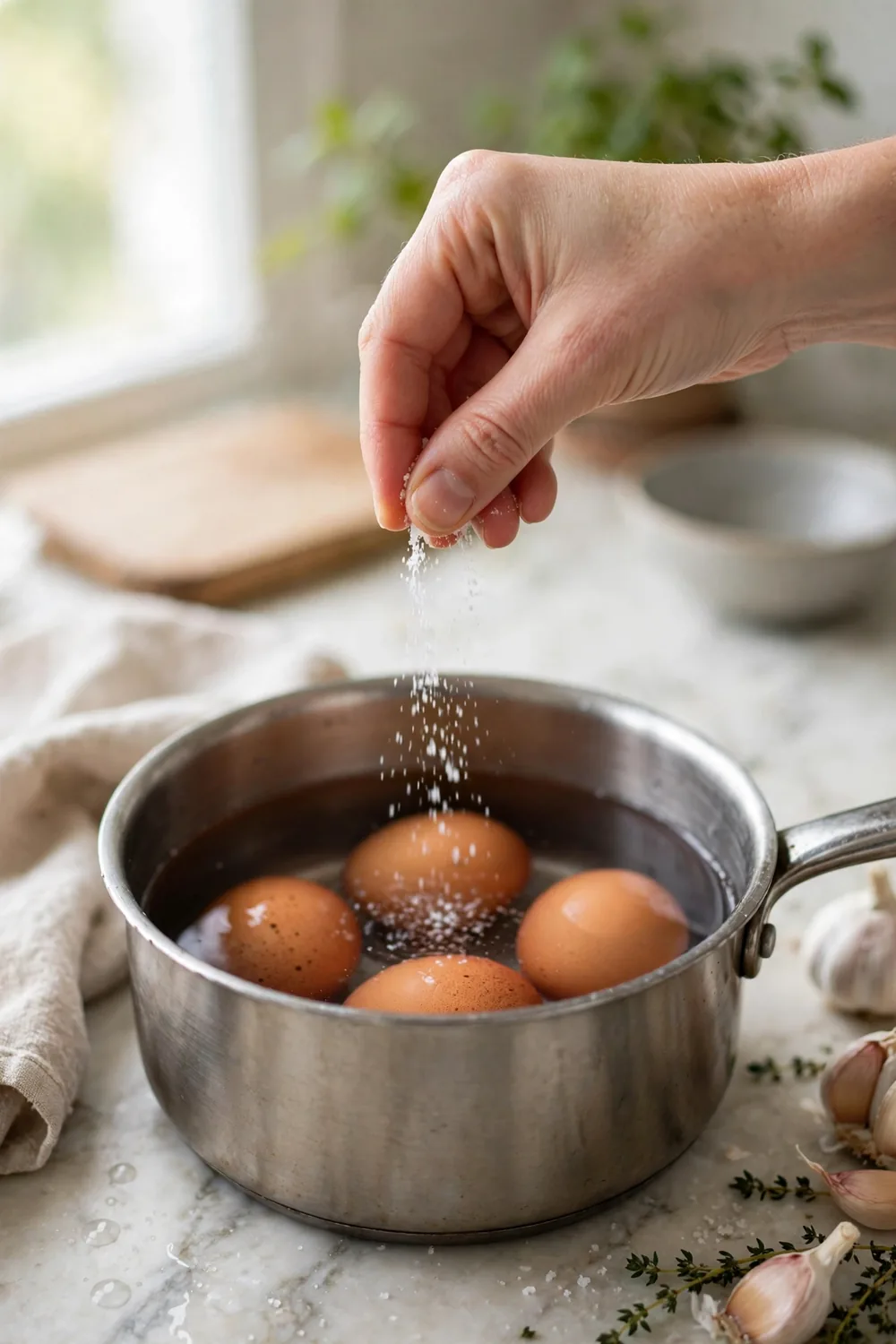
Salt in the water helps the white set if a shell cracks. A cracked egg leaks white, and salt firms it fast so little escapes. The salt does not change the taste, and the egg stays smooth. A pinch in the pot protects every egg.
Add one teaspoon of salt to the pot before the eggs go in. Stir it once so the salt spreads through the water. The salt also helps the shell release a bit easier. Salted water makes the smoothest peel at home every time you boil eggs.
Cool Them Fast
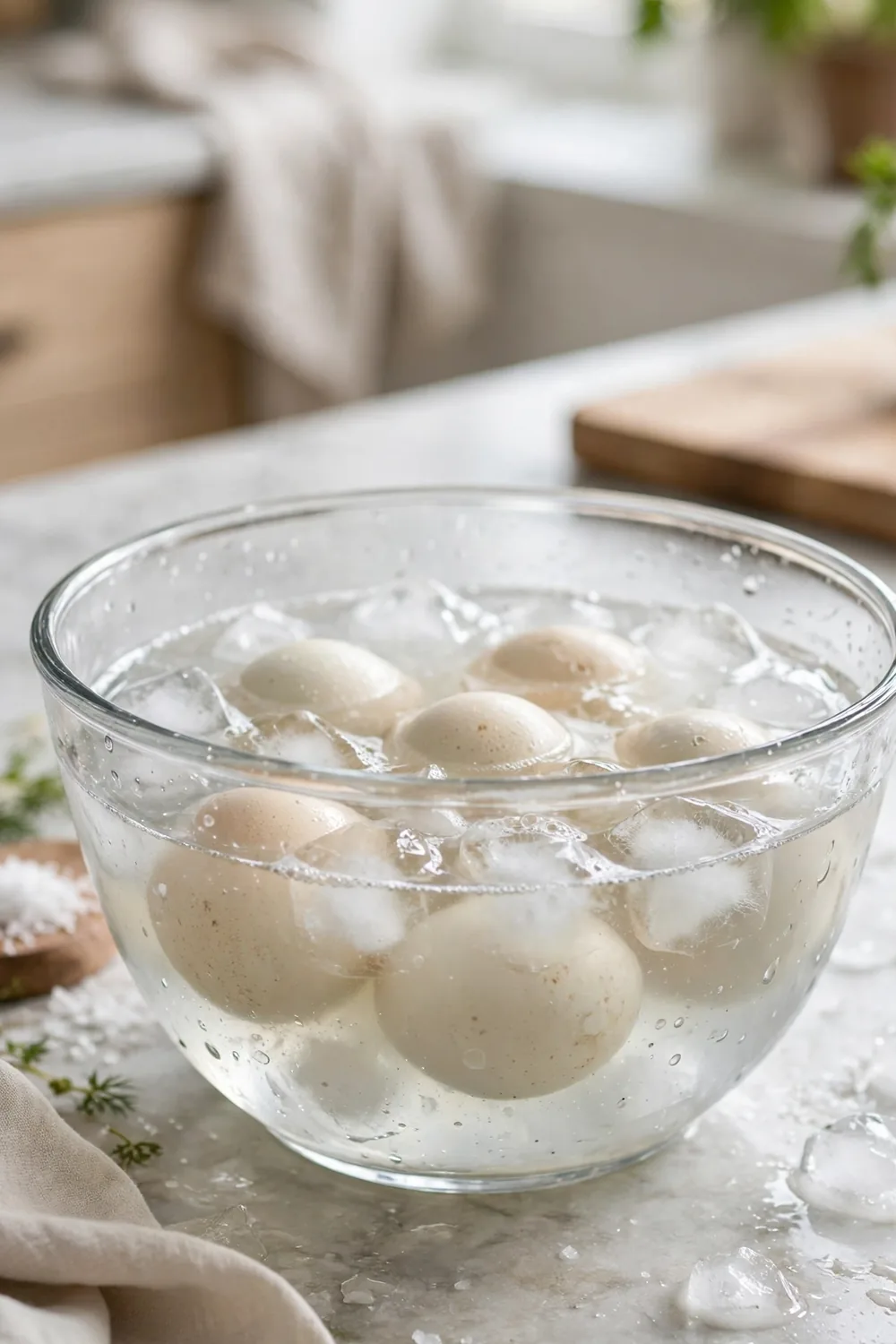
A fast chill pulls the white away from the shell as it contracts. Hot eggs keep cooking, and the shell bonds tighter with each minute. Ice water stops the cook at once, and the peel loosens. Quick cooling makes peeling much easier at home every time.
Fill a big bowl with ice and cold water before the eggs finish. Move the eggs straight from the pot into the ice bath with a slotted spoon. Let them sit for ten minutes until fully cold. Iced eggs make the cleanest peel at home.
Crack Them All Over
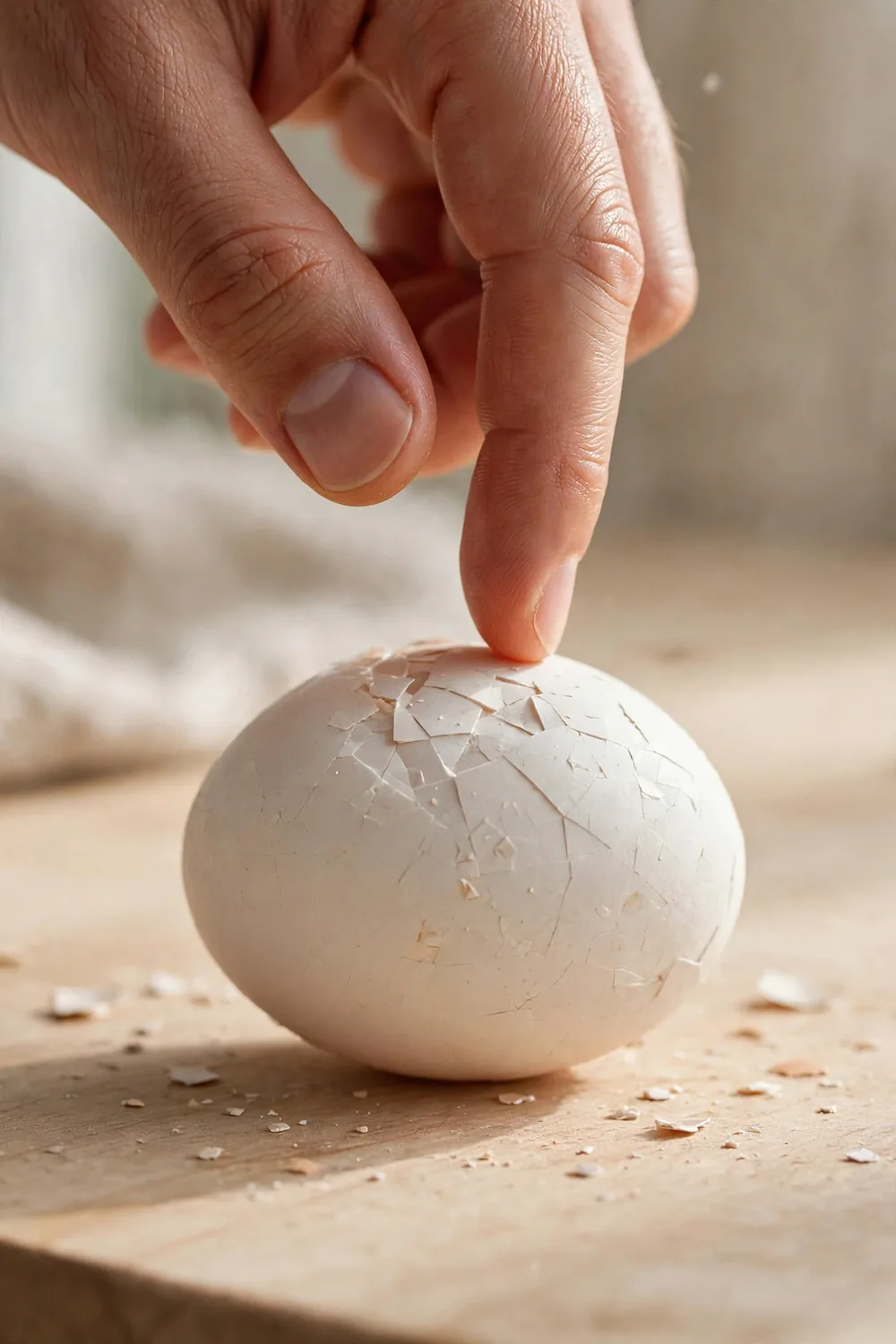
Cracking the shell all over breaks the bond in tiny pieces. Tap the egg on the counter, and roll it gently to crack the whole shell. Small cracks let water slip under the shell, and the membrane releases. A fully cracked shell lifts off in big pieces.
Tap the wide end first, then the narrow end, then the sides. Cover every spot so no large piece stays stuck. Roll the egg once with light pressure on the counter. Cracked eggs make the easiest peel at home every time you boil a batch.
Peel Under Water
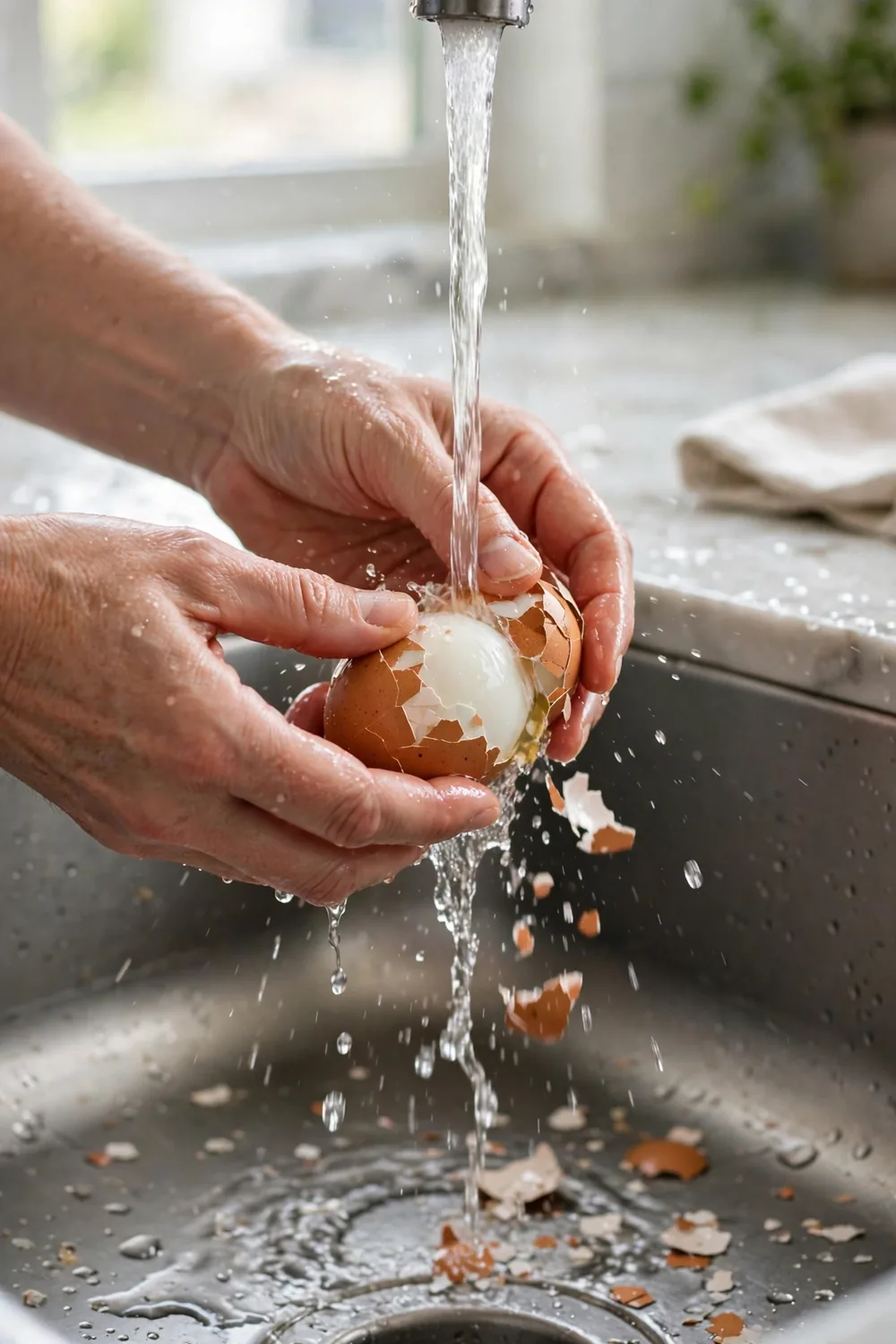
Peeling under running water washes the shell away as you work. Water slips under the membrane, and the shell slides off the white. The sink keeps bits from sticking back onto the egg. Wet peeling makes the smoothest eggs at home every single time you peel.
Hold the egg under a gentle stream of cool water while you peel. Start at the wide end where the air pocket sits. Pull the shell off in big pieces, and let the water carry bits away. Wet eggs make the cleanest peel at home.
Roll Them Gently
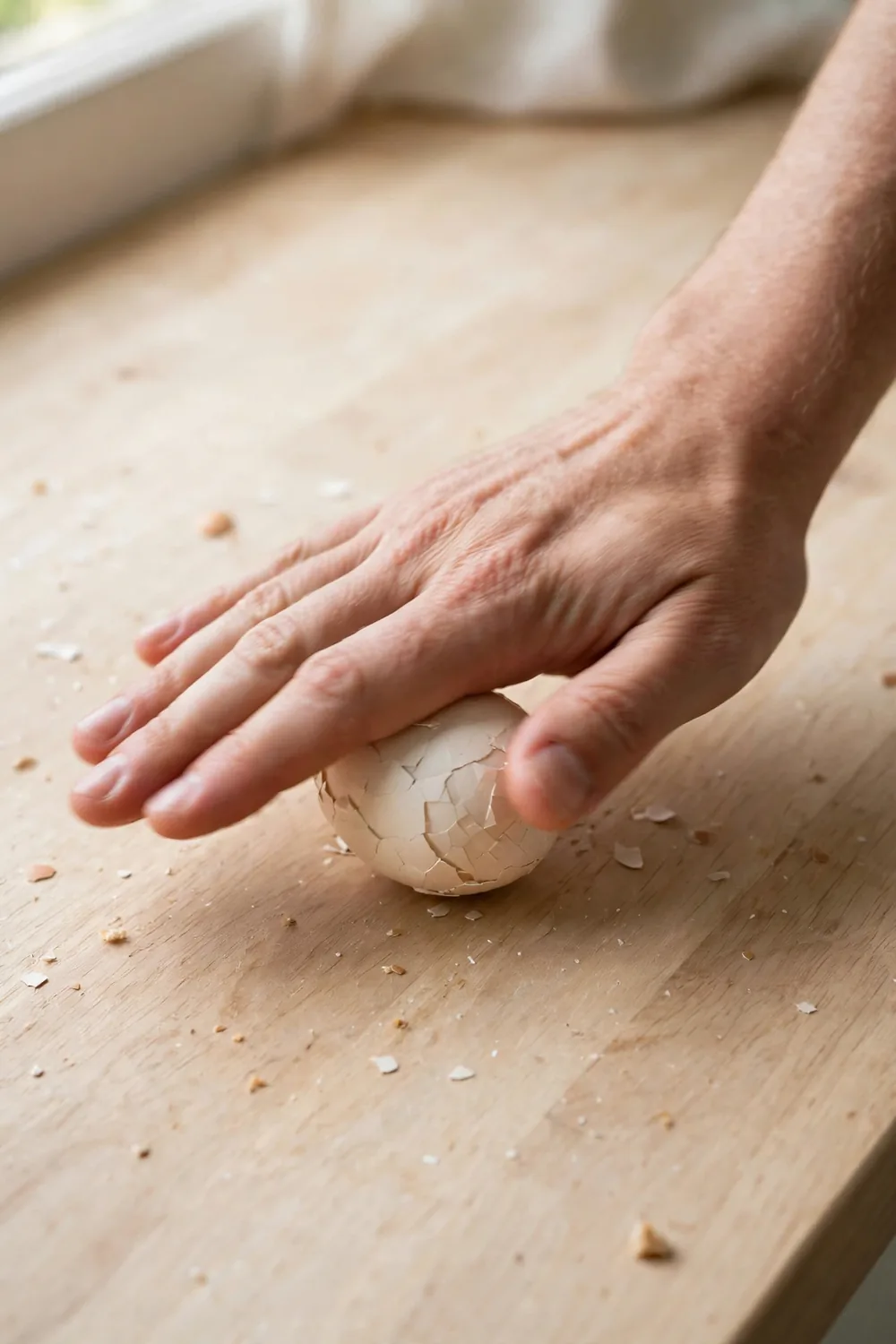
Rolling the egg loosens the whole shell in one smooth motion. Set the egg on the counter, and roll it forward with your palm. The shell shatters into a fine web, and the membrane lets go. A rolled egg peels in seconds at home every time.
Press lightly as you roll, and keep the pressure even all around. Hard pressure dents the white, and soft pressure leaves the shell stuck. One slow roll covers the whole egg from end to end. Rolled eggs make the easiest peel at home every time.
Use the Spoon Trick
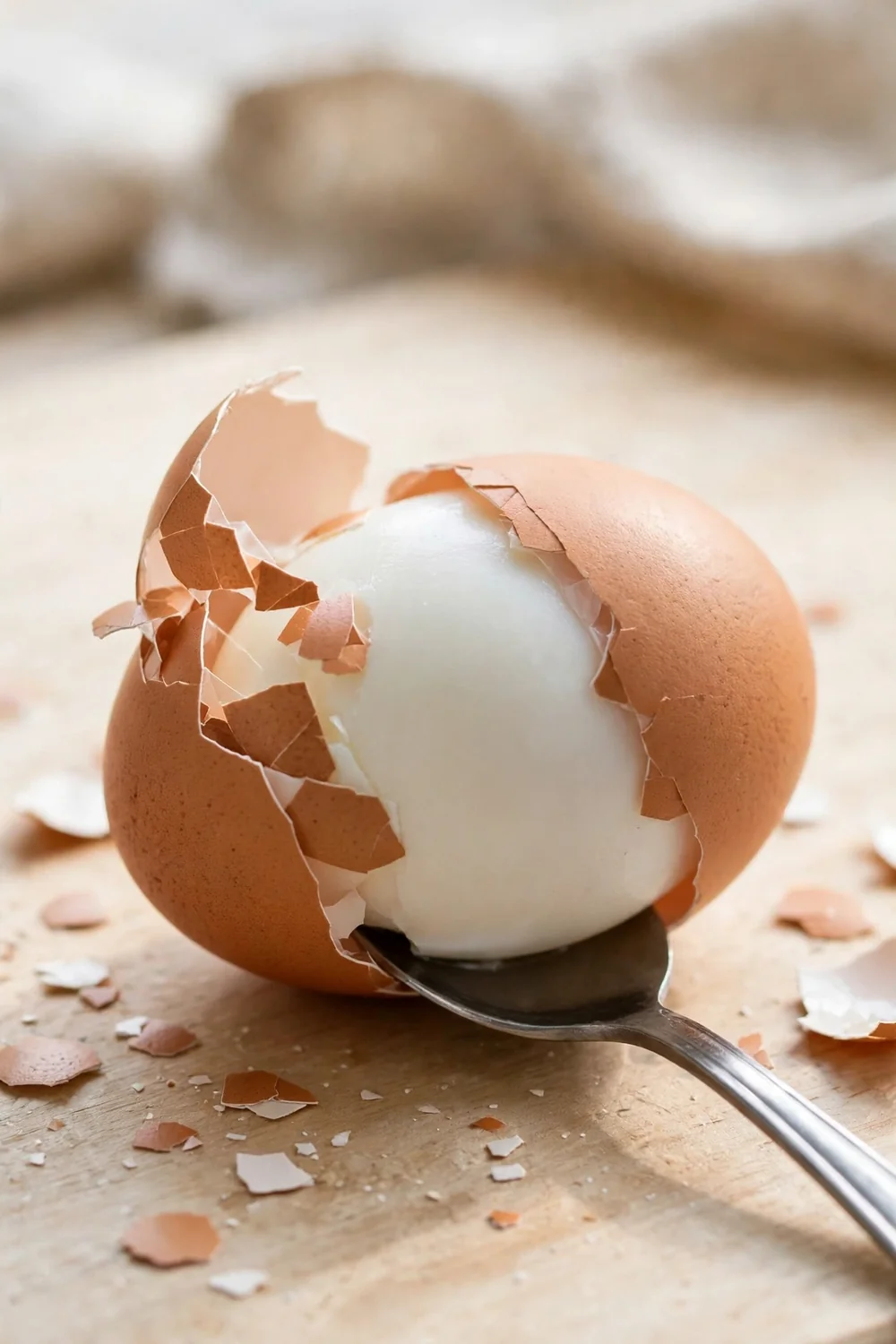
A spoon slides under the shell and lifts it off the white. Crack the wide end, and slip a small spoon under the membrane. Guide the spoon around the egg, and the shell comes off in one piece. The spoon trick saves torn whites at home.
Pick a teaspoon that fits the curve of the egg without digging in. Keep the spoon flat against the white as you turn the egg. Work slowly around the sides until the shell lifts free. Spoon peeled eggs look smooth and clean every time at home.
Common Mistakes to Avoid
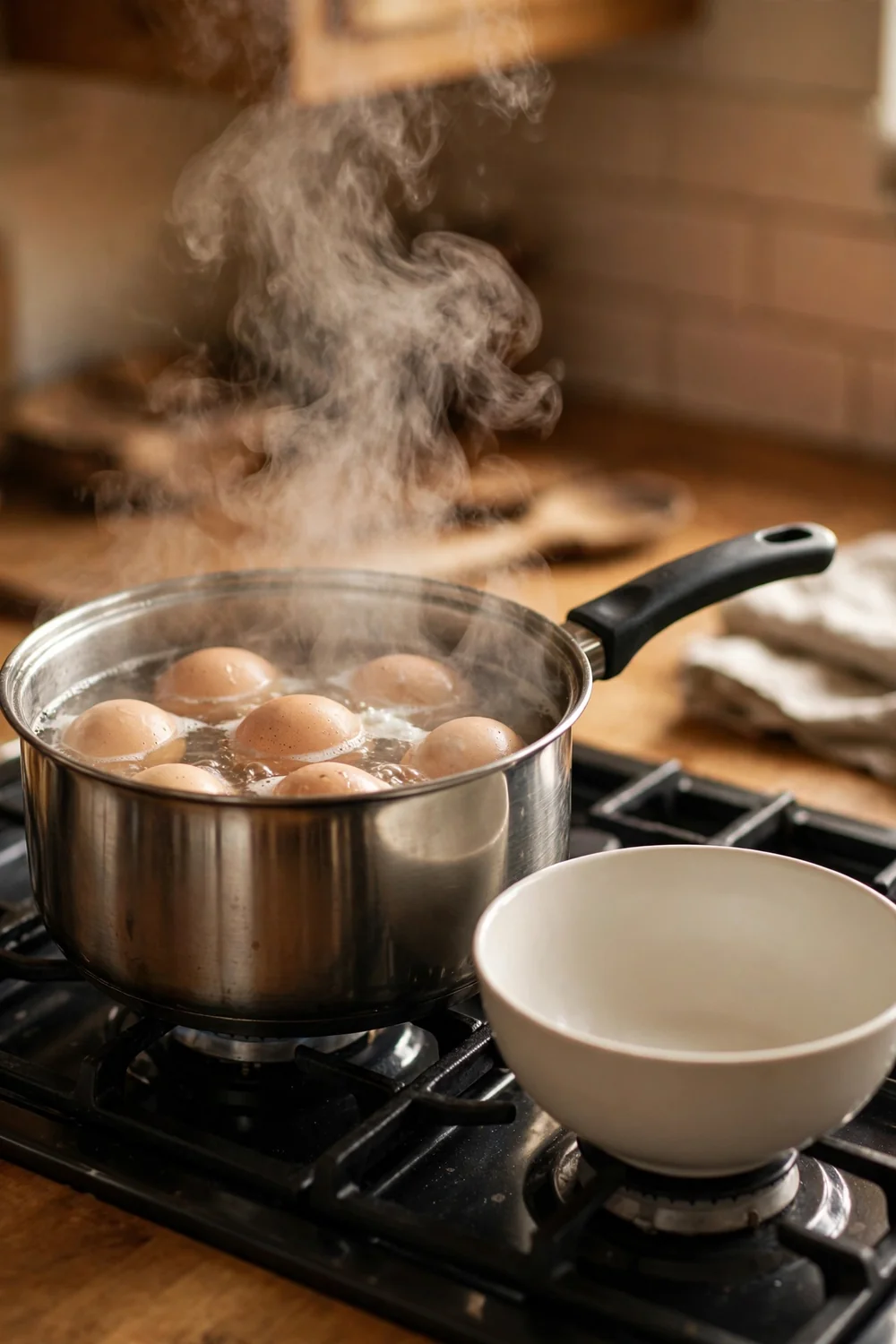
Skipping the ice bath is the biggest mistake, and the shells cling tight. The eggs keep cooking, and the membrane bonds harder with each minute. Chill the eggs fast, and the shells loosen. Small changes in method change the whole peel every time at home.
Peeling hot eggs is another mistake, and the white tears with the shell. Let the eggs cool fully before you peel them. Small steps keep the eggs smooth every single time. Keep a bowl of water handy whenever you peel eggs. Patience beats speed on egg day. Give it time.
What Easy Peel Eggs Look Like
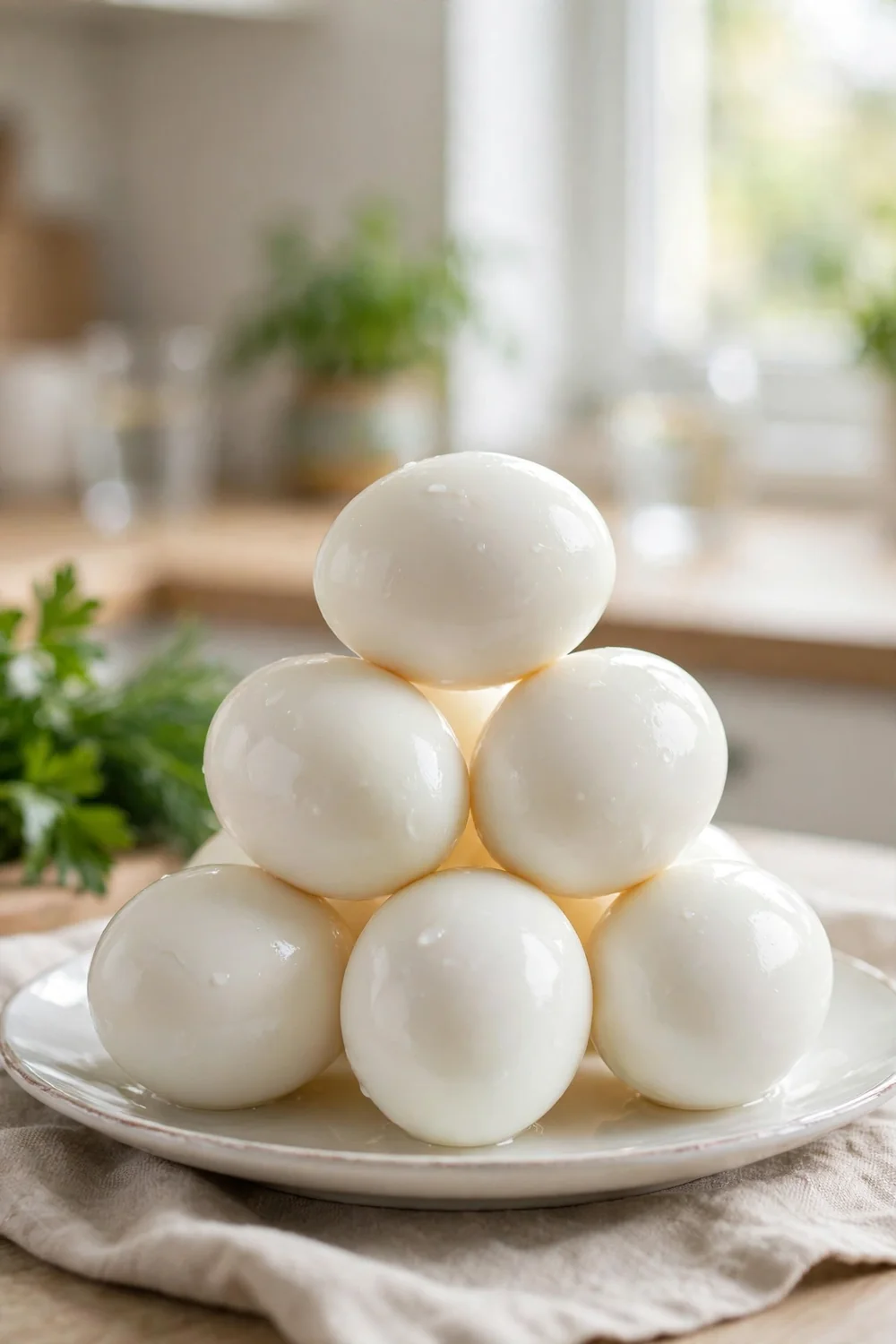
A good egg shows a smooth white, and the shell slips off clean. The egg feels firm, and the surface stays shiny and even. Peeled eggs look inviting, and the flavor stays rich. A good egg holds its shape and stays smooth. Look for even color and a clean, smooth white.
A good egg shows no torn spots, and the color stays even. The surface looks smooth, and the egg stays firm. Peeled eggs look perfect, and the taste stays rich every single time. Look for even color and a clean, smooth white. Serve them fresh for the best bite.
Conclusion
Hard to peel eggs usually come from fresh eggs and skipped ice baths, and now you know each fix. The torn whites look bad, but the eggs under them stay good. Older eggs, a hot start, and a fast chill fix it every time.
Use older eggs, start with boiling water, and cool them fast. Small steps keep the eggs smooth, and the shells come off clean. Use one method at a time, and the eggs stay smooth.
Crack them all over, peel them under water, and enjoy smooth eggs. Your next batch can stay clean, smooth, and ready to serve. Follow these steps, and the eggs peel clean every time. Save this guide for your next egg day. If your steak also turns chewy, read our guide on tough steak for tender, juicy steak at home every time.

2 Comments