Why Is My Stir Fry Watery? Easy Fix Guide
Watery stir fry is the most frustrating part of cooking a quick weeknight dinner at home. You chop the veggies, heat the pan, and toss them in with care. Then a puddle forms, and the crisp stir fry you wanted turns soft. The sauce stays thin, and the pan starts to steam.
Most stir fry turns watery when wet veggies hit a cool pan. Water on the surface turns to steam, and the steam keeps the pan from searing. Small mistakes add up fast, and the wrong method leaves the fry soggy.
This guide walks through each cause one by one, then gives simple fixes you can use today. Follow the steps, and your stir fry can turn crisp, glossy, and ready to serve. Use the fixes in this guide, and the pan stays dry. And if your curry also turns too hot, see why too spicy curry happens and how to fix it with simple kitchen tricks.
Why Stir Fry Turns Watery
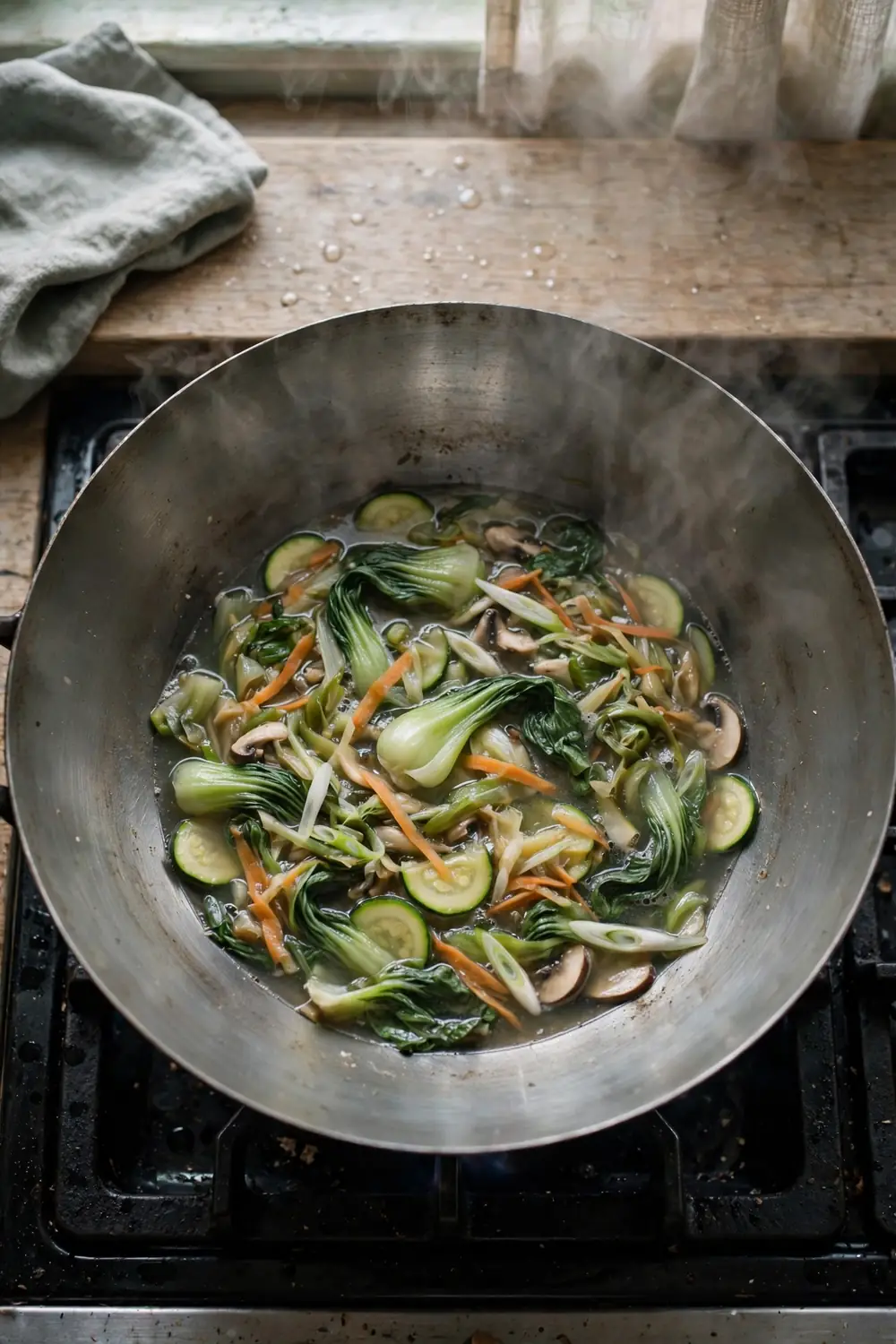
Stir fry turns watery when moisture floods the pan faster than heat can drive it off. Wet veggies, a cool pan, and a crowded wok all feed the puddle. The food sits in liquid instead of searing, and the sauce thins out. The pan looks busy, yet the fry stays soft.
A watery pan does not mean the dinner is ruined, and the food stays usable. The soggy veggies cook first, then the sauce thickens with the right method. A hot pan keeps the fry crisp, and a cool pan lets it swim. Fix the method before you cook the next batch.
Dry the Veggies First
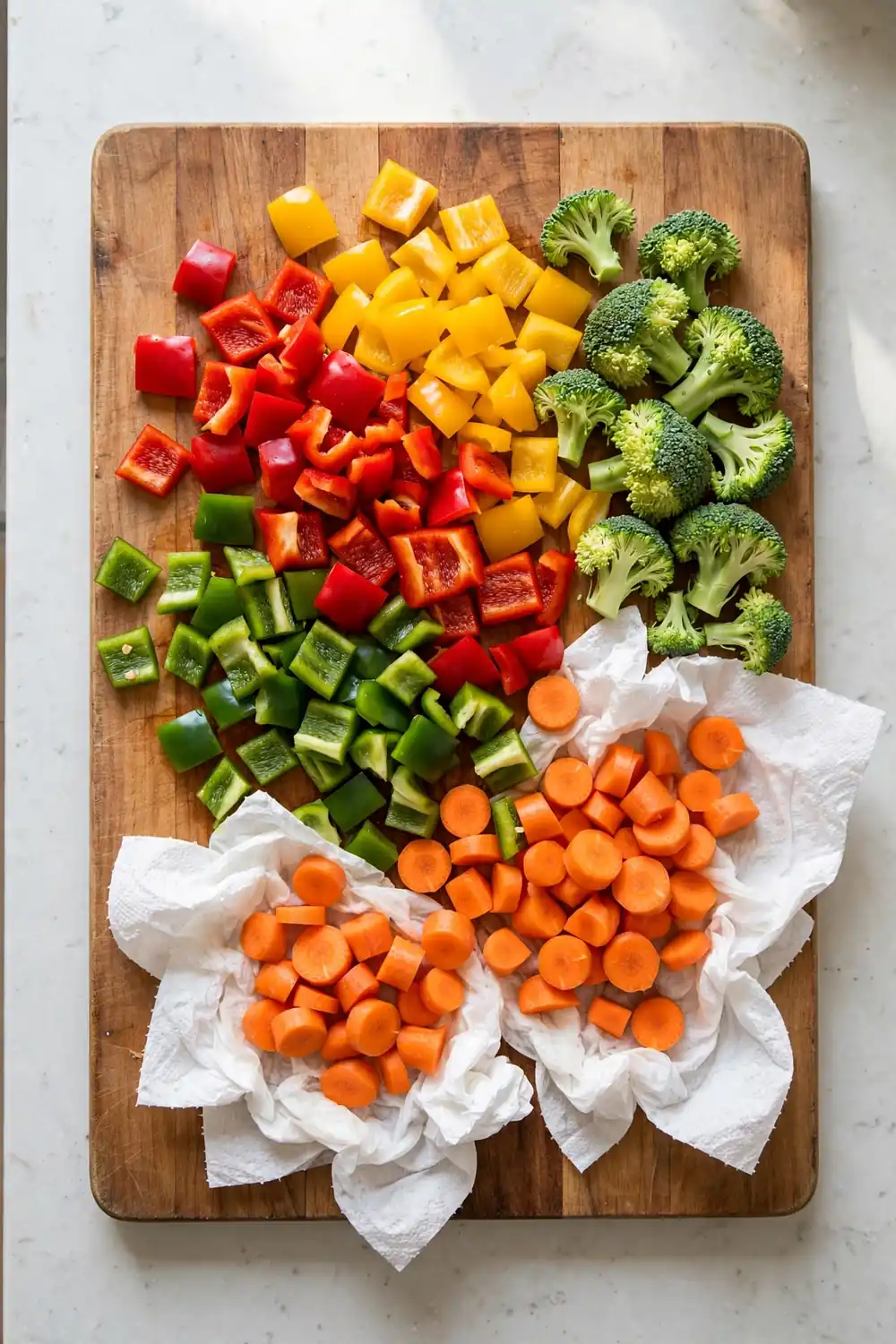
Dry veggies sear fast, and wet veggies steam the pan. Pat each batch with paper towels until no drops cling to the surface. Water left on the veggies turns to steam, and the steam keeps the pan cool. Dry veggies meet hot oil, and the fry stays crisp.
Check leafy greens with care, since they hold the most water. Spin them dry in a salad spinner, and shake off the last drops. A quick pat takes seconds, and it saves the whole pan. Dry veggies make the crispiest stir fry. Never skip this step, even when the veggies look dry already.
Preheat the Pan Hot
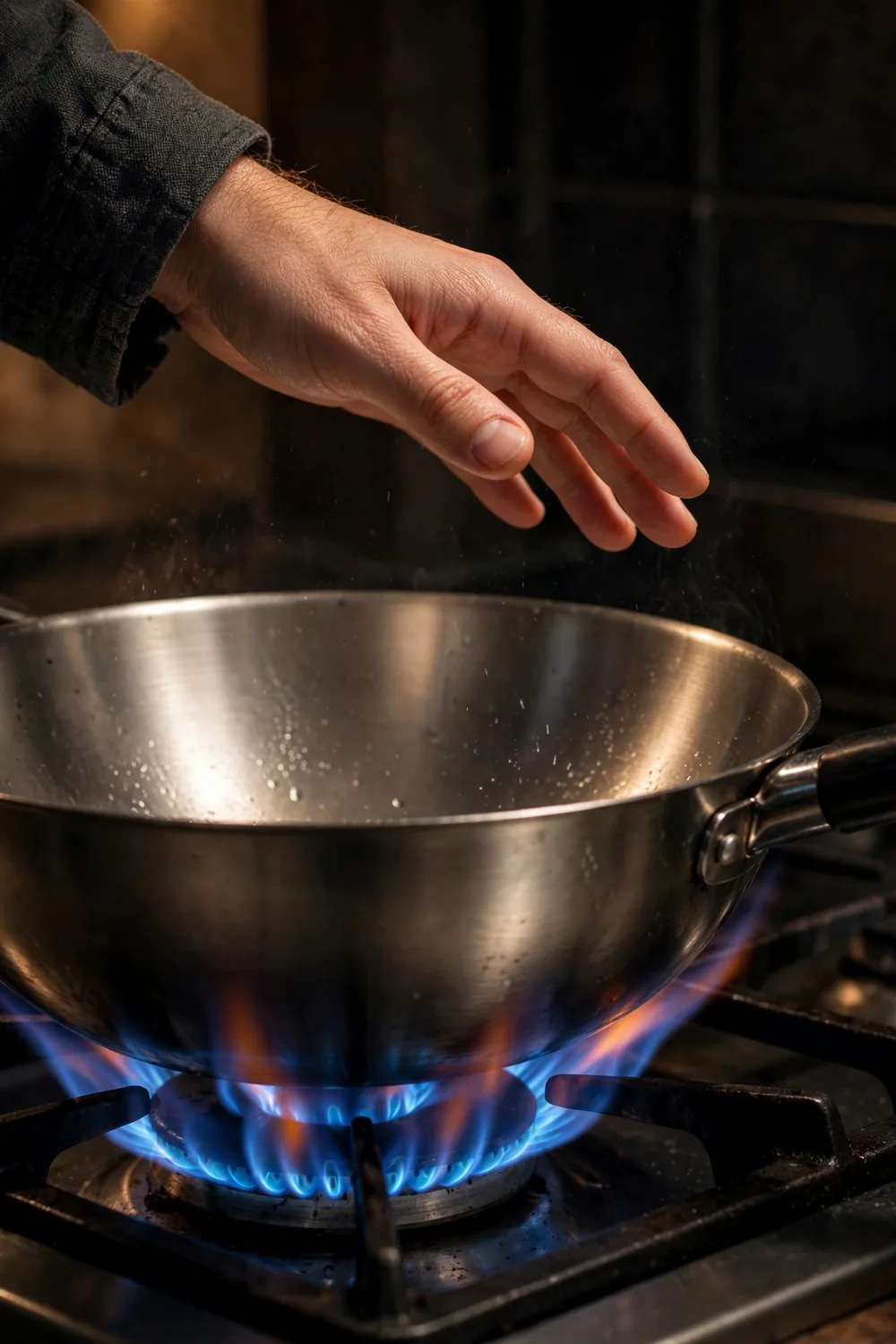
A hot pan seals the veggies on contact, and a cool pan lets them sweat. Heat the empty wok over high heat until a drop of water sizzles and vanishes. A cool start pulls juice from the veggies, and the pan turns soupy. Hot metal builds crisp edges from the first second.
Check the pan by holding your hand above it and feeling strong heat. A lukewarm pan still steams, and the veggies suffer for it. A fully hot pan sears even, and the texture turns crisp. Keep the heat high while the fry cooks. Steady heat makes the crispiest pan.
Cook in Small Batches
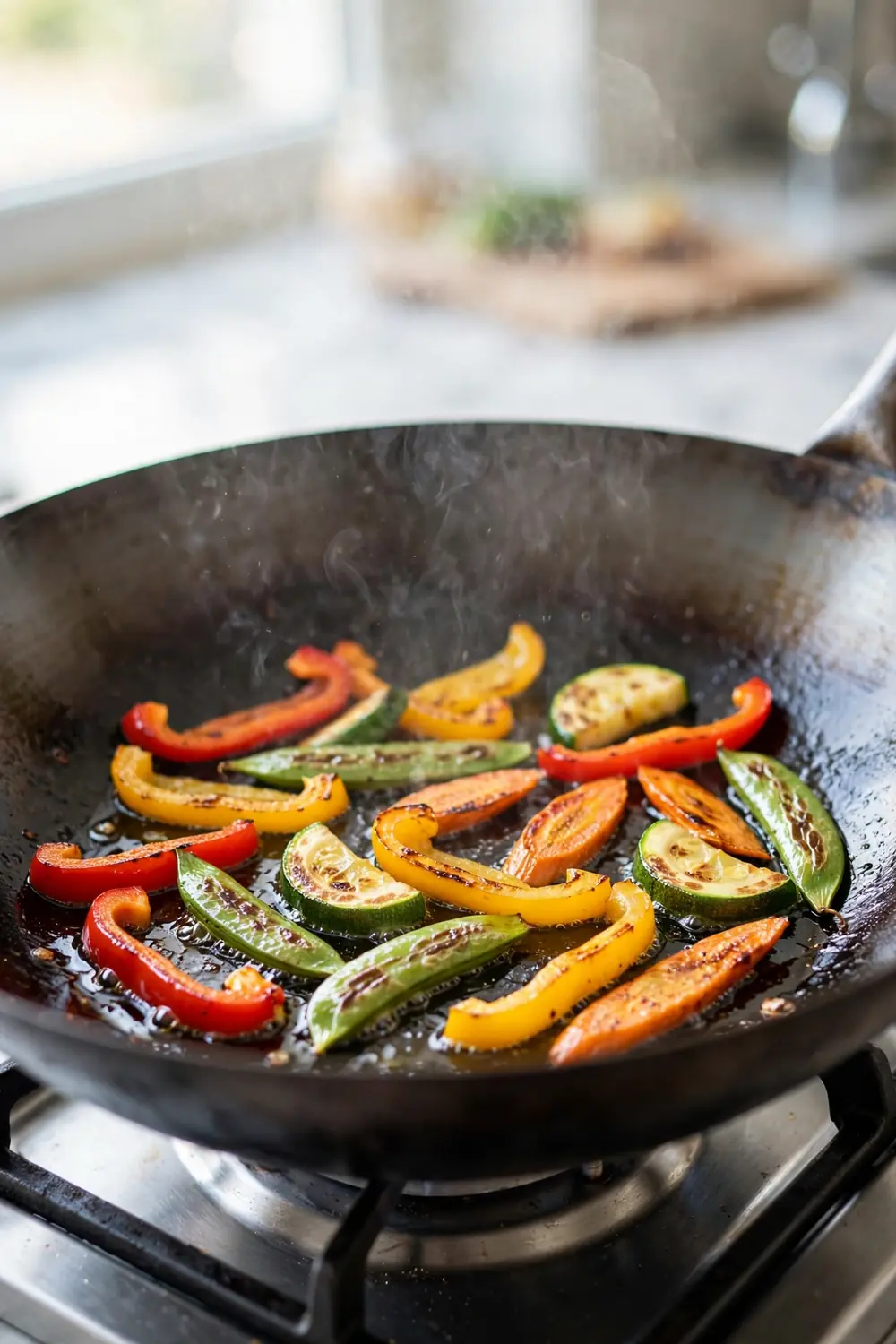
Crowding the pan drops the heat, and the veggies turn soft and watery. Cook one small batch at a time, and leave space between the pieces. The pan stays hot, and the edges brown fast. Small batches keep the fry crisp and glossy every time.
Check the pan, and lift out each batch when the edges turn golden. A pale batch means the pan ran cool, and the veggies stay soft. Golden edges hold firm, and the texture turns crisp. Patience beats speed on stir fry day. Give it time.
Use High Heat
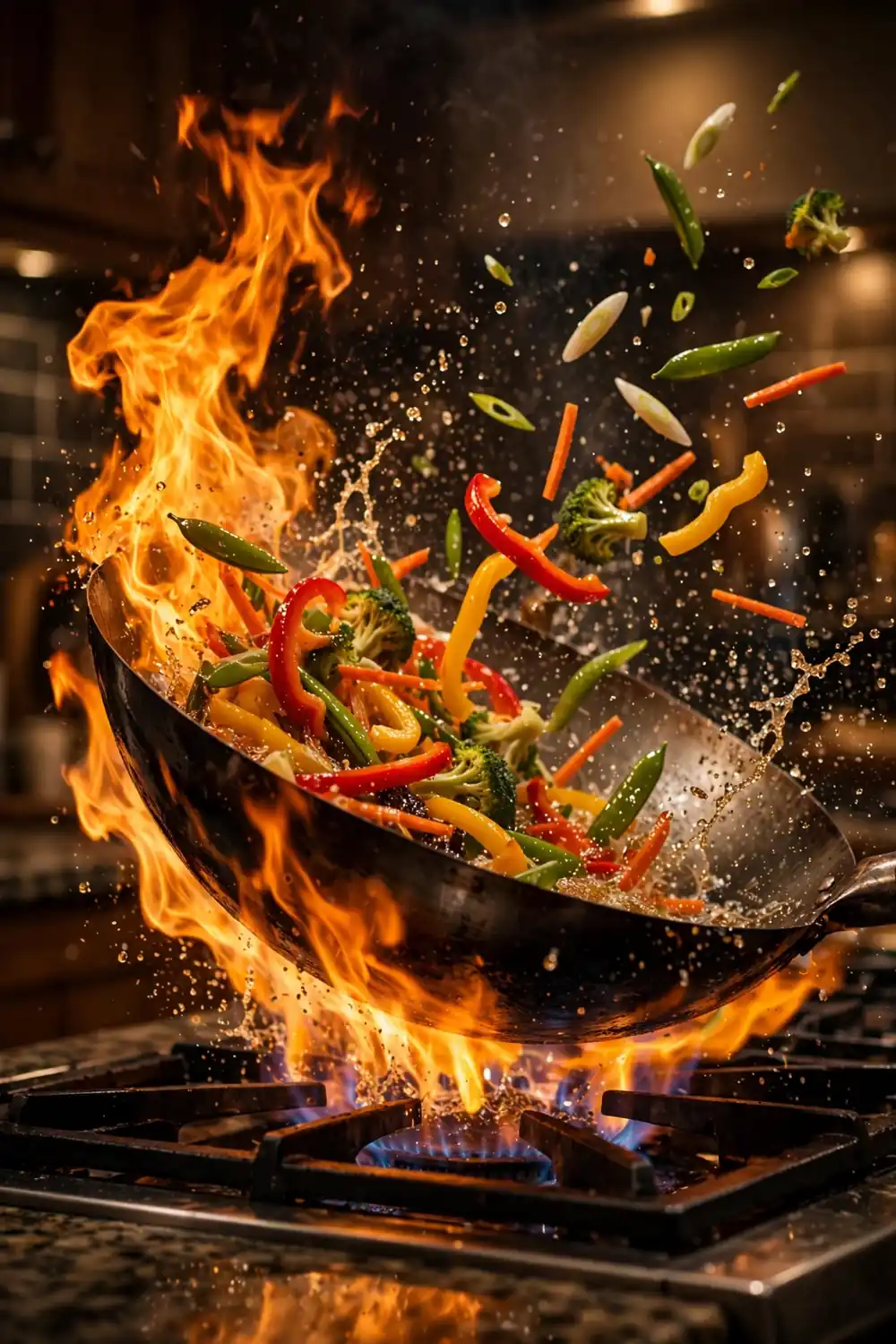
High heat drives water off fast, and the veggies brown instead of stewing. Keep the burner at full blast, and let the wok stay ripping hot. Low heat simmers the veggies in their own juice, and the pan turns soupy. Hot air keeps the fry crisp, and the sauce stays thick.
Check the flame, and trust the heat only after a full preheat. A cold start cooks uneven, and the veggies stay limp. A hot wok cooks even, and the texture turns crisp. Keep the lid off while the fry cooks. Steady heat makes the crispiest pan.
Add Sauce Last
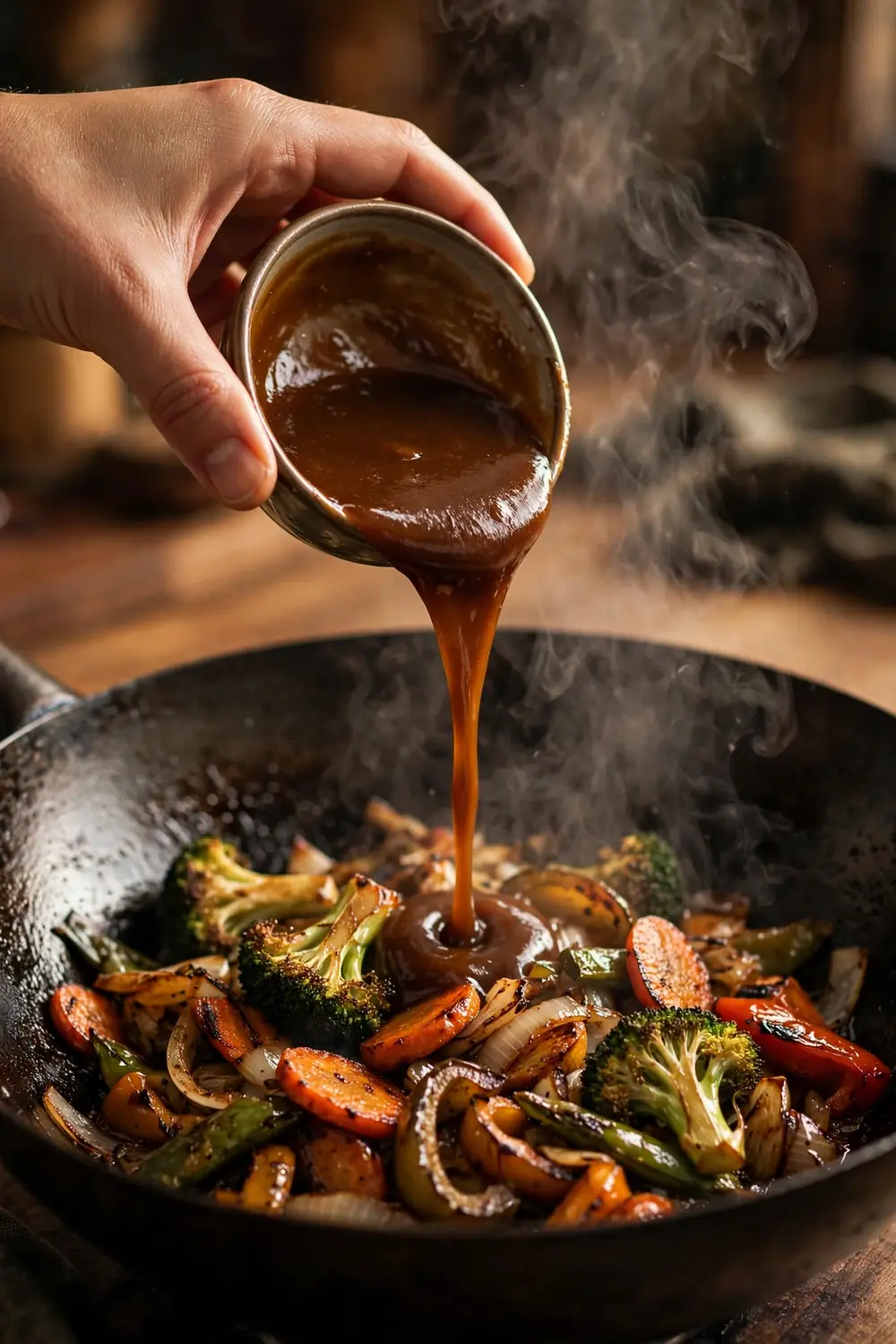
Sauce added early boils the veggies, and the pan turns watery fast. Hold the sauce until the veggies are browned and the pan is dry. A late pour coats the fry in a glossy glaze, and the flavor stays rich. Sauce last keeps the pan crisp.
Check the pan, and pour the sauce around the hot edges, not over the center. The sauce hits the metal first, and it thickens in seconds. A center pour cools the pan, and the veggies steam. Edge poured sauce makes the glossiest fry at home. Pour it late every time.
Thicken the Sauce
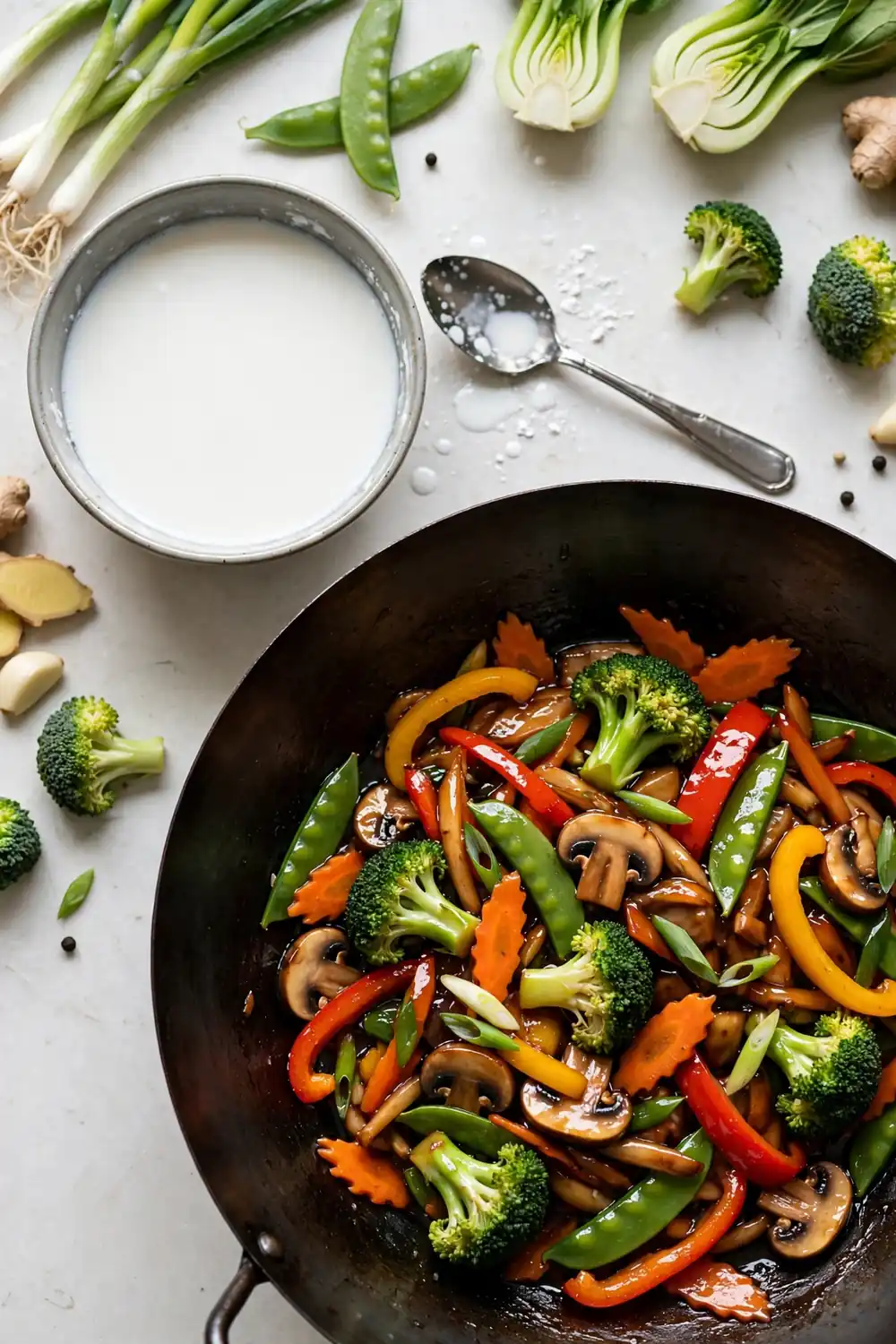
A thin sauce pools in the pan, and the fry swims instead of shining. Mix one teaspoon of cornstarch with cold water, and stir it smooth. Pour the slurry in slowly, and toss the fry until the sauce clings. Thick sauce keeps the pan glossy.
Check the gloss, and add more slurry only if the sauce still runs thin. Too much starch turns the sauce gummy, and the fry turns heavy. A light coat shines on the veggies, and the texture stays crisp. Starch thickened sauce makes the best fry. Thicken it right every time.
Use the Right Oil
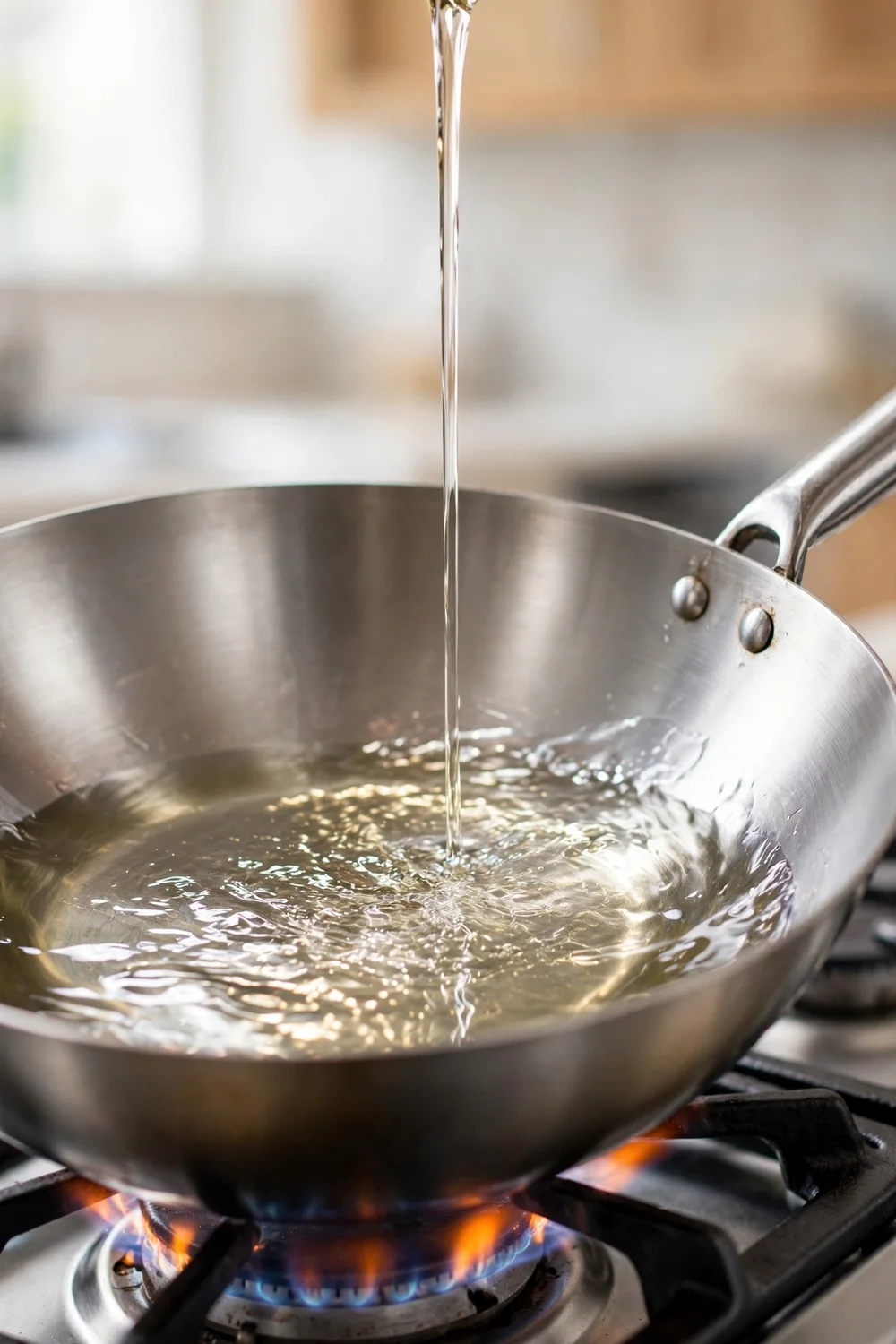
The right oil stays hot without smoking, and the veggies sear clean. Pick a high smoke point oil like avocado or peanut oil, and skip butter for the fry. Butter burns fast, and the pan cools as it foams. Hot oil keeps the fry crisp.
Check the bottle, and add just enough oil to coat the pan in a thin layer. Too much oil pools, and the veggies slide instead of searing. A thin coat lets the fry grip the heat, and the texture turns crisp. Oiled pans make the crispiest fry at home. Oil it right every time.
Drain Wet Ingredients
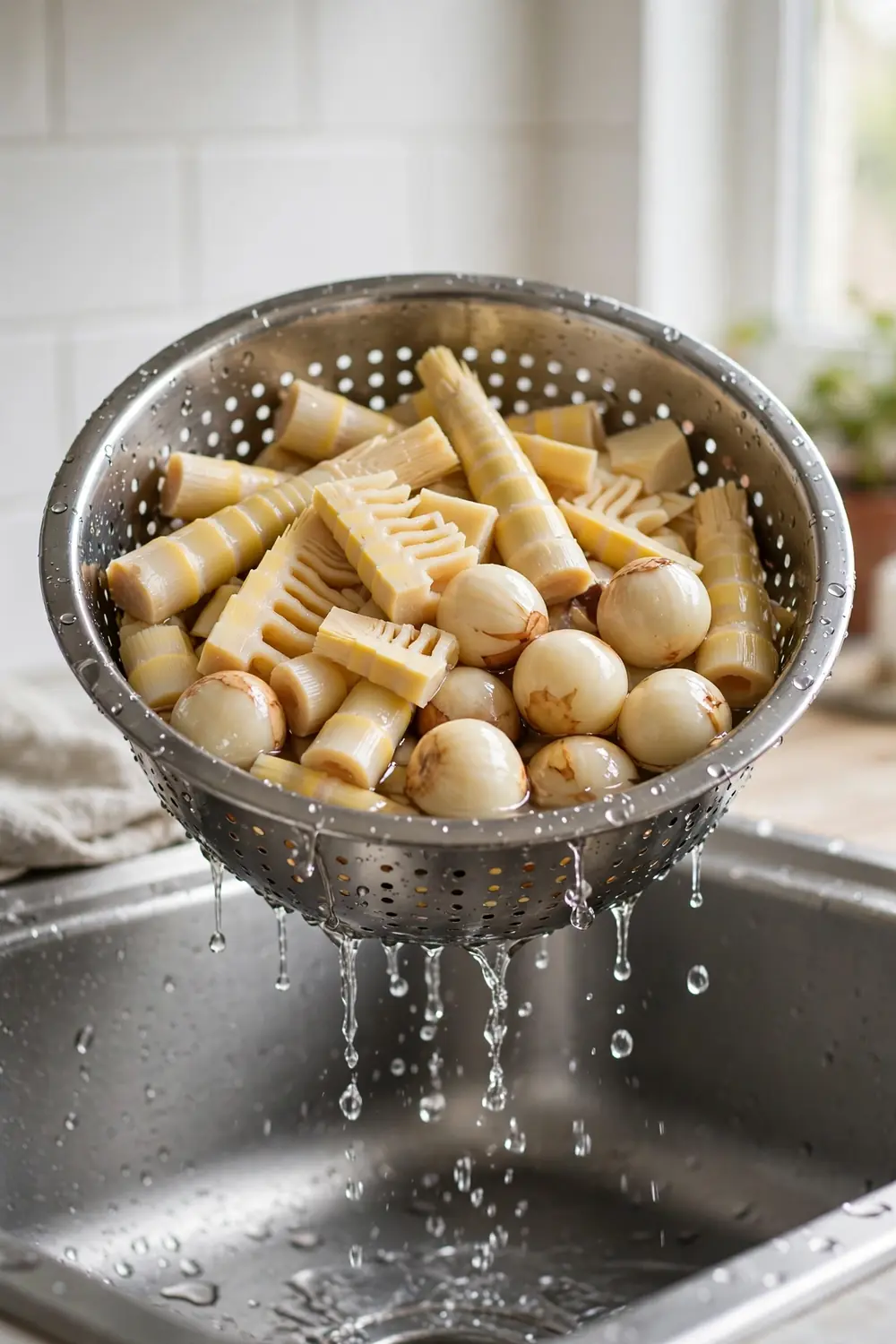
Wet ingredients leak water into the pan, and the fry turns soggy fast. Drain canned bamboo shoots, water chestnuts, and tofu before they hit the wok. Press tofu in paper towels, and shake off every drop. Drained ingredients keep the pan dry and crisp every time.
Check frozen veggies too, since ice turns to water in a hot pan. Thaw them first, and pat them dry before cooking. A frozen batch cools the wok, and the fry steams. Thawed and drained veggies make the crispiest fry. Drain every batch with care.
Common Mistakes to Avoid
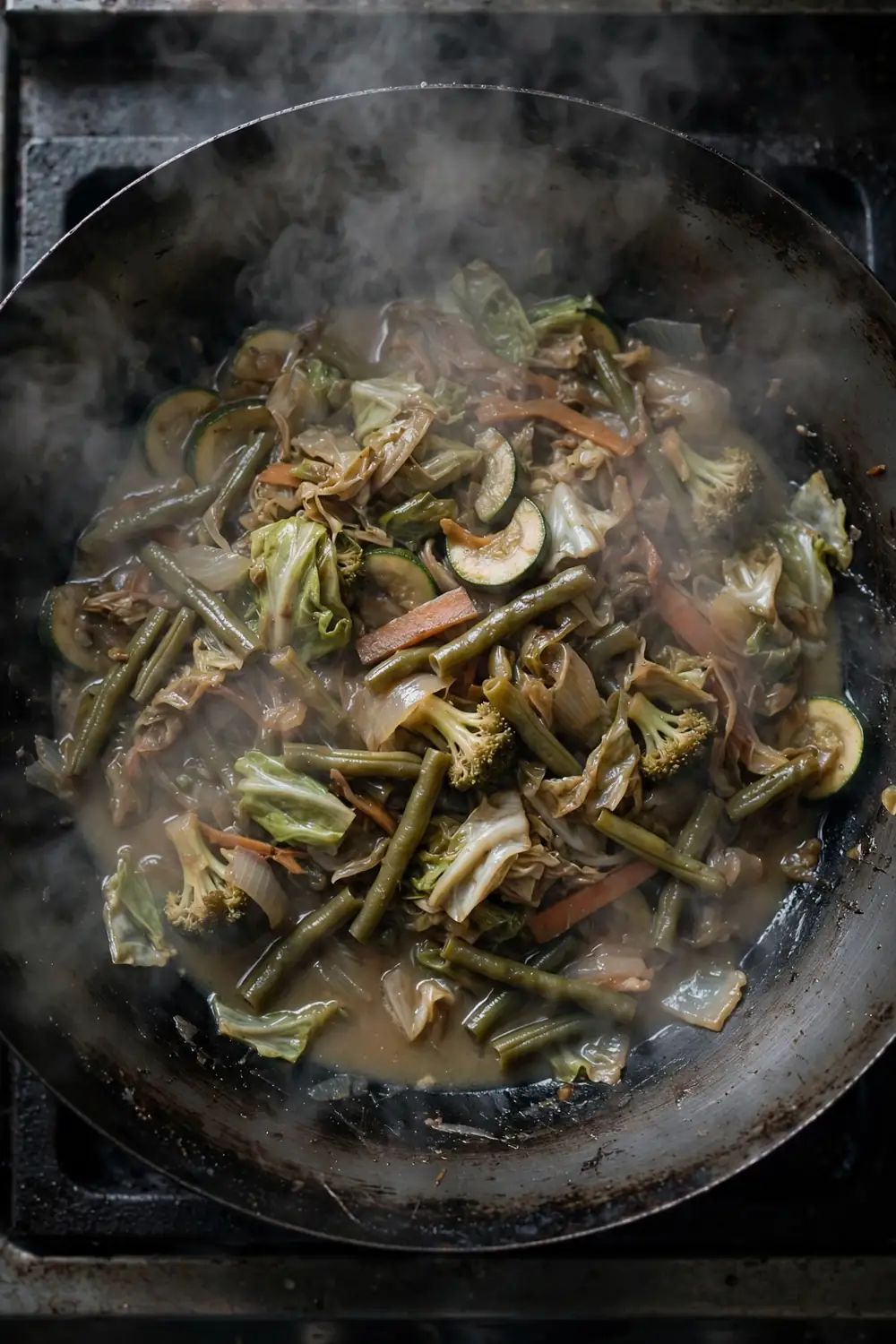
Skipping the preheat is the biggest mistake, and the pan turns watery fast. The wok stays cool, and the veggies sweat instead of searing. Heat the pan fully, and the fry stays crisp. Small changes in heat change the whole pan. Preheat with care every time at home.
Adding sauce early is another mistake, and the fry swims in liquid. Hold the sauce till the end, and let the veggies brown first. Small steps keep the fry crisp every single time. Keep tongs handy whenever you stir fry. Patience beats speed on stir fry day. Give it time.
What Crisp Stir Fry Looks Like
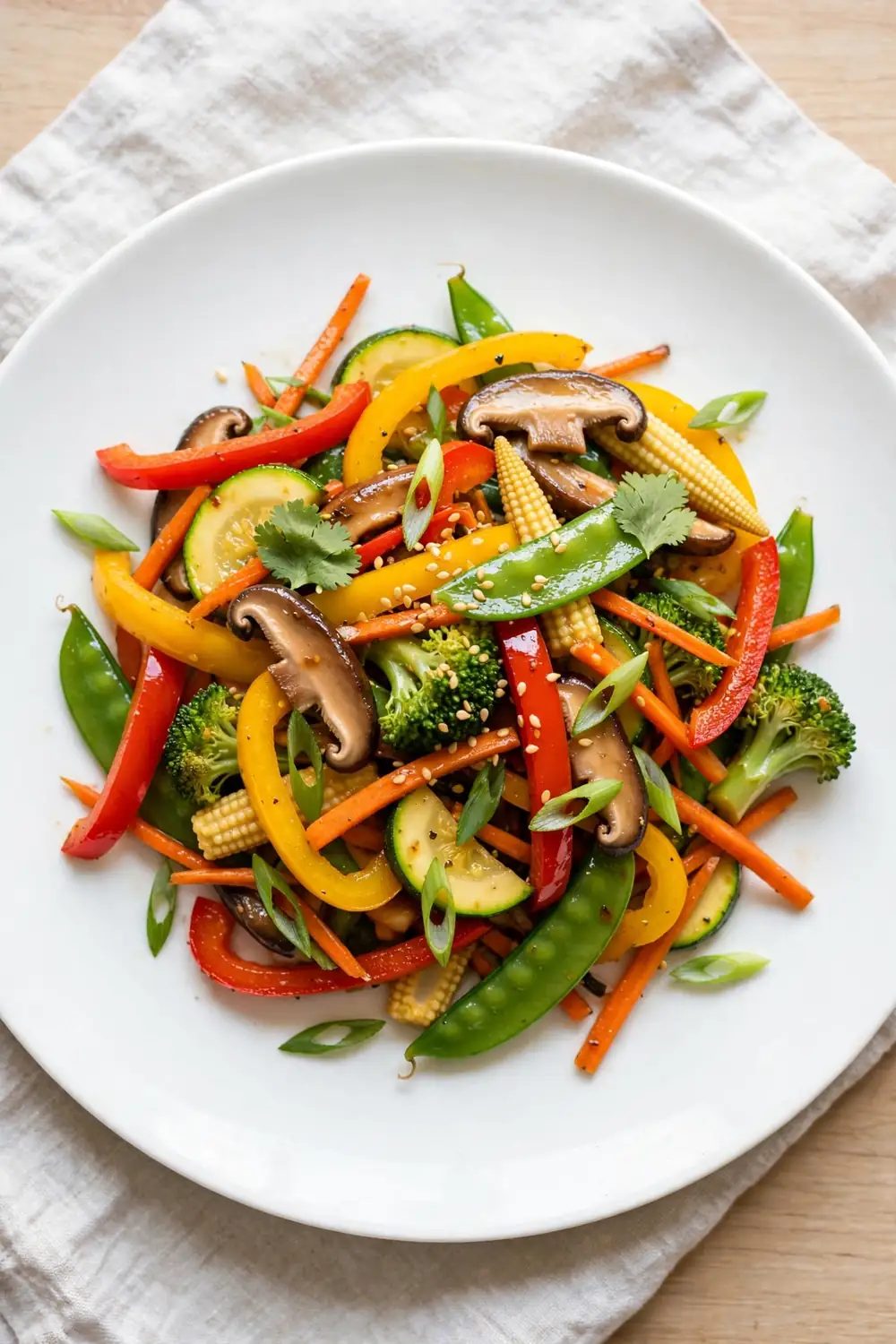
A good stir fry shows bright veggies, and the sauce clings in a thin gloss. The pieces stay firm, and the pan looks dry at the end. Crisp fry looks inviting, and the flavor stays rich. A good fry holds its shape and stays bright. Look for even color and a dry, glossy pan.
A good fry shows no puddle, and the color stays vivid. The surface looks glossy, and the veggies stay firm. Crisp fry looks perfect, and the taste stays rich every single time. Look for even color and a dry, glossy pan. Serve it fresh for the best bite.
Conclusion
Watery stir fry usually comes from wet veggies and a cool pan, and now you know each fix. The soggy fry looks bad, but the veggies under it stay good. Dry veggies, a hot pan, and a late sauce fix it every time.
Dry the veggies, heat the pan fully, and cook in small batches. Small steps keep the fry crisp, and the sauce stays glossy. Use one method at a time, and the fry stays crisp.
Drain wet ingredients, add the sauce last, and enjoy crisp fry. Your next pan can stay crisp, glossy, and ready to serve. Follow these steps, and the fry stays crisp every time. Save this guide for your next stir fry day. If your eggs also peel badly, read our guide on hard to peel eggs for smooth, clean eggs at home every time.

One Comment