Why Is My Cinnamon Roll Dough Not Rising? Easy Fix Guide
If your cinnamon rolls not rising in the bowl, you are not alone. Many home bakers watch a pale, flat dough and wonder what went wrong. The good news is that most causes are small and easy to fix with a few simple changes.
Dough rises when yeast wakes up, feeds, and releases gas that lifts the soft mass. Cold milk, old yeast, and heavy flour all slow that lift. In my experience, warmth and patience fix most slow batches.
This guide walks through each cause in order, from yeast and milk to kneading and rising time. Follow the steps, and your next batch should rise tall and bake soft. And if limp waffles are your trouble instead, see why soggy waffles happen and how to make them crisp.
Why Dough Stays Flat
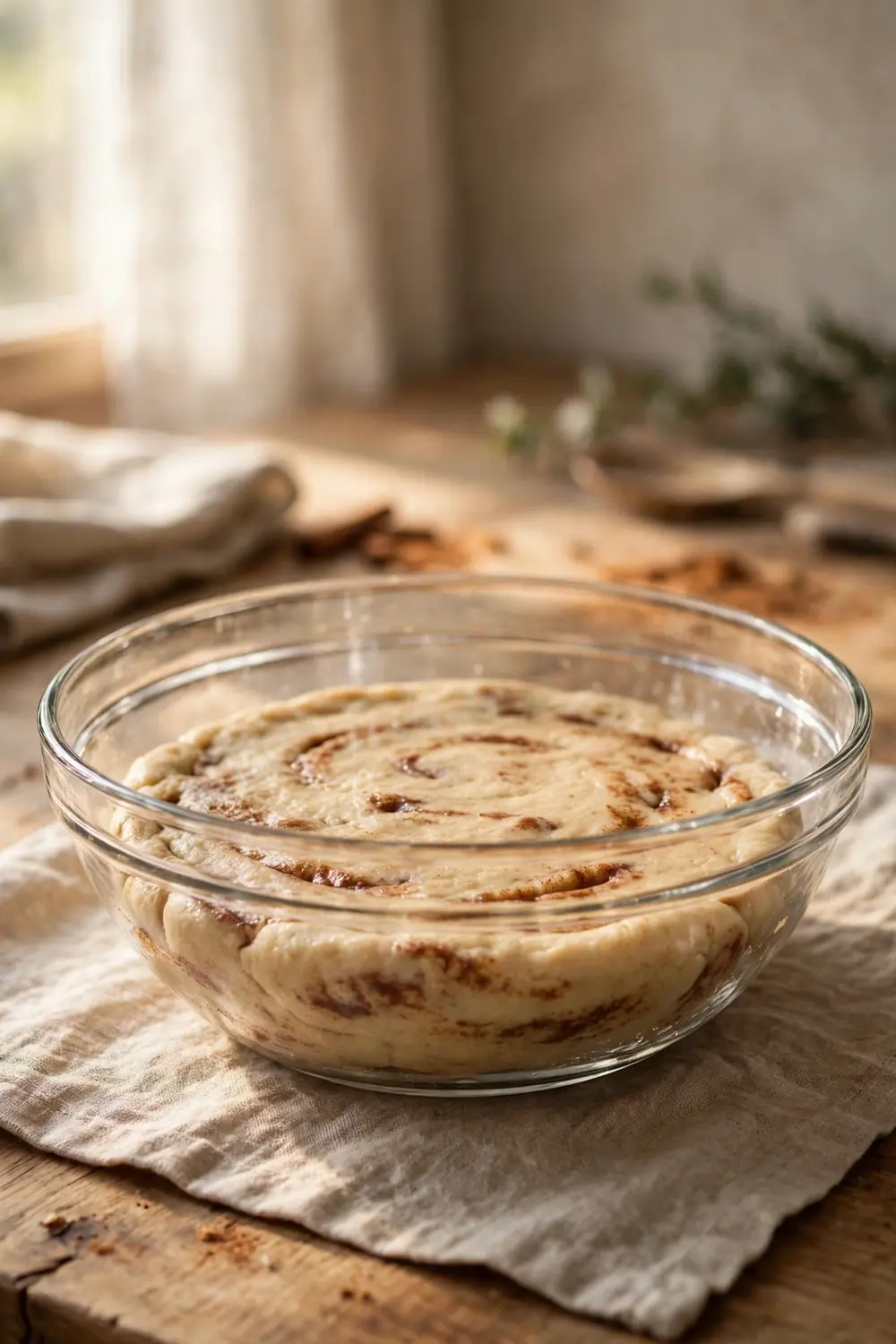
Common Mistake: Most bakers blame the recipe when dough stays flat. They add more yeast or more sugar, yet the real fault is often cold liquid or old yeast.
The Fix: Check the yeast, warm the milk, and give the dough time before you change the recipe. Small checks first save flour and effort.
Dough stays flat when the yeast cannot produce enough gas to lift the mass. Cold liquid puts yeast to sleep, while old yeast may have lost its strength. Too much flour makes a heavy dough that gas cannot push upward. Each factor lowers the rise, so the dough looks dense and pale.
Check the Yeast First
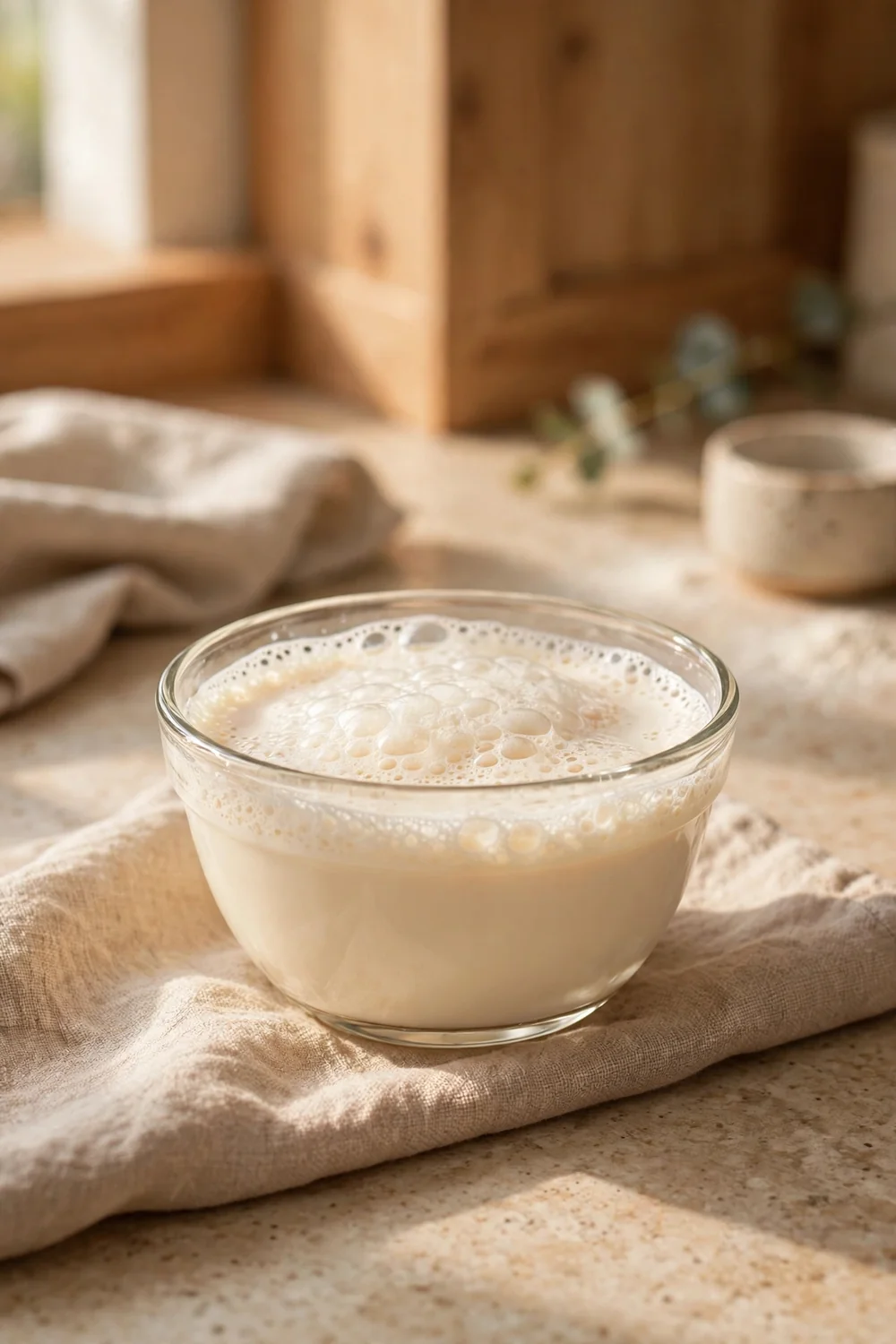
What You Need:
- Yeast packet: Check the date, since old yeast may have lost its strength.
- Warm water: Use a small bowl of warm water for the foam test.
- Sugar: Add a pinch, since yeast feeds on sugar and foams faster.
- Sealed storage: Keep the packet sealed after opening, and store it cool and dry.
Yeast does the lifting, so weak yeast leaves dough flat. Test a spoonful in warm water with a pinch of sugar, and watch for foam within ten minutes. Fresh yeast foams well, while dead yeast stays still. Replace the packet if the foam looks weak, since dead yeast cannot be fixed later.
Use Warm Milk
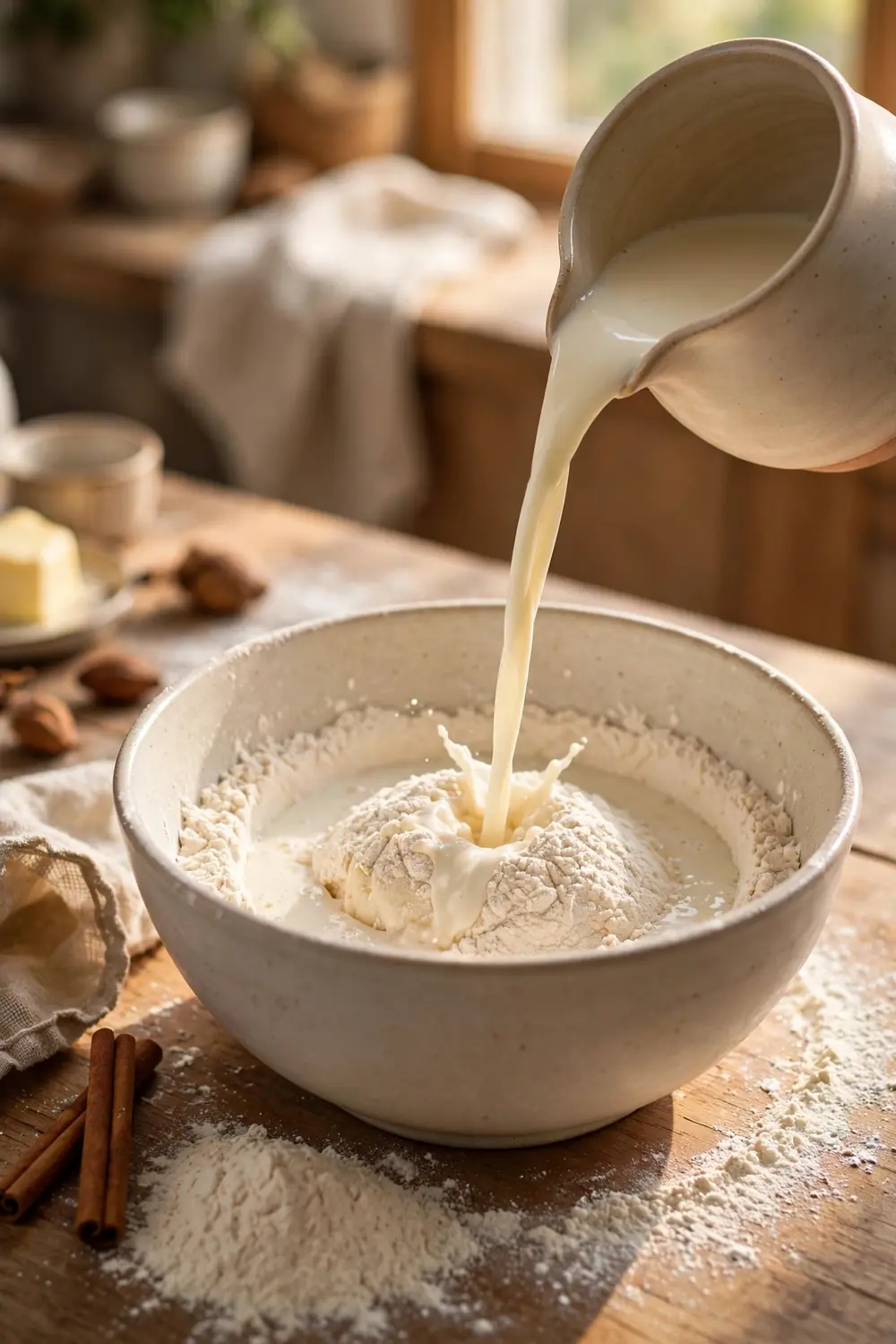
Before: Cold milk slows yeast down, so the dough barely moves in the bowl. The rise drags on for hours, and the rolls bake small and dense.
After: Warm milk wakes yeast at once, so the dough swells steadily and doubles in size. The rolls bake tall, with a soft open crumb.
Warm milk wakes yeast and helps the dough rise. Aim for milk that feels warm on your wrist, near one hundred ten degrees. Cold milk slows yeast down, while hot milk can kill it. Warm the milk in short bursts, stir well, and test the heat before adding yeast.
Measure the Flour Right
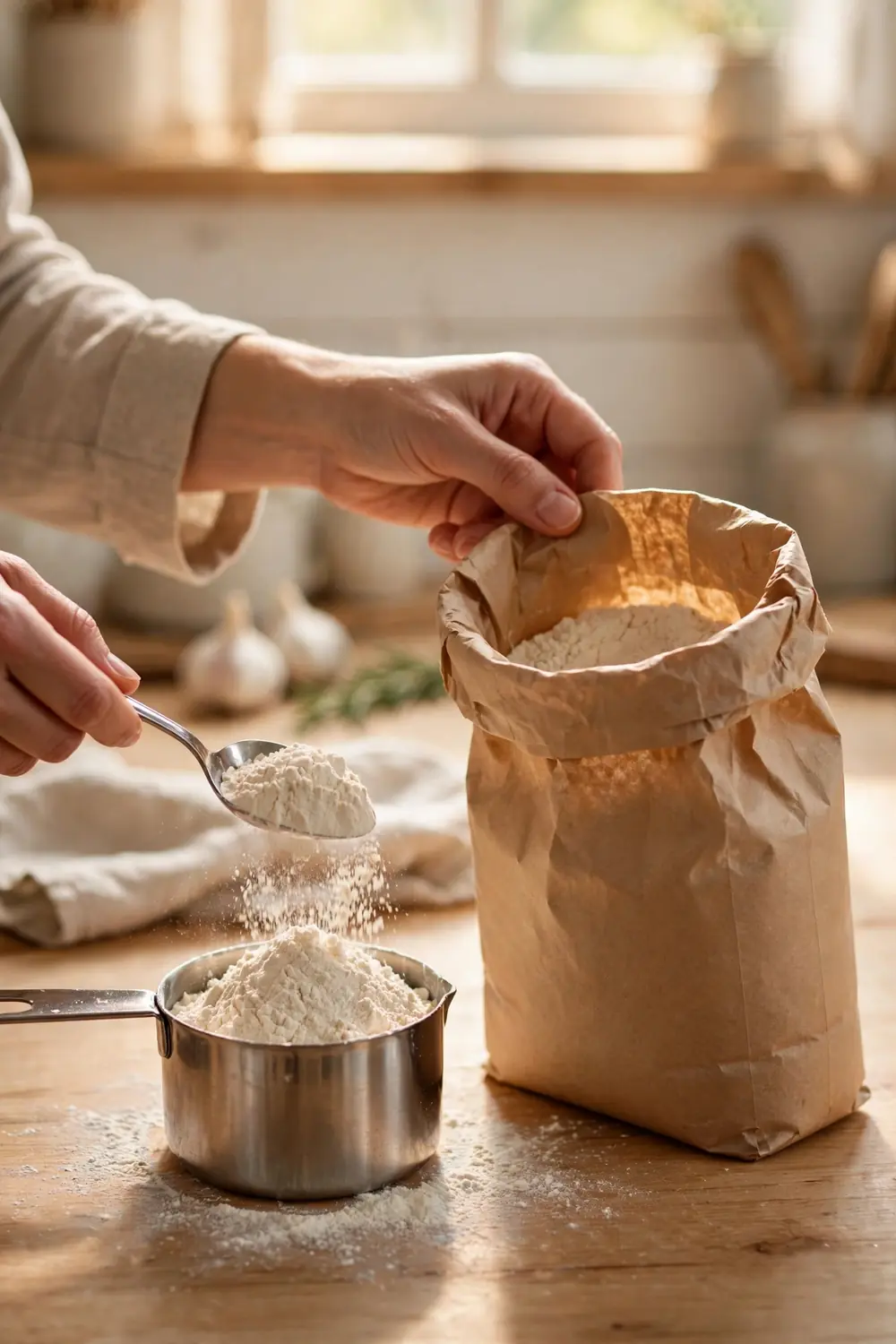
Do This:
- Spoon the flour into the cup, then level it with a knife.
- Weigh the flour on a scale for the same result every time.
- Stop adding flour when the dough feels soft and slightly sticky.
Avoid This:
- Do not scoop straight from the bag, since scooping packs the flour down.
- Do not add extra flour to stop stickiness, since it makes the dough heavy.
- Do not guess the amount, since even a small excess dries the dough.
Too much flour is a common reason dough stays flat and heavy. Scooping straight from the bag packs the flour down and adds far more than the recipe needs. That extra flour soaks up moisture and leaves a stiff dough. Measure with care, and the texture improves at once.
Knead Until Smooth
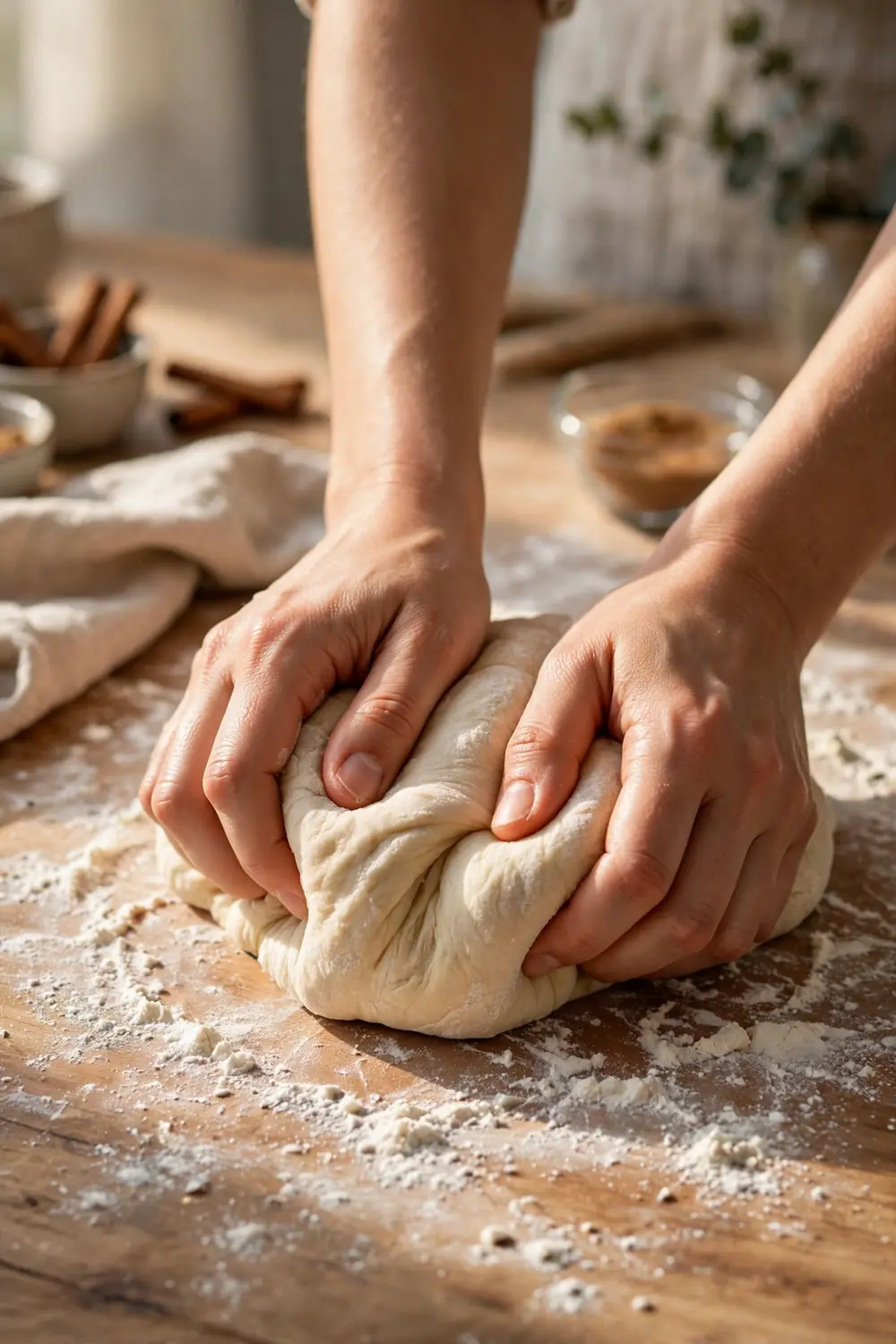
Knead time: eight to ten minutes by hand
Dough feel: smooth, soft, and springy
Flour rule: add as little extra flour as possible
Ready test: dough springs back slowly after a gentle poke
Kneading builds gluten, the stretchy network that traps gas and lifts the dough. Under kneaded dough tears easily and lets gas escape through weak spots. Knead gently on a lightly floured surface, pressing forward, folding back, and turning a quarter turn. Stop when the dough feels smooth, soft, and springy under your hands.
Give It Enough Time
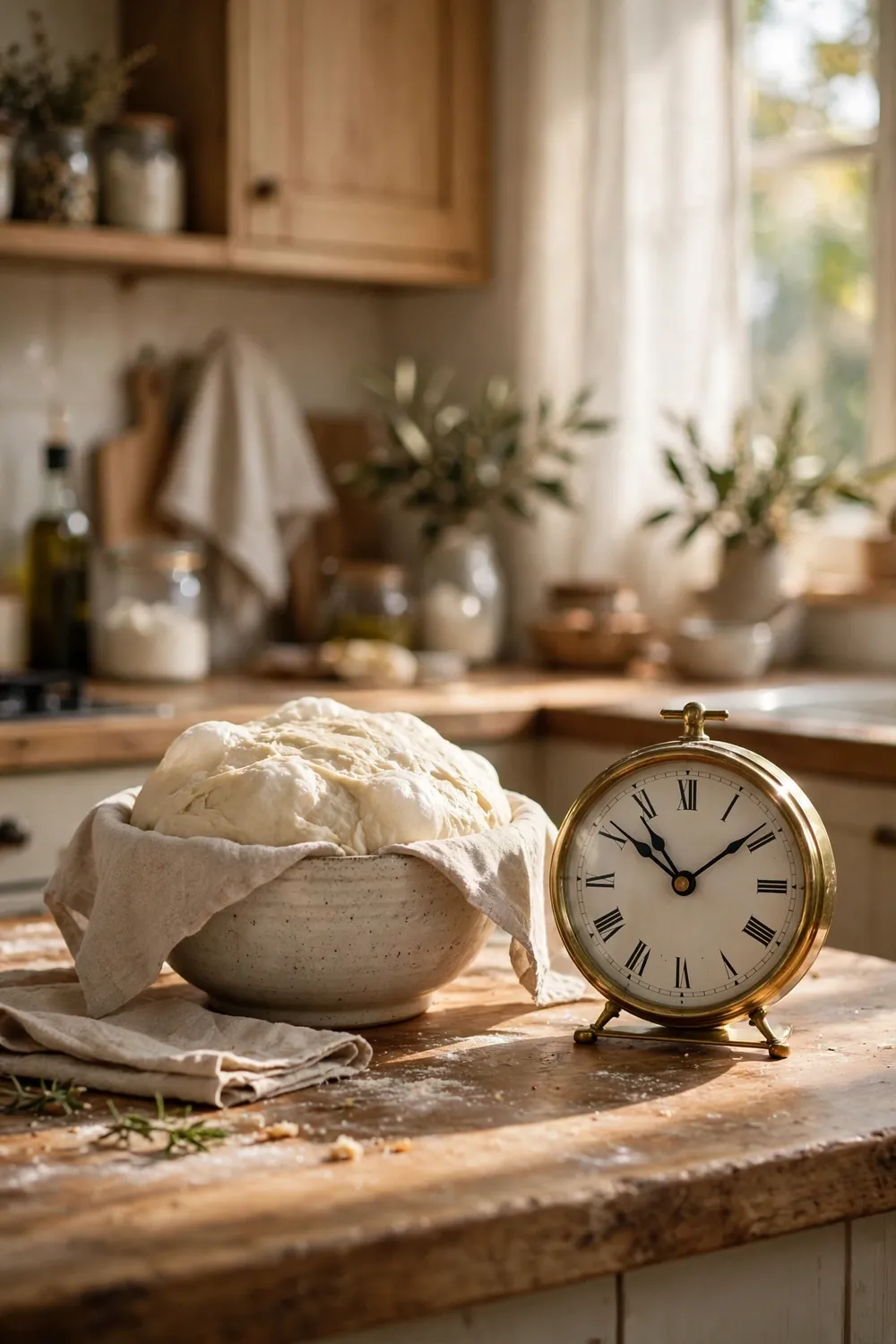
Rising takes time, and rushing the dough leaves it flat and dense. Most dough needs one to two hours to double in size. Watch the dough, not the clock, since a cool room slows yeast down. When the dough doubles, it holds enough gas to bake tall and soft.
Test the rise with a gentle poke. Press two fingers into the dough, and watch the dent. If the dent stays, the dough is ready to shape. If it springs back fast, give the dough more time. Patience at this stage gives tall rolls with a soft, open crumb.
Let It Rise in Warmth
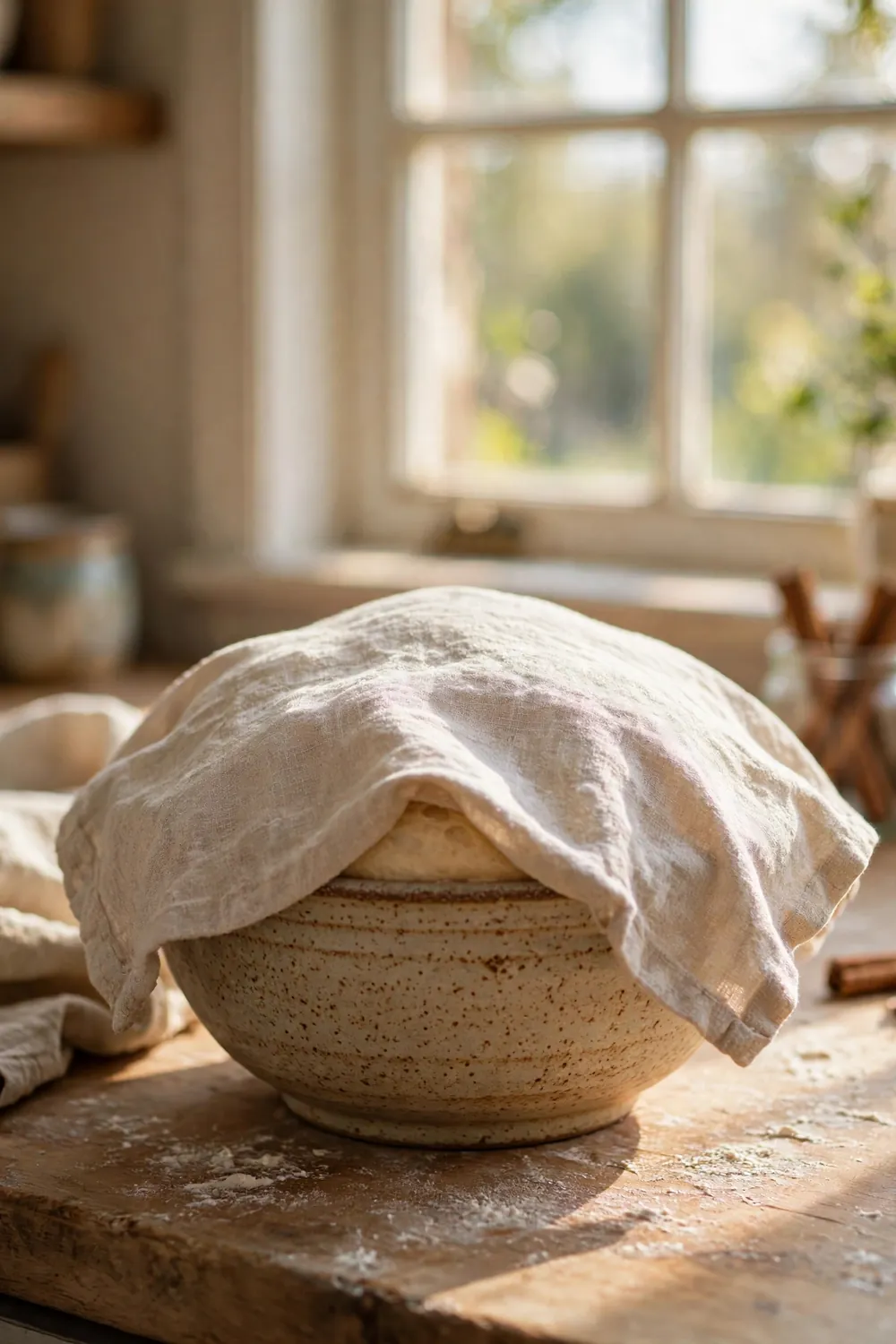
Yeast works best in a warm, draft free spot. A cold kitchen slows the rise, while a hot oven can dry the dough or kill the yeast. A warm, covered bowl keeps the yeast active and the dough growing steadily.
- Place the covered bowl in a warm corner, near a preheated oven that is turned off.
- Cover the bowl with plastic wrap or a damp towel to hold in moisture.
- Check the dough after an hour, and give it more time if the kitchen feels cool.
- Move the bowl away from drafts, since cold air slows the rise.
Do Not Overfill
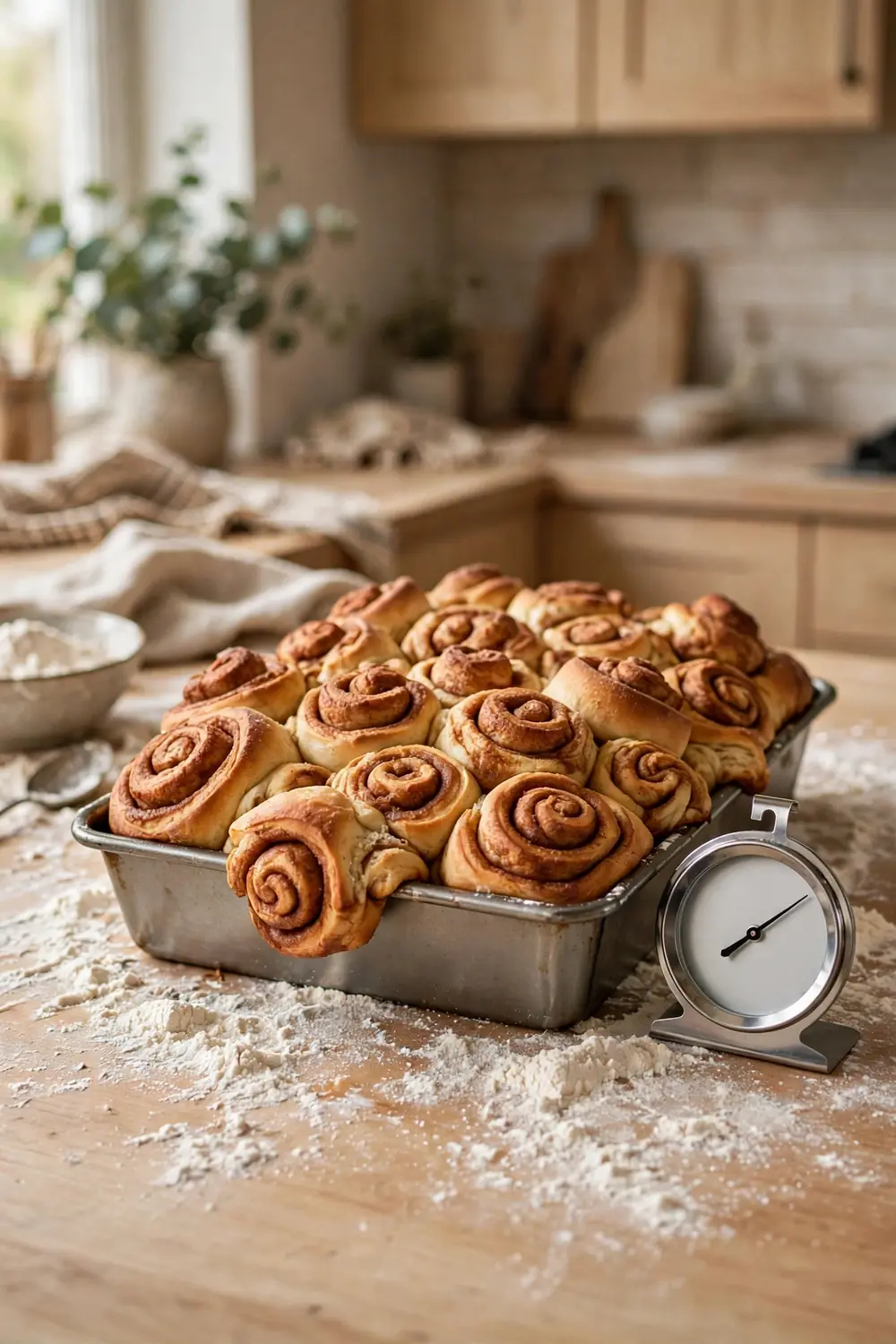
Quick Tip: Less filling means a taller rise. A thin, even layer of soft butter, sugar, and spice lets the dough climb instead of sinking under weight.
Too much filling can weigh the dough down and stop the rise. Thick layers of sugar and butter melt and leak, which makes the rolls heavy and wet. Spread a thin, even layer, and leave a small border at the edges. Less filling lets the dough rise tall and hold its shape.
Shape Rolls Gently
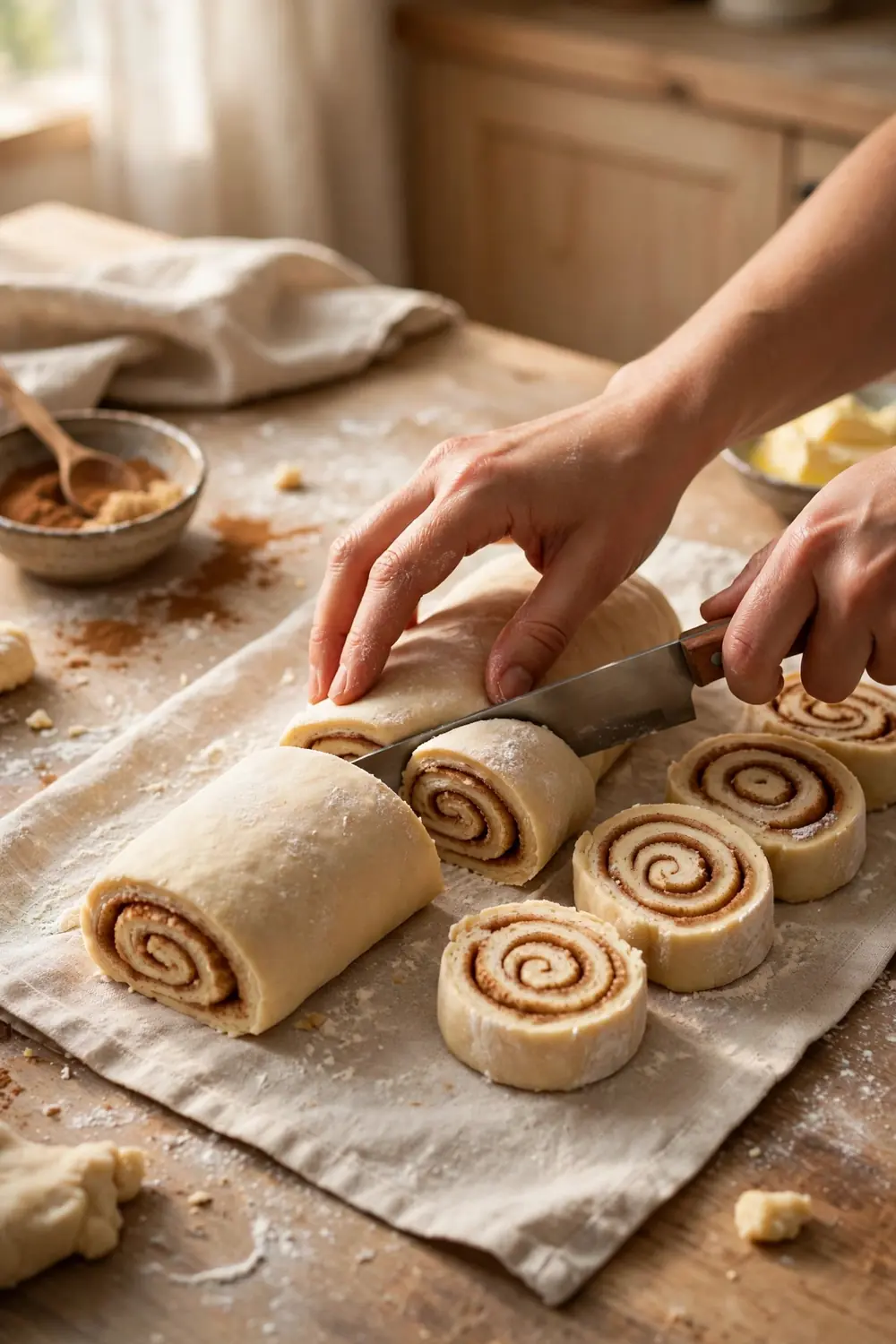
Common Mistake: Most bakers punch risen dough flat and squeeze out the air yeast built over hours. Rough handling leaves rolls with no lift left for the second rise.
The Fix: Press the dough gently, and handle it as little as possible. Keep the soft bubbles inside, so the rolls have lift left for the second rise.
Cut the rolled log with a sharp knife or plain thread. A dull knife drags the dough and seals the edges shut. Place the rolls close together in a greased pan, so they rise up instead of spreading out. Close neighbors help each roll climb taller in the warm pan.
Common Mistakes to Avoid
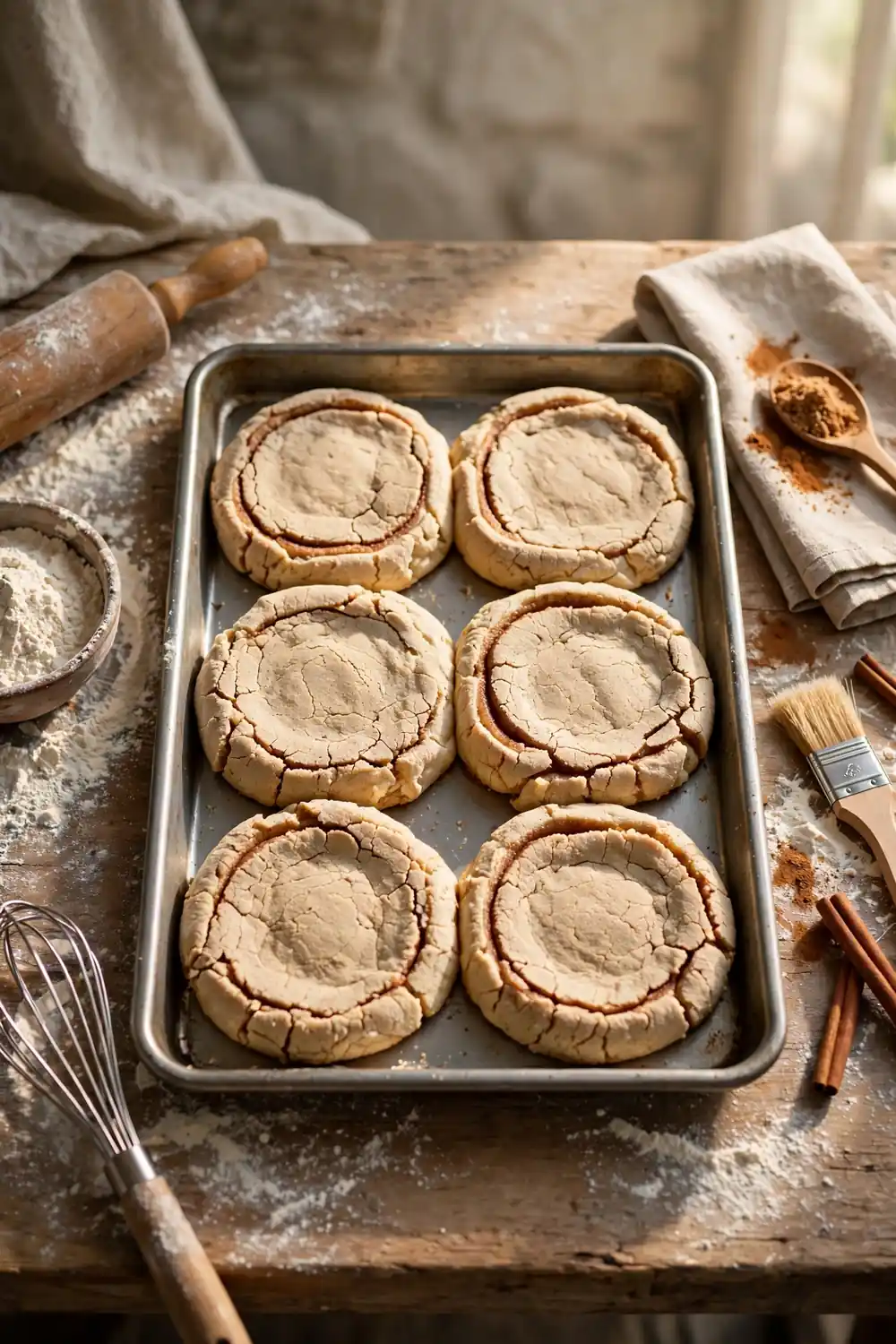
Before: Hot milk kills the yeast, heavy flour drags the dough down, and a skipped second rise leaves the rolls small. Each habit steals lift, even when the recipe itself is sound.
After: Fresh yeast, warm milk, measured flour, and a full second rise build tall, soft rolls. The dough feels light, and the rolls pull apart with a gentle tug.
A second group of mistakes comes from old yeast and a cold room. Test the yeast before you mix, and rise the dough in a warm spot. Fix one habit at a time, starting with warm milk and fresh yeast. Small, steady changes give taller, softer rolls without changing the recipe.
What Risen Rolls Look Like
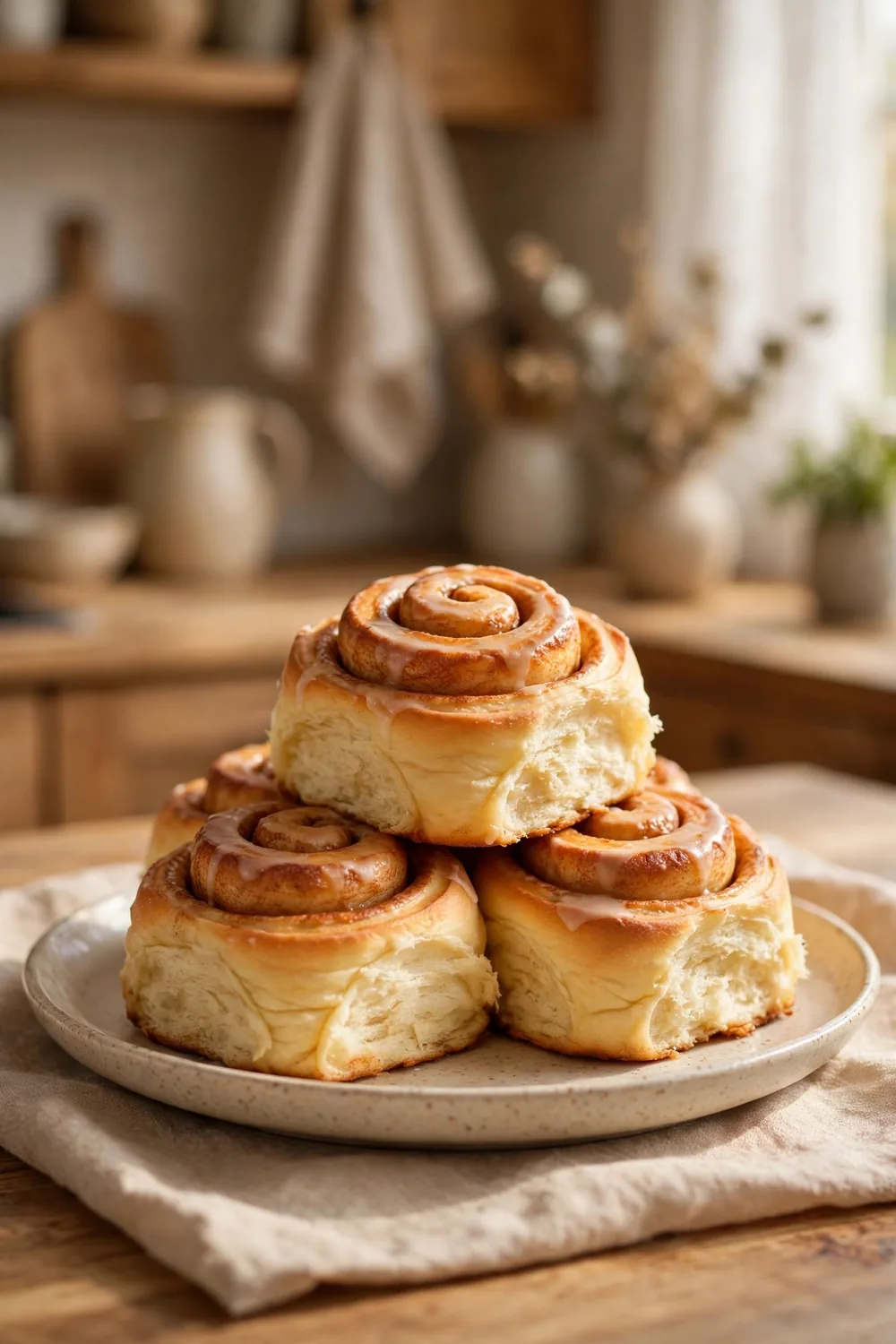
Risen rolls look puffy, tall, and soft around the edges. The dough feels light and springy, and the rolls touch each other in the pan. The surface looks smooth, with no dry crust. That full, puffy shape is the sign that yeast, warmth, and time worked well together.
Check the bake by looking for golden tops and soft sides. The rolls should pull apart with a gentle tug, and the center should feel soft, not gummy. Serve the rolls warm, and enjoy the tall, tender texture you worked for. When the rolls stay tall, you know the fixes worked.
Conclusion
In short, cinnamon rolls not rising usually comes from sleepy yeast, cool milk, heavy flour, short kneading, or too little time. Fix those steps and each batch turns taller and softer. Warmth, fresh yeast, gentle kneading, and patience build a strong rise.
Start with the simplest fix first, then add the next one if the dough still stays flat. Small changes protect the flavor while the rise improves. Save this guide on Pinterest for your next batch.
Try the steps on your next batch, and if flat hard biscuits are your trouble instead, read our guide on flat hard biscuits for tall, tender results.




2 Comments