20 Truly Spiced Pork Tonkatsu Ideas to Pin for Later
A great plate of pork tonkatsu is all about contrast, shattering golden crust against juicy meat, cool crunchy cabbage against warm rice. It looks like restaurant food, yet the method is simple enough for any home cook on a busy weeknight.
This collection gathers twenty versions worth saving, from the classic panko plate to cheese stuffed middles, curry topped bowls, sandwich style sando, and lighter air fryer and oven baked takes.
Every version keeps the same promise: a crust that stays crisp, meat that stays juicy, and a sauce with enough tang to pull it together. Pick your favorite for tonight and pin the rest for later. And for a tangy braise, my pork adobo simmers all afternoon.
Classic Panko Crunch
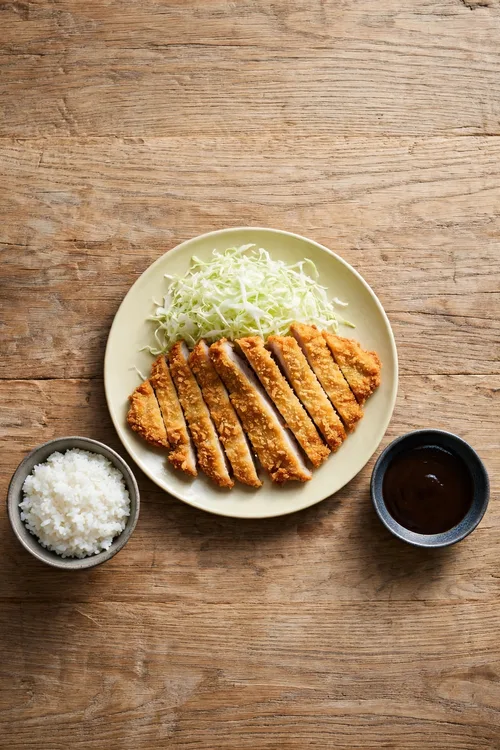
A pork loin cutlet about a finger thick is the starting point, pounded gently between parchment so it cooks evenly and stays juicy at the center. Season both sides with salt and pepper, then rest the meat while the breading station comes together on the counter.
Flour, beaten egg, and a deep bed of panko is the whole system, pressed on firmly so the crust fries up shaggy and crisp instead of smooth. Fry in hot oil until deeply golden, rest five minutes, then slice and fan the strips over the plate.
Cheese Stuffed Middle
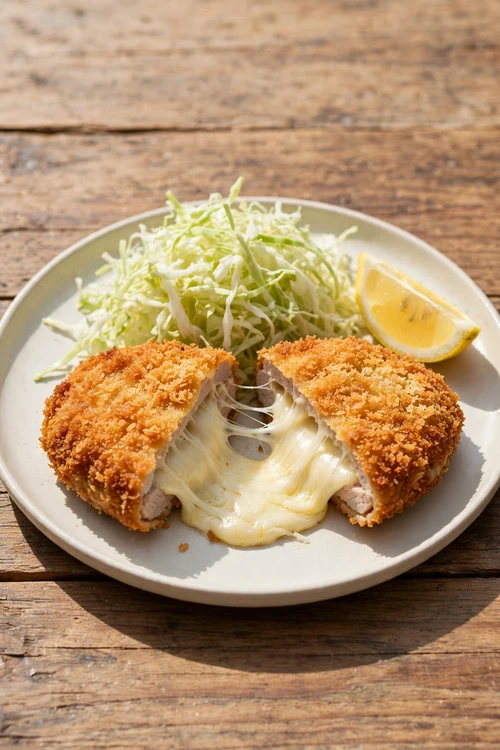
- Pound two thin cutlets and sandwich a slice of mild mozzarella or provolone between them, pressing the edges firmly together.
- Bread the stacked cutlet exactly like the classic, but chill it for twenty minutes so the cheese seal holds in the oil.
- Fry a minute longer per side than usual, since the double layer needs the heat to reach the very center.
- Rest before slicing, because the cheese needs a moment to settle instead of spilling out at the first cut.
The payoff is the pull, that slow stretch of melted cheese when you lift the first slice away from the plate at the table. Kids especially love this version, and a simple tomato salad on the side cuts the richness in the best possible way.
Chill Before Frying

Quick Tip: Chill the breaded cutlets on a rack in the fridge for at least twenty minutes before they meet the oil. The cold firms the crumb coating, so it grips the meat instead of sliding off in the pan. You also get cleaner slices later, because the crust sets hard while the center stays juicy.
This is the smallest habit in the whole article and the one that saves the most plates at my house on busy nights. A short chill costs nothing, needs no special tool, and gives every other version here a crisper, cleaner result worth pinning for later.
Sad Soggy To Shining
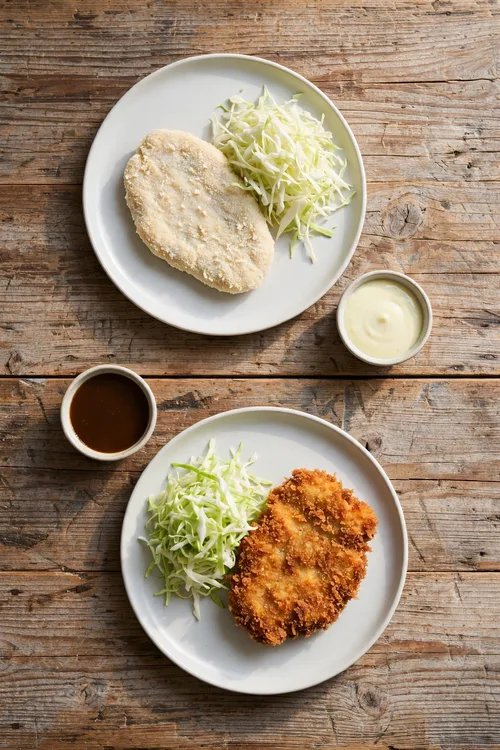
Before: The cutlet goes into oil that is barely shimmering, the crumb drinks up grease instead of crisping, and the coating turns soft and pale before the meat even cooks through. Slices slump on the plate and the cabbage ends up carrying the whole meal.
After: The oil is properly hot, the crumb sets in seconds, and the cutlet comes out deeply golden with a crust that crackles when the knife goes in. Slices fan clean, the center stays juicy, and the sauce has something crisp to cling to at last.
Heat is not a detail here, it is the entire difference between a sad plate and a shining one at the table. Keep a small piece of panko as your tester, since it should sizzle and turn golden the moment it lands in the oil.
Golden Fry Routine

- Season the pounded cutlets with salt and pepper, then set up flour, beaten egg, and panko in three shallow bowls.
- Coat each cutlet in flour, dip it fully in egg, then press it into the panko until every side is covered.
- Rest the breaded cutlets on a rack for ten minutes while the oil heats to a steady shimmer.
- Fry about three minutes per side until deeply golden, then drain on the rack instead of paper towels.
- Rest five minutes, slice into strips, and serve over cabbage with the sauce in its own small bowl.
A routine sounds boring until you taste what it protects, which is a crisp crust and a juicy center on the same plate. Follow the order twice and your hands will remember it, leaving you free to watch the cabbage, the rice, and the people waiting.
Thick Cut Versus Thin
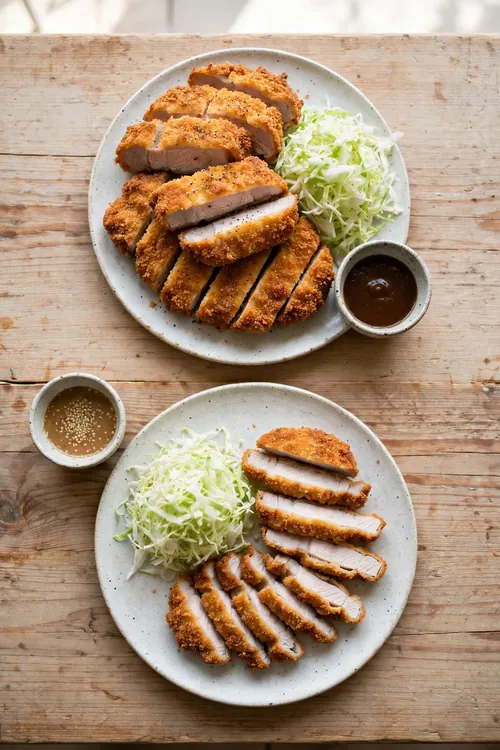
| Point | Thick Cut | Thin Cut |
|---|---|---|
| Cooking time | About four minutes per side | About two minutes per side |
| Crust ratio | Less crust, more juicy center | More crust in every bite |
| Sauce match | Dark sauce pooled underneath | Light drizzle over the top |
| Best moment | Weekend plates and guests | Fast weeknight dinners |
Neither cut wins outright in my house, because they answer different hungers at the same table on different nights of the week. Thick reads as a treat, thin reads as an easy regular, and both deserve the same hot oil, careful breading, and short rest before slicing.
Cabbage Pile Rules
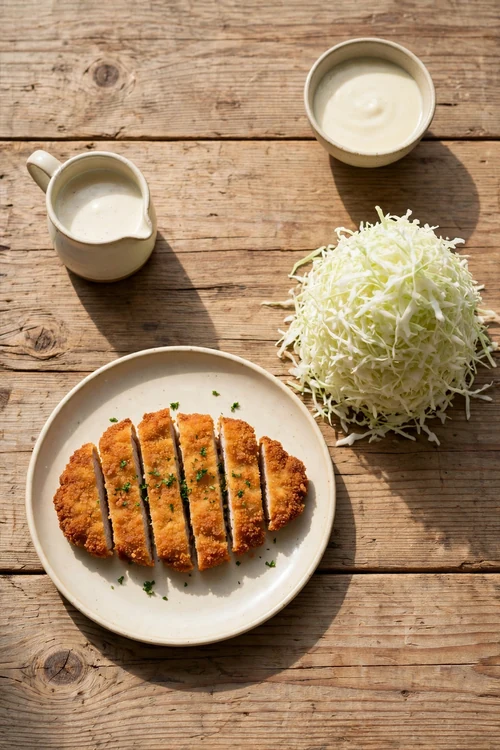
- DO: Shred the cabbage as fine as you can manage, ideally with a sharp knife or a slicer.
- DO: Soak the shreds in ice water for ten minutes, so they crisp up and curl at the edges.
- DO: Drain and spin the cabbage completely dry before it goes anywhere near the plate.
- DO: Pile it high beside the cutlet, taller than feels reasonable, because it settles fast.
- DON’T: Serve cabbage straight from the bag in thick ribbons that chew like salad scraps.
- DON’T: Let dressing sit on the pile early, since it wilts the shreds before dinner starts.
- DON’T: Skip the cabbage and fill the space with extra rice, which unbalances the plate.
- DON’T: Hide the pile under the cutlet, where the steam softens its crunch in minutes.
The cabbage is not a garnish, it is half the experience, the cool crisp break between rich bites of fried pork and sauce. Treat it with the same care as the cutlet and the whole plate tastes fresher, lighter, and more generous at the table.
Sauce Bowl Facts

Cost: Low, mostly pantry staples like dark soy, sugar, and Worcestershire style sauce.
Time Needed: Ten minutes to simmer and thicken on the stove.
Difficulty: Easy, one small pan and a whisk.
Pro Tip: A dab of mustard and a little grated apple soften the sharp edges.
The sauce is the signature, sweet, tangy, and dark enough to pool under the slices and stain the rice at the edges. Make a double batch while you are at it, because the jar in the fridge improves sandwiches and rice bowls all week long.
Curry Topped Plate
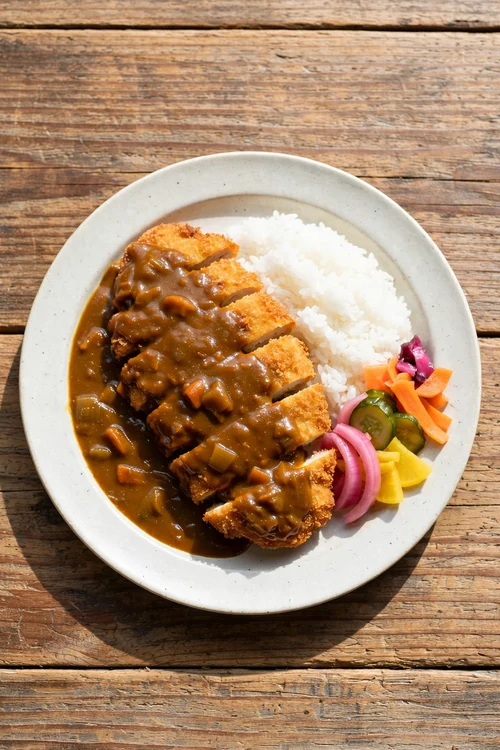
Japanese curry turns the classic plate into a full meal, thick, warmly spiced, and generous enough to cover both the cutlet slices and the rice beside them. Use a good store bought roux block and nobody will ever guess it did not simmer all afternoon at home.
Slice the cutlet and lay it across the rice first, then ladle the curry over one half so the other half stays crisp for contrast. Pickled vegetables on the side cut through the richness and keep the bowl lively until the very last spoonful of curry.
Sando Sandwich Style
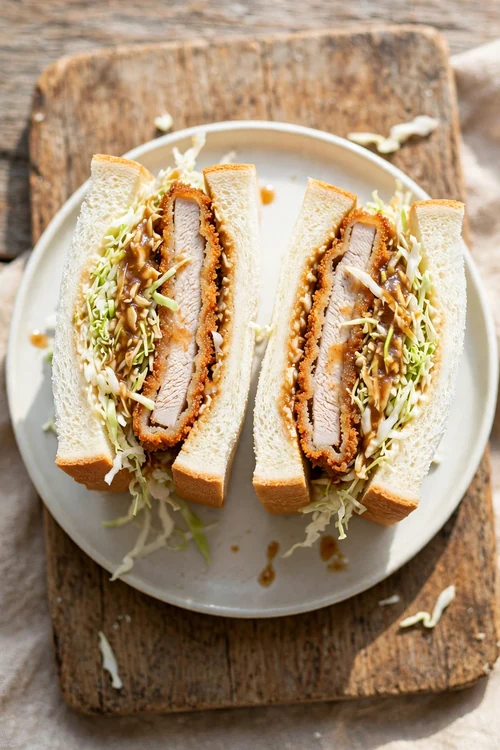
- Use the thickest, softest white bread you can find, crusts trimmed, because the sandwich should bite like a pillow.
- Spread sauce on both inner faces, so every bite of crumb and cabbage gets some tang.
- Shred the cabbage extra fine and pile it generously, since it is the only crunch besides the crust.
- Press the finished sandwich under a plate for two minutes, then slice it cleanly down the middle.
The sando travels well, which makes it the version I pack for picnics, train rides, and long afternoons away from home with friends. Wrap it tightly, keep the sauce off the bread until you can, and it still crunches when you finally sit down to eat.
Air Fryer Light Crunch
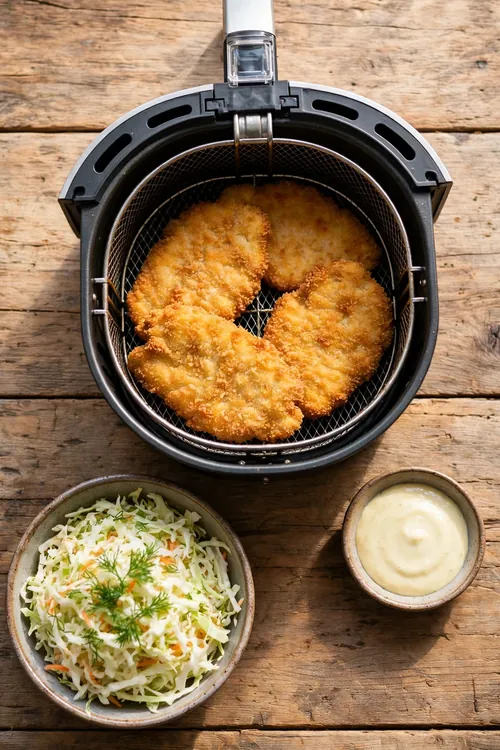
Quick Tip: Spray or brush the breaded cutlets lightly with oil on both sides before they go into the basket. That thin film is what helps the crumb brown evenly without a deep fryer anywhere in sight. Flip them once halfway, so both faces finish the same deep golden color.
The air fryer version is the weeknight hero at my house on busy weeks, lighter than the classic but still properly crunchy where it counts. Serve it with the same cabbage and sauce ritual, and nobody at the table will call it the diet plate.
Pale Loin To Golden
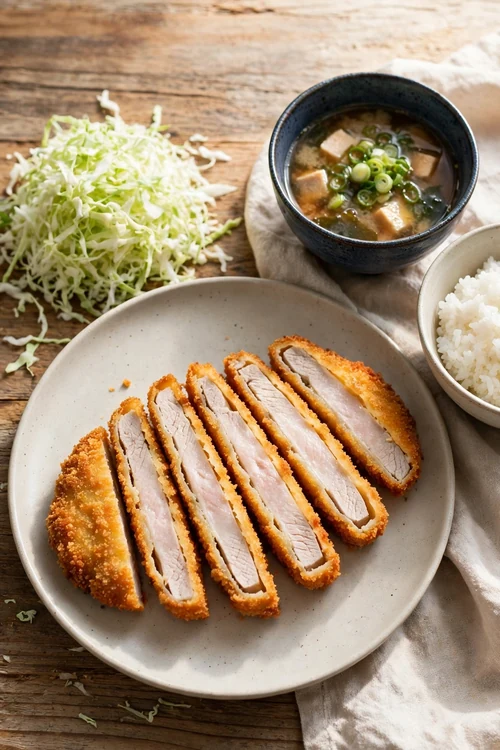
Before: A thin, pale loin goes into the pan almost white, with no fat edge and no seasoning beyond a whisper of salt. It cooks through quickly and lands on the plate looking like a diet version of the real thing for anyone at the table.
After: A well marbled loin with a small fat cap, seasoned properly and rested, fries into a cutlet that slices open juicy and pale pink at the center. The crumb stays golden because the meat was never rushed straight from the cold fridge to the pan.
Choosing the meat is the quiet step nobody photographs, yet it decides whether the whole plate sings or merely fills people up at dinner. Ask for center cut loin with a little marbling, and your crumb work will finally get the partner it deserves every time.
Miso Glaze Method
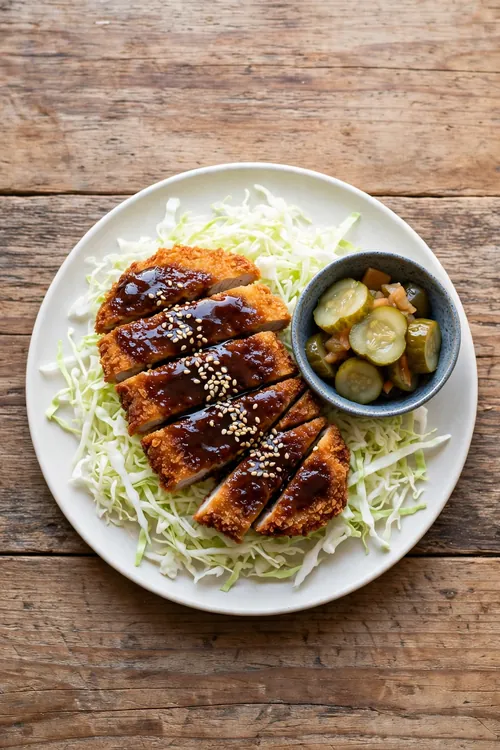
- Stir white miso with a spoon of mirin, a little soy, and grated ginger until it forms a smooth, spreadable paste.
- Coat the pounded cutlets thinly on both sides and rest them for thirty minutes in the fridge.
- Wipe off the excess marinade carefully, because leftover paste burns fast under a frying crust.
- Bread and fry exactly like the classic version, watching the color closely in the final minute.
- Rest, slice, and finish with sesame seeds and a small handful of sliced scallions over the top.
Miso brings a deep, savory warmth that plain salt never reaches, a quiet funk that makes people ask what changed this time. Keep the glaze pieces for the end of the meal if you can, because they are always the slices everyone reaches for first.
Fresh Versus Dried Crumbs
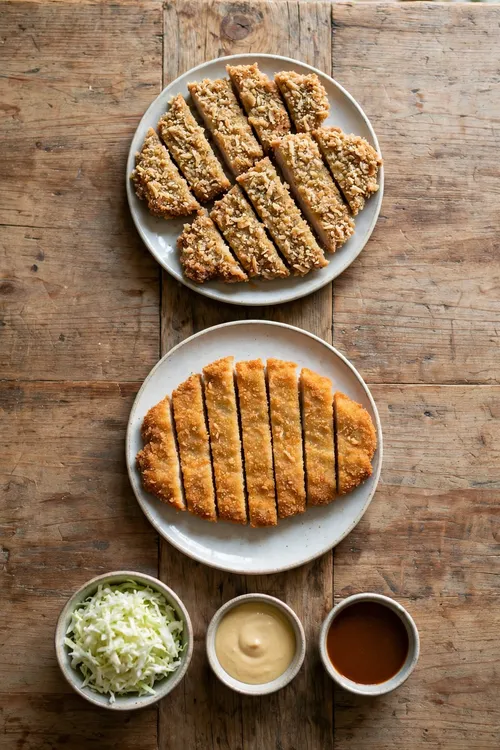
Fresh Panko: Fresh panko is soft, moist, and coarse, torn from bread that never fully dried, and it fries into a shaggy, craggy crust with real drama. The flakes are bigger, so the crunch lasts longer and the slices look like they came from a specialty shop.
Dried Panko: Dried panko is the pantry standard, fine, even, and reliable, coating the meat in a neat shell that browns uniformly in the hot oil. It gives a cleaner, tidier slice and forgives small timing mistakes, which is why most home kitchens reach for it first.
My own shelf holds both, because the mood decides which bag I open on any given night of the week. Fresh for guests and weekends, dried for the steady weeknight plates, and the cutlet tastes like itself either way in the end at my table.
Spicy Mayo Drizzle
| DO | DON’T |
|---|---|
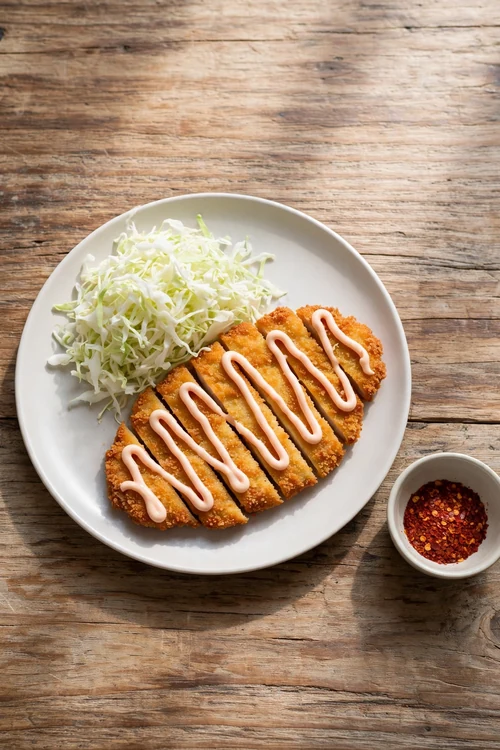
| Drizzle the mayo in thin zigzags after slicing | Drown the crust under a thick blanket of sauce |
| Mix the mayo with chili sauce and a squeeze of lime | Use plain mayo with no heat or acid at all |
| Keep extra sauce in a small bowl on the side | Pour sauce over the whole plate before serving it |
| Add the drizzle at the last possible second | Let sauced slices sit and steam while you finish sides |
Heat and cream together are a shortcut to big flavor, and the zigzag keeps the crust crisp underneath every single bite of it. A little chili oil pooled at the plate edge gives the table a second, sharper drizzle for anyone who wants more fire.
Sesame Crust Crunch

Works In: Skillet, air fryer, or a hot oven on a rack.
Result: A nutty, speckled crust that crunches louder than plain crumbs.
Tools Required: Spice grinder or mortar for cracking the sesame seeds.
Best For: Cooks who want a new texture without changing the method.
Sesame in the crumb changes the smell of the whole kitchen, warm and nutty before the first slice is even cut at the table. It is a tiny swap with an outsized effect, especially next to a plain bowl of rice and cold crisp cabbage.
Donburi Bowl Style

The donburi bowl layers the sliced cutlet over hot rice, then simmers it briefly with onion, dashi, soy, and softly set egg. Everything lands in one deep bowl, steaming and glossy, with the sauce soaking down into every grain below the surface of the rice.
The crust softens on purpose here, trading crunch for comfort as it drinks in the savory egg mixture around the edges of the bowl. Scallions and a pinch of chili flakes on top bring back a little freshness, and the bowl needs nothing else beside it tonight.
Leftover Lunch Boxes
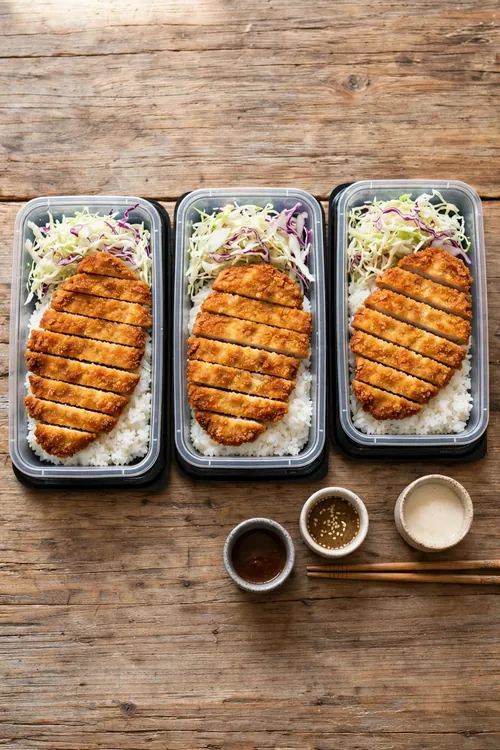
- Slice leftover cutlets cold, straight from the fridge, because chilled meat cuts into neat strips without tearing the crust.
- Pack the sauce in its own small cup, never over the slices, so the crumb stays crisp until lunch.
- Build each box with rice first, cabbage in the middle, and the cutlet strips fanned across the top.
- Add a lemon wedge and a few pickles, which wake the whole box up after hours in the fridge.
A good lunch box changes how leftovers feel, less like a repeat and more like a second, planned meal worth looking forward to all morning. I make an extra cutlet on purpose now, because tomorrow’s box is sometimes better than tonight’s plate at our house.
Freezer Friendly Batch
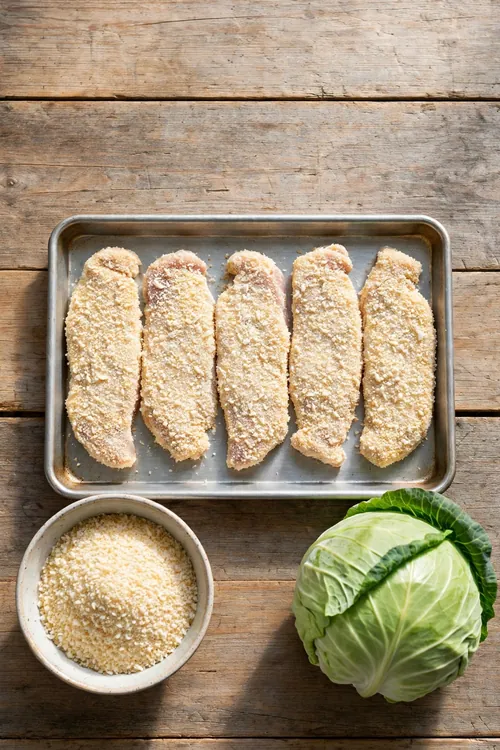
Quick Tip: Bread the cutlets and freeze them raw, laid flat on a parchment lined tray until they are solid. Then bag them with parchment between each piece, so you can pull out exactly the number dinner needs. Fry from frozen over slightly gentler heat, adding a minute per side.
A freezer stash turns this from a project into a standing option, ready whenever the craving shows up without warning at your door. Label the bags with the date, keep them flat, and use them within a month for the very best crust and flavor.
Oven Baked Version

Before: Baking a breaded cutlet flat on a bare sheet pan steams the underside, so the bottom crust goes soft and gummy while the top browns. The result eats like a compromise, and everyone at the table can tell the fryer was skipped that night.
After: The cutlets bake on a wire rack over the pan, sprayed with oil and turned once, so hot air reaches every side of the crumb. They come out evenly golden, crisp top and bottom, with far less oil than the fried classic ever uses.
This is the version for big batches and easy cleanup, when the whole family wants plates at the very same moment together tonight. A rack, a hot oven, and a light hand with the oil spray will get you honestly close to the fryer every time.
Conclusion
Twenty plates later, the pattern is clear: chill the breaded cutlets, fry them hot and fast, rest them before slicing, and never let the sauce sit long on the crust. Those small habits matter more than any fancy tool in the drawer.
In my experience, the second pork tonkatsu you make is always better than the first, because your hands learn the crumb, the oil, and the timing.
Save this list for the next time a plain pork chop feels boring, share it with a friend who loves a good crunch, and start with the classic plate tonight. For crispy rich bites, my pork belly never lasts.