25 Merry Pork Belly Ideas for a Table Full of Smiles
A slab of pork belly roasting in the oven, its skin puffing into golden crackle, is the kind of sight that pulls everyone into the kitchen. Rich, tender, and endlessly flexible, this humble cut rewards patience like almost nothing else on the table.
This roundup gathers twenty-five ways to cook it, from crackling roasts and sticky glazes to steaming ramen bowls, soft bao buns, and slow braises that melt at the touch of a fork. Some finish fast, others take the whole relaxed afternoon.
Pick the style that suits your mood, sharpen your best knife, and get ready for the kind of meal that fills the whole table with smiles. And for a golden cutlet, my pork tonkatsu crunches beautifully.
Crispy Chicharron Skin
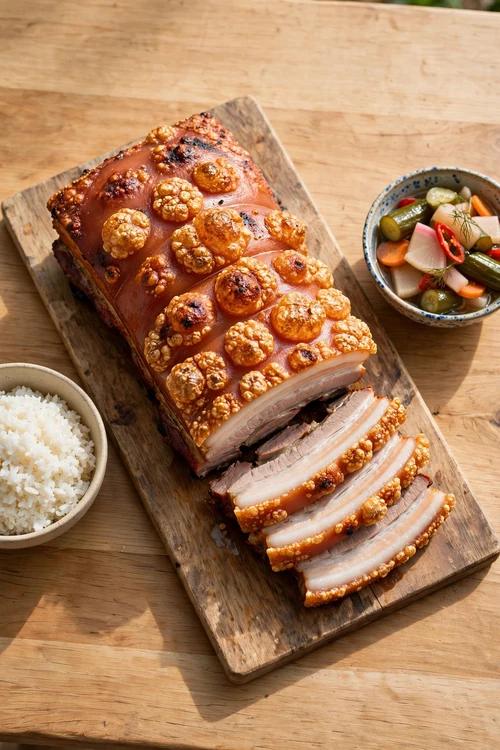
Score the skin in a tight crosshatch, salt it generously, and leave the slab uncovered in the fridge overnight so the surface dries out completely. Dry skin is the whole secret here, because moisture is the enemy of crackle, and a rested slab rewards you with puffed, shattering bubbles.
Roast it low first so the meat turns tender, then blast the heat at the end and watch the skin blister into golden glass. In my experience, the last ten minutes need your full attention, because crackling goes from perfect to scorched faster than almost anything else in the oven.
Slice it thick and serve it loud, with pickled vegetables for brightness and plain rice to catch the rich drippings. The contrast is the magic: crisp skin, silky fat, and tender meat in every single bite, the kind of plate that silences the table for the first happy minute.
Braised Soy Ginger
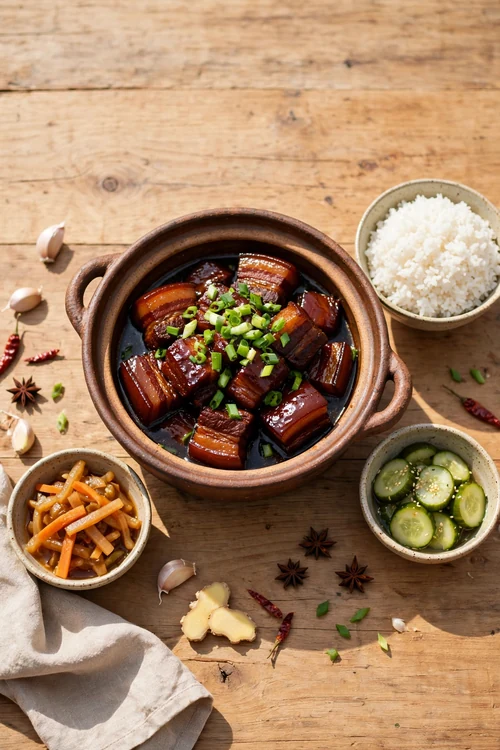
- Sear the cubes on every side first, because that deep brown crust flavors the whole braising liquid later.
- Simmer in soy sauce, water, brown sugar, and plenty of fresh ginger slices for gentle warmth.
- Add a splash of rice vinegar near the end to keep the rich sauce from tasting heavy.
- Rest the cubes in the liquid for ten minutes off the heat so they drink the flavor back in.
The result is glossy, tender, and quietly sweet, with ginger humming in the background of every bite. Serve the cubes over steamed rice with the sauce spooned generously on top, plus a tangle of scallions for color, and watch a weeknight dinner feel like a small celebration.
Korean Ssam Wraps
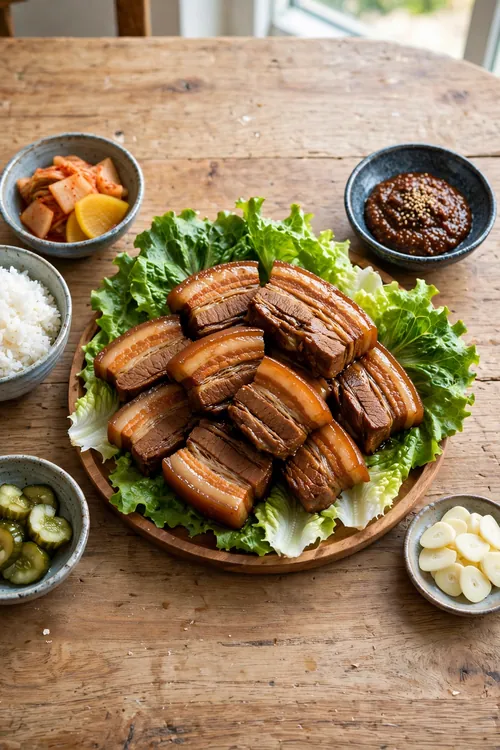
Quick Tip: Boil the slab with onion, garlic, and a spoon of soybean paste for forty minutes, then slice it thick. The paste seasons the meat from the inside and tames any heaviness. Pat the slices dry before they meet the lettuce.
Set the warm slices in the middle of the table with lettuce leaves, rice, ssamjang, and raw garlic, then let everyone build their own wraps. Each bite lands fresh, salty, crunchy, and rich all at once, and the build-your-own setup turns dinner into the best kind of party.
Chashu Ramen Topping
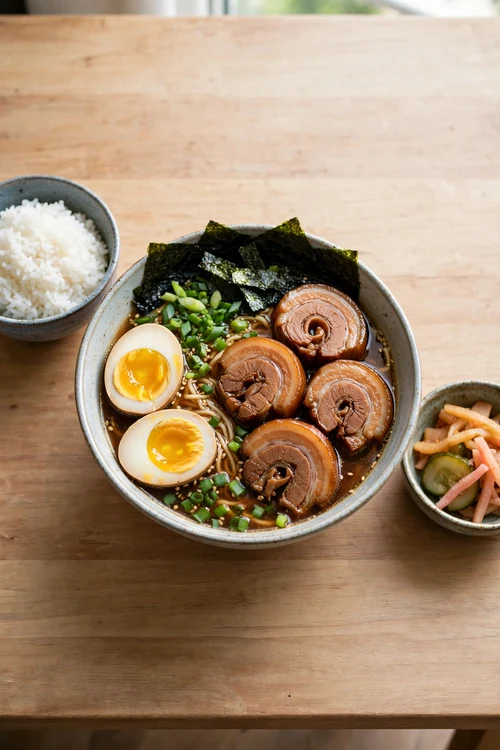
BEFORE: My ramen bowls at home always felt like something was missing, no matter how good the broth tasted. Plain sliced meat from the store sat pale and dry on top, and the noodles did all the work while the topping just floated there like an afterthought.
AFTER: Rolling, tying, and braising the slab in soy, mirin, and ginger changes everything completely for the better. The slices come out marbled, tender, and stained a deep amber, with edges that char beautifully after a quick pass under the broiler or with a kitchen torch.
Lay two or three slices over steaming noodles with a jammy egg and a handful of scallions, and the bowl finally tastes like the shop version you keep craving. It is a weekend project, yes, but one that pays you back in very serious slurping.
Fluffy Bao Buns
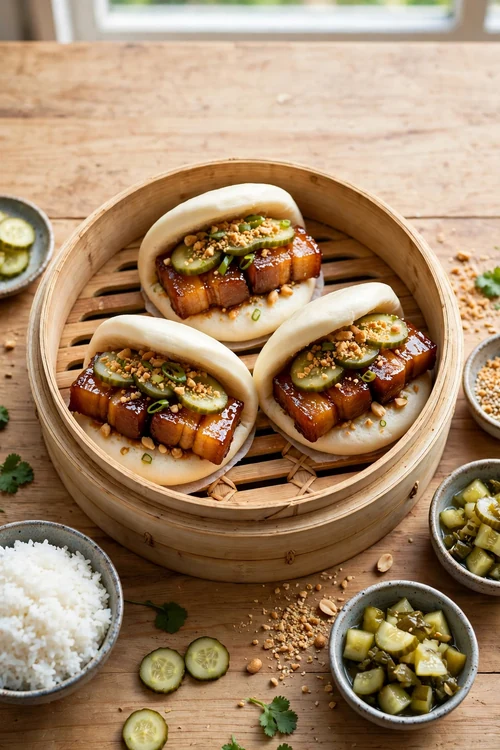
- Braise the slab in soy, sugar, star anise, and water until a chopstick slides through with almost no resistance.
- Chill the braised slab so it slices cleanly, then cut it into thick, generous pieces.
- Glaze the slices in the reduced braising liquid until sticky and shining on every side.
- Steam the buns until pillowy, then tuck in a slice with pickled mustard greens and crushed peanuts.
Soft bun, sticky meat, crunchy pickles, and a shower of peanuts make this the handheld bite everyone reaches for twice. Make a double batch of the glazed slices, because the first tray of buns has a habit of vanishing before it ever reaches the table.
Smoky Burnt Ends

| Point | Skin On Cubes | Trimmed Cubes |
|---|---|---|
| Bark | Deep mahogany crust on every side | Dark edges, softer tops |
| Texture | Crisp skin cap over melting fat | Uniformly tender, almost candied |
| Sauce hold | Glaze pools in the skin’s cracks | Sauce coats evenly and shines |
| Best moment | Fresh off the board, eaten hot | Piled over rice or soft rolls |
Cut the smoked slab into chunky cubes, sauce them, and send them back to the heat until the edges caramelize into candy. I have seen this work at every cookout: the tray empties first, and the cook gets asked for the method before the plates are cleared.
Garlic Herb Roast
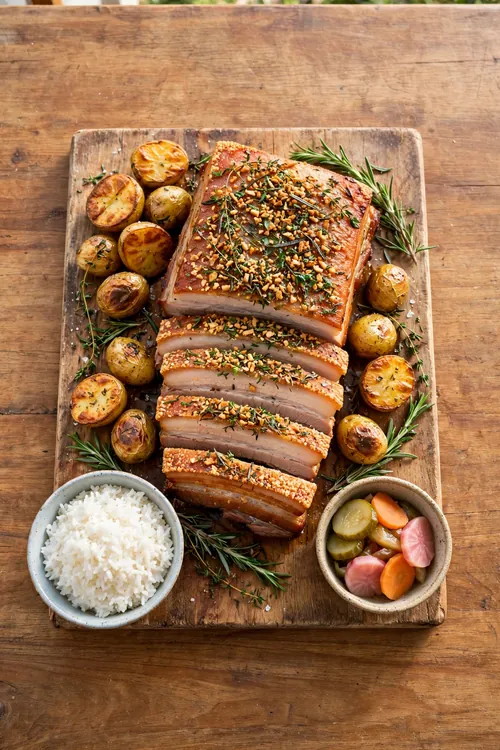
DO: Rub the slab with crushed garlic, rosemary, thyme, and coarse salt a full day ahead. DO: Score the skin so the seasoning reaches the meat below. DO: Roast low and slow until tender, then finish hot for crackle. DO: Rest it fifteen minutes before slicing.
DON’T: Skip the overnight rest, because the flavors need that time to settle in. DON’T: Cover the skin while it roasts, or it steams soft instead of crisping. DON’T: Slice it straight from the oven, since the juices run everywhere. DON’T: Rush the low stage with high heat.
This is the Sunday roast version, herby and golden, carved thick at the table while everyone leans in a little closer. A pan of roasted potatoes underneath catches the drippings, and suddenly the side dish is fighting the main event for attention at your table.
Honey Glazed Slices
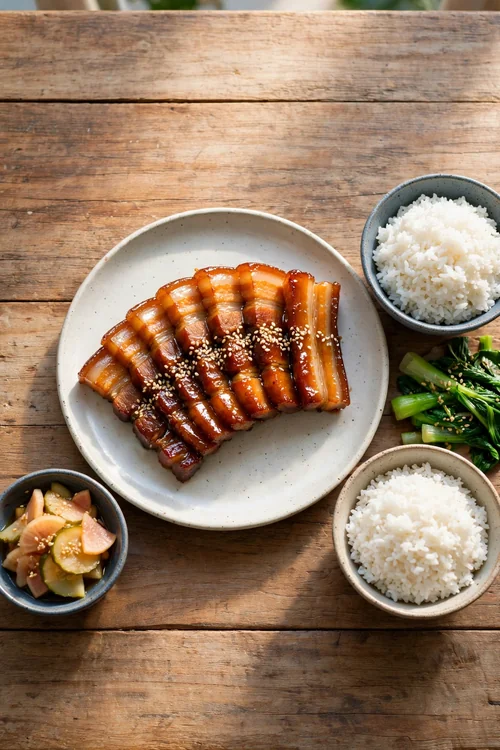
Cost: Moderate, one slab feeds a crowd
Time Needed: About one hour, start to finish
Difficulty: Easy, mostly hands off glazing
Best For: Weeknight dinners that feel special
Brush the slices with warm honey in the last minutes of cooking and the glaze sets into a shiny, sticky coat that catches the light. A pinch of chili flakes on top keeps the sweetness honest, and the edges caramelize into the bites everyone quietly fights over.
Char Siu Style

A marinade of hoisin, honey, five spice, and a little fermented bean curd paints the slab that famous lacquered red. Overnight in the fridge is not optional here, because the color and sweetness need time to sink past the surface and season the meat all the way through.
Roast it over a rack with a pan of water below, basting as it cooks, until the edges char in little spots. That slight char is the signature, the bitter-sweet edge that makes the slices taste like they came from the glass case at a proper roast shop.
Slice it warm over rice with blanched greens, or let it cool and watch it disappear slice by slice straight off the board. The leftovers, if the word even applies, turn fried rice and noodle soups into something worth writing home about the next day.
Lechon Kawali Crunch
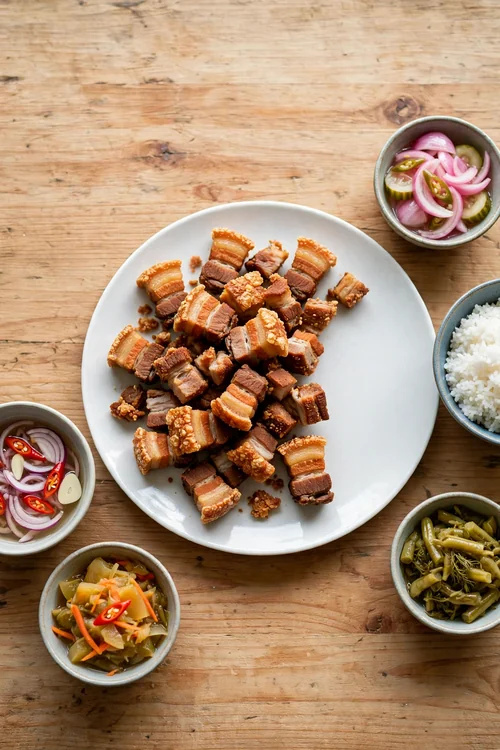
- Boil the slab with bay leaves, peppercorns, and garlic until tender, then cool it completely.
- Dry the skin thoroughly and chill it uncovered, because dry skin fries into the loudest crunch.
- Fry in hot oil, skin side down first, and stand back while it crackles and pops.
- Chop into chunks and serve at once with a sharp vinegar and garlic dipping sauce.
This is crunch you can hear across the room, over meat that stayed juicy from its long simmer. The vinegar dip cuts through the richness bite after bite, and a mound of plain rice beside it is not a suggestion, it is the whole point of the plate.
Adobo Braised Cubes
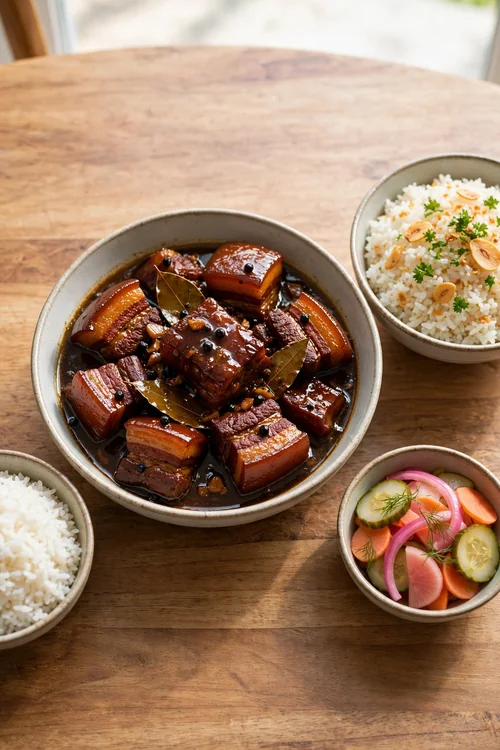
Quick Tip: Brown the cubes well, then simmer them in vinegar and soy without stirring for the first ten minutes. Letting the vinegar cook off undisturbed keeps the sauce smooth and mellow. A dried bay leaf and cracked pepper finish the job quietly.
The sauce turns dark, glossy, and tangy enough to wake up a whole bowl of garlic rice. Adobo only improves overnight, so make plenty and let tomorrow’s lunch be the easiest decision of the week, with a fried egg riding proudly on top of it all.
Carnitas Style Crisp
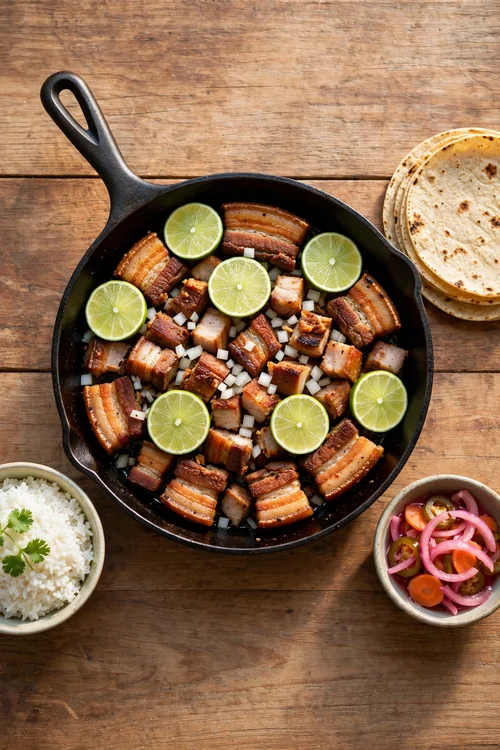
BEFORE: My weeknight tacos leaned on bland, steamed-tasting meat that needed a flood of salsa to feel alive. The pieces never crisped, the fat never rendered into flavor, and the whole plate ate like a rough draft of the tacos I actually wanted to eat.
AFTER: Simmering the chunks in their own fat with orange, onion, and bay, then crisping them hard at the end, sharpens everything. The edges go lacy and crunchy while the centers stay silky, and the meat finally seasons itself with deep, roasted flavor in every single bite.
Pile it into warm tortillas with diced onion, cilantro, and a squeeze of lime, and keep the salsa simple so the meat stays the headline. This is taco night at full volume, the kind where nobody checks their phone until the platter is empty and wiped clean.
Thai Basil Stir Fry
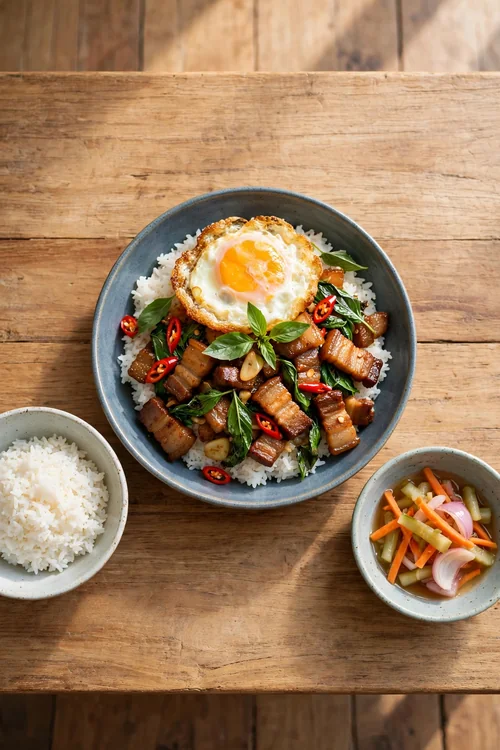
- Crisp the chopped pieces in a ripping hot wok until the edges brown and the fat renders out.
- Push the meat aside and fry garlic and Thai chilies in the drippings until fragrant.
- Splash in fish sauce, soy, and a pinch of sugar, then toss everything until glossy.
- Kill the heat and fold in two big handfuls of Thai basil until just wilted.
Serve it over jasmine rice with a fried egg whose yolk breaks into the spicy sauce, and the whole plate comes together. It is fast, fiery, and fragrant, the kind of stir fry that makes a Tuesday taste like a street market at night in Bangkok.
Miso Glazed Cubes
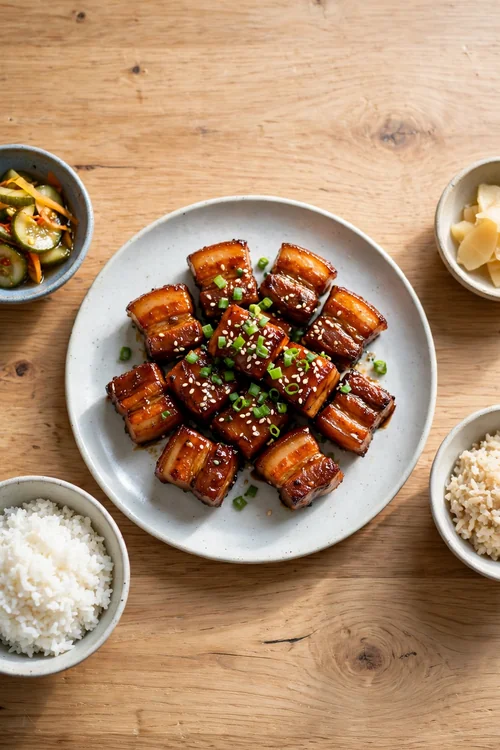
White Miso: Sweet, gentle, and mellow, it glazes the cubes with a pale golden coat that caramelizes softly at the edges. The flavor stays delicate, letting the richness of the meat lead, and it pairs beautifully with plain rice, pickled ginger, and a bowl of clear soup beside it.
Red Miso: Deeper, saltier, and aged longer, it brings a bold, almost funky depth that stands up to the fat with real confidence. The glaze darkens further in the pan and clings in a savory crust, better suited to strong company like kimchi, mustard greens, and cold drinks.
Whichever jar you reach for, whisk the paste with mirin and a little sugar so it spreads like a glaze, not a paste. Broil the cubes at the end and watch closely, because miso sugars go from glossy to burnt in under a minute flat.
Twice Cooked Szechuan

- DO: Simmer the slab first with ginger and scallions until just cooked through.
- DO: Chill and slice it thin so the pieces crisp quickly in the wok.
- DO: Render the slices until the edges curl and turn golden at the corners.
- DO: Add leeks, peppers, and chili bean paste for the final fragrant toss.
- DON’T: Skip the first simmer, or the slices stay tough instead of tender crisp.
- DON’T: Slice the meat thick, because it will not crisp before the sauce burns.
- DON’T: Drown the pan in sauce, since the dish should taste dry fried and intense.
- DON’T: Add the leeks early, or they collapse instead of staying sweet and silky.
Twice cooked means twice the character: gentle first, then fierce, with chili bean paste blooming in the rendered fat. The leeks melt into sweetness against the heat, and a plain bowl of rice beside it becomes less a side and more a trusty fire extinguisher.
Maple Bourbon Glaze
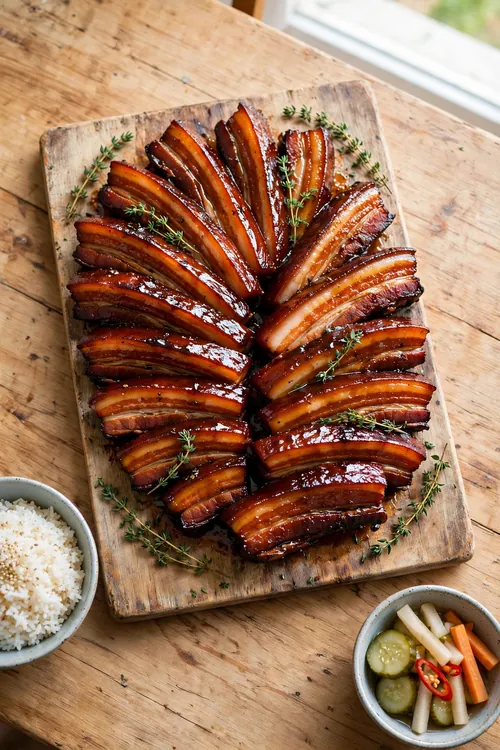
Cost: Moderate, mostly pantry staples
Time Needed: About two hours, mostly simmering
Difficulty: Medium, watch the glaze closely
Result: Dark, sticky, glossy slices
Reduce the maple and bourbon until the bubbles turn big and slow, then brush the glaze on in layers so it builds a dark, shiny shell. The bourbon cooks down to warmth instead of bite, and the finish tastes like the best part of a holiday ham.
Vietnamese Caramel Clay Pot
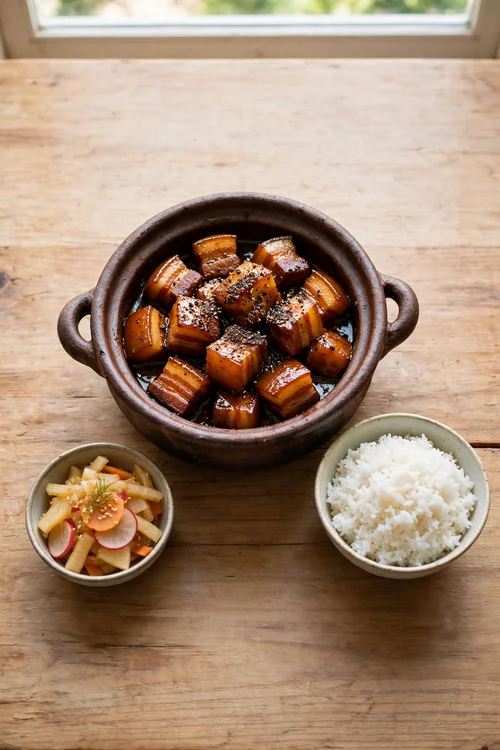
Caramel made from sugar cooked to the edge of dark amber is the soul of this dish, bitter and sweet in the same breath. The cubes simmer in that caramel with fish sauce and coconut water until the sauce turns the color of polished mahogany at dusk.
A heavy hand with black pepper at the end is traditional and wise, because the warmth cuts through the sweetness and keeps every bite lively. In my experience, the sauce should coat the spoon thickly but still pour, so adjust the simmer rather than adding starch.
Serve it in the clay pot it cooked in, with jasmine rice and a plate of cucumber slices for cool contrast. The leftovers thicken overnight into something even darker and deeper, and breakfast the next morning becomes a small, savory celebration all its own, every single time.
Japanese Kakuni Braise

- Simmer the cubes once in plain water and rinse them, which keeps the final broth clean tasting.
- Braise low in dashi, soy, sake, and sugar until the cubes wobble when the pot shakes.
- Add a knob of ginger and a piece of leek green for quiet, clean aroma.
- Serve with hot mustard and finely sliced scallions to cut the gentle richness.
Kakuni is patience you can taste, cubes so tender they part under the gentle pressure of chopsticks. The broth stays light while the meat turns rich, and that balance is exactly why this quiet braise has survived centuries of home kitchens completely unchanged for generations.
Air Fryer Crispy Bites

Quick Tip: Parboil the cubes for twenty minutes and dry them well before the air fryer sees them. Season after the first crisp, not before, so the spices never scorch. A final three minutes at the highest heat delivers the loud, shattering crunch.
These bites disappear as a snack long before they can become dinner, so consider that your fair warning from experience. A squeeze of lemon and a bowl of spicy mayo for dipping finish them, and the air fryer earns its counter space all over again.
Banh Mi Sandwich Style
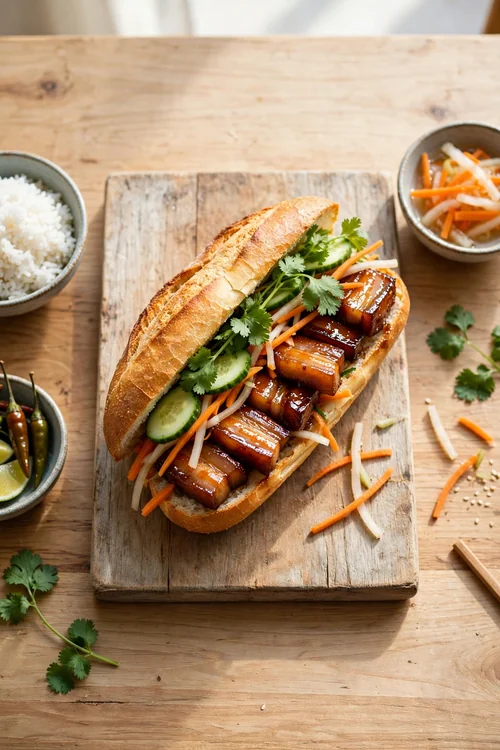
BEFORE: Lunches at home meant the same tired fillings on the same soft bread, week after week. Nothing crunched, no pickled brightness showed up, and the sandwiches filled a gap rather than giving anyone a proper reason to sit down at the table together tonight.
AFTER: Layering warm glazed slices into a crisp baguette with pickled carrot, daikon, cucumber, and cilantro changes lunch entirely. Every bite now snaps, crunches, and glows with sweet, sour, and rich notes chasing each other from the first mouthful to the very last crumb on the plate.
A swipe of mayo and a little pate, if you keep it, make the sandwich taste like the shop version across town. Wrap extras tightly for a picnic, because this is one sandwich that travels well and still crunches when you get there at noon.
Kimchi Stew Pot

- Render the slices first and set them aside, keeping every drop of the flavorful fat.
- Fry chopped ripe kimchi in that fat until the edges catch and the color deepens.
- Pour in water or light stock, add tofu cubes, and let the pot bubble gently.
- Return the meat, simmer ten minutes, and finish with scallions and sesame oil.
The stew lands spicy, sour, and deeply savory, with the rendered fat rounding every sharp edge into comfort. Set the pot in the middle of the table with rice and let everyone ladle their own, because seconds are not a question here, only a timing issue.
Five Spice Braise

- Star Anise Forward: Warm and sweetly aromatic, the spice blooms through the sauce and perfumes the whole pot for hours.
- Cinnamon Led: Rounder and cozier, it leans the braise toward holiday warmth that suits winter tables and big gatherings.
- The Fat: It drinks in whichever spice leads, carrying the aroma into every slice long after the pot leaves the heat.
- Best Partner: Braised eggs and tofu added near the end soak up the same dark, fragrant sauce beautifully.
Braise the slab low in soy, rock sugar, and five spice until the sauce shines and the meat yields to a spoon. The pot perfumes the whole house for hours, which I count as part of the recipe, not a side effect of it at all.
Garlic Chili Crisp

| DO | DON’T |
|---|---|
| Spoon chili crisp over while the slices rest hot | Drench the meat before slicing, so the crisp slides off |
| Keep the garlic chips golden and crunchy | Fry the garlic to dark brown, which turns it bitter |
| Rest the slices ten minutes before cutting | Slice immediately and lose the juices to the board |
| Finish with scallions and a sesame sprinkle | Skip the fresh garnish and lose the contrast |
Chili crisp does the heavy lifting here, pooling in the cuts with fried garlic, sesame, and heat in every spoonful. Serve the slices over rice so none of that red oil escapes, and keep the jar right on the table, because everyone always adds more.
Smoked Low And Slow
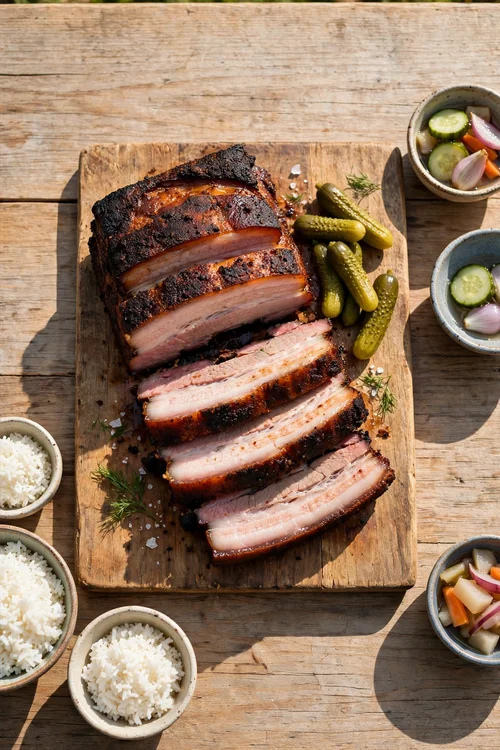
Cost: Moderate, one slab goes far
Time Needed: About five hours, low and slow
Difficulty: Medium, fire management matters
Works In: Any smoker or kettle grill
A simple salt, pepper, and paprika rub plus hours of clean smoke give you slices with a dark bark and a pink ring under the surface. Rest the slab wrapped and warm, then slice it thick, because thin slices cool and dry out far too fast.
Sticky BBQ Finish
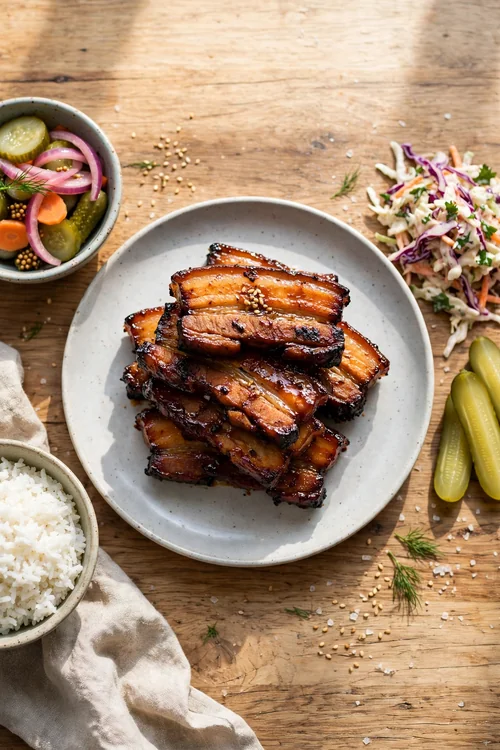
The final form might be the most fun: slices grilled and basted with barbecue sauce until every layer turns sticky and charred at the edges. Build the glaze in coats, letting each one set before the next, and the surface turns into shiny, smoky candy.
Keep the heat medium and your eyes on the pan, because sauce sugars move from caramel to charcoal with very little warning. I have learned to pull the slices a shade early, since the glaze keeps cooking from the heat of the meat itself afterward.
Stack the slices high with pickles and slaw nearby, and let people eat with their hands and plenty of napkins. It is messy in the correct way, the kind of finale that sends everyone home happy, full, and already asking when you are cooking again.
Conclusion
However you cook it, pork belly has a way of turning an ordinary dinner into the meal everyone talks about all week. Crisp the skin, glaze it dark, or let it braise until it surrenders, and every version here earns its keep.
Save this list for your next gathering, try the version that made your mouth water first, and share it with the friend who always orders the crispy slices. Good food this generous deserves a full table, good company, and absolutely no leftovers worth hiding. That is a promise worth cooking for any night. For handheld party pies, my beef empanadas vanish fast.