22 Truly Appetizing Pork Adobo Ideas to Pin for Later
Few dishes reward patience like pork adobo, where tough cuts slowly turn silky in vinegar, soy sauce, garlic, and bay. The sauce starts sharp, then mellows into something dark, glossy, and deeply savory that begs for a mound of steamed rice.
This collection rounds up twenty two versions worth saving, from the classic vinegar soy braise to coconut rich pots, pineapple sweetened simmers, and crispy fried finishes. Each one keeps the soul of the dish and changes a single element that truly matters.
Keep the ones that fit your weeknights, your family’s heat tolerance, and the cut sitting in your fridge right now. Small choices with vinegar, sweetness, and timing shape every pot, and the notes below show exactly where those choices pay off most.
Classic Vinegar Soy Braise

Start with well marbled chunks, browned hard in a heavy pot until the edges catch and darken. That sear builds the base flavor, and the rendered fat later melts into the sauce, giving every spoonful a round, meaty depth that plain simmering never reaches alone.
Pour in vinegar and let it boil untouched for a few minutes before any stirring, so the harsh raw edge cooks off cleanly. Soy sauce, garlic, bay, and peppercorns follow, then a gentle simmer until the sauce turns glossy and the meat yields easily when forked. And for glossy slices, my char siu pork shines at dinner.
Coconut Gata Rich Pot
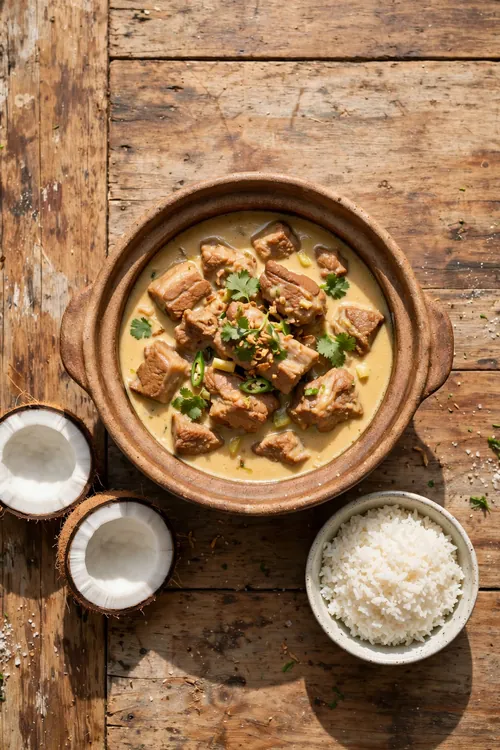
- Stir coconut milk in near the end of simmering, once the vinegar sharpness has softened, so the gata stays sweet and fresh tasting.
- Use the thick first press when you can find it, because it coats the meat like a blanket and clings to rice beautifully.
- A pinch of sugar balances the tang, though the coconut brings its own gentle sweetness to the pot already.
- Keep the heat low after adding gata, since a hard boil can split the milk and turn the sauce grainy.
The finished pot tastes rounder and milder than the classic, with a sauce that feels almost creamy against the salty soy base. It is the version I reach for when serving guests who love Filipino flavors but shy away from strong vinegar bite at the table tonight.
Pineapple Sweet Simmer
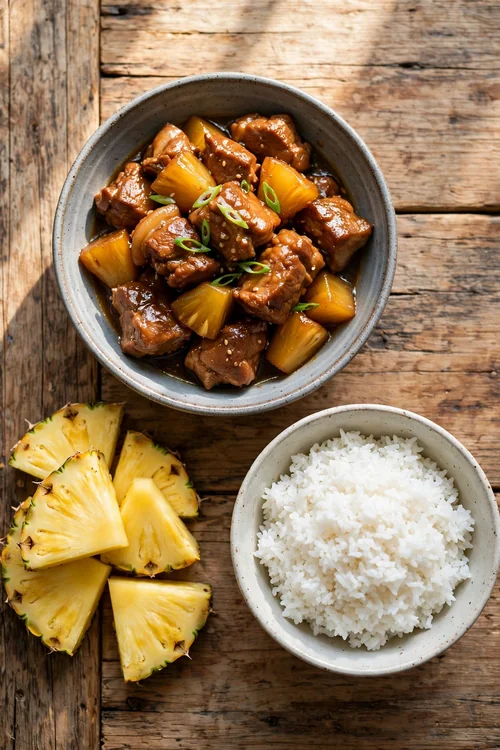
Quick Tip: Add pineapple juice with the soy sauce early so its sugars simmer into the base. Hold the fruit chunks back until the last ten minutes, or they collapse into mush. A final splash of juice at the end brightens everything again.
Pineapple tilts the pot toward the sweet sour balance many families love, especially kids meeting this dish for the first time. The fruit softens into the sauce and leaves little golden bites that taste like they were always made for spooning over hot rice tonight.
Dry Crispy Fried Finish

BEFORE: Straight from the simmer, the meat is tender but pale, and the sauce clings thinly without much texture contrast. Bowls taste fine yet forgettable, because everything on the plate shares the same soft bite from first spoonful to the very last one on the plate.
AFTER: Frying the simmered chunks in their own rendered fat changes everything, giving crackly edges and deep brown crusts. The reduced sauce, brushed back on, turns sticky and intense, so each piece eats like a small bite sized roast with a glossy savory coat that clings.
Serve this one straight from the pan while the edges still crackle, with garlic rice catching the drips underneath. In my experience, the crispy version disappears fastest at parties, so I always fry a double batch when hungry friends are coming over again this weekend.
Slow Cooker Set Forget

- Brown the chunks first if time allows, because the cooker cannot build that deep seared flavor on its own.
- Layer garlic, bay leaves, and peppercorns under the meat so the aromatics perfume the sauce from the bottom up.
- Use a little less vinegar than the stovetop version, since almost nothing evaporates during the long covered cook.
- Cook on low for seven to eight hours, then reduce the sauce in a pan until it turns glossy.
Dinner cooks itself while the house slowly fills with that garlicky, tangy smell everyone recognizes. The meat shreds at the touch of a fork, and the sauce, once reduced, tastes every bit as bold as a stovetop pot made slowly on a Sunday afternoon at home.
Belly Versus Shoulder Cuts
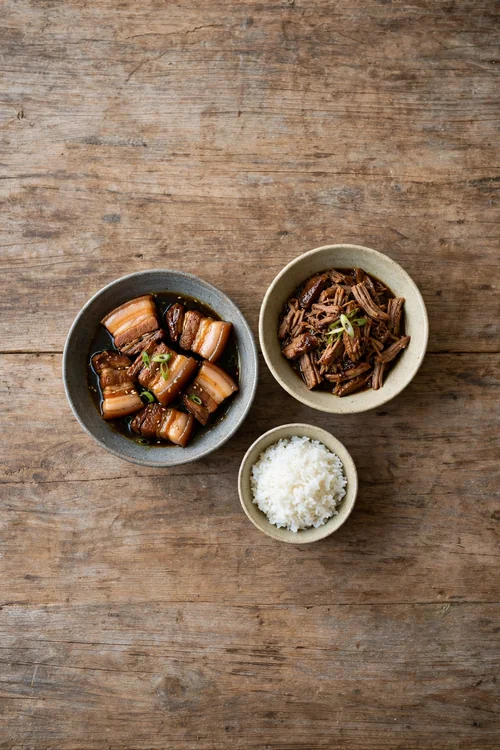
| Point | Pork Belly | Pork Shoulder |
|---|---|---|
| Fat level | Rich layers of fat in every chunk | Leaner, with fat mostly around the edges |
| Texture after braising | Silky, wobbly, almost buttery bites | Meaty strands that shred into the sauce |
| Cooking time | Tender in about one hour of simmering | Needs a longer, slower braise to relax |
| Best moment | Celebration trays and special Sunday lunches | Big family pots and budget friendly weeks |
Neither cut wins outright, because the right choice depends on the table you are feeding that night. Belly brings luxury and richness, shoulder brings shred and value, and both drink up the same garlicky sauce until it shines on hot steamed rice every single time.
Bay Leaf Garlic Balance

| DO | DON’T |
|---|---|
| Use whole garlic cloves, lightly crushed | Use garlic powder as the main flavor |
| Add bay leaves early for deep perfume | Leave bay leaves in when serving bowls |
| Crack peppercorns fresh over the pot | Skip pepper and rely on soy alone |
| Taste before salting, soy varies widely | Add fish sauce and soy together blindly |
Garlic and bay do the quiet work in this dish, and small habits with both decide whether the sauce tastes flat or layered. I have noticed that fresh aromatics, added with patience, make even a weeknight pot taste carefully planned, seasoned, and deeply satisfying at dinner.
Hard Boiled Egg Topping

Cost: Very low, eggs stretch the meat further
Time Needed: Ten extra minutes for boiling and peeling
Difficulty: Easy, one small side pot only
Best For: Big families and surprise extra guests
Eggs stretch the pot gracefully, turning a modest amount of meat into a full tray for unexpected guests. Their yolks drink in the dark sauce and turn creamy, so every bowl gets protein, richness, and color without any extra cooking fuss at the table tonight.
Spicy Chili Heat Kick
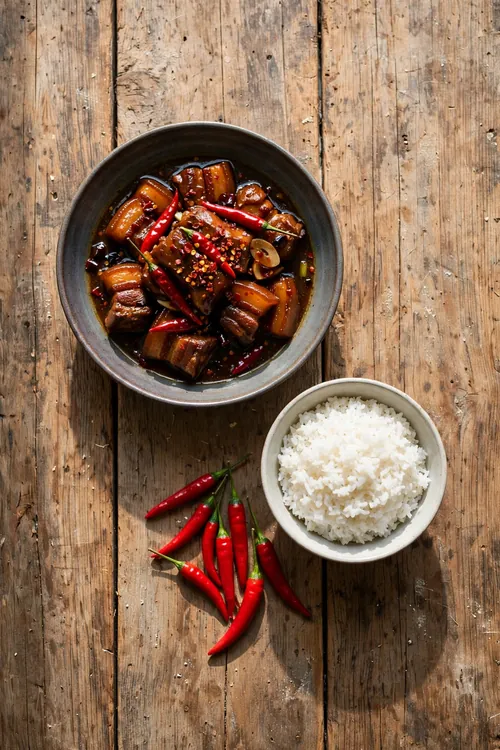
Fresh siling labuyo or a spoonful of chili flakes wakes the whole pot up, cutting through the fat with clean, bright heat. Add the chilies late if you want their perfume forward, or simmer them early for a deeper background warmth in every bite served.
Heat should never bully the vinegar and garlic, so I stir in a little at a time and taste between each addition. I have seen one extra chili too many flatten a beautiful sauce, while the right dose makes people reach back for more rice.
Chicken Pork Combo Pot

- Brown chicken thighs and pork chunks separately, then braise them together so each meat keeps its own character.
- Add the chicken later than the pork, because thighs finish sooner and dry out if they simmer the full time.
- Bone in pieces give the sauce extra body, and their gelatin turns the braising liquid silky without any thickener.
- A shared pot means one sauce for two meats, and the flavors trade places until both taste richer.
This mixed pot is fiesta cooking at its easiest, one braise feeding a crowd with two kinds of meat on the table. Serve it when you cannot decide between chicken night and pork night, and let everyone pick their favorite pieces first from the pot.
Silky Liver Sauce Swirl
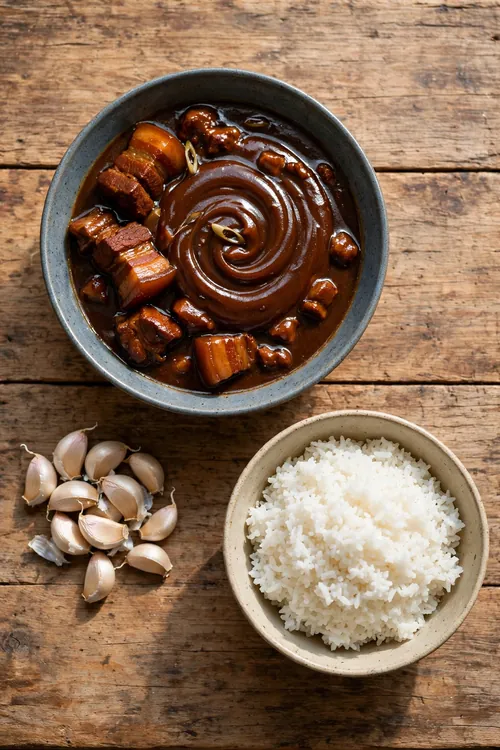
Quick Tip: Mash the liver spread smoothly before stirring it in, working out every lump with a little hot sauce from the pot. Add it off the boil so the liver stays silky instead of turning grainy. Taste once more before serving.
Liver spread melts into the braising liquid and gives the sauce a round, almost pate like richness that guests notice but cannot name. It is an old family trick, and a small can transforms an ordinary weeknight pot into something celebration worthy for any table.
Brown Sugar Dark Glaze

BEFORE: Without any sweetener, the sauce can taste one note sharp, all vinegar up front with little behind it. Guests take a bite, reach for water, and the rich pork flavor hides behind a tang that never softens or rounds out at the table during dinner.
AFTER: A spoonful of brown sugar melts into the braise and pulls everything together, deepening the color toward mahogany. The tang stays, but now it hums underneath caramel sweetness, and the sauce coats each chunk with a lacquered, glossy shine in every single bite you serve.
Sweet adobo styles win over kids and lola approved tables alike, because the balance feels gentle without going soft. I keep the sugar modest, just enough to round the edges, so the garlic and bay still lead every single bite at the table each night.
Instant Pot Weeknight Shortcut
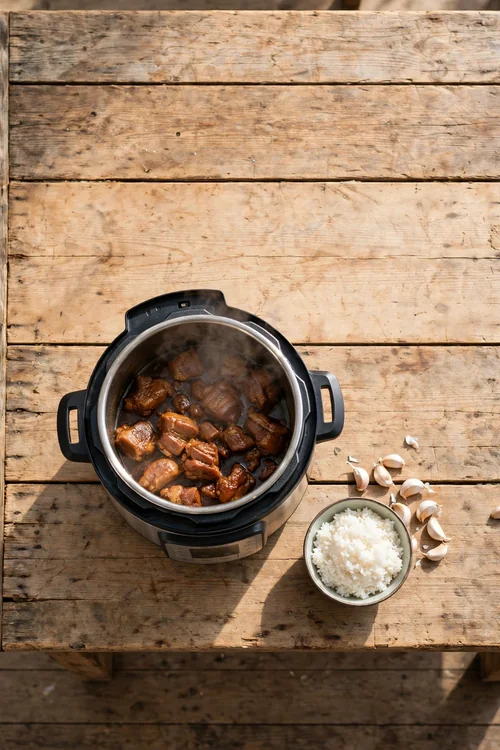
- Sear the chunks on saute mode in batches, leaving space so the meat browns instead of steaming in its juices.
- Deglaze with vinegar and scrape up every browned bit, because that fond carries the deepest flavor in the pot.
- Pressure cook for twenty five minutes with a natural release, which keeps the meat tender instead of stringy.
- Simmer the sauce uncovered at the end, reducing it until it turns glossy enough to coat a spoon.
The pressure cooker hands you Sunday flavor on a Tuesday schedule, with tender meat in well under an hour. I use this version most during busy school weeks, when the craving hits but the clock refuses to cooperate with long simmering on the stove tonight.
Lechon Kawali Crispy Remix

Crispy Fried Version: Chill the braised chunks overnight, then fry them in hot oil until the skin puffs and crackles like chicharron. The cold rest dries the surface, so the oil works on texture instead of fighting steam, and every edge turns shatteringly crisp at the table.
Classic Simmered Version: Serve the chunks straight from the braise, spooning the hot sauce over them so the meat stays soft and yielding. Nothing gets fried, the pot stays simple, and the flavor leans fully on vinegar, soy, and garlic rather than on crackle alone.
Both styles deserve a place in your rotation, one for crunch lovers and one for purists at the same table. Try the fried batch beside the classic once, and watch which platter empties first when the whole family sits down together at the table tonight.
Potato Chunk Hearty Pot
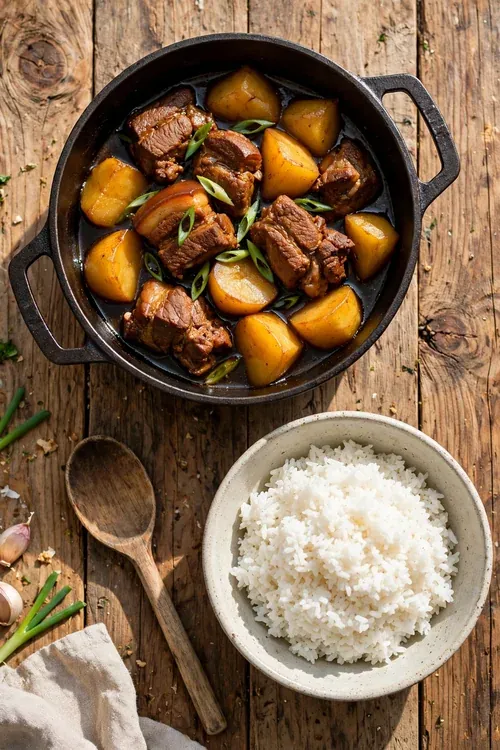
DO: Add potato chunks during the last thirty minutes so they hold their shape. Let them drink in the sauce until their edges soften slightly. Choose waxy potatoes when you can, because they stay firm instead of dissolving into the braise completely at the end.
DON’T: Drop raw potatoes in at the start, where hours of simmering turn them to mush. Avoid stirring the pot roughly once they soften. Never salt heavily before tasting, since the soy and reduced sauce already carry plenty of seasoning for everyone at the table.
Potatoes turn this braise into a full one pot meal, catching sauce in every soft bite beside the meat. It is the version my family asks for on rainy nights, when rice plus potatoes feels like the coziest possible answer to a long day inside.
Banana Blossom Savory Add
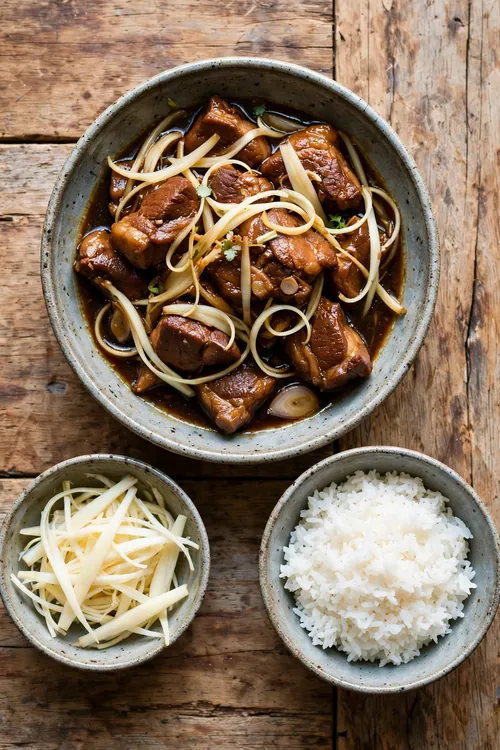
Cost: Low, one small can stretches the whole pot
Time Needed: Five minutes of rinsing and draining
Difficulty: Easy, no knife work beyond opening cans
Best For: Stretching a small amount of meat further
Banana blossoms soak up the braising liquid and turn silky, adding a gentle earthy note that stretches the pot further. They fool guests into thinking the dish simmered all day with extra meat, when really one humble can did the work in the kitchen tonight.
White Soy Free Style
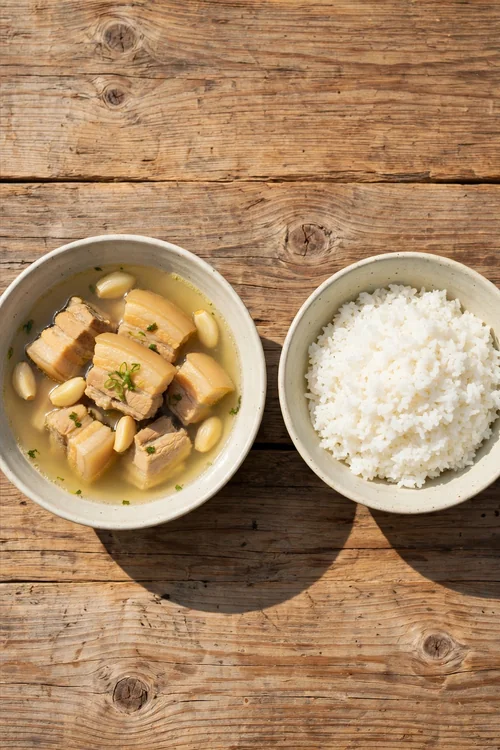
Skipping soy sauce entirely gives the famous white version, pale gold instead of dark, with vinegar and salt leading. The flavor reads cleaner and sharper, letting the garlic and the pork itself stand forward without any caramel color covering them up during the long slow simmer at home.
Season carefully with salt and a pinch of sugar, tasting as the sauce reduces so the balance stays bright. I serve this style with extra rice, because the lighter sauce invites bigger spoonfuls and second helpings at almost every family meal we share on Sundays.
Flakes Over Garlic Rice
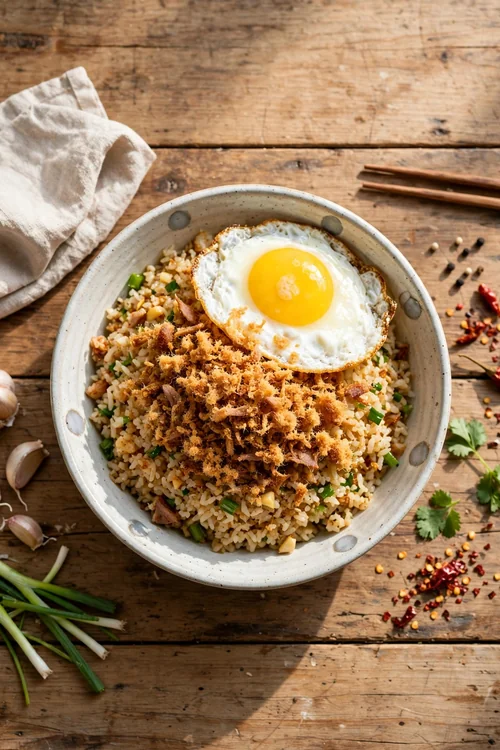
- Shred the leftover braised meat with two forks while it is still warm, pulling it into fine, even strands.
- Fry the strands in a dry pan until the edges crisp and the sugars in the sauce caramelize lightly.
- Stir the flakes often as they fry, since the soy in them can scorch quickly over high heat.
- Rest the crisped flakes on paper briefly, so they stay crunchy instead of steaming soft in the pan.
A bowl of garlic rice under a handful of these flakes turns leftovers into the breakfast everyone fights over. The contrast of crunchy strands, soft rice, and a fried egg on top makes yesterday’s pot taste brand new again at the morning table every single time.
Cracked Peppercorn Bold Bite

Quick Tip: Crack the peppercorns fresh and add half early, half near the end, so the pot gets both deep warmth and bright top notes. Whole corns soften as they simmer, turning gentle enough to bite. Skip pre ground pepper here for best results.
Pepper forward pots taste bold and warming, the kind of bowl that clears your head on a cold evening. The heat builds slowly instead of shouting, so even cautious eaters finish their serving and ask how you seasoned it so beautifully this time at dinner.
Oven Roasted Tray Finish
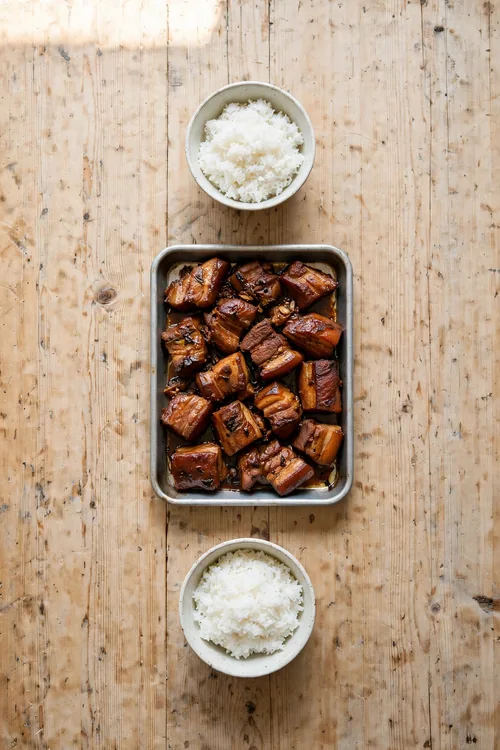
BEFORE: Moved straight from pot to plate, the braised chunks can look a little plain, their surfaces wet and pale. The sauce pools underneath instead of clinging, and the whole serving reads soft when the table hoped for some roasted depth and crispy edges on top.
AFTER: Twenty minutes in a hot oven changes the tray completely, drying the surfaces and caramelizing the sauce onto each chunk. Edges turn deep brown and slightly crisp, while the centers stay tender from their long braise earlier in the long slow day of cooking together.
Roasting suits dinner parties, because the tray holds well and looks abundant when it lands in the middle of the table. I finish with a spoonful of fresh sauce over the top, so every serving gets both crisp edges and gloss in every bite served.
Meal Prep Freezer Bowls
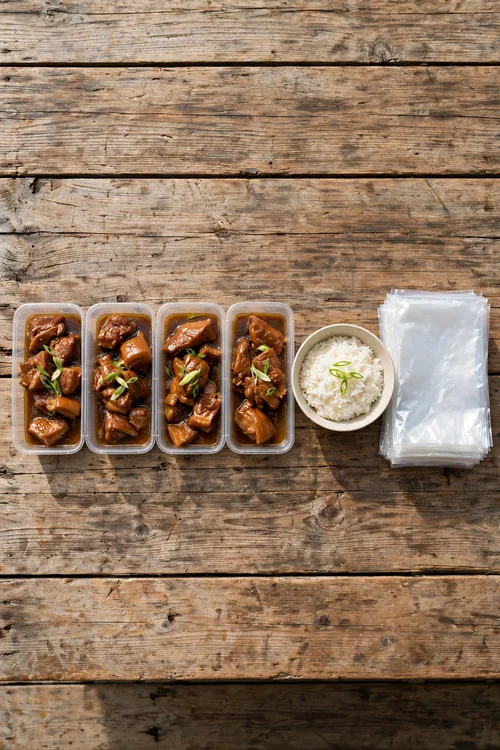
- Cool the finished braise completely before packing, so steam does not build ice crystals inside your containers.
- Portion meat and sauce together in single serving tubs, keeping enough liquid to cover every chunk fully.
- Freeze flat in labeled bags for up to three months, stacking them like books to save precious space.
- Thaw overnight in the fridge, then simmer gently with a splash of water until the sauce loosens and shines.
Future you will be grateful on the busiest nights, when a restaurant worthy bowl waits in the freezer. I keep two portions hidden at the back for emergencies, because this is the meal my family requests whenever life gets hectic during the week at home.
Thick Versus Thin Sauce

- Texture: Thick sauce coats each chunk and clings to rice, while thin sauce pools like a broth you sip between bites.
- Flavor hit: Reduced pots taste intense and salty sweet, while looser sauces read brighter, with vinegar forward in every spoonful.
- Best rice match: Thick versions love plain steamed rice, while thin versions shine over garlic rice that drinks them up.
- Make ahead: Thick sauce reheats without splitting, while thin sauce needs a fresh simmer to wake its aromatics back up.
Neither style is wrong, and many families keep both in rotation depending on the day and the rice on hand. Taste yours near the end, then reduce it further or loosen it with water until it matches your table and your mood tonight perfectly well.
Conclusion
Every version here starts from the same humble base, yet no two pots taste alike. That is the charm of pork adobo, a dish that bends toward sweet, sour, creamy, or crisp without ever losing the garlic and bay heart that defines it.
Save the pots that match your table, then start with one this week and notice how the sauce deepens overnight. Leftovers rarely survive long in my kitchen, and I have seen picky eaters go quiet after the first saucy spoonful over rice, asking for seconds before their plates are even half empty. For a golden cutlet, my pork tonkatsu crunches beautifully.