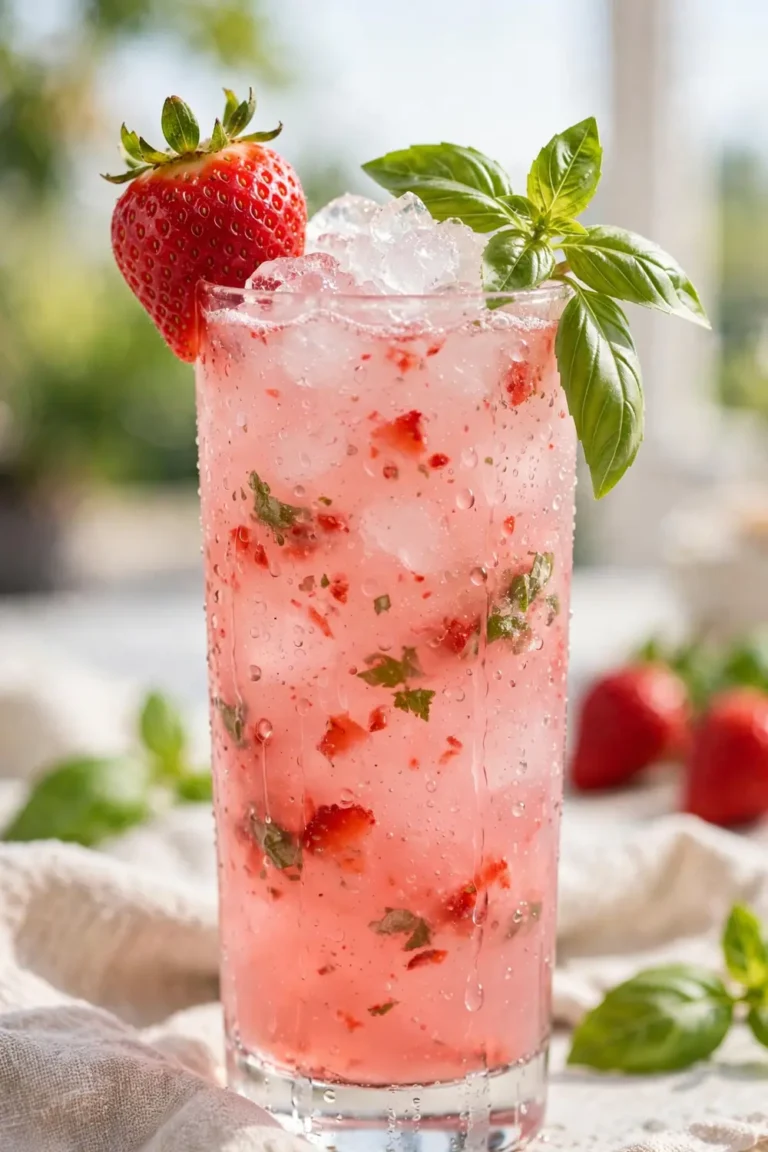
Why Is My Smoothie Bitter And Gritty? Easy Fix Guide
A bitter gritty smoothie is hard to finish. The greens taste sharp, the seeds crunch, and the drink feels more like a chore than breakfast. The fix usually comes down to blending, balance, or fresh seasonal fruit.
This guide walks through each fix in order, from blending to balancing to serving. You need no special tools, just a little care and fresh ingredients. Most harsh blends smooth out with one or two small changes. A longer blend beats a stronger sweetener every time. Small fixes make a big difference here. For hummus that turns grainy instead, see this grainy hummus guide for a silky dip rescue.
Why Smoothies Turn Bitter

Smoothies turn bitter for three main reasons: too many greens, too little fruit, and too short a blend. Kale and spinach taste sharp in large amounts, and a quick blend leaves seeds and stems gritty.
The good news is that each cause has a simple fix. Once you see which one hit your glass, you can correct it before serving. Think of smoothies as gentle work, not a race. A few small changes make a big difference here. Your patience shows in every silky sip. Trust the process here today.
Blend Longer, Finer

A longer blend is the fastest fix for gritty smoothies. Most blenders need a full minute to break down seeds, stems, and ice. A quick ten second blitz leaves chunks behind. Give the blender a full minute every time. Patience beats power here.
- Add liquid first, then soft fruit, then greens and ice.
- Blend on low for ten seconds to start the vortex.
- Blend on high for a full minute until silky.
- Stop and scrape the sides once, then blend again.
Sweeten Without Sugar

Quick Tip: Sweeten with ripe banana or mango instead of sugar. Ripe fruit adds sweetness and creaminess at once. A half banana fixes most bitter blends without any added sugar.
Taste the smoothie before adding any sweetener. A ripe banana, a soft pear, or a spoonful of honey often does the job. In my experience, fruit sweetness beats sugar for smoothies every time. Keep ripe fruit ready for blend days. Sweeten last and taste as you go.
Fix the Greens Ratio

Common Mistake: Many cooks pack the blender with greens and add a little fruit. The greens dominate, the drink tastes bitter, and the texture stays rough.
The Fix: Use one handful of greens for every two handfuls of fruit. Fruit masks bitterness, and the blender handles a balanced load far better.
Start with mild greens like spinach before trying kale. Baby spinach blends smooth and tastes gentle. Work up to stronger greens slowly, and the smoothies stay sweet. Balance greens and fruit in every single glass. Trust the ratio here. Your blender will thank you. Taste before serving.
Add Creamy Fruit

What You Need:
- Banana: half a ripe one adds cream and sweetness.
- Mango: a cup adds body and tropical flavor.
- Avocado: a quarter adds silk without taste.
- Yogurt: two spoonfuls add tang and cream.
- Milk: half a cup loosens the blend.
Creamy fruit hides grit and softens bitterness at once. Banana and mango blend silky, while avocado adds body with no flavor. Keep frozen fruit ready so every blend turns creamy. Creamy fruit is the secret to silky smoothies. Stock the freezer for blend days. Trust the banana.
Liquid First, Ice Last

Before: The ice went in first, jammed the blades, and left chunks of greens and seeds. The drink poured gritty, tasted bitter, and separated in the glass.
After: The liquid went in first, the soft fruit followed, and the ice went in last. The blender ran smooth, the drink poured silky, and the glass stayed even.
Order matters more than power in a blender. Liquid first lets the blades spin freely and pull food down. Ice last crushes evenly instead of jamming. Load the blender in the right order every time. A good load beats a strong motor every time. Trust the order.
Balance Flavors Well

Do This:
- Taste the smoothie before pouring it out.
- Add a squeeze of lemon to cut bitterness.
- Add a pinch of salt to round out flavors.
- Blend again after any addition.
Avoid This:
- Do not add more greens to fix thinness.
- Do not add sugar before tasting fruit.
- Do not blend for only ten seconds.
- Do not let the smoothie sit before serving.
Balancing flavors takes tasting, not guessing. Acid brightens, salt rounds, and fruit sweetens. A small squeeze of lemon can rescue a bitter glass in seconds. Taste, adjust, and blend again in small steps. Small tweaks now make the whole glass sing. Trust your tongue here.
Blender Power Matters

Time Needed: About 5 minutes from load to glass.
Difficulty: Beginner friendly with easy steps.
Cost: Uses fruit and greens you already own.
Best For: Breakfast, snacks, and post workout fuel.
A high power blender breaks down seeds and stems in seconds. A small blender needs longer blending and softer ingredients. Match the recipe to your blender, and the drink stays silky. Know your blender before you load it. Small choices matter. Blend longer for weaker motors.
Serve It Fresh

Serving matters more than most cooks expect. A smoothie left sitting separates, warms up, and tastes worse with every minute. A fresh glass stays silky, cold, and bright.
Pour the smoothie at once and serve it cold. A chilled glass keeps the drink frosty to the last sip. Drink it fresh, since even a good smoothie fades fast. Your mornings will taste better at once. Serve it with pride and a steady hand. Enjoy every fresh sip. Blend it right before the table. Fresh beats stored every single time. Your blender will thank you.
Rescue Bitter Smoothies

Already blended a bitter glass? Do not throw it out. A banana and a longer blend can save most glasses, and a few tricks make them worth drinking. The rescue takes minutes and no special tools. Start with the simplest fix first.
- Add half a ripe banana and blend for a full minute.
- Add a squeeze of lemon to cut the bitterness.
- Add a spoonful of yogurt for creaminess.
- Taste and serve at once while it is cold.
Next Smoothie Checklist

Quick Tip: Keep this checklist near the blender for your next glass. A glance before blending saves a rescue later. Soon the habits feel automatic, and every glass lands silky and sweet.
Great smoothies come from habits, not luck. Load liquid first, blend fully, balance greens and fruit, and serve fresh. Check the texture early, adjust the next glass, and enjoy a smoothie that stays silky to the last sip. That is a glass worth repeating. Your blender will thank you.
Conclusion
Smooth, sweet smoothies come from longer blending, balanced greens, and creamy fruit. Fix those three habits and bitter gritty smoothie troubles become rare instead of the usual result. Start with liquid first, blend fully, and taste before serving. Your next glass should pour silky, taste fresh, and finish clean to the last sip. If another dish puzzles you, read this overnight oats guide for thick jar fixes. Keep this guide handy and blend with confidence every single time tomorrow morning. Your mornings will taste better at once. Serve it with pride and a steady hand.