Why Is My Homemade Hummus Grainy? Easy Fix Guide
A bowl of grainy hummus disappoints fast. Instead of a silky scoop, you get rough bits, dry patches, and a dip that never quite spreads. The fix usually comes down to peeling, blending, or ice water.
This guide walks through each fix in order, from chickpeas to blending to serving. You need no special tools, just a little patience and pantry staples. Most rough dips smooth out with one or two small changes. A longer blend beats a stronger tahini every time. Small fixes make a big difference here. For guacamole that turns brown instead, see the guacamole fixes for a bright green bowl.
Why Hummus Turns Grainy

Hummus turns grainy for three main reasons: tough skins, too little liquid, and too short a blend. Chickpea skins never break down fully, and a quick blend leaves rough bits throughout the dip.
The good news is that each cause has a simple fix. Once you see which one hit your bowl, you can correct it before serving. Think of hummus as gentle work, not a race. A few small changes make a big difference here. Your patience shows in every silky scoop. Trust the process here. Blend longer than you think.
Peel the Chickpeas

Peeling chickpeas is the single biggest fix for grainy dip. The skins never blend smooth, no matter how long you run the machine. Removing them takes minutes and changes the whole dip. Peel them once and you will never skip it. Canned chickpeas save time and blend smoothly.
- Simmer canned chickpeas with baking soda for twenty minutes.
- Rinse and rub the chickpeas between towels to loosen skins.
- Pick out the loose skins and discard them.
- Use the peeled chickpeas at once for the smoothest dip.
Blend Longer, Finer

Quick Tip: Blend the tahini and lemon first, before the chickpeas go in. Whipped tahini turns light and creamy, and the dip builds on a silky base. This one step changes the whole bowl.
Run the blender for a full three minutes on the chickpeas. Most cooks stop far too early, while the dip still looks rough. In my experience, a long blend fixes more hummus than any ingredient swap. Give it the time it needs. Patience here is the whole secret. Ice water helps the blades.
Use Ice Water

Common Mistake: Many cooks add no liquid at all, then wonder why the dip stays thick and rough. A dry blend never turns silky, no matter how long it runs.
The Fix: Add ice water one spoonful at a time while blending. Cold water loosens the dip and helps the blender whip it light without thinning it too far.
Stop after each spoonful and check the texture. The hummus should pour slowly off a spoon, not sit in a stiff clump. Ice water is the secret to a light, whipped dip. Cold water beats warm water every single time. Trust the ice water. Your dip will thank you.
Fix the Tahini Ratio
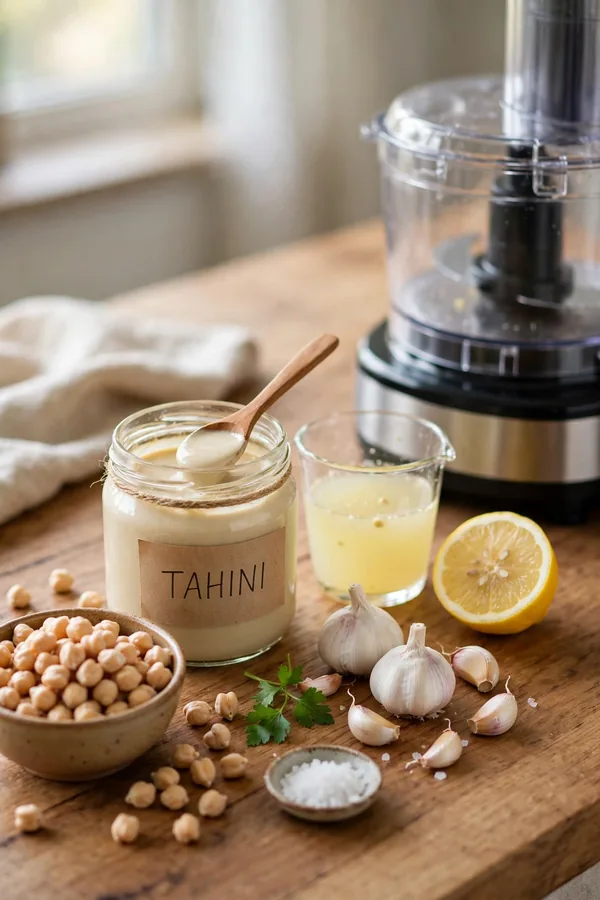
What You Need:
- Chickpeas: two cups, peeled and soft.
- Tahini: half a cup, well stirred.
- Lemon juice: three spoonfuls, fresh.
- Garlic: one small clove, minced fine.
- Ice water: three spoonfuls, added slowly.
Tahini carries the creaminess in hummus, so a skimpy amount leaves the dip dry. Too much tahini makes it heavy and bitter. Keep the tahini generous but balanced, and the dip turns silky. Stir the tahini well before measuring it. Trust the tahini ratio. Your bowl will thank you. Taste and adjust the salt last.
Garlic and Lemon Balance

Before: The garlic went in raw and whole, and the dip tasted sharp and harsh. The lemon stayed shy, and the bowl felt rough and heavy.
After: The garlic was minced fine and rested in lemon juice first. The dip tasted bright and smooth, and the bowl looked creamy and inviting.
Raw garlic mellows in lemon juice, so let them sit together for ten minutes. Lemon brightens the dip and cuts the tahini richness. Balance both, and the hummus tastes fresh, not harsh. Balance garlic and lemon in every single bowl. Trust the balance here. Taste before serving. Oil on top keeps it glossy.
Blend in Stages

Do This:
- Blend tahini and lemon first until whipped.
- Add chickpeas in two batches, not all at once.
- Add ice water one spoonful at a time.
- Scrape the sides once and blend again.
Avoid This:
- Do not dump everything in at once.
- Do not blend for only thirty seconds.
- Do not add warm water to the dip.
- Do not skip peeling the chickpeas.
Staged blending gives each ingredient time to break down fully. Tahini whips first, chickpeas smooth next, and ice water finishes the job. A staged blend turns rough dip silky. Patience at the blender beats speed every time. Trust the stages here. Your dip will thank you. Blend in short bursts for control.
Chickpea Types Matter

Time Needed: About 25 minutes, plus peeling time.
Difficulty: Beginner friendly with easy steps.
Cost: Uses chickpeas and tahini you already own.
Best For: Snacks, parties, and meal prep.
Canned chickpeas blend faster than dried ones, since they cook soft. Dried chickpeas need soaking and long cooking to soften fully. Match the chickpea to your time, and the dip follows. Read the can label before you start peeling. Small choices matter. Pick soft chickpeas. Serve at room temperature for the best flavor.
Serve It Silky

Serving matters more than most cooks expect. Hummus firms as it sits, so a dip that looks silky in the blender can turn stiff on the table. Serve it fresh, and stir in a spoonful of ice water if needed.
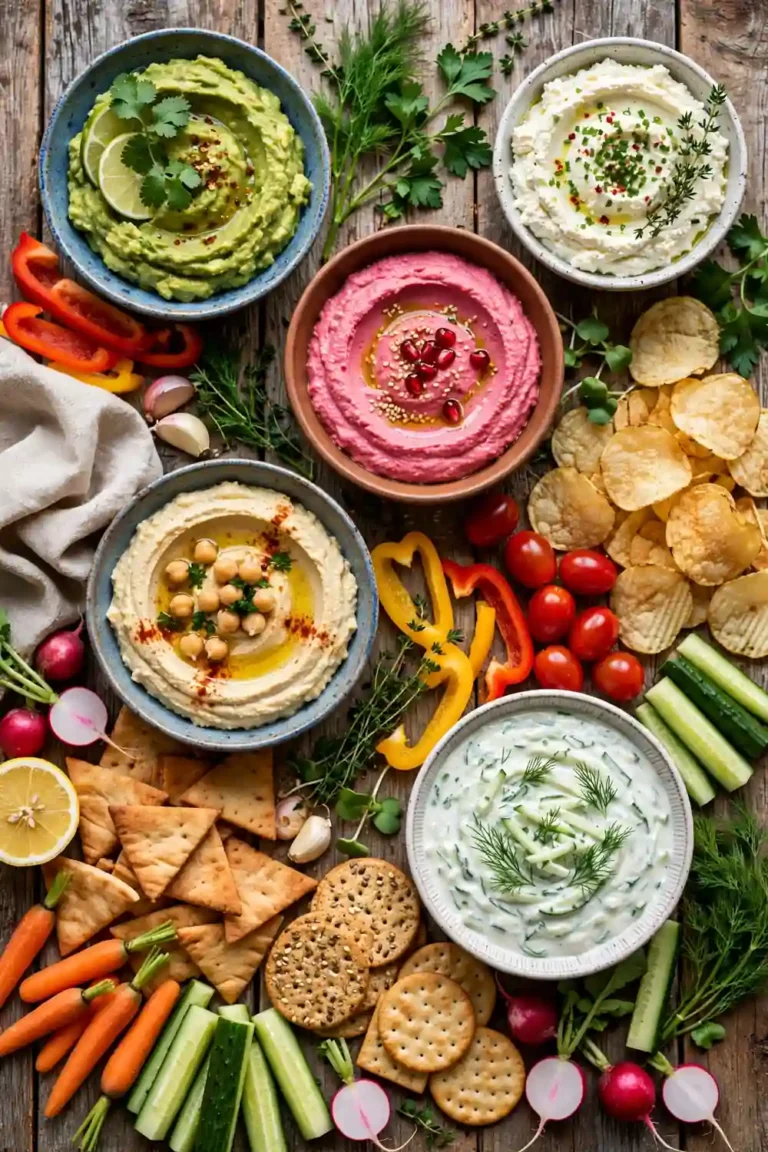
Swirl the hummus in the bowl with the back of a spoon. Add a drizzle of olive oil and a pinch of paprika on top. A silky swirl with bright toppings invites every guest to scoop. Your guests will notice the silky texture. Serve it with pride and a steady hand.
Rescue Grainy Bowls
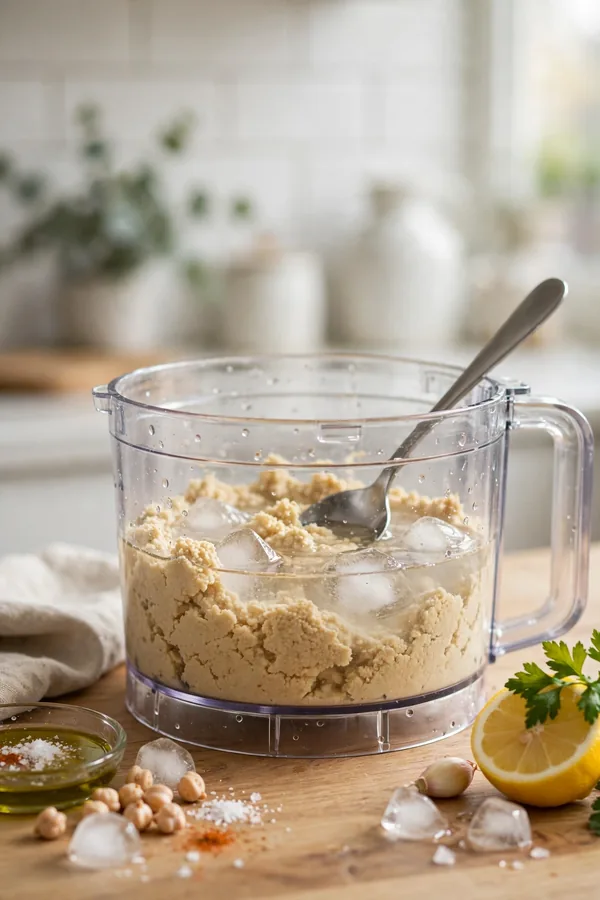
Already blended a grainy bowl? Do not throw it out. A longer blend with ice water can save most bowls, and a few tricks make them worth serving. The rescue takes minutes and no special tools. Start with the simplest fix first. Add water one spoonful at a time.
- Return the hummus to the blender with a spoonful of ice water.
- Blend for two full minutes until silky.
- Add tahini if the dip still looks dry.
- Taste and serve at once while it is fresh.
Next Dip Checklist
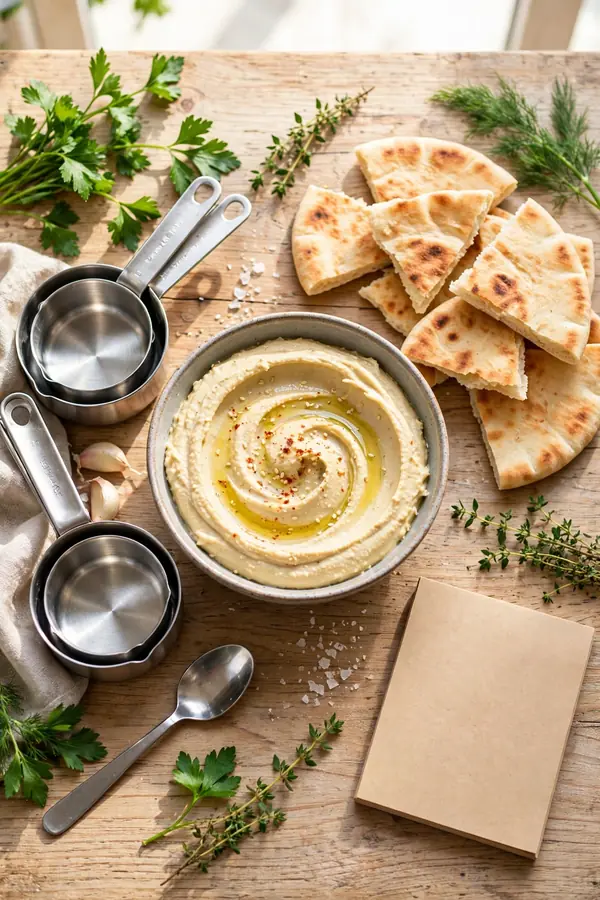
Quick Tip: Keep this checklist near the blender for your next dip. A glance before blending saves a rescue later. Soon the habits feel automatic, and every bowl lands silky and smooth.
Great hummus comes from habits, not luck. Peel the chickpeas, blend in stages, add ice water slowly, and serve fresh. Check the texture early, adjust the next bowl, and enjoy a dip that stays silky to the last scoop. That is a bowl worth repeating.
Conclusion
Silky hummus comes from peeled chickpeas, a long blend, and ice water added slowly. Fix those three habits and grainy hummus becomes a rare mishap instead of the usual result. Start with soft chickpeas, blend in stages, and add ice water as needed. Your next bowl should scoop silky, spread smoothly, and taste rich to the last bite. If another dish puzzles you, read the bitter smoothie fixes for a silky smooth blend. Keep this guide handy and cook with confidence every single time at the table. Your guests will notice the silky texture.