Why Does My Chocolate Chip Cookie Taste Flat? Easy Fix Guide
If your bland chocolate chip cookies turned out flat and dull in flavor, you are not alone. Most flat flavor comes from too little salt, vanilla that never got measured, and butter that stayed pale instead of turning nutty and brown. The fix usually comes down to a few small choices you can change next time.
This guide walks through what went wrong, the exact steps that fix it, and the habits that keep it from happening again. Spot the weak step, adjust it, and test the result with a small batch first.
Work through the sections in order, or jump to the fix that matches your batch. For another rescue, see dry cake fixes and keep building your skills with steady practice.
Why Cookies Taste Flat
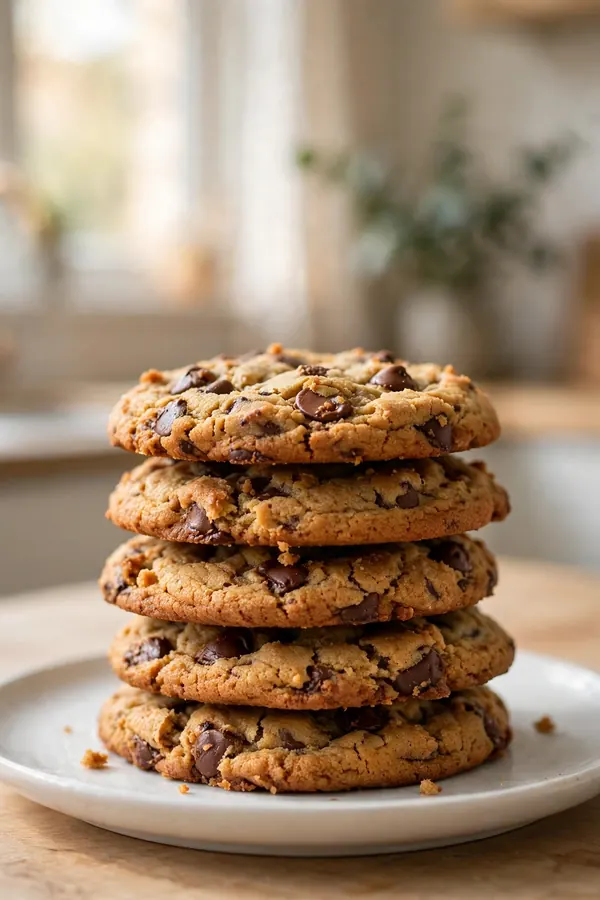
Flat cookies usually trace back to three small choices: too little salt, unmeasured vanilla, and butter that never turned nutty and brown. In my experience, cooks blame the recipe when the real issue is one small habit that is easy to change.
A little more salt, real vanilla, browned butter, and a rest in the fridge can wake the whole batch up. Try the change on a small test batch first, then compare it side by side with your usual method. The difference will tell you whether you found the true cause or only part of it.
Salt Changes Everything
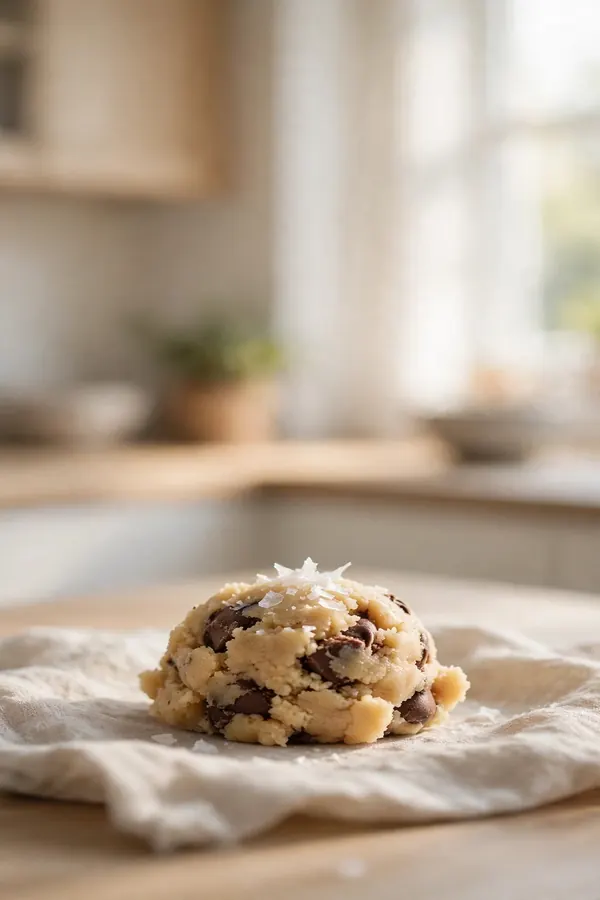
Salt wakes up chocolate and vanilla, so measuring it turns a flat batch into a rich one. Follow the steps below in order, and give each one your full attention. Rushing the early steps is how the same problem comes back, so slow down where it counts.
- Measure the salt with a spoon, not a pinch, and use 3/4 teaspoon per batch.
- Add 2 teaspoons of pure vanilla and stir it into the butter.
- Brown half the butter until golden and nutty, then cool it.
- Rest the dough in the fridge for at least 1 hour.
Brown Butter Magic

Quick Tip: Taste the raw dough before baking. If the dough tastes flat, the baked cookie will too, so fix the salt and vanilla now. Write the tip on your recipe card so you remember it next time.
Pale butter leaves the dough one-note, while browned butter adds nutty depth. Keep the tip in mind while you work, and check the result before you move to the next step. Good cooking is mostly good timing, and a quick pause to look, smell, and taste will catch most trouble early.
Pick Better Chocolate

Common Mistake: Many bakers skip the salt or use a tiny pinch, then wonder why rich dough tastes like nothing. Salt is the switch that turns the other flavors on.
The Fix: Use 3/4 teaspoon of fine sea salt per standard batch and taste the dough. Add a small pinch more only if the flavor still feels dull.
Once you fix the mistake, the rest of the recipe usually falls into place. Test the corrected step on a small batch, note what changed, and keep the new habit for every future batch. A small test batch shows the difference clearly before you commit to a full tray of cookies.
Chill The Dough

What You Need:
- Fine sea salt: Sharpens sweetness and makes chocolate taste deeper.
- Pure vanilla extract: Adds warm background flavor that cheap imitation misses.
- Unsalted butter: Lets you control the salt and brown it for nutty notes.
- Dark chocolate chunks: Bring bitter contrast that chips often lack.
- Brown sugar: Adds moisture and a light caramel tone.
Gather everything before you start so you are not hunting for tools mid-recipe. Chilling firms the butter, deepens the flavor, and keeps the cookies thick instead of spreading thin across the tray. A calm, organized setup makes each step easier and keeps the timing on track.
Measure Vanilla Right

Before: The cookies looked golden and fine, yet each bite tasted sweet and empty, with no chocolate depth and no finish. Measuring the vanilla instead of guessing keeps the flavor steady from batch to batch.
After: With salt, vanilla, and browned butter fixed, the same recipe tastes layered, warm, and rich, with chocolate that lingers. Measured vanilla lets the chocolate and salt come through in every bite.
The change between the two is rarely dramatic on its own, yet the final result feels completely different. That is the power of fixing the root cause instead of covering up the symptom. Salt, vanilla, and browned butter together change everything about the batch, so measure each one carefully.
Sugar Balance Matters

Do This:
- Measure salt and vanilla every time.
- Brown part of the butter for depth.
- Chill the dough at least 1 hour.
- Use chocolate chunks, not only chips.
Avoid This:
- Do not skip the salt.
- Do not use imitation vanilla.
- Do not bake straight from mixing.
- Do not overbake past set edges.
Brown sugar adds moisture and deep caramel notes, while white sugar keeps the edges crisp and light. Keep this short list beside you while you cook, and check off each point as you finish it. A simple checklist beats memory when the kitchen gets busy.
Bake Time Clues

Time Needed: 15 minutes of active fixing, plus 1 hour of chilling.
Difficulty: Easy, and friendly for beginners.
Cost: No extra cost beyond pantry staples.
Result: Cookies with deeper chocolate flavor and a warm finish.
Edges that look set while the center still looks soft signal the tray is ready to leave the oven. Use the facts above to set your plan before you start. When you know the time, the tools, and the target result, each step feels calmer and more certain.
Store Them Well

Cool the cookies fully on the tray before any box closes over them, since trapped steam softens crisp edges fast and turns chewy centers stale. A wire rack speeds the cooling and keeps the bottoms dry while the chocolate sets.
Store cooled cookies in a single layer with parchment between layers, and keep the box sealed at room temperature away from strong kitchen smells. Eat the crisp ones within two days, and warm a stale cookie for ten seconds to wake the chocolate again. Label the box with the bake date so the oldest batch gets eaten first.
Taste Test Tricks

Bake one cookie first and judge the flavor warm, since a single test cookie reveals salt, vanilla, and browning problems before the full tray bakes. Use the notes below to taste with a plan, and adjust one variable at a time.
- Bake one test cookie first and taste it warm.
- Note what is missing, then adjust salt or vanilla.
- Rebake a second test cookie and compare.
- Write the winning amounts on the recipe card.
Final Flavor Check

Quick Tip: Bite the cooled cookie and listen for the balance of sweet, salty, and chocolate. If one note dominates, adjust that single ingredient next time. Note the winning amounts on the card for the next bake.
Run a last check before the batch counts as done: crisp edges, a soft center, visible chocolate, and a finish that lasts past the first bite. If any part falls flat, note the weak step and fix it on the next tray. A careful final taste turns a good batch into a repeatable one.
Conclusion
With these fixes, bland chocolate chip cookies can turn into a result you are proud to serve. Start with the biggest cause, change one thing at a time, and taste as you go so you know what actually helped. Small, steady adjustments beat a full recipe overhaul, and they teach you how your oven, your pans, and your ingredients behave. If you want one more rescue to study, read this cream frosting guide and add it to your notes for next time. Keep this guide nearby, trust your senses, and enjoy the next batch.