Why Is My Cream Sauce Grainy or Curdled? Easy Fix Guide
Nothing spoils dinner faster than a pan of curdled cream sauce that turns grainy at the table. The flavor can still taste fine, yet the rough texture ruins the plate. Split sauce has clear causes, and each one has a fix.
Most splits come from heat that runs too high, acid added too early, or cream that goes into the pan cold. Low fat cream makes the trouble worse, and a rushed reheat can break a sauce that started out perfect.
This guide walks through each cause in order, with a fix you can try tonight. You need no special tools, just small changes to heat, timing, and cream. If your mac and cheese turns gritty, see our guide on fixing gritty mac and cheese for a creamy, smooth plate.
Why Sauce Splits
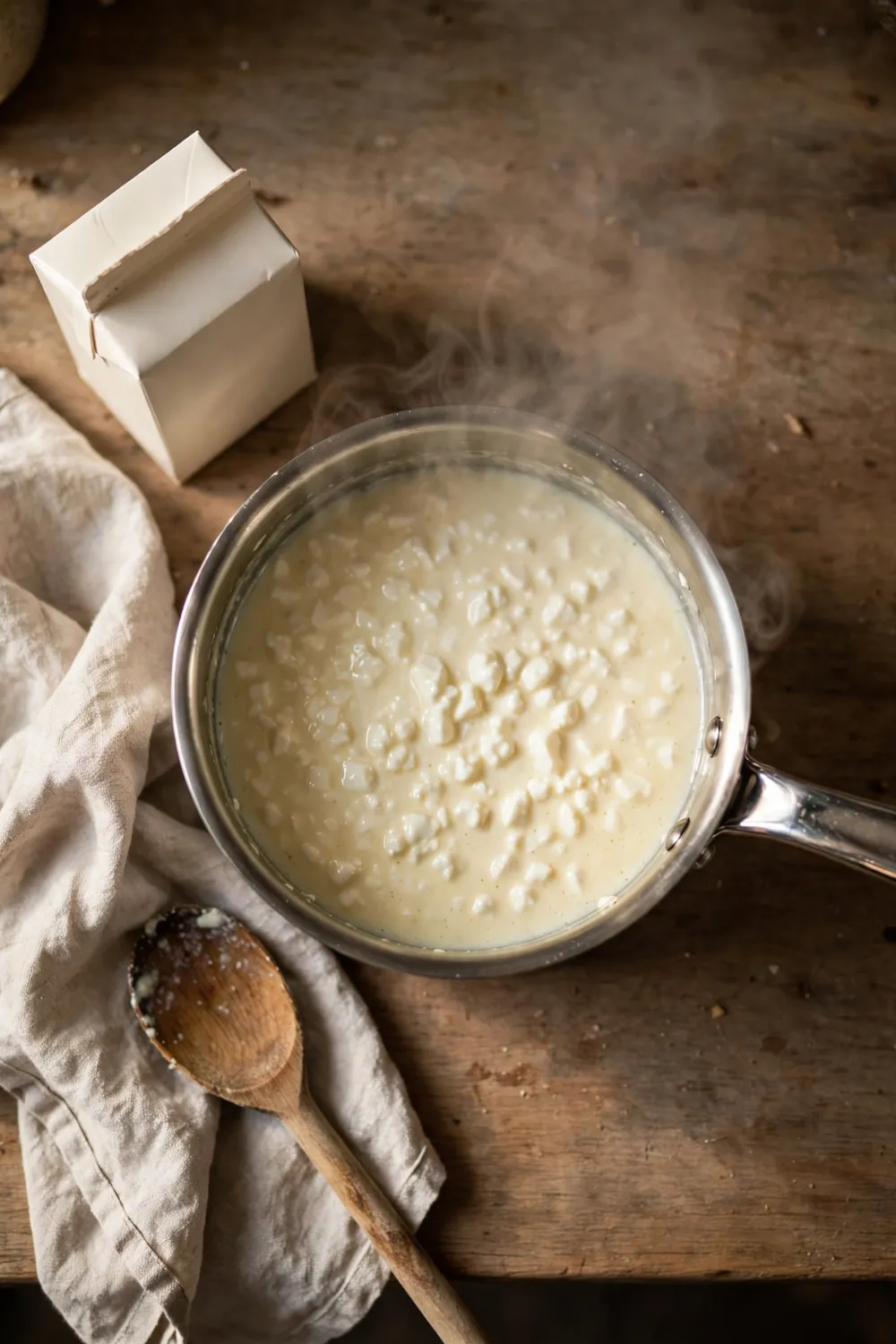
You pour the sauce over pasta, hoping for a silky pour, but it comes out grainy and split. The flavor stays fine, yet the texture spoils the plate. The trouble rarely sits in the recipe, and it starts with how heat, acid, and cream meet in the pan.
Too much heat tightens the cream proteins until they clump, while acid added early breaks them apart. Cold cream hitting a hot pan shocks the sauce the same way. When any of these three runs off track, the sauce splits, so the next sections take each cause in turn.
Keep Heat Low
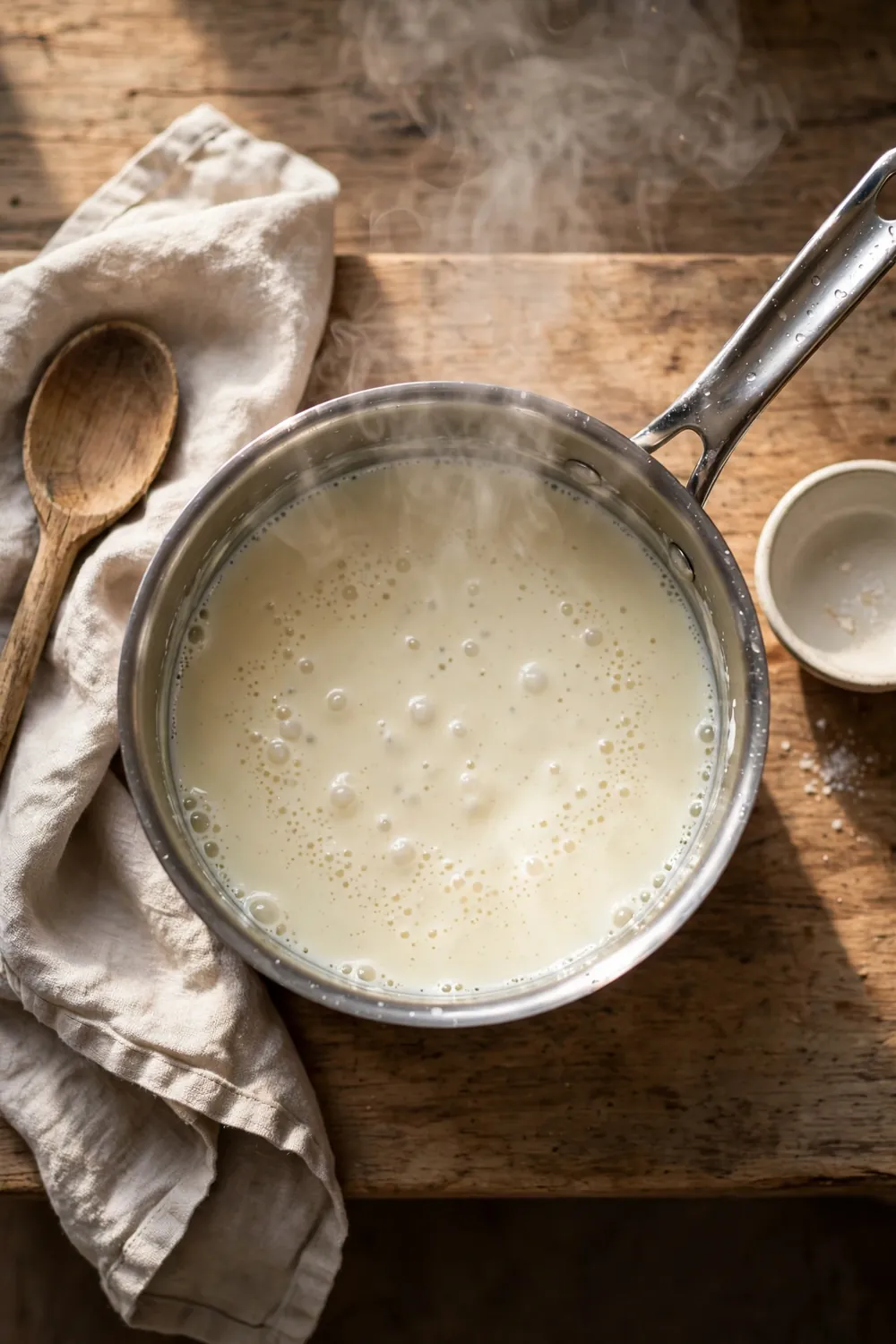
Heat decides the result more than any other choice, since a hard boil can never leave cream smooth. Gentle heat lets the cream thicken slowly without splitting. Keep the flame low from the start, and patience will guard the texture better than speed ever could.
- Simmer the sauce on the lowest flame that still gives a lazy bubble.
- Never let a cream sauce reach a hard rolling boil.
- Pull the pan off the heat before you stir in cheese.
- Warm the cream in a small pan before it meets the sauce.
Temper Cream First
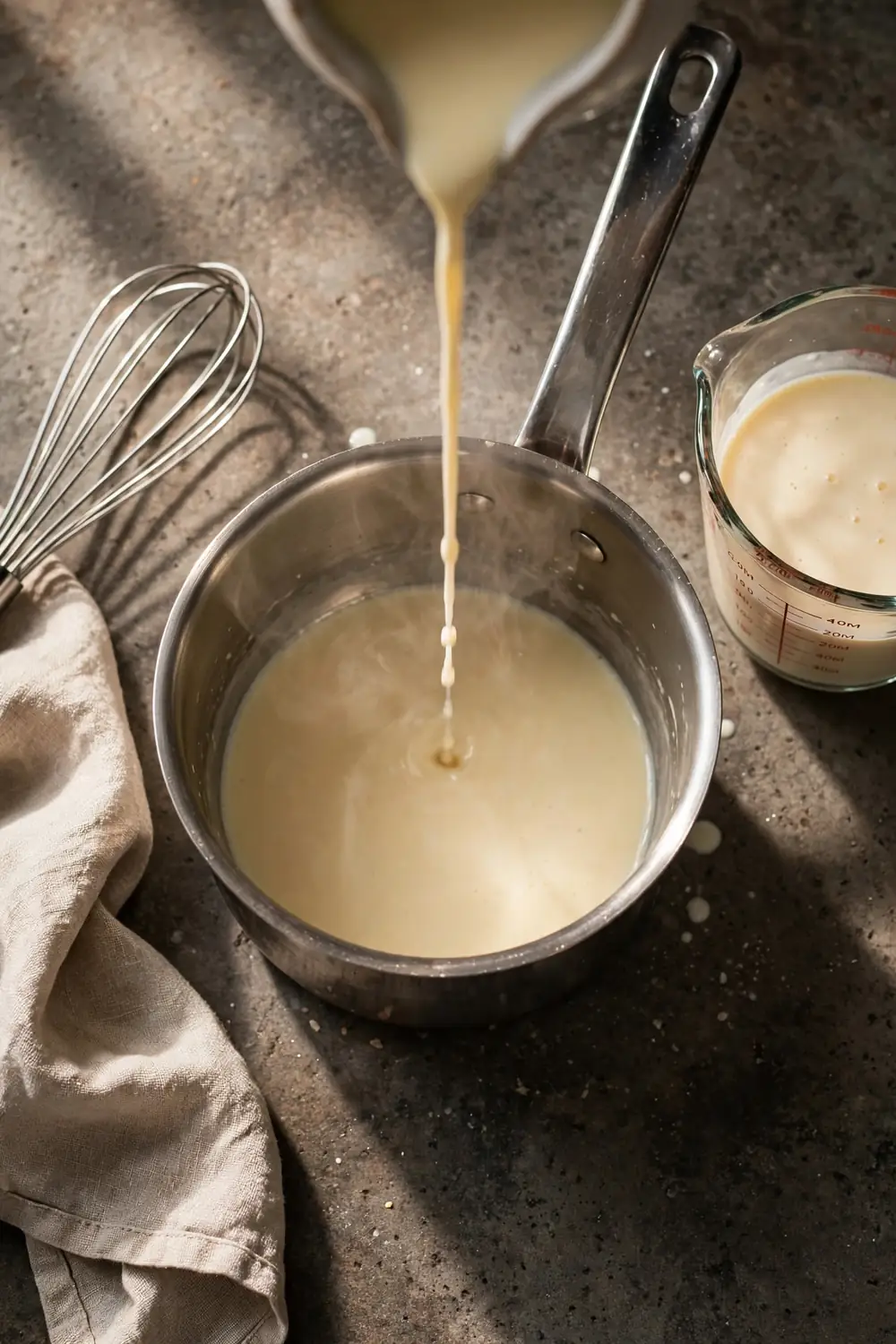
Quick Tip: Tempering is the fastest way to stop cold cream from splitting, and it takes under a minute. Whisk a spoonful of hot sauce into the cream first, so the cream warms gently. Tempered cream joins the pan without shock, and the sauce stays smooth.
Whisk two spoonfuls of the hot sauce into the cream, then pour the warmed cream back into the pan. The cream meets the heat slowly, so it never splits or clumps. Temper once at the start, and the sauce turns glossy and pours clean over pasta.
Choose Full-Fat Cream
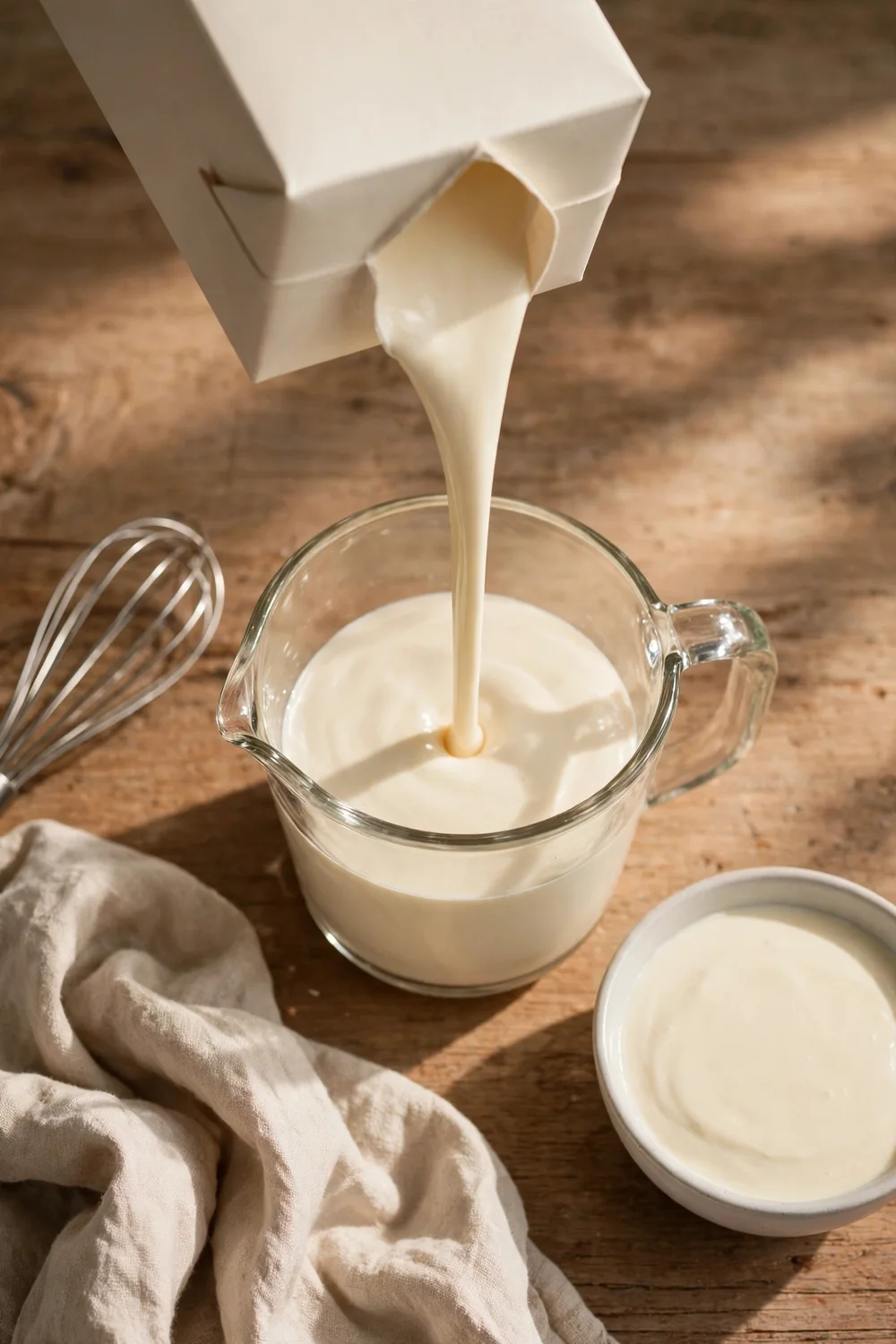
Common Mistake: Many cooks reach for low fat cream or milk to lighten the sauce. Thin dairy lacks the fat that shields proteins from heat, so it splits fast. The sauce can look smooth for a moment, then turn grainy in the pan.
The Fix: Use heavy cream with at least thirty six percent fat for every cream sauce. Its fat coats the proteins and holds the sauce together under gentle heat.
Full fat cream forgives small slips that thin dairy never would, from a flame set a touch high to a rushed stir. Keep a carton of heavy cream on hand for sauce nights, and save lighter dairy for soups that boil freely. Fat is what keeps the sauce together from pan to plate.
Add Acid Last
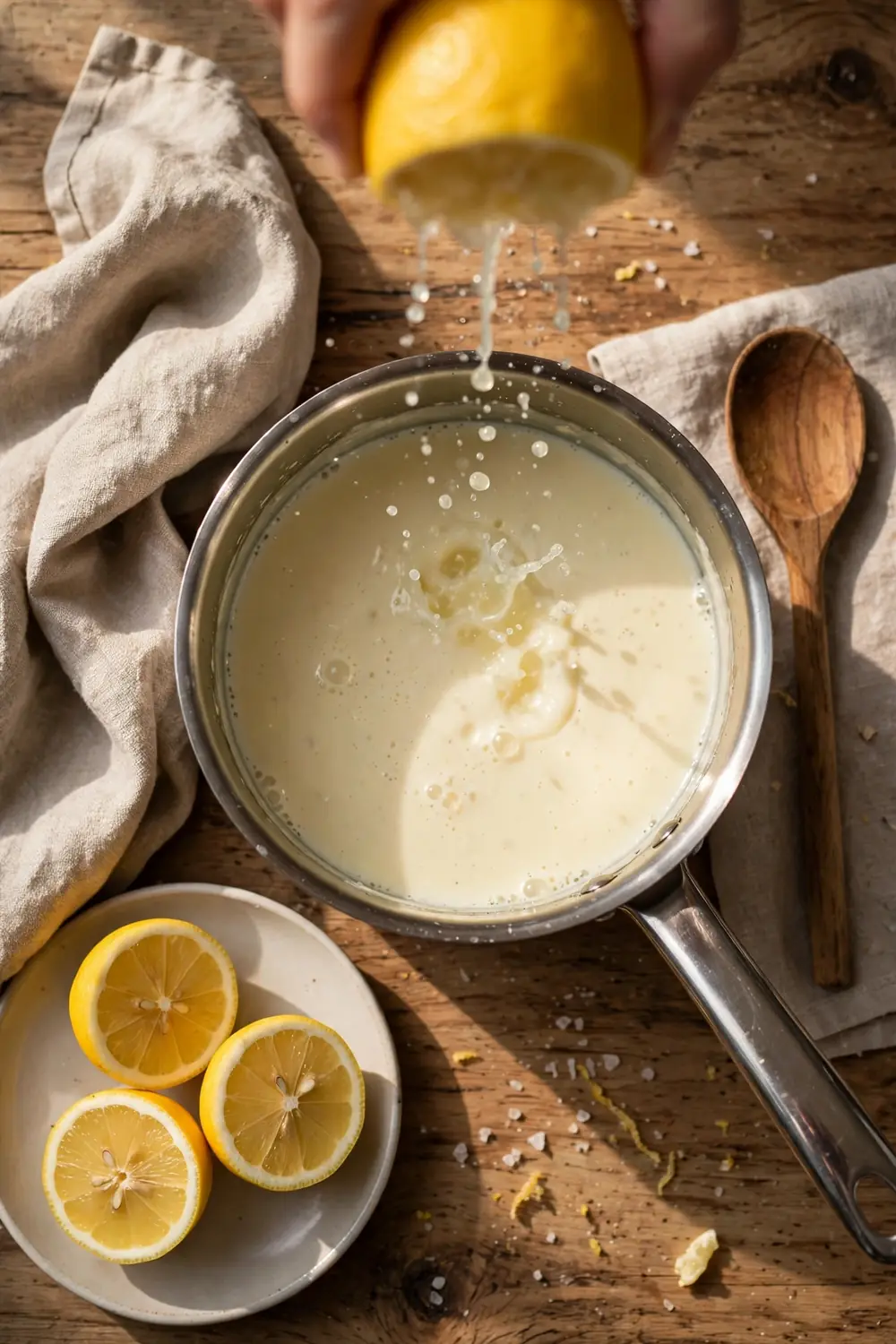
What You Need:
- Lemon juice: Squeeze it fresh and add it only after the pan leaves the heat.
- White wine: Reduce it in a separate pan first, then stir it in at the end.
- Vinegar: Use a small splash at the end, since a little goes a long way.
- A tasting spoon: Taste after each small addition, so the acid stays balanced.
Acid added to hot cream breaks the proteins apart, so the sauce splits and turns grainy in seconds. Late acid keeps the cream whole while the flavor still shines through bright and fresh. Add acid last, and the sauce stays smooth enough to pour clean over pasta.
Use Starch Slurry
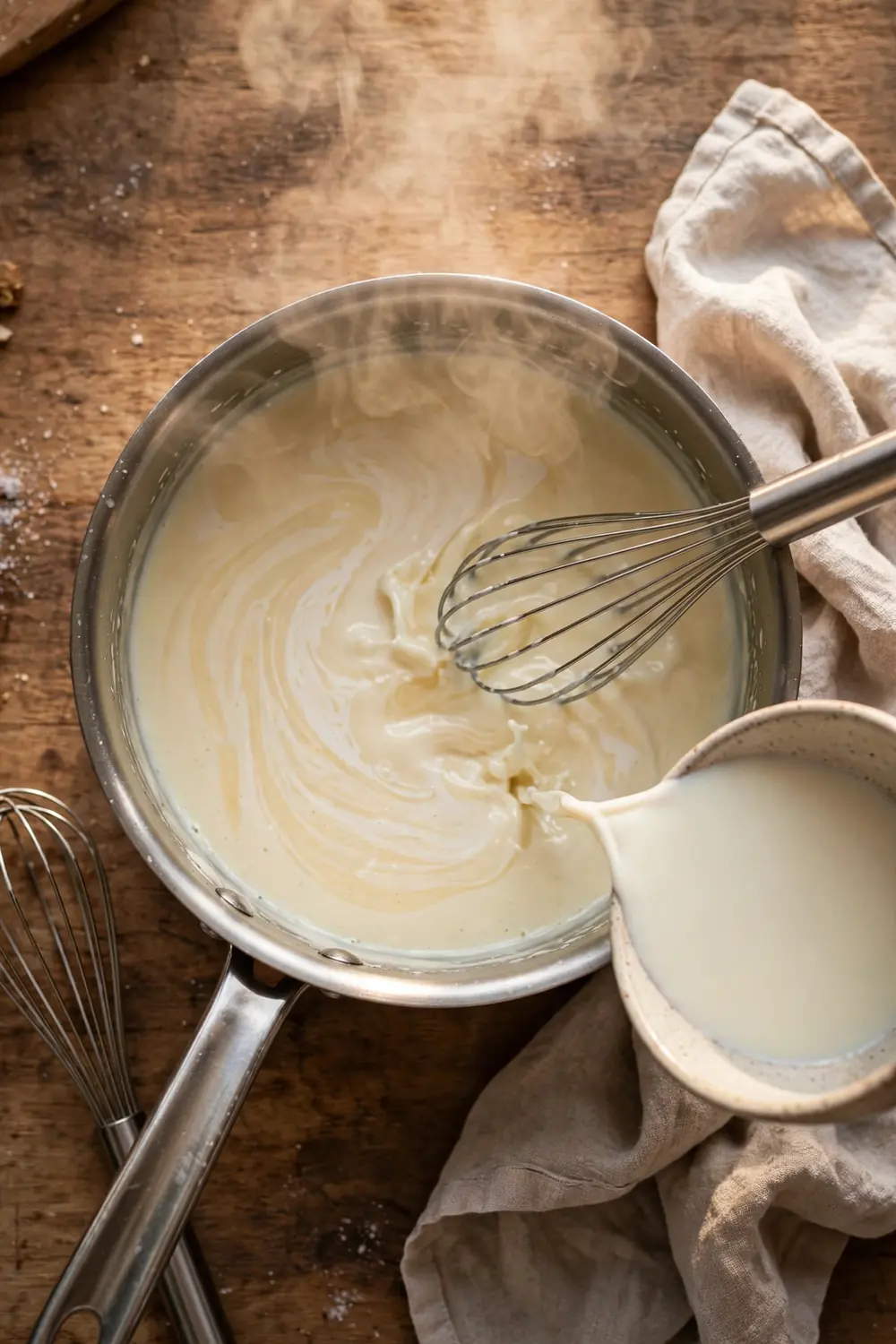
Before: Split sauce straight from the pan looks grainy on the plate. White bits sit on the pasta, and the sauce feels rough and thin.
After: Sauce steadied with a starch slurry turns smooth and glossy. The starch holds the cream together, and every serving looks neat.
Whisk one teaspoon of cornstarch mixed with cold water into the sauce, then simmer gently. The starch steadies the cream, so the sauce turns smooth and glossy without extra fat. A slurry takes a minute, yet the sauce looks far better for the small effort.
Rescue Split Sauce
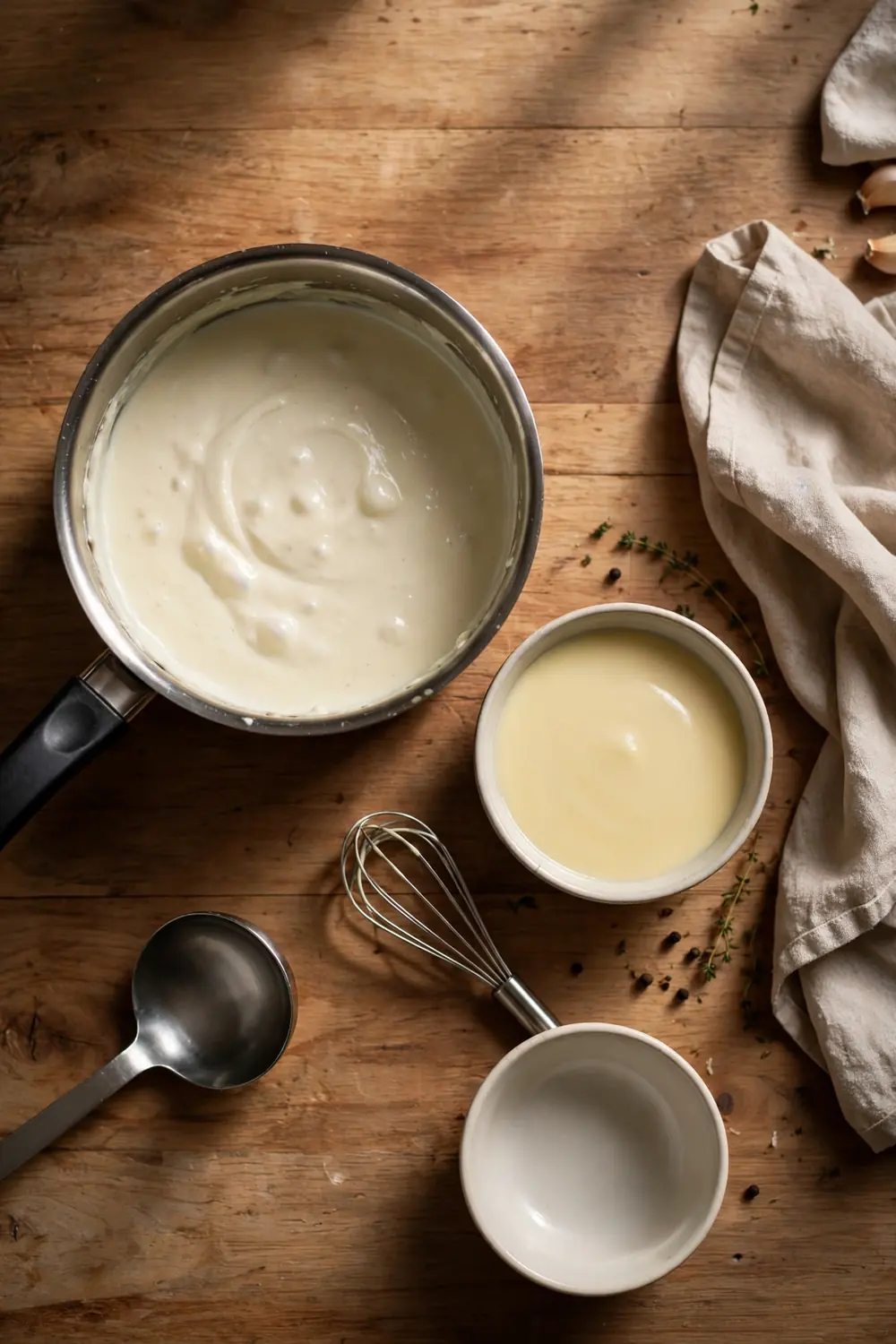
Do This:
- Pull the pan off the heat at once.
- Whisk the sauce hard for a full minute.
- Strain the sauce through a fine mesh strainer.
- Whisk in a spoonful of cold cream.
Avoid This:
- Do not keep boiling split sauce.
- Do not add acid to hot cream.
- Do not serve grainy sauce and hope no one notices.
- Do not reheat the sauce at high heat.
Split sauce is not ruined, and the flavor still tastes good inside the pan. Pull it off the heat, whisk it hard, and strain it smooth before anyone sits down. A little care saves dinner, and the rescued sauce tastes rich for everyone at the table.
Store Sauce Right
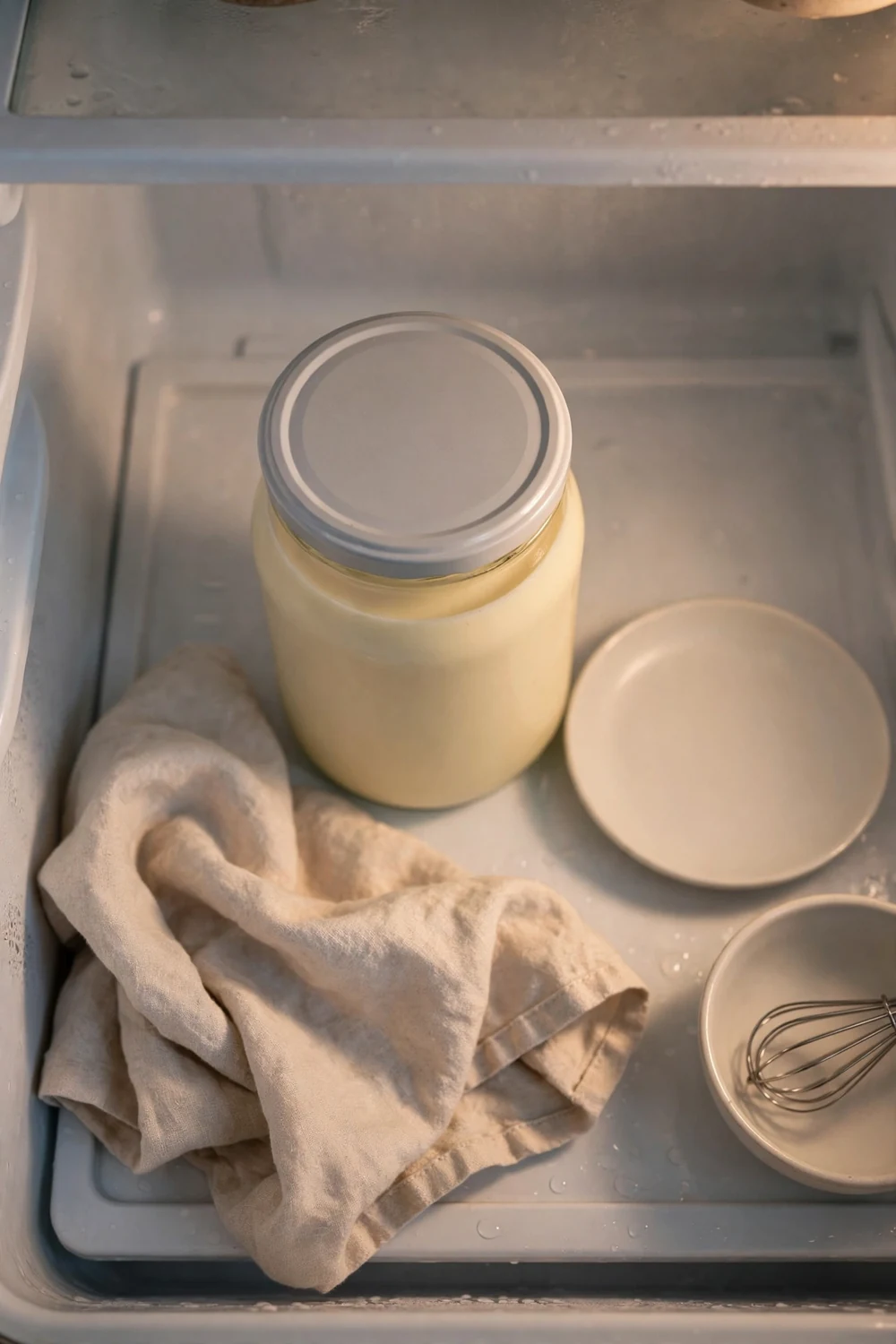
Best Rule: Cool sauce before you seal it
Fridge Life: Keep leftovers up to three days
Freezer Life: Cream sauce does not freeze well
Result: Smooth sauce that reheats gently
Sauce stored uncovered in the fridge dries into a skin, even when it started out perfect. Cold air pulls moisture from the top, and the texture turns thick and grainy. Seal it tight in a jar, and the sauce stays smooth for days after you serve it.
Reheat Sauce Gently
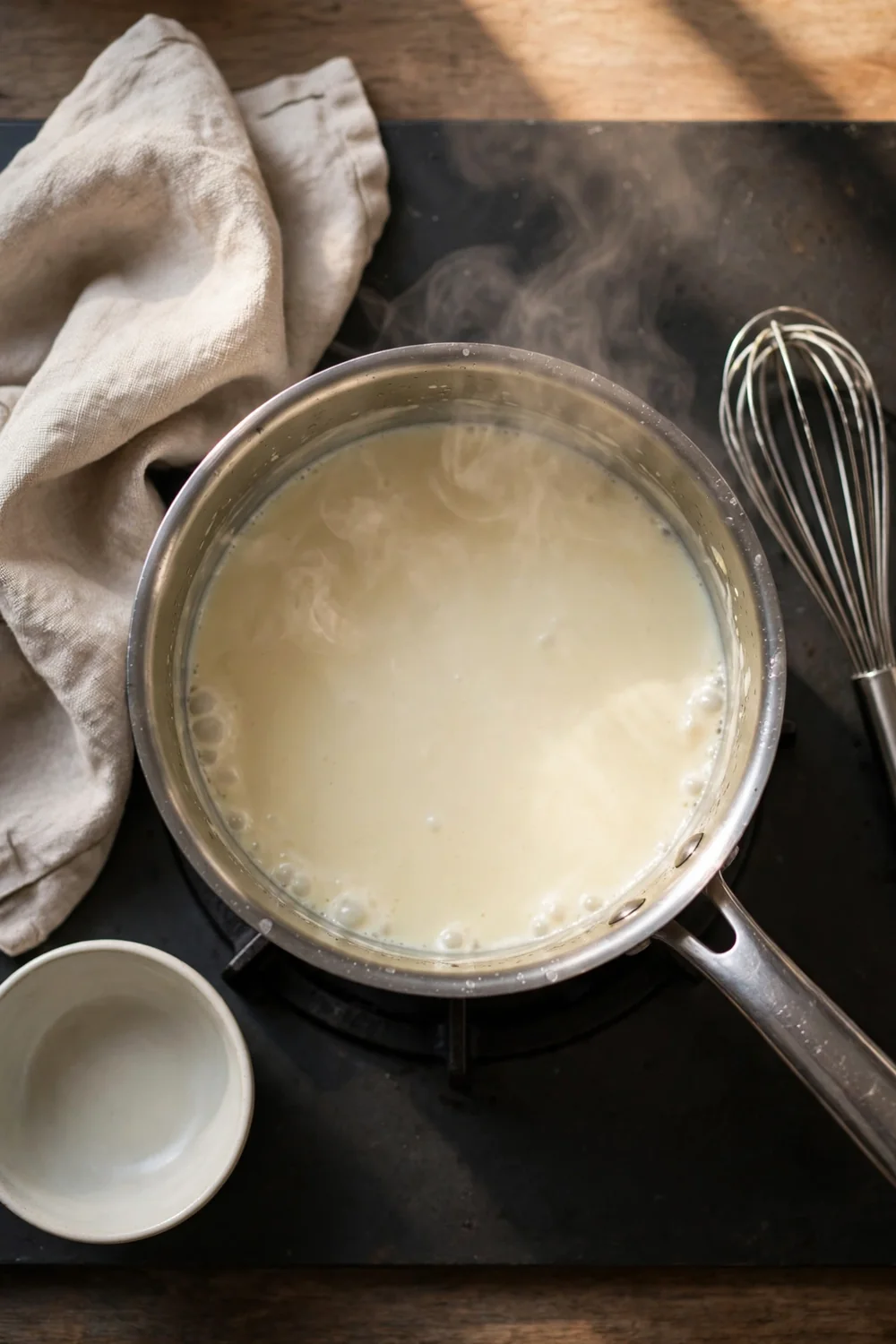
Sauce reheated fast over high heat splits before it warms through the center. The cream clumps, and the sauce turns grainy in the pan. Gentle reheating solves the trouble before it starts, since high heat is the fastest way to spoil a good sauce.
Warm the sauce low and slow, whisking often and adding a splash of cream if it thickens too much. The heat stays gentle, so nothing splits while the sauce warms. Slow reheating keeps the sauce glossy, smooth, and easy to serve each time you warm it up.
Avoid Common Mistakes
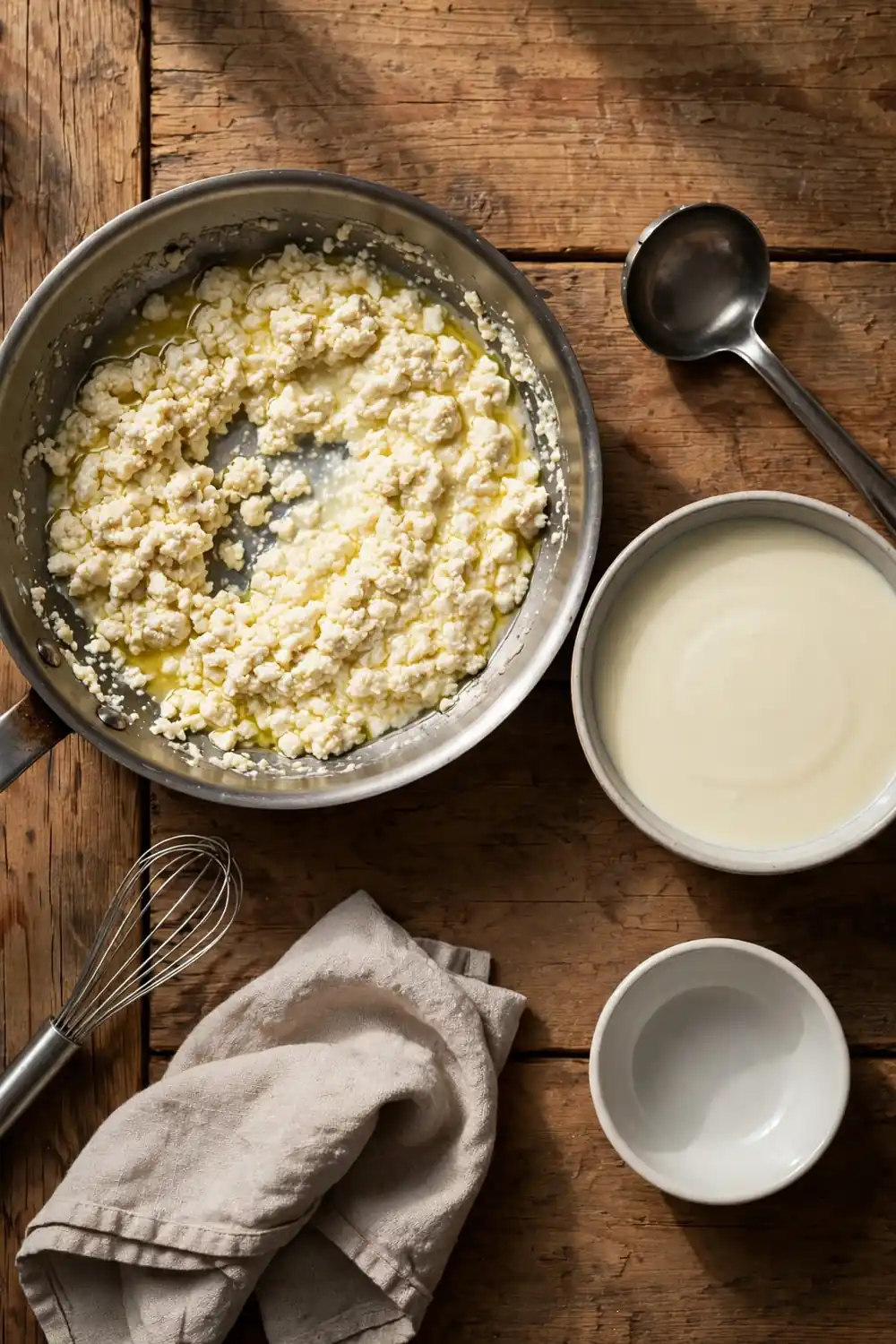
Most split sauces come from the same few slips, and all of them are easy to fix. Change one habit at a time, so you can see which fix helped most. Start with the heat, then check the acid, then look at the cream.
- Do not boil cream sauce hard.
- Do not add acid to hot cream.
- Do not use low fat cream for sauce.
- Do not reheat sauce at high heat.
Perfect Sauce Signs
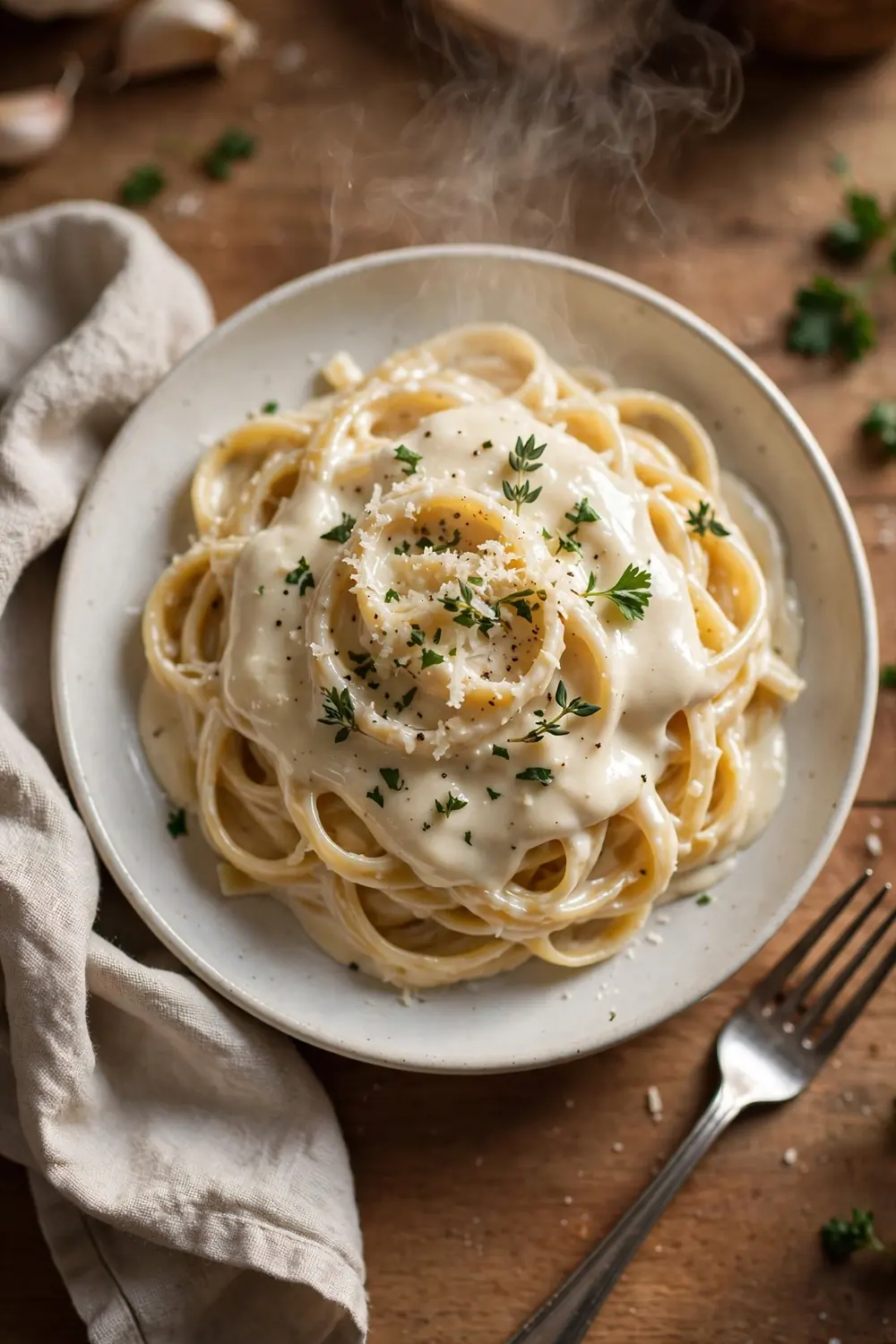
Quick Tip: Perfect sauce looks glossy, with a smooth pour that coats the spoon. The sauce feels rich, never grainy or split. Trust these signs more than the color of the cream.
Good sauce tells you it worked before you taste a single spoonful. The sauce looks glossy, the cream stays smooth, and every serving sits neat on the plate. That finish is what each fix on this list is working toward for your next pan tonight.
Conclusion
A pan of curdled cream sauce is not a sign of bad luck in the kitchen. It comes from small, fixable causes, and now you know each one. Keep the heat low, add acid last, and the next sauce can surprise you.
Pick one fix from this guide and try it on your next sauce. Save this post on Pinterest so the fixes are there when you need them, and share it with anyone whose sauce splits.
In my experience, one small change in heat or timing can turn a grainy pan into a glossy pour. Make your next sauce with these fixes and enjoy a smooth finish.

One Comment