How To Fix A Dense And Heavy Cake? Easy Fix Guide
Dense heavy cake is disappointing when you expected a light, tender crumb. The usual causes are too much flour, overmixing after the flour goes in, and weak or expired leavening. All three are easy to fix with better habits.
You will learn how to cream butter and sugar properly, how to measure flour without packing it, and how to mix just enough. A rescue plan for a heavy cake is included too.
Once the method clicks, your cakes will rise tall and tender, and the next guide on bread crust shows how to fix a loaf with a wide gap under the crust.
Why Cakes Turn Dense

Cakes turn dense when the batter cannot trap enough air. Too much flour weighs it down, overmixing knocks air out, and dead leavening never lifts it in the first place. Air trapped during creaming is what lifts the crumb, so short or cold creaming leaves the cake flat.
Cold ingredients make it worse, since cold butter will not cream into fluffy pockets. Room temperature butter, eggs, and milk give the batter the air it needs to rise. Room temperature butter and eggs make the whole job easier. Weighing the flour takes away the biggest source of extra density.
Creaming Butter And Sugar

Creaming is where a cake gets its lift. The goal is pale, fluffy butter full of tiny air pockets. Cream the butter and sugar for three to four minutes, until the mix looks pale and fluffy. Scrape the bowl halfway through so no dense pockets remain.
- Use butter at cool room temperature, soft but not greasy.
- Beat butter and sugar for 3 to 5 minutes until pale and fluffy.
- Add eggs one at a time, beating well after each.
- Scrape the bowl halfway through so no butter hides at the bottom.
Measuring Flour Right

Quick Tip: Spoon flour into the measuring cup and level it with a knife. Scooping with the cup packs the flour down and can add a quarter cup too much.
That extra flour is the most common cause of heavy cakes. Weighing the flour is even better: 120 grams per cup is the standard for all purpose flour. A kitchen scale removes the guesswork entirely. Spoon the flour into the cup and level it, since a packed cup can add a quarter cup too much.
Eggs And Leavening Balance

Common Mistake: Many bakers beat the batter hard after adding flour, thinking a smooth batter makes a better cake. The beating develops gluten, knocks out air, and bakes into a dense, rubbery crumb.
The Fix: Fold the flour in gently on the lowest speed, or by hand, and stop as soon as no streaks remain. A few small lumps are fine.
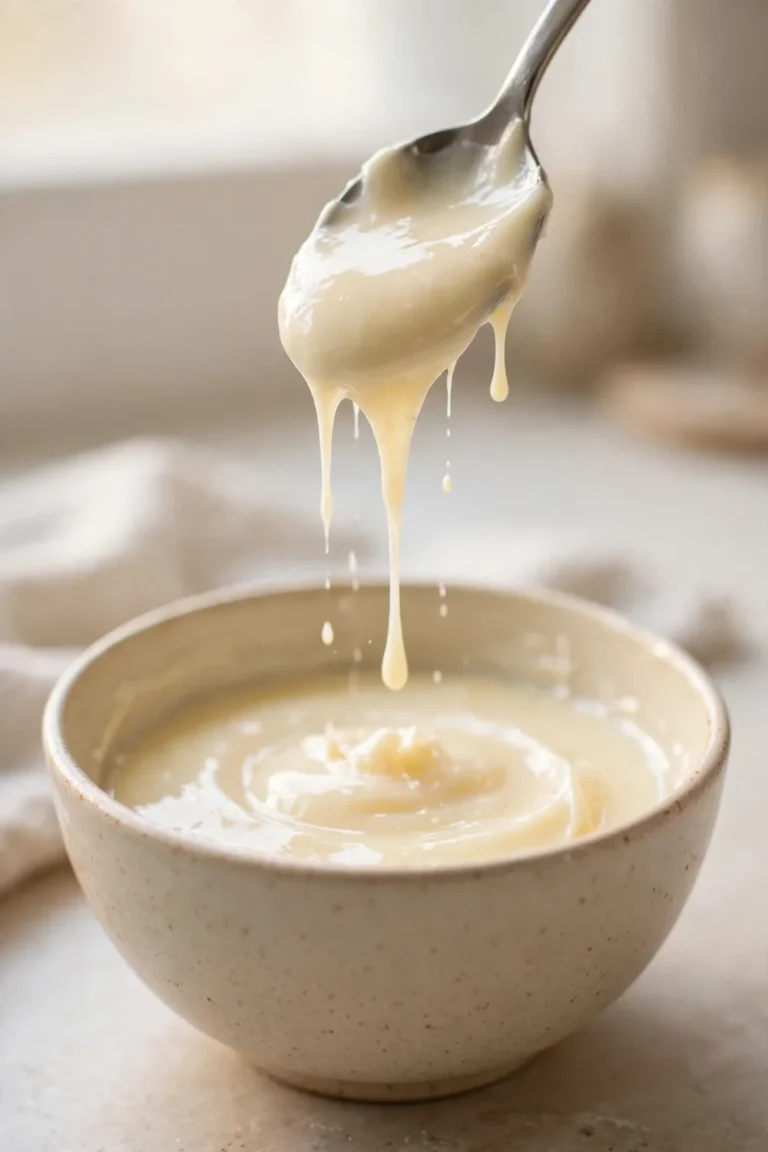
Alternate flour and liquid in three additions, starting and ending with flour. The gentle method keeps the air you built during creaming. Fold the last flour in by hand to avoid overworking the batter. The batter should look smooth and fall from the spoon in a thick ribbon.
Fixing Dense Batters

What You Need:
- Kitchen scale: Weighs flour exactly, removing the biggest cause of density.
- Stand mixer: Creams butter and sugar thoroughly without tiring your arm.
- Spatula: Folds flour in gently without knocking out air.
- Oven thermometer: Confirms the true oven heat, since dials often lie.
- Cake tester: Checks the center without cutting the cake.
A scale and an oven thermometer are the two tools that change cake baking most. Both cost little, and both remove the guesswork that causes dense cakes. Bring eggs and milk to room temperature before mixing, since cold ingredients curdle the batter. Set them out thirty minutes before you start.
Mixing Speeds That Work

Before: Before, my cakes came out heavy and squat, and I blamed the recipe. The real problem was scooped flour and a batter beaten far too long.
After: After weighing the flour and folding it in gently, the same recipe rises tall with a soft, even crumb. The recipe was never the problem.
Small measuring and mixing changes make a dramatic difference. Light cake is a method, not a mystery. Check the oven with a thermometer, since a cool oven gives a dense, pale cake. Bake on the middle rack and keep the door closed for the first twenty minutes.
Oven Heat And Placement

Do This:
- Bring butter, eggs, and milk to room temperature.
- Weigh or spoon and level the flour.
- Cream butter and sugar until pale and fluffy.
- Fold flour in gently and stop early.
Avoid This:
- Do not scoop flour with the measuring cup.
- Do not beat batter after adding flour.
- Do not open the oven in the first half of baking.
- Do not use expired baking powder or soda.
These habits build lift at every step. Once they feel routine, dense cakes become rare. Line the pan with parchment and grease the sides lightly, so the cake climbs evenly. A pan that is too small also bakes dense, so use the size the recipe calls for.
Rescuing A Heavy Cake

- Time Needed: About 10 minutes of mixing plus baking.
- Difficulty: Easy to medium, mostly measuring.
- Cost: Low, a scale helps most.
- Best For: Butter cakes, sponge cakes, and layer cakes.
All purpose flour weighs about 120 grams per cup. Butter cakes bake best near 350 degrees Fahrenheit. Check baking powder by dropping a spoonful in hot water; it should fizz strongly. Warm a dense slice briefly and serve it with whipped cream and fresh berries.
Serving With Light Toppings

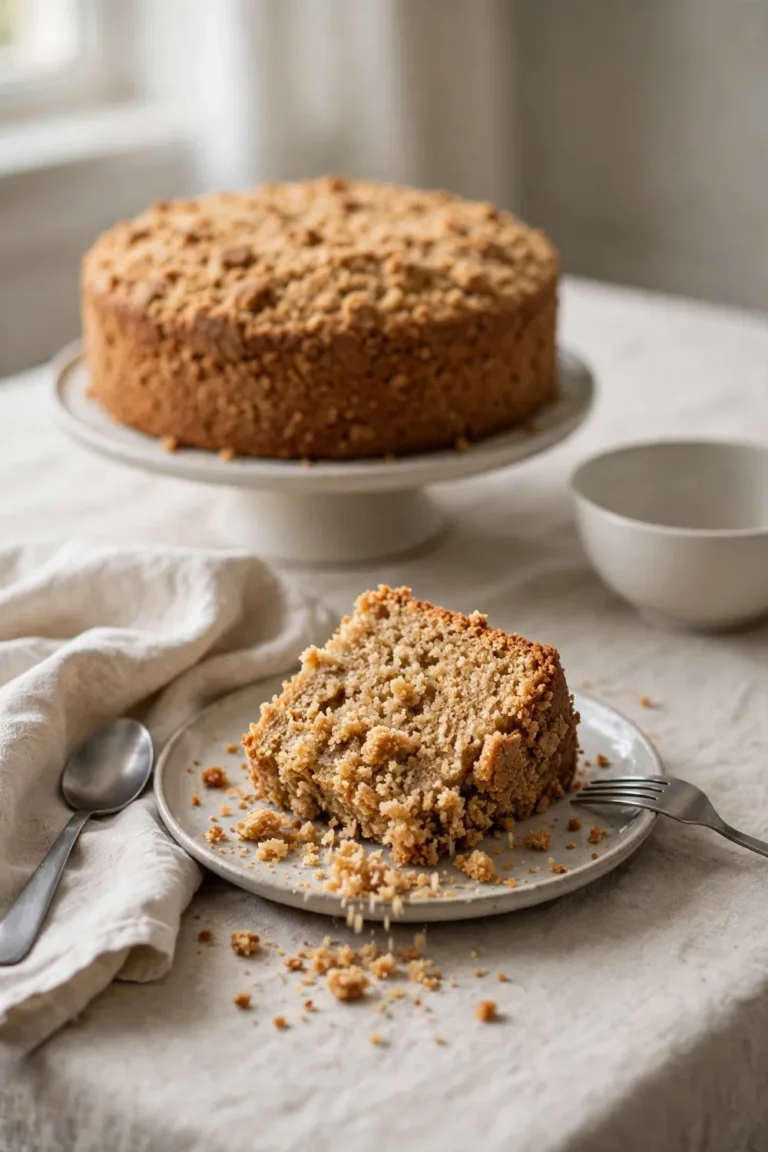
If a cake already baked dense, serve it in thin slices with whipped cream and fruit. The light toppings balance the heavy crumb, and the plate looks generous. A trifle layers cubes of dense cake with custard and fruit, which hides the heavy texture well.
Cube the cake for a trifle with custard and berries, or toast slices lightly and serve with ice cream. A heavy cake makes a great base for layered desserts. Toasting slices in a pan with a little butter adds crisp edges and a fresh flavor.
Storing Cake Without Drying

A heavy crumb dries out faster than a light one, so store it well. Wrap tightly and keep it cool. Wrap cooled cake tightly before storing, since air dries a dense crumb faster. A sealed container at room temperature keeps it fresh for two days.
- Cool the cake fully on a rack before wrapping.
- Wrap tightly in plastic, then in foil.
- Store at room temperature for up to two days.
- Freeze longer storage, and thaw wrapped.
Light Cake Checklist
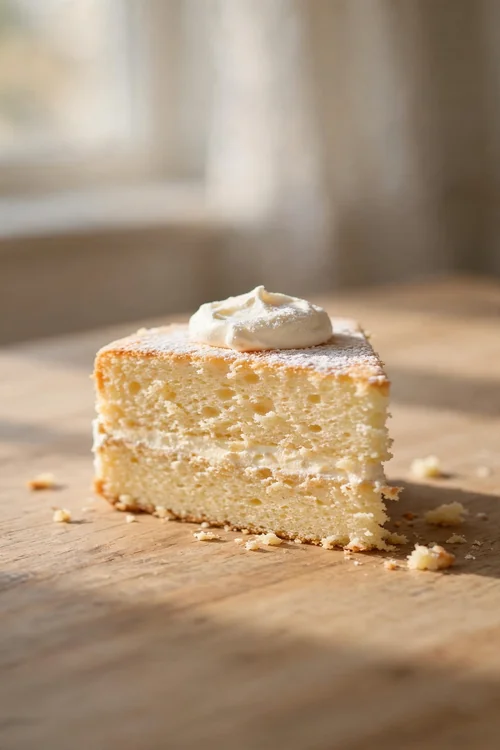
Quick Tip: Test your baking powder before every cake. Drop half a teaspoon into hot water; strong fizzing means it is alive. Flat water means a flat cake.
With weighed flour, gentle mixing, and fresh leavening, your cakes will rise tall and tender every time. Note the corrected flour weight on the recipe, so the next cake starts from the right amount each time. Small records like this make baking more reliable over time.
Conclusion
A light crumb is built at every step, from creaming to cooling. If dense heavy cake shows up on your table, check your flour measuring, your mixing time, and your oven heat first. Cream butter and sugar until pale, fold in flour gently, and test with a skewer before pulling the cake out. Serve a heavy slice with whipped cream and fresh fruit to lighten the plate. With these habits, your cakes will rise tall and tender. For the fix that came before this one, see this brownie edges guide for help with hot spots and timing.