Why Is My Pasta Salad Dry The Next Day? Easy Fix Guide
A bowl of dry pasta salad looks sad long before anyone tastes it. The noodles soak up the dressing, the vegetables wilt, and the whole dish turns stiff and bland. The fix starts with how you cook and dress the pasta.
This guide walks through each fix in order, from cooking to chilling to serving. You need no special tools, just a little timing and a few pantry staples. Most dry bowls bounce back in minutes with the right moves. A little planning keeps every bowl creamy. For a cake that dries out instead, see our chocolate cake guide for a soft, moist rescue.
Why Pasta Salad Dries
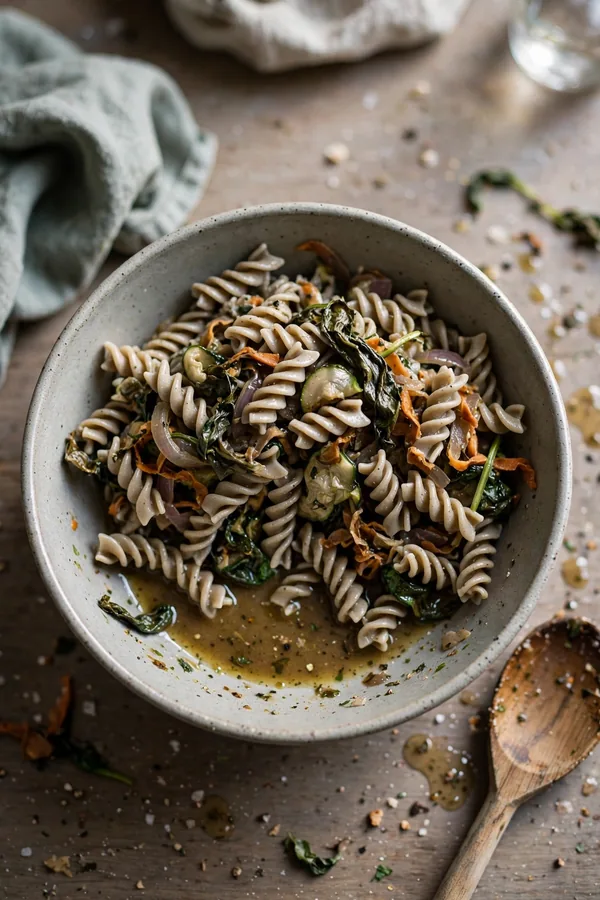
Pasta salad dries out for three main reasons: thirsty pasta, too little dressing, and long chilling. Hot pasta drinks up dressing as it cools, leaving the bowl dry by serving time. A skimpy dressing never had a chance, and an uncovered fridge pulls out even more moisture.
The good news is that each cause has a simple fix. Once you see which one hit your bowl, you can correct it before serving. Think of pasta salad as a dish that needs moisture at every step. A few small changes make a big difference here.
Cook Pasta Just Right

Pasta for salad should stay firm, never mushy. Cook it just past al dente, about one minute longer than the package says, so it holds up under dressing. Firm pasta also absorbs less dressing while it cools. That small margin keeps the texture right.
- Salt the water well, since bland pasta cannot be fixed later.
- Cook one minute past al dente, then drain at once.
- Rinse briefly under cool water to stop the cooking.
- Toss with a spoonful of dressing while the pasta is still warm.
Dress While Warm

Quick Tip: Dress the pasta while it is still warm, not cold from the fridge. Warm noodles drink in flavor instead of sitting in a puddle. This one step changes the whole bowl.
Toss the warm pasta with half the dressing, then chill it covered. The noodles absorb flavor as they cool, and the rest of the dressing stays glossy on top. In my experience, this two-stage method beats dressing cold pasta every time. The bowl stays creamy for hours.
Pick the Right Dressing

Common Mistake: Many cooks use a thin, watery dressing that slides right off the pasta. The bowl looks dressed for five minutes, then the liquid pools at the bottom and the noodles dry out.
The Fix: Choose a dressing thick enough to coat a spoon, and make a little extra. A creamy vinaigrette or a mayo based dressing clings far better than a thin one.
Whisk the dressing well and taste it before it meets the pasta. A dressing that tastes bold on its own will taste just right once it spreads over a full bowl. Keep a small jar of extra dressing in the fridge for a quick refresh.
Add Juicy Ingredients
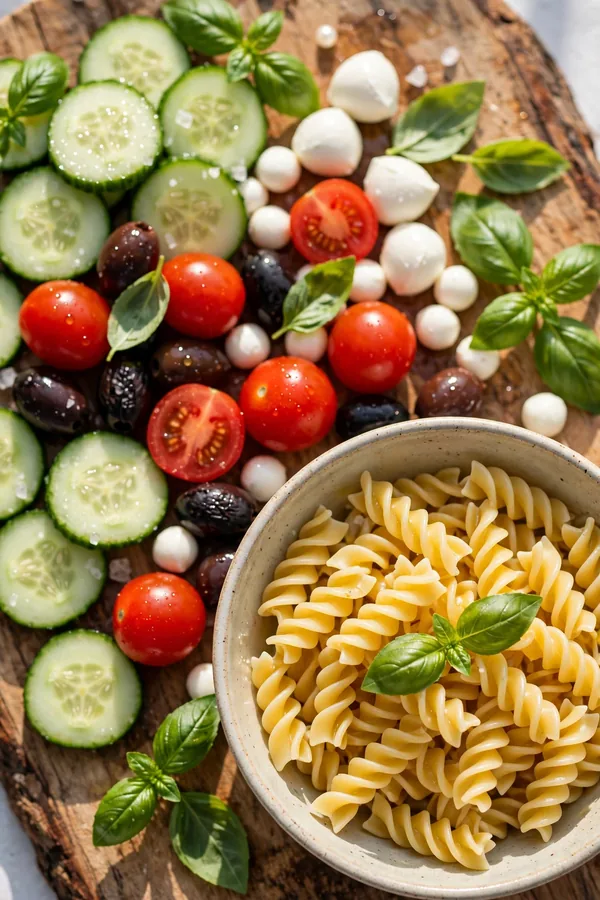
What You Need:
- Cherry tomatoes: halved, they leak juice that keeps the bowl moist.
- Cucumber: diced small, it adds crunch and fresh water.
- Olives: briny and rich, they keep every bite lively.
- Mozzarella: small pearls stay soft and add creamy pockets.
- Herbs: fresh basil or parsley brightens the whole bowl.
Pick ingredients that add moisture instead of soaking it up. Raw vegetables, juicy tomatoes, and soft cheese all help the bowl stay fresh. Dry add-ins like croutons should wait until serving time, or they turn soggy and dull. Balance wet and dry add-ins in every single bowl.
Chill Without Drying

Before: The bowl sat uncovered in the fridge for hours, and the cold air dried the pasta to a stiff mat. The dressing vanished, the vegetables wilted, and serving felt embarrassing.
After: The same salad, chilled covered with plastic pressed on the surface, stayed glossy and fresh. The pasta kept its bite, the dressing stayed put, and the bowl looked ready to serve.
Cover the bowl tightly so fridge air cannot reach the pasta. Press plastic wrap right onto the surface for the best seal, then add the lid. A covered bowl holds moisture for hours without any extra work. This simple habit protects every chilled salad you make.
Refresh Before Serving

Do This:
- Stir in a spoonful of reserved dressing just before serving.
- Add fresh herbs at the last minute for bright flavor.
- Let the bowl sit at room temperature for ten minutes.
- Taste and adjust salt after the refresh, not before.
Avoid This:
- Do not serve straight from the fridge while the dressing is stiff.
- Do not drown the bowl in dressing to fix dryness.
- Do not add crunchy toppings until the last moment.
- Do not leave the bowl sitting out for more than two hours.
A quick refresh rescues almost any bowl, even one that sat overnight. A spoonful of dressing, a handful of herbs, and ten minutes of patience bring the salad back to life. Serve it cool, not cold, for the best flavor. Your guests will taste the difference at once.
Pasta Shapes Matter

Time Needed: About 25 minutes, plus chilling time.
Difficulty: Beginner friendly with easy steps.
Cost: Uses pantry pasta and fresh vegetables.
Best For: Potlucks, picnics, and make-ahead lunches.
Short sturdy shapes like rotini and fusilli hold dressing in their twists. Smooth shapes like penne shed dressing faster and dry out sooner. Pick a shape with ridges or curves, and the bowl stays coated far longer. Shape choice is a quiet fix that pays off.
Balance Flavors Well
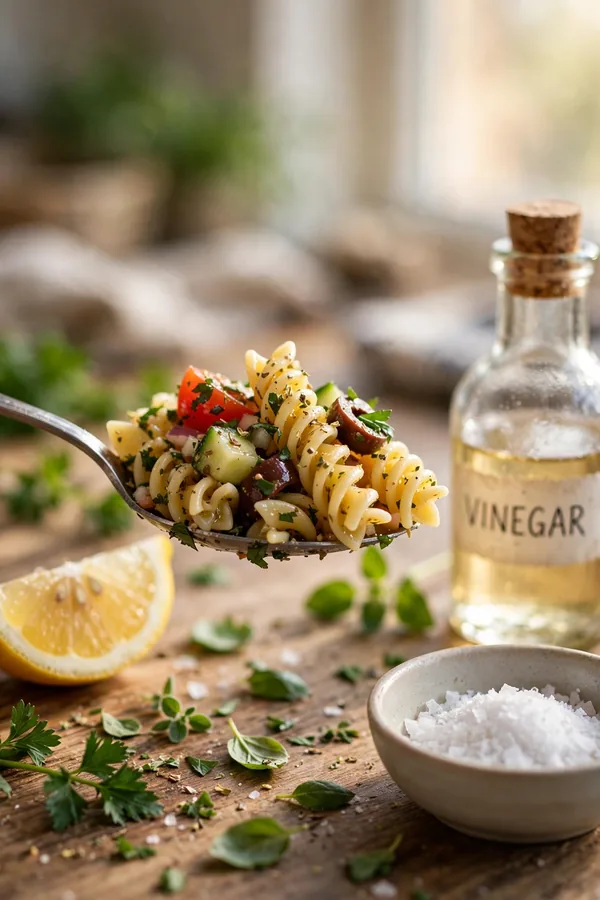
A good pasta salad balances salt, acid, fat, and crunch. If the bowl tastes flat, it usually needs acid more than salt. A splash of vinegar or lemon juice wakes up the dressing without adding more oil.
Taste after the refresh and adjust in small steps. A pinch of sugar can round out a sharp dressing, while extra herbs add freshness. When the flavor feels bright and balanced, the bowl is ready to serve. Trust your tongue more than any recipe here. Small tweaks now make the whole bowl sing.
Rescue Dry Leftovers
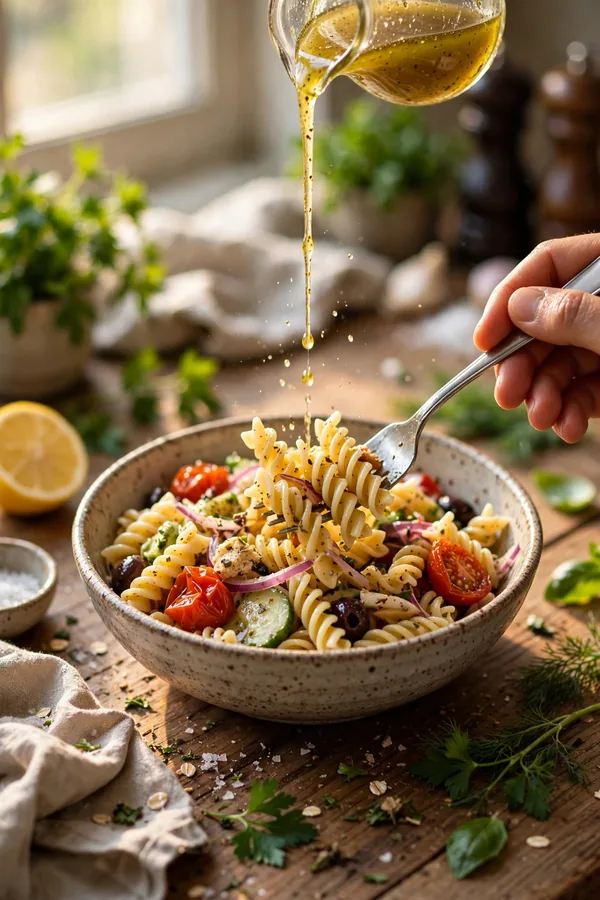
Leftover pasta salad almost always dries out overnight as the noodles keep drinking. Do not throw it away, since a quick refresh brings it back. The rescue takes five minutes and no special tools. Start with the gentlest fix and stop as soon as it glistens.
- Spoon the salad into a bowl and drizzle in a little dressing.
- Add a splash of water or vinegar to loosen the noodles.
- Toss gently and rest ten minutes so the pasta absorbs it.
- Stir in fresh herbs and serve at cool room temperature.
Next Salad Checklist

Quick Tip: Keep this checklist on the fridge for your next salad. A glance before cooking saves a rescue later. Soon the habits feel automatic, and every bowl lands creamy and fresh.
Great pasta salad comes from habits, not luck. Cook the pasta firm, dress it warm, chill it covered, and refresh before serving. Check the gloss early, adjust the next round, and enjoy a bowl that stays creamy to the last scoop. That is a bowl worth repeating.
Conclusion
Creamy pasta salad comes from pasta cooked with care, dressing added while warm, and a quick refresh before serving. Fix those three habits and dry pasta salad becomes a rare mishap instead of the usual result. Start with firm pasta, dress it warm, and chill it covered. Your next bowl should stay glossy, taste fresh, and hold its dressing to the last scoop. If another dish puzzles you, read our watery chili guide for thick pot fixes. Keep this guide handy and cook with confidence every single time at the table. Your guests will notice the difference at once.