Why Is My Mac And Cheese Dry After Reheating? Easy Fix Guide
Dry reheated mac and cheese is a letdown after a creamy first serving. The pasta soaks up sauce overnight, and high heat turns the rest grainy. A little liquid and gentle warmth bring it back.
Starch keeps absorbing moisture in the fridge, so leftovers always need extra milk or cream. Fast, hot reheating squeezes fat out of the cheese and leaves a dry, clumpy bowl. The trick is to add liquid before heat and to warm the bowl slowly.
This guide covers stovetop, oven, and microwave fixes in order. If salty chicken is your next problem, the brined chicken guide balances the brine.
Why Leftovers Dry Out
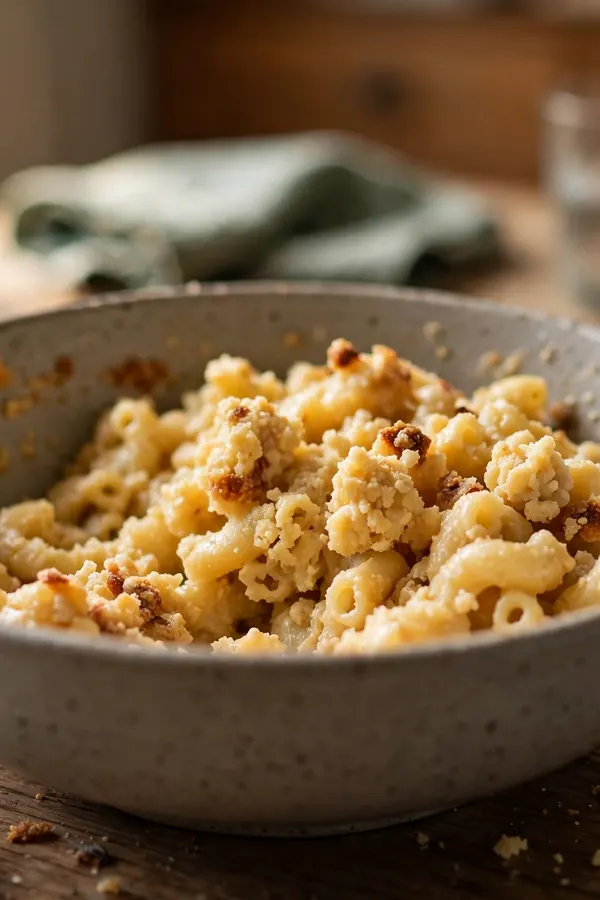
Pasta is a sponge. Even in the fridge, elbows keep pulling sauce into their starch, so a creamy dish turns stiff overnight. Reheating without added liquid only concentrates the problem. Short shapes like elbows absorb sauce fast because their curves trap liquid inside. A saucy dish can turn stiff overnight.
High heat makes it worse by breaking the cheese sauce. Fat separates, proteins tighten, and the bowl turns grainy. In my experience, low heat plus added milk restores the original texture. Stir in the milk a spoonful at a time so the sauce loosens without turning thin.
Add Milk First

Milk is the simplest fix. It loosens the sauce and gives the cheese something to melt into. Cream works too, but milk keeps the dish light. Start with two tablespoons per cup, then add more as the pasta warms. A second splash halfway through keeps the sauce silky.
- Add two tablespoons of milk per cup of leftovers.
- Stir the milk through the cold pasta before heating.
- Warm slowly and add more milk by the spoonful.
- Stop when the sauce coats the pasta loosely.
- Add a small knob of butter for extra shine.
Reheat On Stovetop
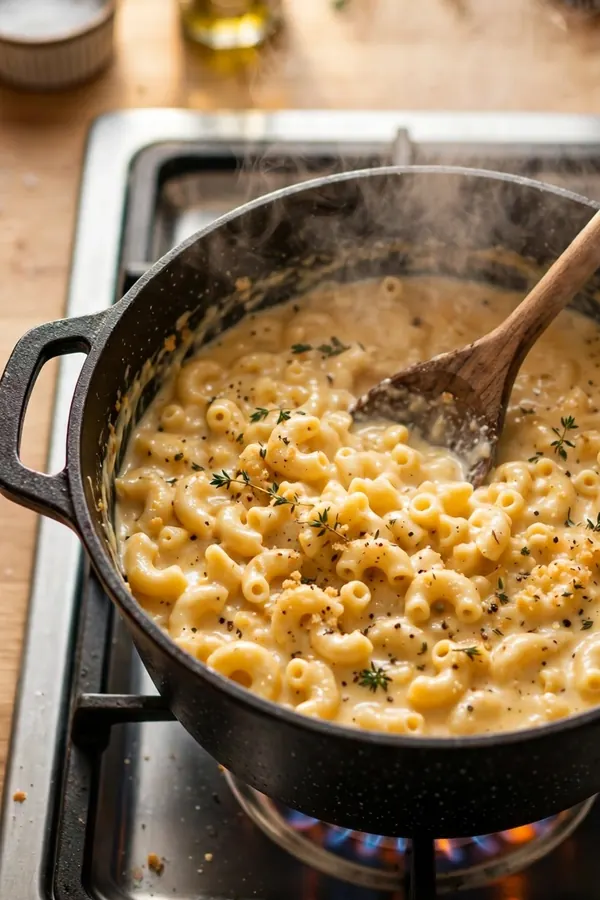
Quick Tip: Use a heavy pot over the lowest heat and stir often. A thin pan scorches the bottom before the middle warms. Patience gives a smooth, even result.
Cover the pot for the first minute to trap steam, then stir and uncover. The sauce should look glossy, not soupy, when it is ready to serve. Stir often so the bottom never scorches while the center warms through. When the sauce looks glossy and coats each elbow, pull the pot off the heat.
Revive In Oven

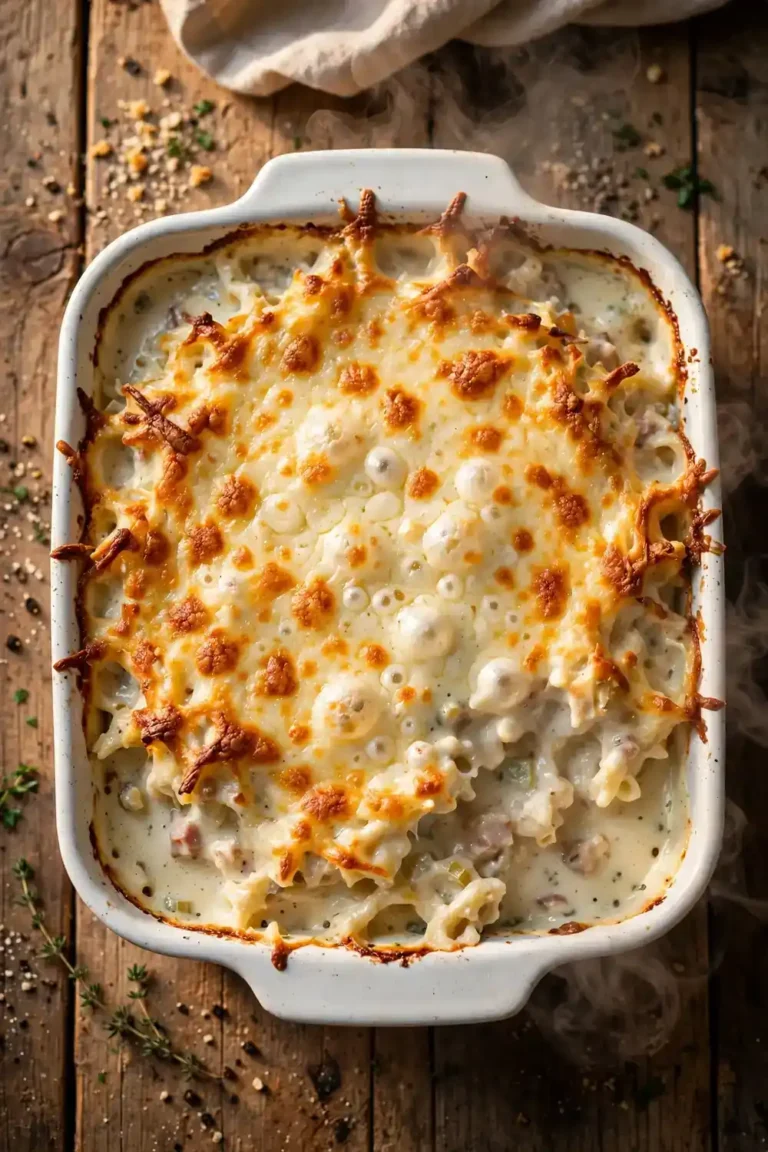
Common Mistake: Reheating a cold tray of baked pasta uncovered at high heat. The top dries into a crust while the center stays cold, and the cheese turns rubbery.
The Fix: Sprinkle the tray with milk, cover tightly with foil, and bake at 350 degrees until the center is hot. Remove the foil for the last five minutes to re-crisp the top.
A foil cover traps steam and lets the sauce loosen before the cheese re-melts. The result tastes freshly baked instead of reheated. Keep the foil tight so steam stays inside and the sauce loosens evenly. Check the center with a spoon before serving, since cold spots hide under a hot top.
Fix Microwave Portions
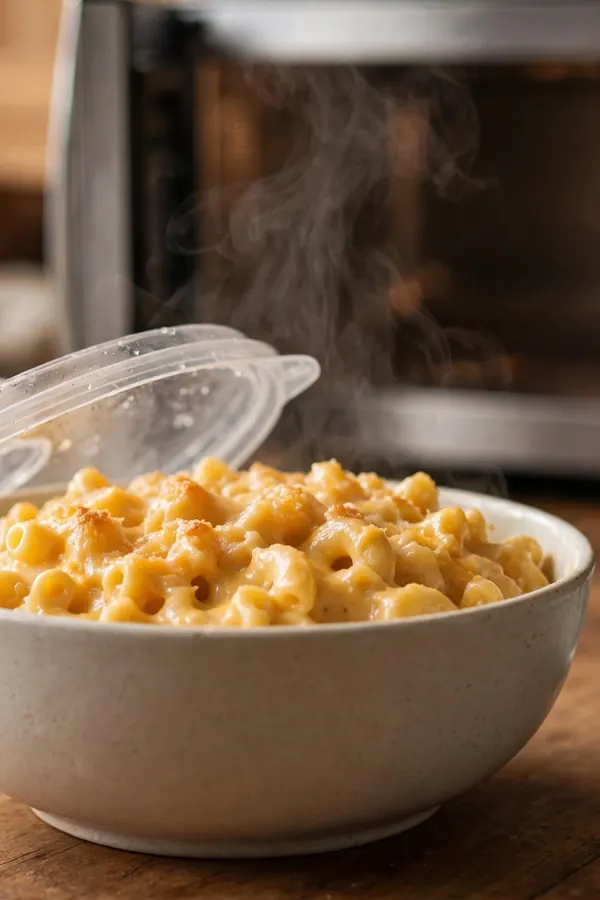
What You Need:
- Milk or cream: The key liquid for loosening cold sauce.
- Heavy pot: Even heat prevents scorching.
- Microwave safe bowl: A loose lid traps steam without splatter.
- Butter: A small knob adds richness and shine.
- Extra cheese: A handful melts in and refreshes the sauce.
Keep milk and butter ready before you start. Reheating goes fast, and stopping to hunt for ingredients lets the pasta overcook. Set out the milk, butter, and cheese before you heat anything, since a hot bowl waits for no one. Keep a spoon nearby and taste at the end so the seasoning stays balanced.
Prevent Sticky Pasta

Before: Pasta left to sit in its sauce clumps as starch firms up. Cold elbows lock together in the fridge, and reheating without stirring leaves thick, gluey patches.
After: Pasta is tossed with a splash of milk before reheating, then stirred often over gentle heat. The sauce coats each elbow again, and the dish turns creamy instead of clumpy.
Stirring is the real fix, since it breaks up clumps before they set. Add milk a spoonful at a time, and stop once the sauce looks glossy and smooth. Serve right away, because pasta thickens again as it cools on the plate and sticks fast.
Rescue Baked Portions

Do This:
- Add liquid before any heat.
- Warm slowly and stir often.
- Cover to trap steam.
- Taste before adding more cheese.
Avoid This:
- Do not blast leftovers on high heat.
- Do not reheat without added milk.
- Do not leave the pot unwatched.
- Do not add water instead of milk.
Water thins the sauce without adding richness. Milk or cream keeps the flavor full while the texture comes back. If the sauce still looks thick, add milk a spoonful at a time and stir well after each addition. Taste before serving, and add a pinch of salt only if the flavor needs it.
Choose Creamy Sauces

Time Needed: About 15 minutes for a fresh sauce.
Difficulty: Easy, with a whisk and a heavy pot.
Cost: Butter, milk, and cheese you already have.
Best For: Leftovers that must reheat creamy.
Pick young, melty cheeses like Monterey Jack or young cheddar, since aged cheese turns grainy when reheated. Use whole milk or cream, and stir in a spoonful of cream cheese for a sauce that stays smooth. Make extra sauce, since pasta keeps drinking it up overnight.
Store Leftovers Right

For a baked tray that dried out, spoon a little warm milk over the top and cover with foil. Bake at 325 degrees for 15 minutes, then check the center. The steam softens the pasta and the sauce loosens again. Cool leftovers quickly and pack them in shallow containers.
If the top is already crisp, add a fresh layer of shredded cheese under the foil. It melts into the sauce and gives the dish a new creamy top without extra effort. A fresh layer of cheese melts into the sauce and gives the top a new creamy finish.
Freeze Without Drying
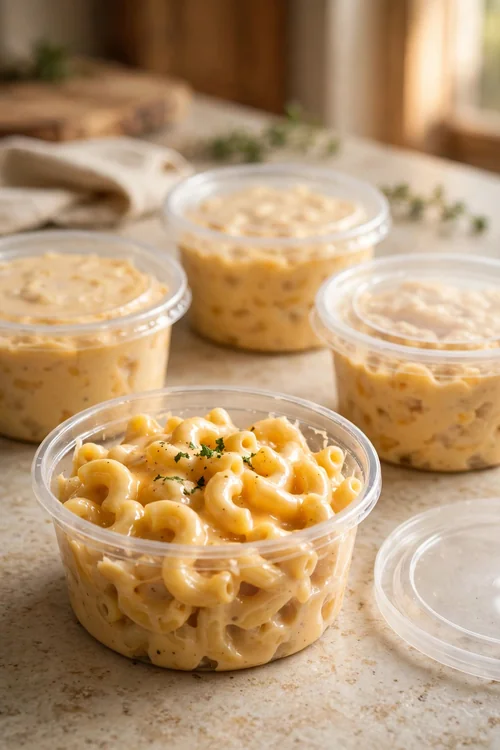
Sauces that reheat well start with the right base. A roux based sauce with real cheese holds up better than a sauce built on processed cheese alone. Undercook the pasta by one minute when you plan to freeze it. Cool portions fast, then seal them tight.
- Use a butter and flour roux for a stable sauce.
- Add cheese off the heat to avoid graininess.
- Keep a little pasta water for loosening.
- Undercook pasta by one minute for leftovers.
- Cool leftovers quickly before refrigerating.
Plan Better Leftovers

Quick Tip: Store leftovers in a shallow container so they cool fast and reheat evenly. A deep tub cools slowly and reheats in uneven layers. Shallow storage is a small habit with a big payoff.
Press plastic wrap right against the surface before sealing the lid. Less air means less drying, and the top layer stays creamy. Less air in the container means less drying, so press the wrap down before sealing the lid. Label the container with the date and use the leftovers within three days.
Conclusion
Dry reheated mac and cheese needs only milk and gentle heat. Add liquid first, warm slowly, stir often, and stop when the sauce turns glossy. Those steps work on the stovetop, in the oven, and in the microwave. For another party rescue, the cake pops guide keeps sweet treats on their sticks.
Keep a little extra milk beside the stove so you can adjust as you stir. The sauce should look glossy and coat the pasta loosely. Reheat only what you plan to eat, and the next bowl will taste just as creamy as the first serving.