Why Do My Cake Pops Fall Off The Stick? Easy Fix Guide
Cake pops falling off their sticks can turn a fun project into a messy table. The ball is too soft, the stick has no anchor, or the coating is too heavy. Each cause has a quick fix that works at home.
The secret is structure. Firm dough, a well chilled ball, and a chocolate anchor at the stick joint hold everything together. Warm hands, soft frosting, and a thick coating pull the pop apart.
This guide covers dough, shaping, chilling, and dipping in order. If reheating leftovers is next, this reheated mac guide brings back creamy pasta for every single dinner.
Why Pops Fall Off

A pop falls when the stick cannot grip the ball. Soft dough slides down, a warm ball melts around the stick, and a thick shell adds weight that drags the ball off. Any one of these can ruin a whole batch. A heavy coating adds weight that pulls the ball downward.
The fix starts with dough that holds its shape when rolled. It should feel like firm cookie dough, not soft frosting. In my experience, chilling between every step matters more than any fancy tool. Small, firm balls hold their shape from tray to table.
Get Dough Right
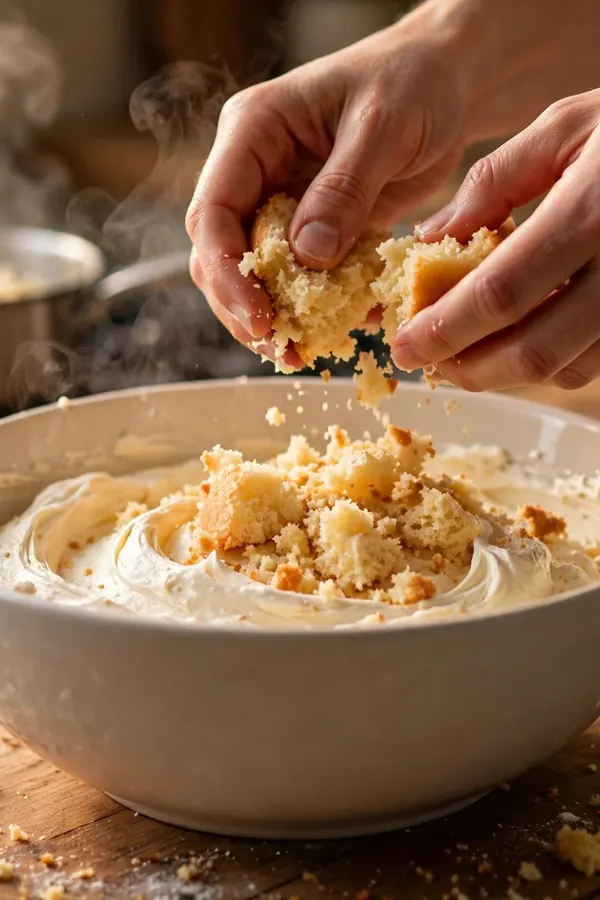
Too much frosting is the most common dough mistake. The mixture should bind without feeling wet. Start with less frosting than you think you need and add a spoonful at a time. Squeeze a small handful to test it. The dough should hold together cleanly without sticking to your palms.
- Crumble the cake finely so no large chunks remain.
- Add two tablespoons of frosting per cake layer to start.
- Mix until the dough holds when squeezed, then stop.
- Test one ball before rolling the whole batch.
- Chill the dough for 20 minutes if it feels sticky.
Shape Balls Firmly

Quick Tip: Roll balls with cool, dry hands and keep them small, about one inch across. Large balls are heavy and fall faster. A small scoop keeps every pop the same size.
Place shaped balls on a lined tray and chill them right away. Warm dough softens fast, so work in small batches and return the tray to the fridge between rounds. Chill each batch before starting the next. Cold balls hold their shape and grip the stick firmly. Work quickly with cool hands.
Chill Balls Well
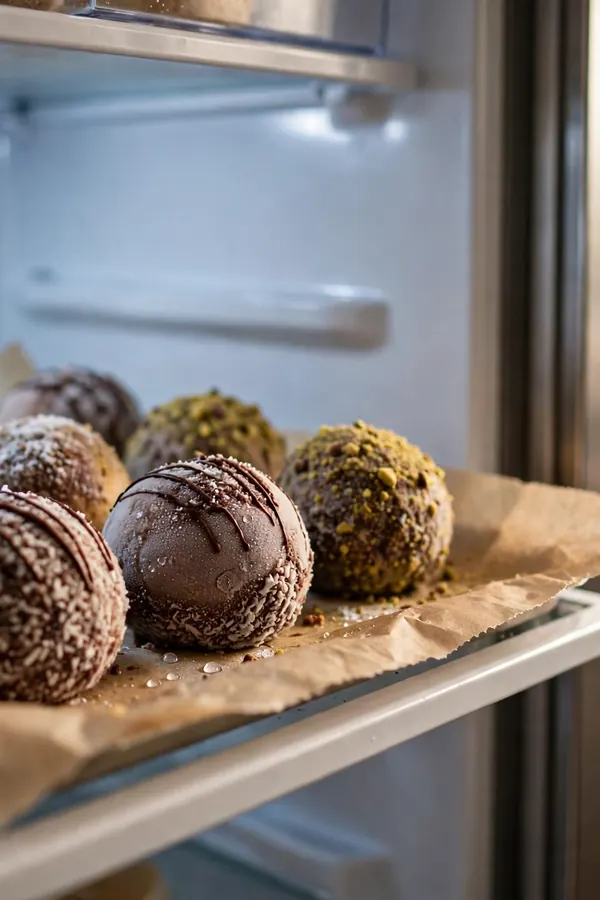
Common Mistake: Dipping room temperature balls straight into warm chocolate. The soft ball warms further, the stick loosens, and the pop drops into the bowl. Fishing it out makes a mess of the coating.
The Fix: Chill the shaped balls for at least 30 minutes, or freeze for 15 minutes, before inserting sticks. Cold balls hold the stick firmly while the coating sets.
Chill the balls again after inserting sticks dipped in chocolate. That chocolate anchor hardens and locks the stick in place before the final dip. Give the anchors ten minutes in the fridge to harden fully. A soft anchor lets the ball wobble, while a firm anchor holds the pop steady.
Dip Sticks First

What You Need:
- Lollipop sticks: Sturdy sticks grip better than thin skewers.
- Melting chocolate: Candy melts set fast and coat evenly.
- Parchment paper: Lined trays keep chilled balls from sticking.
- Foam block or stand: Upright drying keeps the coating smooth.
- Small scoop: Even balls mean even weight on every stick.
Gather these before you start dipping. Once chocolate is melted, you want to work quickly and steadily, not hunt for supplies. A foam block keeps finished pops upright while they dry, and a small scoop keeps every ball the same weight. With tools ready, dipping goes smoothly from first pop to last.
Dip Pops Smoothly

Before: Warm balls were pushed onto dry sticks and dipped in thick chocolate. Half the batch slid off into the bowl, and the rest dried with lumpy, uneven shells.
After: Chilled balls got chocolate dipped sticks, rested until the anchor set, then dipped in thin, smooth coating. Every pop stayed on its stick and dried glossy.
The order matters as much as the ingredients. Chill, anchor, dip, then stand upright. Skip one step and the whole batch gets harder. Thin the coating with a teaspoon of oil if it feels thick, and tap off the extra before it sets. A thin, even shell dries glossy and weighs less on the stick.
Fix Heavy Coating

Do This:
- Keep balls chilled until the moment you dip.
- Thin the coating with a little shortening or oil.
- Dip straight down and lift straight up.
- Tap off extra coating before it sets.
Avoid This:
- Do not swirl the pop in the bowl.
- Do not use a thick, lumpy coating.
- Do not dip warm balls.
- Do not lay dipped pops on their sides.
A thin coat sets fast and weighs less. If the coating feels thick, warm it gently and stir in a teaspoon of oil until it flows like cream. Dip straight down and lift straight up, then tap off the extra. Twisting drags the coating uneven and can loosen the ball.
Rescue Loose Pops

Time Needed: About 1 hour plus chilling time.
Difficulty: Easy, with patience for chilling.
Cost: Low, sticks and melts are cheap.
Best For: Parties, gifts, and bake sales.
Work in batches of ten. While one tray dips, the next stays cold in the fridge, so no ball warms up waiting its turn. If a pop loosens, lay it on parchment and chill it until firm, then re-dip quickly. A second thin coat often seals the joint and saves the pop.
Choose Good Chocolate

When a dipped pop comes loose, set it on parchment, chill it until solid, then dip it again fast. One more light layer usually closes the seam and rescues the pop. Do not force a loose stick deeper into a warm ball. Chill the rescued dough until it feels firm and holds its shape.
For pops that fell into the bowl, scoop them out, chill until firm, and reshape with fresh crumbs. A small batch of rescued dough still makes fine pops once it is cold and firm. A firm, cold ball dips cleanly and dries smooth.
Display Pops Safely

Safe display keeps pops upright, cool, and spaced apart so coatings stay smooth. A sturdy base stops tipping, and shade stops melting. Set up the display close to serving time, and keep spare pops chilled until the tray empties. A little planning keeps every pop picture ready.
- Pick a heavy, flat stand that cannot tip easily.
- Space pops so coatings never touch each other.
- Keep the display away from sun, heaters, and warm lights.
- Refill from the fridge in small batches as guests serve themselves.
Plan Party Batches

Quick Tip: Stand finished pops upright in a foam block or a tall glass filled with rice. Laying them down flattens one side and can pull the stick loose. Upright pops dry evenly all around.
Transport pops in a box with holes poked in the lid, or stand them in a foam block inside the box. Keep them cool until serving so the coating stays firm. Keep the box cool and out of direct sun. A cool ride keeps the coating glossy and the sticks anchored.
Conclusion
Cake pops falling off is a structure problem with a simple cure. Keep the dough firm, chill every step, anchor each stick with chocolate, and dip in a thin coat. Those habits give pops that hold together from tray to table. For another everyday kitchen rescue, this pumpkin bread guide fixes a loaf that slices sticky.
Work in small batches and keep every tray chilled until dipping time. Cold balls, anchored sticks, and a thin coat make the whole process calm. With those habits, a full tray of pops will hold together from the first dip to the last bite.