25 Acclaimed Eggplant Parmesan Ideas No One Can Resist
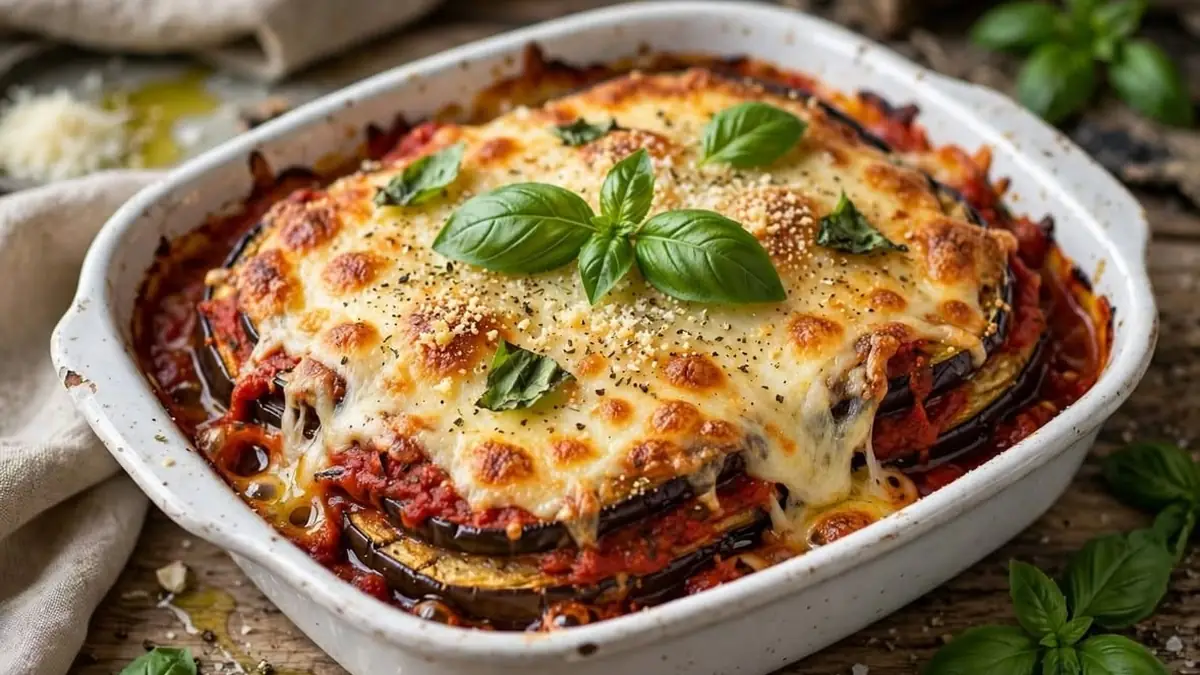
Golden, bubbling, and layered with rich marinara, eggplant parmesan is the dinner that turns an ordinary weeknight into something worth sitting down for. These twenty five versions cover crispy stacks, cozy bakes, and smart shortcuts, so every cook finds a favorite here.
Some nights call for the classic fried rounds with a shattering crust, other nights for a lighter baked tray that still delivers the cheese pull. Slow cooker layers, air fryer rounds, and ramekins make the list, each with its own texture and mood.
In my experience, the small choices decide everything here: salting the rounds, resting the tray, and letting the cheese brown properly. Pick one version for this week, save the rest for later, and let the basil go on at the very end for freshness.
Classic Layered Bake

Image Credit: @cyrillignac
Thick rounds of eggplant, a bright marinara, and low moisture mozzarella stacked in neat layers are the blueprint every other version borrows from. The rounds get salted, patted dry, and fried until the edges turn deep gold, so the finished tray slices cleanly and holds its shape on the plate.
Resting matters as much as baking here, because ten quiet minutes let the layers settle and the sauce thicken slightly. Serve squares with a basil leaf on top and extra sauce at the table, and the tray will empty faster than any weeknight dinner has a right to. My mushroom risotto brings the same warm comfort home with slow, creamy stirs.
Crispy Fried Stacks

Image Credit: @rperno
- Salt the rounds for thirty minutes, then press them between towels so the crumb clings and the fry stays crisp instead of soggy.
- Dredge in flour, egg, and seasoned panko, pressing the crumbs on with your palms for a crust that survives stacking and saucing.
- Fry in shallow oil until deep golden on both sides, then drain on a rack so air keeps the bottom crust crunchy too.
- Stack three rounds high with marinara and mozzarella between each layer, then bake just until the cheese melts and slumps.
Height is the whole trick in this version, turning a flat tray bake into something that looks like it came from a small Italian kitchen. In my experience, a short bake after stacking keeps the crust loud while the cheese turns glossy, and a basil leaf on top finishes the plate.
Baked Never Fried

Image Credit: @thecozycook
Quick Tip: Brush the breaded rounds with oil and bake them on a preheated sheet pan, flipping once, so the crust sets crisp on both sides. A hot pan matters more than extra oil here. Rest the rounds five minutes before layering them into the dish.
Skipping the fryer changes the whole feel of the dish, lighter on the plate but still golden, still saucy, still generous with cheese. Weeknight cooks love this version because the oven does the work while the sauce simmers, and cleanup shrinks to one pan and one tray.
Rollatini Style Rolls

Image Credit: @culaccino.tn
Before: Flat layers can slump and slide when the eggplant is cut thick, and the cheese escapes into the sauce instead of staying with each slice. The tray tastes fine but serves messy, and the ricotta fans at the table feel shortchanged by the puddle left behind in the dish.
After: Thin planks rolled around herbed ricotta stay neat, saucy, and portioned, each roll a tidy parcel with mozzarella melted over the seam. The dish serves like a restaurant plate, the rolls hold together from pan to fork, and the sauce stays where it belongs, around the rolls.
Rolling takes ten extra minutes and pays it back at serving time, when nobody fights over the corner piece. I’ve noticed the rolls reheat better than flat layers too, holding their shape in lunch boxes the next day without leaking sauce all over the bag they travel in.
Burrata Crown Stacks

Image Credit: @steve_martorano
- Fry or bake the breaded rounds until crisp and deeply golden, then season them while hot with flaky salt.
- Warm the marinara and spoon a small pool onto each warm plate as the base for the stacks.
- Build short stacks of three rounds with mozzarella between them, then bake briefly until the cheese slumps.
- Crown each stack with a torn burrata ball, basil oil, and cracked pepper right before serving.
Burrata changes the mood completely, cool and creamy against the hot, crisp rounds and the warm sauce below. Serve these stacks the moment they are crowned, because the contrast fades as the burrata warms through. This is the version for small dinners where plating actually matters to someone.
Skillet Stovetop Version

Image Credit: @foodbyfranzo
| Point | Skillet Pan | Oven Dish |
|---|---|---|
| Heat Source | Fast, direct stovetop heat | Slower, all around oven heat |
| Cheese Top | Broiled two minutes at the end | Browns during the full bake |
| Best Batch | One layer, four servings | Deep layers, eight servings |
| Cleanup | One pan from stove to table | Pan plus a baking dish |
The skillet version earns its place on busy nights, when the oven stays off and dinner still arrives bubbling. A cast iron pan holds heat beautifully, crisps the bottom layer, and goes straight to the table on a trivet. Add a green salad and the meal feels complete.
Slow Cooker Layers

Image Credit: @battlefieldcountrystore
DO: Brown the breaded rounds briefly before they go into the pot, because the cooker adds moisture and never crisps anything on its own. Layer sauce first, then rounds, then cheese, and finish with sauce on top. Cook on low for four hours and leave the lid alone.
DON’T: Skip the browning step and expect crisp edges, because slow steam softens every crumb it touches over four hours. Do not lift the lid to peek, since each peek dumps the heat and adds cooking time. Avoid watery sauce, which pools at the bottom and floods the layers.
Coming home to a finished tray is the quiet luxury of this version, the house already smelling like Sunday sauce by late afternoon. The rounds turn softer than oven versions, more spoon tender than crisp, and most people at my table honestly prefer them exactly that way.
Air Fryer Crispy

Image Credit: @caramhayes007
Cost: Low, one large eggplant feeds four people easily | Time Needed: 12 minutes per batch with no long preheat wait | Difficulty: Easy, single layer cooking with one flip halfway | Best For: Small households wanting crisp rounds without a pot of frying oil | Result: Shattering crust with silky, tender centers
The air fryer turns out the crispest small batches of any method here, with crumbs that stay shattering and centers that go silky. Work in a single layer and give the rounds a light oil spray halfway. Two batches cover dinner for four without heating the whole kitchen.
Panko Crusted Rounds
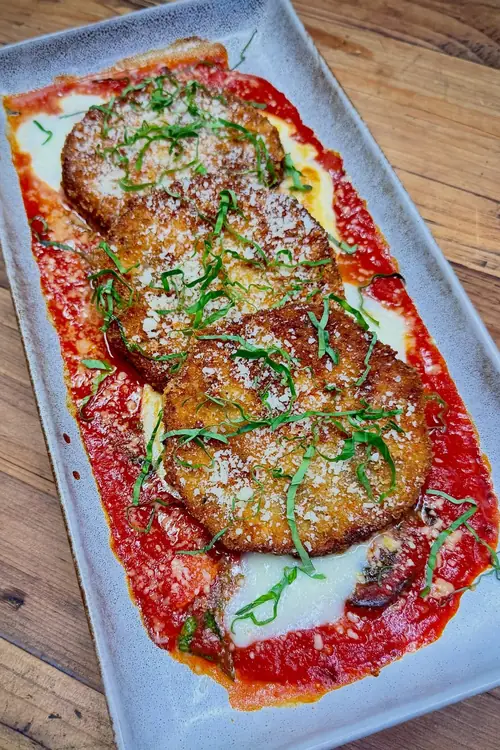
Image Credit: @the_capri_cook
Panko crumbs bake up rougher and crunchier than fine breadcrumbs, leaving craggy edges that catch the sauce and brown deeply in the heat. Season the crumbs with garlic powder, dried oregano, and grated pecorino before the rounds ever touch them, and the crust carries real flavor instead of texture alone.
Press each round firmly into the crumbs and rest the coated rounds on a rack for ten minutes before cooking, so the crust sets and survives the flip. That short rest is the difference between a coating that stays put and one that slides off into the pan.
Mozzarella Pull Layers

Image Credit: @anticaitalian
- Choose low moisture mozzarella and slice it thick, because fresh mozzarella floods the tray with liquid as it bakes.
- Layer cheese in the middle of the stack, not only on top, so every slice carries its own melted layer.
- Bake until the top bubbles at the edges and spots deep gold in the center of the dish.
- Rest the tray ten full minutes before cutting, which sets the cheese and keeps the squares tidy.
The pull is the promise of this dish, and it only happens when the cheese is right and the rest is respected. Serve squares with a wide spatula and a steady hand, and let the table see the stretch before the plates land. Leftovers, if any exist, reheat beautifully tomorrow.
Marinara From Scratch

Image Credit: @taniagrubbs
Quick Tip: Crush whole canned tomatoes by hand instead of blending them, because chunkier sauce clings to the rounds and never turns watery in the oven. Simmer with garlic and olive oil for twenty minutes only. A pinch of sugar balances the acid without making the sauce taste sweet.
A sauce you make yourself changes the whole tray, brighter and cleaner than anything from a jar, with a garlic warmth that builds slowly. Double the batch whenever tomatoes are on sale and freeze the extra, so the next round of this bake starts halfway finished already.
Gluten Free Breading

Image Credit: @vanillabeancuisine
Before: Wheat crumbs rule most versions of this dish, which quietly shuts out anyone at the table eating gluten free these days. Swapping in plain rice flour alone gives a pale, thin coat that fries up soft and disappoints everyone, and the layers slip apart because nothing binds the crumb to the eggplant.
After: A mix of almond flour, gluten free panko, and grated parmesan browns deeply and clings through frying, baking, and saucing alike. The crust tastes nutty and rich, the layers hold, and nobody at the table can tell the tray was built any differently from the classic version at all.
Serve this version without announcing the swap and watch it disappear at the same speed as any other tray. I’ve seen this work well for mixed tables where one eater needs the accommodation and everyone else just wants dinner to taste like dinner, full stop.
Mini Ramekin Portions

Image Credit: @freshtasteofbelair
- Cut the eggplant into rounds that match your ramekins, then salt and bread them as usual.
- Fry or bake the rounds until crisp, keeping the sizes sorted so each ramekin layers evenly.
- Layer sauce, rounds, and mozzarella inside each ramekin, finishing with cheese and a basil leaf.
- Bake the ramekins on a sheet pan until the tops bubble and spot golden brown.
Individual portions solve the serving fight before it starts, because everyone gets their own bubbling dish with its own crispy edges. Ramekins also portion perfectly for smaller households and make leftovers feel planned instead of accidental. Set them on small plates, warn about the heat, and serve proudly.
Spicy Arrabbiata Kick

Image Credit: @caffelunarosa
Mild Sauce: A gentle marinara with one clove of garlic and no chili heat keeps the focus on the eggplant and the cheese. Young eaters and spice shy guests finish their squares happily, and the basil on top tastes brighter because nothing competes with its fresh, green perfume at all.
Fiery Sauce: Red chili flakes bloomed in olive oil and a spoon of Calabrian chili paste turn the sauce brick red and assertive. The heat builds slowly behind the cheese, the rounds need a thicker crust to stand up to it, and cold drinks at the table become mandatory equipment.
Heat level is a dial, not a rule, so taste the sauce before it meets the tray and adjust in small pinches. A middle path works for most tables: mild sauce in the layers, chili oil at the table for anyone who wants to turn their own square up.
Vegan Cashew Cheese

Image Credit: @tiny_hooves_sanctuary
- DO: Soak raw cashews for at least four hours so the sauce blends completely smooth and creamy.
- DO: Season the cashew cheese with nutritional yeast, garlic, and lemon until it tastes savory and bright.
- DO: Use a firm, well salted crumb on the rounds to carry the structure of each layer.
- DO: Rest the baked tray before slicing, since plant based cheese sets more slowly than dairy.
- DON’T: Blend the cashews dry or rushed, because gritty sauce ruins the whole tray in one bite.
- DON’T: Skip the acid, since cashew richness turns flat and heavy without lemon or vinegar.
- DON’T: Drown the layers in sauce, which hides the crumb and makes the slices slide apart.
- DON’T: Serve it apologizing, because this tray stands on its own flavor proudly.
Cashew cheese melts softer than mozzarella, more like a creamy blanket than a pull, and many eaters prefer the gentler richness. A sprinkle of nutritional yeast and toasted crumbs on top restores the savory top note. This version keeps everyone at one table, eating the same dinner together happily.
Freezer Friendly Tray

Image Credit: @copakegeneral
Cost: Low when eggplants are in peak season | Time Needed: 40 minutes of assembly, baked later | Best For: New parents, meal preppers, and busy months | Result: A ready tray that bakes straight from frozen without any thawing step | Pro Tip: Freeze the tray unbaked for the best texture later
A frozen tray of this bake is a gift to your future self on the nights when cooking feels impossible. Wrap the assembled dish tightly, label it with the date and baking time, and freeze it unbaked for the best texture. Add fifteen minutes to the bake from frozen.
Smoked Mozzarella Twist

Image Credit: @robinvmiller
Swapping regular mozzarella for the smoked kind changes the whole register of the dish, adding a campfire depth that makes the marinara taste sweeter by contrast. Use half smoked and half regular cheese the first time, so the smoke perfumes the tray instead of bulldozing every other flavor present.
Smoked cheese browns faster on top, so watch the final ten minutes and tent the dish loosely if the surface darkens too quickly. A handful of torn basil and a thread of good olive oil at the table pull the richness back into balance for serving.
Basil Pesto Swirl

Image Credit: @sanremopasta
- Spread a thin layer of pesto over each round before the mozzarella, keeping it shy of the edges.
- Use a basil pesto with real pine nuts or walnuts, because the nutty base echoes the toasted crumb.
- Cut the marinara slightly, since pesto adds its own oil and salt to every layer already.
- Finish with fresh basil leaves and a few small spoonfuls of pesto dotted over the top.
Green against red against gold, this version looks like a celebration before anyone tastes it, and the pesto threads a garlicky, herbal line through every bite. In my experience, this is the tray that disappears first at potlucks, even when two other versions sit beside it cooling slowly.
Eggplant Prep Salting

Image Credit: @tford037gmail
Quick Tip: Salt the slices generously and stack them between paper towels under a heavy pan for thirty minutes, which pulls out bitter moisture before breading begins. You will see the towels darken with liquid. Dry rounds fry crisper, absorb less oil, and season more evenly from edge to center.
Salting feels like a fussy extra step until you taste the difference side by side, firmer slices, cleaner flavor, and a crust that stays put. Old cooks swore by it for bitterness, modern cooks swear by it for texture, and both generations land in exactly the same place.
Low Carb Almond Crust

Image Credit: @thefiamata
Before: A thick wheat crumb adds a heavy carb load to every square, which puts this comfort dish off the menu for anyone eating low carb. The usual swaps disappoint too, with coatings that burn fast, taste sweet, or slide off the rounds the moment sauce and cheese arrive.
After: Almond flour mixed with grated parmesan and Italian herbs fries into a crisp, golden crust that tastes rich and nutty instead of like a compromise. The rounds hold their coating through layering and baking, and each square eats like the real thing, because structurally it simply is.
Keep the fry temperature moderate with this crust, because almond flour browns faster than wheat crumbs and can scorch while you look away. Pull the rounds at deep gold rather than dark brown. Nobody at the table needs to know the swap happened unless you decide to mention it.
Cast Iron Bake
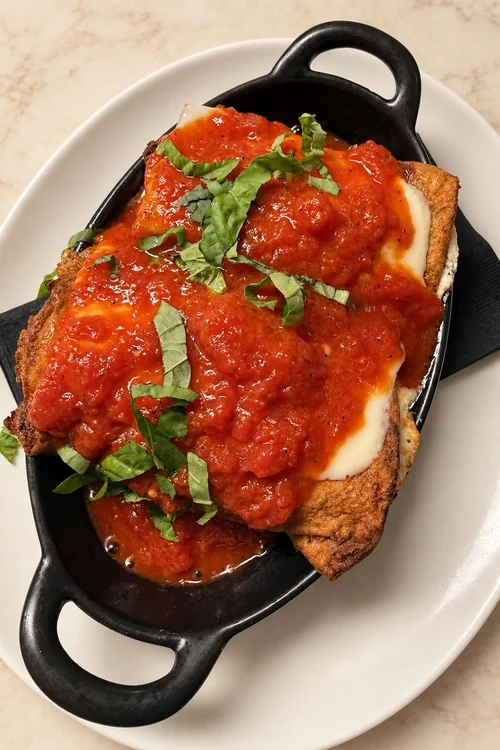
Image Credit: @pomodorobristol
- Bread and fry the rounds in the cast iron skillet first, wiping it clean between batches.
- Return the rounds to the same skillet in overlapping layers with marinara and mozzarella.
- Bake the skillet until the cheese bubbles at the edges and the center spots golden.
- Finish with basil and let the skillet rest on a trivet before serving at the table.
Cast iron gives this bake its crispiest bottom layer, almost like the corner of a lasagna, and the pan keeps servings hot through second helpings. The skillet also travels from stove to oven to table without a single transfer, which means one less dish soaking in the sink tonight.
White Sauce Version

Image Credit: @delezia_bh
- Red sauce brings acid and brightness, while white bechamel brings a mild, creamy calm that softens every layer beneath it.
- Tomato layers taste bold and familiar, while bechamel layers taste rich and gentle, closer to a French gratin in spirit.
- Marinara keeps the dish lighter per square, while the white sauce makes each portion feel more generous and filling.
- Choose red for weeknight speed and pantry ease, and choose white for slow Sundays and guests you want to impress.
The white sauce version divides households in the friendliest way, with loyalists on both sides defending their tray. A thin bechamel, properly seasoned with nutmeg and black pepper, never tastes bland or pasty. Try it once with a small dish before committing a whole tray to the experiment.
Garden Vegetable Layers

Image Credit: @misc.molly
| DO | DON’T |
|---|---|
| Layer zucchini and peppers thin so they cook through | Add raw mushroom slices that flood the whole tray |
| Roast the vegetables first to drive off their moisture | Bury the eggplant under too many heavy extras |
| Keep the cheese on top for a clean golden lid | Hide the vegetables under thick sauce layers |
| Season each vegetable layer lightly as you build | Expect the sauce alone to season everything |
Extra vegetables turn this bake into a full garden dinner, the kind of tray that needs nothing beside it but bread for the sauce. Roasting the additions first keeps the layers distinct and the slices clean. In summer, when gardens overflow, this is the version that uses everything well.
Sunday Gravy Style

Image Credit: @danielmancini
Time Needed: A slow afternoon, three hours of gentle simmering, mostly hands off | Difficulty: Medium, patience required far more than any real skill | Best For: Sundays, big families, and sauce lovers who plan leftovers | Pro Tip: Braise the rounds gently in the sauce for deeper flavor in every layer
Sunday gravy means the sauce cooks low and long with the patience the day allows, turning simple tomatoes into something deep and almost meaty. The eggplant goes in tender and comes out silkier still. Serve it family style, straight from the dish, with bread for the puddles left behind.
Crispy Cheese Edges

Image Credit: @italyinyourkitchen
Some trays are all about the middle, but this one is built for the edges, where the cheese fries against the hot dish and turns lacy, dark, and shattering. Use a metal pan or a preheated cast iron dish, and let the cheese spill deliberately past the top layer.
Cut the corner squares first and serve them to the people who appreciate texture most, because those edges are the cook’s reward made shareable. A sprinkle of flaky salt over the finished tray wakes the fried cheese up, and a simple green salad beside it keeps the richness honest.
Conclusion
Twenty five versions later, the lesson stays simple: eggplant parmesan rewards small care, salted rounds, a sauce you actually like, and cheese allowed to brown properly while the tray rests a few minutes before slicing.
Pick the version that matches your week, the fast skillet on Tuesday, the slow cooker on Sunday, the ramekins when guests come over. Save this list for the season when eggplants pile up cheap and glossy at the market, and pass it to a friend who still thinks this dish is hard. You will both find a favorite fast. My vodka sauce brings the same warm comfort home with rosy, glossy pots.