23 Simply Hopeful Vodka Sauce to Try at Least Once
A great vodka sauce turns a plain box of penne into the kind of dinner people ask about twice, pink, glossy, and rich without feeling heavy.
These twenty three versions cover the full range, from classic weeknight pots to spicy, creamy, baked, and freezer friendly batches. Every one keeps the method simple and the shopping list short, so a home cook can build real flavor on any schedule.
Save the ones that fit your table, stock tomatoes and cream once, and let small choices like simmer time and cream level do the talking. In my experience, the sauce rewards patience in tiny ways that show up in every single bite. My eggplant parmesan brings the same warm comfort home with golden, cheesy layers.
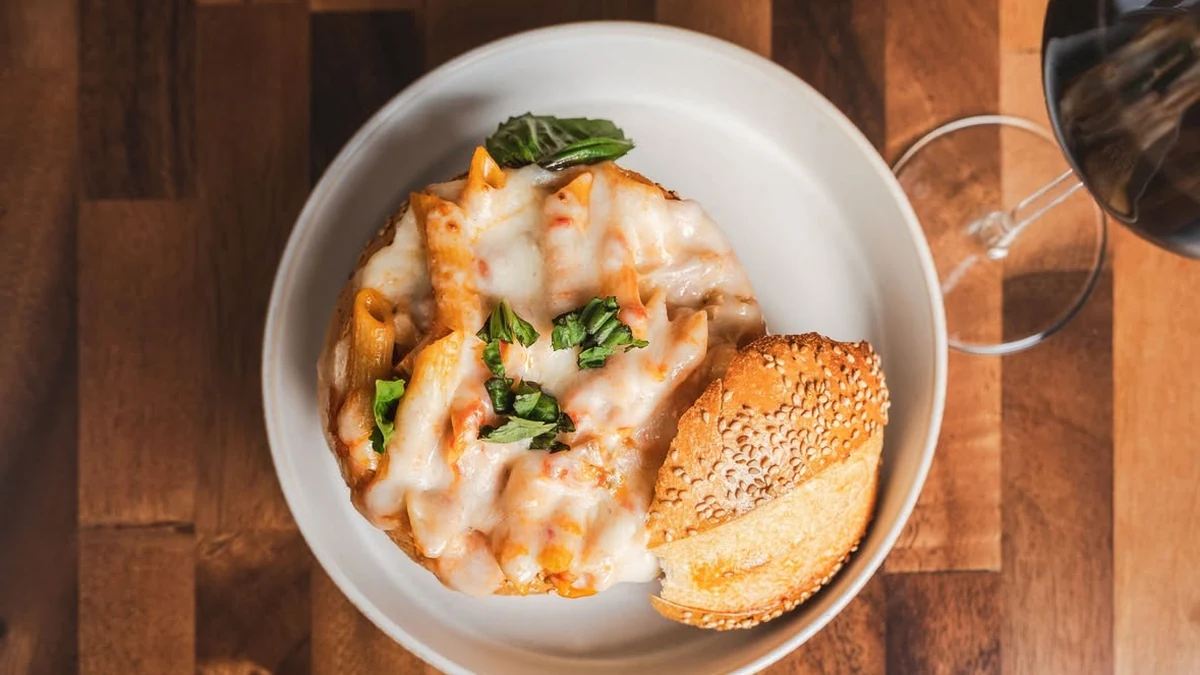
Classic Penne Night

Image Credit: @clemwhipsthings
Rosy, glossy, and just rich enough, the classic pot is the version every other batch gets measured against at my table. Tomato cooks down until sweet, cream rounds the edges, and the penne catches the sauce in every tube for a bite that tastes balanced from the first forkful to the very last.
Cook the tomato paste until it darkens a shade, then add the vodka and let it bubble until the sharp smell fades completely. Finish with cream off the boil, toss with penne and a splash of pasta water, and serve while the gloss still shines under the kitchen light tonight.
Spicy Arrabbiata Kick

Image Credit: @pastaloverstrattoria
- Bloom a teaspoon of chili flakes in olive oil with the garlic, so the heat spreads through the whole pot instead of landing in one bite.
- Choose a tomato base with real body, because a thin sauce lets the spice taste harsh instead of warm and rounded at the finish.
- Hold back a little cream until the end, then swirl it in to soften the edges without muting the kick you built.
- Taste before salting, since chili heat grows as the sauce rests, and a rested pot often needs less of both.
Heat should glow, not shout, and this version keeps the balance by layering spice in two places, flakes in the oil and a fresh chili on top. The cream keeps it friendly, the tomato keeps it bright, and the bowl stays interesting from the first bite to the last scrape of the spoon tonight.
Creamy Blush Basics

Image Credit: @cookwithcaden
Quick Tip: Warm the cream in a small pan or let it sit out twenty minutes before it meets the tomato base. Cold cream can shock the sauce and turn it grainy at the edges. A gentle pour and constant stirring keep the blush smooth, glossy, and even every single time you make it.
That pale pink color is the whole signature here, and it comes from ratio, not luck, enough tomato for backbone and enough cream for softness. I have noticed the blush deepens slightly as it rests, so pull it a shade lighter than your target and let the table do the rest.
Burrata Crown Finish
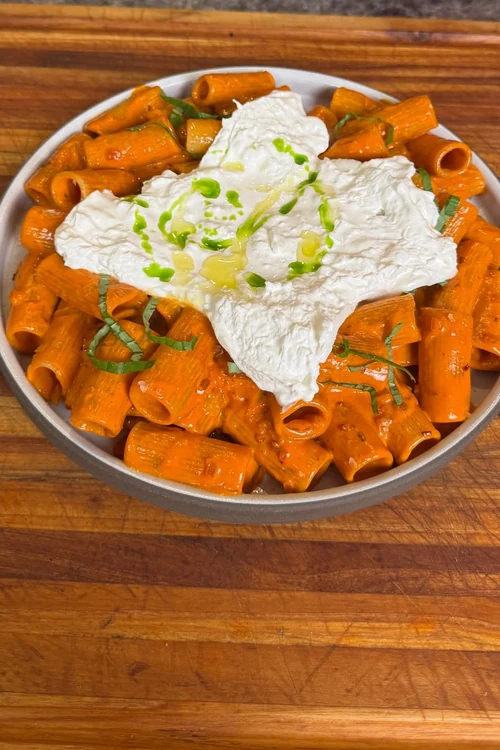
Image Credit: @grubology
Before: A plain bowl of sauced penne can look flat on the table, all one color and one texture, no matter how good the sauce tastes underneath. Guests see weeknight pasta, the basil scatters without purpose, and the dish reads like something missing its final touch before anyone even picks up a fork.
After: One whole burrata set in the center changes the picture the second it lands on the hot pasta at the table. The shell holds, then breaks into cool, creamy strands that melt through the warm sauce, and every forkful turns richer, softer, and far more generous than the bowl promised at first glance.
Serve the burrata cold from the fridge against the steaming pasta, because that temperature contrast is the whole trick of this bowl at home. Break it at the table, not in the kitchen, so everyone sees the cream spill. A drizzle of basil oil finishes the picture without hiding the cheese.
Baked Ziti Style

Image Credit: @flavorsbyfrangipane
- Undercook the ziti by two minutes, because it finishes in the oven and drinks up sauce as it bakes.
- Fold half the mozzarella through the hot pasta and save the rest for the top, where it turns golden.
- Rest the baked dish ten minutes before cutting, so the slices hold their shape instead of sliding apart.
- Broil for the final minute if the top needs color, watching closely because cheese moves fast at that heat.
Baked versions trade a little gloss for structure, and the payoff is slices that stand up on the plate with crispy edges. I have seen this dish win over people who claim they do not like baked pasta at all. Leftovers reheat beautifully, which makes the big dish worth it alone.
Two Simmer Styles

Image Credit: @jerseybelles
| Point | Slow Simmer | Quick Pot |
|---|---|---|
| Flavor | Deep, sweet, and mellow after forty quiet minutes | Bright, fresh, and vivid after fifteen minutes |
| Texture | Thick and clingy, coating every tube completely | Looser and glossier, pooling slightly in the bowl |
| Effort | Mostly hands off, one stir every few minutes | Active stirring so nothing catches on the base |
| Best Night | Slow Sundays and dinner guests to impress | Busy weeknights and hungry last minute tables |
Neither pot is wrong, because the right simmer depends on the night, the tomatoes, and who is coming to dinner at your table. Slow for depth on a Sunday, quick for gloss on a Tuesday. Once you taste both side by side, you will start choosing the simmer on purpose every single time.
Vodka Timing Rules

Image Credit: @spaetzleman
| DO | DON’T |
|---|---|
| Add the vodka after the tomato paste darkens, while the pan is still hot and active | Pour it into a finished sauce, where the raw edge never cooks away |
| Let the pan bubble until the sharp alcohol smell fades and turns sweet | Rush the simmer and serve while the sauce still smells like the bottle |
| Keep the heat at a lively simmer so the vodka reduces in about two minutes | Boil it hard for ten minutes, which dulls the tomato it should brighten |
| Add cream only after the vodka step, so the blush stays smooth and stable | Add cream first and vodka second, which can split the sauce at the table |
Timing is the quiet skill behind this whole sauce, and it takes less than three minutes to get right at the stove. The vodka should disappear as a flavor and stay only as brightness. I have noticed that single pause changes the pot more than any extra ingredient ever could on its own here.
Weeknight Time Saver

Image Credit: @argentosbytommy
Cost: Low, one can of tomatoes, a splash of cream, and pantry pasta | Time Needed: 25 minutes from cold pan to full bowls at the table | Difficulty: Easy, one pot for the sauce and one for the pasta | Best For: Busy weeknights, hungry kids, and cooks who want real flavor fast tonight
Speed does not have to mean shortcuts in flavor, and this pot proves it on the busiest nights of the week at home. The paste darkens while the pasta boils, the cream lands last, and dinner tastes like it took all evening. Keep these staples stocked and the recipe stays on call.
Pancetta Rich Base

Image Credit: @miciamammas
Pancetta turns this sauce from pleasant to memorable, because its salty fat becomes the base everything else builds on at the stove. Render it slowly until the cubes crisp at the edges, then let the tomato cook in that same fat, picking up a smoky depth no cream alone could ever deliver here.
Pull the crisped pancetta out before the long simmer and scatter it back over the finished bowls, so the crunch survives to the table tonight. The sauce itself stays silky underneath, rich and rosy, while those salty bites on top give every forkful a small, crisp surprise that keeps people going back for more.
Garden Veggie Blend

Image Credit: @melissajorealrecipes
- Cook zucchini rounds just until they turn bright, then fold them in at the end so they keep their shape and bite.
- Let bell peppers soften in the sauce for ten minutes, which sweetens them and colors the whole pot in a good way.
- Halve cherry tomatoes and add them late, so they slump gently instead of disappearing into the base completely.
- Finish with torn basil and a handful of spinach, wilting both in the residual heat right before serving.
Vegetables make this version feel like a garden dinner rather than a compromise, because each one keeps its character in the bowl at home. The sauce stays the anchor, rosy and rich, while the zucchini, peppers, and tomatoes bring freshness and color. It is the pot I serve when the table wants lighter food.
Garlic Lover’s Pot

Image Credit: @patriziasofmatawan
Quick Tip: Slice the garlic thin instead of mincing it, because thin slices toast evenly and stay sweet in the hot oil at the start. Brown them to pale gold only, then pull the pan off the heat. Burned garlic turns bitter fast and follows the whole sauce to the table in every bite.
Garlic leads this pot proudly, layered in three places so the flavor feels deep instead of sharp at the table tonight. Slices in the base, a raw clove grated into the tomato, and crisp chips on top. Each layer lands differently, and together they make the sauce taste like it simmered all afternoon long.
Restaurant Style Silk

Image Credit: @gourmettraveller
Before: Home versions often come out a little rough, with visible tomato bits, a slightly separated look, and a texture that coats the spoon unevenly at the table. The flavor is fine, but the bowl lacks that polished, glossy finish people remember from their favorite Italian restaurant across town on a special night out.
After: Blending the tomato base until completely smooth and finishing with cold butter changes everything about the bowl in front of you tonight. The sauce turns glassy, clings to every ridge of the pasta, and pours like silk, with a shine that makes the whole plate look professionally plated before the first bite lands.
Silk is a technique, not an ingredient, and it comes from blending, gentle heat, and patience at the very end of cooking here. Keep the sauce below a boil once the cream goes in. Serve it in warm bowls so the gloss survives the trip from the stove to the table without dulling.
Freezer Friendly Batch

Image Credit: @justmary1122
- Cook the full batch without the cream, because the tomato base freezes perfectly while dairy can turn grainy later.
- Cool the sauce completely in shallow containers, which chills it fast and keeps the texture safe and even.
- Fill clean jars or containers with an inch of headspace, since the sauce expands as it freezes overnight.
- Thaw overnight in the fridge, reheat gently, and stir in fresh cream at the end for the blush.
A freezer stash of this base turns future dinners into a ten minute job, and nobody at the table will ever guess it was frozen. I keep two jars minimum at all times. Label them with the date, use the oldest first, and the rotation keeps every batch tasting fresh and bright always.
Cream Level Choices

Image Credit: @mariannes_cheesepulls
Cream Heavy: A generous pour of cream gives the sauce a pale blush, a softer tomato voice, and a texture that feels like a bisque around the pasta at home. It suits burrata nights, mild tables, and anyone who likes their sauce gentle. The color alone makes the bowl look calm and inviting tonight.
Tomato Forward: A lighter hand with cream keeps the tomato in charge, deeper red in the bowl and brighter on the tongue with every single bite you take. It suits spicy versions, pancetta bases, and tables that want the sauce bold. The gloss stays, but the flavor leans savory, vivid, and wide awake tonight.
Measure the cream once and you will start trusting your eye instead, because the shade in the pot tells you exactly where you landed. Pale for gentle, deep for bold, and anywhere between for your own house style. There is no wrong answer, only the bowl your table loves most.
Pan Habits That Help
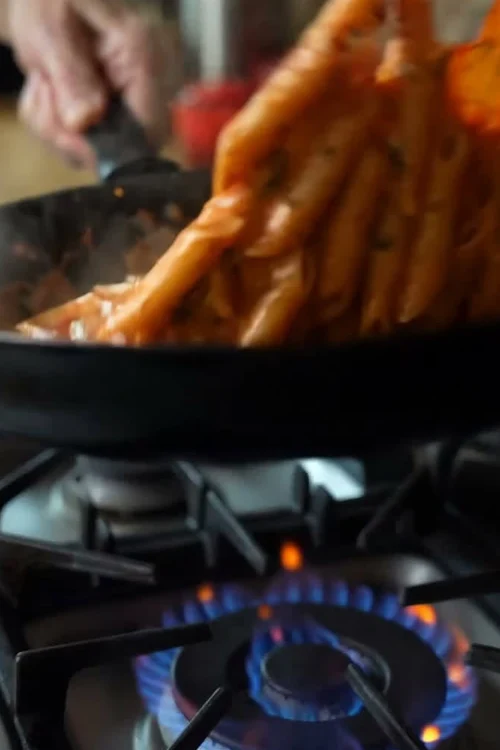
Image Credit: @ashircuisine
DO: Use a wide, heavy pan so the sauce reduces evenly and the tomato paste has room to darken against the metal at the start. Keep the heat steady, stir with a flat spoon that reaches the corners, and give the base time to turn sweet before any liquid joins the pot tonight.
DON’T: Skip the tall, narrow pot, because the sauce steams instead of reducing and the paste never gets its moment against heat at home. Avoid walking away during the first five minutes, since that is when garlic and paste can scorch. A scorched base follows the finished sauce all the way to the table.
Good habits are invisible in the finished bowl, but you taste them in the sweetness, the gloss, and the clean finish of every bite. Set the pan up right and the sauce mostly cooks itself. I have noticed wide pans forgive beginners, which makes this the kindest pot to learn on.
Party Potluck Star

Image Credit: @cesareskitchen
Cost: Moderate, one big batch feeds eight from one short shopping list | Time Needed: 40 minutes, mostly hands off simmering while you set the table | Best For: Potlucks, game nights, and feeding a crowd from one pot | Result: A deep pot of rosy, glossy sauce that holds well and reheats beautifully
A big pot of this sauce travels well, holds its gloss on a buffet, and welcomes late arrivals without losing quality at the party. Keep it warm on the lowest heat, stir now and then, and set the cream beside it for anyone who wants an extra swirl in their bowl tonight.
Shrimp Night Special
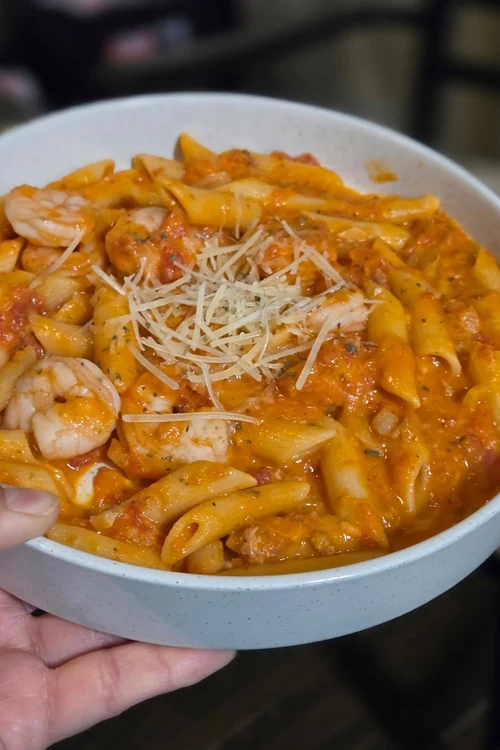
Image Credit: @melissamireles5
Shrimp and this rosy sauce belong together, because the shellfish bring a gentle sweetness that loves tomato, garlic, and a touch of cream at dinner. Cook the shrimp separately in a hot pan, then rest them on top of the finished bowls so they stay snappy, pink, and perfectly tender for everyone.
Poaching shrimp directly in the sauce clouds the color and toughens the flesh, so the two pan method is worth the extra washing up tonight. A squeeze of lemon at the table wakes the whole bowl up. Keep the sauce a shade lighter here so the seafood leads every single bite.
Chicken Cutlet Pairing

Image Credit: @stephpappas
- Pound the cutlets thin and even, so they fry fast and stay juicy under their crisp golden crust at serving time.
- Rest the fried chicken on a rack, not paper, because trapped steam softens the crust you worked to build.
- Slice the cutlets on a diagonal and fan them over the sauced pasta, so every serving gets both crunch and sauce.
- Spoon a little extra sauce over the chicken at the table, never before, which keeps the coating crisp to the bite.
Crispy chicken over soft, sauced pasta is a contrast people remember, and this pairing makes the whole plate feel like a restaurant order at home. The cutlet stays crunchy, the penne stays glossy, and a squeeze of lemon over the top ties the two together. Serve it the moment the chicken lands.
One Pot Wonder

Image Credit: @whiteplatesbyalli
Quick Tip: Add the dry pasta straight to the simmering sauce with a measured splash of water, then stir every minute for the first five. The pasta releases starch as it cooks, which thickens the sauce naturally around every piece. One pot, one spoon, and almost no washing up waiting for you later tonight.
Cooking the pasta in the sauce changes the texture in the best way, because every tube drinks in tomato and cream as it softens in the pot. The finish is thick, clingy, and deeply flavored. I reach for this method on the nights when even one extra pan feels like too much work.
Kid Friendly Mild

Image Credit: @angeliniosteria
Before: The classic version can be a tough sell for small eaters, with a sharper tomato edge, a hint of heat, and flavors that read grown up at the table. Bowls come back half full, the sauce gets picked around, and pasta night turns into a negotiation nobody at the table enjoys at all.
After: A milder build changes the whole mood, with the tomato cooked longer until sweet, the chili left out, and extra cream softening every edge in the bowl tonight. The color turns pale and friendly, the flavor turns gentle, and small eaters start asking for seconds before the adults sit down at the table.
Mild does not mean bland when the base is cooked properly, because a long, gentle simmer builds sweetness no shortcut can fake at home. Season the adult bowls at the table with chili oil and black pepper. One pot, two heat levels, and a table where everyone eats the same dinner happily together.
Gnocchi Cloud Night

Image Credit: @kellyscleankitchen
- Boil the gnocchi in well salted water and scoop them out the moment they float, which keeps them pillowy and light.
- Move them straight into the warm sauce with a spoon of their cooking water, so the starch glosses everything.
- Brown a small handful in butter first if you want crisp edges against the soft centers in the bowl.
- Rest the pan off the heat for one minute before serving, letting the gnocchi drink in the blush around them.
Gnocchi turn this sauce into comfort food of the highest order, soft little pillows carrying pools of blush in every dimple at dinner. They cook in minutes, feel luxurious, and make a Tuesday taste like a small holiday. A snowfall of parmesan and torn basil is all the finish they ever need.
Tomato Choice Guide

Image Credit: @bruce_in_lville
- Whole Peeled: The cook’s favorite, breaking down into a sauce with body and small tender pieces that keep the texture honest.
- Crushed: Faster and smoother, pouring straight into a silky base that suits weeknights and silk finishes best of all.
- Fresh Cherry: Bright and sweet in summer, bursting into the pan for a lighter sauce that tastes like the garden.
- Tomato Paste: Not a base but a booster, darkened in oil at the start to deepen every other tomato in the pot.
The tomato you choose decides the sauce before the pan even warms, so match the can to the night you are planning at home. Whole for body, crushed for silk, fresh for brightness, paste for depth. I keep all four stocked, because each one earns its place across the month of cooking.
Final Seasoning Rules

Image Credit: @whippeditup
- DO: Salt the sauce in two rounds, a little with the tomato and the rest after the cream lands.
- DO: Add a pinch of sugar only when the tomatoes taste sharp, and let it melt in fully first.
- DO: Finish with black pepper and torn basil off the heat, so both stay vivid in the bowl.
- DO: Taste the sauce on a piece of pasta, not the spoon, because pasta dulls seasoning slightly.
- DON’T: Salt everything at the start, since reduction concentrates it and the finish can turn harsh.
- DON’T: Add dried herbs at the table, where they taste dusty instead of warm and cooked in.
- DON’T: Skip the final taste, because cream mutes salt more than most cooks expect it to.
- DON’T: Cover blandness with cheese alone, when a pinch of salt would fix the real problem.
Seasoning is the last quiet skill in this sauce, and it rewards the cook who tastes twice before serving the bowls tonight. Salt in rounds, herbs at the end, and one honest taste on real pasta. I have seen that final minute rescue more pots than any fancy ingredient on the shelf.
Conclusion
Twenty three pots later, the lesson stays simple: balance the tomato, respect the simmer, and finish with cream at the right moment for that signature blush. Pick one version, trust your taste, and adjust the heat and richness until the pot tastes like yours.
A bowl of vodka sauce shared at your own table, glossy and warm with basil on top, has a way of turning an ordinary night into a small celebration. Save this list, try one pot this week, and pass it along to someone who loves a cozy pasta night at home. My drunken noodles bring the same warm comfort home with bold, basil heat.