How To Fix Caramel Sauce That Hardened After Cooling? Easy Fix Guide
Hardened caramel sauce is frustrating, especially when it was silky an hour ago. Caramel hardens when it cools below its setting point, when sugar recrystallizes, or when it was cooked a little too far. Almost every batch can be rescued.
You will learn how to soften hard caramel with gentle heat and cream, how to reheat it without scorching, and how to stop crystallization next time. The fixes work for dessert sauces, dips, and drizzles alike.
Once the rescue clicks, caramel stops being stressful, and the next guide, brownie edges, shows how to save brownies with scorched edges every time.
Why Caramel Turns Hard

Caramel is sugar cooked to a specific stage, and temperature decides its final texture. Cooked to soft ball stage it stays pourable, while a few extra degrees push it toward hard crack, which sets like candy. A candy thermometer removes the guesswork and keeps the result repeatable.
Cooling also firms caramel, so a sauce that looks perfect in the pan can harden in the jar. Cream and butter keep it soft, but too little of either lets it seize. If the sauce firms in the jar, gentle reheating usually brings it back.
Sugar Cooking Stages
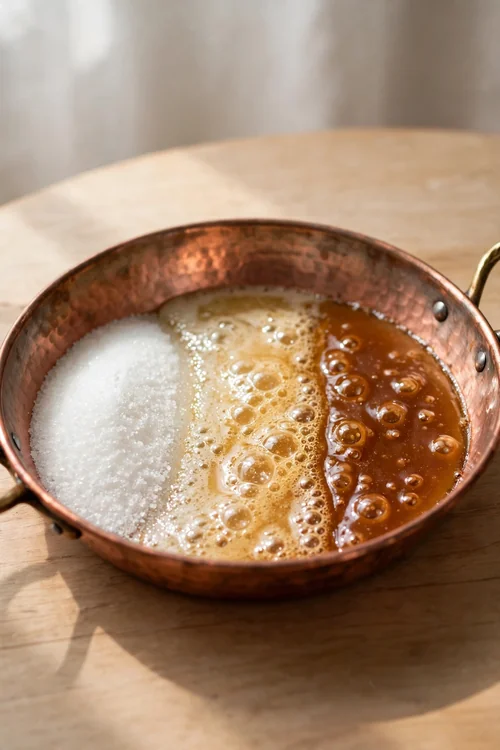
Knowing the stages helps you stop at the right moment. A thermometer removes the guesswork. A thermometer clipped to the pot shows the exact moment to stop cooking. Pull the pot a few degrees early, since the sugar keeps cooking off the heat.
- Cook sugar and water to 340 degrees for a deep amber caramel.
- Add warm cream slowly, since cold cream can seize the pot.
- Stir in butter and salt off the heat.
- Cool to warm before serving, and expect it to thicken as it cools.
Rescuing Hard Caramel
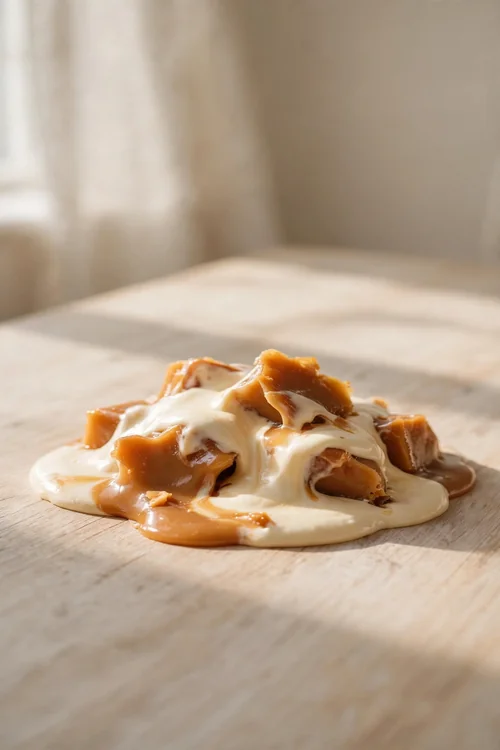
Quick Tip: To rescue a hard batch, add two tablespoons of warm cream and set the pan over the lowest heat. Let the edges melt before stirring, and the sauce will loosen on its own.
Do not stir a hard slab while it is still cold, since the spoon can crack it and splash hot sugar. Patience and low heat do the work. The sauce will go from solid to silky in about five minutes. Warm the cream before adding it, since cold cream can seize the sugar.
Softening With Cream

Common Mistake: Many cooks blast hard caramel over high heat to melt it fast. The sugar scorches, the sauce turns bitter, and the pan can be ruined in under a minute.
The Fix: Use the lowest heat, add cream a spoonful at a time, and swirl the pan instead of stirring. Low heat melts without burning, and cream keeps the texture smooth.
If the sauce still resists, add a tablespoon of water and cover the pan for two minutes. The steam softens the slab gently, and then you can stir it smooth. Taste a cooled spoonful before serving, since hot caramel always feels softer than it will be at room temperature.
Reheating Without Burning
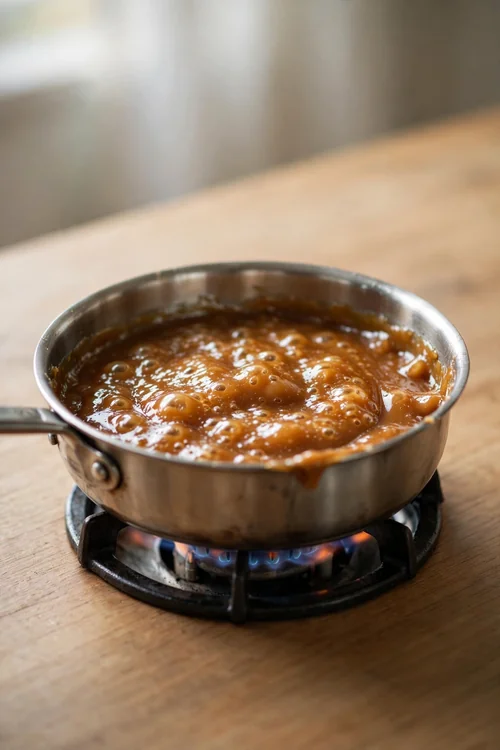
What You Need:
- Heavy saucepan: Even heat prevents hot spots that scorch sugar.
- Candy thermometer: Shows the exact stage so you stop at the right moment.
- Warm cream: Loosens hard caramel without seizing it.
- Butter: Adds richness and keeps the cooled sauce soft.
- Fine salt: Balances sweetness and deepens the caramel flavor.
A heavy pan matters more than a fancy one. Even heat is what keeps sugar from burning on one side while staying hard on the other. Work over the lowest flame you can manage and keep the pot moving with slow strokes. Steady low heat melts the sugar evenly without scorching the base.
Preventing Crystallization
Before: Before, my caramel seized into a hard slab the moment it cooled. I threw out batch after batch, thinking each one was ruined.
After: After learning the low heat rescue with warm cream, the same caramel turns silky again in minutes. No batch gets thrown out anymore.
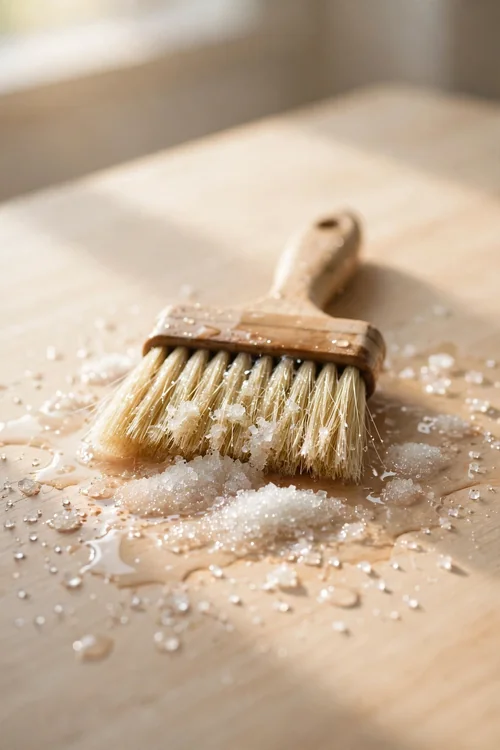
Caramel feels dramatic, but it is forgiving. Low heat, warm cream, and patience fix almost every failure. Wipe the inside of the pot with a wet brush before cooking to dissolve stray crystals. A clean pot wall keeps the whole batch smooth from the start.
Butter And Salt Balance

Do This:
- Warm the cream before adding it.
- Use low heat for every rescue.
- Swirl the pan instead of stirring.
- Store sauce in an airtight jar.
Avoid This:
- Do not blast hard caramel over high heat.
- Do not stir a cold, hard slab.
- Do not add cold cream to hot sugar.
- Do not leave sugar unwatched on the stove.
These habits keep caramel smooth from pot to jar. Once they feel natural, you will cook sugar with confidence. Store the jar upright and label it with the date, so you use the oldest sauce first. A quick stir after reheating brings back the shine.
Storing Caramel Sauce
- Time Needed: About 5 minutes to rescue a hard batch.
- Difficulty: Medium, sugar needs attention.
- Cost: Sugar, cream, and butter only.
- Best For: Dessert sauces, dips, drizzles, and ice cream toppings.
Soft caramel sets near 245 degrees Fahrenheit, while hard crack starts near 300 degrees. Cream should be warm, not cold, when it meets hot sugar. A wet pastry brush on the pan walls stops crystals from spreading. Reheat only the amount you plan to serve, since repeated heating thickens the sauce over time.
Serving Smooth Caramel
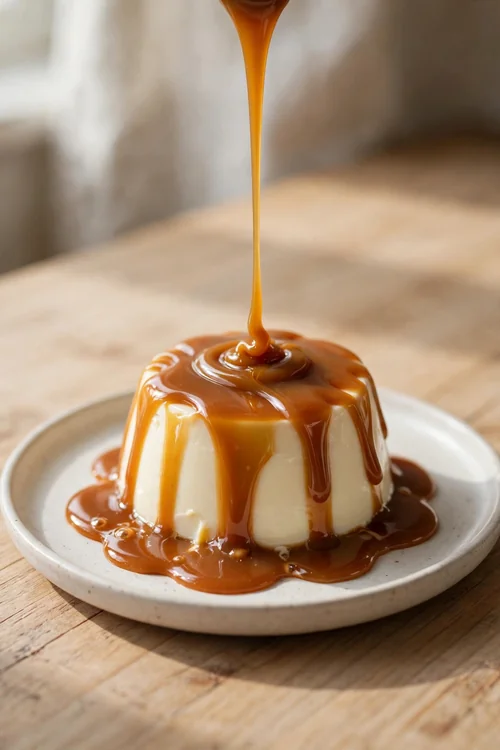
Crystals form when stray sugar grains seed the whole pot. Keep the pan walls clean, use a wet brush to wash down crystals, and do not stir while the sugar dissolves. Leftover hard pieces melt cleanly into warm milk for a sweet drink.
A teaspoon of corn syrup or lemon juice in the pot also blocks crystallization. Either one keeps the sugar smooth as it cooks, without changing the flavor. Broken candy pieces also make a pleasant topping over ice cream once they soften slightly. Store the pieces in a dry jar so they stay crisp.
Using Leftover Hard Caramel
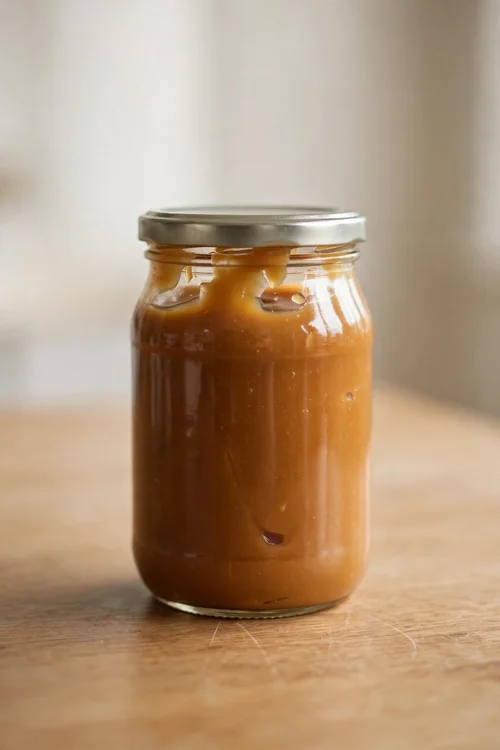
Store caramel in a clean, airtight jar in the fridge for up to two weeks. Reheat it the same gentle way every time. Warm the jar in a bowl of hot water instead of the microwave for gentle, even softening. Dry the outside of the jar before opening it.
- Cool the sauce to warm before jarring.
- Seal tightly and refrigerate.
- Reheat over low heat with a splash of cream.
- Stir once smooth, then serve warm.
Caramel Success Checklist

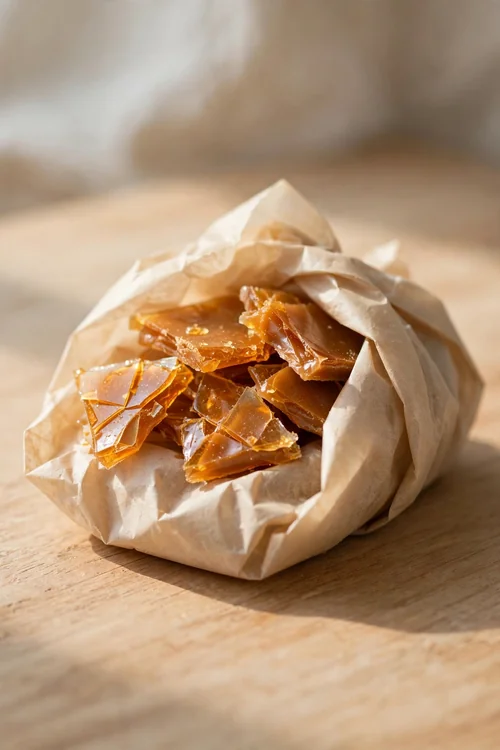
Quick Tip: Use leftover hard caramel as candy. Break the slab into shards, wrap them in parchment, and serve as toffee. A failed sauce can still become a good treat.
With gentle heat, warm cream, and a little patience, caramel stays silky and pourable. Your next batch will be smooth from the start. A short rest at room temperature before serving lets the sauce pour in a smooth ribbon. If it still feels thick, warm it for thirty seconds and stir again.
Conclusion
Hard caramel is a pause, not a failure. Remember that hardened caramel sauce softens again with gentle heat, a splash of cream, and patience. Reheat slowly over low heat, stir only when the edges loosen, and add cream a spoonful at a time. Watch for scorching, and pull the pan the moment the sauce turns silky. Store leftovers airtight and reheat the same way. With these steps, your caramel will stay smooth and pourable. For the fix that came before this one, see our cookie dough guide for bitter batches.