Why Does My Cookie Dough Taste Bitter Or Metallic? Easy Fix Guide
Bitter cookie dough is disappointing before the cookies even reach the oven. The usual causes are too much baking soda, a mismeasured leavener, or flour that caught a bitter note. Most batches can still be saved with a little balancing.
You will learn how to tell baking soda bitterness from cocoa bitterness, how to measure leaveners exactly, and how sugar, salt, vanilla, and chilling soften harsh notes. The fixes work for drop cookies, cutouts, and bars alike.
Once you know the causes, bitter dough becomes rare, and the next guide on caramel sauce shows how to soften caramel that went hard.
Why Dough Tastes Bitter
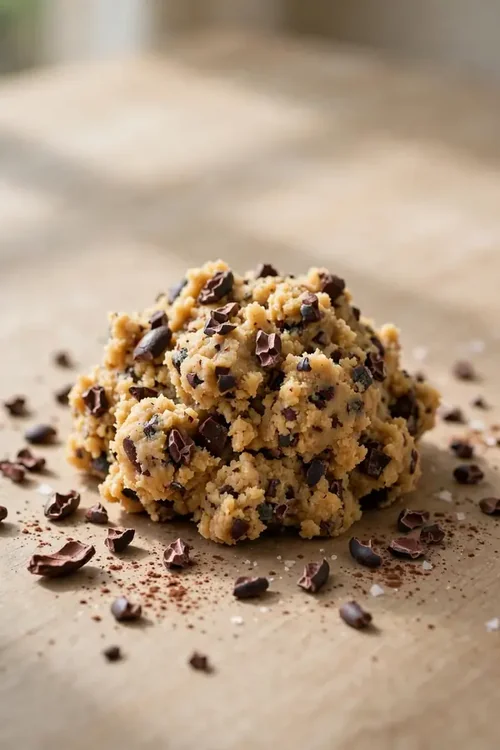
Baking soda is alkaline, and too much of it leaves a soapy, metallic bitterness that baking cannot hide. The same happens when baking powder is stale or doubled by mistake. A small pinch of extra soda can shift a whole batch, so measure with care.
Cocoa powder, especially natural cocoa, adds its own bitterness, and burnt flour from an overheated bowl can taste bitter too. Taste the dough to find which note dominates before you fix it. Keep a tasting spoon nearby and check the dough before it chills each time.
Baking Soda Versus Powder

Baking soda and baking powder are not interchangeable. Each one needs the right acid and the right amount. Baking soda needs an acid to work cleanly, while baking powder carries its own. Check the label before you measure, since both powders look alike.
- Use baking soda only when the recipe has an acid like brown sugar or buttermilk.
- Use baking powder when there is no acid in the dough.
- Never swap them one for one without adjusting the amount.
- Check expiry dates, since stale leaveners act unevenly.
Measuring Leaveners Right

Quick Tip: Level every spoonful of baking soda with a straight knife. A heaped teaspoon can be nearly double the right amount, and that extra soda is the most common cause of bitterness.
For small amounts, use proper measuring spoons rather than a dinner spoon. The difference between a level and a heaped spoon is enough to ruin a whole batch of cookies. A dinner spoon scoops far more than a measuring spoon, so keep a proper set close.
Balancing With Sweetness

Common Mistake: Many bakers try to fix bitterness by adding more baking soda for a better rise. The extra soda makes the bitterness worse and can turn the cookies an odd yellow color.
The Fix: Add a pinch more sugar, a pinch of salt, and an extra splash of vanilla instead. Sweetness and vanilla round out harsh notes without changing the chemistry.
If the dough is badly over leavened, mix a second small batch with no leavener and fold the two together. Dilution is the most reliable fix for a serious measuring slip. Taste after each small fix and stop as soon as the flavor turns sweet.
Fixing Bitter Batches

What You Need:
- Measuring spoons: Level measures keep leaveners exact.
- Vanilla extract: A teaspoon masks mild bitterness with warm flavor.
- Fine salt: A pinch sharpens sweetness and softens harsh notes.
- Brown sugar: Adds molasses depth that balances alkaline tastes.
- Cocoa powder: Dutch process cocoa is less bitter than natural cocoa.
You probably have every fix on this list already. Work through them one at a time, tasting between steps, so you stop as soon as the dough tastes right. Start with the smallest fix first. Taste again before adding more, and stop when the dough tastes right.
Chilling Improves Flavor
Before: Before, my cookies sometimes tasted soapy and bitter, and I blamed the chocolate. The real cause was a heaped teaspoon of baking soda.
After: After leveling my measures and adding a little extra vanilla, the same recipe tastes sweet and clean. The chocolate finally gets to shine.
Small measuring habits make a big flavor difference. A level spoon and a fresh box of soda are worth more than any fancy ingredient. Write the corrected amount on the recipe card for next time. A short note today saves a repeat mistake at the next bake.
Vanilla And Salt Help

Do This:
- Level every leavener measurement.
- Taste the dough before baking.
- Bake a test cookie first.
- Chill the dough for at least one hour.
Avoid This:
- Do not add extra soda to fix bitterness.
- Do not guess leavener amounts.
- Do not skip the salt.
- Do not bake the whole tray untested.
These habits catch problems early, when they are still easy to fix. A test cookie takes ten minutes and saves a whole tray. Bake the test cookie at the same temperature as the full tray, so the result means something real. If the test tastes clean, the rest should too.
Cocoa And Chocolate Notes

- Time Needed: About 10 minutes to fix plus chilling.
- Difficulty: Easy, mostly measuring and tasting.
- Cost: Pantry staples only.
- Best For: Drop cookies, cutouts, bars, and brownies.
Most cookie recipes need half a teaspoon of baking soda per cup of flour, or one teaspoon of baking powder. Chilling dough for 24 hours deepens flavor and softens harsh notes. Always taste before you bake. Keep the dough cool while you work, since warm dough spreads fast.
Baking Test Cookies First

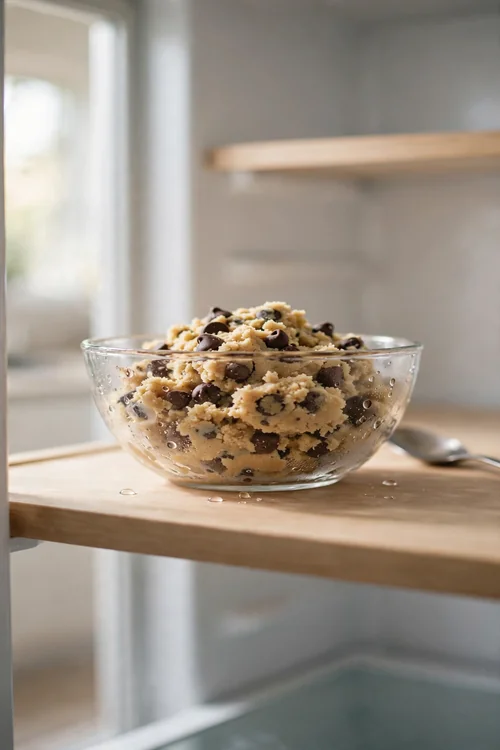
Chilling does more than firm the dough. Cold rest lets the flour hydrate, the sugar dissolve, and the harsh alkaline notes mellow. An hour helps, and overnight is even better. Chilling also lets vanilla and salt blend through the dough and soften sharp notes.
If you are short on time, chill the dough in a flat slab in the freezer for 20 minutes. The quick chill firms it enough to scoop while still giving some flavor benefit. If the slab feels too firm, let it sit on the counter for ten minutes.
Serving Balanced Cookies

A test cookie tells you the truth before you commit the tray. Bake one, taste it, and adjust. A test cookie also shows how far the dough will spread on the tray. Check the edge color as well as the flavor.
- Scoop one cookie and bake it as directed.
- Cool it for 5 minutes, then taste.
- Adjust sugar, salt, or vanilla if it tastes bitter.
- Bake the rest only when the test tastes right.
Dough Troubleshooting Checklist

Quick Tip: Serve bitter edged cookies with a glass of milk or a scoop of ice cream. The cool dairy softens harsh notes and turns a flawed batch into a pleasant dessert.
With level measures, a test cookie, and a good chill, bitter dough becomes a rare event. Your cookies will taste sweet and balanced from the first batch. Store baked cookies in a sealed tin once they cool, since air dries them out fast. A slice of plain bread in the tin keeps them soft.
Conclusion
Bitterness is fixable, and it rarely means starting over. When bitter cookie dough shows up, check your leavener measurements first, then balance with a pinch more sugar, salt, and vanilla. Chilling the dough for an hour deepens the flavor and softens harsh notes. Bake a test cookie before committing the whole tray, and adjust from there. Keep a written note of the corrected amounts for next time. With these steps, your cookies will taste sweet, balanced, and ready to share. For the fix that came before this one, see the muffin batter guide for soft tender muffins every time.