Why Is My Meatloaf Falling Apart? Easy Fix Guide
Nothing ruins dinner faster than slicing into a loaf and finding meatloaf falling apart on the plate. You hoped for neat slices, yet the loaf crumbles into chunks. The good news is that crumbling has clear causes, and each one has a simple fix.
Most loaves crumble for a handful of reasons. Too little binder, too much liquid, rough mixing, or skipping the rest can each break the slice. Small slips add up fast, and the wrong pan makes the trouble worse.
This guide walks through each cause in order, with a plain fix beside it. You need no special tools or fancy ingredients. If your gravy also turns lumpy, see our guide on fixing lumpy gravy for a smooth, silky pour.
Why Meatloaf Falls Apart
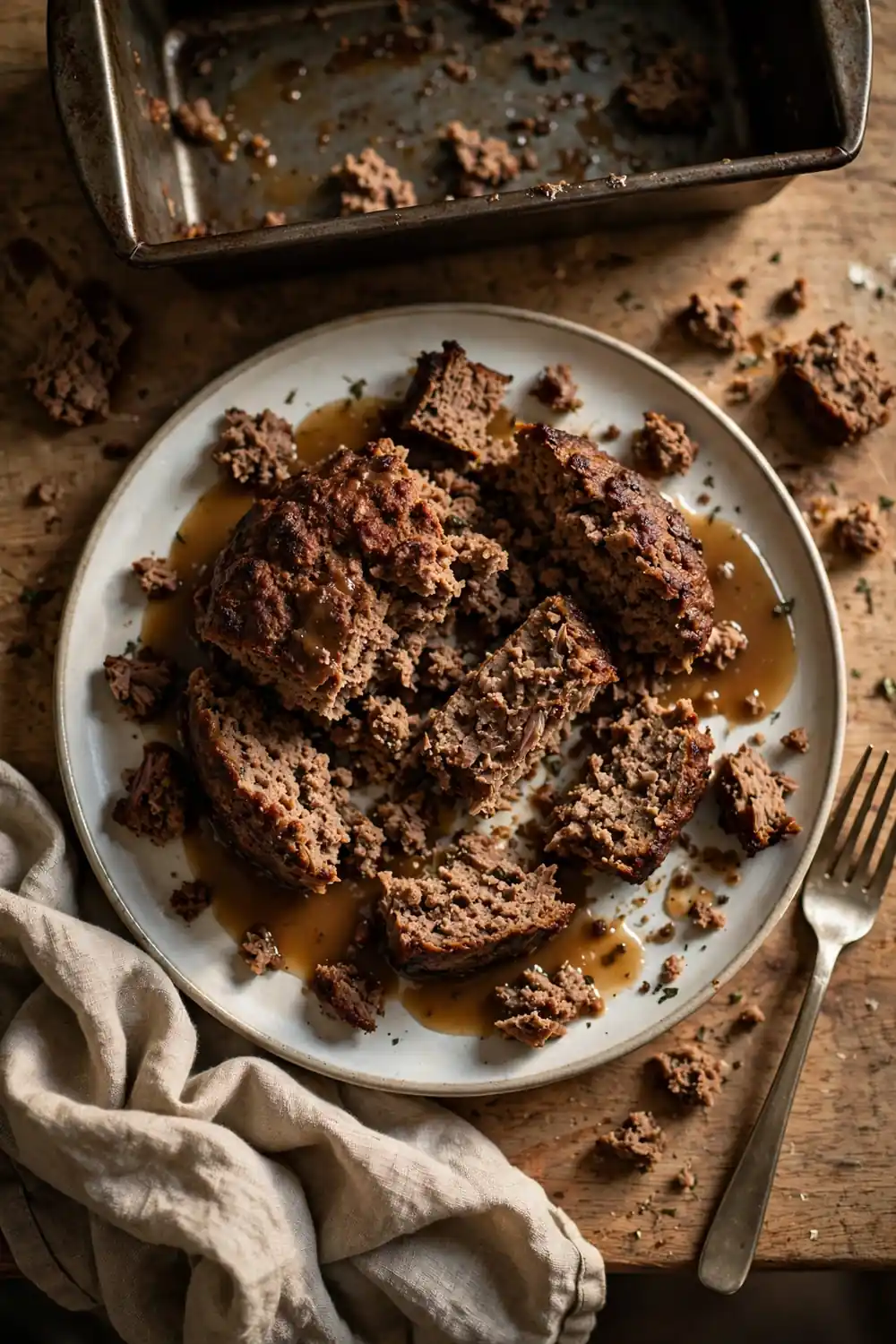
You lift the loaf from the pan, hoping for neat slices, yet it breaks into chunks on the plate. The flavor can be fine, but the texture gives way on the fork. The trouble rarely sits in the recipe itself. It starts with how the loaf was built.
Too little binder, too much liquid, and rough mixing each push the loaf toward crumbling. When any of those three is off, the meat never holds together and the slices break. Each cause has a plain fix, and you can use it on your very next loaf.
Pick the Right Meat
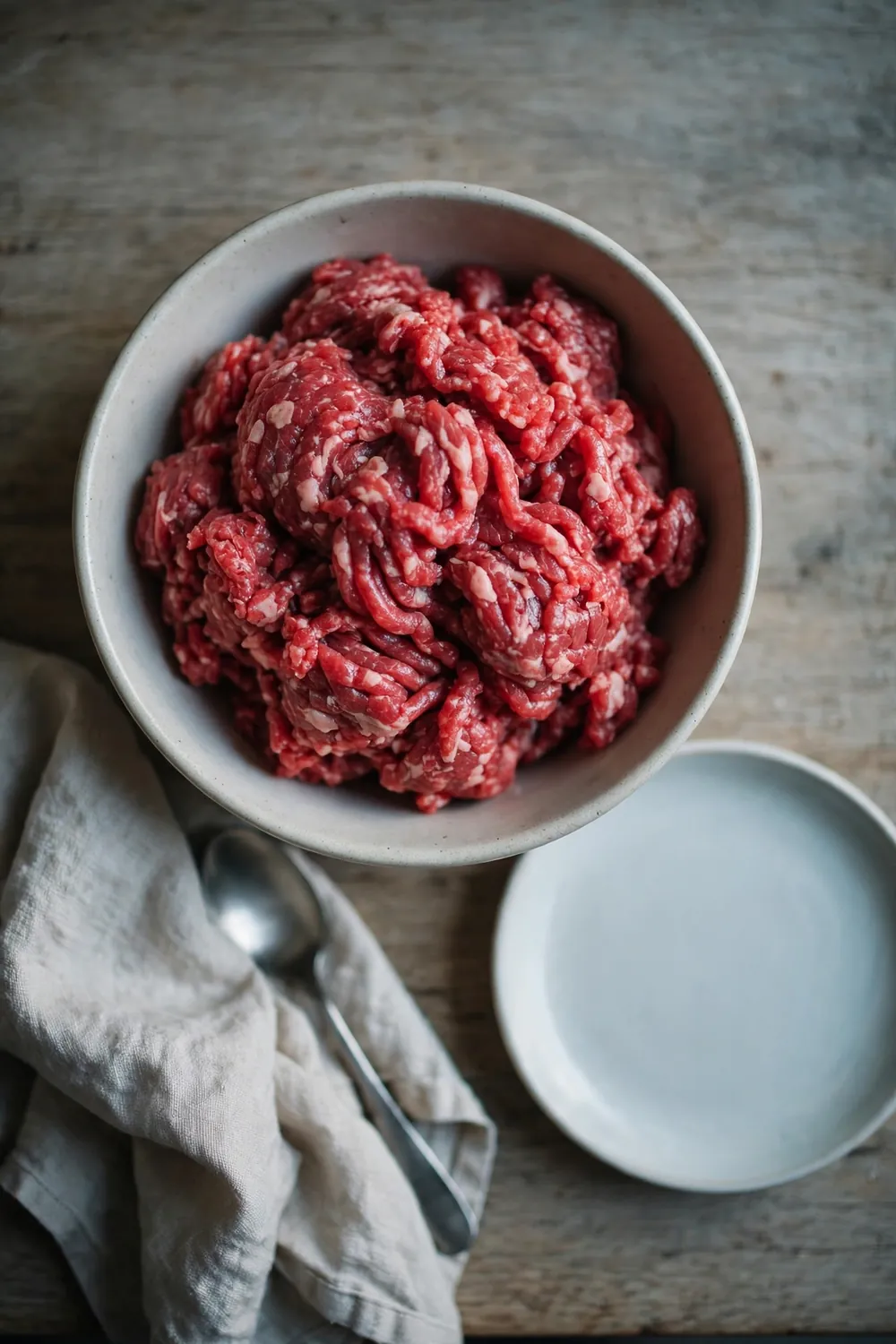
The meat you buy shapes the result more than any other choice, and very lean meat can never hold a loaf together. An 80/20 blend gives enough fat for binding and flavor. Pick the right blend, and the loaf stays firm.
- Choose 80/20 ground beef for a firm loaf.
- Mix in ground pork for extra binding if you like.
- Keep the meat cold until you mix it.
- Skip ultra lean meat for this dish.
Use Enough Binder
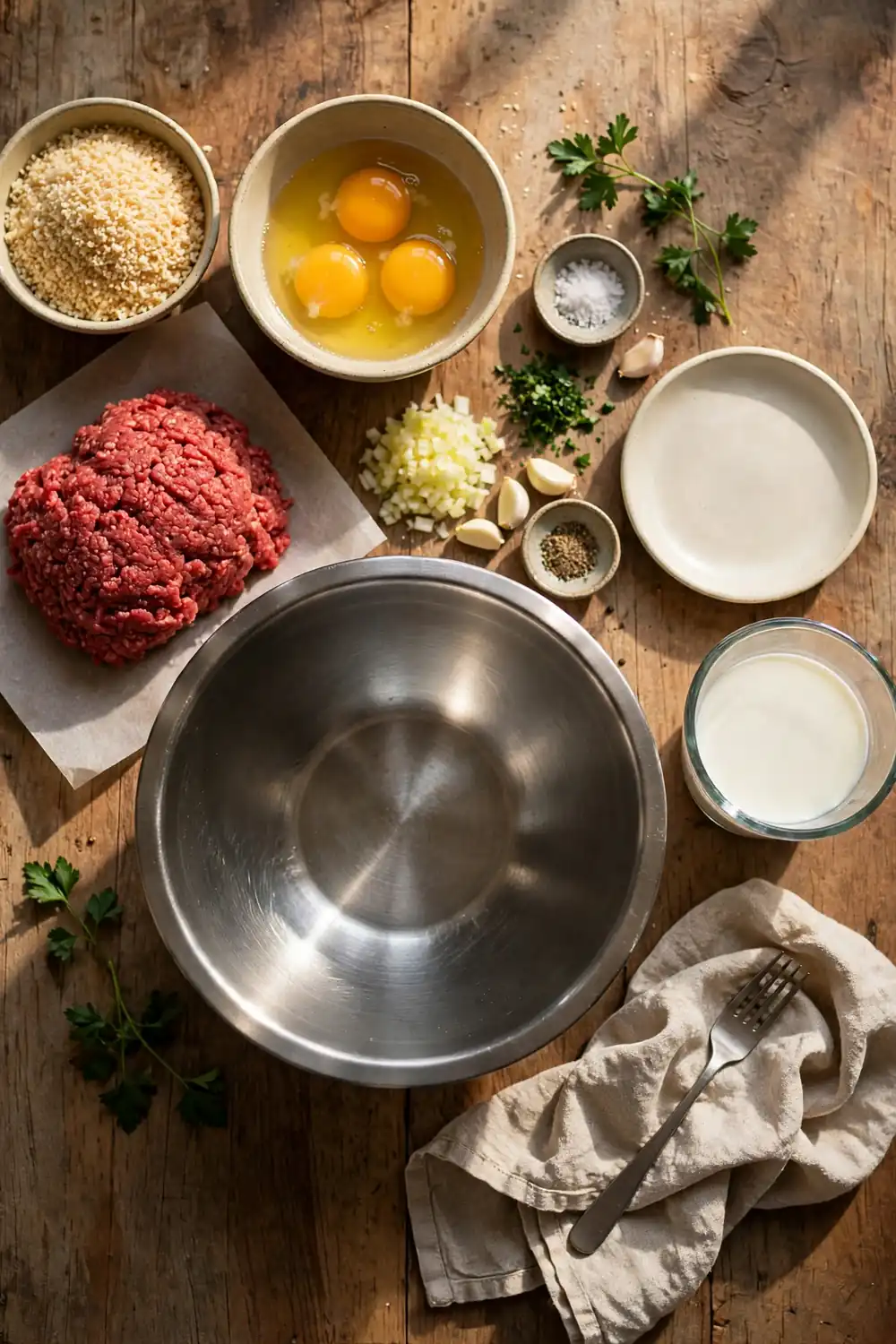
Quick Tip: Binder is the glue that holds a loaf together, and too little of it leaves the slices crumbly. Eggs and breadcrumbs trap moisture and bind the meat. Use the full amount, and the loaf slices cleanly.
Mix two eggs and a full cup of soft breadcrumbs into every two pounds of meat. The binder soaks up juices and holds the slices firm through baking and resting. Skimp on binder once, and the loaf breaks apart on the plate every single time.
Do Not Overmix
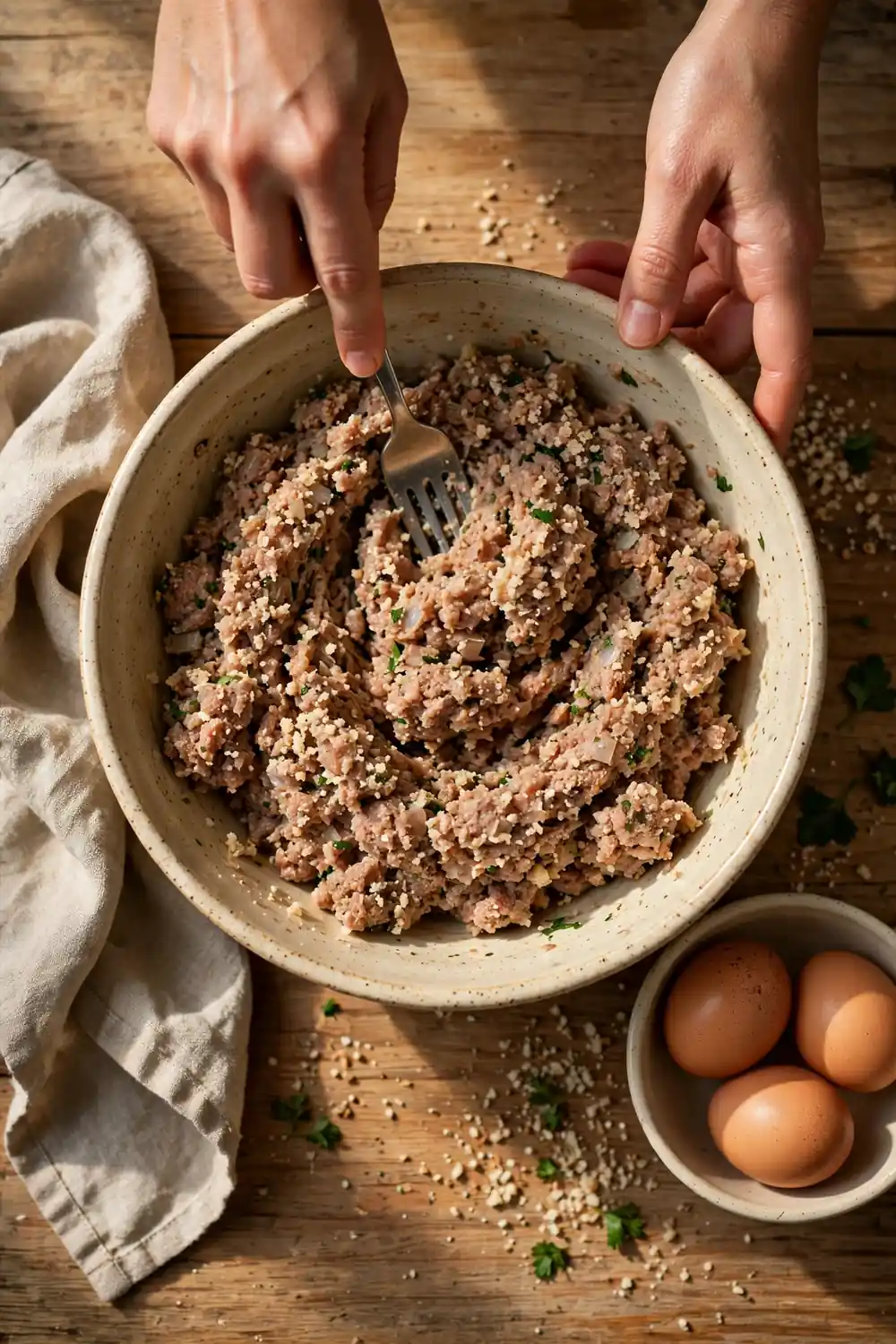
Common Mistake: Many cooks mix the loaf hard and long, thinking it will bind better, yet the loaf turns dense and tough. The meat gets worked, and the slices crack instead of holding. The loaf needs gentle mixing, not hard kneading, to stay firm.
The Fix: Mix with a fork until the ingredients just come together, then stop. The loaf stays tender, and the slices hold. Gentle mixing is the simplest fix for a firm loaf.
Overmixing squeezes out fat and breaks the texture, so the loaf turns tough and crumbly. Gentle hands keep the meat loose enough to bind without cracking or drying. Mix lightly once, and the loaf slices firm and juicy every single time you bake it at home.
Shape It Right
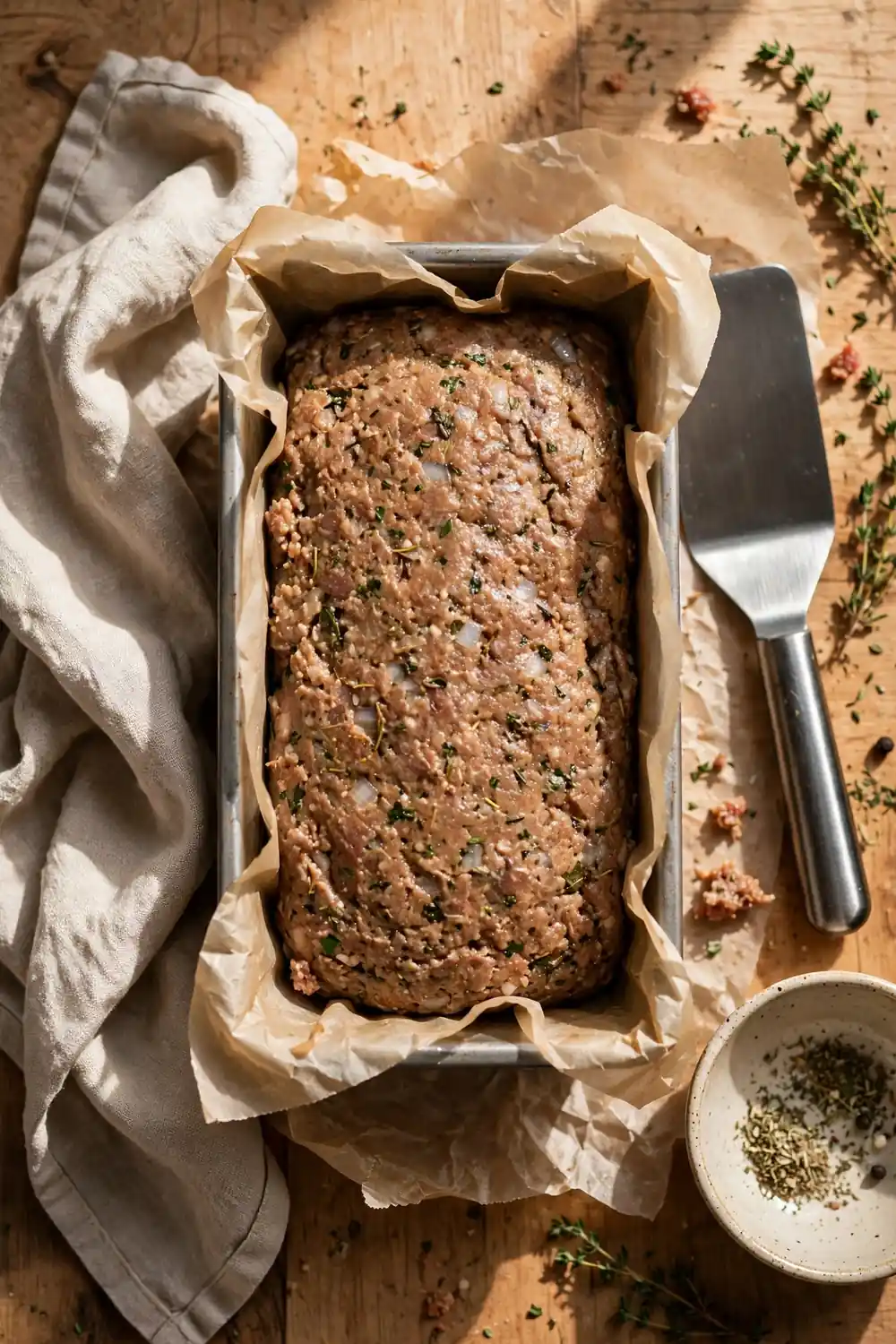
What You Need:
- A loaf pan, to hold the shape while baking.
- A baking sheet, if you prefer a free-form loaf.
- Parchment paper, to lift the loaf out cleanly.
- A sharp knife, to slice cleanly after resting.
A loaf packed too tight cracks as it bakes, and a loose loaf breaks apart on the plate. Press the meat gently into an even shape with no air pockets inside. Shape it once, and the loaf bakes evenly and slices cleanly every time you serve it.
Bake It Evenly
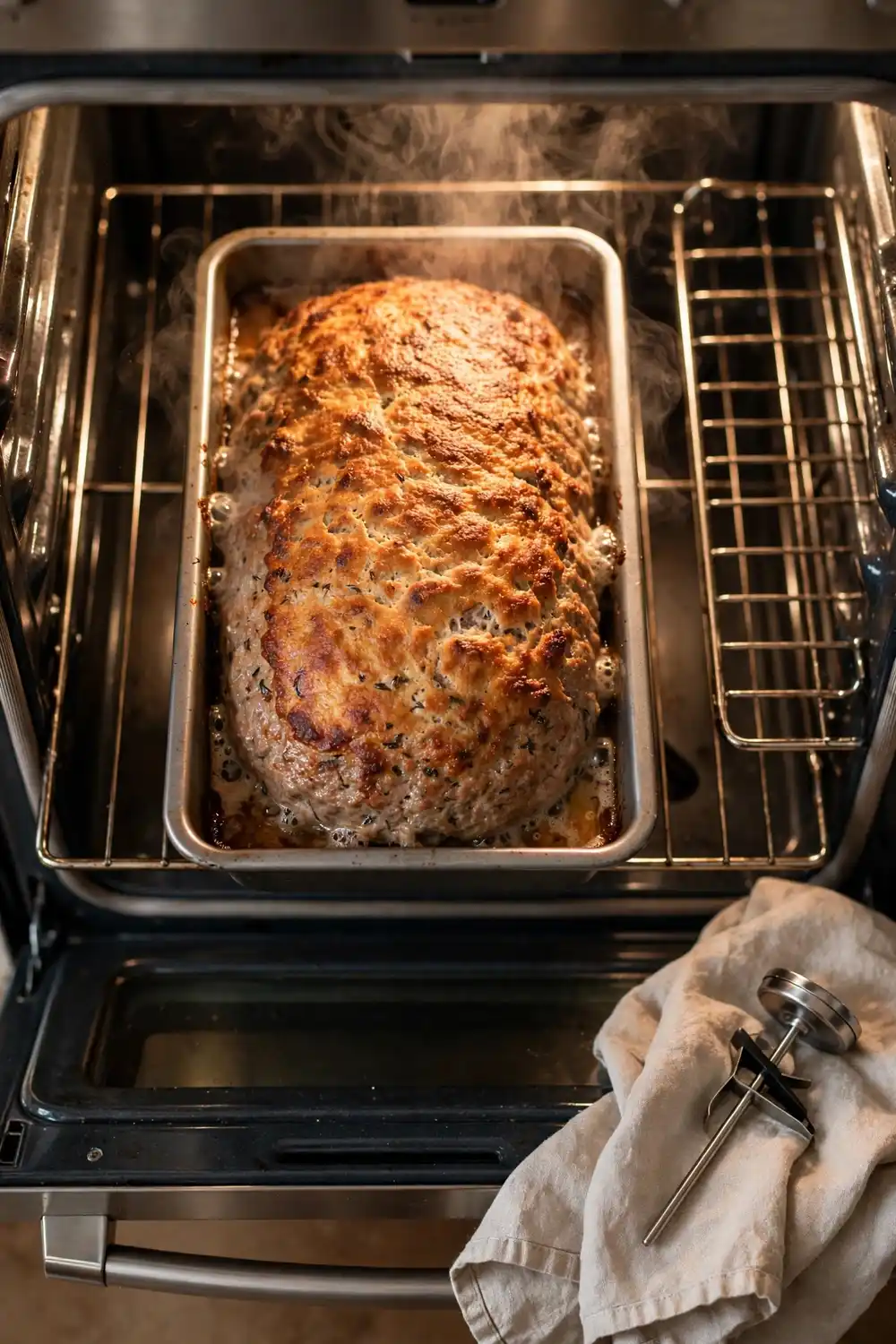
Before: A loaf of uneven thickness bakes unevenly, so the thick middle stays raw while the thin edges dry out. The slices crack at the edges and crumble in the center. High heat makes the trouble worse, since the outside hardens before the inside cooks.
After: A loaf of even thickness bakes at the same pace from end to end. The heat reaches every part together, so nothing dries out. Each slice comes out firm, juicy, and easy to serve.
Shape the loaf the same thickness from end to end, and press the corners gently into place. Bake at a steady moderate heat, and give the loaf time to cook through. Even baking keeps the loaf firm, juicy, and easy to slice every time you serve it.
Let It Rest Before Slicing
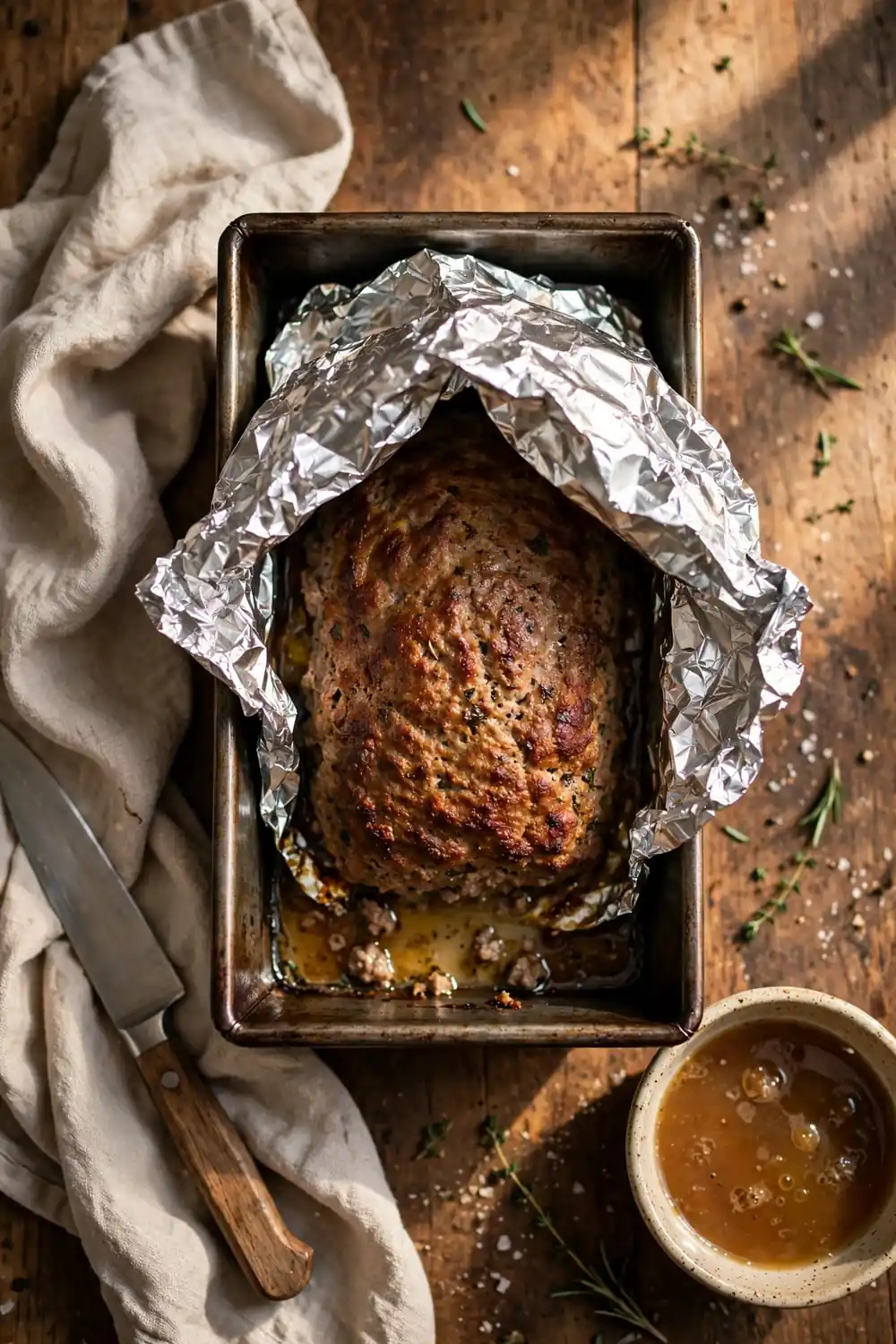
Do This:
- Rest the loaf tented loosely with foil for fifteen minutes.
- Let the juices settle back into the meat.
- Slice with a sharp, thin knife.
- Cut slow, even slices without pressing down.
Avoid This:
- Do not slice the loaf straight from the oven.
- Do not press down hard with the knife.
- Do not rush the rest to serve sooner.
- Do not cut thick ragged slices while the loaf is hot.
Resting lets the juices settle back into the meat, so the slices stay firm and juicy. A loaf cut too soon spills its juices on the board and crumbles on the plate. Resting takes patience, yet the loaf tastes far better for the wait every time you serve it.
Fix a Crumbling Meatloaf
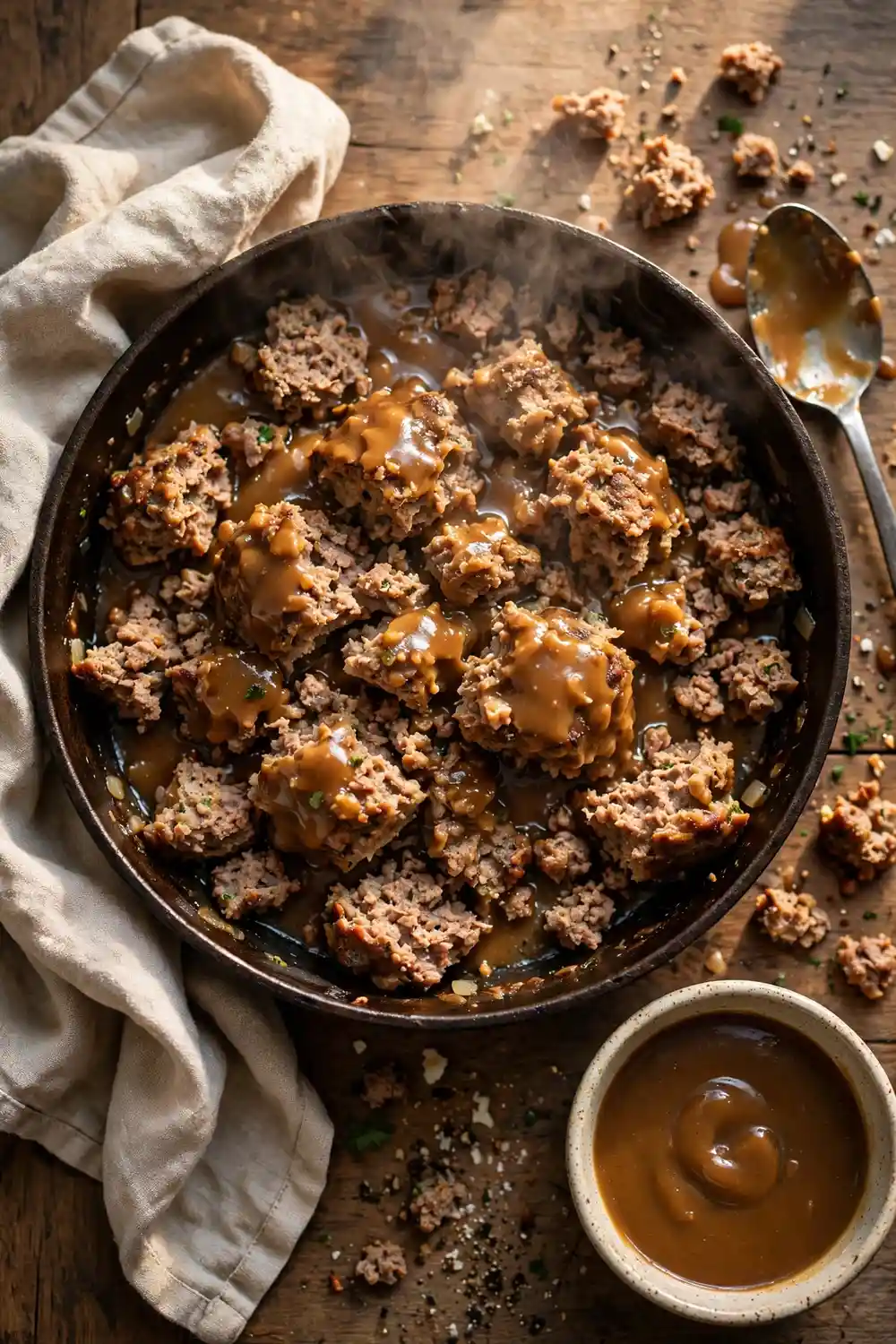
First fix: Rest the loaf longer
Best tool: Sharp, thin knife
Save it: Serve pieces with warm gravy
Result: Firm slices or a tasty crumble topping
A crumbling loaf is not ruined, and the flavor is still good inside the slices. Rest it longer, slice gently with a sharp knife, and serve the pieces with warm gravy. A little care saves dinner, and the loaf tastes great anyway for everyone tonight.
Store Meatloaf the Right Way
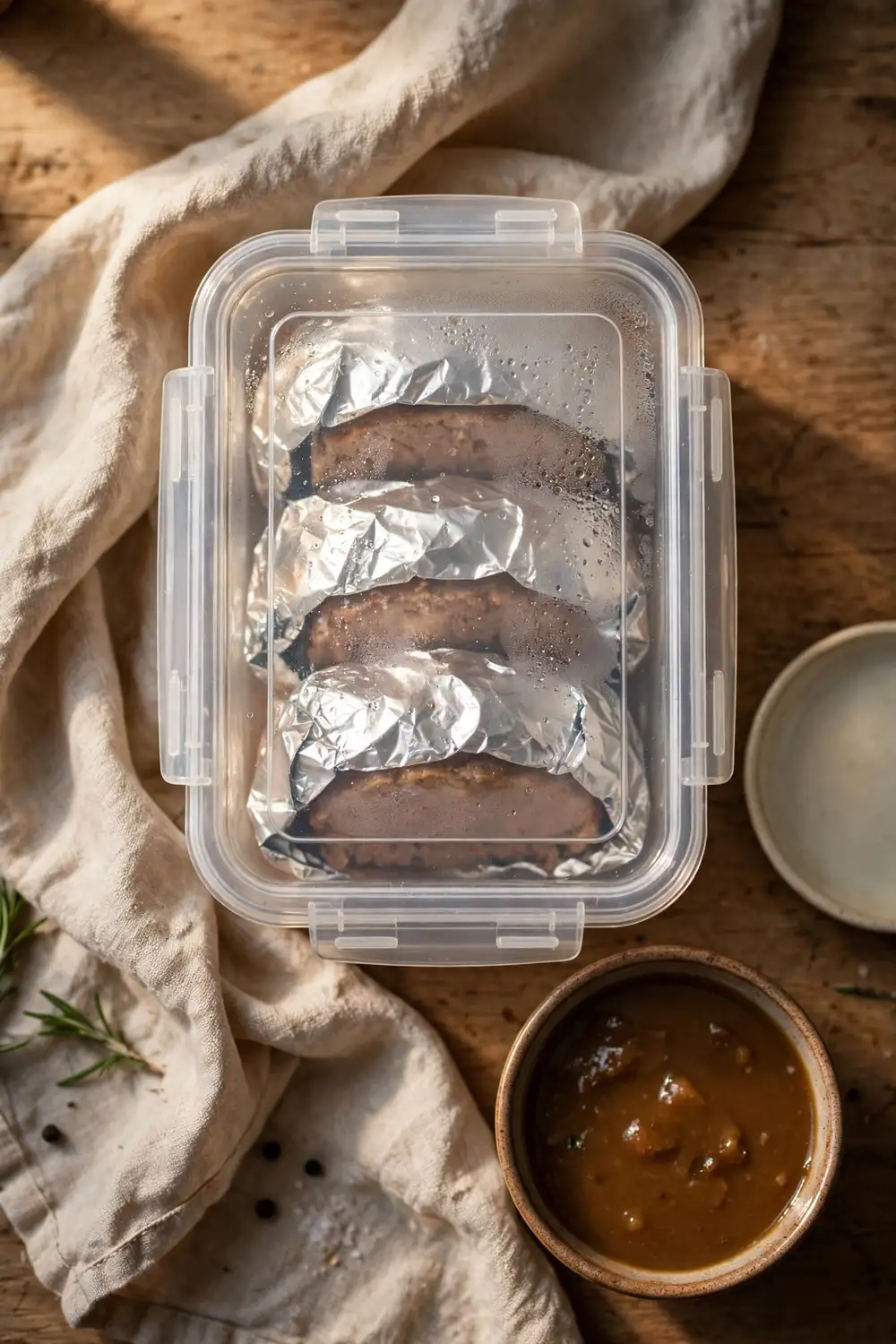
Storing meatloaf uncovered in the fridge dries it out fast, even when the loaf was perfect. The cold pulls moisture from the slices, and the texture turns hard and dry. Wrap it tight in foil, and the slices stay moist for days after you serve it.
Cool the loaf fully, then wrap slices tight in foil or pack them in a sealed container. Keep leftovers in the fridge up to three days, or freeze slices up to three months. Reheat gently at low heat, so the slices stay firm and moist for dinner.
Common Mistakes to Avoid
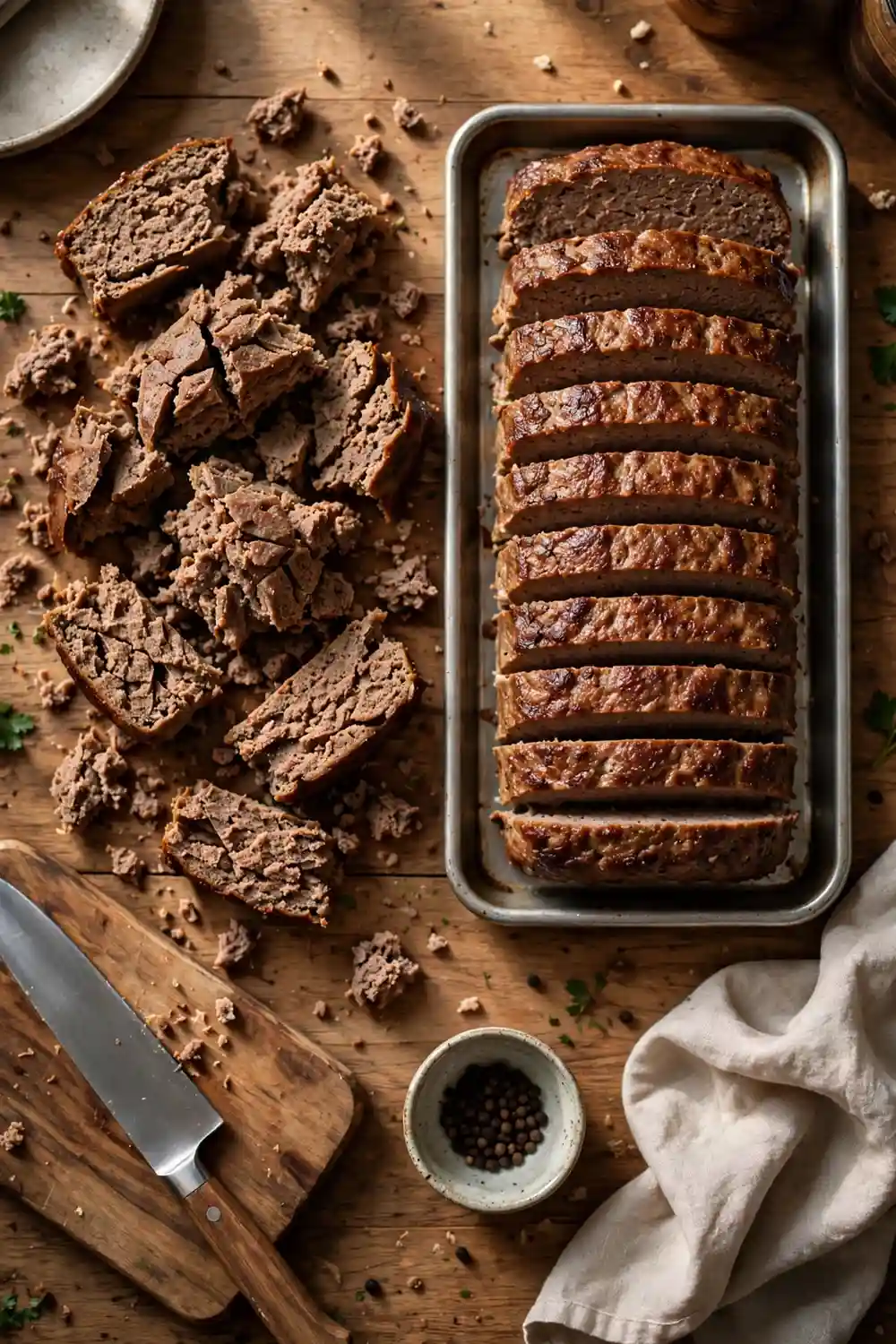
Most crumbling loaves come from the same few mistakes, and all of them are easy to fix. Change one thing at a time, and you will see which fix made the difference. Start with the binder, then the mixing, then the rest.
- Do not skip the eggs and breadcrumbs.
- Do not overmix the meat.
- Do not bake the loaf at high heat.
- Do not slice the loaf before it rests.
What Perfect Meatloaf Looks Like
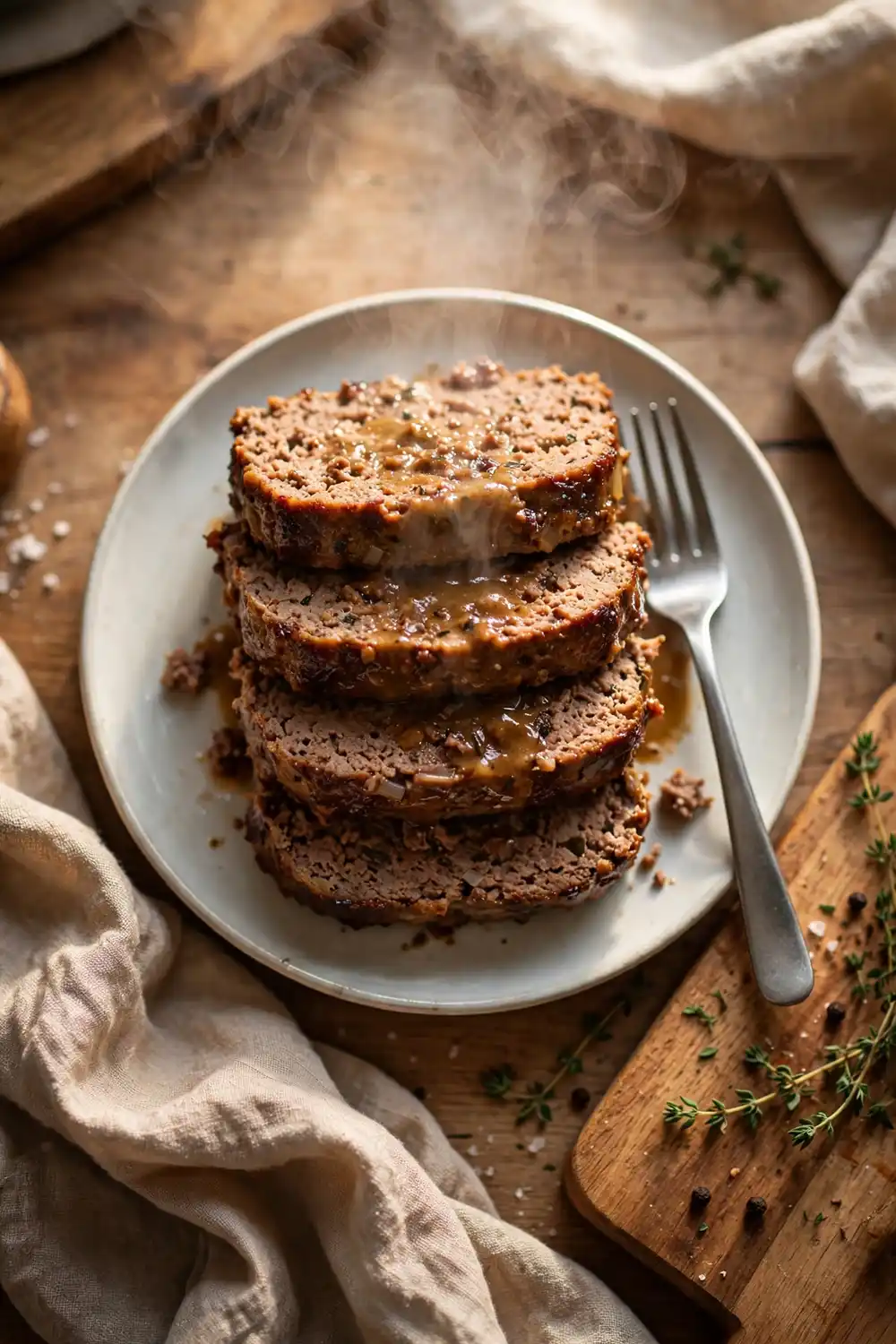
Quick Tip: Perfect meatloaf looks firm and moist, with neat slices that hold their shape. The meat feels tender, never dry or crumbly. Trust these signs more than the color of the outside.
Good meatloaf tells you it worked before you taste it. The slices look firm and juicy, the loaf holds its shape, and every piece sits neat on the plate. That is the finish every fix in this guide is working toward for you every single time.
Conclusion
Meatloaf falling apart is not a sign of bad luck in the kitchen. It comes from small, fixable causes, and now you know each one. Bind it well, rest it, and the next loaf can surprise you.
Pick one fix from this guide and try it on your next loaf. Save this post on Pinterest so the fixes are there when you need them. Share it with anyone whose loaf falls apart.
I have seen how making this one change can completely shift the result. Bake your next loaf with these fixes and enjoy a firm, juicy slice.




One Comment