20 Shrimp Bisque Ideas to Add to Your Herbed Favorites
There is a reason French bistros guard their bisque pots so closely: one spoonful delivers the whole sea in silk form. A shrimp bisque done right tastes like the ocean got dressed up for dinner, rich, smooth, and quietly luxurious at home.
This collection gathers twenty versions to pin, from the timeless velvety classic to roasted shell stock pots, sweet corn bowls, fiery Cajun riffs, and a crusty bread bowl finale. Every pot keeps the soul of the soup and changes one thing that matters.
You will find stock secrets, blending tricks, and honest shortcuts gathered from years of home pots and bistro envy. Pick the version that fits your evening, and keep the rest pinned for the next cold night that calls for something special. My shrimp and grits brings that same comfort home in a creamy Southern bowl.
Classic Velvety Orange Bowl

Image Credit: @mudwaar
The classic begins with shrimp shells sizzling in butter until they blush coral and perfume the whole kitchen with the sea. Onion, garlic, and tomato paste deepen the base before stock joins, and everything simmers into the foundation of that famous orange silk at home.
Cream and a slow blend turn the pot glossy, and whole shrimp poached at the end stay plump instead of shrinking into rubber. In my experience, a warm bowl, a swirl of cream, and chives on top make this taste like a bistro lunch completely.
Cognac Flambé Finish Pot

Image Credit: @niukitchen
- Warm the cognac in a small pan first, because cold spirit refuses to light and only steams sadly over the pot.
- Tilt the pan away from your face and light the edge, letting blue flames dance until the sharp alcohol smell fades.
- Pour the flaming spirit over the shell base and stir while it settles, which rounds every flavor underneath it.
- Finish with cream after the flames die, since boiling cream after the cognac can split the silk you built.
That brief burst of flame does more than entertain the table; it burns off the raw edge and leaves a deep, almost caramel warmth behind. Guests lean in for the show, then stay quiet for the spoon, which is exactly how a dinner party should unfold.
Roasted Shell Stock Base

Image Credit: @sdotwells25_
Quick Tip: Roast the shells with tomato paste until brick red before any liquid touches them. That dry heat builds the deep color and toasted flavor no simmer alone can fake. Strain twice for a stock that blends perfectly smooth later.
Most home cooks throw the shells away, and with them goes the soul of the whole pot, which still surprises me every single season. Roasting concentrates the flavor so much that a modest handful of shrimp seasons a full batch of soup beautifully every time.
Sweet Corn Topped Bowls

Image Credit: @mf1726
BEFORE: A plain bowl of bisque can taste one note after a few spoonfuls, all richness with nothing bright to break it up for the eater. Corn used to go straight into my pot and vanish, its sweetness drowned by cream before anyone noticed it.
AFTER: Charred corn kernels scattered over the top keep their pop and smoky sweetness against the smooth orange base underneath every spoonful. Each bite now alternates silk and crunch, and the bowl stays interesting from the first taste to the very last golden spoon tonight.
Corn season is when this version earns its place at my table, because two ears from the market change the whole bowl for pennies. Serve it in warm bowls with extra kernels on top, and watch skeptics convert by the second spoon every single time.
Spicy Cajun Pepper Kick

Image Credit: @jimmyverso1982
- Bloom Cajun seasoning and a pinch of cayenne in the butter before the shells go in, so the spices toast instead of tasting raw.
- Add a diced jalapeño with the onion for green heat that sits underneath the deeper red pepper warmth of the finished soup.
- Simmer the base fully before blending, because pepper heat keeps growing as the pot rests and can overshoot your target.
- Balance the fire at the end with cream and a squeeze of lemon, which keep the burn warm instead of sharp.
Heat should hum underneath the silk here, never shout over it, and this build keeps that balance honest from the first spoon. Serve smaller bowls than usual, pass the bread basket twice, and let everyone season their own courage at the table every single night.
Stovetop Versus Slow Cooker

Image Credit: @slapyamama
| Point | Stovetop Pot | Slow Cooker |
|---|---|---|
| Flavor Depth | Deepens nicely in under an hour | Melts together over long slow hours |
| Shell Stock | Built fresh in the same pot | Made ahead and added at the start |
| Cream Timing | Stirred in right before blending | Added in the final thirty minutes |
| Best Occasion | Weeknight dinners with little notice | Lazy Sundays and make ahead plans |
Neither pot wins outright in my kitchen, because the right choice depends on the day and the clock you are cooking against. Stovetop gives control and speed, the cooker gives patience and freedom, and both end with bowls worth gathering around together on cold nights.
Shell Saving Ground Rules

Image Credit: @fionapat17
- DO: Save every shell in a freezer bag as you peel, because two handfuls of shells build a stock stronger than any carton.
- DO: Pat the shrimp dry before poaching so they sear lightly instead of steaming pale in their own watery juices.
- DO: Blend the soup in batches with the lid vented, letting steam escape so pressure never paints your ceiling orange.
- DO: Poach the shrimp last in the finished soup, two gentle minutes, so they stay plump, pink, and tender throughout.
- DON’T: Boil the cream hard after it joins the pot, because a rolling boil can split the silk and dull the color.
- DON’T: Skip straining the stock, since tiny shell fragments hide in the liquid and ruin the smooth finish completely.
- DON’T: Season everything at the start, because reduction concentrates salt and the final bowl can turn harsh fast.
- DON’T: Reheat leftovers at a fierce bubble; gentle warmth keeps the shrimp tender and the surface glossy and calm.
These habits sound small on paper, yet they are the whole difference between a decent bowl and the one people request again. Shells, patience, and gentle heat cost nothing extra, and they repay you in every single spoonful of the finished soup you serve nightly.
Dairy Light Coconut Twist

Image Credit: @silviakocht
Cost: Moderate, canned coconut milk replaces cream
Time Needed: 45 minutes including the stock
Difficulty: Easy
Best For: Dairy free guests at mixed tables
Coconut milk changes the accent of this soup without breaking its character, adding a soft tropical roundness under the shell flavor. The color stays a paler blush, the texture stays lush, and dairy free guests finally get the same bowl as everyone else at last.
Slow Cooker Sunday Batch

Image Credit: @chubberz1963
Sunday cooking should feel like a gift to your future self, and this slow batch simmers while the house does other things entirely. Shells, aromatics, and tomatoes melt together for hours, building a base that tastes tended even though nobody stood watching it at all.
Blend and add the cream when you drift back to the kitchen, then poach the shrimp minutes before the bowls come out warm. Leftovers reheat like a dream on Monday, which is exactly why I double this batch without ever being asked by anyone here.
Crusty Bread Bowl Serving

Image Credit: @leforts_seafood_restaurant
- Choose round sourdough loaves with a firm crust, because thin bread walls surrender to hot soup within minutes of serving.
- Hollow the center generously and save the crumb for croutons, leaving a thick floor that holds the bisque without leaking through.
- Brush the inside with garlic butter and bake ten minutes, which seals the crumb and adds a toasted flavor underneath.
- Ladle the soup in at the table, not in the kitchen, so the bowl arrives crisp instead of slumped and soggy.
A bread bowl turns soup night into an event, and eating the container afterward feels like a small, delicious magic trick at home. Kids especially love this serving, and the edible bowl means one less dish soaking in the sink afterward tonight, for everyone gathered at the table.
Roasted Tomato Depth Pot

Image Credit: @alroker
Quick Tip: Roast the tomatoes cut side down until their edges char and their juices thicken in the pan. That caramel depth carries straight into the blended soup later. A pinch of sugar balances any sharp winter tomatoes beautifully every time.
Fresh tomatoes alone can taste thin in a bisque, all brightness and no backbone, especially from winter markets with pale fruit. Roasting fixes that in one tray, concentrating the sugars until the soup gains the deep, slow flavor of a long simmer on the stove.
Leek And Fennel Garden

Image Credit: @albertafoodtours
BEFORE: Onion alone can push a bisque toward sharpness, and heavy cream sometimes flattens everything into one soft, sleepy note too soon. My early pots tasted fine but forgettable, the kind of soup nobody asked about after the bowls were cleared away from the table.
AFTER: Leeks melt in sweeter than onion, and fennel adds a gentle anise whisper that makes the shell flavor taste even more like itself. The soup turns layered instead of loud, with a garden freshness that keeps every spoon interesting until the end of dinner.
Garden versions like this one keep January cooking from feeling like a punishment after the holidays have passed us by completely. The pot stays light on its feet, the color stays sunset orange, and the table still feels properly fed and happy at the end.
Blender Smooth Silk Finish
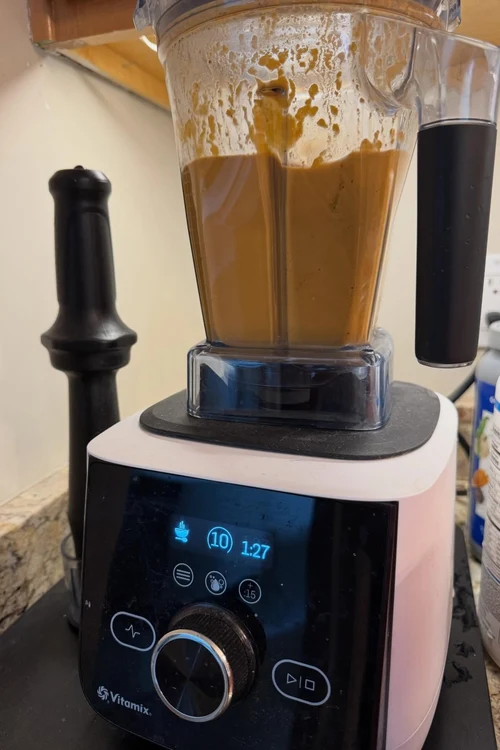
Image Credit: @papasnitz
- Blend the hot soup in small batches, filling the jar only halfway, because steam expansion can blow the lid skyward.
- Hold the lid down with a folded towel and start on the lowest speed, creeping upward as the vortex forms.
- Blend a full minute longer than feels necessary, since the last seconds are where stubborn fibers finally disappear completely.
- Pass the soup through a fine strainer into a clean pot for the truly glassy, restaurant level finish at home.
Texture is the whole identity of this soup, and a patient blend is what separates silk from ordinary puree in the bowl. Take the extra minute, strain without grumbling, and the surface will shine like still water when the ladle lifts away from the pot.
Two Stocks Side Compared

Image Credit: @tasteofthesouthmagazine
Shell Stock Base: Shells roasted and simmered with aromatics give the deepest, most honest sea flavor a home pot can honestly reach. The color leans amber, the body feels rich, and every spoon tastes like the shrimp themselves seasoned their own soup from inside out.
Quick Pantry Stock: A good carton stock with clam juice and a spoon of tomato paste gets dinner moving on nights when shells were never saved. The flavor stays lighter and cleaner, which suits delicate toppings and lets the cream speak a little louder overall.
My honest habit is shells whenever the freezer provides them and the pantry version without apology on busy Tuesdays at home. Both routes end at a bowl worth serving proudly, which is the only comparison that matters once spoons start moving around the table tonight.
Serving Night Ground Rules

Image Credit: @jakob.malin.71
| DO | DON’T |
|---|---|
| Warm the bowls before ladling | Serve silk soup in cold bowls |
| Poach shrimp in the finished soup | Boil shrimp hard in the stock |
| Stir cream in off the boil | Boil the soup after adding cream |
| Pass extra chives at the table | Bury every bowl under garnish |
Serving well is the final recipe step, and small steady habits protect every hour the stove already gave this pot at home. Warm bowls, gentle shrimp, and garnish with restraint turn a good soup into the bowl people describe to friends later, every single time.
Weeknight Thirty Minute Pot

Image Credit: @melcarcione
Cost: Low, frozen shrimp and pantry staples
Time Needed: 30 minutes with a quick stock shortcut
Difficulty: Easy
Works In: Any deep pot or Dutch oven
Thirty minutes sounds impossible for a soup with this much ceremony, yet a smart shortcut stock makes it honestly weeknight friendly. Frozen shrimp, a jar of clam juice, and yesterday’s saved shells do the heavy lifting while you set the table for four people tonight.
Herb Oil Drizzle Finish

Image Credit: @shotby_omer
A spoon of green herb oil floated over the surface turns a plain bowl into something that looks plated by a chef. Basil, parsley, and chive blitzed with good olive oil keep in the fridge for a full week of small daily luxuries at home.
The oil does more than decorate, because its fresh green bite cuts through the cream and wakes up the shell sweetness beneath. Drizzle in loose spirals rather than neat dots, and the bowl looks generous instead of fussy at the table every single time tonight.
Make Ahead Freezer Friendly

Image Credit: @proulxmisty
- Freeze the blended soup before the cream goes in, because dairy textures suffer in the cold and turn grainy later.
- Cool the pot quickly in a sink of cold water, stirring now and then, so the texture stays smooth and safe.
- Portion into flat freezer bags that thaw in minutes under warm water on the busiest nights of the month.
- Poach fresh shrimp at serving time rather than freezing them in the soup, where they toughen beyond rescue completely.
A freezer stash of this base turns an ordinary Tuesday into a quiet celebration with almost no warning at all for anyone. In my experience, future you is always grateful, especially on the evenings when cooking feels impossible but comfort still matters most of all tonight.
Garlic Crouton Crunch Top

Image Credit: @brewfontaine
Quick Tip: Fry torn sourdough cubes in garlic butter until deep golden at the edges and crisp throughout. They hold their crunch on hot soup far longer than baked cubes do. Add them at the table, never before, for maximum contrast.
Crunch is the one texture a silk soup cannot give itself, and garlic croutons supply it while echoing the bread on the side. A small handful per bowl is plenty; too many turn the elegant surface into a raft instead of a garnish at all.
Celebration Dinner Party Pot

Image Credit: @chefbanks82
BEFORE: Dinner party soups often feel like an afterthought, a thin starter ladled out while the real cooking waits in the kitchen behind you. Guests smile politely, finish quickly, and forget the course entirely before the main dish even reaches the table that night at all.
AFTER: Served in warmed bowls with flambé drama, herb oil spirals, and shrimp arranged like jewels, this soup becomes the course everyone photographs first. The table goes quiet, spoons slow down, and the starter suddenly carries the whole evening on its shoulders with real pride.
End the collection where it deserves to end, at a table that feels celebrated rather than merely fed on an ordinary night. Make the big pot, take the bow, and let this be the soup your people request for every milestone ahead from now on.
Conclusion
Twenty pots later, the lesson stays warm and simple: great stock, patient shells, and a gentle hand with the cream build the silk. A shrimp bisque rewards the cook who builds flavor in layers instead of rushing the pot toward the table tonight.
Save this collection for the next celebration or quiet Sunday supper, start with the classic bowl, and watch the whole table go happily silent over the spoons. In my experience, the second pot always tastes deeper, because your hands already remember the rhythm of roast, simmer, and blend. My shrimp ceviche brings the same seaside brightness home in a cold, citrus cured bowl.