23 Optimistic Shrimp Etouffee Ideas You’ll Brag About
A dark roux, a pile of sweet shrimp, and gravy that coats every grain of rice. That is a proper shrimp etouffee, the Louisiana supper that turns an ordinary Tuesday into the kind of meal people ask about for weeks afterward at home.
This collection gathers twenty three versions worth saving, from the classic dark roux pot to crawfish mixes, fiery cayenne bowls, and gentle pots built for kids. Every version keeps the soul of the dish and changes one thing that matters.
You will find roux color rules, shrimp timing habits, and honest shortcuts gathered from many pots cooked in real home kitchens. Pick the version that fits your table tonight, and keep the rest pinned for the next craving that strikes your family. My shrimp ceviche brings the same Gulf brightness home in a cold lime cure.
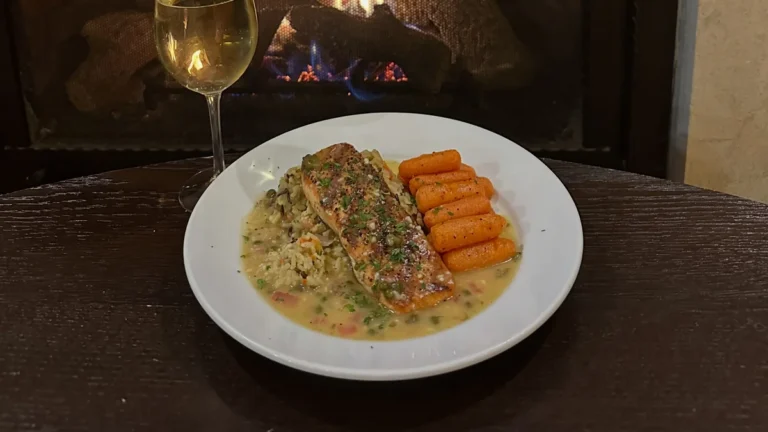
Classic Dark Roux Pot

Image Credit: @alumni.grill
The classic pot begins with flour and oil stirred over steady heat until the roux turns the color of dark mahogany. Patience matters here, because every shade deeper adds another layer of nutty flavor that no shortcut, spice blend, or bottled sauce can honestly fake later.
Shrimp go in only at the end, simmered just until they curl pink and stay tender against the rich gravy. Serve generous spoonfuls over a mound of white rice, and this is the version every other pot on this list quietly measures itself against at home.
Crawfish Shrimp Bayou Mix

Image Credit: @taveytave
- Peel crawfish tails ahead of time, or buy them already peeled, because nobody wants to shell seafood at the table mid meal.
- Add the crawfish in the final five minutes, since their meat toughens faster than shrimp under long, hard simmering heat.
- Save the crawfish fat from the heads if you can find it, and stir it in for a richer bayou flavor.
- Season a little bolder than usual, because two kinds of shellfish drink up more salt and spice than one alone.
Two shellfish in one pot sounds like a special occasion move, yet weeknight cooks across Louisiana treat it as completely normal supper food. The crawfish bring sweetness, the shrimp bring body, and together they make the gravy taste like it simmered all afternoon on the back burner.
Fiery Cayenne Pepper Heat

Image Credit: @voodoo_bayou
Quick Tip: Bloom the cayenne in the roux fat for thirty seconds so its heat spreads evenly instead of biting in patches. Add fresh chili at the end for brightness that cooked spice cannot give. Keep a squeeze of lemon ready to tame the fire.
Heat is easy to add and impossible to remove, so this version builds it in layers instead of one reckless shake of the spice jar. Cayenne in the roux, fresh chili at the finish, and hot sauce at the table let every eater set their own fire level.
Mild Family Supper Pot
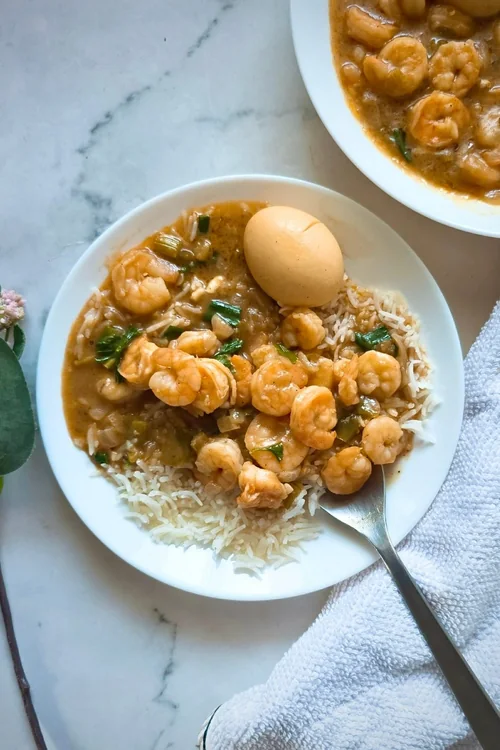
Image Credit: @thebutteryfairtale
BEFORE: Spicy pots shut down a family supper fast, because kids push the bowl away and grandparents reach for water instead of seconds. The cook ends up making two dinners, one fiery pot for the adults and plain buttered rice for everyone else at the table.
AFTER: A mild pot keeps the deep roux flavor and the sweet shrimp, while cayenne moves to a shaker on the table for whoever wants it. Suddenly one pot feeds the whole family, and the youngest eaters ask for the gravy by name at supper time.
Mild never has to mean bland, and this pot proves it with a properly dark roux, plenty of garlic, and the holy trinity cooked sweet and soft. Build flavor with time and aromatics, then let the heat lovers season their own bowls at the table.
Slow Cooker Sunday Gravy

Image Credit: @tammyannfredrickson
- Make the roux on the stovetop first, stirring to a deep peanut butter shade, because a slow cooker alone never browns flour properly.
- Whisk in warm stock slowly, then pour everything into the crock with the trinity, garlic, and seasonings already waiting inside it.
- Cook on low for four hours, letting the gravy thicken gently while the house fills with that unmistakable Sunday smell.
- Stir in the shrimp for the final twenty minutes only, then serve over rice the moment they turn pink and curled.
The slow cooker version respects the one rule that matters, the roux still gets made by hand on the stove first. After that honest start, the crock does the quiet work, and Sunday dinner mostly cooks itself while you stay out of the kitchen entirely.
Skillet Or Dutch Oven

Image Credit: @bassmastertdj71
| Point | Cast Iron Skillet | Dutch Oven |
|---|---|---|
| Roux Control | Even heat and a wide surface for constant stirring | Heavy walls hold heat steady through long stirring |
| Gravy Depth | Shallower layer, slightly quicker browning | Deep layer, slower and more even browning |
| Batch Size | Best for four servings or fewer | Built for doubles, parties and leftovers |
| Table Service | Rustic, straight from stove to trivet | Handsome enough for the center of the table |
Both vessels honestly earn their place, and the choice comes down to batch size and how you like to stir. I reach for the skillet on weeknights and the Dutch oven when company is coming, and neither pot has ever once let the gravy down.
Roux Color Rules

Image Credit: @lyndabaird
| DO | DON’T |
|---|---|
| Stir constantly with a flat wooden spoon | Walk away while the roux browns |
| Judge color against a white plate | Trust the clock instead of your eyes |
| Pull the pot off heat before adding liquid | Splash cold stock into a hot roux |
| Keep stirring past the shade you fear | Rush the color with high heat |
Color is flavor in this dish, and the spoon never lies about what shade the roux has reached. Learn the three stages by sight, blond, peanut butter, and dark chocolate, and you will never need a timer or a recipe card to judge the pot again.
Okra Thickened Bayou Bowl
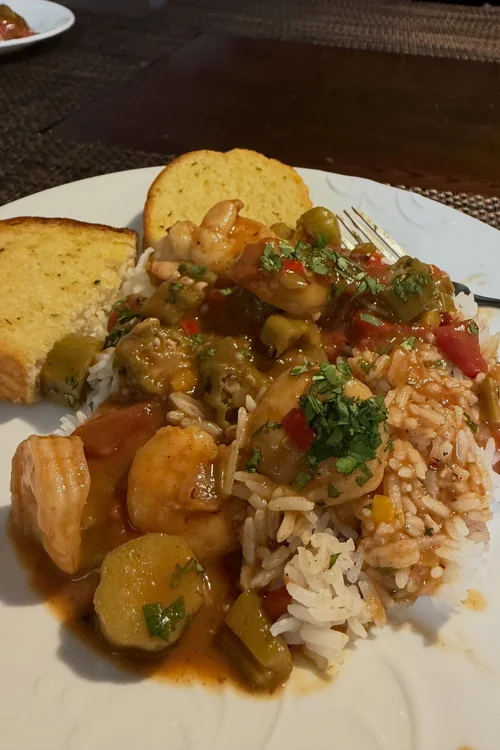
Image Credit: @munni_a
Cost: Moderate, fresh okra costs little in summer
Time Needed: About fifty minutes, mostly gentle simmering
Difficulty: Easy, one pot and a patient stir
Best For: Garden season suppers and okra lovers
Okra does double duty here, thickening the gravy while it cooks and adding that unmistakable bayou character people either love or learn to love. Slice it thick, add it midway, and let it melt just enough to body the sauce without turning the whole pot silky.
Weeknight Thirty Minute Pot
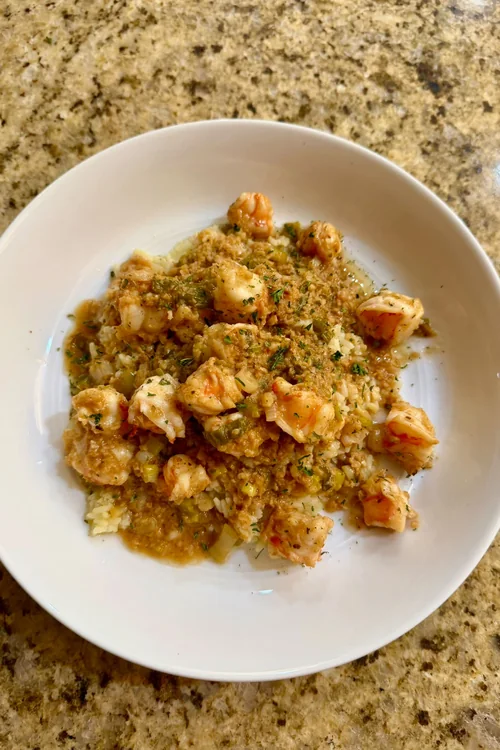
Image Credit: @kohls5066
Thirty minutes is honest time here, not a headline promise, because the roux for a weeknight pot stops at peanut butter instead of dark chocolate. The flavor stays deep and nutty, and the gravy still coats the rice the way a proper Louisiana supper should.
Prep is the whole secret, trinity chopped on Sunday, shrimp peeled and waiting in the fridge, stock measured before the pan heats. With that quiet work done ahead, the cooking itself feels almost unfairly fast, and dinner lands before anyone starts asking about it twice.
Holy Trinity Flavor Base

Image Credit: @brokegirlart
- Dice the onion, bell pepper, and celery small and even, so they melt into the gravy instead of floating as chunks.
- Cook the trinity in the roux until completely soft and sweet, at least ten minutes, before any liquid joins the pot.
- Keep the classic ratio near two parts onion, one part pepper, one part celery for the balance Louisiana cooks trust.
- Add garlic only in the final minute of the trinity, because garlic scorches fast and turns bitter against a dark roux.
Every Louisiana pot starts with the same three vegetables, and skipping their slow cook is the one shortcut that always shows at the table. The trinity is not a garnish or an afterthought, it is the foundation the whole gravy quietly stands on every time.
Smoky Paprika Deep Pot

Image Credit: @meat_sweatsbbq
Quick Tip: Add the smoked paprika to the hot roux fat, never to the finished gravy, so the oil wakes up its deep campfire flavor. A little goes far, since smoke should hum under the shrimp, not shout. Taste before adding any second spoonful at all.
Smoked paprika gives the pot a wood fire soul without a single log burned or a grill ever lit outside. It deepens the roux color, warms the gravy from underneath, and makes guests ask what changed long before they can name the quiet smoky note.
Tomato Kissed Creole Gravy

Image Credit: @james.e.few
BEFORE: A pot built only on roux and stock can taste heavy and one note, rich without relief from the first spoonful to the last. Diners slow down halfway through the bowl, and the leftovers sit untouched in the fridge because the flavor never changes as it goes.
AFTER: A spoonful of tomato lifts the whole pot, adding gentle acid that keeps each bite bright against the dark roux. The gravy tastes layered instead of heavy, the shrimp stay the star, and bowls come back to the kitchen scraped nearly completely clean every time.
Creole pots welcome tomato in a way Cajun country pots often refuse, and that small difference defines two proud traditions at once. Keep the tomato modest, a supporting note under the roux, and this version stays balanced, bright, and unmistakably Louisiana at heart for good.
Party Pot For Crowds

Image Credit: @chef.cheryl
- Double the roux in the widest pot you own, and stir with a long spoon, because a crowd sized batch scorches faster underneath.
- Build the gravy a shade thinner than usual, since a big pot keeps cooking off the heat and thickens as it stands.
- Hold the finished gravy warm without the shrimp, and cook the shrimp in quick small batches right before guests sit down.
- Set out rice, scallions, and hot sauce as a serving line, and let everyone build the bowl they actually want.
A party pot fails when the cook tries to finish everything at once, shrimp included, an hour before the doorbell rings. Hold the gravy, cook the shrimp in small fresh batches, and every guest gets a bowl that tastes like it was made only for them.
Fresh Shrimp Or Frozen
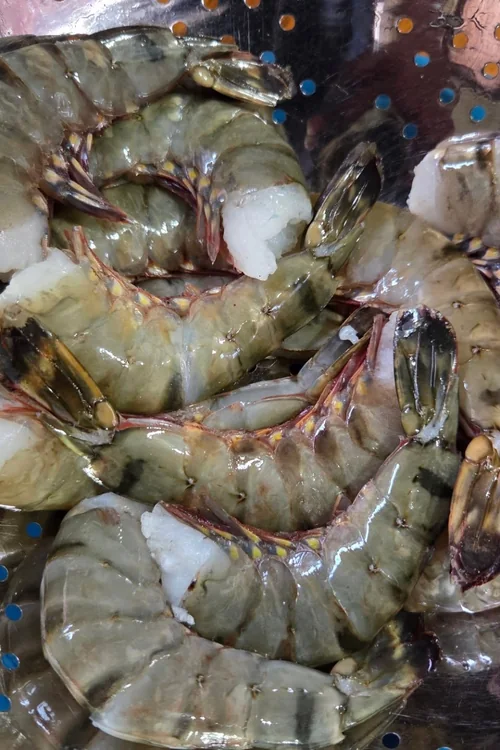
Image Credit: @deejayron65
Fresh Shrimp: Fresh shrimp bring firm texture and clean sweetness, and their shells make a quick stock that deepens the whole pot for free. Buy them the day you cook when you can, peel them over a bowl, and save every shell for that bonus flavor waiting inside.
Frozen Shrimp: Good frozen shrimp wait patiently in the freezer, cost less, and cook sweet and tender when thawed slowly and patted very dry. In a dark, well seasoned gravy, most diners honestly cannot tell the difference, which makes frozen the smart weeknight choice at home.
My honest rule stays simple, fresh for celebrations and frozen for ordinary Tuesdays, without a trace of guilt either way. The roux, the trinity, and the timing matter far more than the freezer question, and a well built gravy forgives nearly everything else completely at supper.
Shrimp Timing Rules

Image Credit: @chefd954
DO: Add the shrimp to the finished gravy and watch them like a hawk, pulling the pot off the heat the moment they curl into loose pink Cs. Carryover heat finishes them gently, and a squeeze of lemon at the table keeps their sweetness wide awake.
DON’T: Drop the shrimp into the pot an hour early and let them simmer away into rubbery little commas floating in the gravy. Never reboil leftovers hard the next day either, since a gentle warm through keeps the shrimp tender instead of tight and sad.
Timing is the whole difference between shrimp that snap sweetly and shrimp that chew like erasers, and it takes under five minutes to learn. Trust the curl, trust the color, and pull the pot early every single time, because carryover heat always finishes the job.
Instant Pot Shortcut Gravy

Image Credit: @ashellie84
Cost: Moderate, the cooker earns its counter space
Time Needed: About forty minutes, mostly hands off
Difficulty: Easy once the stovetop roux is done
Works In: Small kitchens and tight weeknight schedules
The pressure cooker cannot brown a roux, so that honest stovetop step still comes first and always will at home. After it, the sealed pot melds the trinity and stock into the gravy fast, and the whole dish lands tender, deep, and truly weeknight possible now.
Garlic Loaded Supper Bowl

Image Credit: @sue.durso
Garlic lovers get their own version here, with a whole head minced and bloomed in the roux until the kitchen smells like a New Orleans corner bistro. The garlic melts into the gravy instead of biting, leaving warmth and depth in every single spoonful served.
A handful of golden garlic chips scattered over the finished bowl adds crunch against the soft rice and tender shrimp below. Keep the chips moving in their pan, because thirty seconds is the whole distance between golden and burnt once the oil gets properly hot.
Homemade Cajun Seasoning Blend

Image Credit: @alex.an1246
- Mix paprika, cayenne, garlic powder, onion powder, thyme, and oregano in a jar, and the blend waits ready for every pot.
- Season the roux itself, not just the finished gravy, so the spices bloom in fat and reach every spoonful evenly.
- Keep salt separate from the blend, because shrimp and stock vary, and salting at the end gives you honest control.
- Make a double batch and mark the jar with the date, since a homemade blend fades after about six quiet months.
A house blend turns a good pot into your pot, the one friends recognize before you even name it at the table. Adjust the cayenne once, write the change on the jar, and the recipe quietly becomes a family signature worth handing down with pride.
Freezer Friendly Batch Pot

Image Credit: @ronajohnson68
Quick Tip: Freeze the gravy without the shrimp whenever you can, because reheated shrimp turn rubbery while fresh shrimp take five minutes later. Portion the gravy flat in freezer bags so it thaws fast under warm water. Cook the rice fresh on serving day.
A freezer batch is a gift to your future self, the cook who walks in tired three Tuesdays from now and needs supper to behave. Fifteen minutes of reheating, a pot of rice, fresh shrimp at the end, and the table never knows the difference at all.
Second Day Flavor Magic

Image Credit: @wize1257
BEFORE: Fresh off the stove, a young pot can taste like separate parts, roux here, stock there, spices still introducing themselves to each other politely. The shrimp are perfect, yet the gravy has not decided what it wants to be when it grows up tall someday.
AFTER: One quiet night in the fridge marries everything, the spices settle into the roux, and the gravy wakes up tasting like a single confident idea. Reheat it gently, add a handful of fresh shrimp, and day two honestly beats day one at my table every time.
Plan for leftovers on purpose, because this is one of the rare pots that improves while it waits in the cold. Make the full batch even for two people, freeze half the gravy, and let tomorrow night feel like a small gift from yesterday’s cook.
Creole Mustard Bright Finish

Image Credit: @chefescanio
- Whisk a spoonful of Creole mustard into a ladle of hot gravy first, so it loosens and blends without any sharp clumps.
- Stir that mustard gravy back into the pot off the heat, keeping the finish bright instead of cooked dull and flat.
- Taste before salting again, because mustard brings its own salt and tang that change the balance of the whole pot.
- Serve with extra mustard at the table, and let the skeptics discover the lift one small spoonful at a time.
Mustard sounds like a strange finish until the first spoonful, when its tang cuts the rich roux and the whole bowl wakes up. It is an old Creole trick, quiet and confident, and it truly earns its place after one taste at any skeptical table.
Butter Roux Or Oil

Image Credit: @kristykristy2
- Flavor: Butter brings rich, nutty sweetness, while oil stays neutral and lets the trinity and spices speak louder in the pot.
- Color Ceiling: Butter browns gently and burns sooner, while oil travels safely to deep mahogany without scorching at the edges.
- Cost: Butter costs more per batch, while oil keeps the pot humble and weeknight friendly for large hungry families.
- Best Nights: Butter suits celebrations and small batches, while oil suits big pots, dark roux, and cooks who stir patiently.
Neither fat wins every night, and honest cooks keep both habits alive in the same kitchen without any fuss. Match the fat to the shade you want, butter for golden and gentle, oil for dark and daring, and the roux will gladly follow your lead.
Garnish And Serve Rules

Image Credit: @blessyourheart484
- DO: Spoon the gravy around the rice mound, not over it, so the white center stays clean and proud.
- DO: Scatter scallion greens at the very last second, keeping their color bright against the dark gravy.
- DO: Warm the bowls before serving, because hot gravy cools fast in a cold bowl on the table.
- DO: Pass lemon wedges and hot sauce separately, letting each eater finish the bowl their own way.
- DON’T: Bury the rice completely under gravy, or the plate turns into soup before the first bite lands.
- DON’T: Garnish with dried parsley flakes, which taste like dust and add nothing but sad green specks.
- DON’T: Serve straight from a screaming hot pot, since five resting minutes let the gravy settle and shine.
- DON’T: Skip the rice rest, because wet rice turns the whole serving gummy under the gravy in minutes.
Presentation takes under a minute, yet it decides whether the table leans in or just sits down hungry. A clean rice mound, bright scallions, warm bowls, and a rested pot turn Tuesday supper into the bowl everyone photographs before they ever pick up a spoon.
Conclusion
Every great pot on this list starts the same way, with patience at the roux and shrimp that go in last. My shrimp etouffee always tastes better when I slow down, taste as I go, and let the gravy tell me when it is ready.
Save this collection for the next chilly evening, start with the classic dark roux pot, and share it with someone who still cooks supper the way their grandmother did on slow Sundays. The second time you make any of these, your hands already know the way home. My shrimp creole keeps that same slow simmered comfort burning bright at the table.