Why Is My Pulled Pork Tough And Dry? Easy Fix Guide
If your tough pulled pork refuses to shred and chews like a steak, you are not alone. Many home cooks face this same letdown, and the good news is that tender pork takes only time and the right cut.
The usual cause is stopping too soon. Pork needs long, slow cooking for its connective tissue to melt into silky richness. Pull it early, and the meat stays firm and dry.
This guide walks you through each fix in order, from cut to cooking and shredding, so your next pork falls apart. For a curry rescue next, read the salty curry fixes for balanced flavor after this one.
Why Pulled Pork Tough
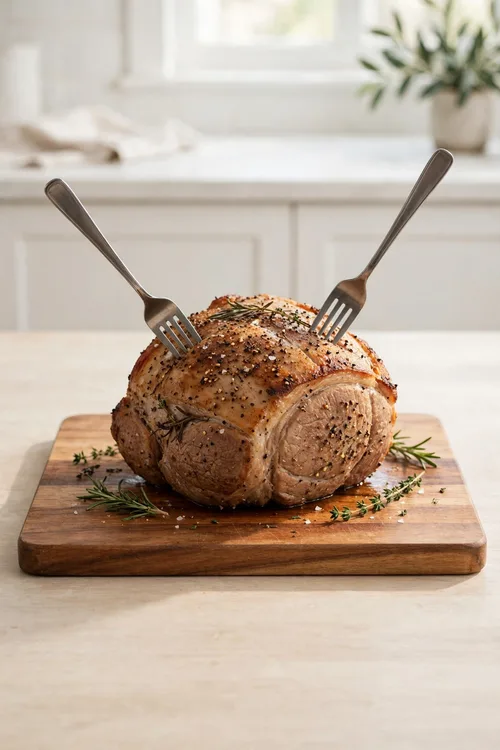
Pulled pork stays tough when its collagen never melts. Collagen is the tough tissue that holds the meat together, and it only softens with hours of gentle heat. High heat tightens it instead. Low heat over many hours is the only way to melt it fully.
The wrong cut makes it worse. Lean pork loin has little collagen and fat, so it dries out before it ever turns tender. The shoulder is the only cut that truly shreds. Choose a bone in shoulder with good marbling for the best result.
Pick The Right Cut

Choose pork shoulder, also sold as Boston butt, for pulled pork. Its marbling and connective tissue turn silky during a long cook. Look for a shoulder of four to six pounds, and keep the fat cap on so the meat stays moist.
- Look for a bone in shoulder of four to six pounds.
- Check that the meat shows white marbling through the pink flesh.
- Avoid lean loin or tenderloin for pulled pork.
- Keep the fat cap on during cooking for moisture.
Cook Low And Slow

Quick Tip: Cook low and slow at 275 to 300 F for six to eight hours. Gentle heat melts the collagen without squeezing the meat dry.
Resist the urge to raise the heat when the meat seems stuck. Pork often stalls around 160 F as moisture evaporates, and the stall is normal. Patience carries it through to tenderness. Check the temperature, then leave the lid closed and wait. Do not peek often, since every open lid adds time.
Use A Thermometer

Common Mistake: Many cooks pull the pork as soon as it looks done on the outside. The surface may brown early, but the inside still holds firm, unmelted tissue.
The Fix: Cook until the inside reads 200 to 205 F and a fork twists easily in the meat. The bone should wiggle loose with a gentle tug.
Temperature plus feel is the real test. A thermometer tells you the range, and the fork tells you the truth. If the fork meets resistance, give the pork another hour. Tender meat should twist apart with almost no effort at all. A little patience now saves a tough, chewy sandwich later.
Wrap At Stall

What You Need:
- Heavy pot or smoker: Holds steady low heat for hours.
- Meat thermometer: Tracks the long climb to tenderness.
- Foil: Wraps the pork through the stall to keep it moist.
- Two forks: Shred the tender meat into soft strands.
- Liquid: Broth or juice keeps the pork moist while it finishes.
A tight lid matters more than a fancy cooker. Trapped steam keeps the meat moist, and a pot that seals well can turn a tough shoulder tender with time alone. Check the seal before the cook starts, and keep the lid closed through the stall.
Rest Before Shredding

Before: Before the fix, the pork cooked fast at high heat and came out firm. The forks could not pull it apart, and the meat felt dry.
After: After the fix, the same cut cooks low and slow until it gives way. The meat shreds into soft, juicy strands with little effort.
Wrap the pork in foil once it reaches 160 F, with a splash of broth inside. The wrap pushes the meat through the stall faster and keeps every drop of juice close. Seal the foil tightly so steam stays in and the meat braises gently.
Fix Tough Pork

Do This:
- Rest the pork for 30 to 45 minutes before shredding.
- Shred while the meat is still warm.
- Toss the shreds with the cooking juices.
Avoid This:
- Do not shred cold pork, since the fat sets and the strands turn waxy.
- Do not throw away the cooking juices.
- Do not drown the pork in sauce before tasting it.
Resting lets the juices settle back into the meat. Shredding too soon leaves the juices on the board instead of in the pork. Rest the pork for at least thirty minutes under loose foil, then shred while the meat is still warm. Resting is the simplest step, and it pays off every time.
Season After Shredding

Time Needed: About 6 to 8 hours of cooking, plus 30 minutes of resting.
Difficulty: Easy, once you trust low heat and long time.
Cost: Medium, since pork shoulder is an affordable cut.
Best For: Sandwiches, tacos, and weekend gatherings.
Season after shredding for the best flavor. Salt, pepper, and a little sauce coat every strand, while seasoning only the outside leaves the inside bland. Toss the shreds gently so every strand gets coated, then taste and adjust the seasoning. Taste as you season, since shredded meat absorbs salt quickly.
Serve Tender Pork

Pork that still feels tough needs more time, not more heat. Return it to the pot with a cup of broth, cover it, and cook on low for one to two more hours. The extra time melts the last firm tissue. Check with a fork before shredding.
If the pork is cooked but dry, shred it and toss it with warm broth and sauce. The strands soak up the liquid, and a short rest in the pot makes them taste tender again. Serve the pork warm, and keep extra sauce on the side.
Store Without Drying

Serve pulled pork warm, piled on buns or in tacos, with pickles and slaw on the side. A cool, crunchy topping balances the rich, tender meat. Warm the buns first, and set out extra sauce so everyone can dress their own serving.
- Pile the shredded pork onto warm buns.
- Add a spoonful of sauce over the top.
- Top with pickles or slaw for crunch.
- Serve with extra sauce on the side.
- Keep the serving dish covered so the pork stays warm.
Final Tender Check

Quick Tip: Pull two forks through a piece of pork. Tender pork falls into soft strands with almost no effort. If it still resists, cook the pork longer before shredding.
This quick check takes only seconds. Pork that shreds easily will please every guest, and one more hour in the pot beats a tough sandwich. Test a thick piece from the center, since the center takes longest to turn tender. One more hour in the pot beats serving a tough sandwich.
Conclusion
Fixing tough pulled pork comes down to the right cut, low slow cooking, and a patient rest. Those three habits turn a firm shoulder into tender strands that fall apart with a fork. Try them on your next cook and enjoy pork worth the wait. Keep the heat low and the cooking long every time you make this dish, and tender pork will become your normal result. A good cut and a patient rest make all the difference, and your sandwiches will be worth the wait. For another savory rescue, read the cooked turkey fixes for juicy tender slices next.