Why Is My Curry Too Spicy? Easy Fix Guide
A too spicy curry can ruin an otherwise lovely dinner in minutes, even when every other flavor tastes right. The heat hits first, covers the spices, and leaves little room for anything else.
Most pots turn fiery for simple reasons, such as extra chili, hot seeds, or a long simmer that concentrates heat. Dairy, sweetness, acid, and extra base each pull the flavor back toward balance.
This guide walks through each cause in order, then gives a simple fix for it. Taste after every small change, and stop as soon as the heat feels pleasant. And if your casserole also turns watery, see why watery casserole happens and how to fix it with simple kitchen tricks.
Why Curry Turns Spicy
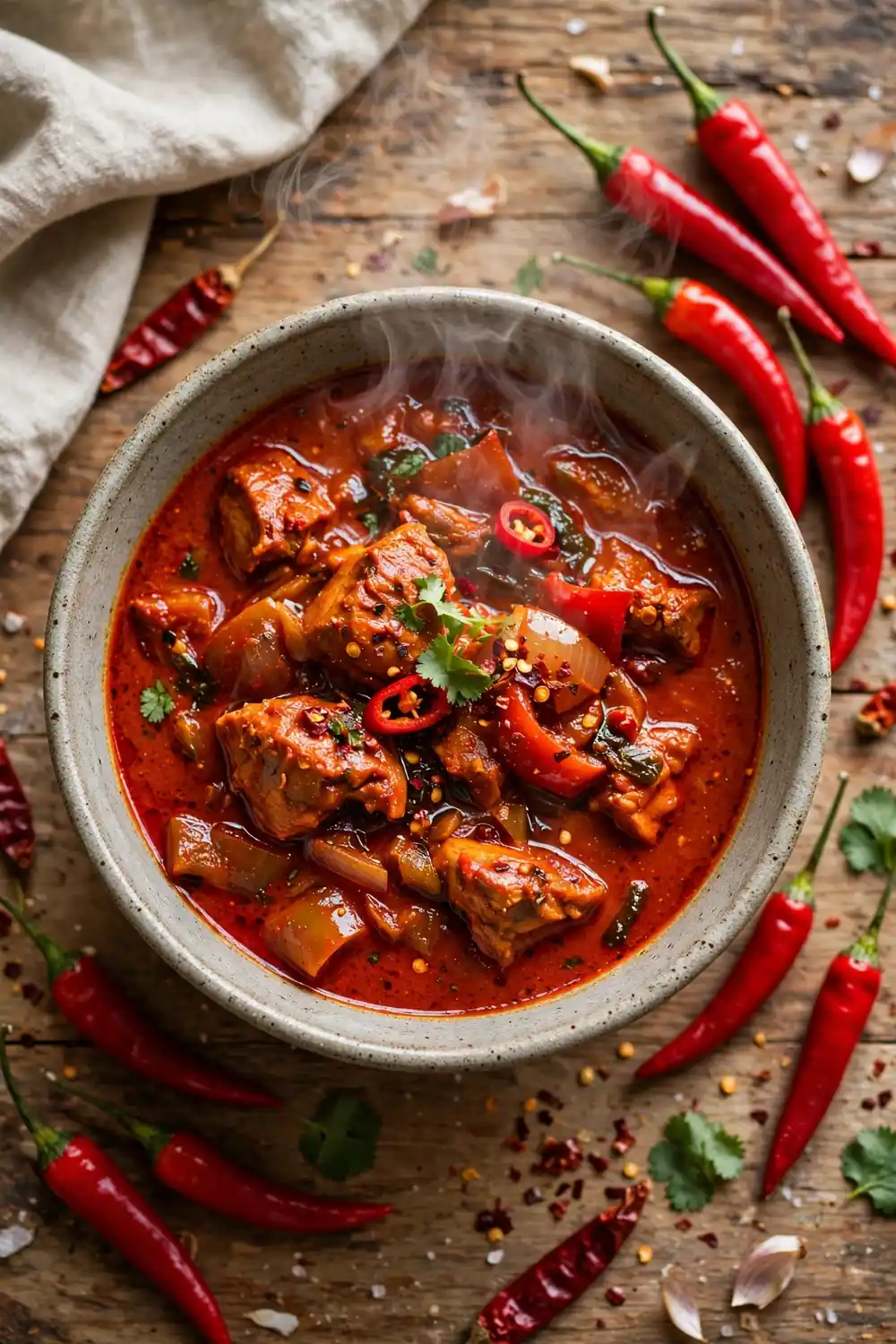
Curry turns fiery when chili heat builds faster than the base can soften it. Fresh chilies, dried flakes, chili powder, and peppercorns each add a different kind of burn. A long simmer then shrinks the sauce, so the same heat tastes stronger in every spoonful.
Seeds and skins often hold the fiercest heat, and a small extra spoonful can change the whole pot. Tasting the base before the final simmer helps you catch the heat early. Once you know the cause, the fix gets much easier to choose with confidence.
Add Dairy

Dairy calms chili heat because milk fat coats the mouth and softens the burn. Stir in plain yogurt, cream, or milk in small splashes, and let each addition blend before you taste. A gentle simmer keeps the dairy smooth. Taste after each splash.
- Start with two tablespoons of yogurt, cream, or milk.
- Stir it in, wait a minute, then taste for balance.
- Add more only if the heat still bites.
- Stop when the warmth feels pleasant, since too much dairy can mute the spices.
Add Acid

Quick Tip: Add acid at the end, since long cooking can dull the fresh flavor. One teaspoon of lemon or lime juice is enough to start, and you can add more after tasting.
Acid brightens a fiery curry and makes the heat feel lighter on the tongue. Squeeze in fresh lemon or lime juice, or stir in a spoonful of vinegar or tomato. Too much acid can turn the curry sour, so small steps keep the balance safe.
Add Sugar

Common Mistake: Many cooks dump in a big spoonful of sugar at once. The sauce turns cloying, and the sweetness hides the spices instead of balancing them.
The Fix: Add half a teaspoon of sugar or jaggery, stir it through, and let the sauce simmer briefly. Taste before you add more.
A pinch of sugar rounds out chili heat without making the curry taste sweet. The sharp bite softens, and the deeper spice flavors get room to show again. Pair the sweetness with a splash of acid if the flavor feels flat. Keep the spoon small, and the balance stays safe.
Add Coconut Milk
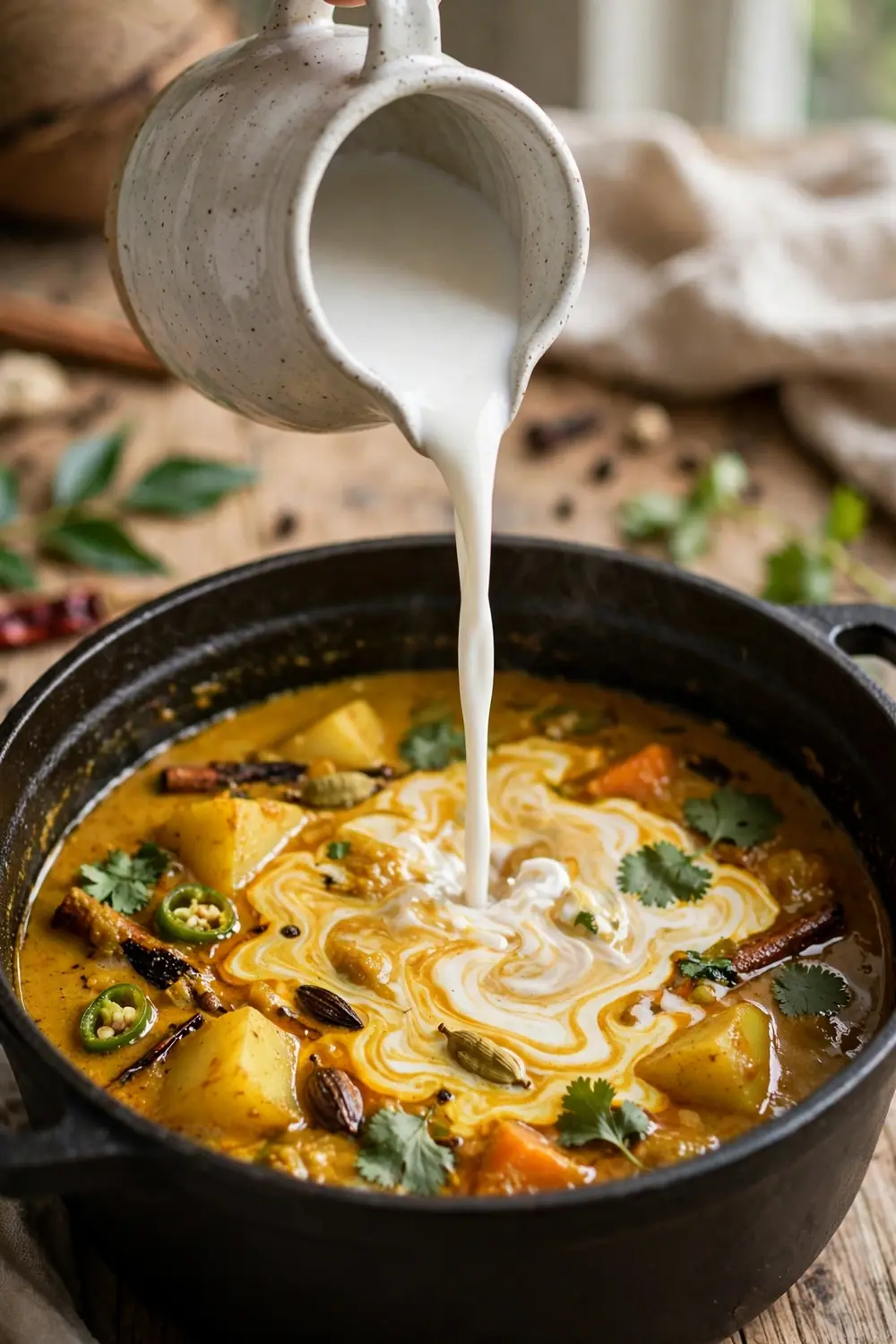
What You Need:
- Full fat coconut milk: Rich fat and gentle sweetness soften heat while keeping the curry fragrant.
- Small ladle: Adds the milk in small, controlled splashes.
- Spoon: Stirs the sauce smooth while it simmers.
- Lime: A squeeze at the end keeps the flavor bright.
Coconut milk adds rich fat and gentle sweetness, so it softens heat while keeping the curry fragrant. Pour in a small amount, stir well, and simmer on low heat for a few minutes. The sauce turns silky, and the sharp chili edge fades without washing away the spices.
Balance With Fat

Before: A curry with too much chili burns from the first bite. The heat covers the spices, and each spoonful feels harsh. The sauce tastes thin and sharp.
After: A spoonful of ghee, butter, or oil melts into the sauce. The curry turns glossy, and the fierce edge fades while the spice flavor stays clear. Each bite feels warm rather than harsh.
Fat softens chili heat by coating the tongue and slowing the burn. Use fat in small steps, since too much can make the curry greasy and heavy. One spoonful is often enough to calm the heat without hiding the spices. Taste before adding a second spoonful.
Add More Base
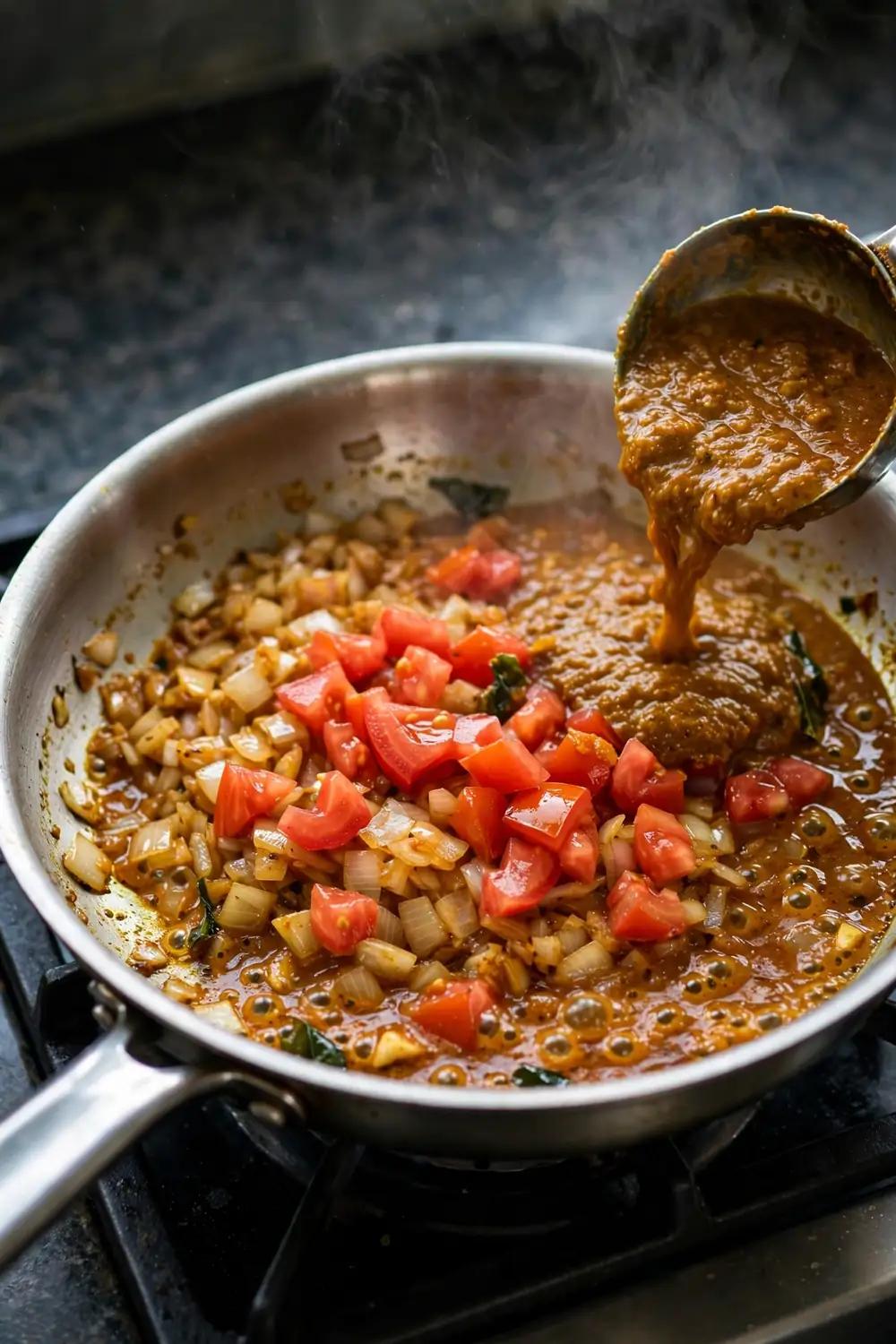
Do This:
- Stir in extra onion, tomato, or blended sauce.
- Simmer until the new base melds with the curry.
- Season again lightly after adding bulk.
- Taste often while the pot simmers gently.
Avoid This:
- Do not add plain water, since it thins flavor while leaving the burn.
- Do not add more chili to mask the heat.
- Do not skip the taste test after each change.
- Do not rush the simmer, since raw base tastes flat.
Adding more base spreads the same heat across a larger pot, so each bite feels milder. The curry grows richer, and the chili heat settles into the background. This fix works best when you have time to simmer the extra base fully. The finished sauce should taste full and even.
Dilute With Broth

Time Needed: 5 minutes of simmering
Difficulty: Easy
Best For: Sauces that are thick and fiery
Result: Lighter sauce, softer heat
A splash of broth thins an over hot sauce and spreads the chili heat wider. Use plain vegetable or chicken broth, and add it in small amounts while the pot simmers. Let the pot simmer after each splash, then check the texture. The curry stays savory, and the sharp burn relaxes with each careful addition.
Serve With Rice

Plain rice gives the heat somewhere gentle to land, so each spoonful feels softer. Serve the curry over basmati or jasmine rice, and let the grains soak up the sauce. The meal stays satisfying, and the burn fades with every calm bite. Keep the rice plain for the best cooling effect.
Warm naan, flatbread, or roti can play the same cooling role at the table. Tear a piece, scoop a small amount, and let the bread soften the heat. A cool yogurt side also helps, and the plate feels complete and balanced. Serve everything fresh for the most comfort.
Common Mistakes to Avoid

Most rescue attempts fail from the same few habits, not from bad spices. Fix heat with small, measured steps, and taste after every change. The list below covers the mistakes I see most often in home kitchens. Slow down, taste often, and trust small fixes over one large rescue attempt.
- Do not add water alone, since it thins flavor while leaving the burn behind.
- Do not dump in sugar or salt, since the sauce turns flat or cloying.
- Do not add more chili to mask the heat.
- Do not skip the taste test, since it hides the moment the curry turns balanced.
Balanced Curry Results

Quick Tip: Stop adjusting once the warmth feels gentle and pleasant. A balanced curry tastes warm first, then layered, with no single flavor shouting over the rest.
A balanced curry looks glossy, smells fragrant, and coats a spoon lightly without looking greasy or thin. The heat builds gently instead of biting. When the flavor feels settled and calm, serve it fresh with rice or bread for a complete meal. Enjoy the calm, steady warmth in every bite.
Conclusion
A too spicy curry does not mean dinner is ruined, since dairy, sweetness, acid, and extra base can restore balance. Taste after every change, and stop once the heat feels warm and pleasant. Your curry can still turn rich and smooth.
Start with the gentlest fix, then add more base or broth if the heat bites. Keep your changes small, and let each one blend before you taste. Small steps protect the spice flavor while the burn fades.
Save this guide on Pinterest for the next time your pot turns fiery. For another common kitchen fix, read our guide on watery stir fry and keep weeknight dinner balanced and calm.




One Comment