Why Does My Quiche Have a Soggy Bottom? Easy Fix Guide
A soggy quiche bottom can turn a proud bake into a limp slice, even when the top looks golden and set. The crust stays pale and wet because steam, liquid filling, and low heat work against it. Once you learn what causes the wet layer, you can fix it with simple steps that fit any home kitchen.
Most wet crusts come from raw pastry, watery vegetables, or a cool oven shelf. Filling leaks moisture as it bakes, and the base never gets hot enough to crisp. Each cause has a clear fix you can use today.
This guide walks through blind baking, draining, oven heat, and cooling, so your next quiche slices clean with a crisp base. And if a wet lasagna is your trouble instead, see why watery lasagna happens and how to fix the layers.
Why Quiche Bottoms Stay Soggy
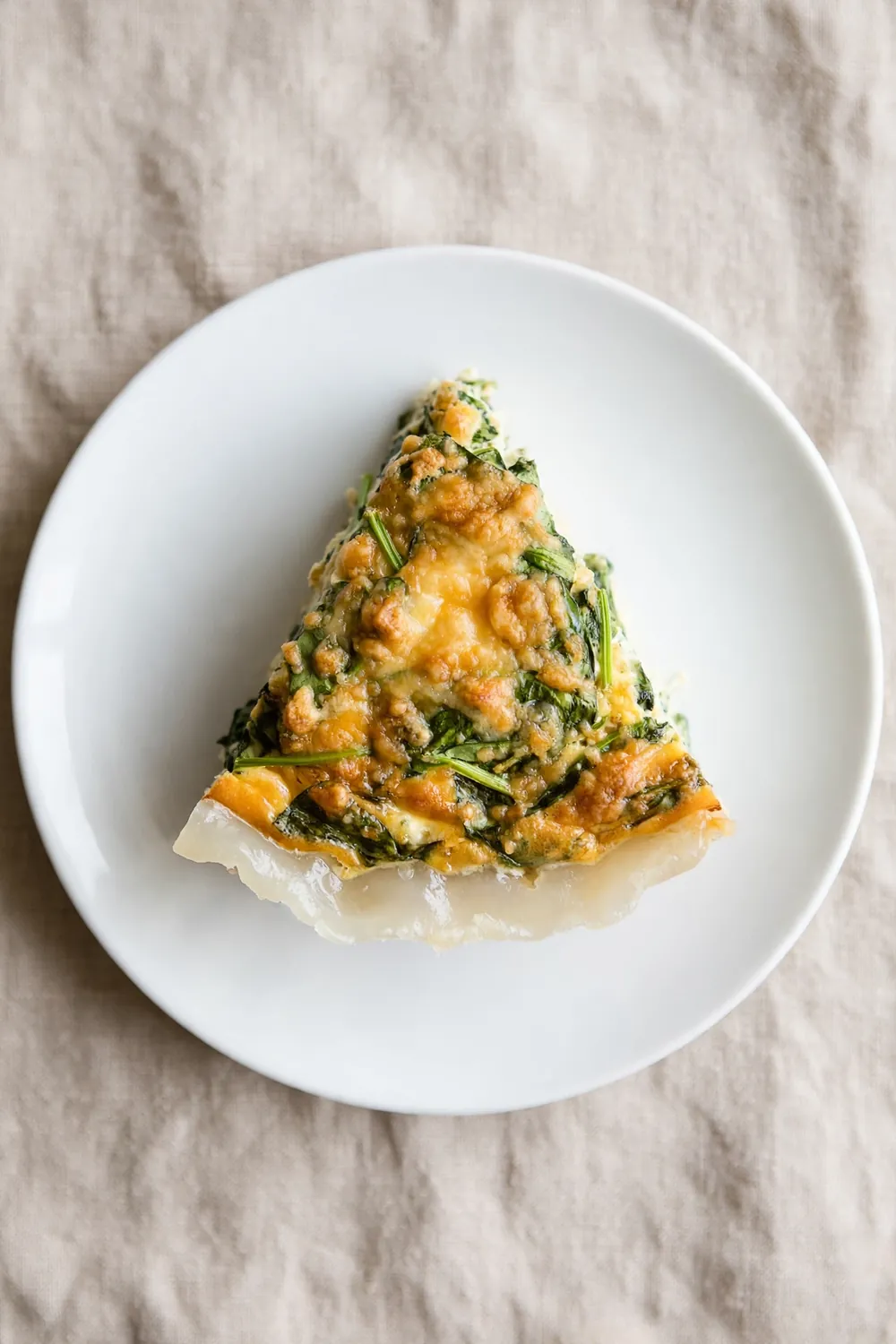
A quiche base stays wet when moisture gets trapped under the filling and the pastry never dries out. Vegetables, ham, and cheese release water as they heat, and that liquid pools at the bottom. A cool shelf slows base heat, so the crust steams rather than turning crisp and golden.
Cutting too soon also keeps the center soft, since hot custard has not set and moisture spreads back into the crust. In my experience, a quiche that looks done on top can still be damp underneath. Checking base, bake time, and cooling shows the real cause. Once you spot it, the fixes below work fast.
Blind Bake the Crust
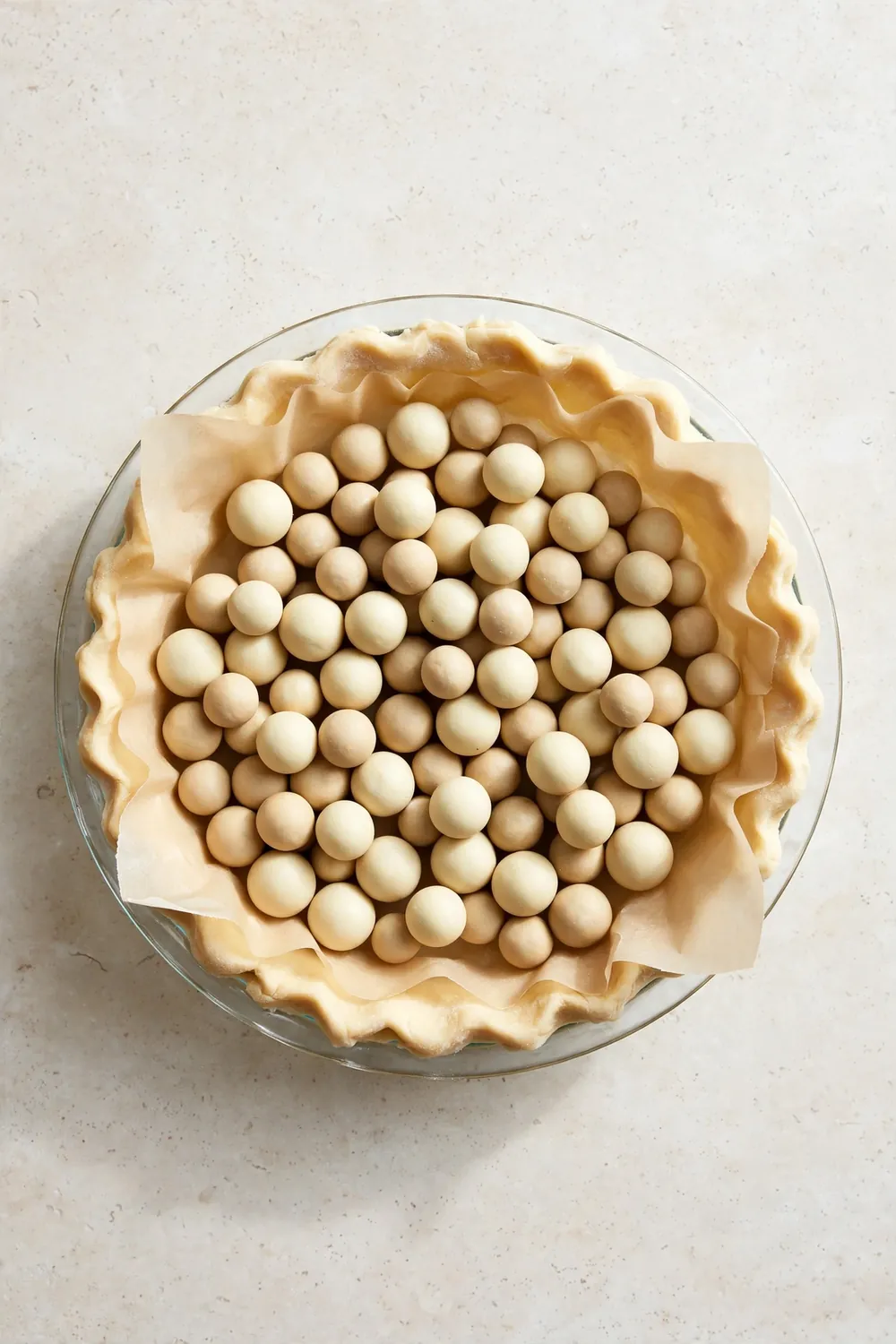
Blind baking sets the pastry before wet filling ever touches it, so the base starts crisp and stays firm. Line the shell with parchment, fill it with pie weights or dried beans, and bake until the edges turn gold. Then lift the paper and weights, and bake a few minutes more to dry the center.
A light egg wash seals tiny cracks and adds a moisture barrier before filling goes in. Brush one beaten egg over the hot base, then return the shell to the oven for two minutes. The thin coat sets fast and keeps liquid from soaking through. This extra step takes little time and protects every slice.
Preheat the Baking Sheet
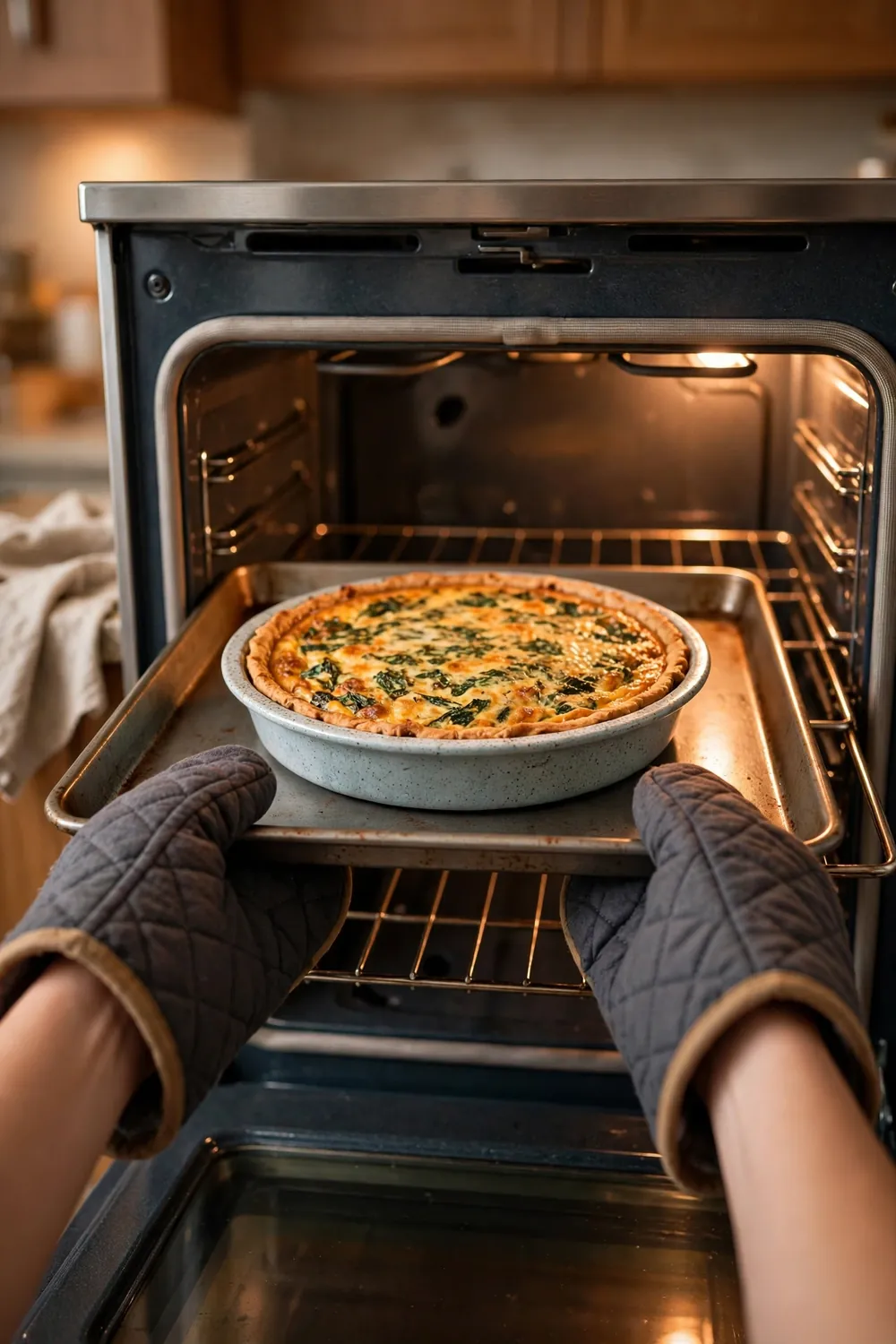
A hot baking sheet gives the base instant heat the moment the quiche goes in. Place a heavy metal sheet on the lowest oven rack while the oven heats, and let it get fully hot. Set the quiche dish straight onto the hot sheet. That first blast of heat starts crisping the pastry at once.
Without a preheated sheet, the dish warms slowly and the base steams in liquid filling. A thin tray warps or cools fast, so use a sturdy one that holds heat well. Keep the oven door closed while you slide the dish in, so heat stays high. This simple habit makes blind baking work even better.
Drain Wet Fillings
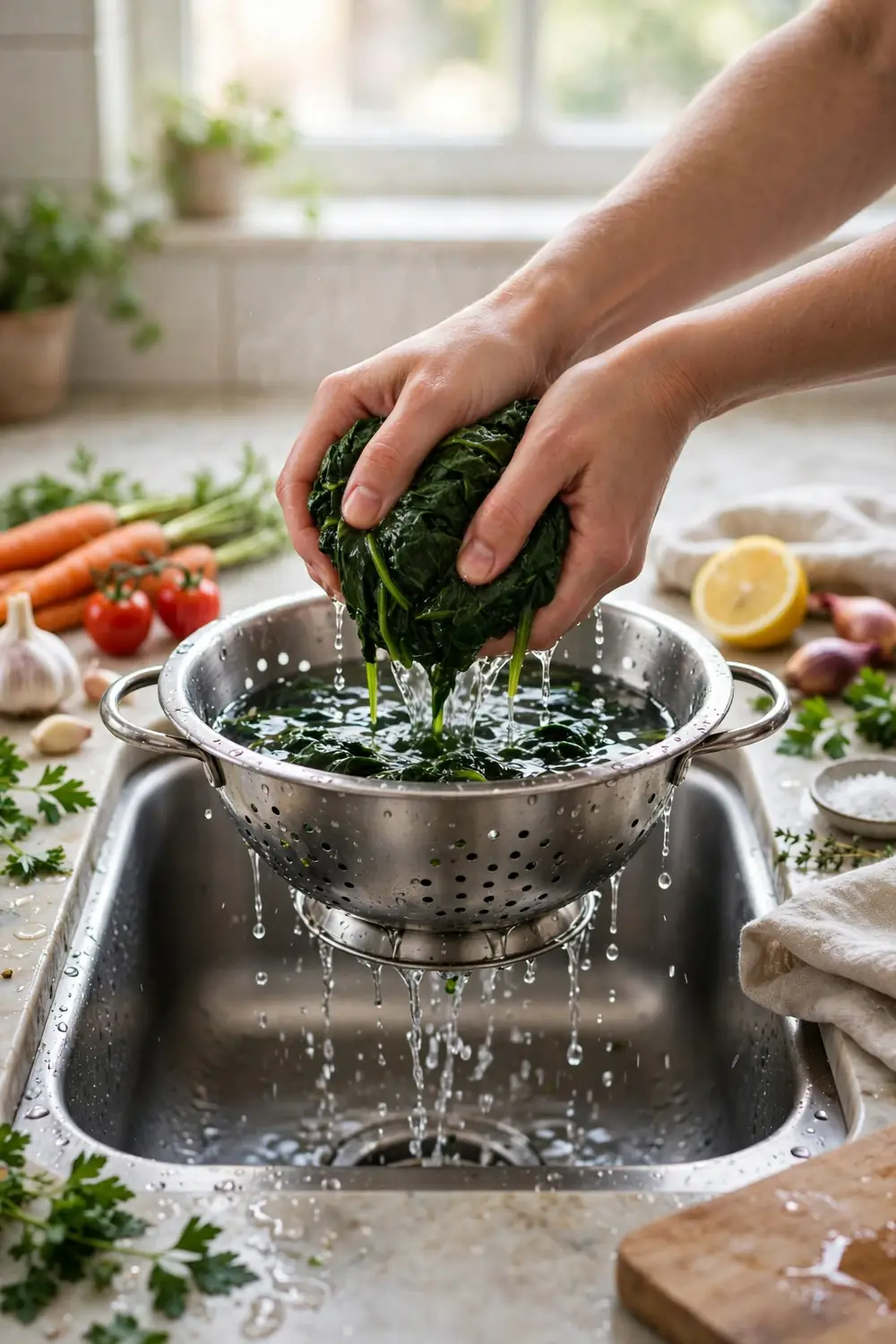
Wet vegetables are the main source of liquid in many quiches, so drain them well before mixing. Cook spinach, mushrooms, zucchini, or onions first, then press out every drop in a colander. Let the cooked mix cool and blot it with paper towels. Dry filling means the custard sets firm instead of watering the base.
Cheese and cured meat also release moisture, so choose firm types and pat them dry. Feta, ham, and cooked bacon should feel dry to the touch before they go in. Avoid adding fresh tomato juice or marinade straight from the jar. A quick drain takes minutes and saves the crust from turning soft.
Use Enough Eggs
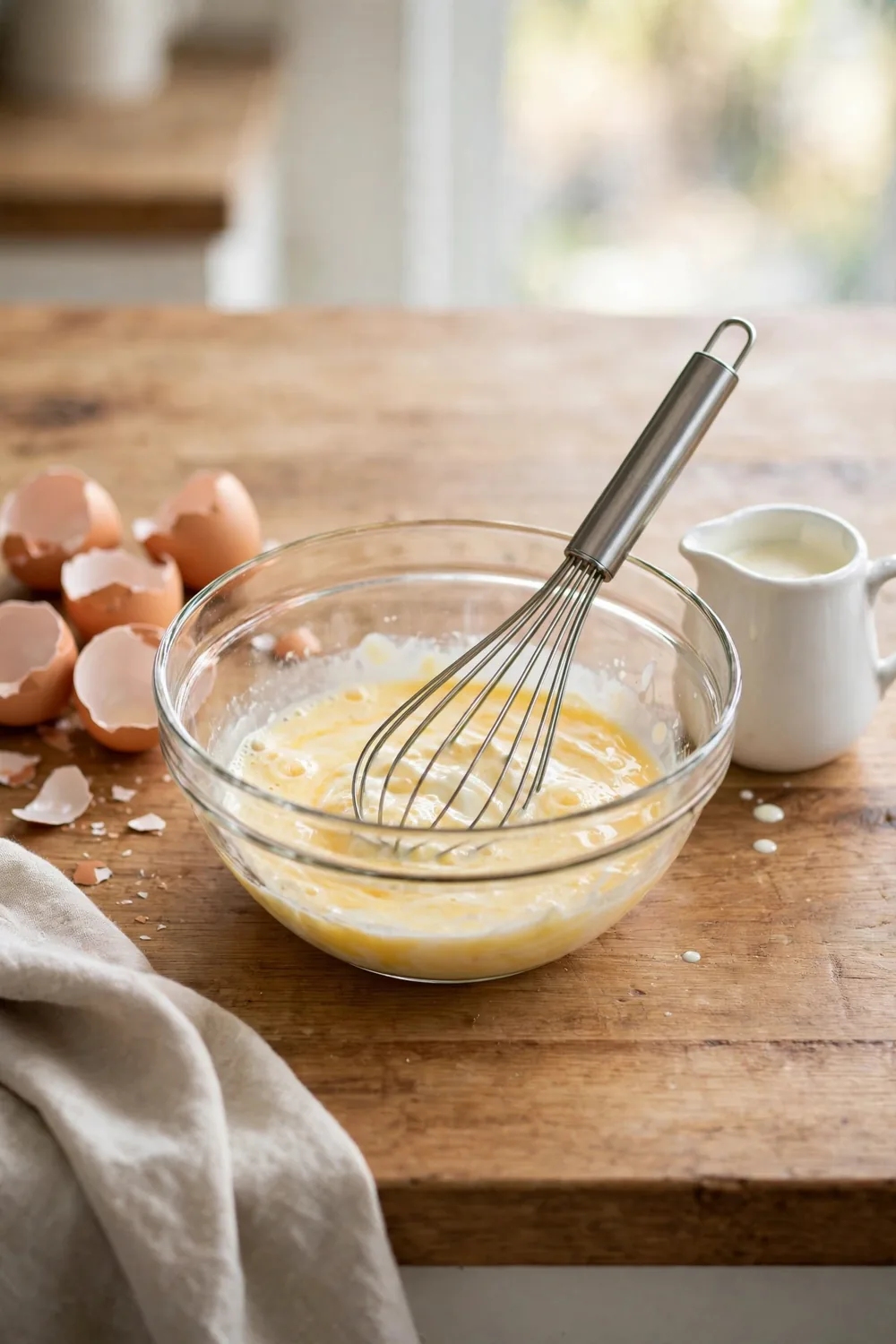
Eggs set the custard and hold liquid in place, so the ratio matters more than many cooks expect. Too few eggs leave a loose filling that leaks moisture into the crust. Use about one egg for every half cup of cream or milk. Whisk until the mix looks smooth, with no streaks left.
Too many eggs can turn the filling rubbery, so keep the balance steady and measure cream with care. Pour custard slowly and stop before it reaches the rim. The filling will puff a little as it bakes, then settle as it cools. A firm but tender set is the sign the ratio worked.
Do Not Overfill
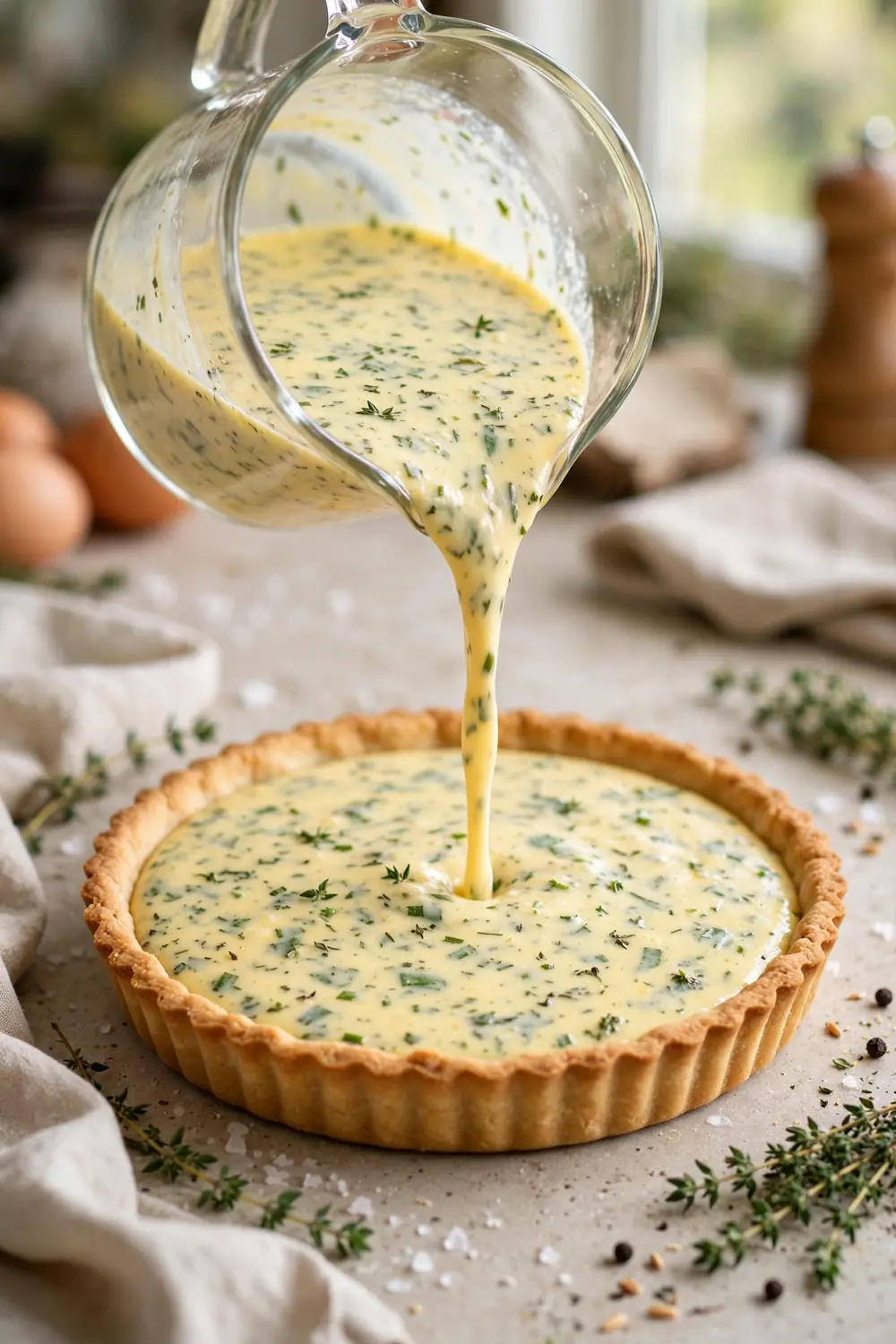
An overfilled quiche spills custard over the edges and soaks the pastry from the outside in. The center also stays underbaked while the edges puff and brown too fast. Fill the shell only three quarters full, leaving space for the custard to rise. That margin keeps the bake even and the base dry.
Spread filling evenly so no thick pocket of wet mix sits in one spot. Keep chunks small and level, and pour custard in two slow passes. Check the rim from the side before baking, since the eye misses a high fill from above. If it looks full, spoon a little back out.
Bake It Low and Slow
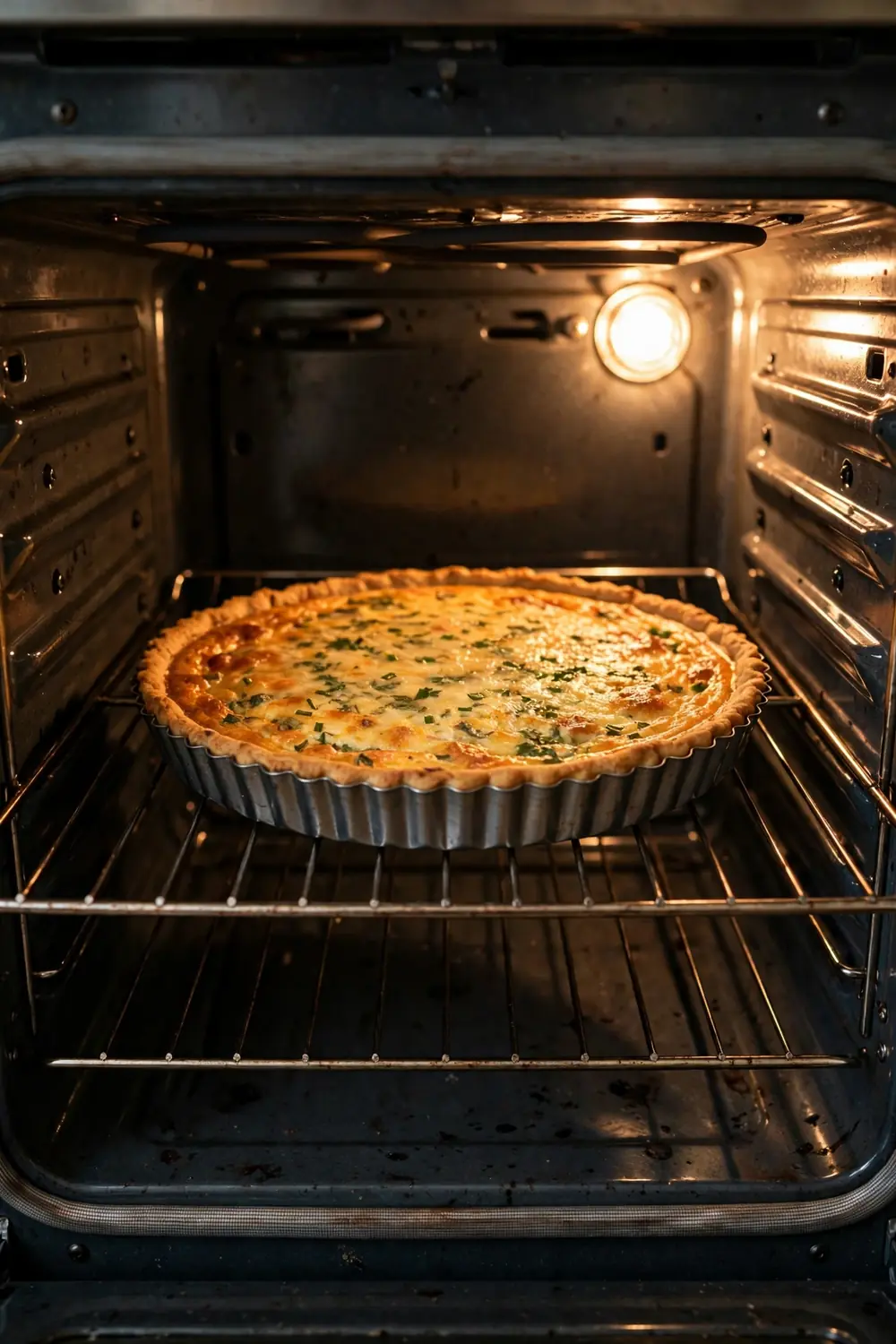
Gentle heat lets custard set evenly without curdling or pushing moisture into the base. Bake at 350 degrees Fahrenheit, on the lowest rack, until the edges feel set and the center still trembles slightly. That soft wobble firms up as the quiche cools. High heat browns the top fast while leaving the bottom damp.
Resist opening the door early, since each peek drops the temperature and slows the base bake. Look through the oven window and wait for a matte top with set edges. If the top browns too soon, tent foil loosely over it and keep baking. Patience here gives a firm base and a silky center.
Cool It Before Slicing
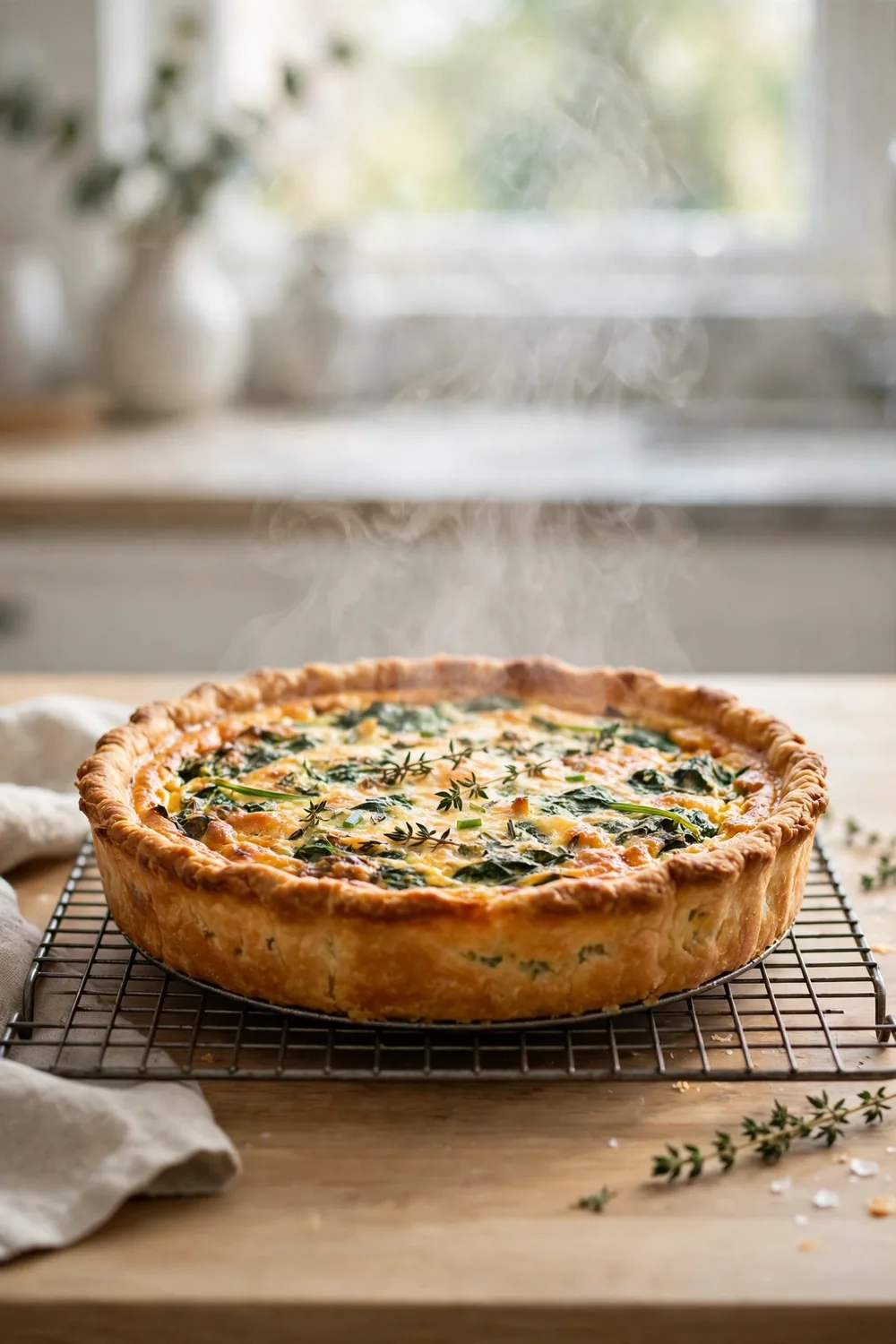
Cooling is when custard firms and the base finishes drying, so cutting early undoes baking. Lift the quiche onto a wire rack and let steam escape from all sides. Wait at least twenty minutes, until the center feels set and the dish feels warm, not hot. The base crisps a little more as heat leaves.
Do not rush cooling in the fridge, since fast chilling can soften the crust and dull flavor. Room temperature cooling lets the set spread evenly from edge to center. If you must serve warm, wait the full twenty minutes and use a sharp knife. Clean slices prove the rest was worth it.
Choose the Right Dish
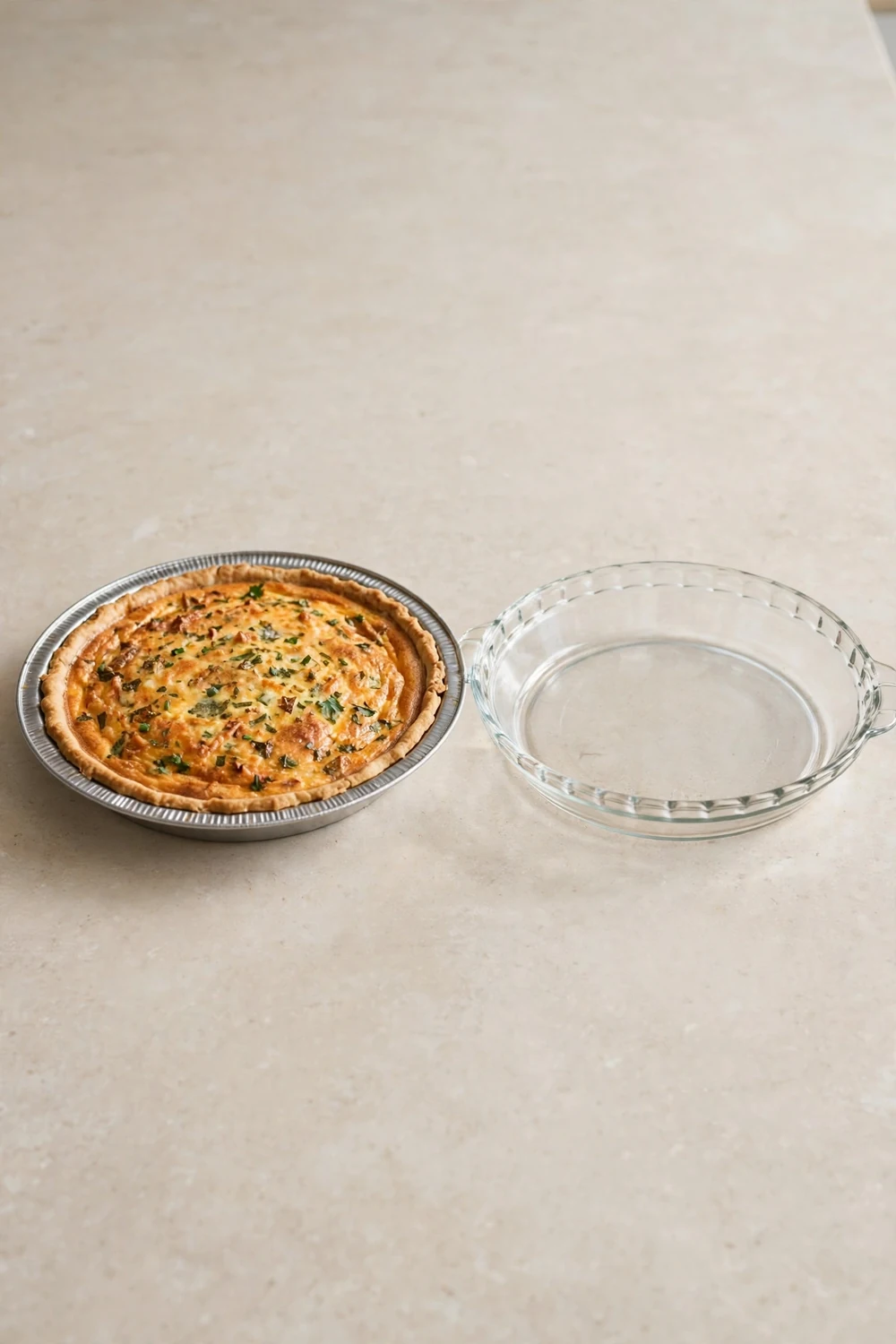
The dish shapes how heat reaches the base, so material and size both matter. Metal pans conduct heat fast and brown the base well, while thick ceramic heats slowly and needs extra time. A shallow dish bakes more evenly than a deep one. Pick a nine inch pan, and avoid glass that stays cool.
A dark metal pan absorbs heat better than a shiny one, so it crisps the base faster. Grease the dish lightly, then press pastry snugly into corners with no air gaps. Air pockets lift the crust away from heat and leave pale soft spots. The right dish plus snug pastry gives an even golden base.
Common Mistakes to Avoid
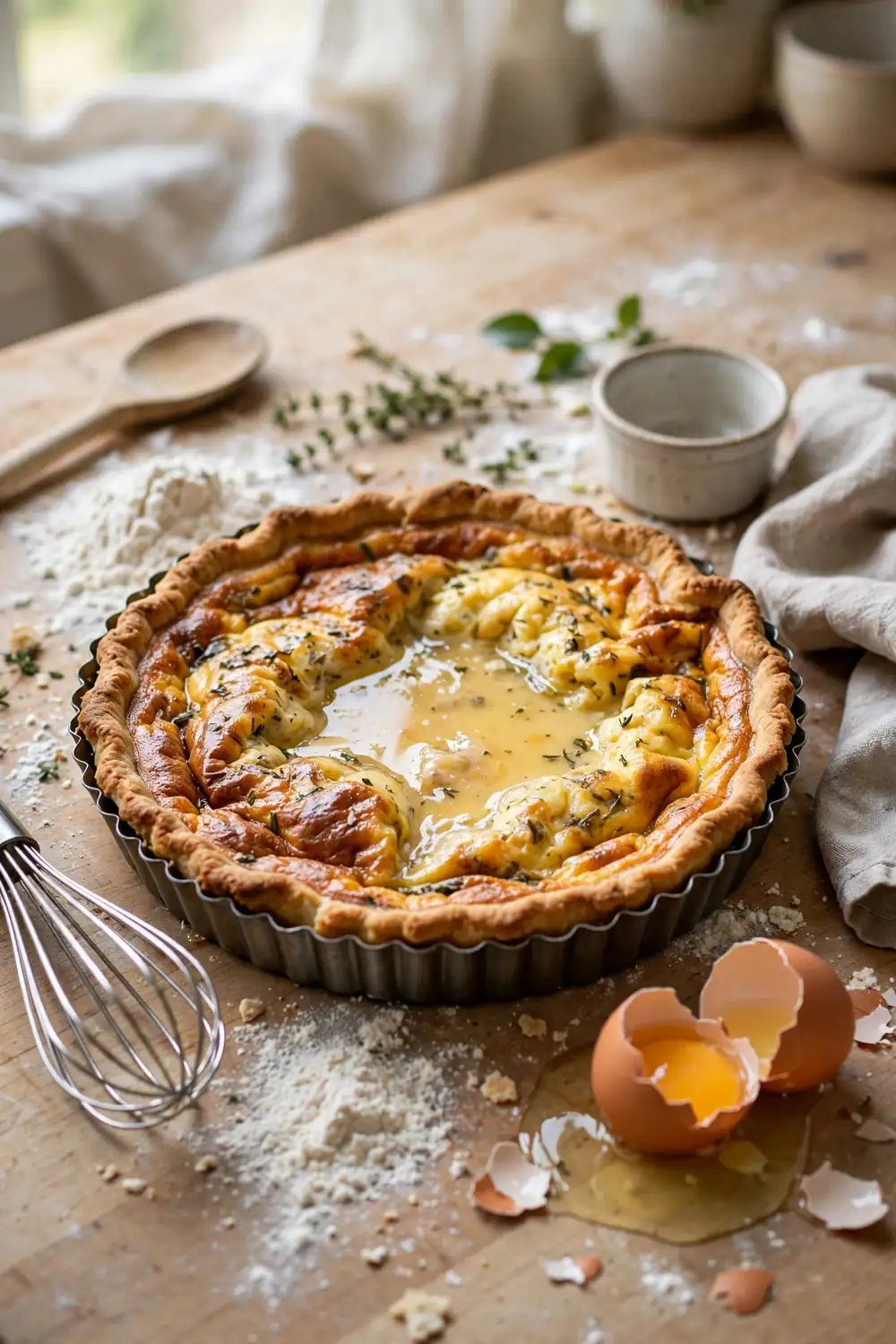
Many wet bases come from small habits that are easy to fix once you spot them. Skipping blind baking leaves raw pastry under wet filling. Adding undrained vegetables floods the shell with liquid. Baking on a high rack keeps heat away from the base. Guessing custard ratios leads to loose filling that leaks.
Cutting a hot quiche is the most common mistake, since custard needs time to set. Opening the oven door drops heat and slows the base bake. Overfilling spills custard and soaks the pastry. Check each step once, and your next quiche will slice clean with a crisp base.
What a Crisp Quiche Looks Like
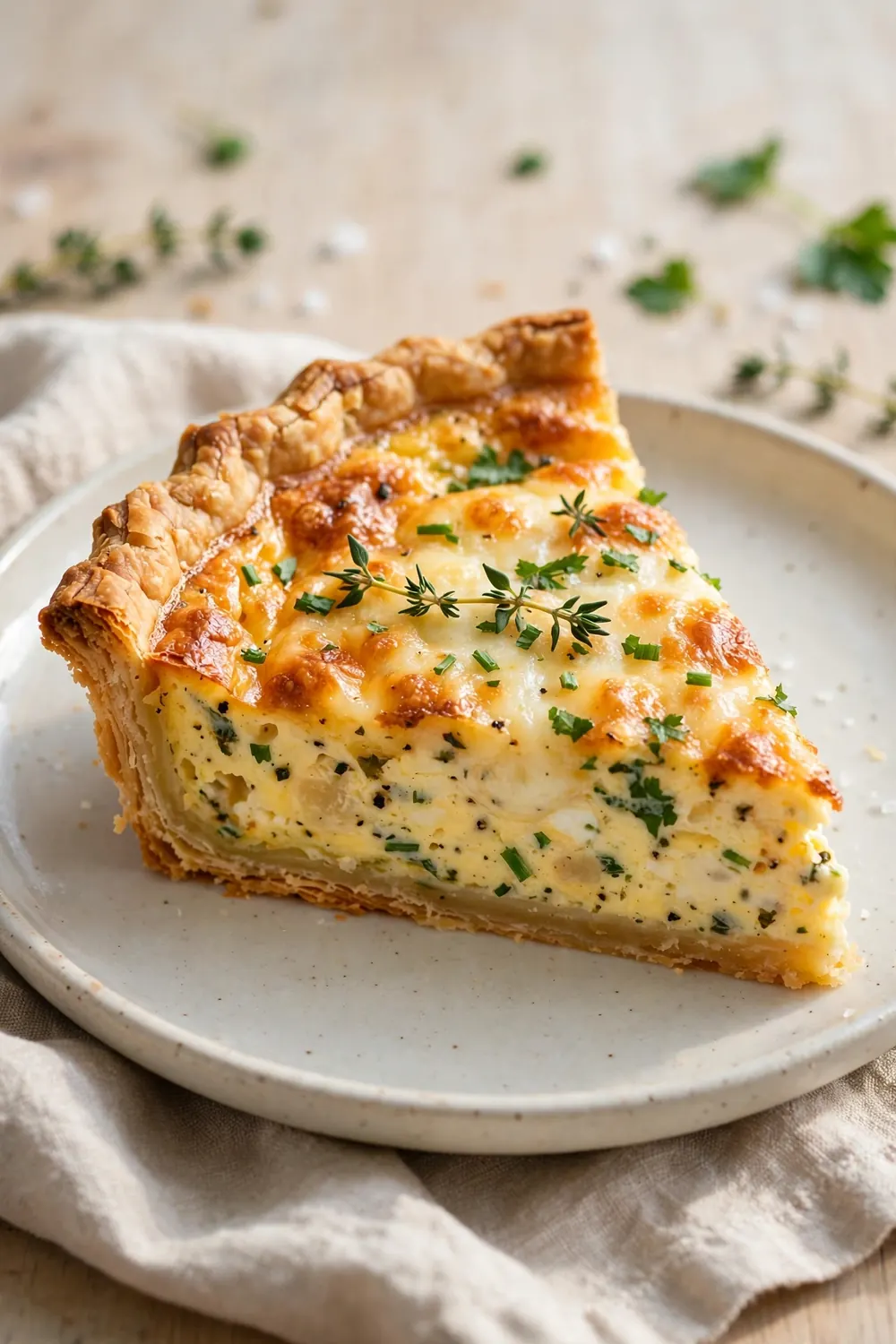
A crisp quiche lifts clean from the dish and holds its wedge shape on the plate. The base looks golden, feels firm to the touch, and sounds crisp when tapped. The custard stays set, with no liquid pooling around the slice. A shine on the cut edge is normal and shows the custard set well.
Taste should feel balanced, with creamy custard, savory filling, and a buttery crust in each bite. Texture should feel tender but firm, never wet or rubbery. If the slice still holds shape after five minutes on the plate, the bake worked. Keep notes on dish, bake time, and cooling for next time.
Conclusion
In short, a soggy quiche bottom usually comes from raw pastry, wet filling, low base heat, overfilling, and cutting too soon. Blind bake the crust, preheat the baking sheet, drain wet fillings, use enough eggs, avoid overfilling, bake low and slow, and cool before slicing for a crisp base.
Save this guide on Pinterest and try these fixes with your next quiche. Start with blind baking and draining, then add the other steps as they become habit.
If you enjoy kitchen fixes like this, read our guide to runny fruit pie filling for another simple bake day rescue.



One Comment