Why Is My Tuna Salad Watery? Easy Fix Guide
A bowl of watery tuna salad disappoints fast. The dressing pools at the bottom, the sandwich turns soggy, and the salad never holds its shape. The fix usually comes down to draining, mayo, or chilling.
This guide walks through each fix in order, from draining to mixing to serving. You need no special tools, just a little care and pantry staples. Most thin salads thicken with one or two small changes. A good drain beats a lot of mayo every time. Small fixes make a big difference here. For an egg salad that tastes bland instead, see egg salad for a bold, flavorful rescue.
Why Tuna Salad Waters
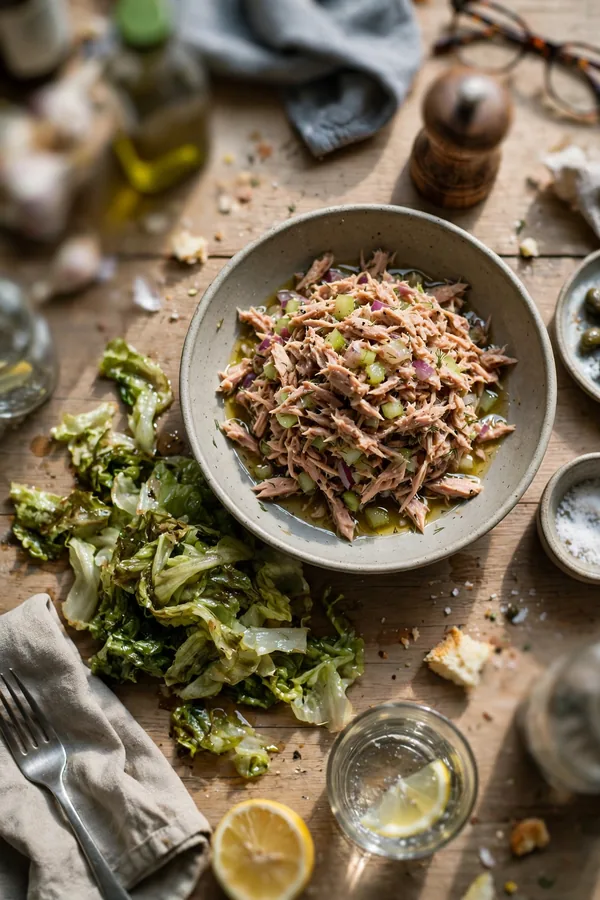
Tuna salad turns watery for three main reasons: wet tuna, too much mayo, and warm serving. Undrained tuna leaks liquid into the bowl, extra mayo thins the mix, and a warm bowl never firms up.
The good news is that each cause has a simple fix. Once you see which one hit your bowl, you can correct it before serving. Think of tuna salad as gentle work, not a race. A few small changes make a big difference here. Your patience shows in every thick spoonful. Trust the process here.
Drain the Tuna Well
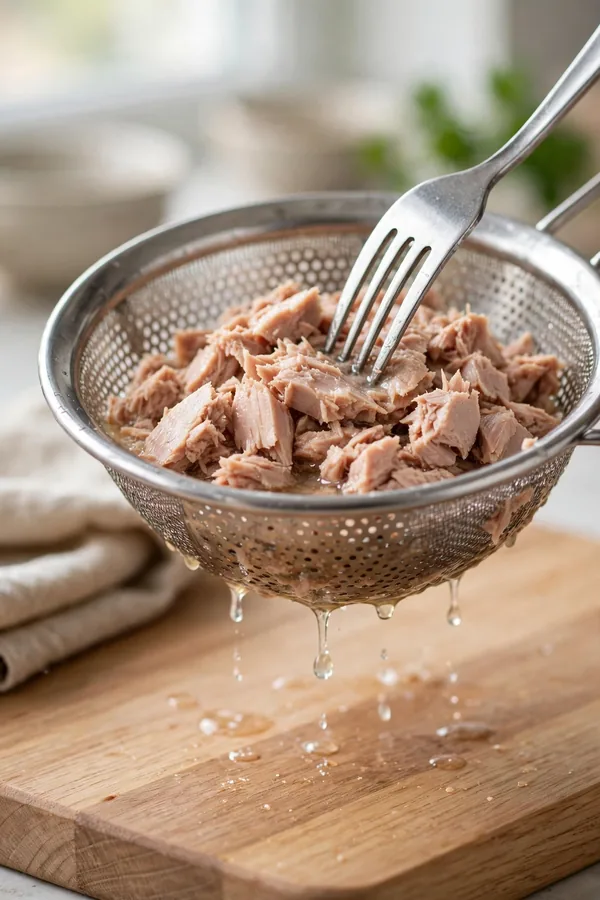
Draining tuna is the single biggest fix for watery salad. Canned tuna holds a surprising amount of liquid, and that liquid pools in the bowl. Pressing it out takes a minute and changes the whole salad. Drain it once and you will never skip it. Chill the can first.
- Open the can and press the lid down to drain the liquid.
- Tip the tuna into a strainer and press gently.
- Flake the tuna with a fork and drain again.
- Use the drained tuna at once for the thickest salad.
Fix the Mayo Ratio
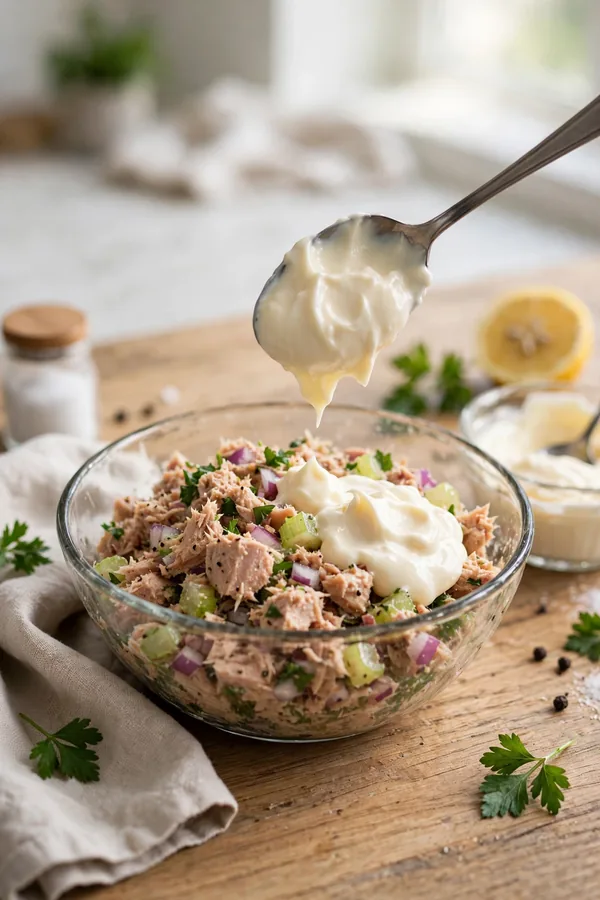
Quick Tip: Add mayo one spoonful at a time, not all at once. Too much mayo thins the salad fast. A little mayo binds, while a lot turns the bowl into soup.
Start with two spoonfuls of mayo per can of tuna, then add more only if needed. The salad should look creamy, not wet. In my experience, measuring mayo fixes more salads than any other trick. Keep the mayo jar handy. Add mayo slowly and taste as you go. Cold dressing clings better than warm dressing.
Add Crunchy Binders
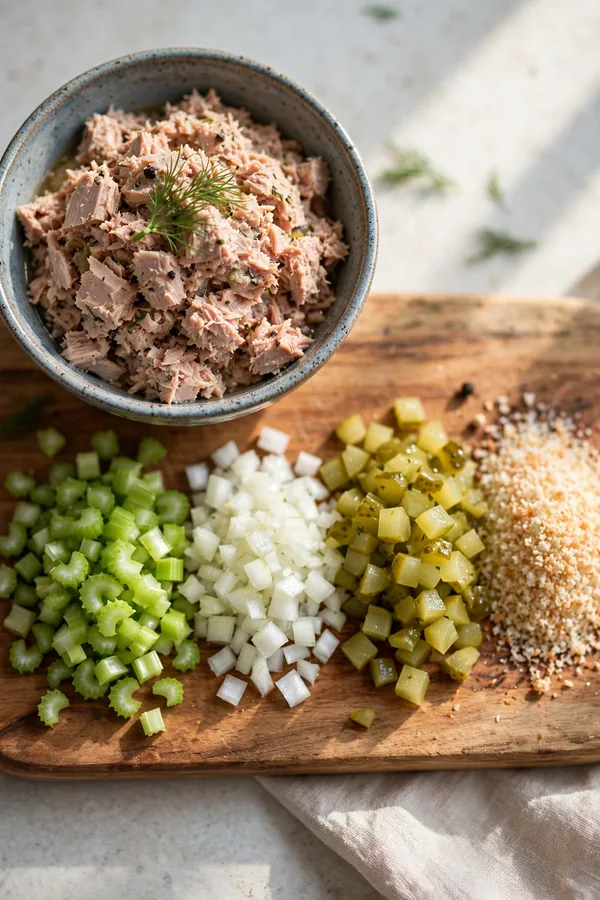
Common Mistake: Many cooks add wet vegetables like tomato to tuna salad, then wonder why it waters. Wet add-ins leak juice into the bowl within minutes.
The Fix: Add dry, crunchy binders like celery, onion, and pickles. Crunchy vegetables add texture without liquid, and they soak up a little extra dressing.
Dice the vegetables small so they spread evenly through the salad. A spoonful of breadcrumbs also binds a wet bowl in a pinch. Keep the add-ins dry, and the salad stays thick. Dry add-ins beat wet add-ins every single time. Trust the dry crunch. Your salad will thank you.
Chill Before Serving
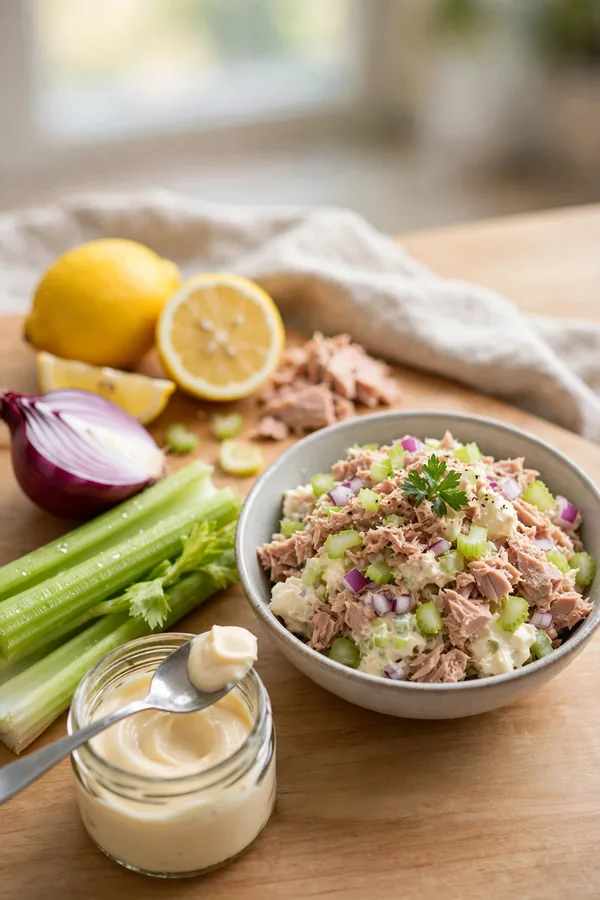
What You Need:
- Tuna: two cans, drained well.
- Mayo: three spoonfuls, added slowly.
- Celery: one stalk, diced fine.
- Onion: two spoonfuls, diced fine.
- Lemon: one squeeze brightens the bowl.
Chilling firms the salad and lets the flavors come together. A warm salad stays loose, while a chilled one holds its shape. Chill for at least thirty minutes before serving. A cold bowl holds its shape far longer. Chill it right every time. Trust the chill. Chill the bowl for thirty minutes before serving.
Pick the Right Tuna
Before: The tuna went in straight from the can, liquid and all, and the salad pooled within minutes. The sandwich turned soggy, and the bowl looked watery and sad.
After: The same tuna, drained and pressed, mixed into a thick salad that held its shape. The sandwich stayed crisp, and the bowl looked fresh and creamy.
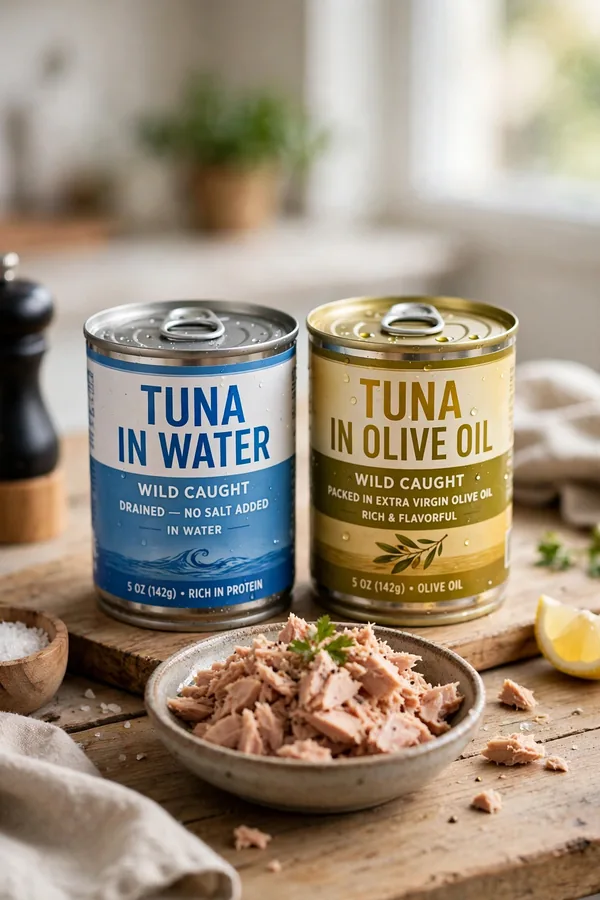
Tuna packed in water drains cleaner than tuna packed in oil. Oil packed tuna adds richness but needs pressing too. Drain either kind well, and the salad stays thick. Drain well no matter which can you buy. Press it dry every time. Trust the drain. Pat the tuna dry with paper towels first.
Balance Flavors Well
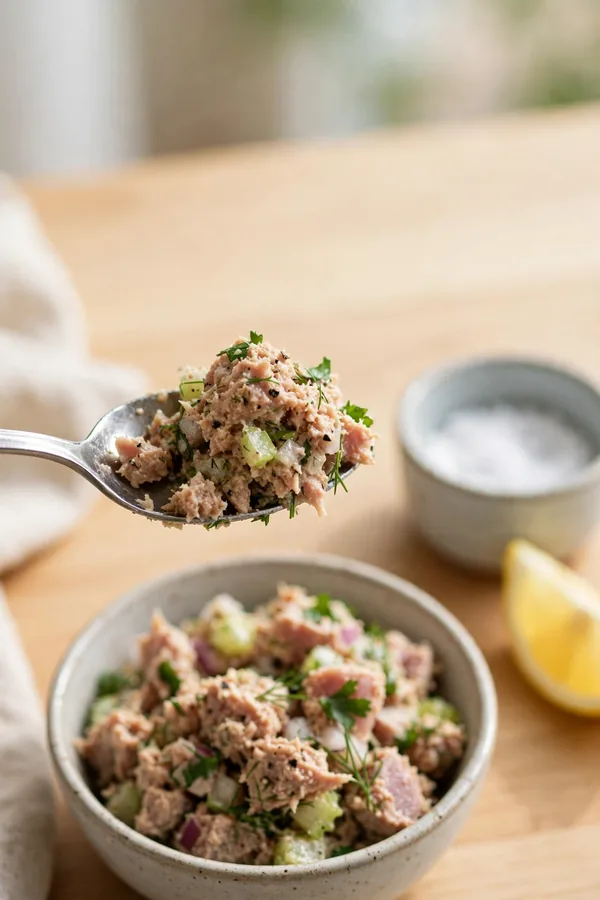
Do This:
- Taste the salad before serving it.
- Add lemon juice to brighten the bowl.
- Add salt and pepper at the end.
- Chill the salad before you judge it.
Avoid This:
- Do not add tomato to tuna salad.
- Do not drown the salad in mayo.
- Do not serve the salad warm.
- Do not skip draining the tuna.
Balancing flavors takes tasting, not guessing. Acid brightens, salt sharpens, and crunch adds life. A squeeze of lemon can rescue a dull bowl in seconds. Taste, adjust, and chill again in small steps. Small tweaks now make the whole bowl sing. Trust your tongue here. Small batches drain more evenly than large ones.
Tuna Types Matter
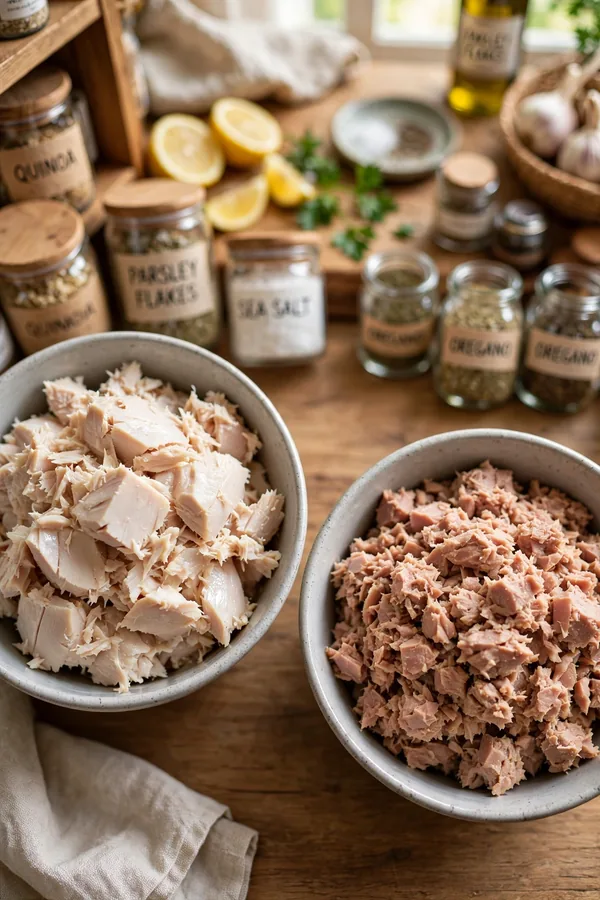
Time Needed: About 15 minutes, plus chilling time.
Difficulty: Beginner friendly with easy steps.
Cost: Uses tuna and mayo you already own.
Best For: Lunches, picnics, and quick dinners.
Solid white tuna flakes firm and holds shape well. Chunk light tuna is softer and needs gentler mixing. Match the tuna to the salad, and the bowl follows. Read the can label before you start draining. Small choices matter. Pick firm tuna. Trust the solid white. Serve on crisp lettuce for extra crunch.
Serve It Thick

Serving matters more than most cooks expect. Tuna salad loosens as it sits, so a bowl made early can turn watery by lunch. Chill it sealed, and serve it promptly.
Serve the salad cold on crisp bread or lettuce. A cold plate keeps the salad firm to the last bite. A thick salad with fresh crunch invites every guest to scoop. Your lunches will taste better at once. Serve it with pride and a steady hand. Enjoy every thick spoonful. Chill it right tonight. Thick beats watery every single time. Keep the salad cold until serving time.
Rescue Watery Salad

Already mixed a watery bowl? Do not throw it out. A drain and a binder can save most bowls, and a few tricks make them worth serving. The rescue takes minutes and no special tools. Start with the simplest fix first. Drain the tuna in a fine mesh strainer.
- Drain the salad in a strainer for five minutes.
- Stir in a spoonful of breadcrumbs to bind it.
- Add diced celery for crunch and body.
- Chill for thirty minutes and serve cold.
Next Salad Checklist
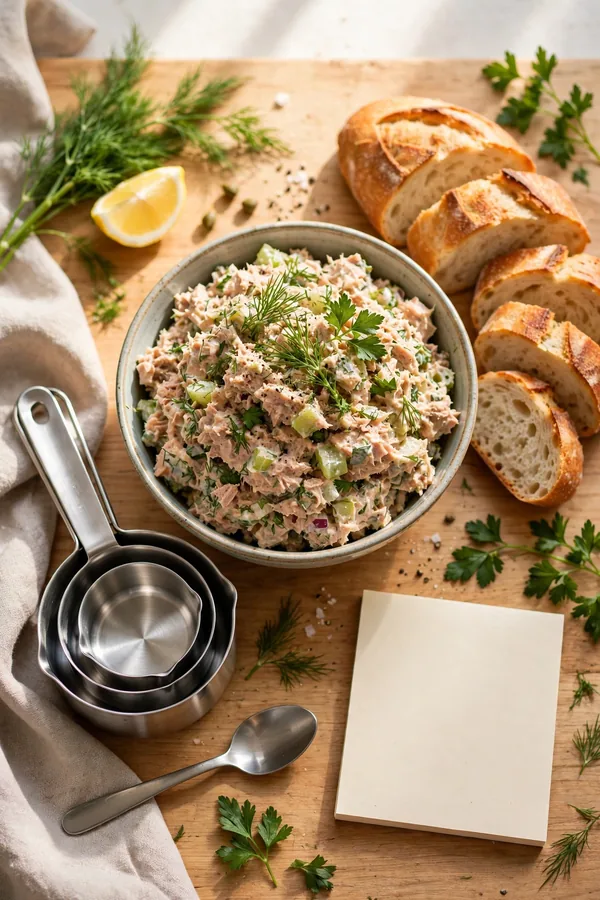
Quick Tip: Keep this checklist near the counter for your next salad. A glance before mixing saves a rescue later. Soon the habits feel automatic, and every bowl lands thick and creamy.
Great tuna salad comes from habits, not luck. Drain the tuna, add mayo slowly, chill before serving, and keep add-ins dry. Check the thickness early, adjust the next bowl, and enjoy a salad that stays thick to the last bite. That is a bowl worth repeating. A thick dressing holds the salad together longer.
Conclusion
Thick tuna salad comes from well drained tuna, measured mayo, and a good chill. Fix those three habits and watery tuna salad becomes a rare mishap instead of the usual result. Start with drained tuna, add mayo slowly, and chill before serving. Your next bowl should hold its shape, stay creamy, and taste fresh to the last bite. If another dish puzzles you, read guacamole for bright green fixes. Keep this guide handy and cook with confidence every single time at the table. Your lunches will taste better at once.