Why Is My Cake Dry and Crumbly? Easy Fix Guide
A dry crumbly cake can spoil a good bake, and most home bakers meet this problem once. You slice into a golden cake, yet the crumb falls apart and feels dry. The flavor may still please, but each dry slice is hard to enjoy.
Most cakes turn dry when batter loses moisture or bakes too long. Too much flour, a hot oven, and a long bake can each dry the crumb. Small mistakes add up fast, and the wrong method keeps the cake dry at home.
This guide walks through each cause, then gives simple fixes you can use today. Follow the steps, and your cake can stay moist, soft, and ready to serve. If your caramel also turns hard, see why crystallized caramel happens and how to fix it.
Why Cake Turns Dry
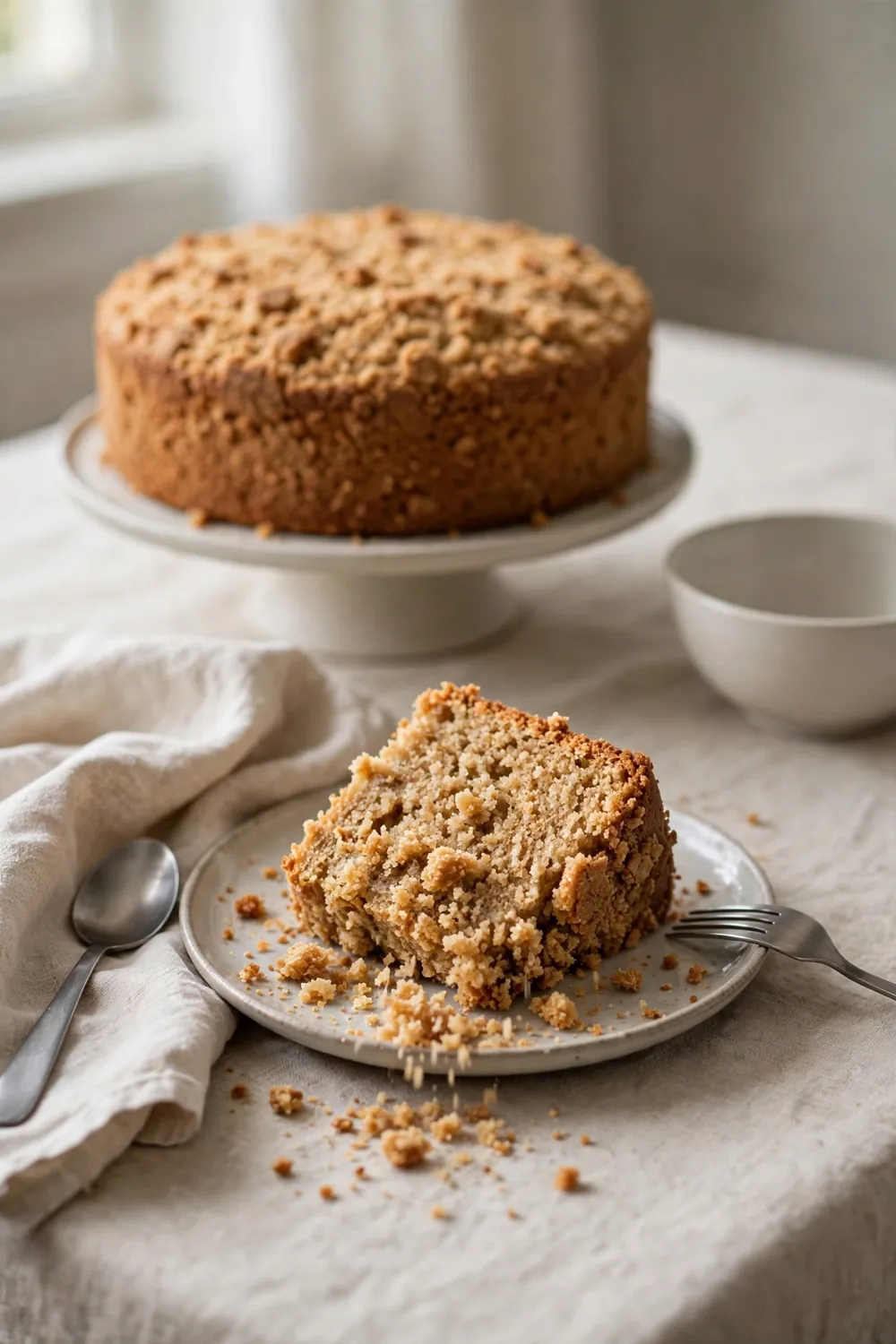
A cake turns dry when moisture leaves the plain batter or bakes away in the hot oven. Too much flour, a hot oven, and a long bake can each dry the crumb. The cake bakes through, but the inside never stays soft and tender.
A dry slice does not mean the cake went bad, and the cake stays usable for trifle or crumbs. The heat dries it first, then the slice turns crumbly with time. A moist batter bakes soft, while a dry batter stays dry to the very end.
Check the Oven
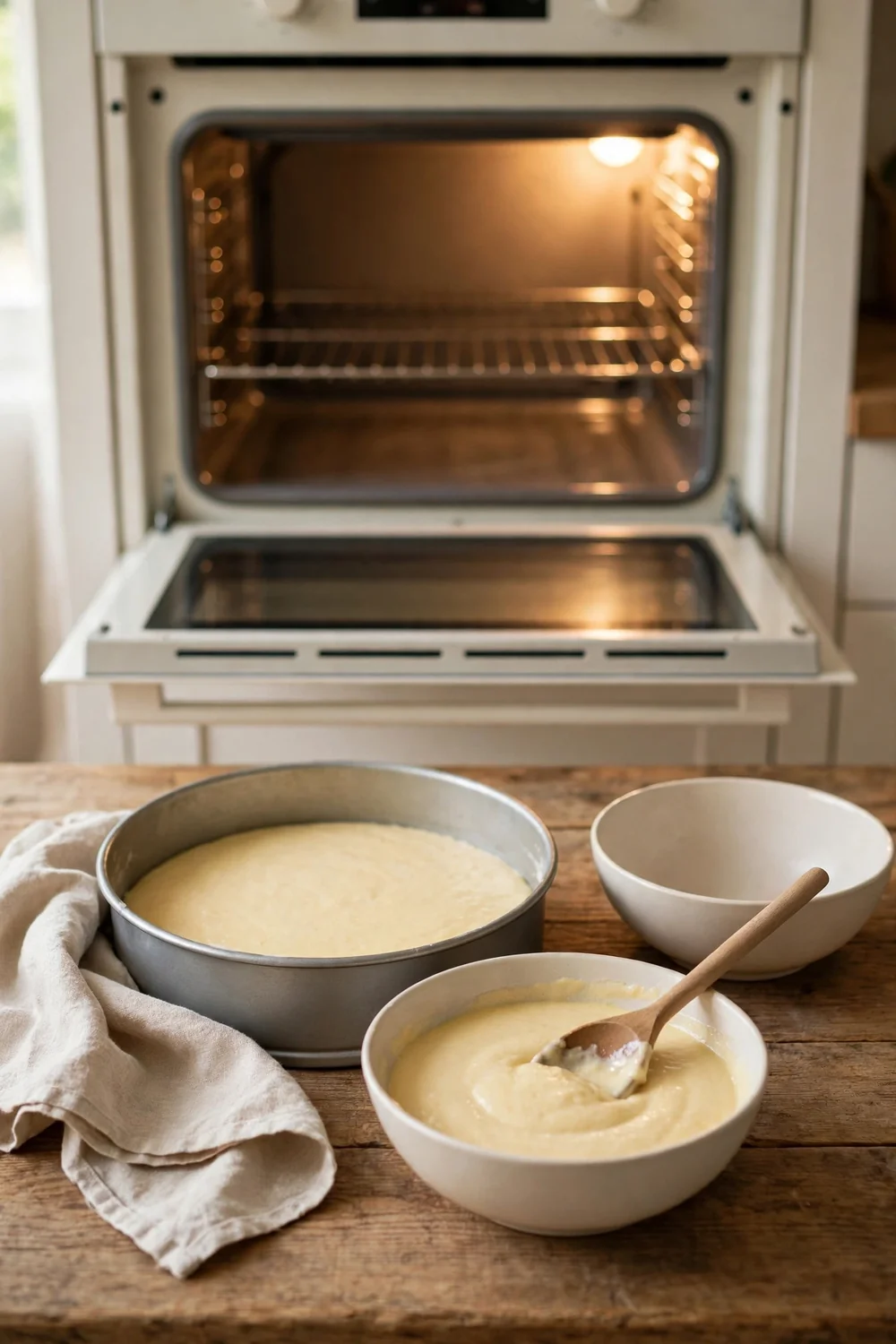
A hot oven dries a cake fast, and most ovens run hotter than the dial shows. The cake bakes too fast, and the crumb turns dry before the center sets. Check the heat with a plain oven thermometer, and set it right before you bake.
- Let the oven heat fully before the pan goes in.
- Keep the door shut while the cake bakes.
- Trust the oven light, not the dial, for true heat.
- A steady oven keeps the crumb soft and tender.
Measure the Flour
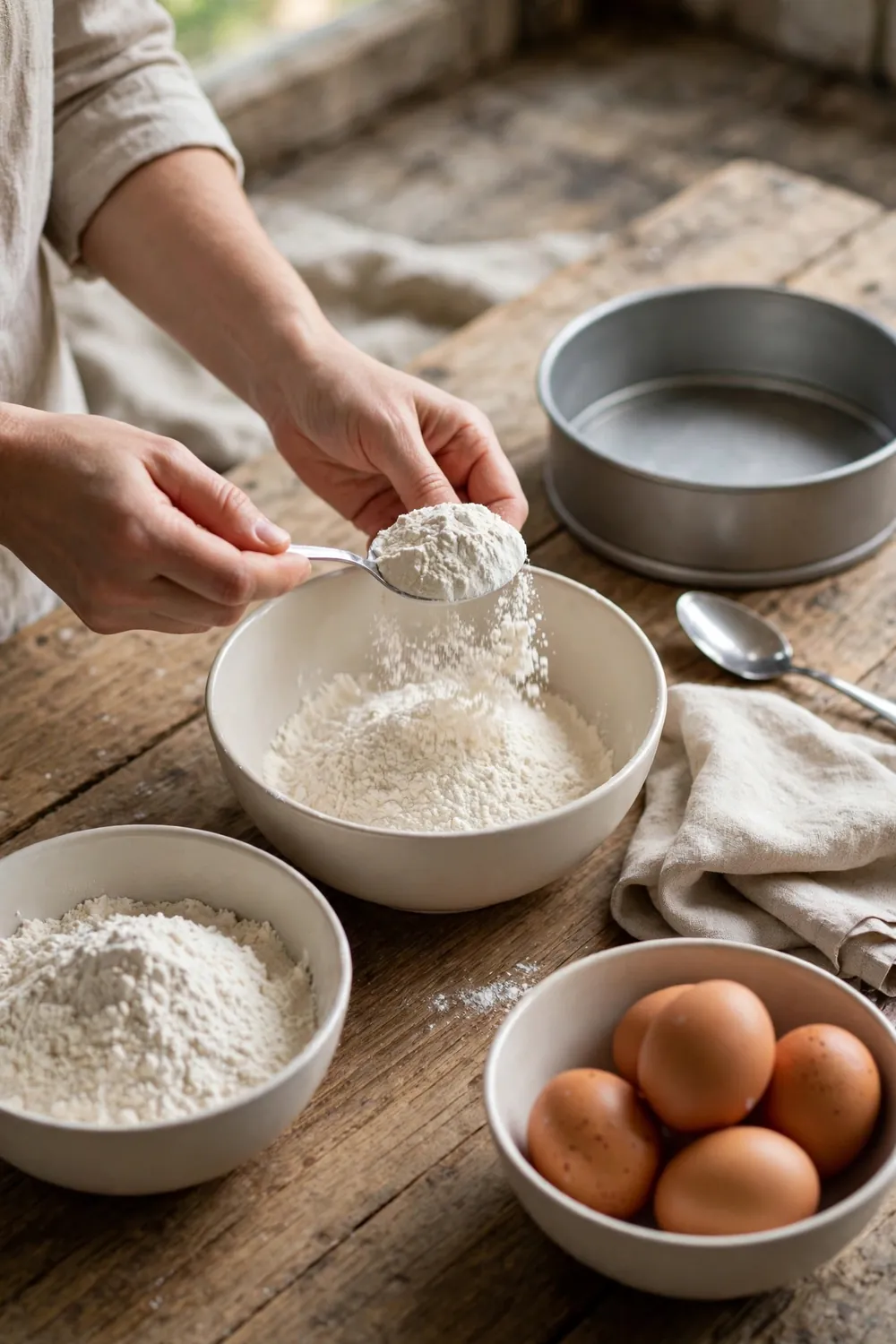
Too much flour dries the batter, and the cake turns crumbly in the pan. Scooping from the bag packs the flour, and the cake gets dry. Spoon the flour into the cup, and level it off with a straight knife for a true measure every time.
Quick tip: weigh the flour if you can. A scale beats a scoop every time, and the measure stays exact.
Add More Moisture
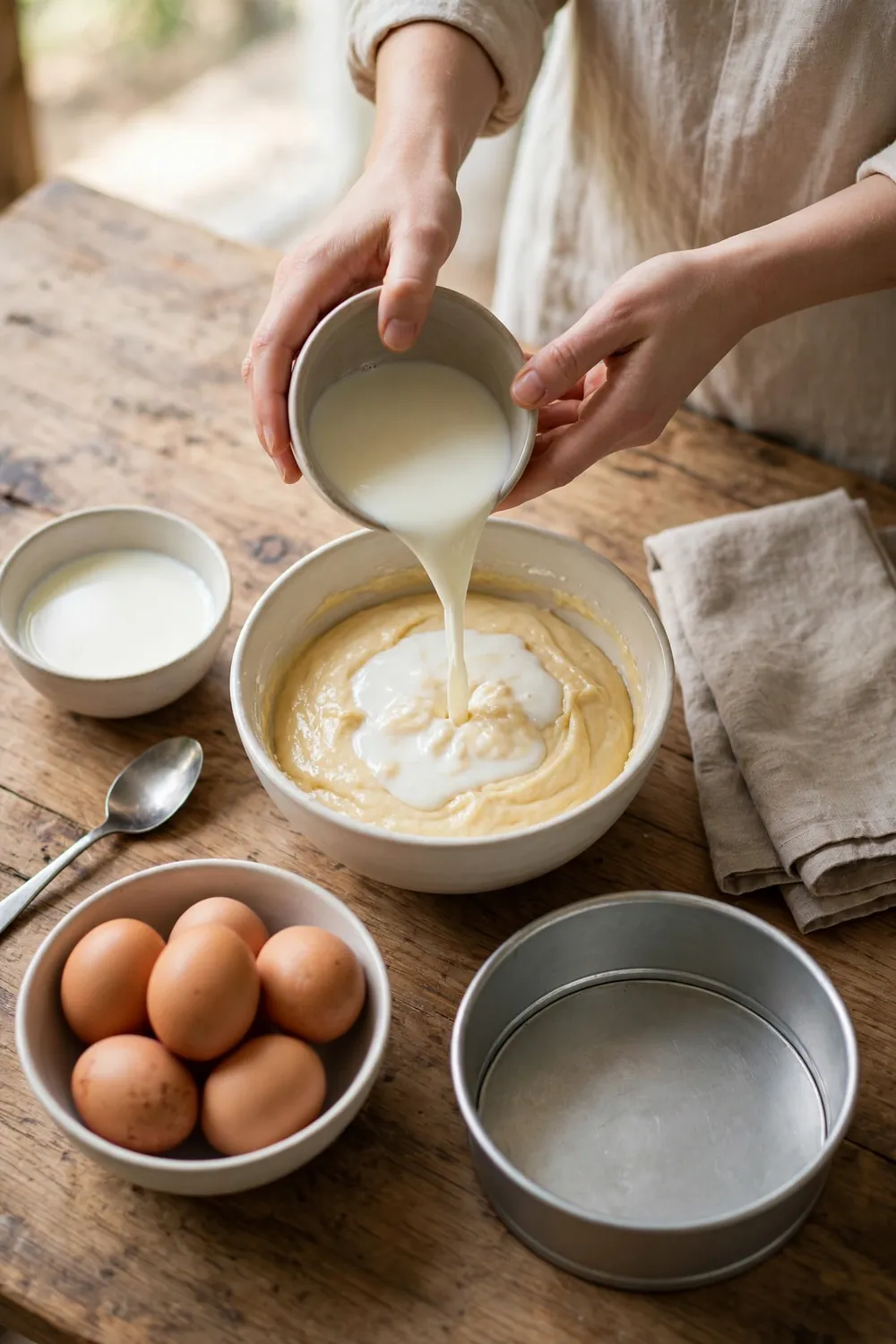
Moisture keeps the crumb soft, and the cake turns tender in the pan. Oil, milk, and sour cream each add moisture, and the cake stays moist through the bake. Add liquid a spoon at a time, and stop when the batter feels soft and loose.
Before: thick batter bakes dry, and the slice stays crumbly. The crumb feels firm, and the cake loses its soft bite.
After: soft batter bakes moist, and the slice stays tender. The crumb feels light, and the cake keeps its soft bite.
Skip the Overbake
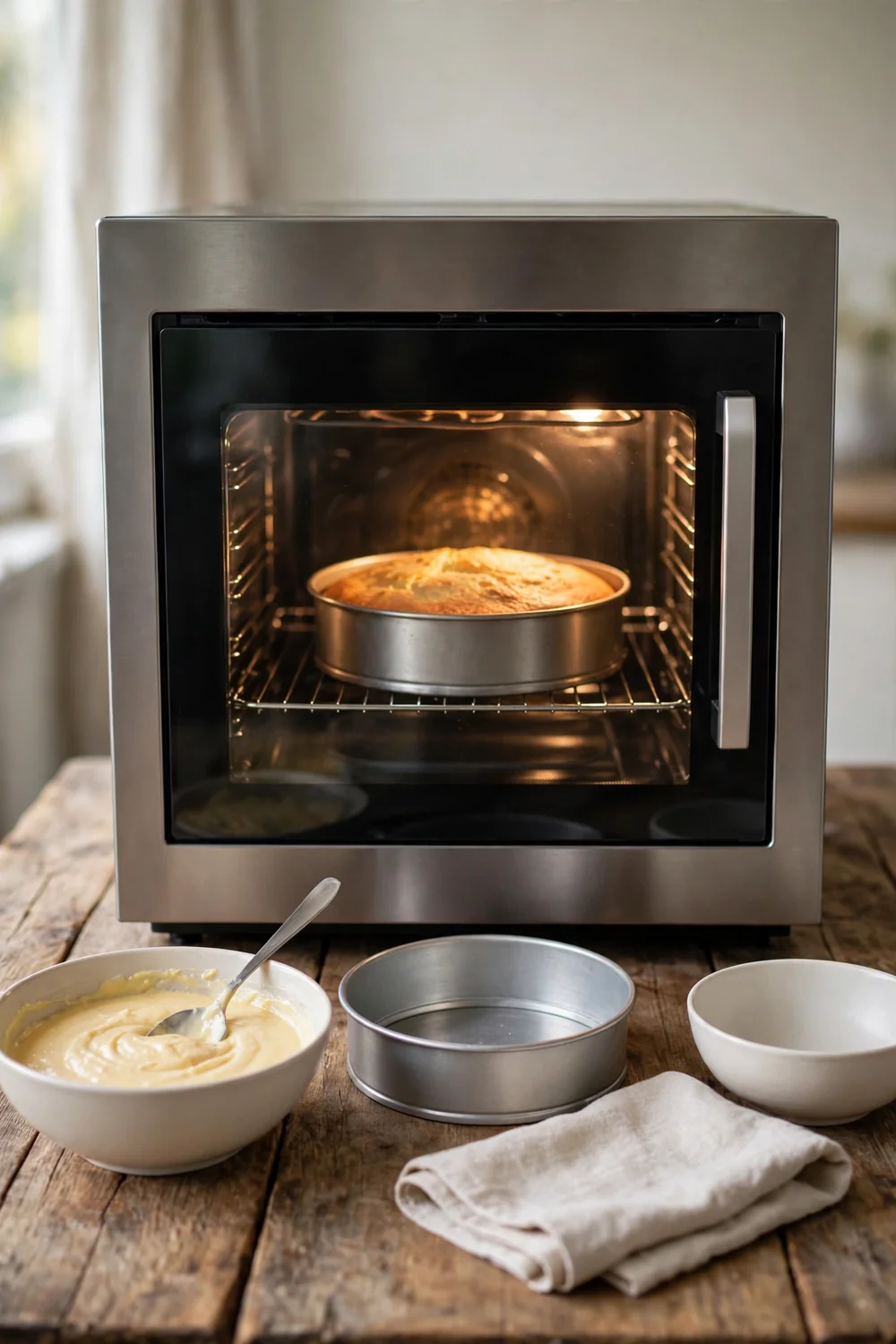
Overbaking dries the cake fast, and the crumb turns crumbly within minutes. A few extra minutes pull moisture from the cake, and the slice stays dry. Set a timer, and check the cake early so you can pull it out on time at every bake.
- Set a timer for five minutes less than the recipe says.
- Test the center with a wooden skewer or a thin knife.
- Pull the cake when the tester comes out with a few moist crumbs.
- Let the cake rest in the pan for ten minutes before you turn it out.
Room Temp Eggs
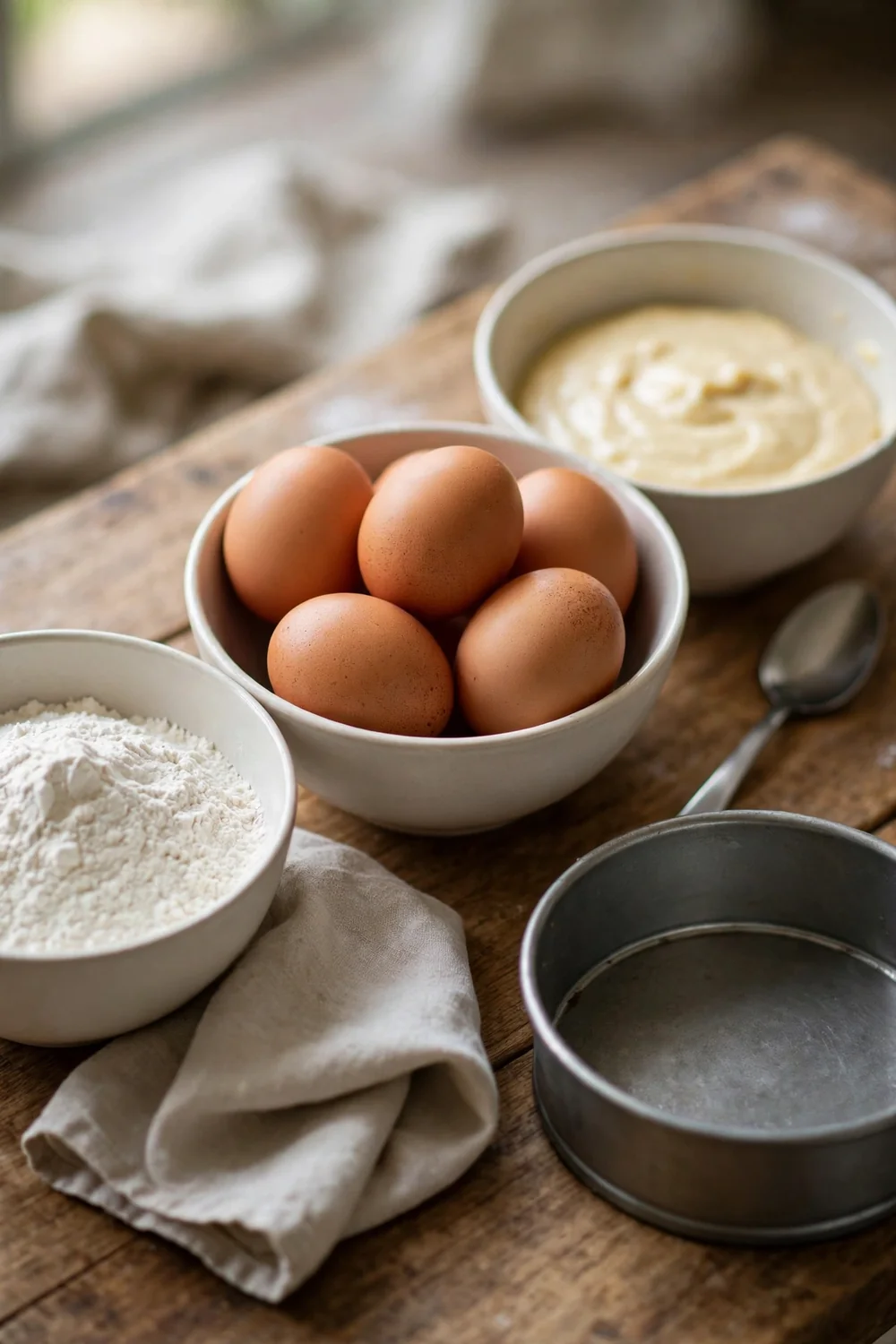
Room temp eggs blend smooth, and the cake turns moist in the pan. Cold eggs stiffen the batter, and the cake bakes dry. Set the eggs out for thirty minutes, and let them warm fully before you start to mix. Warm eggs mix fast, and the batter stays smooth.
| Eggs | Batter | Result |
|---|---|---|
| Cold eggs | Stiff and lumpy | Dry cake |
| Room temp eggs | Smooth and loose | Moist cake |
| Warm eggs | Blends fast | Soft crumb |
Mix It Less
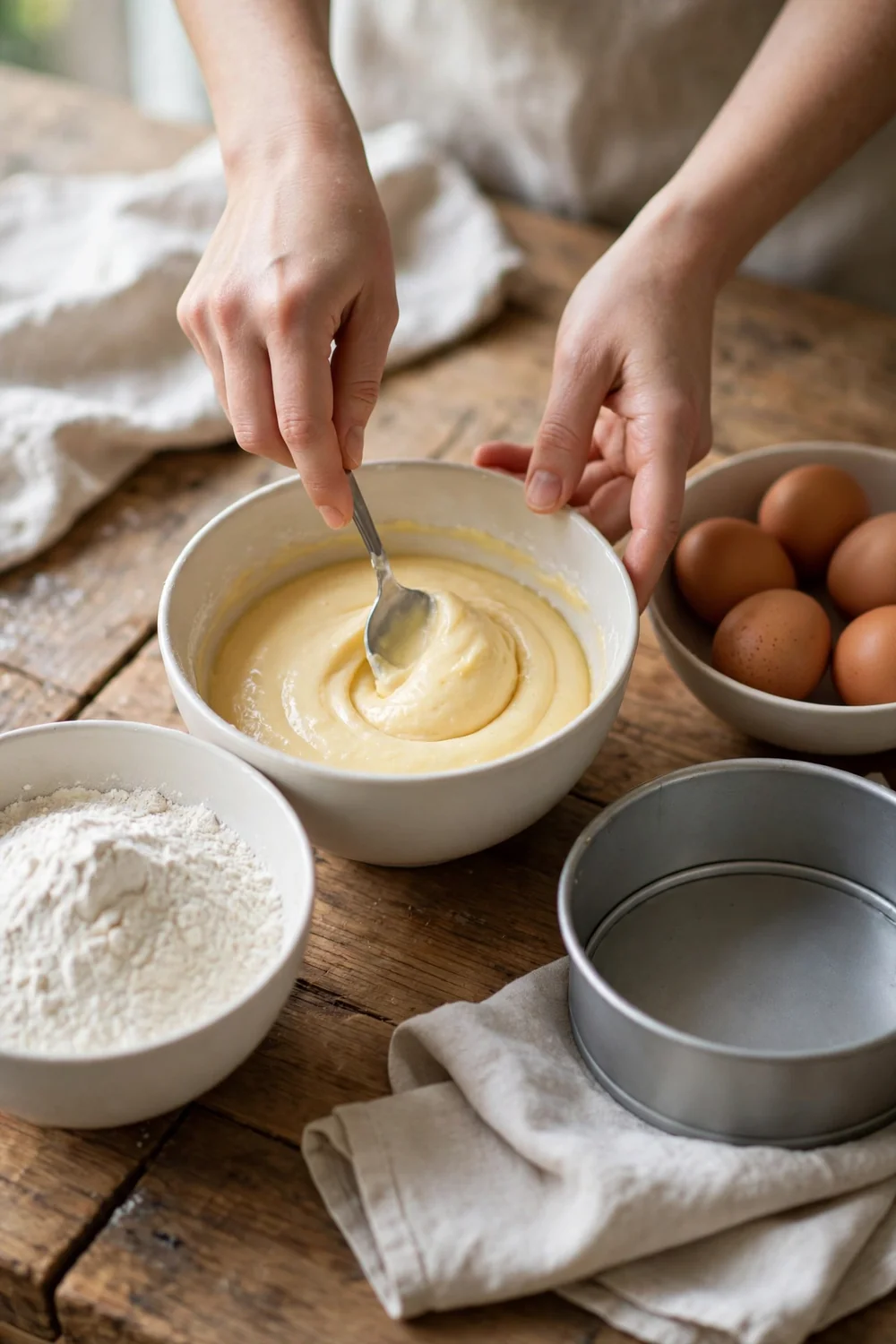
Overmixing toughens the batter, and the cake turns dry in the pan. Extra stirring builds gluten, and the crumb turns crumbly. Mix just until the flour blends, and stop right there for a soft and tender cake. A light mix keeps the cake moist, and the crumb stays soft.
Do:
- Stir with a spoon and fold the last bits in.
- Stop as soon as the flour blends into the batter.
Do not:
- Do not beat fast with a mixer after the flour goes in.
- Do not keep stirring once the batter looks smooth.
Cool It Covered
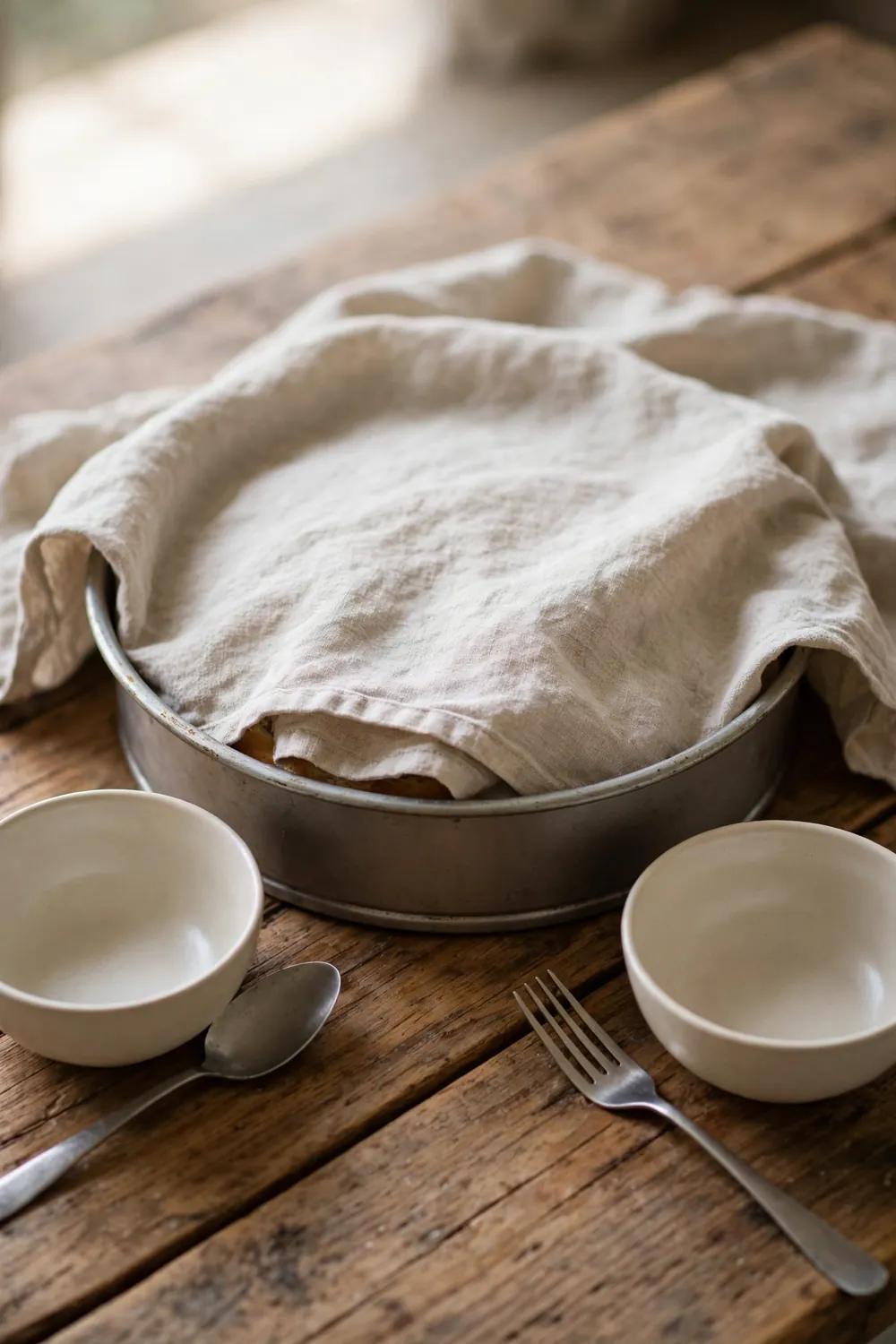
Covering the cake while it cools traps steam, and the crumb stays moist. An uncovered cake dries fast, and the slice turns crumbly. Drape a clean towel over the pan, and let it cool slow for a soft crumb. Let the cake cool in the pan, and cover it loosely.
Quick facts:
- Steam trapped under the cover keeps the crumb soft.
- Moving a hot cake breaks the crumb, so wait.
- Cool until the pan feels warm, not hot.
Test One Cake
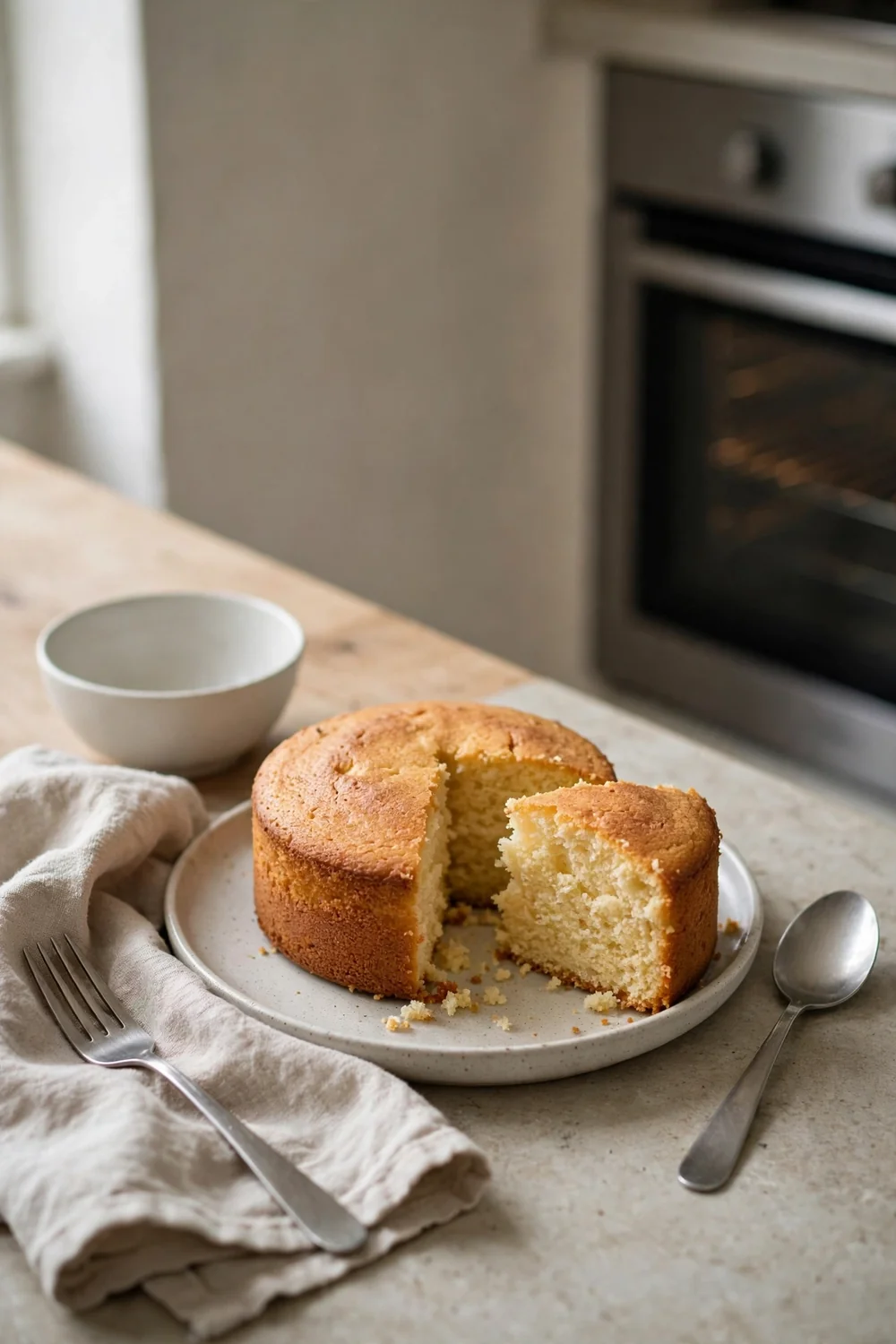
Bake a single test cake, and check the crumb before the full bake. A test shows if the cake needs more moisture, less flour, or less time. One cake saves the whole bake, and the fix stays small. Testing is a habit that pays off with every bake you make.
Slice the test cake, and check the crumb for moisture and softness. Add liquid if the crumb feels dry, and cut time if it feels hard. Bake the rest only when the test turns out moist and soft. A quick fix now keeps the whole batch moist and soft.
Moist Cake Signs
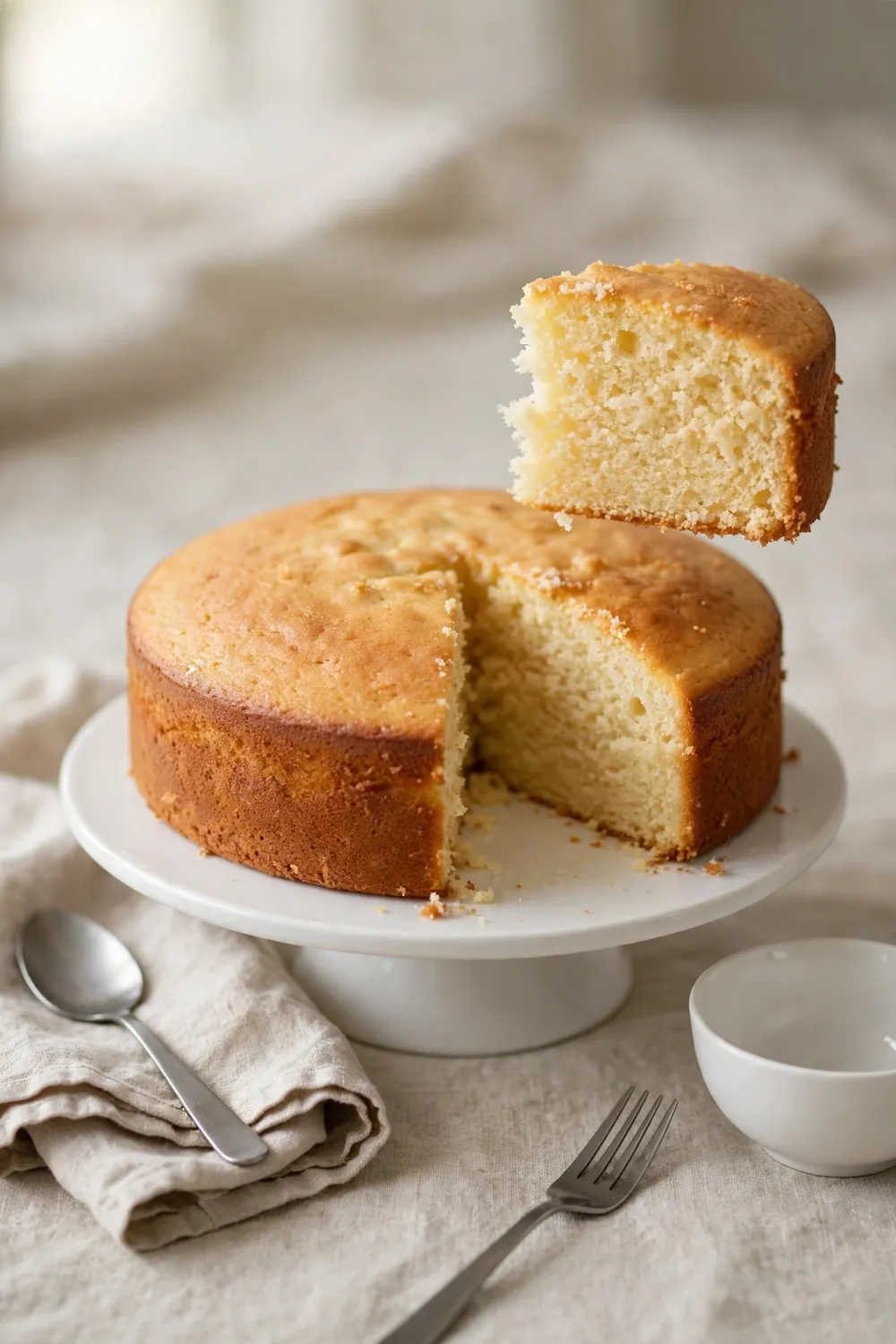
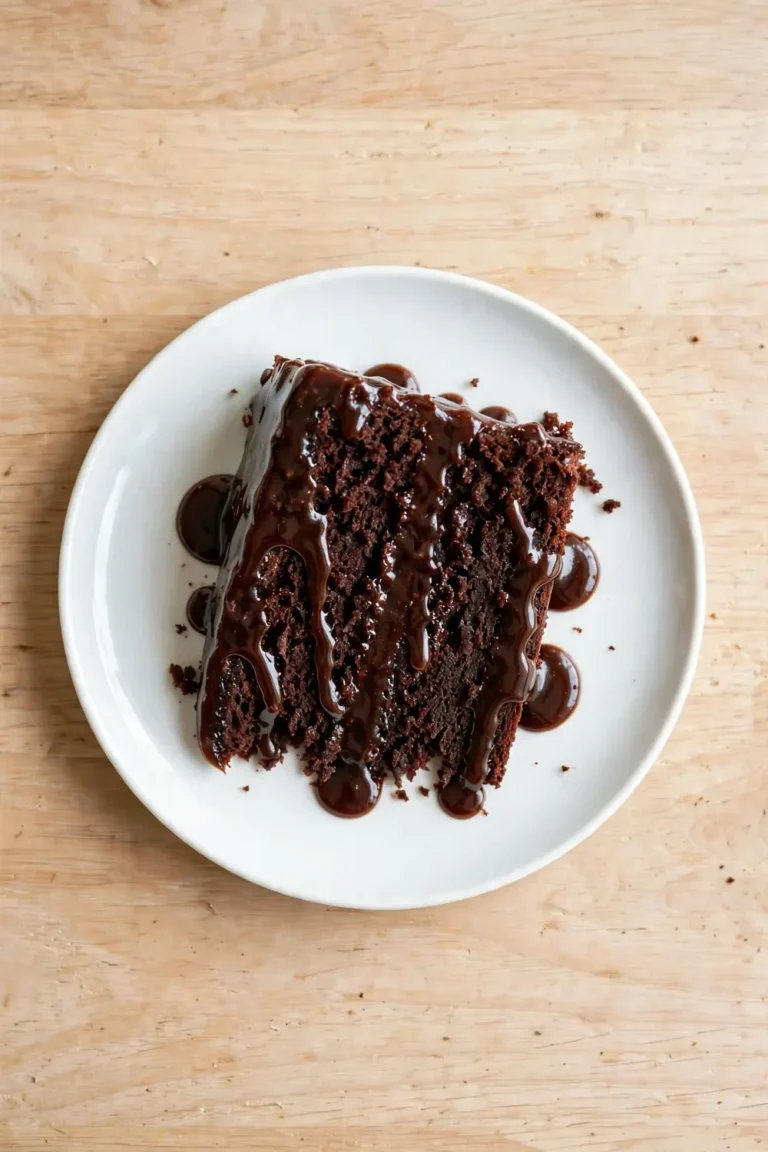
A moist cake shows a soft crumb, and the inside stays tender to the bite. The cake feels light, and the slice bends soft without breaking. Look for even color and a soft, tender crumb from edge to center on every slice. A good cake holds its shape and stays moist.
- No dry edges and no hard crust on top.
- The surface looks soft and the color stays even.
- Serve it fresh for the best slice.
Common Mistakes to Avoid
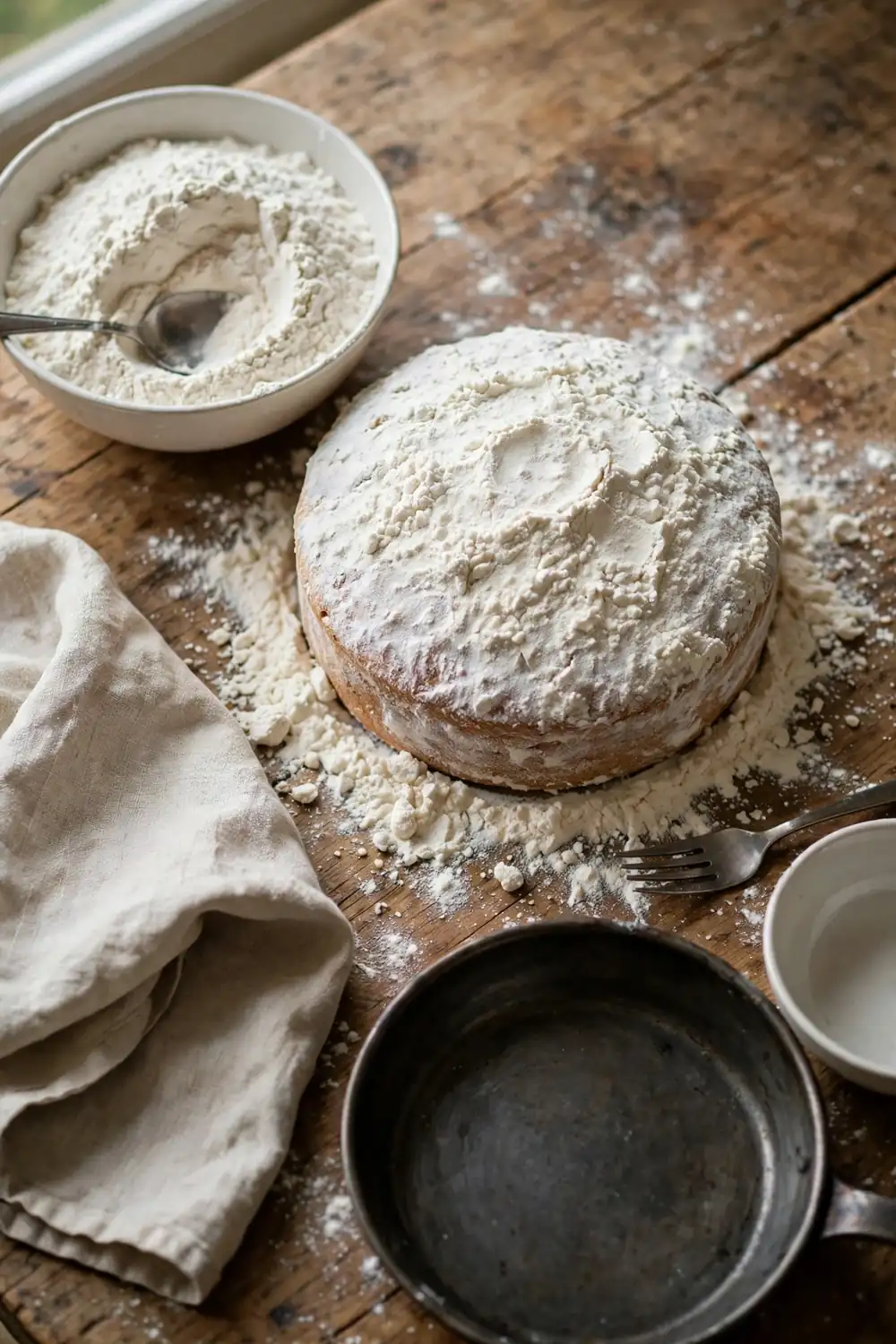
Too much flour is the biggest mistake, and the cake stays dry. Scooping flour straight from the bag packs it, and the batter turns thick. Overbaking is another mistake, and the cake stays dry when the timer runs long and hot. Small steps keep the cake moist every single time.
Quick tip: keep a timer handy whenever you bake. Patience beats speed on cake day, so set the timer early.
Conclusion
A dry crumbly cake is not a sign of bad baking. It comes from lost moisture, and now you know each fix. Match the method to the moment, and the next cake can surprise you.
Correct flour, a cool oven, and a short bake keep the cake moist. Pick the method that fits your plan, and the cake turns soft. Measure well, bake short, and cool it covered.
Use one method at a time, and the cake stays moist. Save this guide for your next bake day. If your pizza crust also turns soft, read our guide on soggy pizza crust for crisp pizza at home every time.
One Comment