24 Char Siu Pork Ways So Mighty You’ll Make Them Weekly
Few dinners earn a permanent spot in the weekly rotation, but char siu pork does it with glossy edges, deep marinade flavor, and slices that work over rice, noodles, or tucked into soft buns. It is sweet, savory, and deeply satisfying every single time.
This collection gathers twenty-four ways to serve it, from the classic roasted slab to bao fillings, ramen toppers, fried rice toss-ins, and slow cooker batches built for busy weeks and hungry families alike without ever tasting repetitive or boring at all.
Every version below keeps the spirit of the dish and changes one thing that matters, a glaze, a cut, a cooking method, or a serving style, so you can pin the ones that fit your table and your schedule best.
Classic Glossy Slab
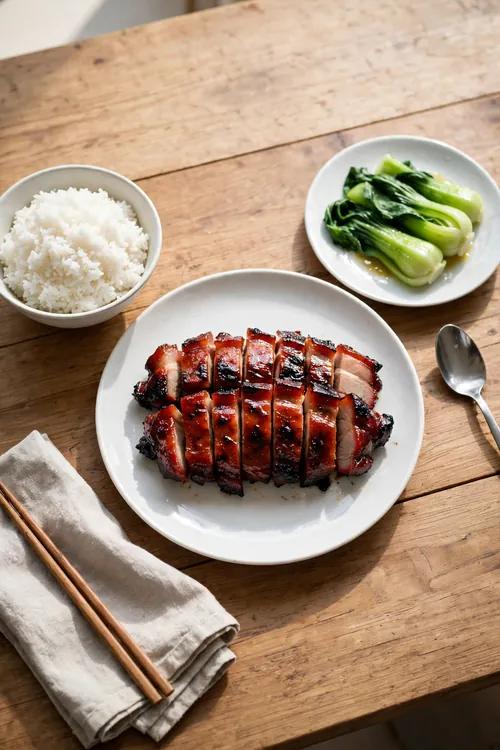
The classic slab starts with pork shoulder or neck marinated overnight in a sweet, salty, fermented-tinged sauce, then roasted hot until the edges catch and char. Those dark sticky edges are not decoration, they are the whole signature of the dish. Slice it thick and the center stays rosy, juicy, and tender in every bite.
Served over plain steamed rice with the pan juices spooned across the top, this is the plate every other version in the list quietly measures itself against. In my experience, first timers should always start here before chasing any of the twists below this week. And for gravy comfort, my smothered pork chops warm everyone.
Honey Glazed Edges
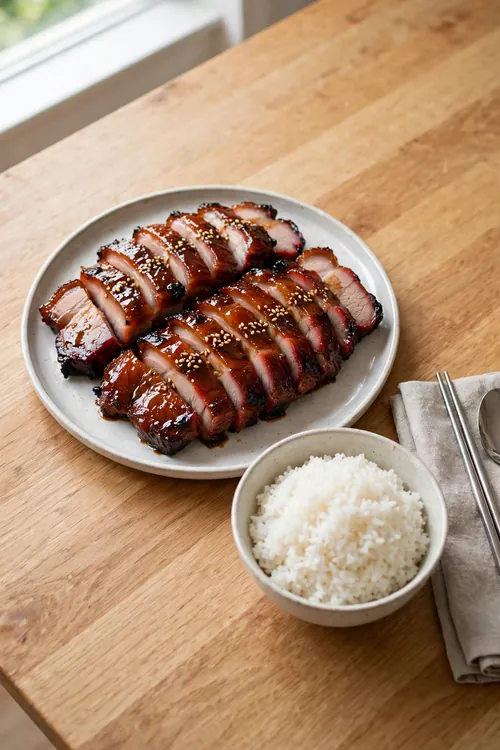
- Brush honey on during the final ten minutes only, because sugar burns fast and the glaze should shine, never scorch.
- Mix a spoon of honey into the leftover marinade so the flavor matches the meat instead of sitting sweetly on top.
- Rest the slab five minutes before slicing, and the glaze sets into a glossy coat that clings to every piece.
- Finish with a second thin brush of warm honey right before serving for that fresh, sticky shine in photos.
Honey changes the finish more than the flavor, giving the slices a lacquered look that photographs beautifully and eats even better. It is the version I pull out when guests are coming and the table needs one dish that looks genuinely impressive without extra work.
Bao Bun Filling

Quick Tip: Warm the buns in a steamer for three minutes so they turn pillowy and never crack when folded. Slice the meat a little thicker than usual so each bun gets a real bite. Add pickles and scallions last for crunch and a fresh bite against the rich meat.
Pillowy buns and sticky slices were made for each other, and the pickles cut through the richness so nobody stops at one. Kids build their own at the table in my house, which turns an ordinary dinner into a small event worth repeating very often.
Fried Rice Toss-In
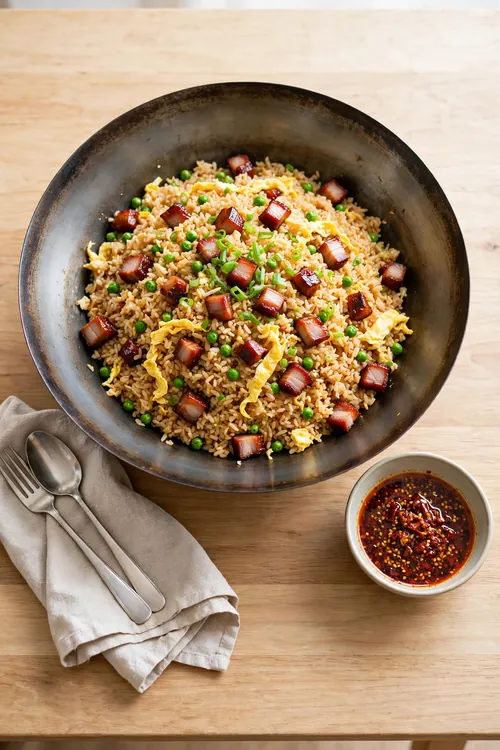
BEFORE: Leftover roasted pork usually sits in the fridge until someone reheats it in the microwave, where it dries at the edges and loses every bit of its sticky charm. It feels like an obligation on the plate, not a dinner anyone actually asked for tonight.
AFTER: Dice it cold, toss it into screaming hot golden fried rice at the very end, and it changes completely. The cubes stay juicy inside, pick up crispy rice edges, and carry sweet smoky flavor through every spoonful of the whole wok in minutes flat.
Day-old rice, a hot wok, and ten minutes are all this remix asks for on a tired weeknight. It is the smartest use of leftovers in this entire list, turning yesterday’s roast into tonight’s fastest and most requested family dinner without any fuss at all.
Noodle Bowl Topper
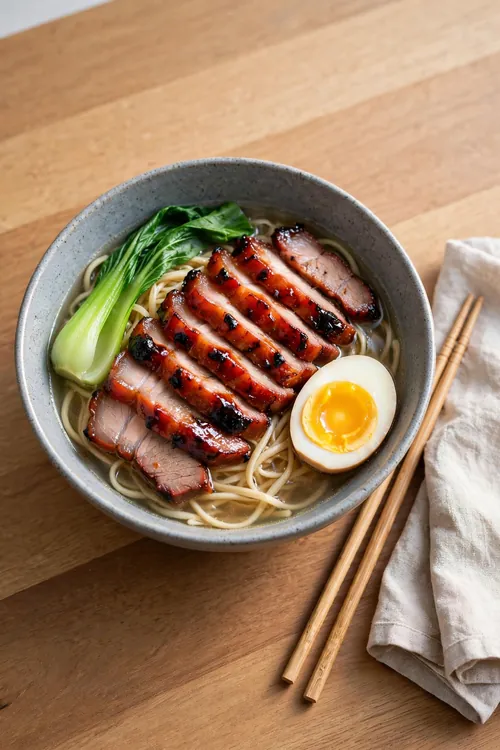
- Cook the noodles just shy of done, because they finish in the hot broth and should stay springy.
- Warm the slices gently in a skillet with a splash of marinade so the glaze wakes back up.
- Build each bowl with noodles first, then broth, then the pork fanned across the top center.
- Finish with scallions, chili oil, and a halved egg so the bowl looks and eats like a restaurant order.
Noodles love a topping with real presence, and these slices bring sweetness that seasons the whole bowl as you eat. Slurp slowly and the last mouthfuls taste richest, where the broth has quietly borrowed glaze from every slice resting above the springy noodles all along.
Oven Or Air Fryer

| Point | Oven Roast | Air Fryer |
|---|---|---|
| Time | About 30 minutes at high heat | About 18 minutes with no preheat |
| Edge Char | Deep, dark, sticky edges all over | Crisp edges with a lighter color |
| Batch Size | A whole slab or two at once | Smaller slabs or thick slices only |
| Cleanup | One lined roasting pan to wash | A basket that rinses in a minute |
Both methods honestly work, and the choice comes down to batch size and how dark you like those edges. I roast whole slabs in the oven for Sunday and use the air fryer on weeknights when one smaller piece has to feed two people fast.
Smart Slicing Habits
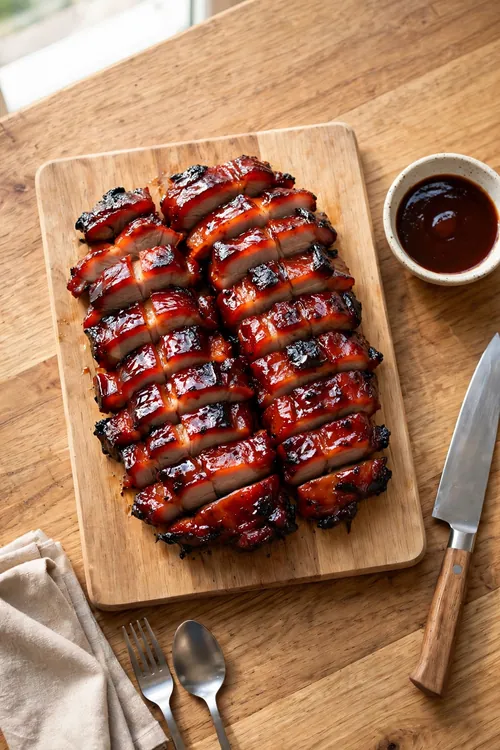
DO: Rest the slab at least ten minutes so the juices settle back into the meat. Slice against the grain in thick pieces, about a finger wide, so each bite stays tender. Brush warm glaze over the cut faces right before the plate leaves the kitchen.
DON’T: Slice the meat straight from the oven, or the juices flood the board and the slices dry out fast. Never cut wafer thin pieces, because they cool in seconds and turn leathery on the plate. Do not drown the rows in sauce before serving either.
Slicing sounds like a small detail, yet it decides whether the meat eats like a restaurant plate or a tired leftover. Thick, rested, grain-aware cuts are the quiet difference between good char siu and the kind people ask you to make again and again soon.
Weeknight Shortcut Cut
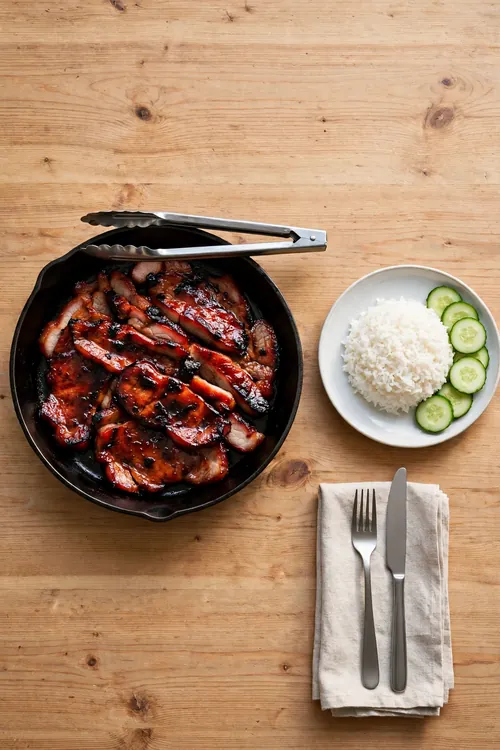
Cost: Moderate, one pork neck or shoulder covers it
Time Needed: 25 minutes plus marinade time
Difficulty: Easy
Best For: Busy weeknights without a long roast
Thin cutlets are the shortcut that keeps this dish in the weekly plan instead of saving it for weekends only. They marinate faster, cook in minutes, and still deliver those caramel edges everybody fights over at the serving plate on real busy nights at home.
Ramen Night Upgrade
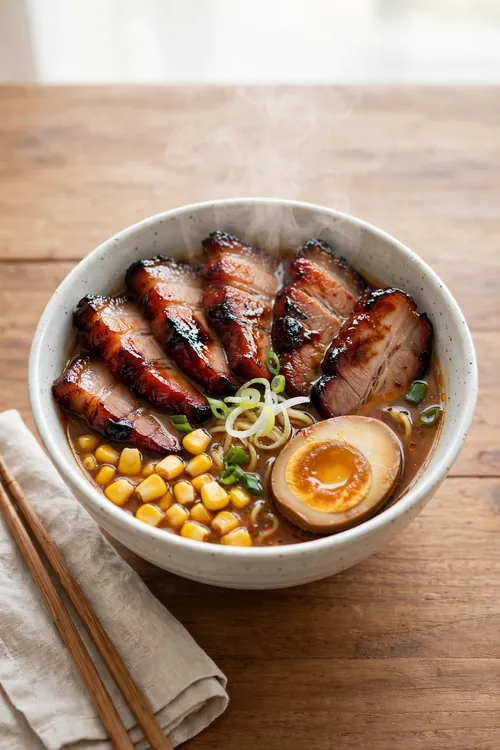
A plain bowl of instant ramen turns into a real dinner the moment a few thick slices land on top tonight. The glaze melts slowly into the hot broth, sweetening every slurp, while the charred edges hold their own against the salty soup beneath them.
Add corn, scallions, and a six minute egg, and nobody at the table believes the base came from a packet tonight. This is the upgrade I reach for on cold nights when the fridge looks empty but dinner still needs to feel like something special.
Sticky Rice Plate

- Press the rice into a small bowl and flip it onto the plate for that tidy restaurant mound shape.
- Fan the slices over the rice while they are still warm, so the glaze drips down and seasons the grains.
- Add something pickled on the side, because the sharp bite keeps the sweet rice and pork from feeling heavy.
- Spoon a little warm marinade over everything at the table instead of in the kitchen, so it stays glossy.
Rice and sticky slices belong together, the plain grains catching every drip of glaze like they were designed for it. It is the plate I grew up picturing when someone said the name of this dish, simple and completely right every single time at home.
Five Spice Twist
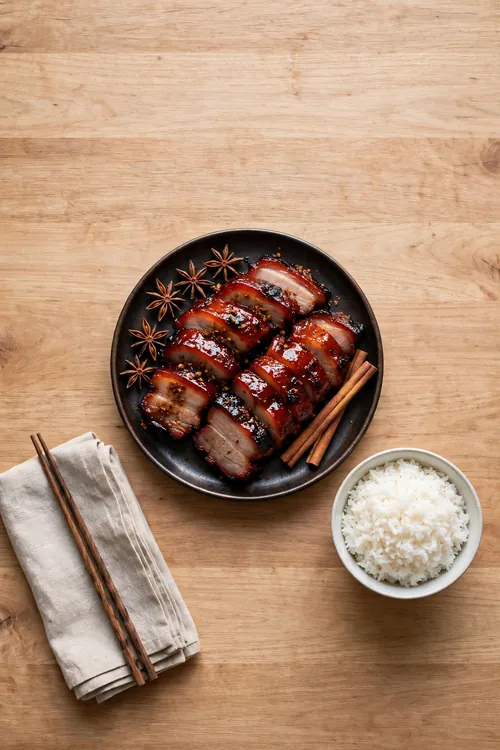
Quick Tip: A half teaspoon of five spice in the marinade is plenty, because the blend turns bitter when it takes over. Bloom the powder in warm sauce first so it spreads evenly. Taste the marinade before the meat goes in, always.
Five spice leans the whole dish warmer and deeper, with star anise and cinnamon humming under the sweetness instead of shouting over it. Small hands with the spice jar matter here, because balance is what keeps this version interesting instead of overpowering everyone at the table.
Leftover Remix Bowls
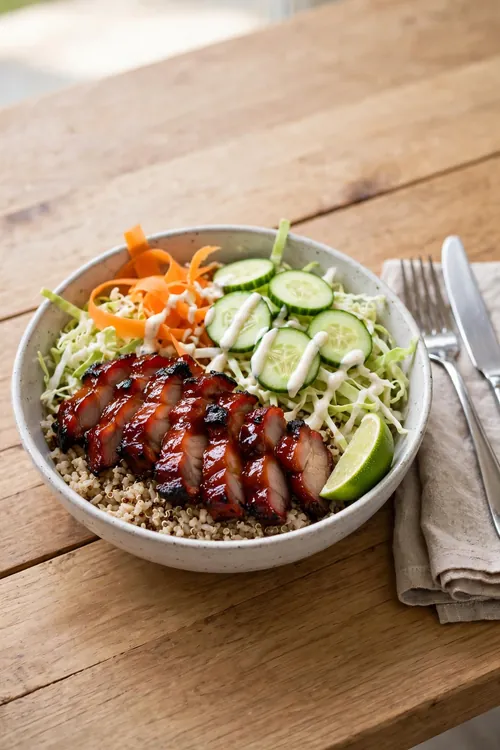
BEFORE: Second day slices eaten plain beside plain rice taste fine but flat, the glaze gone dull and the meat a little tired. Nobody complains exactly, yet nobody reaches for seconds either, and the last pieces drift toward the back of the fridge and stay there.
AFTER: Warm the slices in a dry skillet until the edges crisp again, then build bowls over grains with shredded cabbage, carrot, cucumber, and a tangy drizzle. The contrast wakes everything up, crisp, cool, rich, and bright in every single layered bite you take at home.
Remix bowls are how leftovers stop tasting like leftovers at all in my kitchen. The fresh vegetables do the heavy lifting, the reheated slices bring the comfort, and dinner feels planned instead of rescued on the nights nobody ever wanted to cook again from scratch.
Party Platter Slices

- Roast two slabs instead of one, because a platter needs generous overlap and seconds always disappear.
- Chill the cooked meat twenty minutes before slicing, since cool meat cuts cleaner and far more evenly.
- Fan the slices in overlapping rows across a warm platter so the glaze catches the light.
- Set small bowls of mustard and extra sauce at the edges for guests who like to dip.
A platter of these slices anchors a party table better than most catered trays I have paid for over the years at home. People graze, come back, and then ask for the marinade details before they ask about anything else on the table that night.
Shoulder Versus Neck
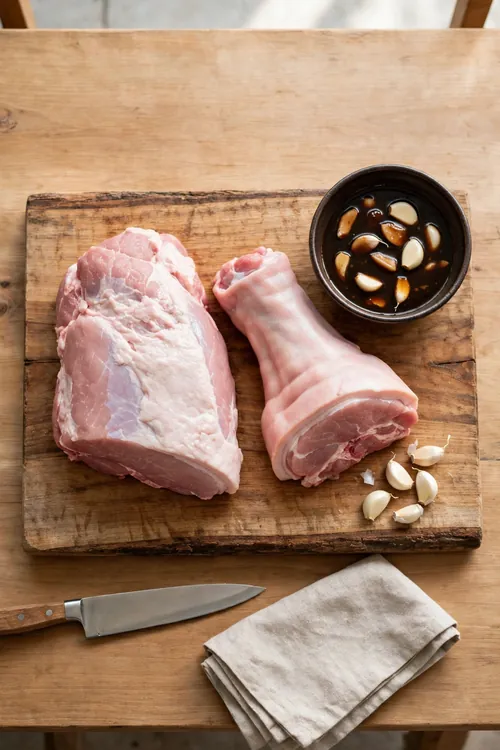
Shoulder Cut: The shoulder brings deep marbling and a forgiving nature, staying juicy even if the roast runs ten minutes long. It slices into sturdy pieces that hold up on platters and in lunch boxes, and it costs less per pound almost everywhere I shop.
Neck Cut: The neck, often sold as pork collar, carries fine ribbons of fat through every slice, so it eats richer and softer than shoulder. It chars beautifully at the edges, though the pieces come smaller, which suits rice bowls and noodle toppers best of all.
Neither cut is wrong, and plenty of cooks mix both in one marinade tub when the shop has them side by side. Pick shoulder for big platters and meal prep, neck for tenderness, and let your week decide which one goes in the oven first.
Marinade Watch List
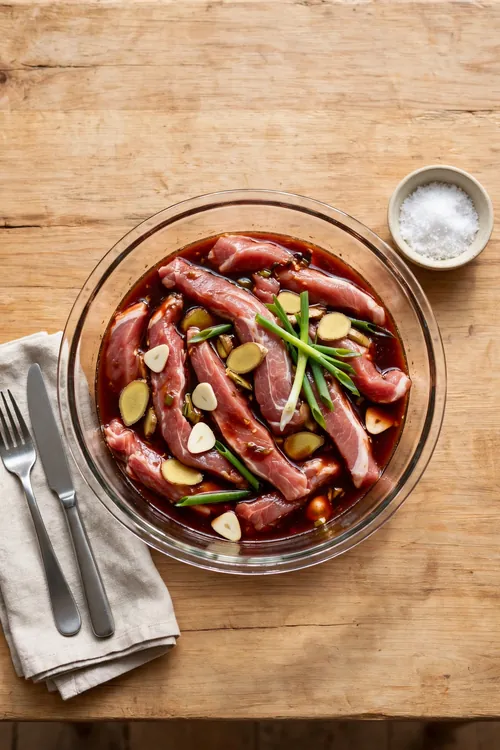
- DO: Marinate overnight in the fridge, because eight hours is the minimum for the flavor to reach the center.
- DO: Pat the meat dry before roasting so the surface can caramelize instead of steaming in its own liquid.
- DO: Keep a spoon of raw marinade separate for basting, never the liquid the raw meat sat in.
- DO: Turn the slab once halfway through roasting so both faces pick up color and char.
- DON’T: Rush the marinade into one hour and expect the same depth, because time does the real work.
- DON’T: Add the honey portion at the start, since long soaking dulls its flavor before cooking begins.
- DON’T: Stack pieces in the marinade tub, because folded meat hides dry spots the sauce never reaches.
- DON’T: Skip the overnight rest for big slabs, whatever a shortcut video promised you last week online.
Marinating is the quiet stage nobody sees, yet it decides almost everything about the finished plate on the table. Give the meat its full overnight rest, keep the blend balanced, and the oven work afterward becomes the easiest part of the whole recipe by far.
Meal Prep Boxes
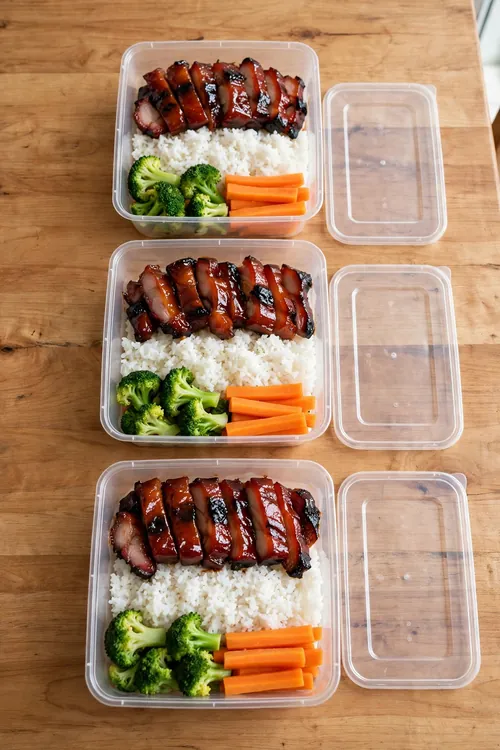
Cost: Moderate, one shoulder covers four boxes
Time Needed: 20 minutes of active work
Difficulty: Easy
Best For: Work lunches all week long
One Sunday slab becomes four different lunches, and the slices taste better on day two when the glaze has settled in. Boxes built this way end the sad desk lunch problem in my house more reliably than any takeout rotation we ever tried before today.
Sweet Chili Glaze
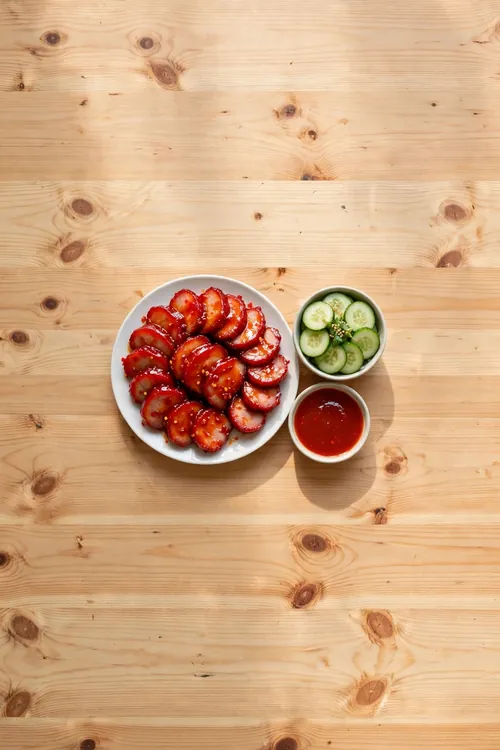
A final brush of sweet chili sauce takes the slices in a brighter, gently fiery direction that wakes up the whole plate. The glaze turns glassy under the broiler in about a minute, clinging to every charred edge without hiding the marinade underneath it at all.
Serve these with a cool cucumber salad and plain rice, and the heat stays friendly instead of pushy at the table. This is the version spice lovers request most at my house, especially the ones who usually claim sweet glazes are not for them at all.
Pineapple Glazed Chunks

- Cut the meat into big bite size chunks before marinating, so more surface area picks up glaze and char.
- Sear the pineapple pieces in the same hot pan after the pork, right in the drippings, until the edges caramelize.
- Return the pork to the pan for the final two minutes so the fruit juices gloss every chunk.
- Serve straight from the pan over rice, because the jammy pineapple sauce belongs on the grains too.
Pineapple and pork have shared plates for generations, and one bite explains why the pairing never goes out of style. The fruit caramelizes in the pan drippings, turns jammy at the edges, and cuts the richness so the bowl stays bright to the very end.
Slaw Crunch Plate
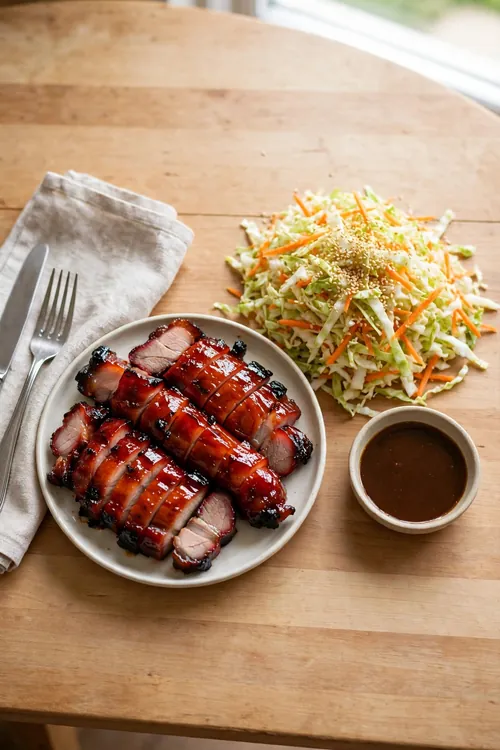
Quick Tip: Dress the slaw ten minutes before serving, never earlier, so the cabbage stays crisp under the warm slices. A pinch of salt draws out moisture first and keeps the dressing from turning watery. Slice the cabbage thin so it folds like noodles.
Crunch changes everything next to soft rice and tender meat, and slaw is the cheapest way to get it on the plate. Build the plate with slaw on one side and slices fanned on the other, and let everyone mix their own perfect bites at home.
Freezer Friendly Batch
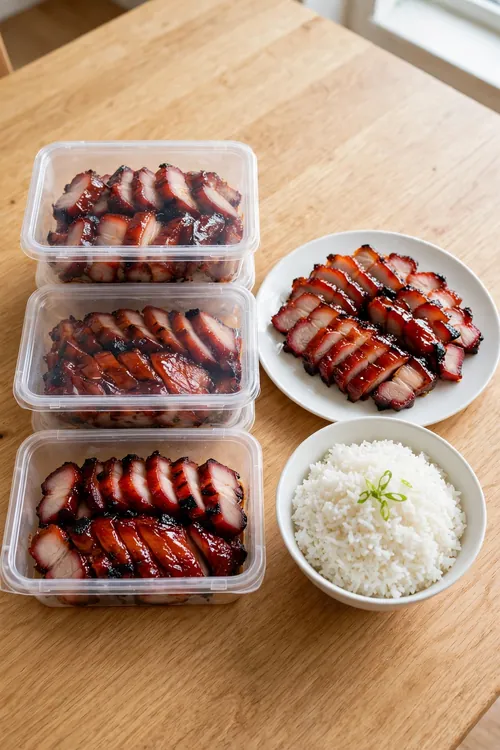
BEFORE: A big roast cooked for one dinner often means three days of identical plates, and by day three the slices taste very tired and nobody wants them. The back of the fridge fills with good meat that quietly runs out of welcome at home fast.
AFTER: Slice and freeze the extra meat in flat single layers with a spoon of its juices, and future dinners change completely. The portions thaw fast, reheat juicy, and land in fried rice, noodle bowls, or buns on nights when cooking feels truly impossible here.
Freezing in flat layers is the small habit that turns one roast into a month of easy options for the whole family. Future you, standing in front of an empty fridge at six in the evening, will be properly grateful for the work you did today.
Skewered Grill Strips
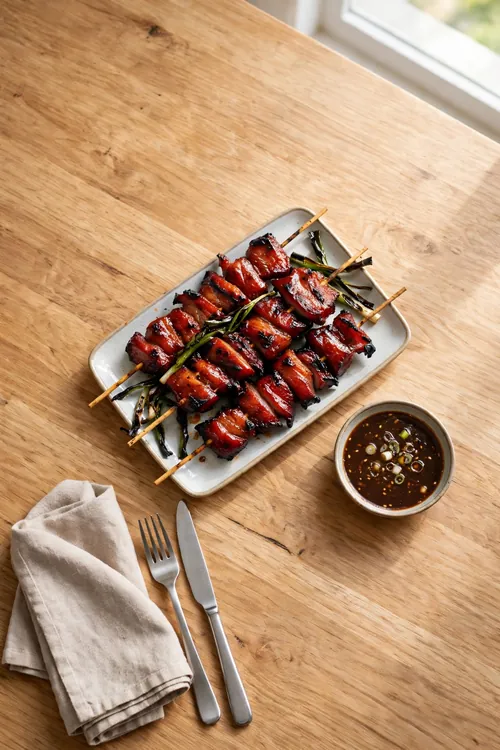
- Cut the marinated meat into long strips about two fingers wide, so they cook evenly on the grill.
- Thread each strip onto a soaked wooden skewer in a gentle wave, leaving small gaps for the heat.
- Grill over high heat, turning every two minutes and brushing with marinade as the edges char.
- Rest the skewers five minutes, then slide the strips off or serve them straight on the sticks.
Skewers make this dish cookout food, portable, fast, and gone within minutes of hitting the serving plate outdoors. The strips char on more sides than a flat slab ever could, so glaze lovers get extra crispy edges in every single bite they take at home.
Rice Or Noodle Base

- Base: Rice soaks up glaze and pan juices, while noodles carry the slices like a topping with presence.
- Sauce: A rice plate wants extra sauce spooned over, while a noodle bowl seasons itself from the broth below.
- Texture: Rice keeps every bite soft and steady, while noodles add spring and chew against the tender slices.
- Best Moment: Rice wins on busy weeknights, while noodles shine when dinner should feel like a small event.
There is no wrong base here, only the mood of the cook standing in the kitchen that evening at home. Rice makes it a plate dinner, noodles make it a bowl dinner, and both carry the slices exactly the way they deserve to be carried.
Serving Day Rules
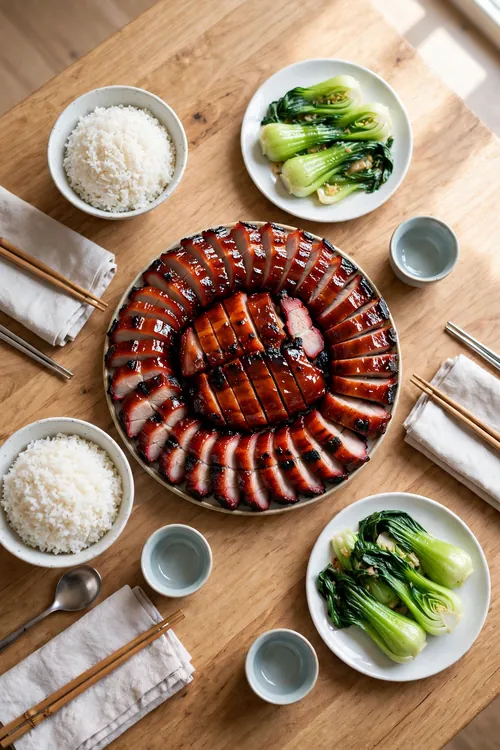
| DO | DON’T |
|---|---|
| Rest the meat before slicing | Carve it straight from the oven |
| Warm the plates on big nights | Serve on cold plates that chill the glaze |
| Keep extra sauce at the table | Hide the sauce back in the kitchen |
| Slice more than you think you need | Let guests wait on a second batch |
Serving day runs smoother when the small decisions are made before the first guest or hungry kid reaches the table. Warm plates, ready sauce, and generous slicing turn a good roast into the dinner everyone talks about together on the long drive home afterward that night.
Slow Cooker Pull-Apart
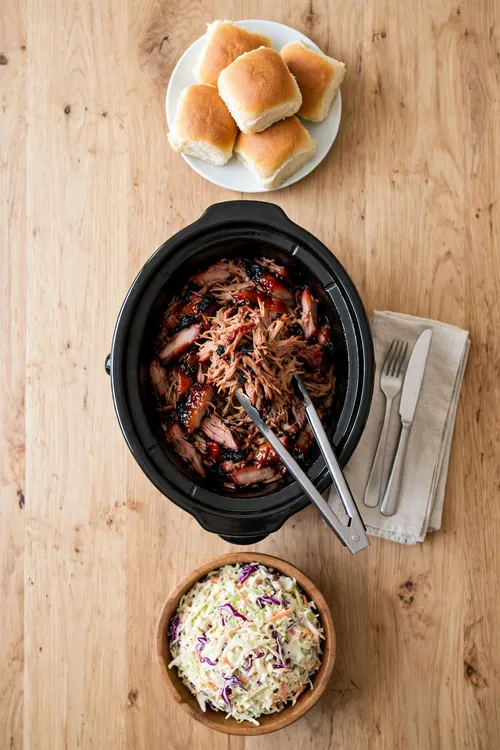
Cost: Low, the cooker does the work
Time Needed: 6 hours, completely hands off
Difficulty: Easy
Result: Tender shreds in a sweet glaze
The slow cooker version trades crisp edges for complete tenderness, and some nights that trade is exactly right for the family. Pile the shreds on soft rolls with slaw, and the roast becomes sandwiches nobody at the table will ever forget this winter at home.
Conclusion
However you serve it, the pattern stays the same, a patient marinade, real heat at the finish, and slices cut thick enough to stay juicy. Master the classic slab first, then let the remixes carry char siu pork through the whole month without a single repeat feeling.
Save this list for the weeks when dinner ideas run dry, and share it with anyone who thinks roast pork belongs only in restaurants. I have watched these plates win over picky kids and skeptical grandparents alike, and yours will do the same. For a tangy braise, my pork adobo simmers all afternoon.