Why Is My Rice Hard And Undercooked? Easy Fix Guide
Hard undercooked rice is a common dinner setback. The pot looks done, but the grains stay crunchy and firm in the middle. A little more water and a few minutes of steam usually finish the job.
Most undercooked rice comes from too little water, a loose lid, or lifting the lid too often. Each peek lets steam escape, and the top layer never gets the moist heat it needs. A tight lid and low heat finish the job gently.
This guide covers stovetop, microwave, and serving fixes in order. If a pasta bake is next, this baked pasta guide firms up a soft tray.
Why Rice Stays Hard
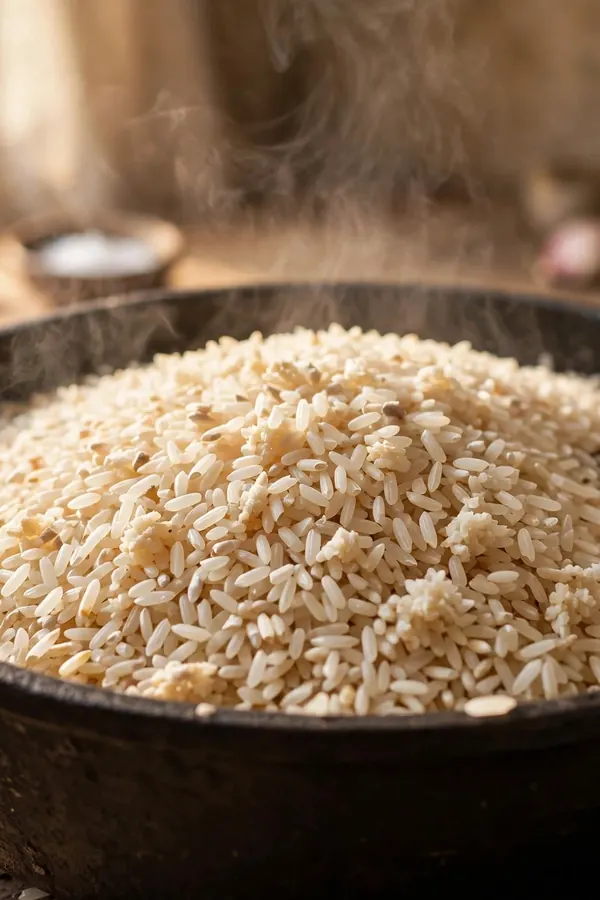
Rice cooks by absorbing water and swelling. If the water runs out or escapes as steam, the grains stop cooking while the center stays hard. A lid that does not seal well can quietly ruin a whole pot. A loose lid leaks steam, so the top layer never gets enough moist heat.
High heat makes it worse by boiling water away before the grains absorb it. In my experience, low heat and a tight lid matter more than the exact brand of rice. Keep the heat low and the lid tight, and the grains will finish gently without scorching.
Add Water And Steam

Steaming is the gentlest rescue. A small splash of water and a covered rest lets the grains finish without turning mushy. Do not stir while it steams. Sprinkle the water evenly, then cover tightly and let steam finish the job. Do not stir while it steams.
- Sprinkle two tablespoons of water over the rice.
- Cover with a tight lid or a clean towel under the lid.
- Cook on the lowest heat for 5 minutes.
- Turn off the heat and rest, covered, for 10 minutes.
- Fluff gently with a fork and taste before serving.
Fix Rice In Microwave

Quick Tip: For a single portion, move the rice to a microwave safe bowl, sprinkle with water, and cover loosely. Heat for two minutes, rest for two minutes, then fluff. The microwave steams small amounts fast.
Check the center grains, not just the top. The top layer steams first, so a taste from the middle tells you the truth about the whole bowl. Taste from the middle, since the top steams first and can mislead you. If the center still feels firm, steam for two more minutes.
Rescue Burnt Bottoms

Common Mistake: Cranking the heat to force hard rice to cook. High heat scorches the bottom layer while the top stays crunchy. The pot ends up with burnt rice and hard rice at once.
The Fix: Keep the heat low and let steam do the work. If the bottom already scorched, scoop the good rice into a clean pot and finish it there.
Never scrape the scorched layer into the good rice. The burnt flavor spreads fast and no amount of steaming removes it. Scoop the good rice into a clean pot and finish it there on low heat. Never scrape the scorched layer upward, since the burnt flavor spreads fast.
Avoid Peeking Habits

What You Need:
- Heavy pot with tight lid: A good seal keeps steam where it belongs.
- Clean kitchen towel: A towel under the lid traps extra steam.
- Fork: Fluffing with a fork keeps grains whole.
- Measuring cup: Correct water ratios prevent most problems.
- Timer: A timer stops the urge to peek early.
These simple tools solve most rice problems. A heavy pot and a timer beat any fancy rice gadget for weeknight cooking. A heavy pot and a timer beat any fancy gadget for weeknight rice. Set the timer, walk away, and let the steam do the work.
Measure Water Right
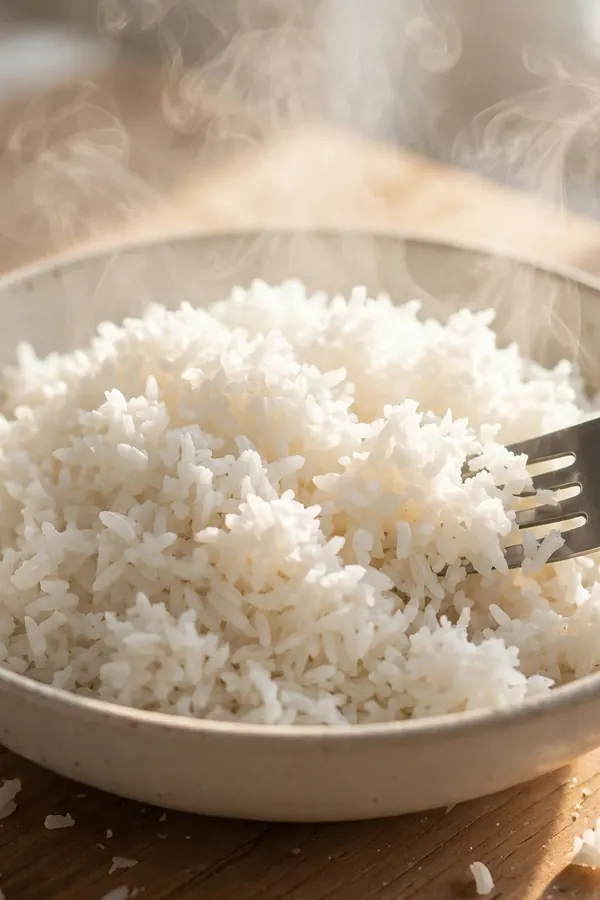
Before: The pot boiled hard, the lid was lifted three times, and the rice came out crunchy on top and scorched underneath. Dinner was delayed while a second pot started.
After: The rice simmered low with a tight lid, rested covered, and fluffed into tender, separate grains. The same rice and pot gave a completely different result.
Method beats ingredients here. Low heat, enough water, and a covered rest turn an average pot into fluffy rice. Gentle heat, the right water, and a lidded rest turn a plain pot into fluffy rice. Measure the water every time, and trust the timer instead of peeking.
Pick The Right Pot

Do This:
- Choose a heavy pot with a thick base that spreads heat evenly.
- Pick a pot that fits the batch, with room for the rice to swell.
- Use a lid that seals tightly so steam stays inside.
- Prefer stainless steel or enamelled cast iron for steady heat.
Avoid This:
- Do not use thin pots that scorch the bottom before the top cooks.
- Do not cook a small batch in a huge pot with a loose lid.
- Do not use a wide shallow pan that lets steam escape too fast.
- Do not lift the lid to check, since each peek releases steam.
The right pot does half the work for you. A heavy base stops scorching, a tight lid holds steam, and the right size keeps the grains in an even layer. Thin pots and loose lids fight you at every step. Choose the pot first, and the rice will finish tender with far less fuss.
Fix Crunchy Fried Rice

Time Needed: About 5 minutes of covered steaming in the pan.
Difficulty: Easy, with just water and a lid.
Best For: Day old rice and leftover grains that dried out.
Pro Tip: Add water around the edges, not over the top, to keep the grains separate.
Crunchy fried rice needs steam, not more oil or higher heat. Sprinkle a little water around the edges of the pan, cover tightly, and let the grains soften for three minutes. The lid traps moisture and finishes the crunchy centers. Then uncover, toss once, and serve right away while the grains are hot and tender.
Adjust For Rice Types

White rice cooks fastest, with jasmine and basmati close behind. Both need modest water, a short simmer, and a covered rest. Keep the water measured and the lid shut for fluffy grains. Basmati benefits from a quick rinse and a twenty minute soak, which keeps the grains long and separate.
Brown rice needs more water and about twice the simmer time, so do not judge it by white rice timing. Wild rice blends vary widely, so follow the package for water and time. Check the bag every time you switch types, since one ratio never fits them all.
Store Cooked Rice

Cooked rice keeps well when it cools fast and goes into the fridge promptly. Warm rice left on the counter turns sticky and stale, and it firms up unevenly. A quick chill keeps the grains separate and ready for fried rice or a fast reheat later.
- Spread the rice on a tray so it cools within an hour.
- Pack the cooled rice into shallow airtight containers.
- Refrigerate promptly and use within three days.
- Freeze extra portions for up to one month.
- Reheat with a splash of water under a loose cover.
Plan Rice Timing

Quick Tip: Start the rice before the rest of dinner. Rice needs a simmer plus a ten minute covered rest, so it should go on first. Work backwards from serving time and let the rest happen while you finish the main dish.
Rice timing is simple once you count the rest as cooking time. A pot that simmers for fifteen minutes and rests for ten is ready in twenty five, not fifteen. Plan the main dish around that window, and the rice will land on the table hot and fluffy.
Conclusion
Hard undercooked rice needs steam, not force. Add a splash of water, cover tightly, simmer low, and rest before fluffing. Those steps rescue almost any pot, and measuring water well prevents the next failure. For another seasoning fix, this brined chicken guide balances chicken that soaked too long.
If the rice still feels firm, give it five more minutes of covered steam. Small splashes of water and a tight lid do more than high heat. Once the grains turn tender, fluff gently and serve right away while the rice is hot and fragrant.