Why Is My Baked Pasta Mushy? Easy Fix Guide
Mushy baked pasta looks rich in the dish, then collapses into a soft pile on the plate. The noodles overcooked twice, once in the pot and once in the oven. A few method changes keep the tray firm.
Pasta keeps absorbing sauce in the oven, so noodles that start fully cooked end up swollen and limp. A thick sauce, a short bake, and a rest before slicing hold everything together. Resting before slicing lets the sauce set around the noodles.
This guide covers boiling, saucing, baking, and resting in order. If salmon is next on the menu, the baked salmon guide keeps fillets moist and tender.
Why Pasta Turns Mushy
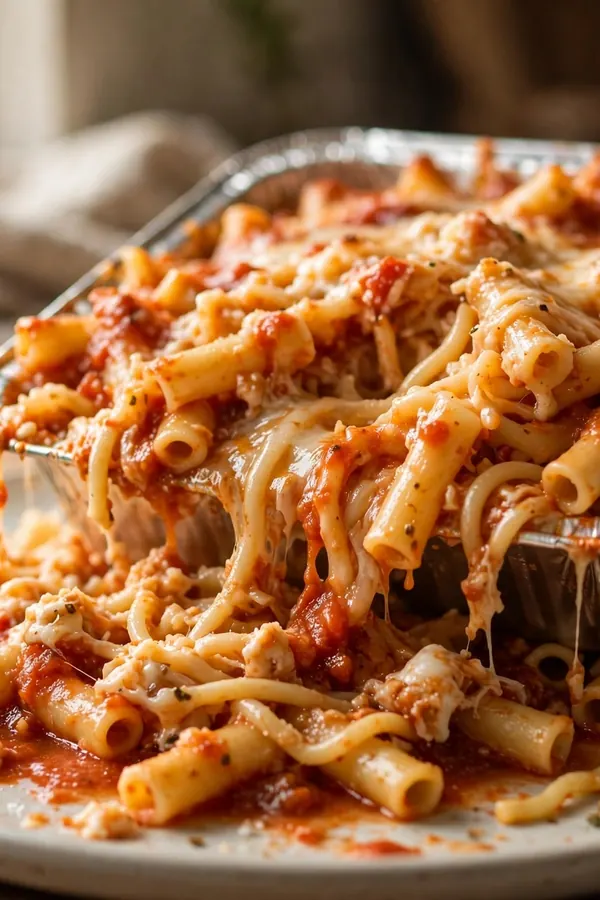
The noodles get two rounds of cooking. The pot softens the noodles, and the oven keeps softening them in hot sauce. Noodles that start tender end up mushy by serving time. Noodles that start tender have nowhere to go but soft, so pull them early. The oven finishes what the pot started.
Thin sauce makes it worse by flooding the noodles with water. In my experience, undercooking the noodles and thickening the sauce fix most mushy trays. Thicken the sauce until it coats a spoon, and undercook the noodles by two minutes. Those two habits fix most soft trays.
Undercook Noodles First

Boil noodles two minutes less than the package time. They should feel firm and slightly chalky in the center. The oven finishes them gently in the sauce. Taste one noodle before draining, and toss the drained noodles with a little sauce right away. Assembling fast keeps them from clumping.
- Use a large pot with plenty of salted water.
- Set a timer two minutes short of the package time.
- Taste one noodle before draining.
- Drain quickly and toss with a little sauce.
- Assemble the tray right away.
Thicken Sauce Well

Quick Tip: Simmer the sauce until it coats a spoon thickly. A watery sauce soaks into noodles and turns the tray soft. A thick sauce stays put and keeps the pasta firm.
Let the sauce cool slightly before assembling. Hot, thin sauce starts softening noodles before the tray even reaches the oven. A hot, watery sauce starts softening the noodles before the tray reaches the oven. Once it has cooled a little, assemble and bake right away. A thick sauce stays put and keeps the tray firm.
Layer Trays Lightly

Common Mistake: Drowning the tray in sauce and cheese. Extra liquid seems generous, but it turns the bake into pasta soup. The noodles swell, the cheese slides, and the slices fall apart.
The Fix: Use just enough sauce to coat the noodles and a light cheese layer on top. The tray should look moist, not flooded, before it goes into the oven.
Spread the noodles in an even layer so heat reaches the whole tray. Thick mounds bake unevenly and stay mushy in the middle. Lay the noodles out evenly so the heat reaches every part of the tray. Thick piles bake unevenly and stay soft in the center.
Bake Shorter Time

What You Need:
- Large pot: Plenty of water keeps noodles from sticking.
- Colander: Fast draining stops the noodles cooking further.
- Heavy baking dish: Even heat bakes the tray uniformly.
- Foil: A cover traps steam for the first half of baking.
- Timer: A short bake needs watching.
Set a timer for ten minutes less than your usual bake. You can always add time, but you cannot uncook mushy noodles. Set a timer for ten minutes less than your usual bake, since you can always add time but you cannot uncook soft noodles. Check early and often.
Rest Before Slicing

Before: A tray sliced straight from the oven falls apart on the plate. The sauce is still loose, the cheese slides, and the noodles have not set. Each serving slumps into a soft pile instead of a neat square.
After: After fifteen minutes of rest, the sauce thickens and clings to the noodles. The cheese firms just enough to hold, and the slices lift out cleanly. The tray looks neat, and every serving keeps its shape.
Resting is not wasted time. The starch in the sauce thickens as it cools slightly, and the layers settle together. Give the tray a full fifteen minutes on the counter, then slice with a sharp knife. The wait turns a sloppy tray into clean, firm servings.
Fix Soggy Trays

Do This:
- Undercook noodles by two minutes.
- Thicken the sauce before assembling.
- Bake covered, then uncovered to brown.
- Rest the tray 15 minutes before slicing.
Avoid This:
- Do not boil noodles until fully tender.
- Do not flood the tray with sauce.
- Do not bake for a full hour.
- Do not slice straight from the oven.
Resting lets the sauce set around the noodles. A tray sliced too soon falls apart no matter how well it baked. Resting lets the sauce set around the noodles, so a tray sliced too soon falls apart. Give it fifteen minutes, then slice with a sharp knife.
Rescue Overbaked Edges

Time Needed: About 10 minutes to soften and rescue dry edges.
Difficulty: Easy, with sauce and foil you already have.
Tools Required: Foil, a spoon, and warm sauce.
Best For: Trays where the edges dried out before the center finished.
Dry edges need moisture, not more oven time. Spoon warm sauce over the crisp edges and cover the tray loosely with foil. The trapped steam softens the dry cheese and noodles in a few minutes. Serve the rescued edges with extra sauce, and save the center slices for anyone who likes them firm.
Choose Sturdy Shapes

Thick tubes hold up best in a baked tray. Rigatoni, penne, and ziti keep their bite through boiling and baking, and their hollows catch sauce. Their thick walls resist swelling, so the tray slices cleanly. Choose a shape with substance, and the bake will hold together.
Thin shapes go soft fast in the oven. Spaghetti tangles and turns limp, while small elbows swell and lose their shape. Flat noodles fold and stick, which leaves dense, mushy patches. Save delicate shapes for stovetop dishes, and keep sturdy tubes for the oven.
Store Pasta Trays

Leftover baked pasta keeps well when it cools before it goes into the fridge. A hot tray sealed too soon turns steamy and soft. Cool it uncovered, then pack it airtight so the noodles stay firm for the next meal.
- Cool the tray uncovered for up to one hour.
- Cut the tray into single servings for easy reheating.
- Pack the servings into airtight containers.
- Refrigerate for up to three days, or freeze for one month.
- Reheat covered with a splash of water until hot through.
Plan Better Bakes

Quick Tip: Choose sturdy shapes like rigatoni, penne, or ziti for baked pasta. Thin spaghetti and small elbows go soft fast. Thick tubes hold their bite through baking.
Assemble trays a day ahead when you can. Chilled pasta firms up, and the tray bakes more evenly from cold with a slightly longer covered bake. Assemble trays a day ahead when you can, since chilled pasta firms up and bakes more evenly. Add a slightly longer covered bake from cold.
Conclusion
Mushy baked pasta is a timing problem, not a recipe failure. Undercook the noodles, thicken the sauce, bake briefly, and rest before slicing. Those four habits give a tray that holds together and tastes fresh. For another dinner rescue, the undercooked rice guide turns crunchy grains tender with gentle heat.
Assemble the tray just before baking so the noodles do not soak ahead of time. A thick sauce and a short bake keep the texture firm. Rest the tray before slicing, and every serving will hold its shape from dish to plate.