Why Is My Baked Salmon Dry? Easy Fix Guide
Dry baked salmon is a common letdown. The fillet looks golden, then flakes into chalky pieces on the plate. A few degrees and a few minutes make all the difference.
Salmon cooks fast and keeps cooking after it leaves the oven. High heat squeezes moisture out of the flesh, and a long bake turns even a good fillet tough. A thermometer removes all guesswork, and even fillets cook evenly. Pull the fish early and let the heat finish the job.
This guide covers choosing, baking, and rescuing fillets in order. If ribs are next, the pork ribs guide turns tough meat tender with low heat.
Why Salmon Dries Out
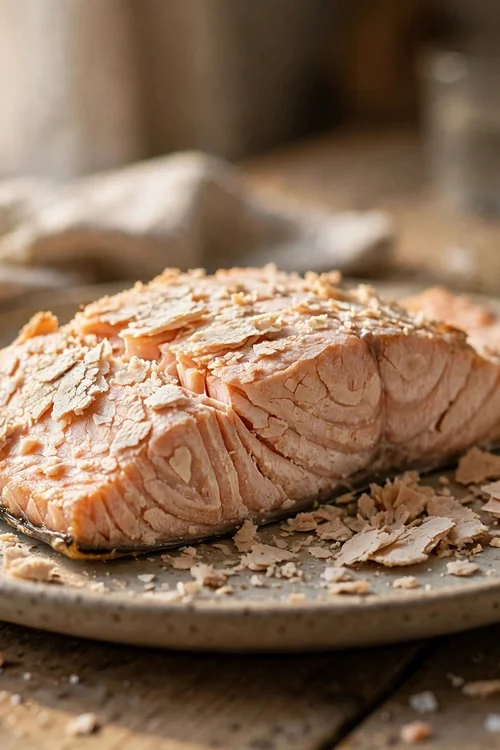
Salmon dries out when its proteins tighten and squeeze out moisture. Heat is the trigger, and the window between moist and dry is narrow. Just a few extra minutes can push a fillet past it. High heat squeezes moisture from the flesh fast, so a few extra minutes can ruin a fillet.
Thin tails overcook while thick centers stay raw, so uneven fillets bake unevenly. In my experience, even thickness and a thermometer prevent most dry salmon. Pull the fish at 125 degrees and let gentle carryover heat finish it.
Pick Fresh Fillets

Fresh fillets with even thickness bake most reliably. Look for firm flesh that springs back when pressed, and avoid fillets with gaps or brown edges. Look for firm flesh that springs back when pressed, with no fishy smell. Skin on fillets stay moist longer in the oven.
- Choose center cut fillets of similar thickness.
- Pat the fillets dry for better browning.
- Let fillets sit at room temperature for 15 minutes.
- Season lightly before baking.
- Brush with a little oil or butter.
Lower Oven Heat

Quick Tip: Bake at 275 to 325 degrees for gentle, even cooking. A lower oven gives you a wider window before the fillet dries. High heat is for searing, not for baking salmon through.
Place fillets skin side down on a lined sheet. The skin shields the flesh from direct heat and keeps the bottom moist. A lower oven gives you a wider window before the fish overcooks. Pull the tray early and check the center, since the fish keeps cooking as it rests.
Bake Shorter Time

Common Mistake: Baking until the fillet looks fully firm and flakes apart in the oven. By that point the inside is already overcooked, and resting only dries it further.
The Fix: Pull the salmon when the center still looks slightly translucent and the fillet feels soft when pressed. Residual heat finishes it on the counter.
Watch for white spots forming on the surface. A few small spots mean the fillet is nearly done. A heavy white coating means it has gone too far. Set a timer and check two minutes early, since oven times vary by thickness. The center should still look slightly translucent when you pull it.
Check With Thermometer

What You Need:
- Instant read thermometer: Pull salmon near 120 to 125 degrees for moist flesh.
- Lined baking sheet: Parchment keeps fillets from sticking.
- Paper towels: Dry skin browns better and sticks less.
- Lemon: A squeeze brightens rich fish.
- Timer: Short bakes need watching.
A thermometer removes all guesswork. Color and flaking lie, but a temperature reading tells the truth every time. Insert the probe into the thickest part, away from the skin and bones, for a true reading. Pull the fish a few degrees early and let carryover heat finish the job.
Rest Fillets Briefly

Before: Fillets baked at 425 degrees for 20 minutes came out chalky, with heavy white spots and dry flakes. The center was as tough as the edges.
After: Fillets baked at 300 degrees to 125 degrees stayed silky in the center and flaked gently. The same fish tasted completely different.
Lower heat and an early pull are the whole fix. Salmon needs gentle treatment, not a blast of heat. Rest the fillets on a warm plate under loose foil for five minutes. The juices redistribute and the flesh relaxes before serving. Slice only after resting so the juices stay in the fish.
Fix Overbaked Salmon

Do This:
- Bake at 300 degrees for most fillets.
- Pull at 120 to 125 degrees inside.
- Rest fillets for 3 to 5 minutes.
- Serve with a sauce or a squeeze of lemon.
Avoid This:
- Do not bake at very high heat.
- Do not wait for full flaking in the oven.
- Do not press fillets flat while baking.
- Do not reheat leftovers on high heat.
Pressing squeezes out juices that should stay in the flesh. Leave the fillets alone and let the oven do the work. Flake overcooked fish into pasta, salads, or rice bowls where sauce adds moisture back. A little butter or olive oil also softens each bite.
Rescue Dry Leftovers

Time Needed: About 12 to 15 minutes baking.
Difficulty: Easy, with a thermometer.
Cost: No extra cost.
Best For: Weeknight dinners and meal prep.
Thicker fillets need more time, thinner ones less. Judge by temperature, not by the clock, for the best result. Cold leftovers work well flaked over salads or folded into pasta. Warm them gently in sauce, never in a hot oven, so they stay tender. Eat within two days.
Choose Rich Sauces

If the salmon is already overbaked, flake it into warm sauce instead of serving it whole. A lemon butter sauce, a yogurt dill sauce, or a creamy pasta sauce adds back moisture and hides the dry texture. A butter sauce or a creamy dill sauce adds richness that flatters mild fish.
Warm the flaked fish gently in the sauce for one minute. Boiling the fish in sauce will only dry it further, so keep the heat low. Spoon the sauce over just before serving so the top stays glossy and fresh.
Store Salmon Right

Dry leftover salmon makes excellent salmon cakes, salads, and pasta. Flaking hides the texture and a moist mix brings it back to life. Cool leftovers fast and refrigerate within two hours. Store fillets in a sealed container and use them within two days for the best texture.
- Flake the cold salmon into a bowl.
- Mix with mayo, herbs, and breadcrumbs for cakes.
- Pan fry cakes briefly until crisp outside.
- Toss flakes into pasta with cream sauce.
- Serve cold flakes over salad with vinaigrette.
Plan Better Dinners

Quick Tip: Store leftover salmon in a sealed container and use it within two days. Reheat gently in a covered pan with a splash of water or broth. A quick warm up beats a long reheat.
For meal prep, slightly underbake the fillets you plan to reheat. The reheat finishes the cooking and the fish stays moist instead of drying out twice. Plan sides that cook in the same oven time, so everything lands hot together. A simple salad and warm bread round out the plate.
Conclusion
Dry baked salmon comes down to heat and timing. Bake low, pull early at 125 degrees, and rest briefly before serving. Those habits give moist, flaky fillets every time. For another hearty rescue, the baked pasta guide firms up a soft pasta tray nicely with a short rest.
Buy fillets of even thickness when you can, and let the thermometer guide the bake. A gentle oven and an early pull keep the center silky. Serve with lemon and a simple sauce, and the fish will stay moist from the first bite to the last.