Why Is My Fried Rice Mushy? Easy Fix Guide
If your mushy fried rice clumps into a soft lump, you are not alone. Fresh wet rice steams in the wok, and a crowded pan only makes it worse. The good news is that dry rice and high heat fix it fast.
This guide covers rice choice, drying, heat, and tossing. You will learn why the rice turns soft and how to keep every grain separate. Every fix uses basic tools and pantry staples.
Once your rice stays crisp, the next oven dish may need the same care, so keep the chicken wings fixes handy for golden crunchy wings every time.
Why Fried Rice Turns Mushy

Most soft fried rice starts with fresh rice. Newly cooked grains are full of surface moisture, and they steam instead of fry when they hit the wok. The result is a sticky clump, not separate grains.
A crowded wok makes it worse, since the rice cannot touch the hot metal. In my experience, the fix is simple: use cold, dry rice and cook in a ripping hot wok. Dry grains fry into separate, lightly crisped bites. Day old rice fries up dry and separate, while fresh rice steams and clumps together in a hot wok.
Start With Cold Rice

Cold day old rice is the single most important fix. A night in the fridge dries the surface of each grain, so the rice fries instead of steaming. Follow these steps for dry, ready grains. Cold rice straight from the fridge works best for frying every time.
- Cook the rice a day ahead and cool it quickly.
- Spread it on a tray and refrigerate uncovered overnight.
- Break apart any clumps with your fingers before cooking.
- Let the rice sit at room temperature for 10 minutes.
Keep the Wok Hot

Quick Tip: Heat the wok until a drop of water evaporates in a second. If the wok is not hot enough, the rice will steam no matter how dry it is.
High heat is what makes fried rice fry. A hot wok sears the grains fast, drives off moisture, and gives a light toast. If the wok cools down, stop adding ingredients and let it recover. Patience with the heat beats speed every time. Hot oil gives the rice a crisp golden edge.
Fix a Soggy Batch

Common Mistake: Many cooks add more soy sauce to a soggy batch. Extra sauce only adds liquid and makes the rice softer.
The Fix: Dry it out. Spread the rice on a tray and bake it briefly, or fry it in batches in a hot wok.
Rescue works best with heat and space. Spread the rice thin on a tray, bake at 400 degrees for 8 minutes, and let the steam escape. Then return it to a hot wok in small batches. The grains will firm up and take on a light crispness.
Choose the Right Rice

What You Need:
- Jasmine rice: the classic choice, fragrant with separate grains.
- Long grain rice: stays firm and separate after frying.
- A wide wok: gives rice room to touch the hot metal.
- High smoke point oil: handles high heat without burning.
- Day old rice: drier than fresh rice, so it fries better.
Rice choice matters less than dryness, but long grains beat short grains. Short grain rice is sticky by nature and clumps in the wok. Jasmine is the best balance of fragrance and separation. Whatever you use, dry it well first. Leftover rice from last night is ideal for the wok.
Before Mushy After Crisp

Before: The rice clumps into a soft mass. The grains are wet and sticky, and the dish tastes flat and heavy.
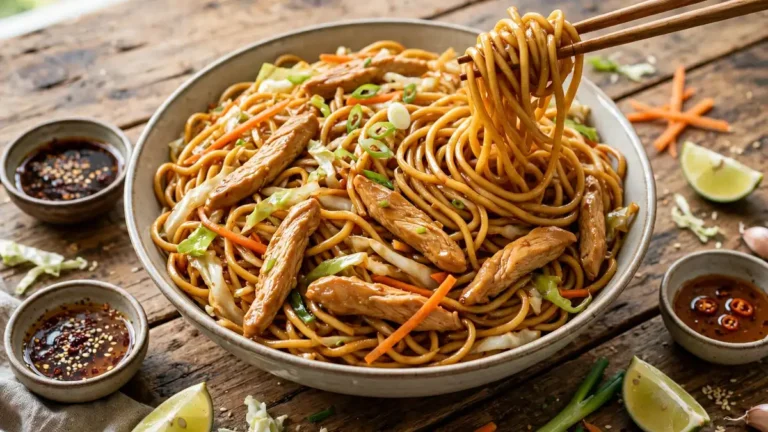
After: The grains stay separate and lightly crisp. Vegetables stay bright, and each bite has bite.
The change comes from cold rice and high heat, not from a new sauce. Dry the rice overnight, heat the wok fully, and cook in batches. Those habits turn a soft clump into a wok dish worth serving. Work in batches so the wok stays hot and the rice fries.
Do and Don’t Basics

Do This:
- Use cold, day old rice.
- Heat the wok until it shimmers.
- Cook in small batches.
- Add sauce in small splashes.
Avoid This:
- Do not use fresh, wet rice.
- Do not crowd the wok.
- Do not drown the rice in sauce.
- Do not stir constantly, let it sear.
These habits keep the grains separate from start to finish. Dry rice, hot wok, and small batches are the whole secret. Once the routine is set, crisp fried rice becomes the normal result. Do not stir the rice too often, since constant stirring breaks the grains and releases starch into the pan.
Quick Rice Facts

Time Needed: 10 minutes cooking plus overnight drying.
Difficulty: Easy, with attention to heat.
Best For: Weeknight dinners and leftover rice.
Pro Tip: Push rice to the sides to fry the egg in the center.
The center of the wok is the hottest spot, so it is perfect for scrambling the egg. Push the rice to the edges, pour in the beaten egg, and scramble it quickly. Then fold the egg through the rice for even, fluffy bits. Serve the rice the moment it leaves the hot wok.
Spread Rice to Dry

Spreading rice thin is the fastest way to dry it. A thick pile traps steam and stays wet, while a thin layer lets moisture escape in minutes. Use a tray, not a bowl, when cooling rice.
If you forgot to cook rice a day ahead, this trick saves the dish. Spread fresh rice on a tray, fan it for a few minutes, and refrigerate for one hour. The grains will dry enough to fry, and the result will be far better than cooking wet rice straight from the pot. Spread the rice thin so it cools fast.
Rescue a Soft Batch

A soft batch can still be saved with heat and small batches. Dry the rice, refry it fast, and season lightly at the end. Work in batches so the wok stays hot. Spread fresh rice on a tray to dry it out for an hour before frying.
- Spread the soft rice on a tray and let it cool.
- Heat the wok until the oil shimmers.
- Fry the rice in small batches, undisturbed for a minute.
- Add a small splash of sauce only at the end.
- Serve at once while the grains are crisp.
Serve It Hot

Quick Tip: Serve fried rice in warm bowls. A cold bowl cools the grains fast and softens the crisp edges you just built.
Serving fast protects the texture. Plate the rice the moment it leaves the wok, and add garnish at the last second. If the rice must wait, keep it uncovered so steam escapes. Covered rice goes soft, while open rice stays crisp. High heat is the key to crisp fried rice every time.
Conclusion
Fixing mushy fried rice comes down to cold dry rice, high heat, and small batches. Those three habits give separate, lightly crisp grains. Once they are routine, crisp rice takes no extra effort.
Take the fixes one at a time, and your next batch will show a clear improvement. Write down what worked, so the fix gets faster every time you cook.
Season lightly, and let the wok do the work. For another dish where crispness rules, see the rubbery shrimp fixes, then serve your rice while it still sizzles.