Why Is My Pilau Rice Mushy? Easy Fix Guide
If your mushy pilau rice comes out clumped and soft instead of fluffy with separate grains, you are not alone. Many home cooks face this same letdown, and the good news is that fluffy pilau takes only a few careful habits.
The usual causes are easy to spot. Too much water, unrinsed rice, or lifting the lid during steaming can all turn the grains soft. Once you control water and steam, the grains stay separate.
This guide walks you through each fix in order, from rinsing to resting and serving, so your next pot turns out fluffy. For a sauce rescue next, read cheese sauce after this one.
Why Pilau Goes Mushy

Pilau goes soft when the grains absorb too much water or break apart. Unrinsed rice carries extra starch that glues the grains together, and too much water turns the pot into porridge. The grains swell, split, and stick together into one soft mass.
Stirring during cooking makes it worse, since the spoon breaks the grains and releases more starch. The fix is rinsing, exact water, and leaving the pot alone. Once the lid goes on, let the steam do the work without peeking. A calm, hands off approach gives the best grains every single time.
Rinse The Rice

Rinsing removes the loose starch that makes rice clump. Rinse until the water runs almost clear, then drain the rice well. Swish gently so the grains stay whole, and repeat until the water looks clear. Drain the rice well before it goes into the pot.
- Place the rice in a large bowl of cold water.
- Swish it gently with your hand for a few seconds.
- Pour off the cloudy water and repeat three or four times.
- Drain the rice in a strainer for ten minutes.
Measure Water Exactly
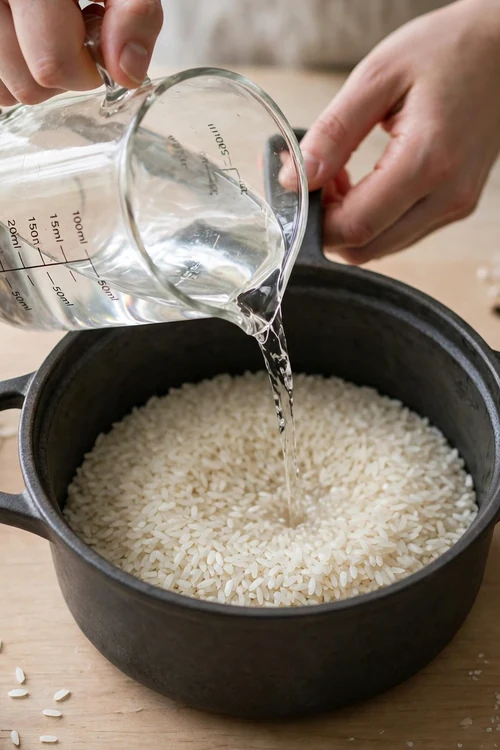
Quick Tip: Measure water with a cup, not by eye. For basmati, use one and a half cups of water per cup of rinsed rice, and keep the lid on tight.
Soaked rice needs slightly less water, since it already holds some. If you soak the rice for 30 minutes, reduce the water by two tablespoons per cup of rice. Write the adjusted amount on the recipe so you remember it next time. A measuring cup beats guesswork for this pot every time.
Toast Spices First

Common Mistake: Many cooks add the spices to plain boiled rice at the end. The spices stay raw and harsh, and the rice never picks up their flavor.
The Fix: Toast the whole spices in hot oil for one minute before adding the rice. The oil blooms the flavor and coats the grains lightly.
Listen for a gentle sizzle and a warm, fragrant smell. If the spices darken fast, lower the heat at once. Burnt spices turn the whole pot bitter. Keep the spices moving in the oil, and add the rice as soon as the fragrance blooms. Fragrant oil is the base of great pilau.
Steam On Low
What You Need:
- Basmati rice: Gives long, separate grains that stay fluffy.
- Heavy pot: Holds steady low heat and stops scorching.
- Tight lid: Traps steam so the grains cook evenly.
- Clean towel: Sits under the lid to catch drips.
- Fork: Fluffs the grains gently without breaking them.
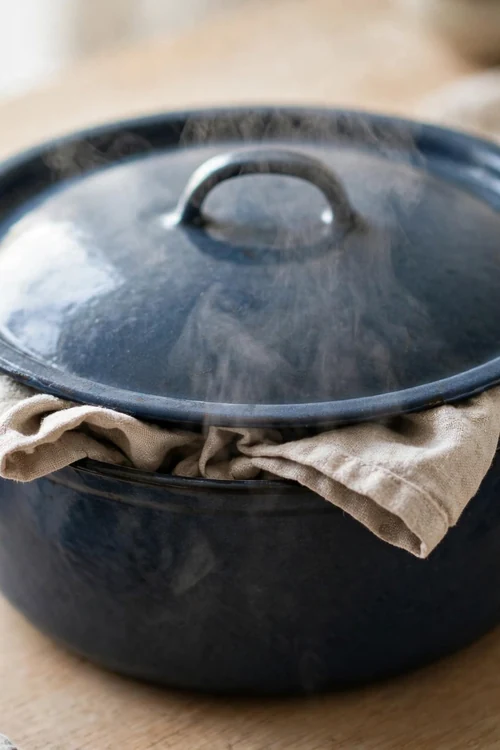
A heavy pot with a tight lid matters more than a fancy one. Thin pots scorch the base while the top stays hard, and a loose lid lets the steam escape. Lay a clean towel under the lid to catch drips, and keep the heat low throughout.
Rest Before Serving

Before: Before the fix, the rice cooked in too much water with the lid lifted often. The grains turned soft, sticky, and clumped together.
After: After the fix, the same rice cooks in measured water with the lid sealed. The grains stay separate, fluffy, and full of spice flavor.
Bring the pot to a boil, then drop the heat to the lowest setting at once. Let it steam for 15 minutes without lifting the lid, even to peek. The steam does the cooking. Set a timer, and trust the process until it rings. Do not rush this stage, since steam finishes the cooking.
Fix Mushy Pilau

Do This:
- Rest the pot off the heat for ten minutes with the lid on.
- Fluff the grains gently with a fork.
- Scatter fresh herbs over the top before serving.
Avoid This:
- Do not stir the rice with a spoon while it steams.
- Do not lift the lid during the cooking time.
- Do not serve straight from the heat, since the grains need to set.
Resting lets the last steam spread evenly through the pot. The grains firm up just enough to stay separate, and the flavor settles through every grain. Rest the pot off the heat for ten minutes, then fluff gently with a fork. A gentle fork keeps the grains whole and separate for serving.
Pick The Right Rice

Time Needed: About 15 minutes of steaming plus 10 minutes of resting.
Difficulty: Easy, once the water ratio and lid stay steady.
Cost: Low, since rice and whole spices cost little.
Best For: Curry nights, festive meals, and large gatherings.
Basmati is the best choice for pilau. Its long grains stay separate after cooking, while short grain rice turns sticky even with careful handling. Buy aged basmati when you can, since it cooks fluffier and smells richer. Aged grains cook up lighter, longer, and far more fragrant than fresh ones.
Serve Fluffy Pilau

Soft pilau can sometimes be saved. Spread the rice on a large baking tray and bake at 300 F for ten minutes. The dry heat drives off extra moisture and firms the grains. Spread the rice thin so the heat reaches every grain. Check the tray halfway through the rescue bake.
Another rescue is fried rice. Toss the soft rice in a hot pan with a little oil and spices. The high heat dries the grains and turns a soft pot into a tasty new dish. Serve it at once, while the grains are crisp.
Store Without Clumping

Serve pilau in a wide bowl, fluffed gently with a fork. A wide bowl lets steam escape, so the grains stay separate on the table. Fluff from the edges inward, and scatter fresh herbs over the top before serving. A light touch keeps every grain intact and fluffy.
- Fluff the rice gently with a fork.
- Move it to a wide serving bowl.
- Scatter fresh coriander over the top.
- Add lemon wedges on the side.
- Serve at once while the grains are fluffy.
Final Grain Check

Quick Tip: Lift a forkful and check the grains. Fluffy pilau shows separate grains that fall apart easily. If the grains still clump, spread the rice on a tray for five minutes before serving.
This quick check takes only a moment. Separate grains promise a good meal, and a short rest on a tray now beats a clumped pot at the table. Check a forkful from the center of the pot, where the grains cook slowest. Trust the fork test before you call the pot done.
Conclusion
Fixing mushy pilau rice comes down to rinsing well, measuring water exactly, and leaving the lid on while it steams. Those three habits turn a soft, clumped pot into fluffy grains full of spice flavor. Try them on your next pot and enjoy pilau worth serving. Keep the rinsing careful and the lid closed every time you cook, and fluffy pilau will become your normal result. Exact water and a patient rest make all the difference, and your rice will stay separate and light. For another kitchen rescue, read salty curry next.