How To Fix Overmixed Muffin Batter? Easy Fix Guide
Overmixed muffin batter is the reason good muffins turn tough, flat, and full of tunnels. Once the flour meets liquid, every extra stir builds gluten, and gluten makes muffins chewy instead of tender. The fix is a lighter hand and a shorter mix.
You will learn how little mixing muffins really need, how to fold in fruit and chocolate without overworking the batter, and how resting and scooping protect the texture. The fixes work for sweet and savory muffins alike.
Once the light touch clicks, your muffins will rise tall and stay tender, and the next guide on cookie dough shows how to fix a dough that tastes bitter.
Why Overmixing Ruins Muffins
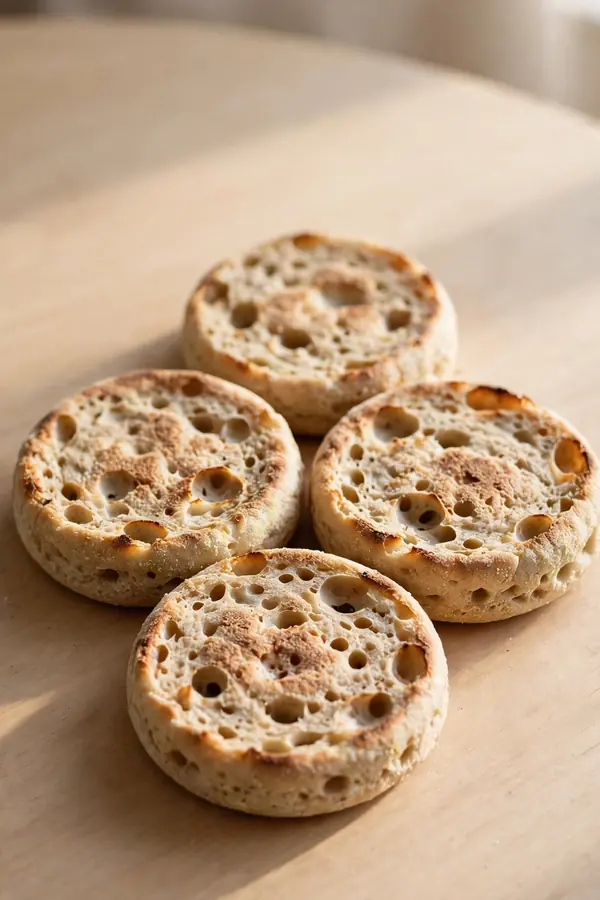
Muffin batter needs only enough mixing to wet the flour, and no more. Past that point, gluten strands tighten, air pockets collapse, and the baked crumb turns dense and rubbery. Long, pointed holes called tunnels are the classic sign. Stop as soon as no dry flour remains, even if lumps stay.
Electric mixers make overmixing easy, because they work so fast and hide the change. A spoon or spatula gives you the control muffins need, and you can feel the batter come together. Ten gentle strokes often do the whole job, and the lumps will bake out.
Gluten And Tough Texture

Gluten is the protein network that gives bread its chew. In muffins, a little is fine, but a lot makes them tough. Combine wet and dry in two bowls, stir with a spatula, and stop early. Follow these steps to mix just enough for tender muffins.
- Combine wet and dry ingredients in two bowls first.
- Pour wet into dry and stir with a spatula, not a mixer.
- Stop as soon as no dry flour remains, even if lumps stay.
- Count your strokes and aim for 10 to 15 total.
Mixing Just Until Combined

Quick Tip: A few lumps are not a flaw, they are the goal. Lumps mean you stopped in time, and they bake out in the oven. Smooth batter is overmixed batter.
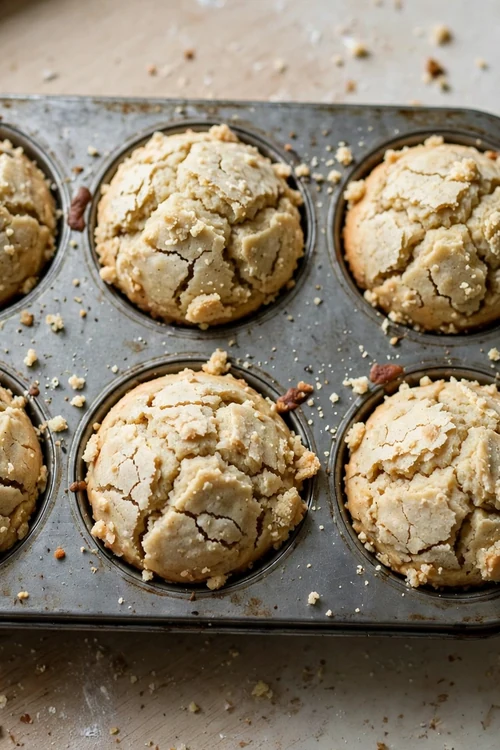
If the batter looks like cake batter, you have gone too far, so stop at once. Next time, stop earlier and trust the lumps. The baked muffins will prove the method, and the tops will dome instead of cracking. A few lumps are the goal, not a flaw, and they bake out.
Fixing Overmixed Batter

Common Mistake: Many bakers keep stirring until the batter looks perfectly smooth. The muffins come out tough, peaked, and full of tunnels, and the tops crack instead of doming.
The Fix: You cannot unmix batter, but you can rescue it. Let it rest for 15 minutes, which relaxes some gluten, then bake in a hotter oven for a better rise.
For a badly overworked batch, turn it into a quick loaf instead. The denser crumb suits a loaf pan, and a slice with butter hides the texture. Pour the batter into a lined loaf pan, bake until a toothpick comes out clean, and slice it thick. The loaf will taste rich and moist.
Folding In Add Ins

What You Need:
- Large spatula: Folds gently without developing gluten the way a whisk does.
- Two bowls: Wet and dry stay separate until the last moment.
- Ice cream scoop: Portions batter without stirring it again.
- Muffin tin: Heavy metal gives an even rise and golden tops.
- Paper liners: Prevent sticking and keep the tender crumb intact.
A spatula and a scoop are the only tools that matter here. Leave the mixer in the cupboard, and your muffins will thank you. A large spatula folds gently, and a scoop portions without stirring. The right tools protect the tender crumb at every step. Keep the whisk in the drawer too.
Resting Batter Before Baking

Before: Before, I mixed my muffin batter until it looked silky. The muffins came out tough, flat, and tunnel filled, and I blamed the recipe every time.
After: After switching to ten gentle strokes and a short rest, the same recipe gives tall, tender muffins with soft domed tops. The recipe was never the problem.
The fix feels wrong at first, because lumpy batter looks unfinished. Trust the method, and the oven will finish the job. The lumps bake out, the tops dome, and the crumb stays tender. Give the batter a short rest, and the oven will do the rest. Rest the batter for 10 to 15 minutes.
Scooping Without Deflating

Do This:
- Mix wet and dry separately first.
- Stir 10 to 15 strokes with a spatula.
- Fold add ins in with three gentle strokes.
- Rest the batter for 10 to 15 minutes.
Avoid This:
- Do not use an electric mixer for muffins.
- Do not stir until the batter is smooth.
- Do not beat add ins into the batter.
- Do not open the oven in the first 10 minutes.
These habits protect the tender crumb at every step, from mixing to scooping. Once they feel natural, every batch will come out light. Mix wet and dry separately, stir 10 to 15 strokes, and rest the batter. Repeat the routine, and tender muffins follow every time. The routine works for sweet and savory muffins.
Baking For Tall Tops

- Time Needed: About 5 minutes of mixing plus 10 minutes resting.
- Difficulty: Easy, mostly restraint.
- Cost: No extra cost.
- Best For: Sweet, savory, fruit, and chocolate muffins.
Muffins bake best at 400 degrees for the first five minutes, then 350 degrees until done. The hot start lifts the tops, and the lower heat finishes the centers. A toothpick should come out with moist crumbs, not wet batter. Test in the center, and pull the tin as soon as the crumbs look moist.
Serving Tender Muffins

Scoop batter with a large ice cream scoop in one smooth motion, and do not stir between scoops. Do not stir the bowl between scoops, since each extra stir builds more gluten. One smooth scoop per cup keeps the batter tender, and the tops will dome beautifully.
Fill cups three quarters full for tall domes. A full cup overflows, and a half full cup bakes flat. Keep the scoop moving and get the tin into the oven quickly. A hot oven start lifts the tops, so do not let the filled tin sit on the counter.
Storing Muffins Well

A hot oven start gives muffins their tall domes, and the method is simple. The quick heat sets the outside while the inside keeps rising. Preheat fully before mixing, bake hot for five minutes, then drop the heat. Follow these steps for tall domes on every batch.
- Preheat the oven fully before mixing.
- Bake at 400 degrees for the first 5 minutes.
- Drop to 350 degrees without opening the door.
- Bake 12 to 15 minutes more until golden.
Muffin Mixing Checklist

Quick Tip: Store muffins in an airtight container at room temperature for up to two days. Reheat for 10 seconds in the microwave to bring back the fresh baked softness.
Tender muffins dry out faster than tough ones, so do not leave them uncovered. A sealed container keeps the crumb soft and the tops domed. Store them airtight at room temperature for up to two days. Reheat for 10 seconds, and the fresh baked softness comes back. The muffins will taste fresh again.
Conclusion
Tender muffins come from a light hand, not a strong arm. The next time overmixed muffin batter threatens your batch, stop stirring as soon as the flour disappears and let the batter rest. A few lumps are fine, and they bake out in the oven. Fold add ins gently, scoop without pressing, and bake at a steady heat for tall, soft tops. With these habits, your muffins will stay tender from mixing bowl to table. For the fix that came before this one, see this cake guide for pans that release cleanly every time.